
Ryan Machado Looks Back on the Stories That Define His Cinema


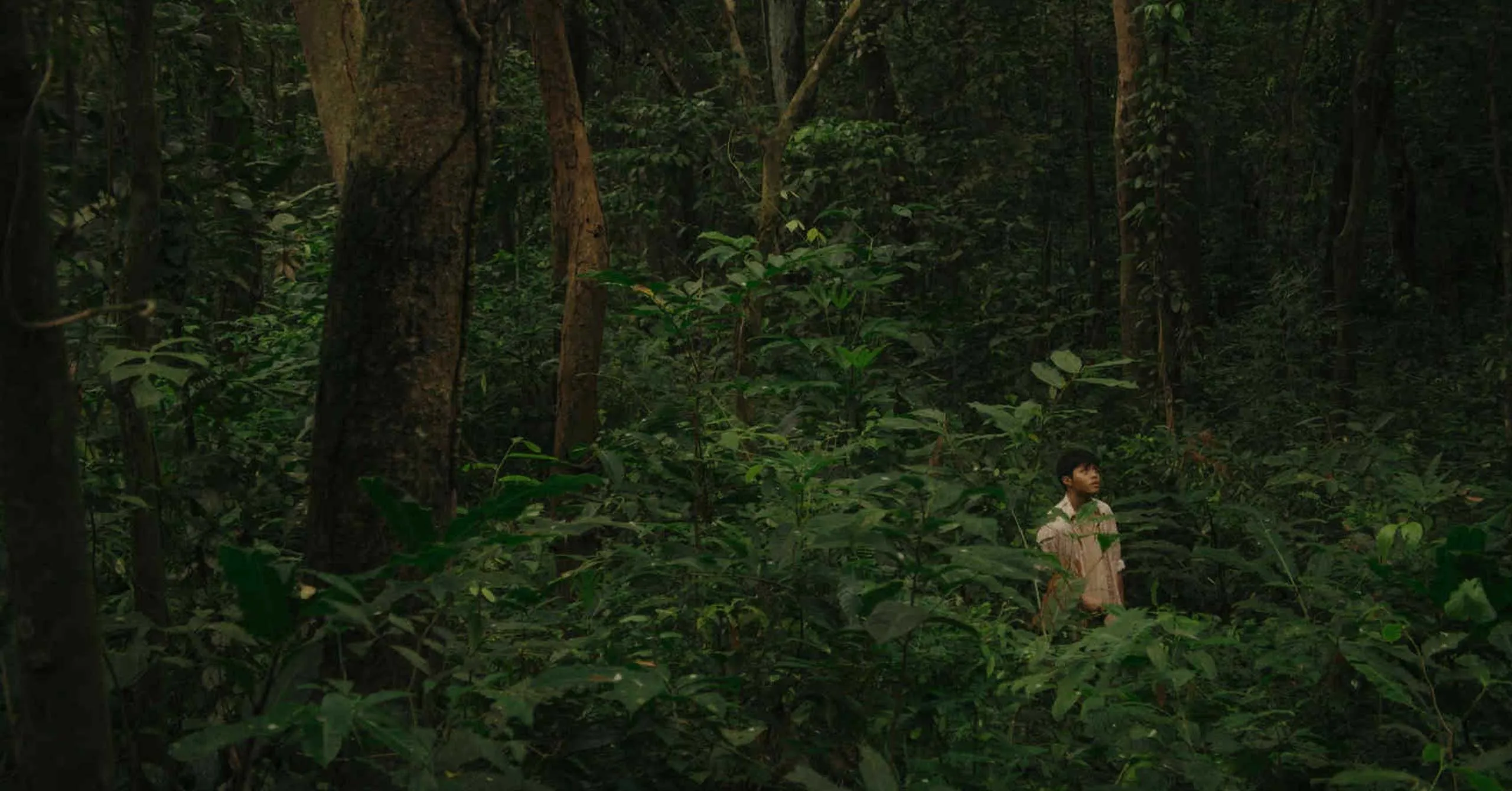
Courtesy of Ryan Machado
Courtesy of Ryan Machado
Ryan Machado’s film “Raging” earned him the title of “Best Director” at the 23rd Asian Film Festival in Rome. In an interview with Vogue Philippines, Machado discusses his journey as a filmmaker and the types of stories that resonate with him as an artist.
When filmmaker Ryan Machado released his debut film “Ang Huling Palabas,” at Cinemalaya in 2023, it focused on regional storytelling and themes of coming-of-age, showcasing a distinctive visual aesthetic that established his brand. Now, three years later, with his sophomore film “Raging,” he returns with a stronger vision while retaining some of that visual branding. This evolution eventually earned him the title of Best Director at the 23rd Asian Film Festival in Rome.
Similar to his debut film, Machado’s “Raging” was part of the full-length feature lineup at the 2025 Cinemalaya Philippine Independent Festival. It was also selected for the Panorama section of the 76th Berlin International Film Festival last February 2026. Most recently, “Raging” was featured in the Asian Film Festival, where Machado was awarded Best Director on April 15, 2026.
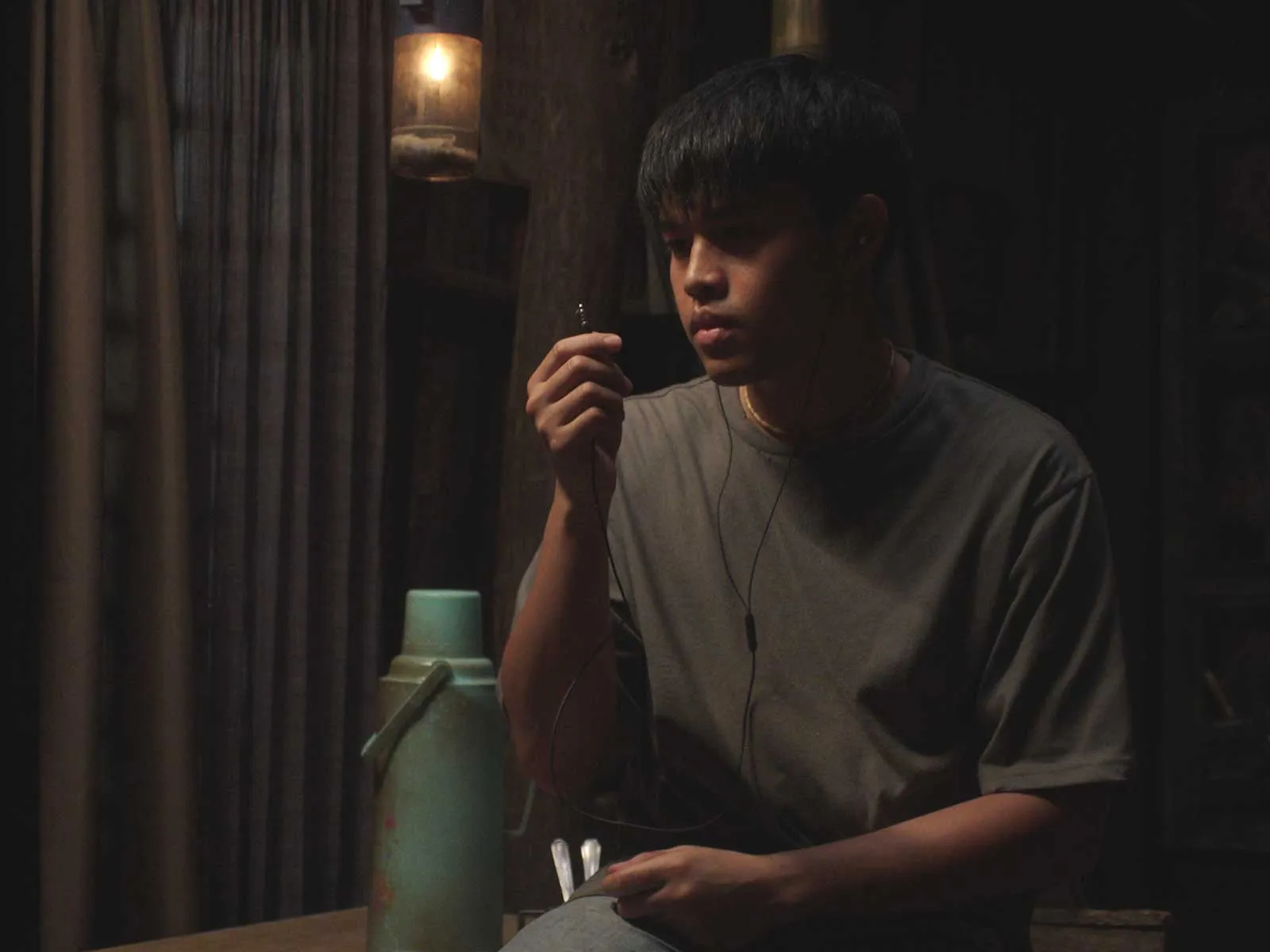
In an interview with Vogue Philippines, he discusses the significance of this recognition for his career as an independent filmmaker. “It feels surreal, especially since ‘Raging’ came from a very personal and urgent place. As a regional and independent filmmaker, this recognition is surprising; it feels like a quiet affirmation that the stories I tell, even when they are uncomfortable or difficult, can resonate beyond their origins. While it’s encouraging, it also brings a sense of responsibility to continue telling stories that matter.”
In his debut film, “Ang Huling Palabas,” Machado won the Best Direction award at the 19th Cinemalaya Film Festival in 2023. Now that he has received a similar award on a global stage, it highlights the evolution of his storytelling over the past three years. Central to this growth is his distinctive branding, which includes consistent elements featured in his work. One such element is his choice of Romblon as the setting for his latest film, “Raging,” marking the second consecutive time he has used this location.
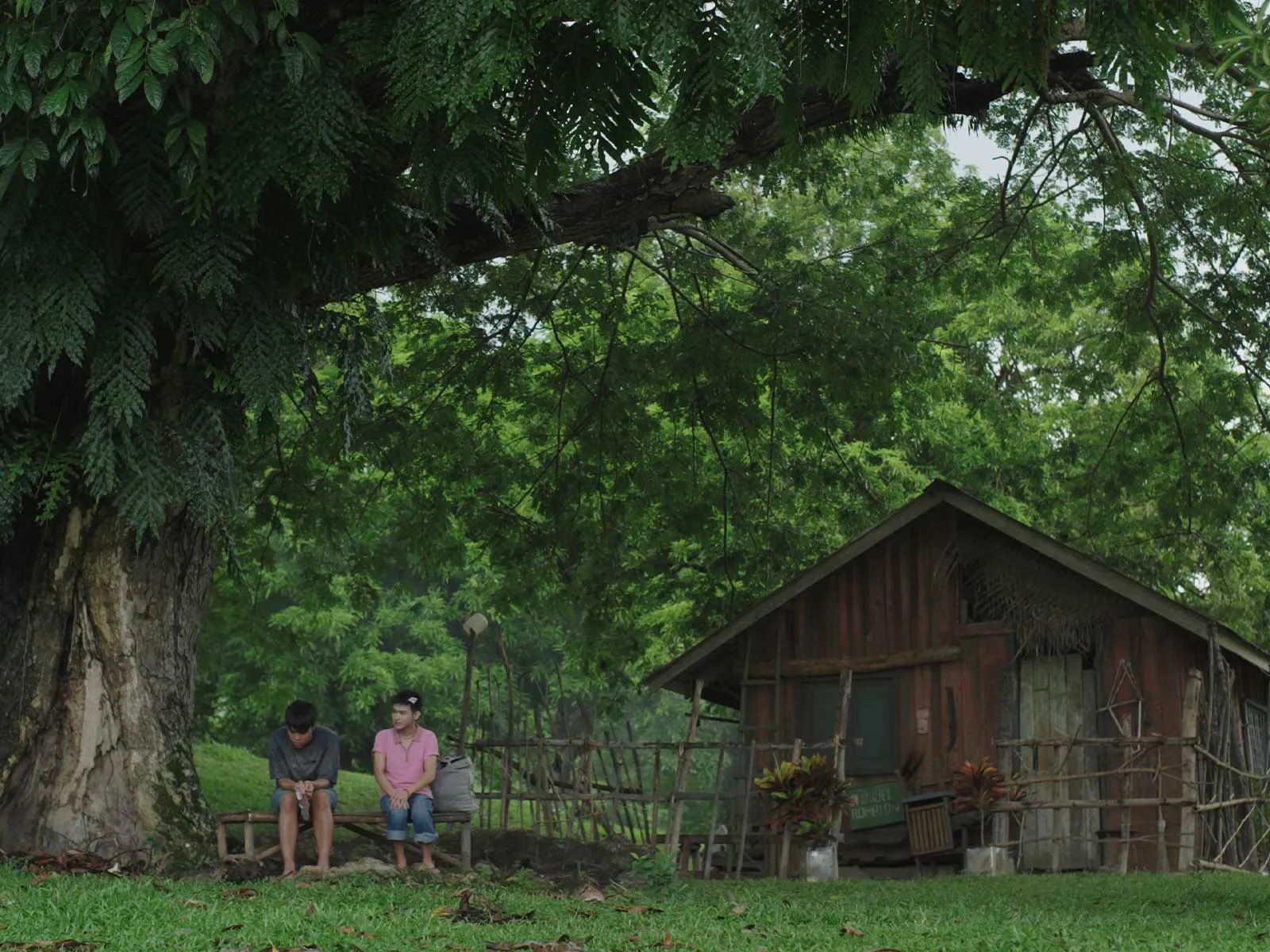
“Romblon is integral to my films because it’s really where a lot of my questions and experiences come from. Growing up there shaped how I understand our way of life, our culture, our people, our spaces. There’s a certain intimacy and familiarity in small communities, but also a kind of tension and toxic culture that comes with that. I think I keep returning to these places, spaces, and memories because there are still things I’m trying to unpack and understand,” Machado adds.
“Raging” draws its inspiration from a haunting event: the tragic disappearance of a private plane that crashed into the waves off the coast of Romblon on September 25, 2017. Despite extensive search efforts, no wreckage was ever found. However, three local witnesses stand firm in their accounts of that fateful day. This mystery serves as the backdrop for “Raging,” which tells the story of a young man wrestling with his own trauma from sexual abuse as he investigates the mystery of the plane crash.
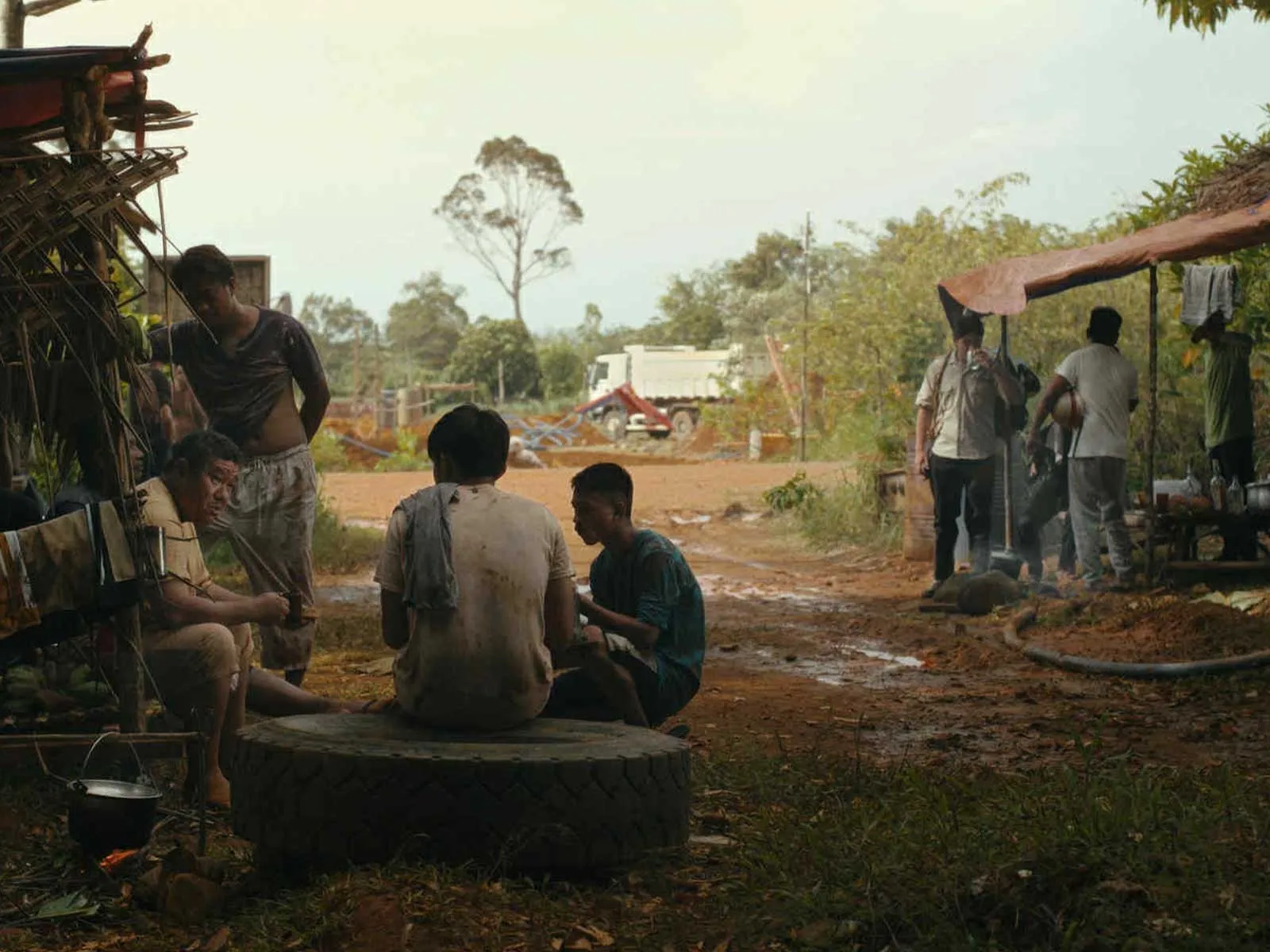
As a native of Romblon, Machado aims to shed light on critical issues such as male abuse and illegal mining that affect his community. Through this narrative, he advocates for justice and amplifies the voices of those who have suffered, confronting the silence that often surrounds these topics and bringing them to the forefront of discussion.
To achieve the film’s tone and authenticity, Machado emphasizes that collaborating with his team, especially the actors, has always been smooth. “With Elijah, I didn’t have to do much because he already understood his character very well. He was open to exploring possibilities and trying out choices that made sense both to him and to the story.” He also notes that working with non-professional and local actors enhances the film’s beauty. “They speak the language, they understand the nuances, and there’s an authenticity in their performances that feels more lived-in.”
With the film trying to relay a message to the audience, Machado shares that people tend to associate rage with something explosive, loud, visible, and almost immediate. However, he also considers the kind of rage that stays quiet and is slowly absorbed into the body and memory, affecting how a person moves, speaks, and even remains silent. “I hope audiences walk away recognizing that kind of rage, that it can be just as present and just as formative, even if it’s not always visible.”
Looking ahead to the next steps in his career, Machado shares that he’s always drawn to stories that resonate with him personally, and he’s interested in exploring them through different forms and tones. When it comes to the stories he’s drawn to tell next, he says, “I want to continue working with material that feels personal and urgent, but I also want to keep pushing how those stories are told.”
Frequently Asked Questions
Ryan Machado was awarded Best Director at the 23rd Asian Film Festival in Rome on April 15, 2026. Additionally, his sophomore full-length feature, Raging, secured a spot in the prestigious Panorama section of the 76th Berlin International Film Festival in February 2026.
Raging draws its structural inspiration from the tragic disappearance of a private plane that crashed off the coast of Romblon on September 25, 2017. Despite extensive deep-sea searches, no wreckage was found, leaving behind a haunting mystery kept alive by three local eyewitnesses.
Machado challenges the traditional notion that rage must be explosive, loud, or immediately visible. Instead, his cinema explores a quiet, internalized anger that is slowly absorbed into the human body and memory, fundamentally dictating how an individual speaks, moves, and processes trauma in silence.
As a native of Romblon, Machado uses the province to examine his personal upbringing, community culture, and local spaces. The setting allows him to balance small-town intimacy with the hidden undercurrents of toxic social behaviors, illegal mining operations, and systemic male abuse.
Collaborating with non-professional and local actors injects a deep sense of authenticity into Machado’s films. Because these individuals naturally speak the regional language and live the culture daily, their on-screen performances carry lived-in nuances that grounded scripts require to capture realistic environments.