
An Island Remembered: The Artists and Creatives Behind DreamWorks’ Forgotten Island


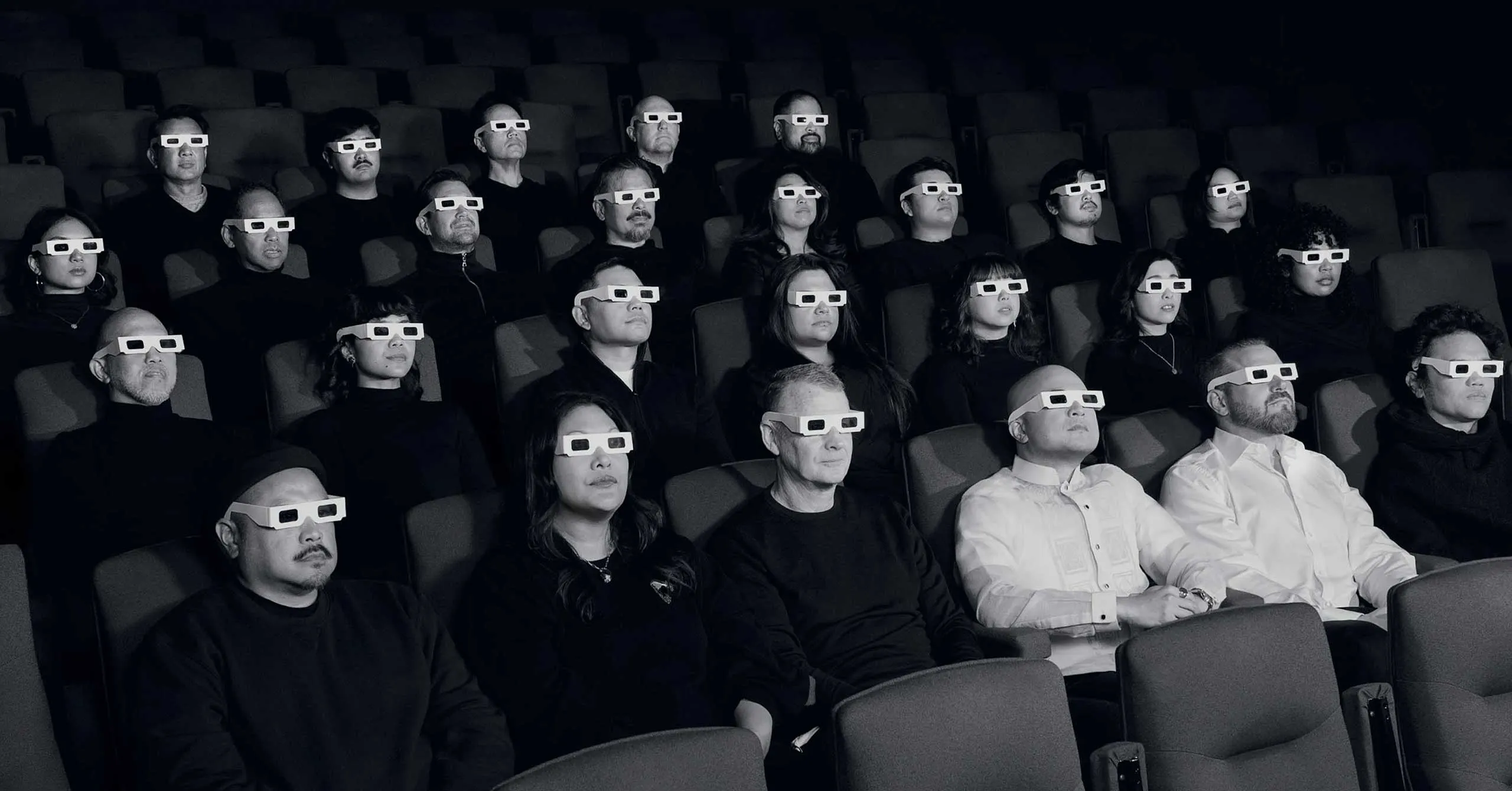
The creative crew behind Forgotten Island with writer-directors Januel Mercado and Joel Crawford, shot on location at the DreamWorks Campus. Photographed by Raen Badua for the August 2026 Issue of Vogue Philippines
The creative crew behind Forgotten Island with writer-directors Januel Mercado and Joel Crawford, shot on location at the DreamWorks Campus. Photographed by Raen Badua for the August 2026 Issue of Vogue Philippines
At the Annecy Animation Film Festival last June, writer-directors Joel Crawford and Januel Mercado announced a surprise screening of Forgotten Island, to be held at 8:30 A.M. the following day. They had just given an in-depth presentation of the making of the film: six years spent on crafting a story about a friendship set in the world of Filipino mythology; a production involving hundreds of artists across the Philippines and the United States. The audience was already sold. At the end of the next morning’s work-in-progress film screening, the full house was on their feet, cheering and clapping for five minutes straight.
“The reaction was really wonderful,” Crawford says, barely 24 hours later on a video call from France. “So many people afterwards said that they knew nothing about Filipino mythology and it makes them want to go to the Philippines. So it seems to be connecting universally.” The moment felt even more meaningful because they were sharing it with the women who have lent much of themselves to the film, including Joel’s Filipina wife, Kathy, and Januel’s sister, Jo. “It was beautiful yesterday to watch the audience engage with this story that celebrates so much of the culture.” The reception in the French Alps reinforced the idea that local stories can resonate far beyond their origins, that our own pantheon of fantastic beasts is cut from the same universal cloth of myth and archetype.
In France, the movie was dubbed L’Ile de Souvenirs, or Island of Memories, which is an interesting reversal of the premise. By now you would have seen the riotous trailer that tracks best friends Jo and Raissa, children of 1990s-era Philippines. Raissa is on the verge of a life-changing move to the United States, which Jo cannot accept. They fall through a mystical portal to a place that only existed in Jo’s grandmother’s memories, the island of Nakali, which is ruled by aswang, duwende, kapre, and the dreaded manananggal. With no recollection of the wild night before, apparently fueled by hot Cheetos and energy drinks, they race across the island, trying to find their way back home. There is a price to pay, of course, for passage back to the human realm, and the two girls have to figure out what exactly a friendship is made of and which memories are worth saving.
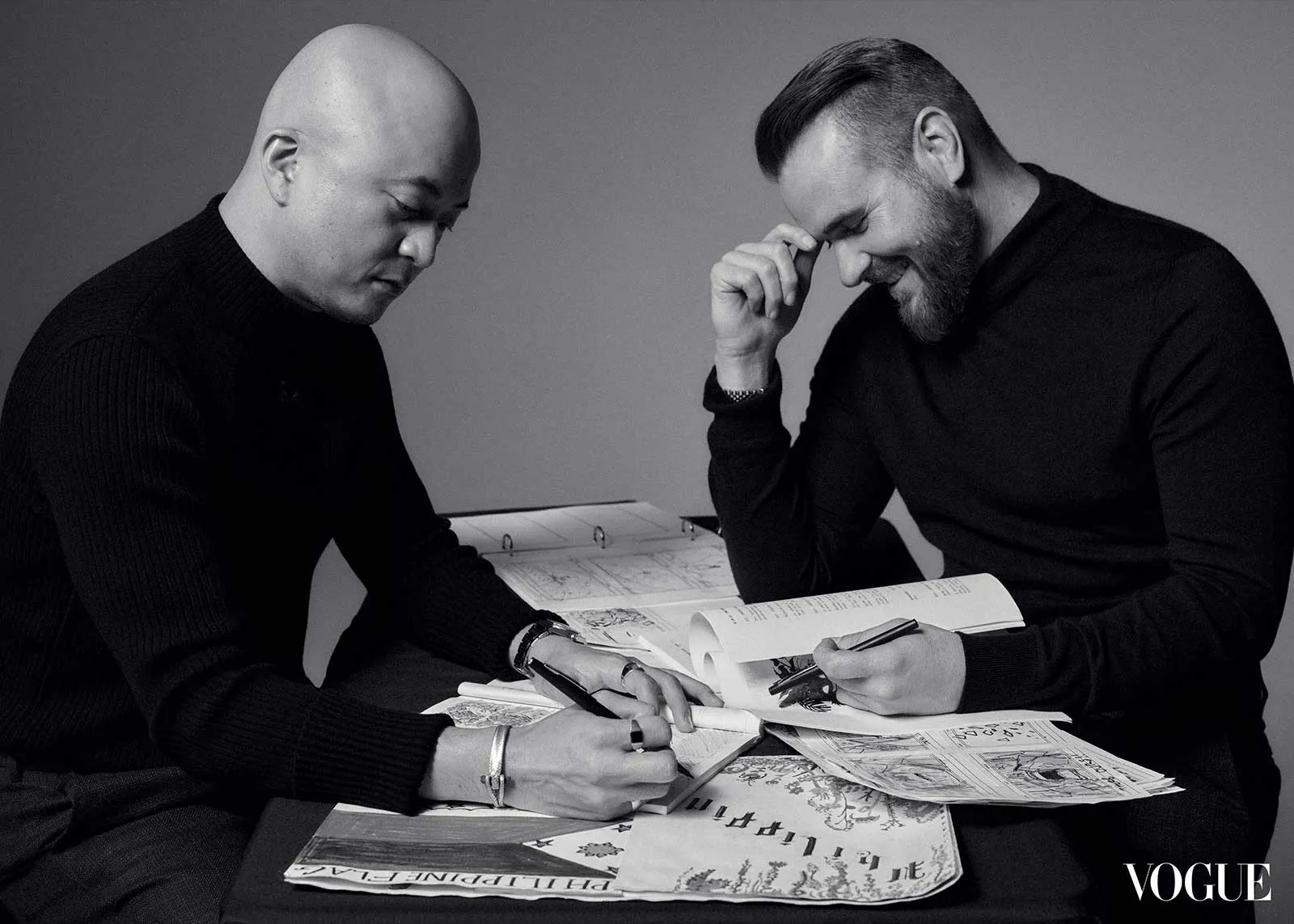
In their foreword to the film’s companion book, Crawford and Mercado liken the project’s genesis to cooking a pot of adobo, combining, marinating, and simmering different ingredients they knew they wanted to toss in: first, Filipino culture and mythology, which remains largely unexplored in mainstream American cinema, and second, the multiple styles and genres that define their eclectic taste as film geeks, anime in particular. The last ingredient, they write, was “the simplest but also the most complex one: why.” The answer lies in their nearly 20 years of friendship, beginning with their meet-cute as story artists on Kung Fu Panda 2. They grew as artists throughout other DreamWorks sequels (The Croods: A New Age and Puss in Boots: The Last Wish), a bond forged through late nights spent working and drawing together.
“One of the cool things was that so many of the Filipino American artists at DreamWorks, and our friends, in their own free time, were saying, can we help you guys with this? We want this project to exist.”
Joel Crawford
During a research trip to the Philippines, the crew went to El Nido and found themselves on beaches that felt vast and untouched. They note the irony of making an animated film that was attempting to reimagine and romanticize a lost island, because the reality of El Nido, they said, was already so beautiful, “it almost feels like another planet.” The Nakali envisioned in Forgotten Island feels like El Nido viewed through a hallucinogenic rave filter, its jungles pulsating with life in high-contrast saturated neon.
The landscapes provided the visual spark, but the filmmakers knew authenticity would come from the collaborators who would help make the world. From the start, the project attracted the people it needed. When they still had only a script, Crawford and Mercado had to get studio approval by showing just how fantastical the movie could be. “One of the cool things was that so many of the Filipino American artists at DreamWorks, and our friends, in their own free time, were saying, can we help you guys with this? We want this project to exist.” Steve MacLeod, the film’s head of story, and character designer Genevieve Tsai are among those with Filipino heritage. As production moved forward, Forgotten Island became a connective tissue that linked the community of Filipino artists who “wanted to lift up the culture and tell more stories.”
Anthony Francisco, a renowned artist who designed Baby Groot and many other major characters in the Marvel Cinematic Universe, was on board early on, laying the groundwork for the world-building in Forgotten Island. He also insisted the soundtrack needed a Francis M song if the film was going to represent the ’90s accurately, and introduced the directors to composer Nathan Matthew David, who drew from indigenous traditions like chanting and gongs for the haunting music of Manang, who is voiced by Lea Salonga. Meanwhile, choreographer Phil Tayag, a Jabbawockeez co-founder who has worked with Bruno Mars, built Manang’s jerky, pop-and-lock movements, to terrifying effect.
In the Philippines, an entire team of animators also helped bring the vision to life. Snipple Animation Studios, based in Quezon City, is an award-winning production studio that specializes in hand-drawn 2D animation, something DreamWorks stopped doing fully when they pivoted to CGI in the early 2000s. Forgotten Island uses flashbacks to play with different animation styles, signifying how each character is an unreliable, albeit amusing, narrator. Raww the teen weredog’s memories are modeled on Dragon Ball Z, while Prince Merman’s fantasies are influenced by Sailor Moon. They all capture that distinct ’90s vibe that only 2D can recreate.
“These are seasoned animators who have been in the industry since the ’80s,” says Mercado. “When we visited, I was actually getting emotional, because I’ve never seen an animation studio of all Filipino artists. It was really amazing and inspiring.” Snipple has worked on over a hundred shows for Disney, Warner Bros, and DreamWorks, but this project hits different, because it was also a film for them and about them. Rather than serving as outsourced animators, they were true collaborators who pushed the humor and the artistry even further. At Annecy, the festival audience, who were serious animation fans, singled out the 2D sequences as standout moments.
I had to ask about the “tayo na” catchphrase, which to local Filipino viewers would flag as something Filipino teens would rarely utter unlikely. Mercado recalls that Liza Soberano, who voices Raissa, informed them that “tayo na” sounded formal and that the more casual “tara na” was common parlance. The directors checked with their cultural consultant, Kirby Araullo, about using the phrase in this specific way. ”Even though it’s not colloquial, we adopted it for the girls for their own personal motto,” Mercado explains. “It’s their promise and their pact, like, every time we say this, we gotta do it. Like ride or die.”
“It’s something that stands out, that’s specific to this friendship that could match the intensity of their predator handshake,” Crawford adds. Tayo na, imbued with gravitas, reverberates throughout the girls’ years of friendship. Like the charms on their bracelets or the blurry Polaroids they snap, the phrase is a cumulative reminder of everything they’ve gone through together.
Setting the story squarely in the Philippines was a creative choice that hinged on highly personal reasons. Mercado spent much of the 1990s visiting family there, so his memories of that epoch—and the photo albums his mom kept—played a large part in creating the mood. “That was the decade that I really started connecting with my family in the Philippines,” he says. The ’90s were also the formative years that shaped his and Crawford’s tastes and sensibilities. “For the audience to feel this genuine sense of nostalgia, we tapped into our own experiences.”
For Joel, whose wife grew up with these terrifying “cautionary tales” of aswang, he knew that the film had to go all the way, not take half-steps in celebrating Philippine culture. Finally, it was a chance to do something original: “We keep going to the same wells of European mythology, why not give the center stage to mythology and culture that haven’t yet been showcased?”
The commitment to their art was honed at home: both Crawford and Mercado were driven to careers in animation through the immense support of their parents, who didn’t discourage their doodling ways and obsession with cartoons. Mercado’s mom, a nurse, saw how happy it made him. His dad, a typically hands-on, practical father, even prevented Januel from doing yard work to “protect” his hands. “I could study art in college, all they asked was that I get a degree.” Crawford’s parents likewise encouraged him to follow his passions, when they themselves couldn’t. “But they said I had better work hard at it, like actively struggle to achieve.”
After talking about the people who helped make this love letter of a film possible, they turn the question on me: What was my experience watching the movie? How did it make me feel? I admitted that I teared up during a particularly intense memory-dissolving scene, and that the film left me with the urge to express my appreciation for my oldest friends (which I did via a heartfelt greeting on IG, making a very Jo and Raissa-coded collage of photos from our pre-digital lives). It was just what Januel and Joel wanted to hear. “That was our intent and the message of the film,” Mercado says. “We wanted people to walk away thinking, I really need to call my best friend right now.”
By AUDREY CARPIO. (Januel Mercado and Joel Crawford) Photographs by SHARIF HAMZA. Styling by NIKKO PANTI. Deputy Editor: Pam Quiñones. Art Director: Jann Pascua. Vogue Philippines Producer: Bianca Zaragoza. Executive Producer: Alexey Galetskiy. Producer: Ivan Shentalinskiy. GroomingGroomingThe everyday care of skin, hair, beard, and nails for a clean, polished appearance. Grooming covers routines from shaving and haircuts to skincare and fragrance, and it has grown intoGo to Grooming Glossary by Joyce Dang (Januel) and Kelly Goldsack (Joel). Photo team: Colin Jacob, Zack Hughes, and Erick Mendoza-Ojeda. DP: Lukas Chmiel. Fashion Associate: Neil de Guzman. Production Coordinator: Ashton Wilson. PA/Studio Manager: Justin Barahona. Associate Producer: Mavi Sulangi. Shot on location at AGPWEST.
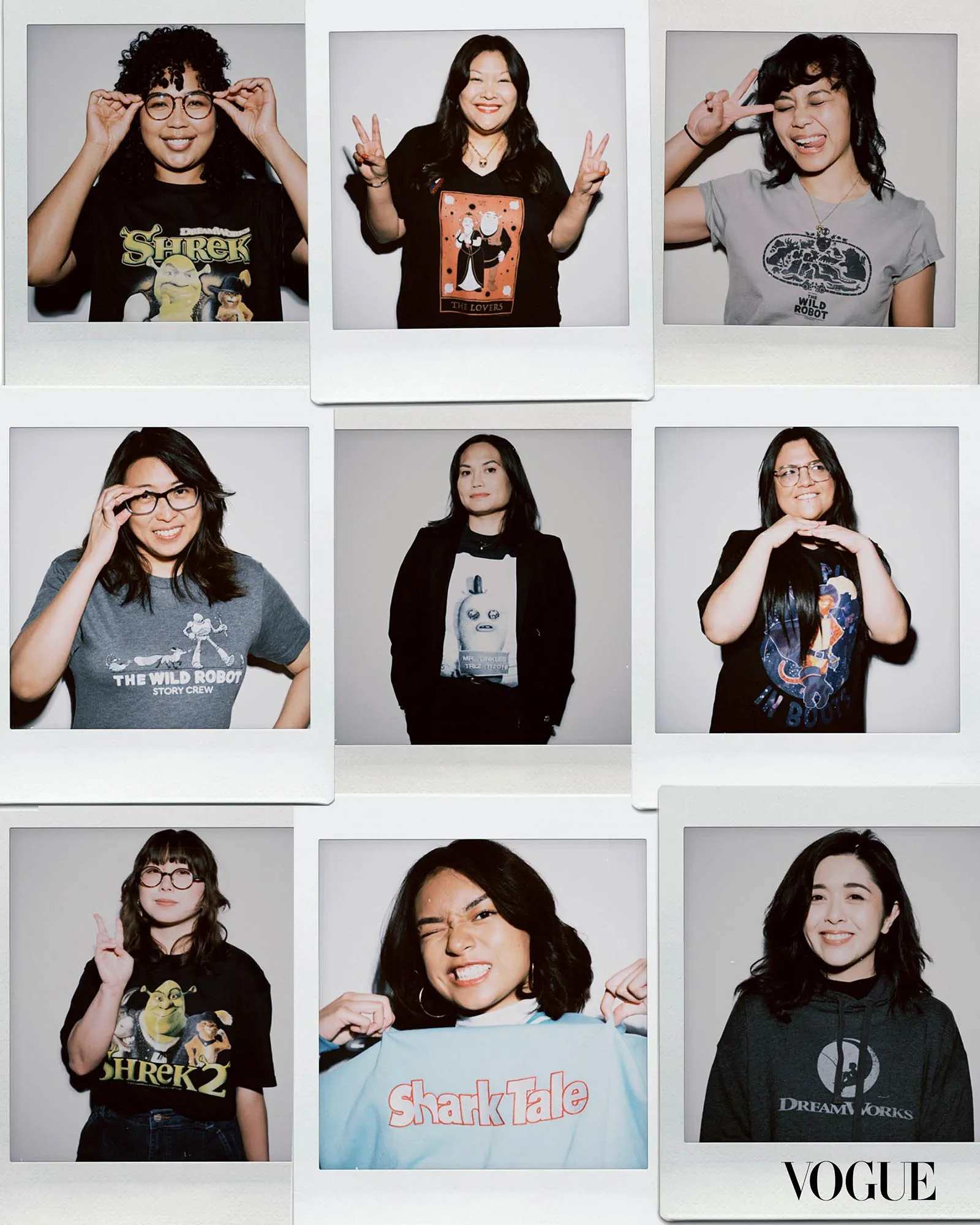
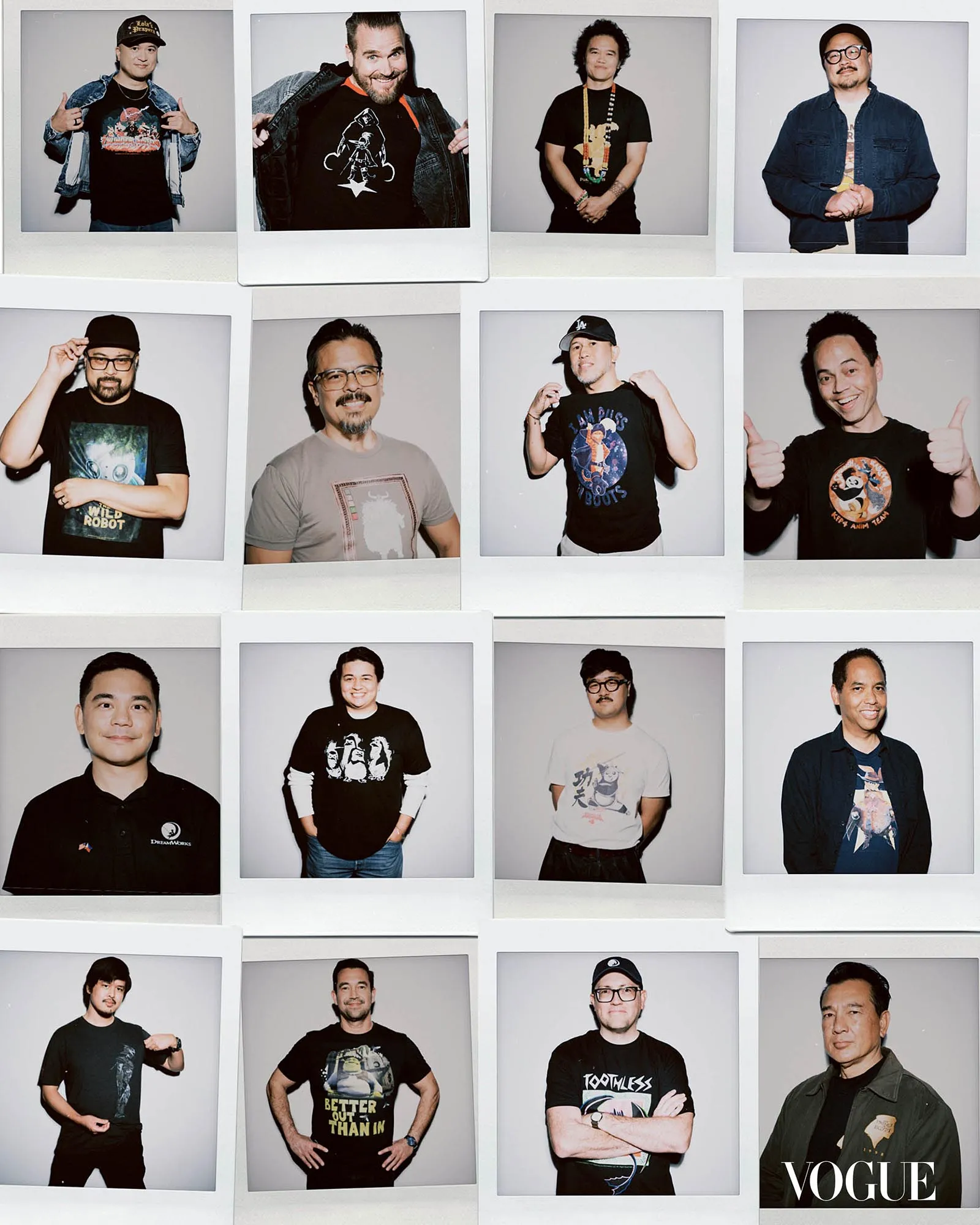
(Forgotten Island creative crew) Photographs by RAEN BADUA. Deputy Editor: Pam Quiñones. Art Director: Jann Pascua. Producer: Bianca Zaragoza. Talent: Matteo Aldon, Sayah Gold Amburgey, Michael James Baula, Joseph Butler, Joel Crawford, Nathan Matthew David, Reyna Delaney, Paolo José de Guzman, Tiffany Ford, Anthony Francisco, Jason Gunnels, Willy Harber, Rachel Lagdao, Angela Leus, Mac Lim, James Lojo, Steven MacLeod, Januel Mercado, Reimi Mosses, Alexander Paz, Jasmine Diosa Rodriguez, Ritchie Sacilioc, Roseanne Strategos, Genevieve Tsai, and Dave Patrick Valera. Makeup by Joyce Dang and Kelly Goldsack. Styling by Rap Sarmiento (Januel). Lighting tech: James Valdez. Photo team: Analiese Yamawaki, Tawnee Vallar. Videographer: Oren Buchler. Video assistant: Selah Tennberg. Associate Producer: Ada Manipon. Shot on location at the DreamWorks Campus.
Frequently Asked Questions
Forgotten Island follows high school graduates Jo and Raissa in the 1990s Philippines as they stumble through a portal into the mythical island of Nakali, where staying longer means losing their memories. To return home, they must race against time and face the feared Manananggal before they forget each other completely.
The animated film Forgotten Island is directed by Joel Crawford and Januel Mercado.
The cast of Forgotten Island includes Liza Soberano, H.E.R., Dave Franco, Lea Salonga, Manny Jacinto, Dolly de Leon, Jenny Slate, Jo Koy, and Ronny Chieng.
Forgotten Island opens in Philippine cinemas on September 23, 2026, ahead of its release in the United States on September 25, 2026.
DreamWorks is a major American entertainment and film studio. It was founded on October 12, 1994, by Steven Spielberg, Jeffrey Katzenberg, and David Geffen.