
Inside Paglalakbay, Ballet Philippines Traces Filipino Migration Through Dance and Design


Courtesy of Ballet Philippines
Courtesy of Ballet Philippines
The latest production by Ballet Philippines looks to Batanes and beyond, exploring movement, folklore, and what remains of our Austronesian history.
The wind is one of the first things people mention when they talk about Batanes. It moves freely across the islands, bending the grass in one direction before shifting again. There are no tall structures to block it, and no dense clusters of trees, just open land, low houses, and the sea on all sides. This is where Paglalakbay: The Journey of the Sea People, the latest original production by Ballet Philippines, begins.
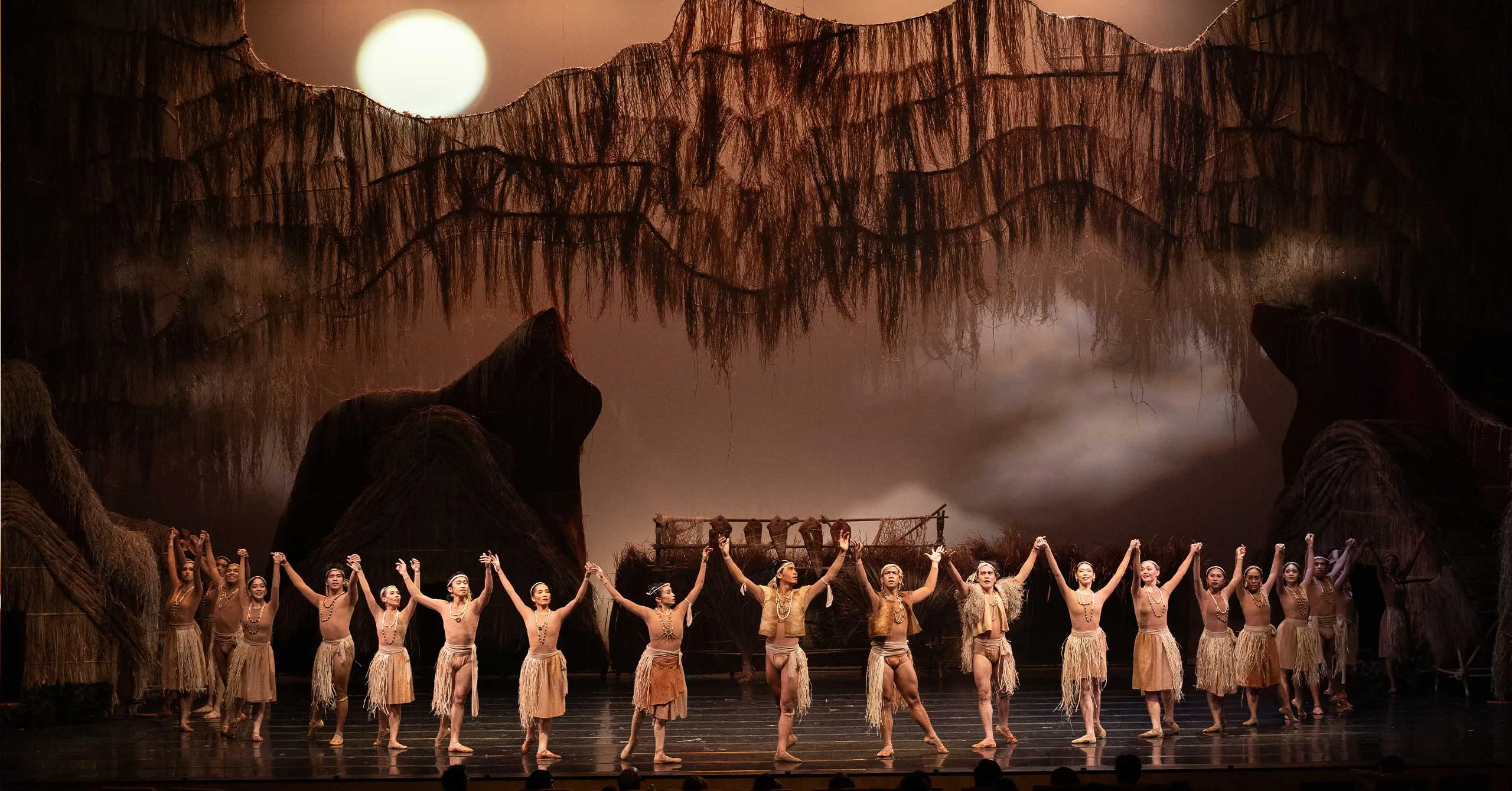
Staged at The Theatre at Solaire and directed by Mikhail Martynyuk, the production closes the company’s 56th season with a performance rooted in Austronesian migration. At its center are Ama, an outsider, and Kaman, who calls Batanes home. Their story unfolds through loss and devotion, culminating in a confrontation with the Spirit of the Land, who turns Ama to stone for his intrusion, and it is only when Kaman pleads that the spell is lifted. Taking inspiration from local stories, the ballet traces the movement of people from what is now Taiwan, through Batanes, and further into Southeast Asia and the Pacific.
For librettist Sheree Chua, the project began with a trip that wasn’t meant to lead to a performance. “What initially introduced me to the islands was because I was in La Union,” she says. Batanes was something she had heard about in passing, but going there remained only an idea until she saw it for herself.
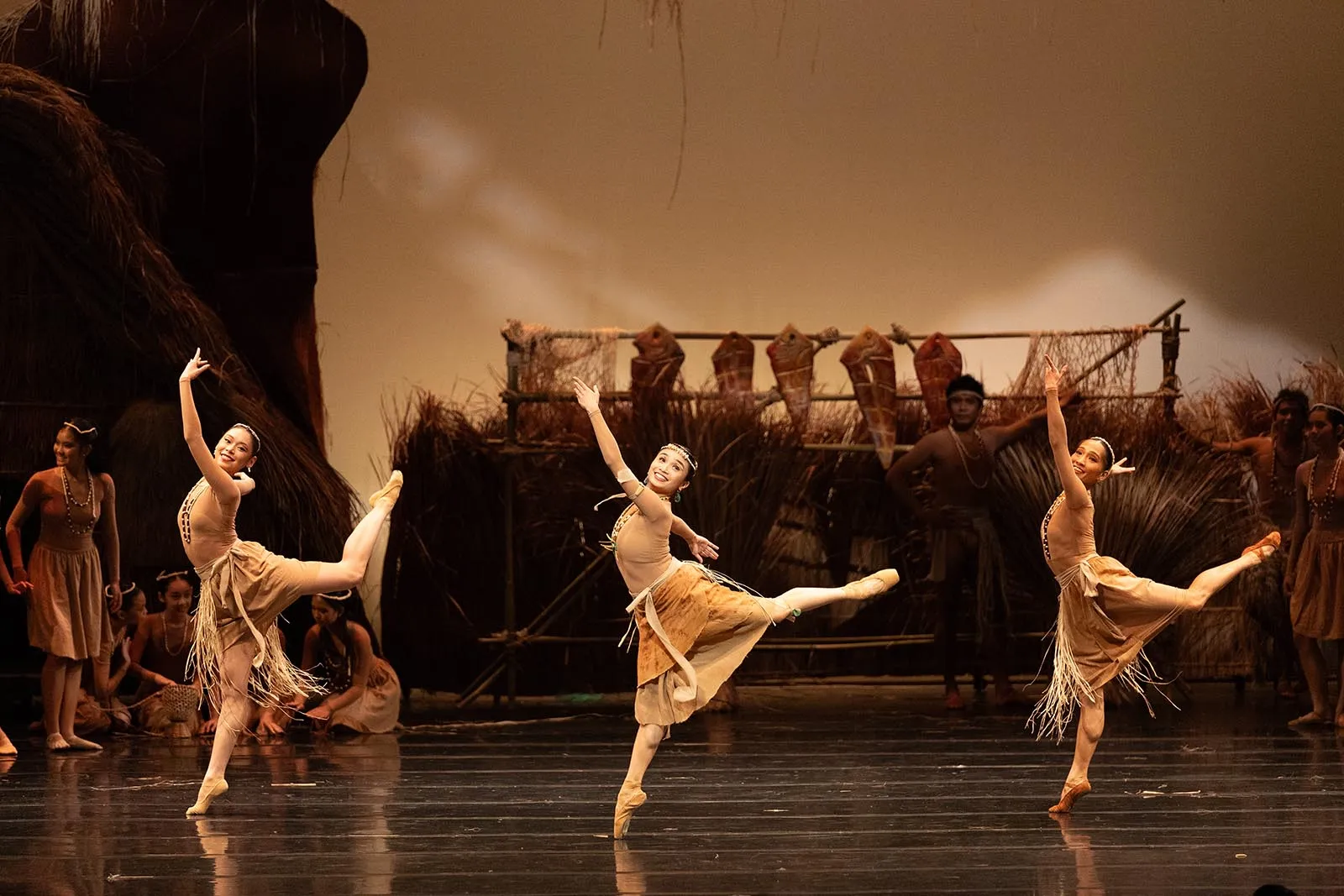
Her visit was part of a cultural exchange organized with Ballet Philippines. The company brought dancers to Batanes to teach and connect with the local community, but the experience quickly became a two-way exchange. “There were more or less 100 kids that were really into ballet or dance,” Chua recalls, with principal dancers guiding them through the basics. It was also during this trip that the idea for the ballet began to take shape. “Our guide told us about the Austronesian migration, and how we all came from an island in Taiwan, and Batanes was the first stop before people moved on to places like New Zealand, Australia, and Malaysia.”
At the same time, what was missing became just as important. “Because of colonization, a lot of Ivatan culture was erased,” she explains. “So the dances that are preserved are actually in Taiwan.” That realization shaped how she approached the libretto. “It took me maybe eight revisions for the story to feel true to Batanes,” she says, describing a process grounded in research. What remains in the performance are traces of history, like their chanting, are used as points of reference.
“They have this chant called the Kalusan, and they do it during manual labor. It’s kind of like a trance,” she says. Rhythm here is tied to work, repetition, and the coordination of bodies over time.
If the libretto draws from memory and observation, the visual world of Paglalakbay takes shape through material. For production and costume designer Leeroy New, research extended beyond the studio. “We referred to books and texts on the islands and Austronesian migrations,” he says, but it was fieldwork that shifted the direction of the design. The team traveled through the island, observing how structures respond to the environment and how materials are used in everyday life.
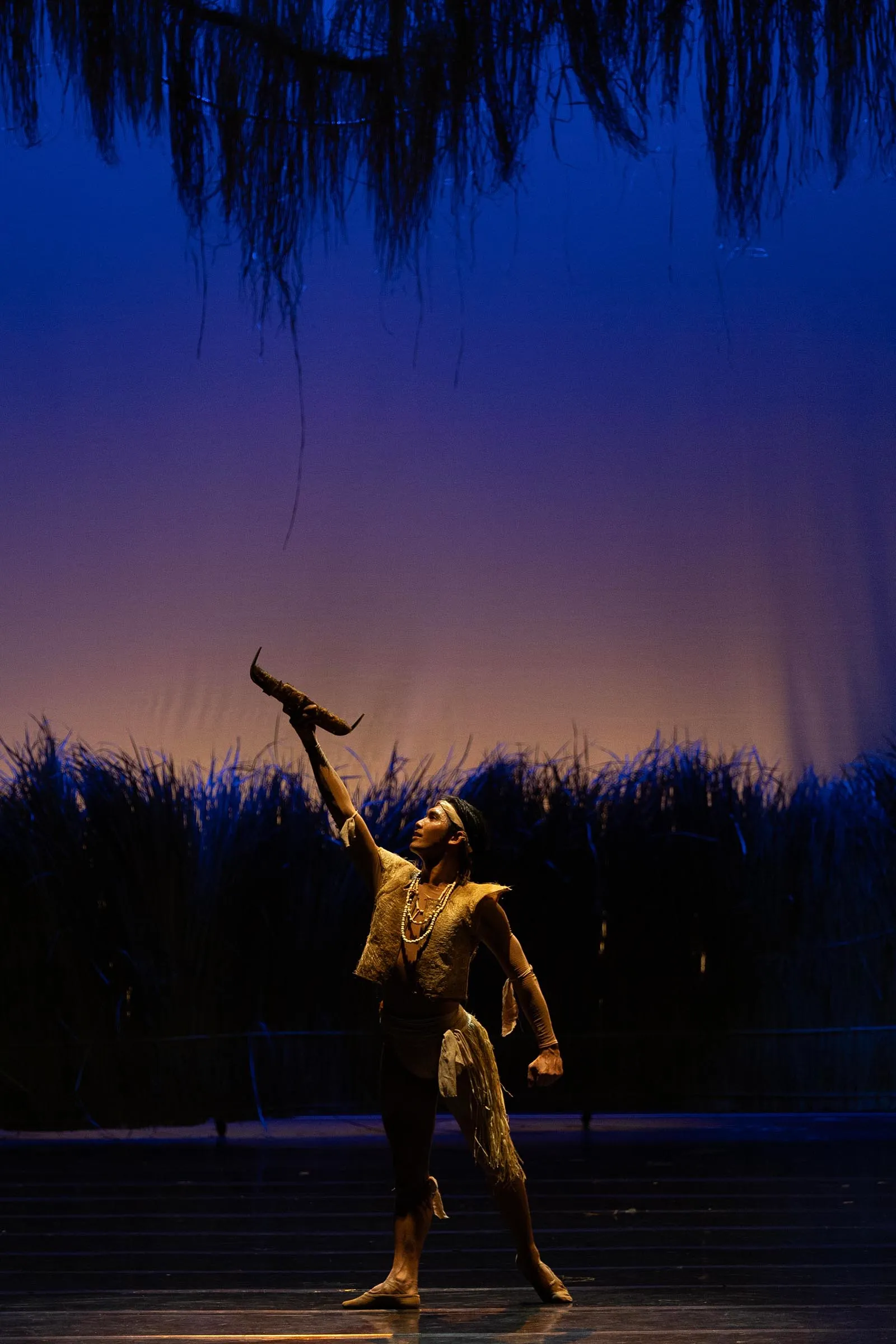
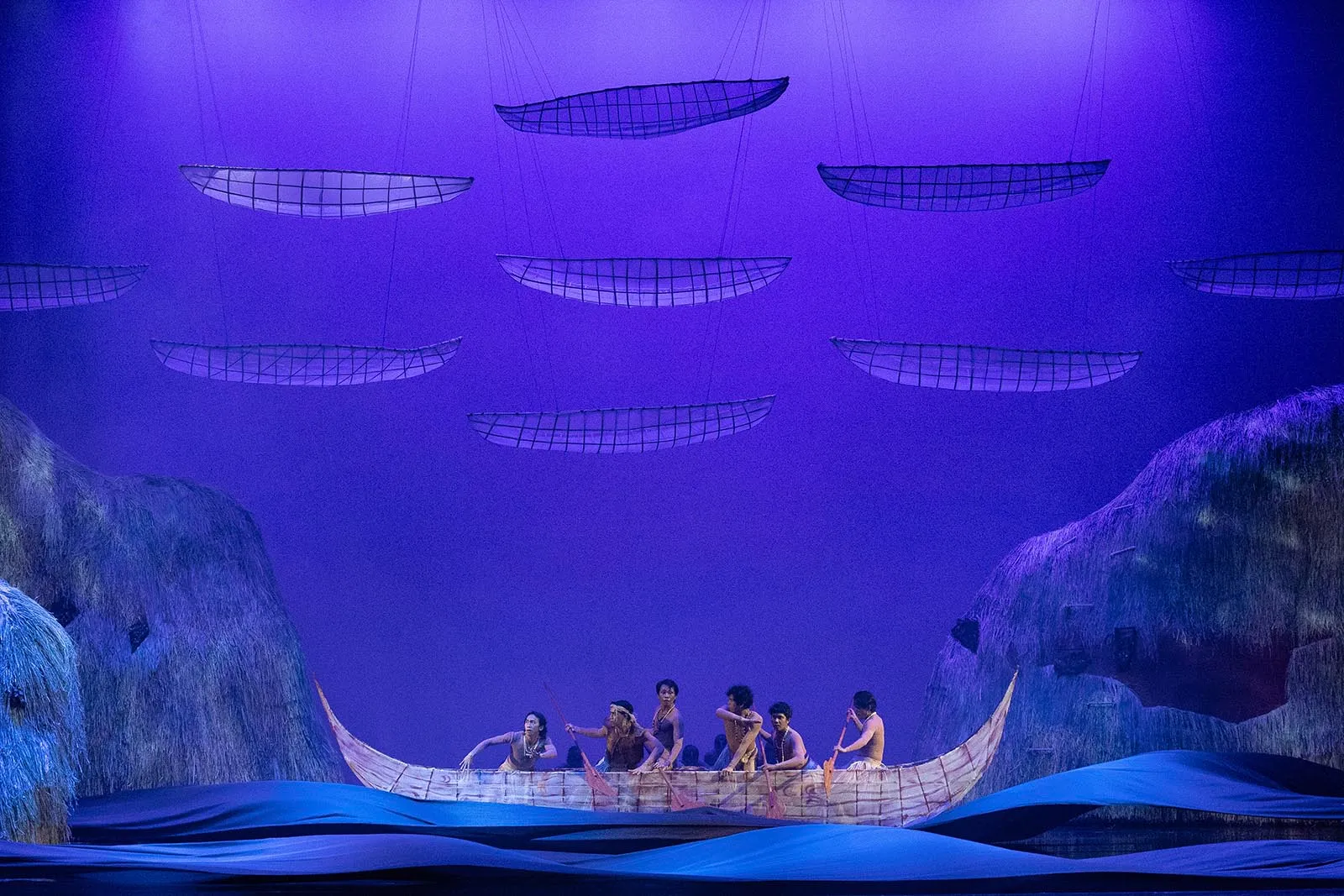
At one point, while searching for early Ivatan sites in Itbayat, they lost their way and spent hours finding their way back. The experience reinforced something essential, that the landscape isn’t easily understood at first glance. That awareness carries into the stage design, where instead of fixed scenery, the production uses moving elements that shift between states. “There will also be a kind of choreography for the set itself,” New explains, where pieces roll, rotate, and transform from open terrain to village structures and back again.
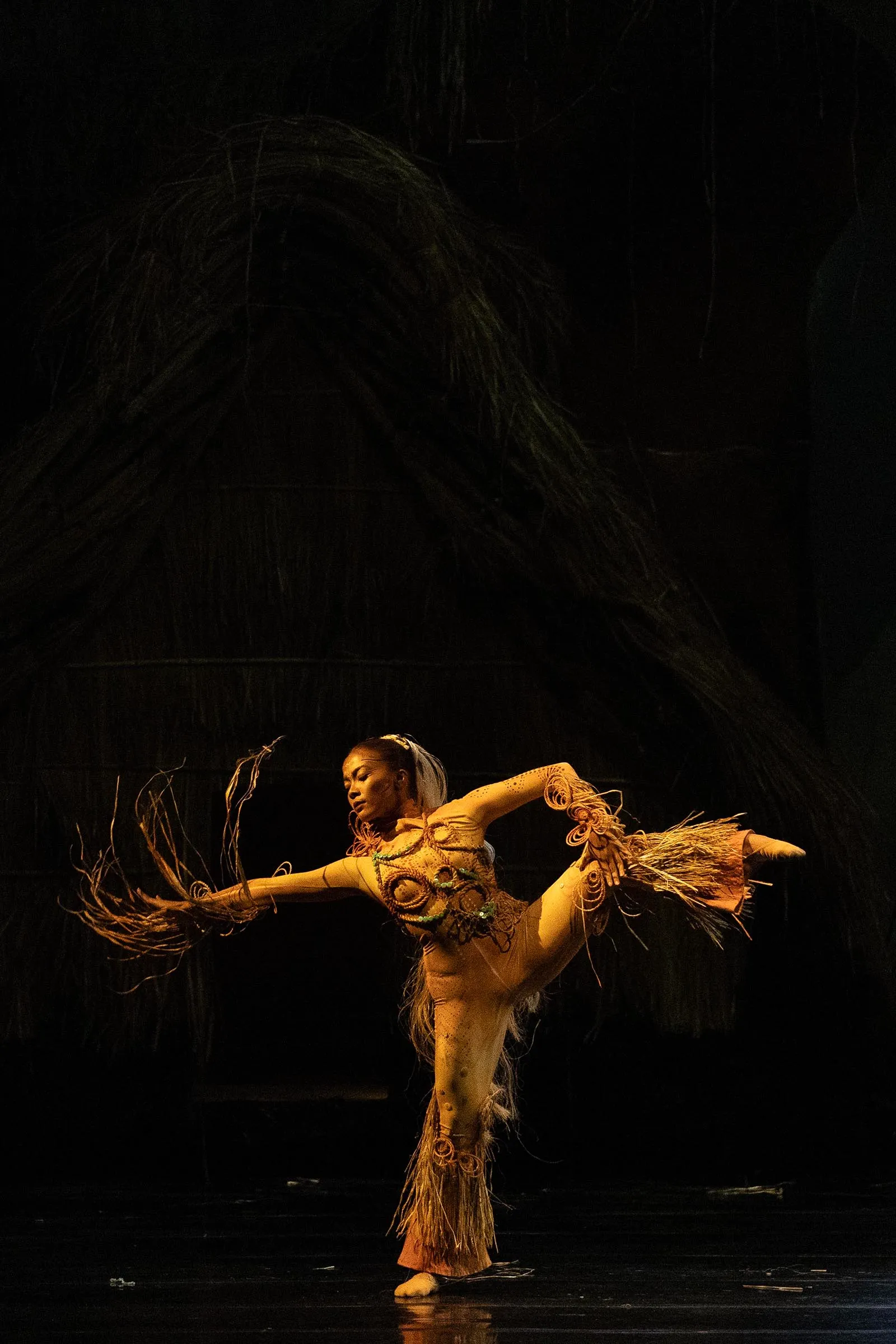
Material choices for the costumes follow the same approach. The design references the Neolithic period, when clothing and objects were made from what was immediately available, such as bark, woven fibers, and carved stone. “We’re depicting a specific historic period, so the technologies are also specific,” New says.
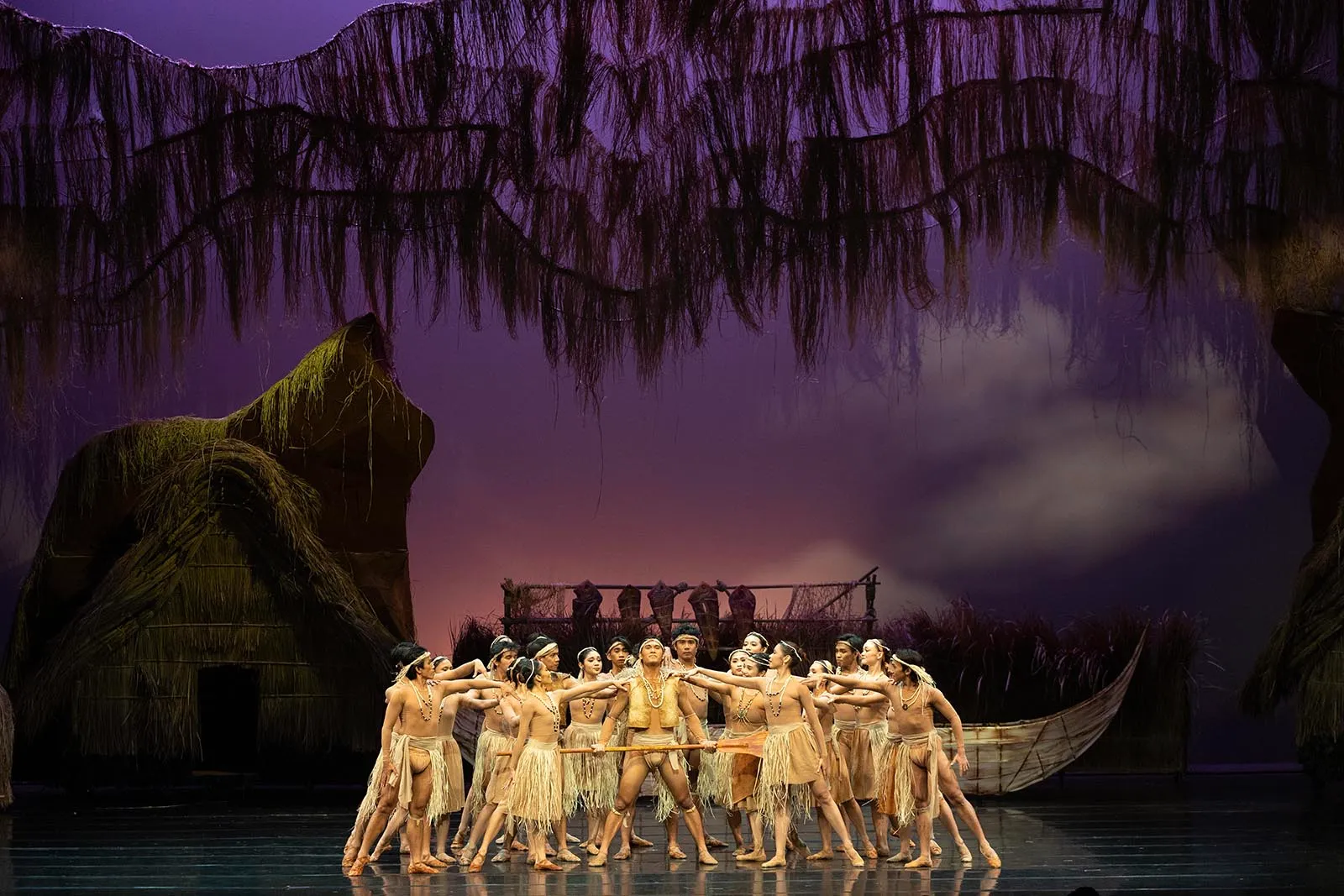
There are also details that point to wider connections. JewelryJewelryDecorative adornments worn on the body, from fine pieces in gold, diamonds, and pearls to fashion jewelry made of accessible materials. Jewelry completes an outfit and often holds sentimental orGo to Jewelry Glossary made from jade and shell suggests early trade routes between Taiwan and the Philippines. Woven headpieces like the bakul and natural fibers such as vuyavuy palm reflect garments that continue today, even as materials have evolved. “You see remnants of local culture that still survive,” he adds, where a portion of the props and headpieces were sourced from the land through local contacts as well.
But for the team behind the performance, the work isn’t meant to be a definitive account of Batanes or its history. It remains an interpretation shaped by research and experience, while at the same time, it reflects a growing interest in looking more closely at regional histories that are often overlooked.
For more information on Ballet Philippines and its upcoming productions, visit www.ballet.ph.
Frequently Asked Questions
Paglalakbay explores the prehistoric maritime migration of Austronesian peoples. Directed by Mikhail Martynyuk, the ballet traces their ancient movement from Taiwan through the islands of Batanes, mapping how these early migrations shaped the foundational culture, folklore, and identity of Southeast Asia and the wider Pacific.
Librettist Sheree Chua spent extensive research periods in Batanes to honor Ivatan heritage. Due to colonial cultural erasure, the narrative incorporates regional reference points, specifically utilizing the traditional Kalusan—an indigenous melodic work chant used during manual labor—to guide the physical rhythm and pacing of the dancers.
Contemporary Filipino artist and designer Leeroy New executed the production design. Grounded in architectural research across the municipality of Itbayat, New created a kinetic, rotating set that transforms across states alongside Neolithic-inspired costumes that mirror early Philippine history and seasonal environmental adaptation.
The production utilizes materials reflecting the Neolithic period, including bark cloth, carved stone replicas, and marine shells. The costume profiles integrate authentic regional craftsmanship, featuring traditional woven bakul headpieces and raw organic fibers sourced from the indigenous vuyavuy palm trees native to the Batanes archipelago.
Paglalakbay: The Journey of the Sea People is staged at The Theatre at Solaire. Serving as the grand finale of Ballet Philippines’ landmark 56th performance season, the production represents a broader cultural effort to elevate regional Philippine histories to global-standard theatrical platforms.
- The Next Frontier for Representation in Ballet? Emojis. Let Misty Copeland Explain
- Lisa Macuja Elizalde’s TikTok Renaissance
- The Global Rising Stars Of Classical Ballet Take Center Stage With The American Ballet Theatre Studio Company
- Stella Abrera Charts A Path For The Next Generation Of Filipino Ballet Stars