
Why Vinyl Records Are Becoming More Popular in the Philippines


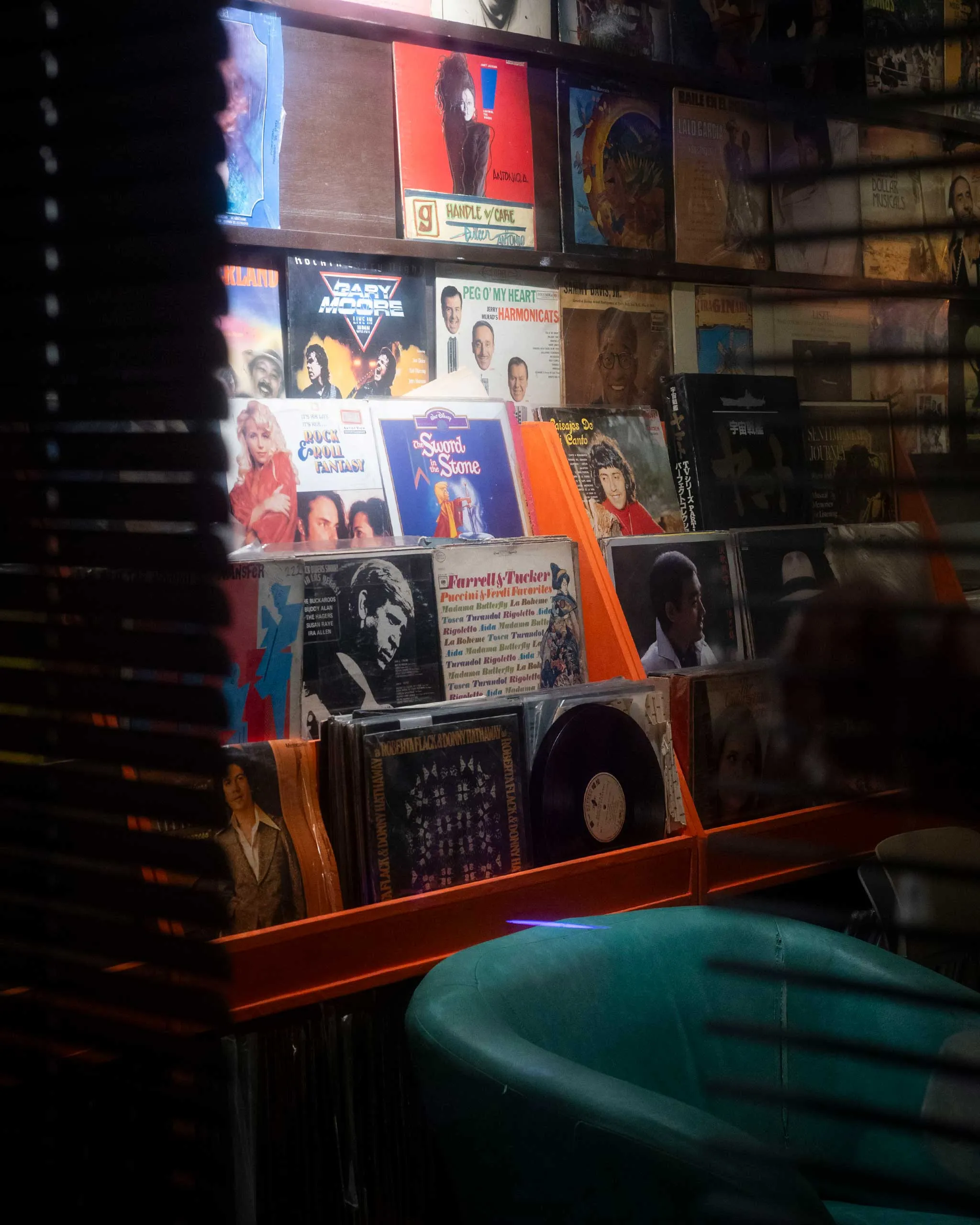
Photographed by Angelo Tantuico
In an age of algorithms and endless playlists, vinyl is bringing the practice of listening back into focus.
When was the last time you really sat down and listened to music? I, for one, can’t really remember. With the busyness of life, music often fades into the background, something to fill the silence while I’m in the middle of commuting, writing, working out, or doing chores. And with Spotify, I rarely pick the songs I listen to anymore, letting an algorithm dictate what I should hear next. In this increasingly digital world, listening seems to be a lost art. But with vinyl records making a comeback, listening with intention is returning to our consciousness.
Over the past few years, physical media has slowly been on the rise as daily life becomes more digital. At the forefront of its resurgence are Gen Zs, who are beginning to collect various forms of physical media: CDs, DVDs, print magazines, books, cassette tapes, posters, to name a few. In 2025, vinyl records surpassed 1 billion USD in sales in the United States alone.
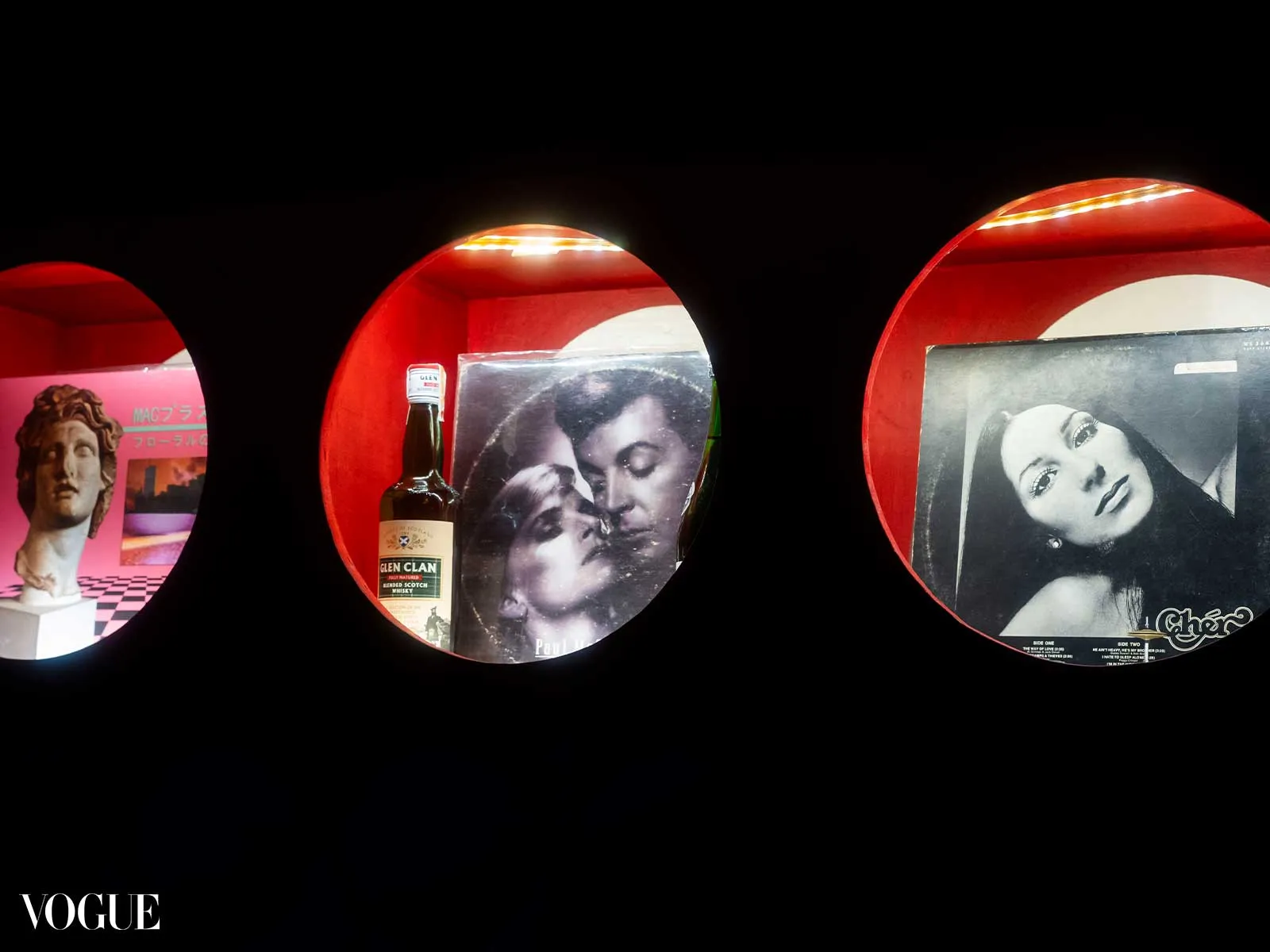
“It’s such a blessing,” says Peter Asuelo, longtime collector and vinyl DJ. “Because the format was about to die.” Growing up, Asuelo was exposed to the format through his uncles’ collections and turntables, and visiting record stores in his teenage years.
For him, the physical aspect of vinyl records holds more than its materiality. As a collector, Asuelo leans toward secondhand vinyls rather than brand-new ones, sharing that he sometimes finds letters or dedications on the inner sleeve. “It’s very special. There’s a story about how you got it, what’s inside it,” he says in Filipino. “That’s why, when I give music to friends or loved ones, it’s like I’m giving you a piece of me.”

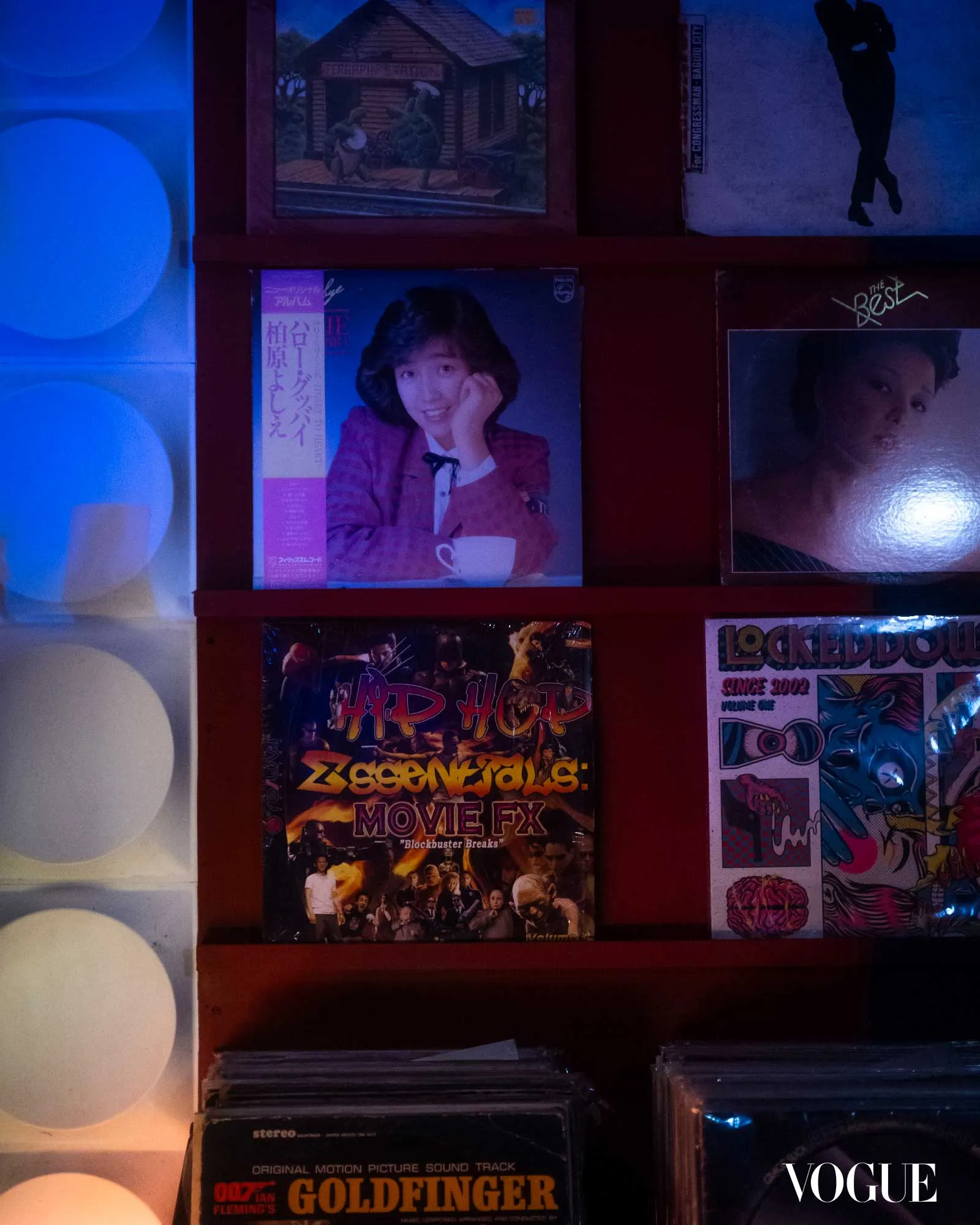
When it comes to using vinyl for his DJ sets, he shares that the format has a completely different feel. “With contemporary DJs, they just memorize what songs they need. With vinyl, you have to use your ears to play the next track,” he says. With turntables, you have to switch tracks manually, all while paying attention to the timing and, at the same time, working with records that you have on hand. Its physicality demands that you keep your ears open; otherwise, you might just miss out on your cue.
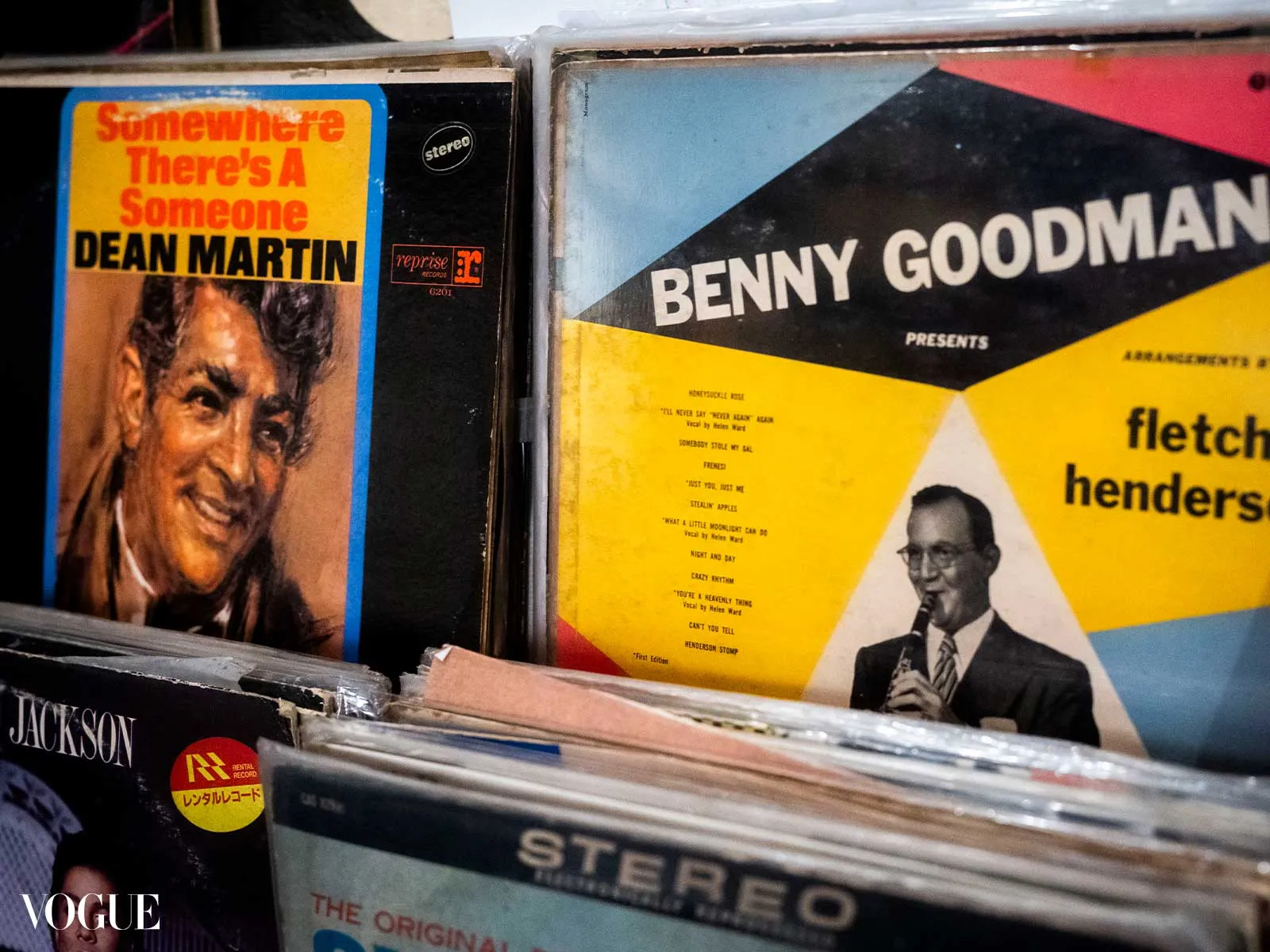
On the topic of keeping your ears open, listening bars are also becoming popular as the demand for physical audio media increases. Of the several bars in Metro Manila, Mono by Phono in Makati is perhaps one of the most beloved, with the listening bar doubling as a venue for local gigs and events.
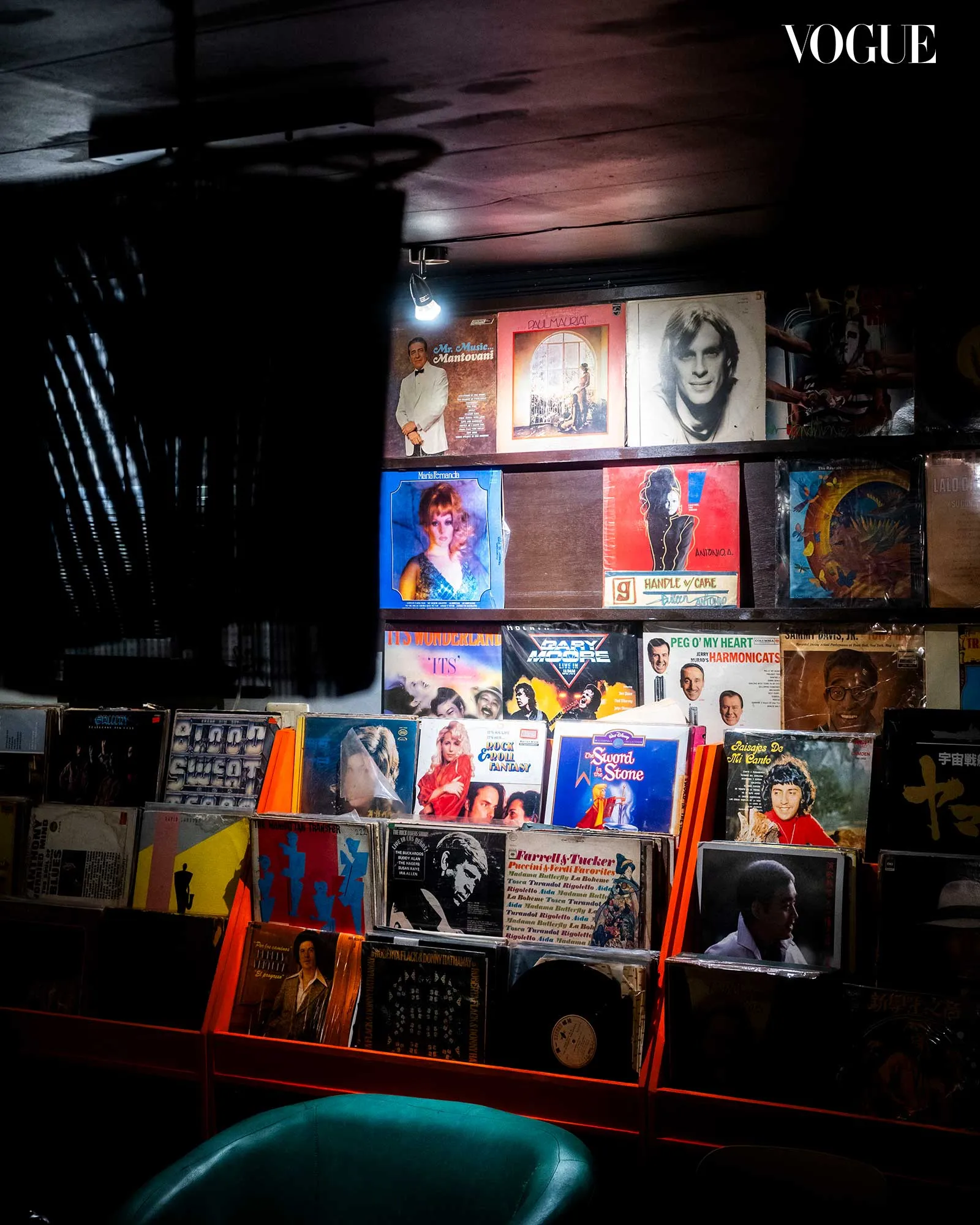
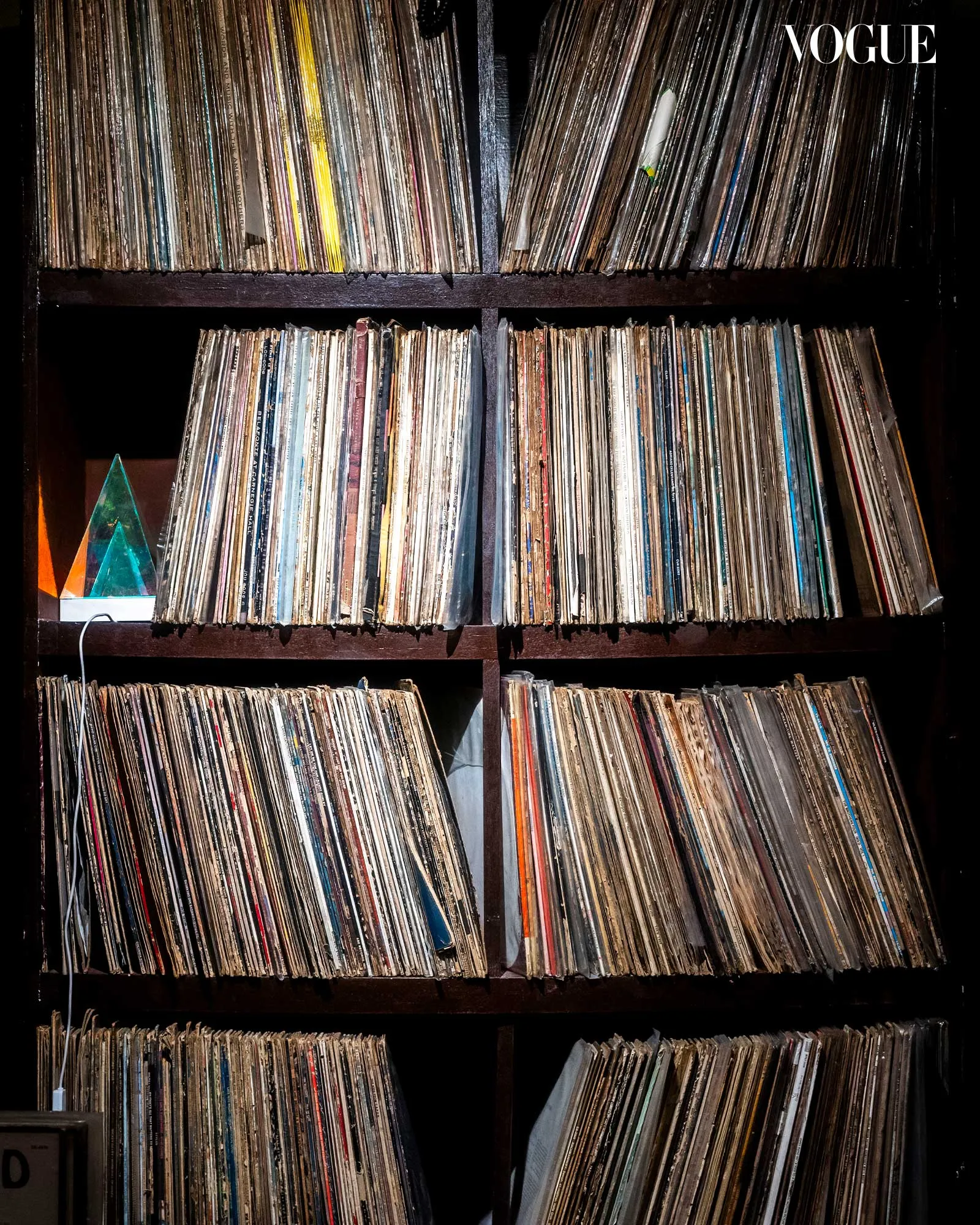
Inside, shelves and crates of vinyl records can be found in almost every room. “Nothing beats analog, to be honest,” says Matthew Rodriguez, one of Mono by Phono’s co-owners. “People just want to go back and have that nostalgic feel of having a tangible object that you could play.” Like Asuelo, Rodriguez fell in love with the format as he was growing up, with his father playing and collecting records. Eventually, Rodriguez would found Phono, a now-defunct listening bar in Quezon City, which became Mono by Phono in 2023.
Over three years, the bar has built its own vinyl community, with the bar’s acoustics drawing audiophiles all over the city. “Last year was about records. Now it’s about listening,” he says. “It’s nice to know that more listening bars are coming up now.”
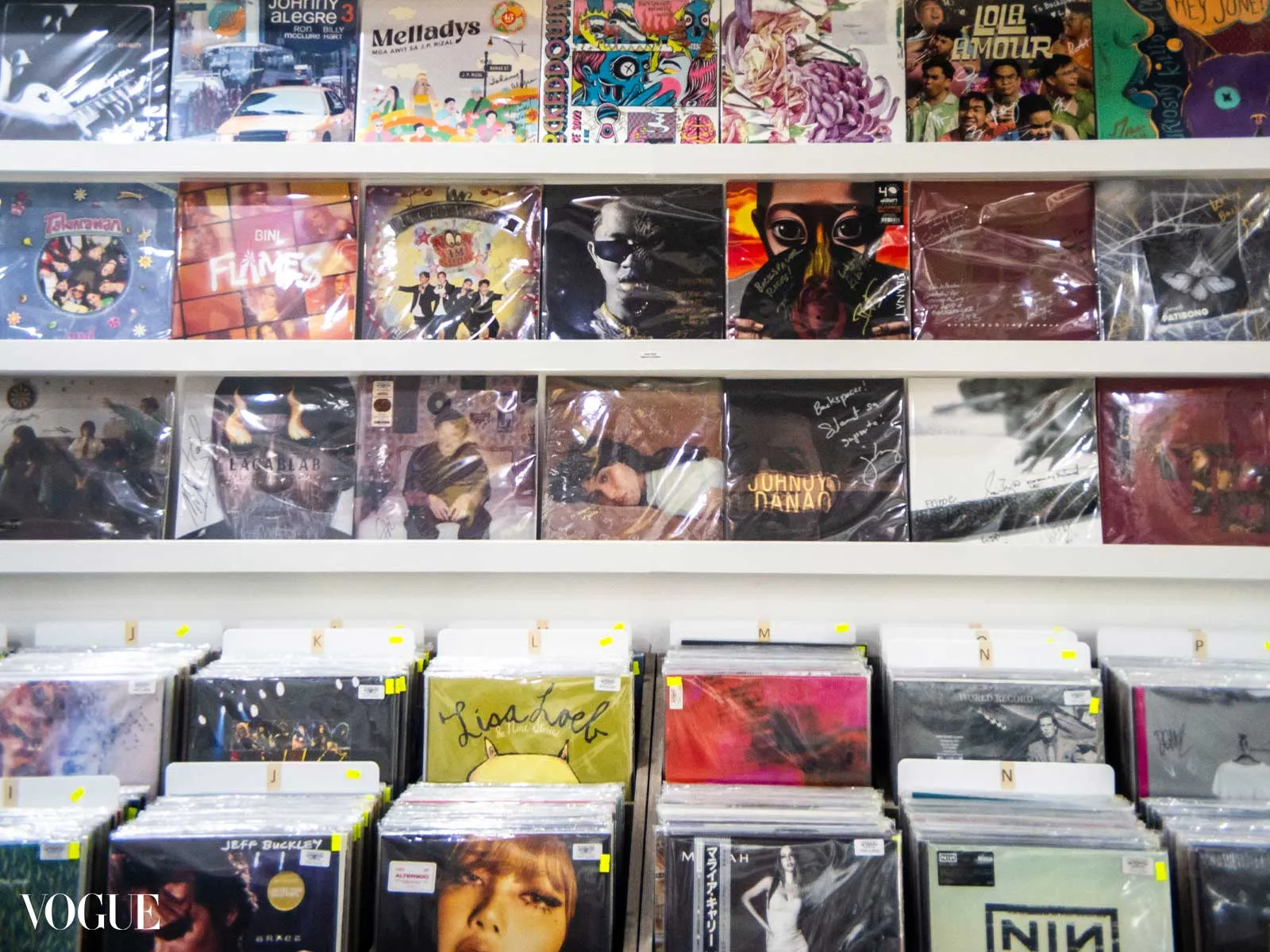
Another way that the format is being introduced to younger generations is by producing vinyl records of new and local artists. In the Philippines, Backspacer Records is one of the record stores that also does vinyl pressing for OPM artists, including P-pop groups BINI and SB19 and familiar favorites such as Itchyworms and Sugarfree.
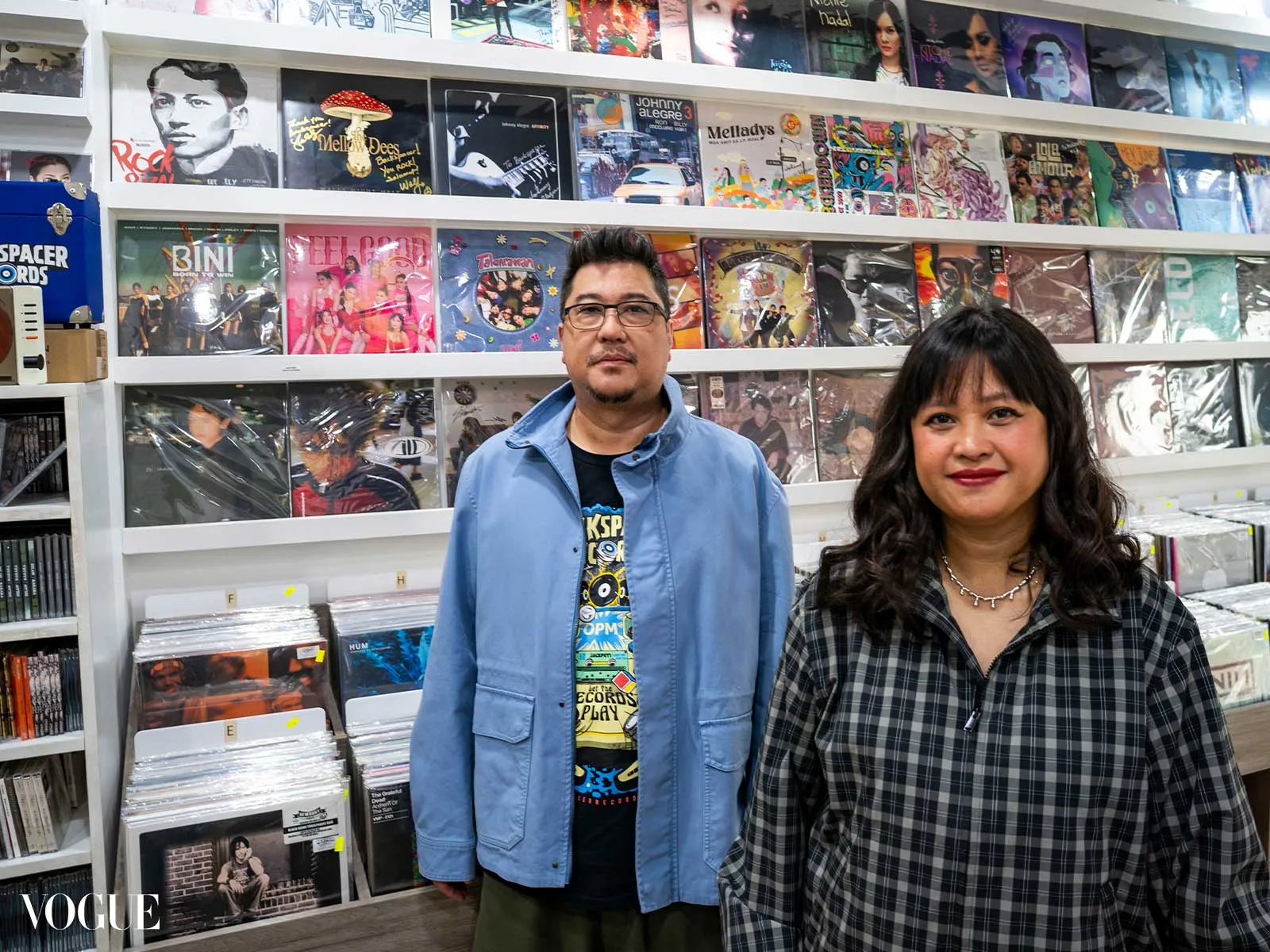
When Backspacer Records started, almost all the titles they were selling were foreign, until owners Tasha and Robert Tuazon dreamed of having more OPM titles. Initially, it was they who reached out to artists to put their albums on vinyl. In 2021, they released a limited-edition vinyl of Peryodiko’s self-titled album, and the momentum grew from there. This year, Backspacer Records will have its 100th vinyl pressing, which shows how the demand for vinyl among local music scenes is also rising.
For Tasha, the demand for vinyl is tied to its physical nature. “They see the artwork, the thoughts, and the care that you put in the physical album, and it’s more personal for the artists, too,” she says. “And because of its physical nature, it’s very intentional. You really need to make time for it, because you have to put it in, flip it over, and listen to the whole thing.”
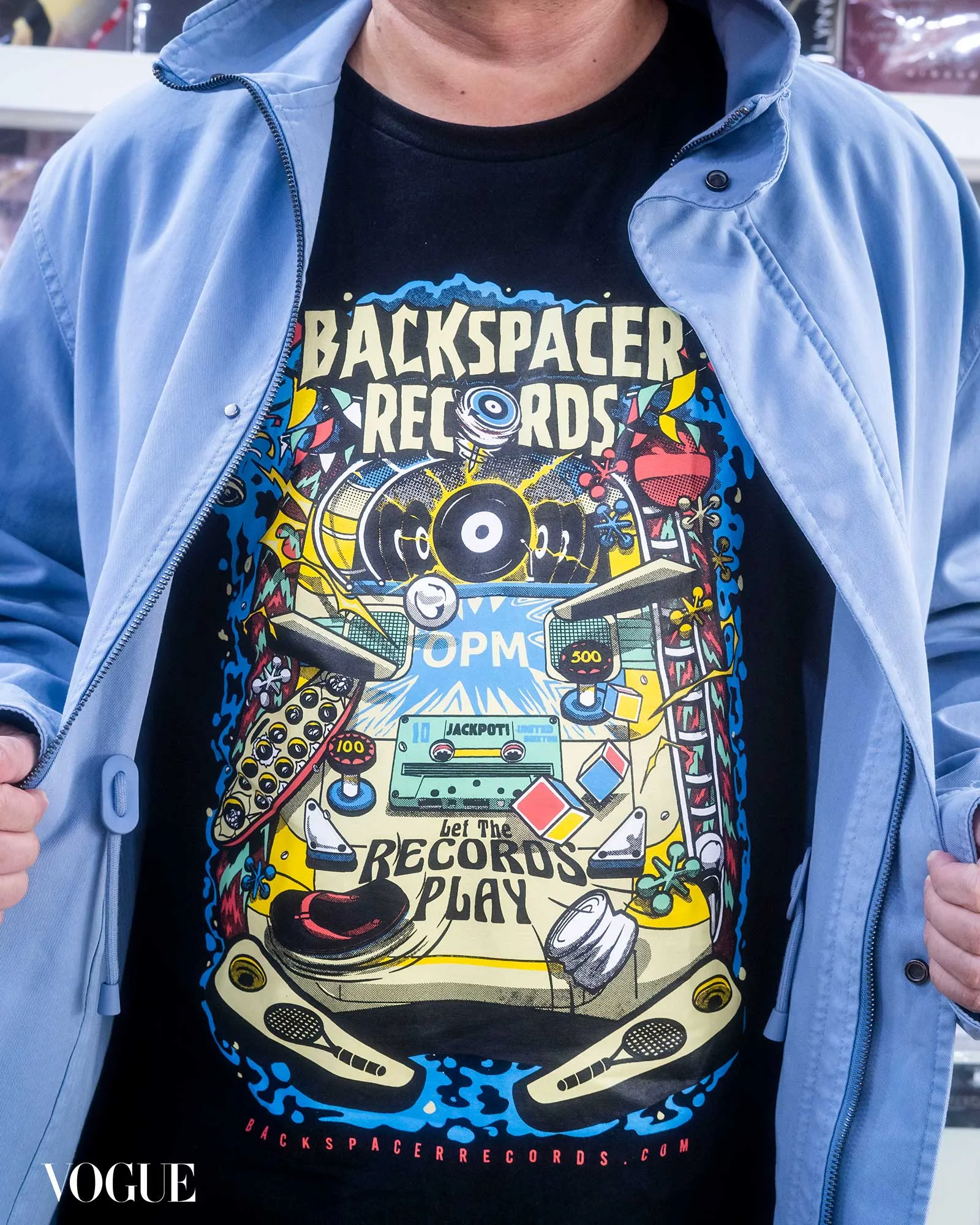
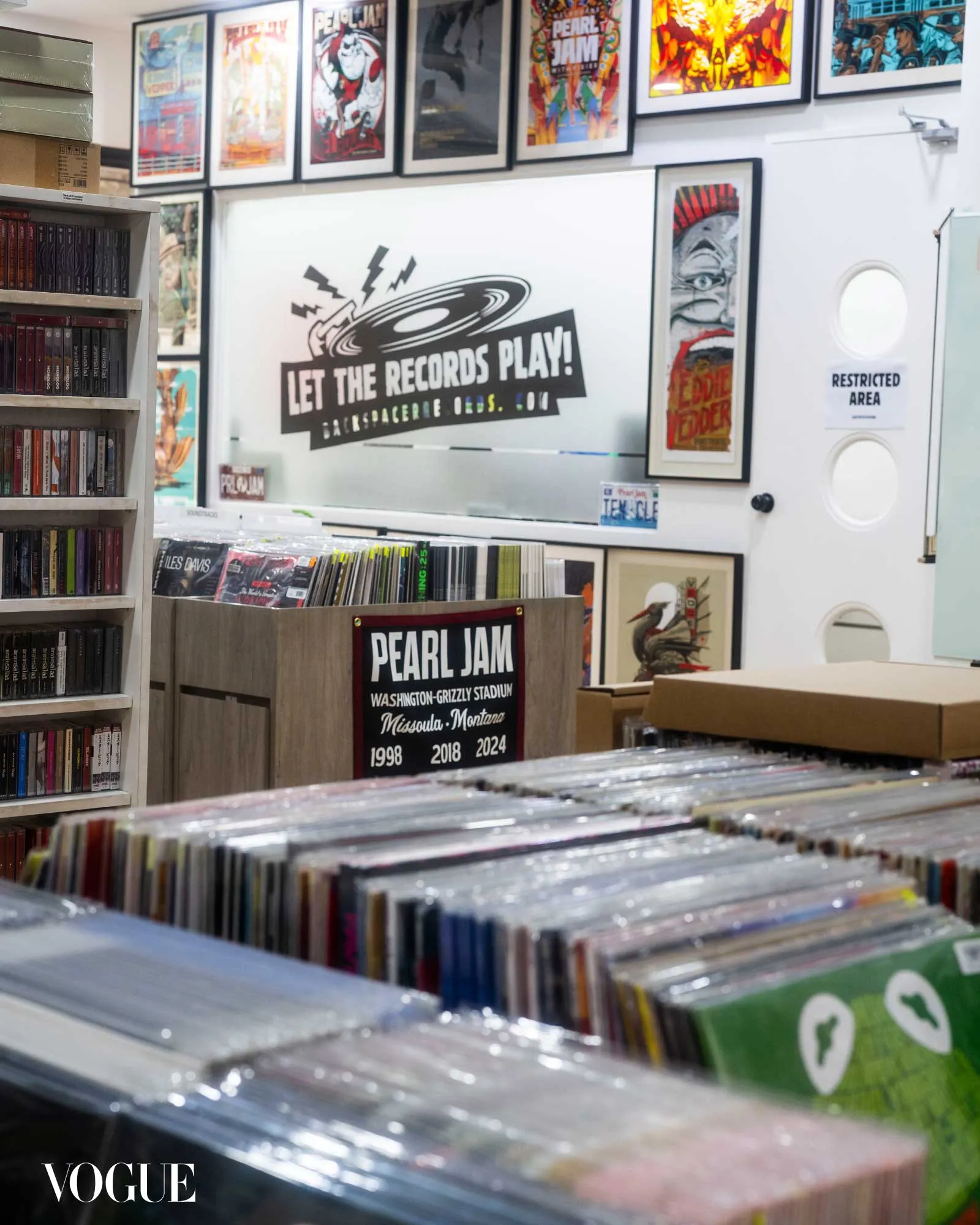
There seems to be a running theme among all these conversations: People are longing for connection. Beyond its physicality, people are drawn to vinyl for the connection that it offers to the artists, to the previous owner of the record, or simply to the songs themselves. The format is physical evidence of the amount of care, thought, and intention there is in creating and sharing the music; one that can be touched, smelled, and seen. Something that, on today’s digital platforms, gets lost in the sea of pixels, algorithms, and chart battles.
So, if you’re looking for a deeper connection to music, or perhaps just a new listening experience, give vinyl records a spin. As the needle hits the grooves, maybe you can even close your eyes while you let yourself truly listen for the first time in a while.
Frequently Asked Questions
A vinyl record is a flat, plastic disc used to store and play sound. It is an analog medium made from polyvinyl chloride (PVC).
Vinyl records are made by cutting an audio master onto the lacquer disc, electroplating that disc to create metal stamping molds, and using high-pressure hydraulic presses to stamp the microscopic sound grooves into heated polyvinyl chloride (PVC) plastic pucks.
You can buy vinyl records in the Philippines from popular physical and online stores like Backspacer Records, Satchmi, and Plaka Express.
Yes, many OPM artists have vinyl records, spanning vintage pressings to modern limited-edition LP releases and reissues.
Vinyl is a synthetic plastic made from two main natural sources: common salt (57% of its weight) and crude oil or natural gas (43%).