
6 Historical Places to Visit in Metro Manila


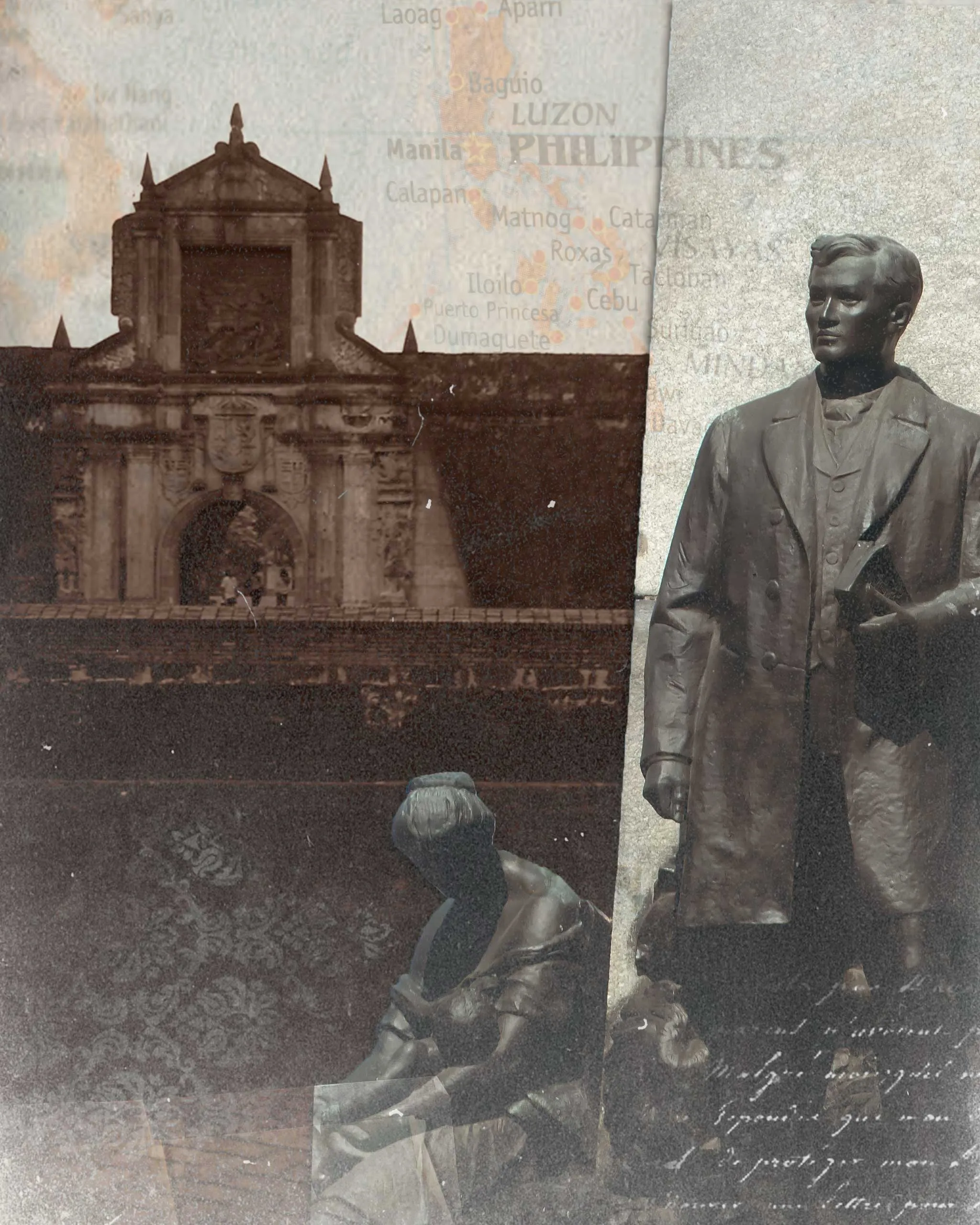
Artwork by Bea Lu, Photos via Pexels
From monuments to shrines, these places offer a glimpse into the country’s past.
We are now in the middle of the third quarter, and it’s that time of year when historic sites open their activities to the public. August brings National Language Month and History Month, with National Heroes Day also coming up. It’s a fitting time to explore some of the places that have shaped Manila’s story. Here are historical places to visit in and around Metro Manila, if you’re up for a curious journey.
Pugad Lawin Shrine
What: The site where the 1896 Philippine Revolution began, when Andres Bonifacio and the Katipuneros tore up their cedulas (tax certificates) as a stance against Spanish rule.
Location: 52 Seminary Road, Bahay Toro, Project 8, Quezon City
Pinaglabanan Memorial Shrine & El Deposito
What: The site of the Battle of San Juan del Monte, one of the first major military clashes of the 1896 Philippine Revolution. The shrine is also built on top of El Deposito, a 19th-century underground Spanish reservoir system.
Location: 29 Pinaglabanan Street, Corazon de Jesus, San Juan City
Cry of Balintawak Monument (Bonifacio Monument)
What: Sculpted by National Artist Guillermo Tolentino and unveiled on Bonifacio’s 70th birth annoversary on November 30, 1933, the monument features a tableau of figures surrounding a 45-foot obelisk. It depicts the execution of the Gomburza priests, secret Katipunan initiation rites, and Bonifacio holding a pistol and bolo as he leads the call to arms.
Location: Monumento Circle, Rizal Avenue, MacArthur Highway, Grace Park East, Caloocan City
Rizal Shrine & Fort Santiago Dungeons
What: The shrine preserves the prison cell where Jose Rizal spent his final days before his execution, while the subterranean dungeons of Fort Santiago served as detention areas during World War II, where thousands of Filipino and American military personnel were held.
Location: Santa Clara Street, Intramuros, Manila
Apolinario Mabini Shrine
What: The original restored nipa-and-bamboo house where Apolinario Mabini lived and worked, and where he drafted revolutionary laws and philosophical papers.
Location: PUP A. Mabini Campus, Anonas Street, Sta. Mesa Manila
Libingan ng mga Bayani
What: The national military cemetery established as a final resting place for Philippine soldiers, national heroes, presidents, scientists, and artists.
Location: Bayani Road, Fort Bonifacio, Taguig City
Frequently Asked Questions
History Month is observed every August in the Philippines to highlight significant events, people, and turning points in the country’s history.
National Language Month, or Buwan ng Wikang Pambansa, is celebrated every August 1 to 31 to promote and celebrate the Filipino language and the country’s linguistic heritage.
Proclamation No. 339, signed by then-President Benigno S. Aquino III on February 16, 2012, declared August of every year as History Month.
You can learn more through resources from the National Historical Commission of the Philippines (NHCP), which oversees historical research, heritage conservation, museums, and national shrines.
Yes. The NHCP leads History Month activities each year, including exhibitions, lectures, workshops, commemorative events, and other programs held with government agencies and cultural organizations.