
How Residential Houses Are Turning Into Creative Third Spaces


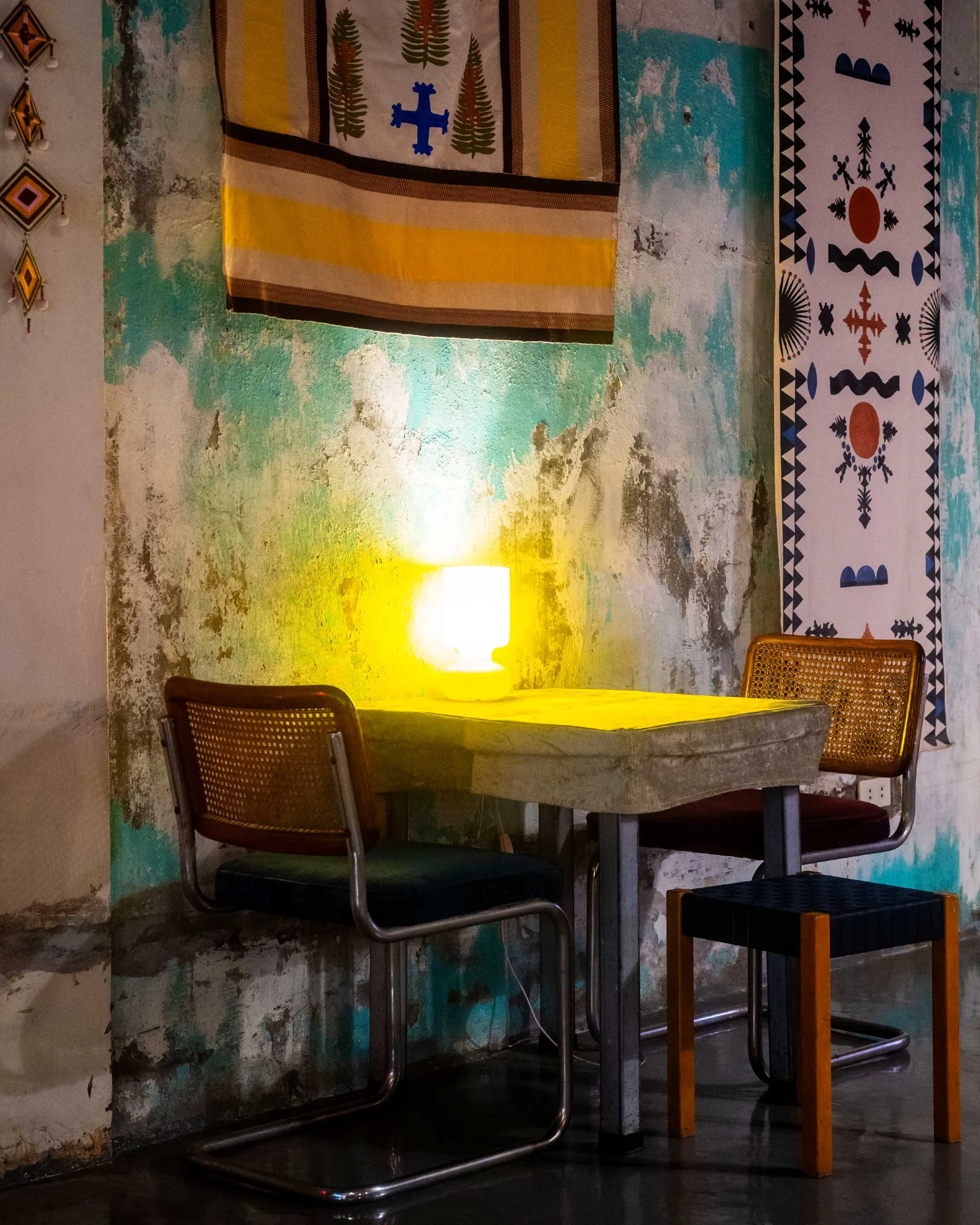
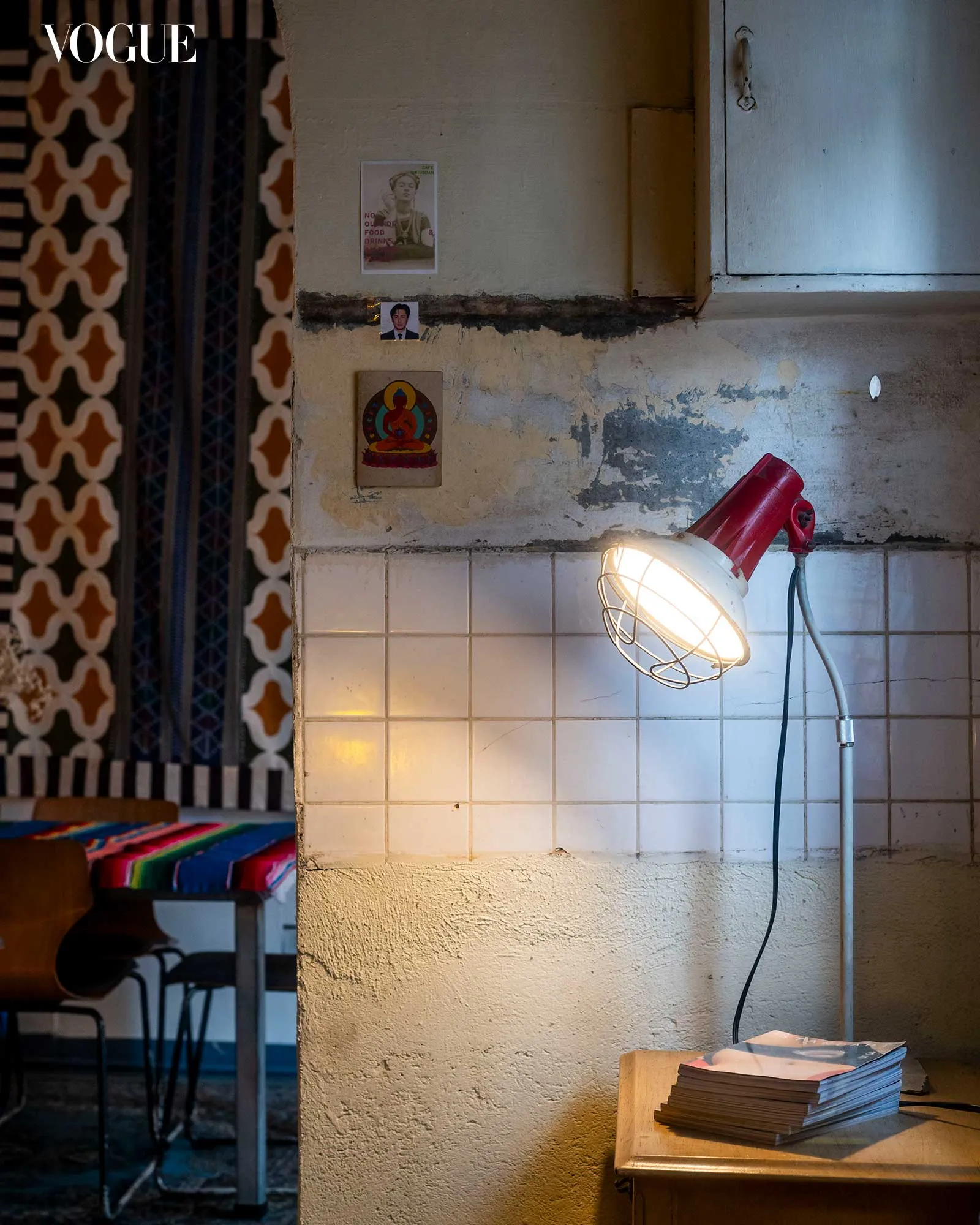
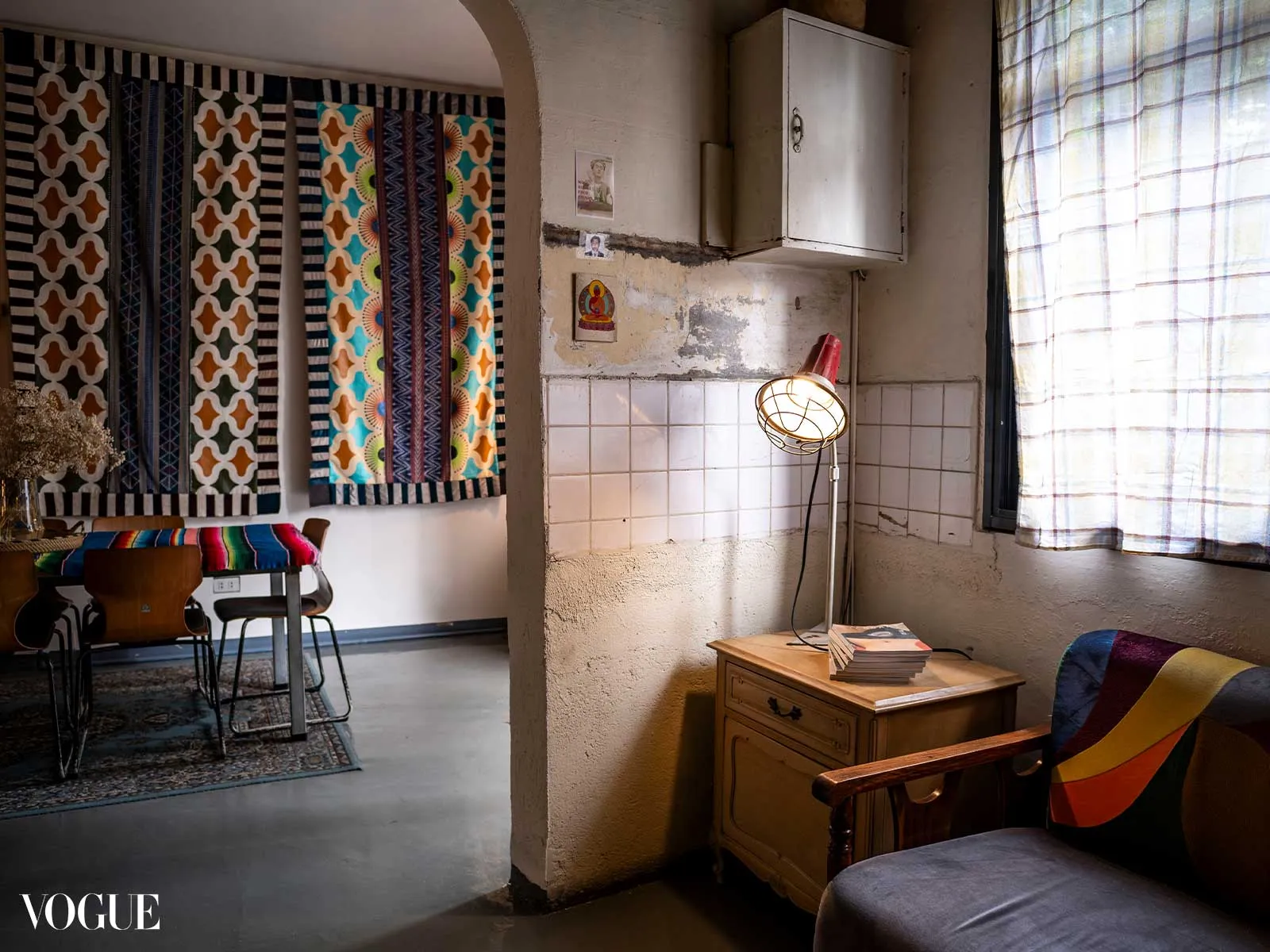
Café Siriusdan. Photographed by Angelo Tantuico
As people search for alternative places to gather, residences are becoming unlikely hubs for art, music, culture, and connection.
When I meet new people, “So, what do you do outside of work?” is a question that I always get asked. To be honest, most of my days feel like they’re bleeding into each other, switching between work and home, home and work. But when I do find myself with a bit of free time, I run to what we call my “third space.”
As defined by sociologist Ray Oldenburg in 1989, a “third space” is a physical environment separate from home (first space) and work (the second space), with the purpose of fostering a community life. The phrase has become something of a buzzword over the past few years, with more people engaging in different hobbies, communities, and events postpandemic. And with its growing popularity, more of these spaces have popped up all over the Philippines in the form of cafés, artistic spaces, bookshops, bars, gig venues, to name just a few.
Some people might call a third space their “second home.” And some take the “home” part literally, by using residential houses to build their own third space.
This trend of converting residences into third spaces is referred to as adaptive reuse, or the practice of taking existing buildings and reusing them differently from their original purpose. Other spaces such as First United Building, Comuna, and Cubao Expo are all examples of this process and are now some of Metro Manila’s popular creative hubs.
These creative hubs have inspired writer and artist Cyrus Dan Cañares, owner of Café Siriusdan. As a creative who grew up in Mandaluyong City, Cañares longed for a space for the city’s creative community. Instead of waiting for someone else to build that space, he decided to start his own after leaving his career writing ABS-CBN teleseryes.
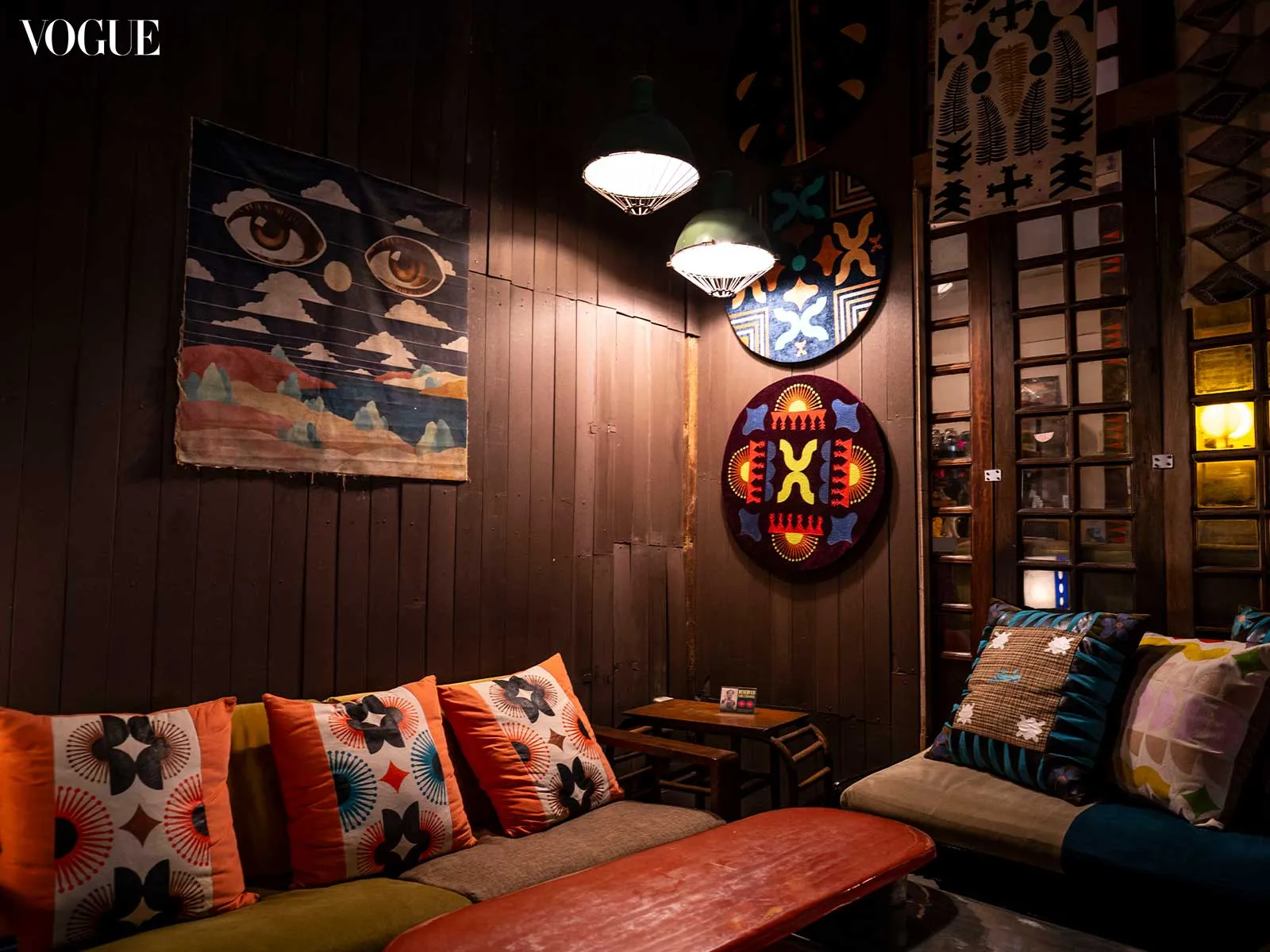
At Café Siriusdan, the ’80s duplex apartment is now a cozy café, filled with artworks and furnishings curated by Cañares. Its former garage now houses Studio Siriusdan, his own art and design space. As a professional artist and writer, Cañares wanted to design a space that inspires. “I created this space in my head [because] I wanted to target young creatives,” he says. “Primarily it’s a space where you are inspired to create.”
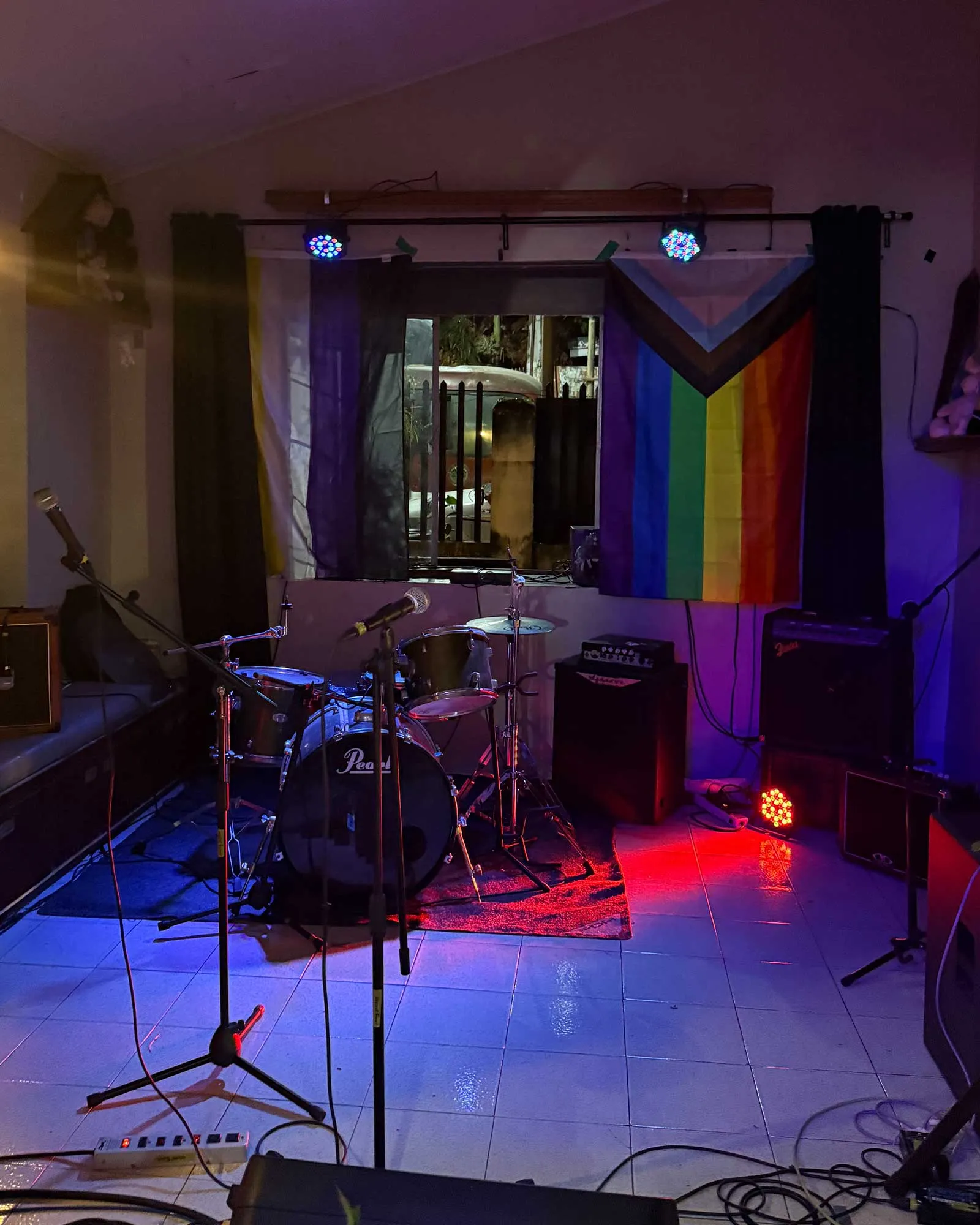
For musician Tonchi Mercado, the clamor for third spaces intensified postpandemic, when long and strict lockdown measures were implemented throughout the country. “It really heightened everyone’s lack of physical connection [and] created a longing for community that I think we’re still reeling from the effects of today,” they say. At the time, his own circles were also longing for a sense of community, leading to the founding of Sining Shelter, an emerging volunteer-run and artist-run DIY venue in Parañaque.
The story began when his co-founder, Iñigo Lapuz, was looking for a space to record a solo music project. As it happened, Mercado’s family owned a house in Sun Valley, which became an impromptu studio for Iñigo’s project. Meanwhile, Mercado began making music during the pandemic, but didn’t have the chance to play shows in Manila.
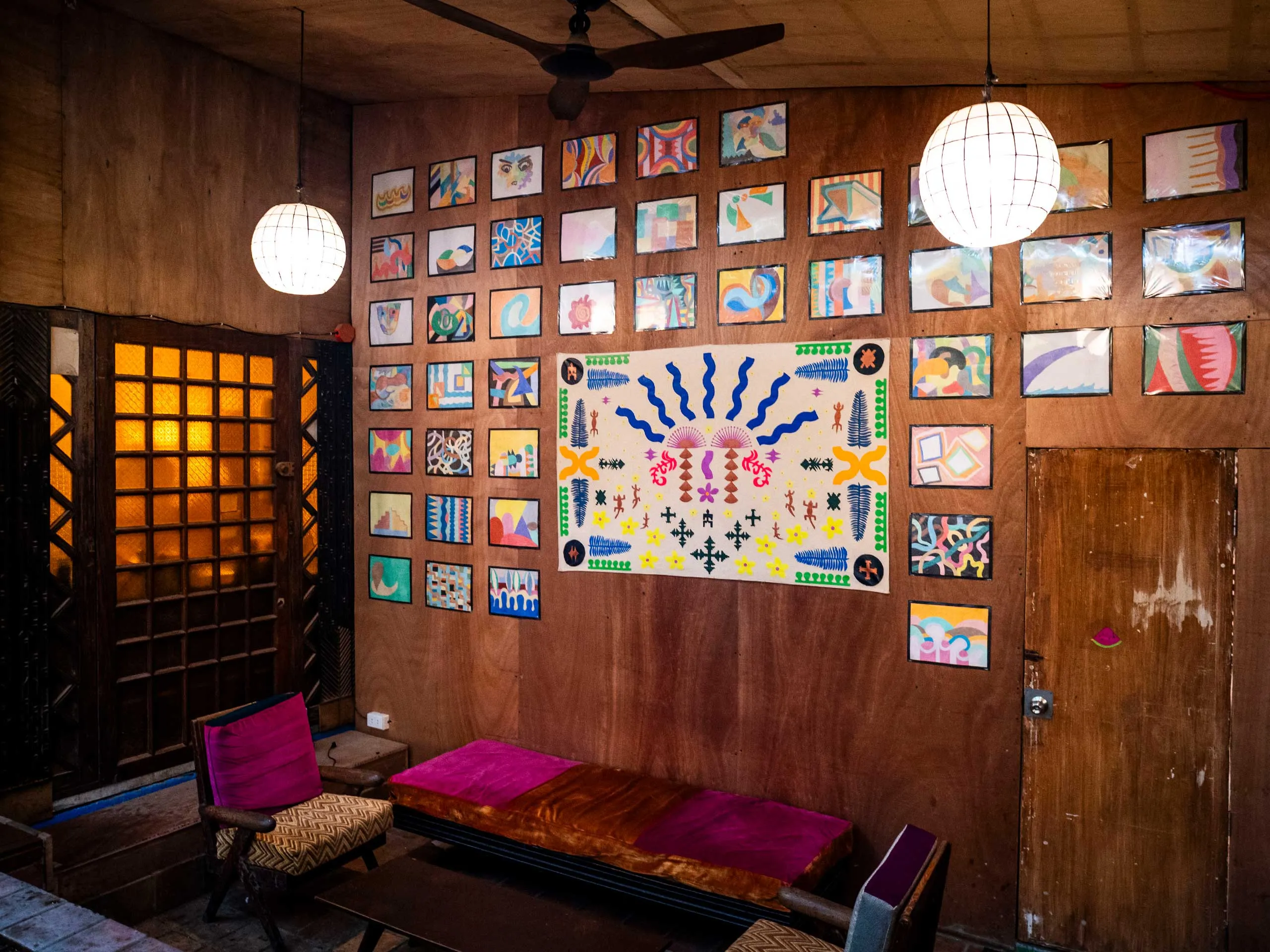
After returning from a tour in the United States for his international project, Fax Gang, Mercado got the idea to organize a show in the house’s garage. “It wasn’t necessarily a Sining Shelter show, but it was the first live performance we did,” they say. “And then after that, the friends who helped me out, some of them just stuck around and continued to help out whenever we wanted to do some other kind of event, and it just adapted from there.”
A similar sense of community can be found in Chapterhouse, a community-driven creative space in Quezon City. The move began when co-owner Cindy Aquino and Antares Bartolome were looking for a new home for their business, Riot Grill, which was formerly located on Madasalin Street, in a two-floor residential house. Inside, the house’s rooms and areas are divided into different spaces for the housemates or business owners, creating a space for music, art, literature, fashion, and everything in between.
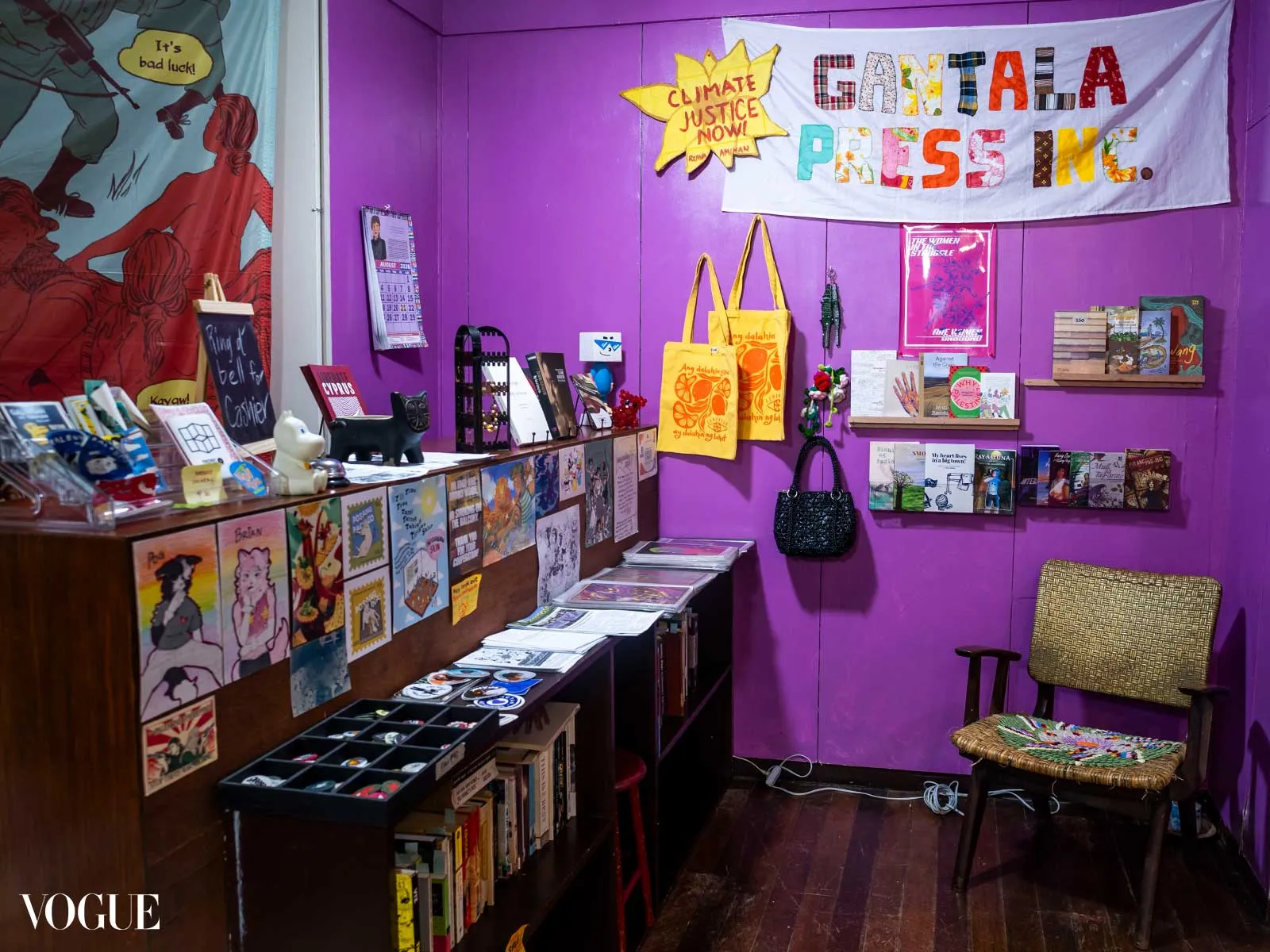
Initially, they were looking for a commercial space within the area, but they found the rent too high for a small business. “I think it’s helping in a way,” Bartolome says, referring to their decision to operate in a house. “Automatically, the space becomes homey. It also allows these businesses to flourish more because they don’t have to spend so much money.” Much of the house’s furnishings are also given by their community, with tables, chairs, cabinets, and plants coming from their personal homes.
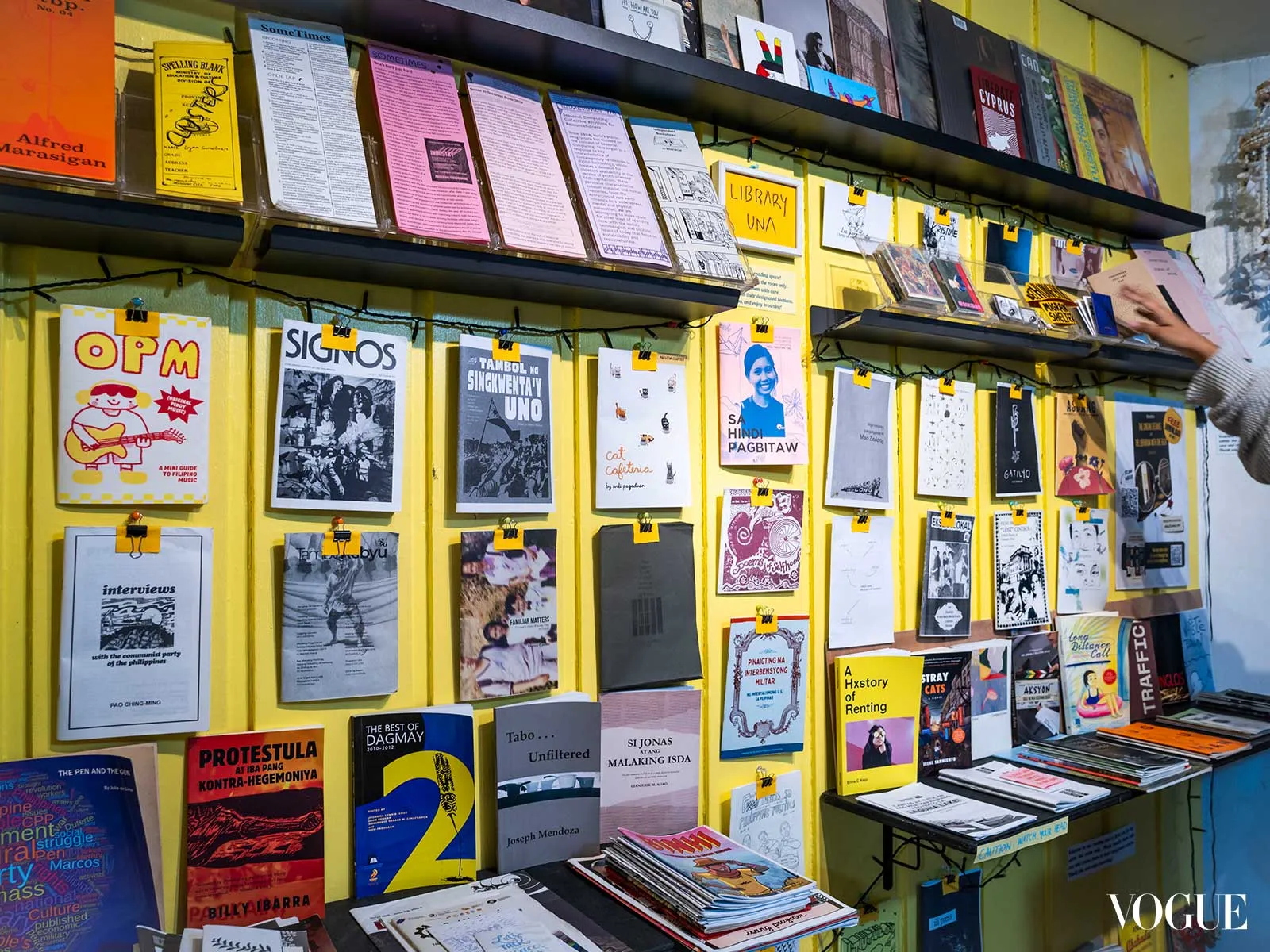
To fill out the rest of the house, they found creatives within their own circles who were interested in having their own space for their practices. On the second floor, there’s Playroom, a fashion and art retail space; Merienda Jazz, a rehearsal space for jazz artists; Library Una, which houses local zines and books; Wanted Bedspacer, an exhibition space; and the PinkRoom, which is typically used for film screenings and occasionally, counseling sessions. The ground floor is home to Riot Grill and Loob Bar, and the living area is used as a space for workshops, gigs, comedy shows, and other activities.
Aside from the business owners residing in the house, Chapterhouse also partners with different communities and actively supports different advocacies and causes. Recently, they held a benefit gig and garage sale for the earthquake victims in Mindanao, with all proceeds going to the Blaan indigenous communities, the fisherfolk, Lumad, and other rural communities.
While each creative hub has its own focus and vision, there is a running theme among the three. Each one begins with intention, picturing what their ideal third space will look like.
By definition, Bartolome explains, several places could be a third space. “The mall is a third space,” he says, in a mix of Tagalog and English. “A third space can be your friend’s house; it could be your local sari-sari store.” With this reasoning, Chapterhouse, by default, is a third space. What sets it apart from other spaces is that, while profit is still a factor in their operations, the bigger intention is to build a community.
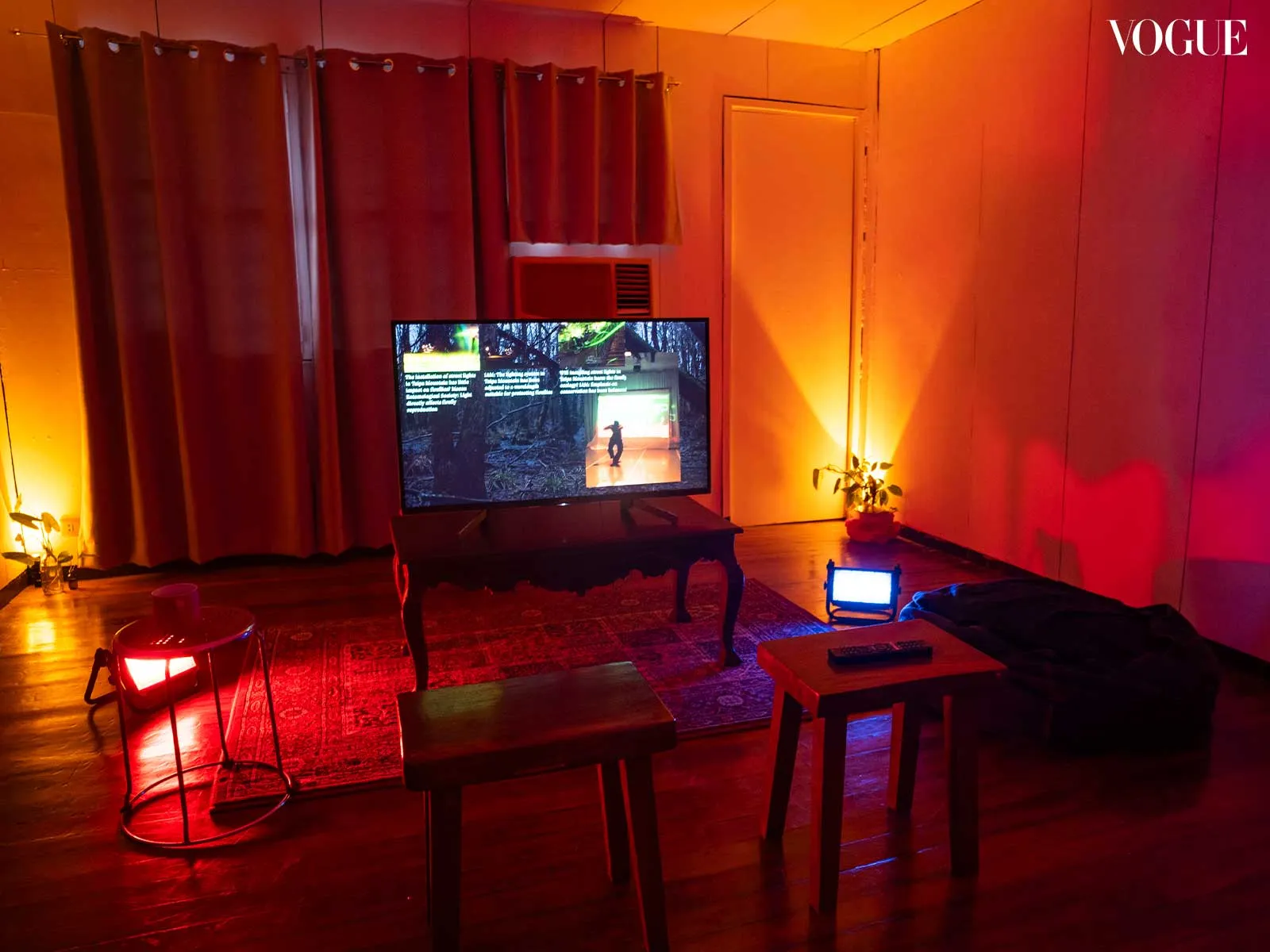
“Our approach is somewhere we’d like to hang out. Somewhere where we don’t feel like if we sat there for two hours, we’d go broke,” he says. “Somewhere we won’t be harassed, where we won’t encounter violence,” adds Aquino.
For all of these founders and owners, accessibility is the main issue with third spaces today. While there are now several hubs, cafés, and other establishments, ideally there would be more free public third spaces. Cañares calls for more parks and libraries, recalling how he grew up frequenting such places. In Sining Shelter’s area, there is a clear longing for these spaces as well. While most would expect barangay captains to complain about the noise of their gig venue, instead, they allow it to happen (within reasonable hours) because it gives the barangay some entertainment to look forward to.
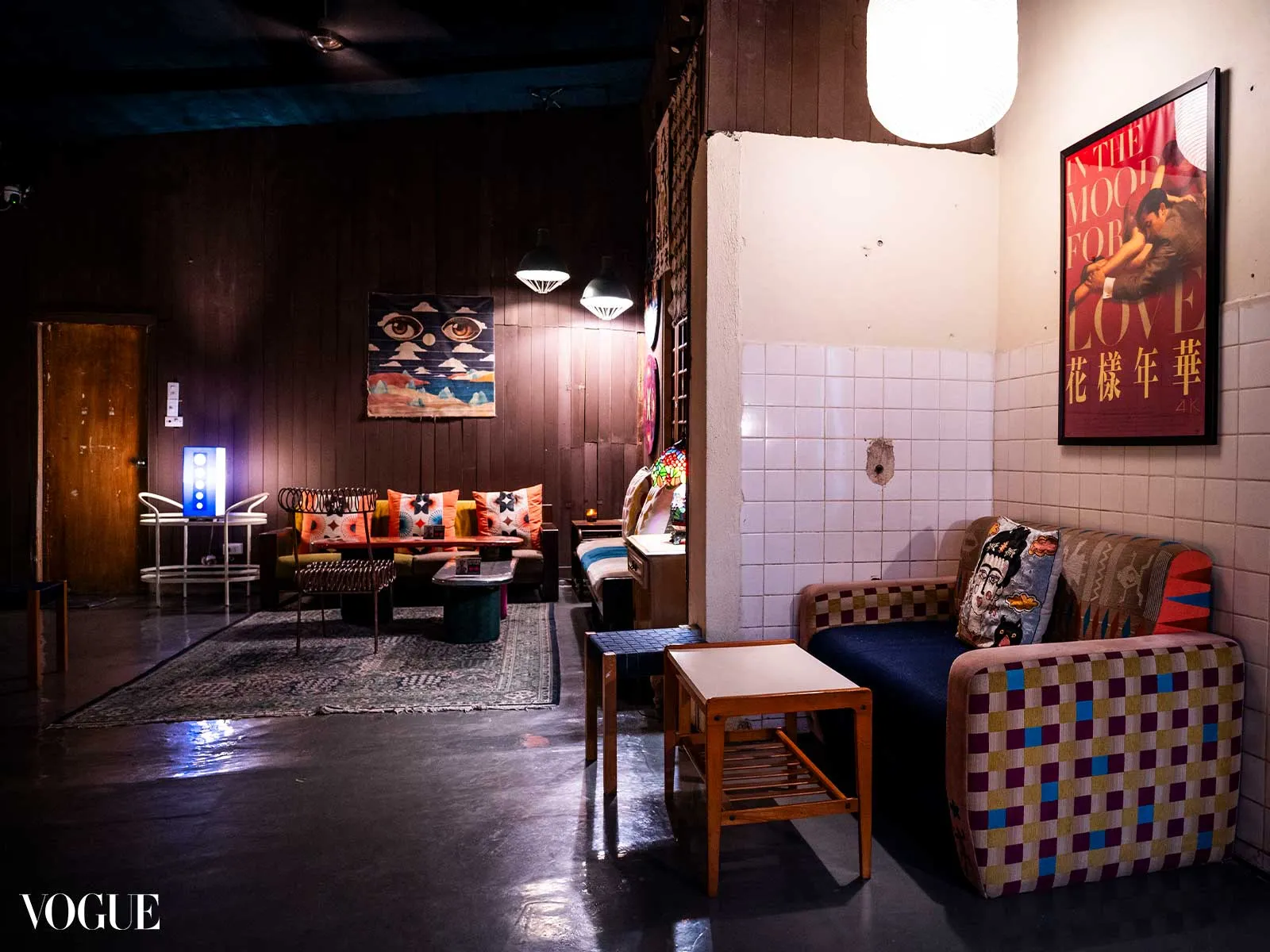
“The fact that Sining Shelter has and can serve as a place for people not to feel alone as they usually do is what means most to me personally about running the space,” Mercado says. This sentiment is the core of this discussion. People, not just creatives, are longing for places where they can feel connected without feeling like they have to pay a hefty price. It’s a place to rest, find community, find inspiration, and to freely express themselves, not to gain profit or network, but to build authentic relationships.
At the end of the day, people just want to find their way home.
Frequently Asked Questions
A third space (or third place) is a social setting separate from your home (the first space) and your workplace or school (the second space).
The term “third spaces” or “third place” was coined by urban sociologist Ray Oldenburg in his 1989 book The Great Good Place.
Examples of third spaces include coffee shops, public libraries, local parks, gyms, community centers, and others.
Yes, third spaces exist in the Philippines, in the form of shopping malls, coffee shops, public parks, green spaces, and community and street initiatives.
Third spaces can be built by city planners, local governments, private business owners, nonprofits, and local residents.