
Why Creatives in Poblacion Are Baring It All on Canvas and Paper


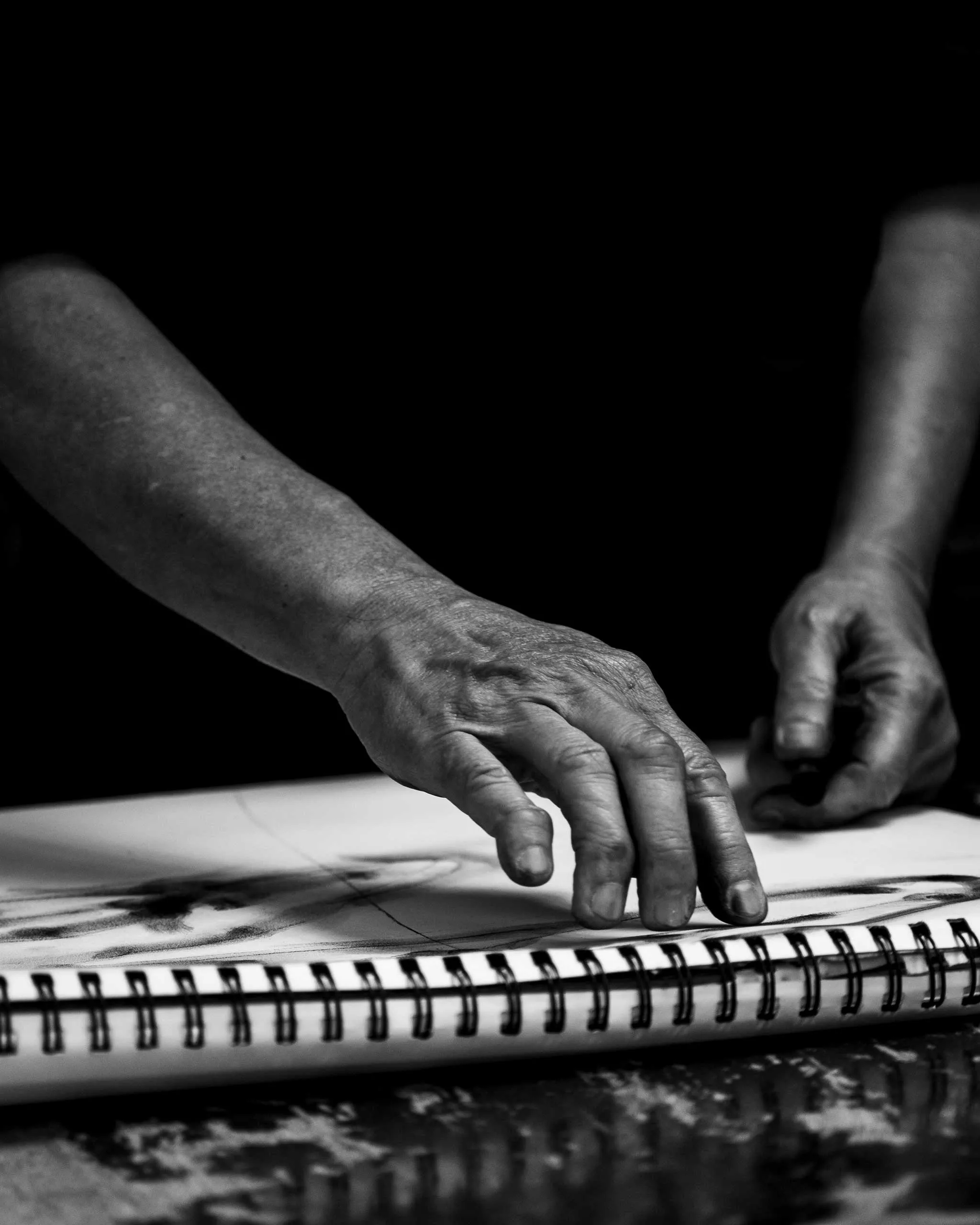
Poblacion Life Drawing Sessions at Annex House, Makati. Photographed by Angelo Tantuico
At the Poblacion Life Drawing Sessions, artists and models come together for art, community, and celebration of the human body.
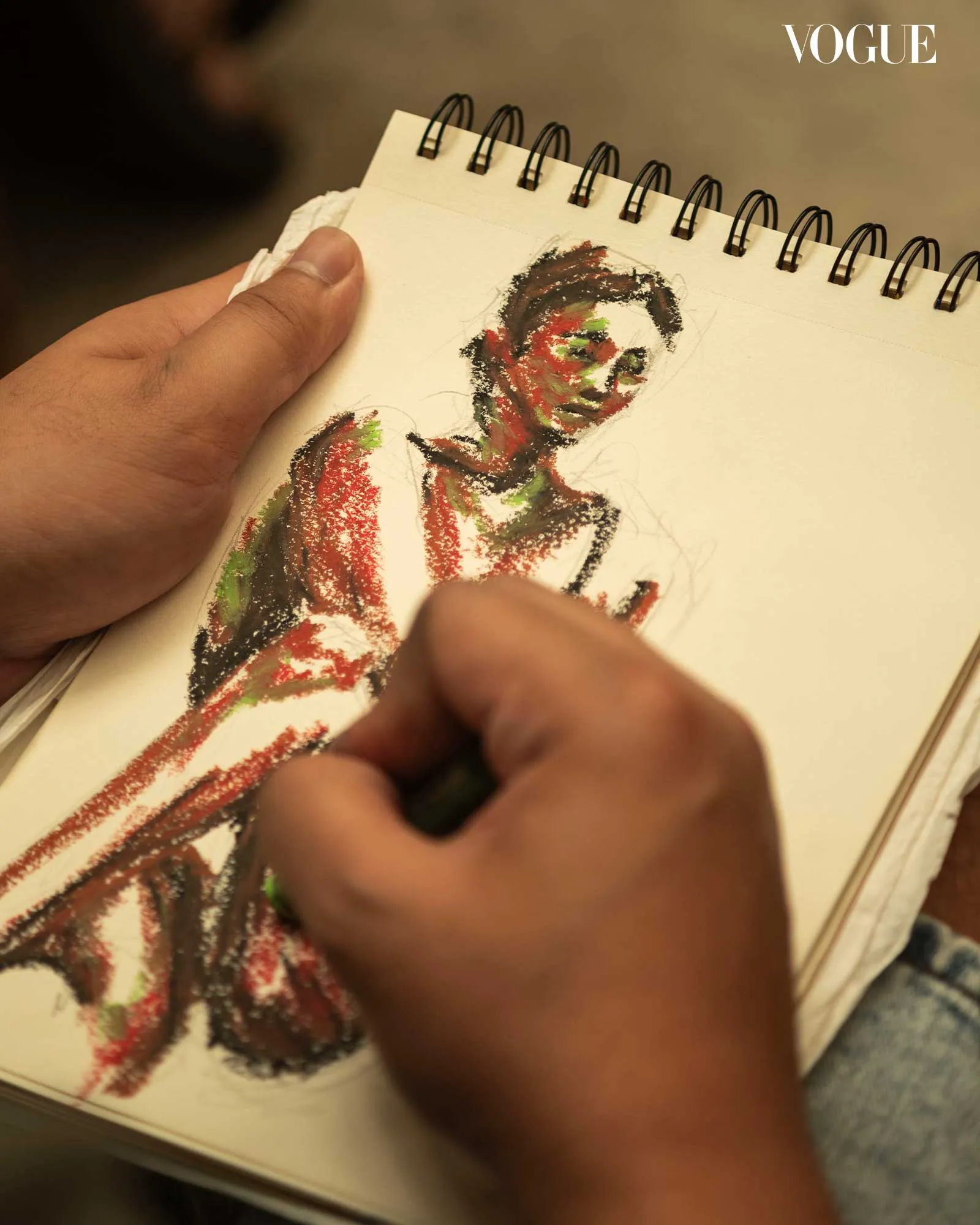
On the second floor of Annex House, artists gathered, sketchpads and canvases in hand, and coffee or tea in the other. It’s a quiet Sunday morning, with soft chatter filling the air as we wait for the Poblacion Life Drawing Sessions (PLDS) to start. As the model takes her place at the front, the surrounding artists assume the positions most comfortable to them: on the floor, on chairs, or standing. The model’s robe falls away; they begin to sketch to the music of Dolly Parton and Brownman Revival.
These figure drawing sessions began with Duane Lucas Pascua, a director, screenwriter, and visual artist based in Manila. The story goes back 20 years, when Pascua was a Fine Arts student who had dropped out of college. One night at the UP Diliman pub Sarah’s, he bumped into a former professor who invited him to join art sessions with fellow professors and artists.
“They treated me like a peer, not like a student. I would go there. I would write. I would draw with them,” he says. “Shared practice got me into art.” They frequented Conspiracy Garden Café in Quezon City, where they held these sessions and spent the hours after drinking and getting to know each other. “We didn’t feel any pressure that your art should be good,” he says.
Twenty years later, his former mentors began to pass away, including the professor who first invited him to these sessions. “As a tribute to him and everybody who became my mentor, I want to start the sessions now. For the next generation of artists who might not have an outlet to grow and learn from other artists.”
He reached out to friends Liana Navarro and Brian Temporosa, who own Annex House, a café and bar in Poblacion, Makati. The first session drew only 10 people, but eventually, one session per month became two, and later each date would have two sessions per day, with the community growing rapidly within a year.
As a mere observer, the session almost feels meditative, as each artist is fully focused on capturing the model’s form. The challenge for artists, Pascua says, is understanding human anatomy well enough to capture the movement of a live model. And for the models, it’s an experience of understanding their relationship with their own bodies.
Pascua recalls an experience with one of their earlier live models. During the session, the model began crying, working through her own perception of her body. “I can almost feel that she’s becoming and unbecoming at the same time. Someone who was witnessing this cried, too, because that was a moment that it wasn’t just about the art, but her journey toward accepting her body and not feeling ashamed of it,” he says.
In this session, the model, Antarika, shares that it’s her first time posing for figure drawing. “Being observed as a model made me look at my body in a different way. Instead of thinking about whether my body looks a certain way, I started thinking about it more as something that can be observed, interpreted, and expressed through art,” she says.
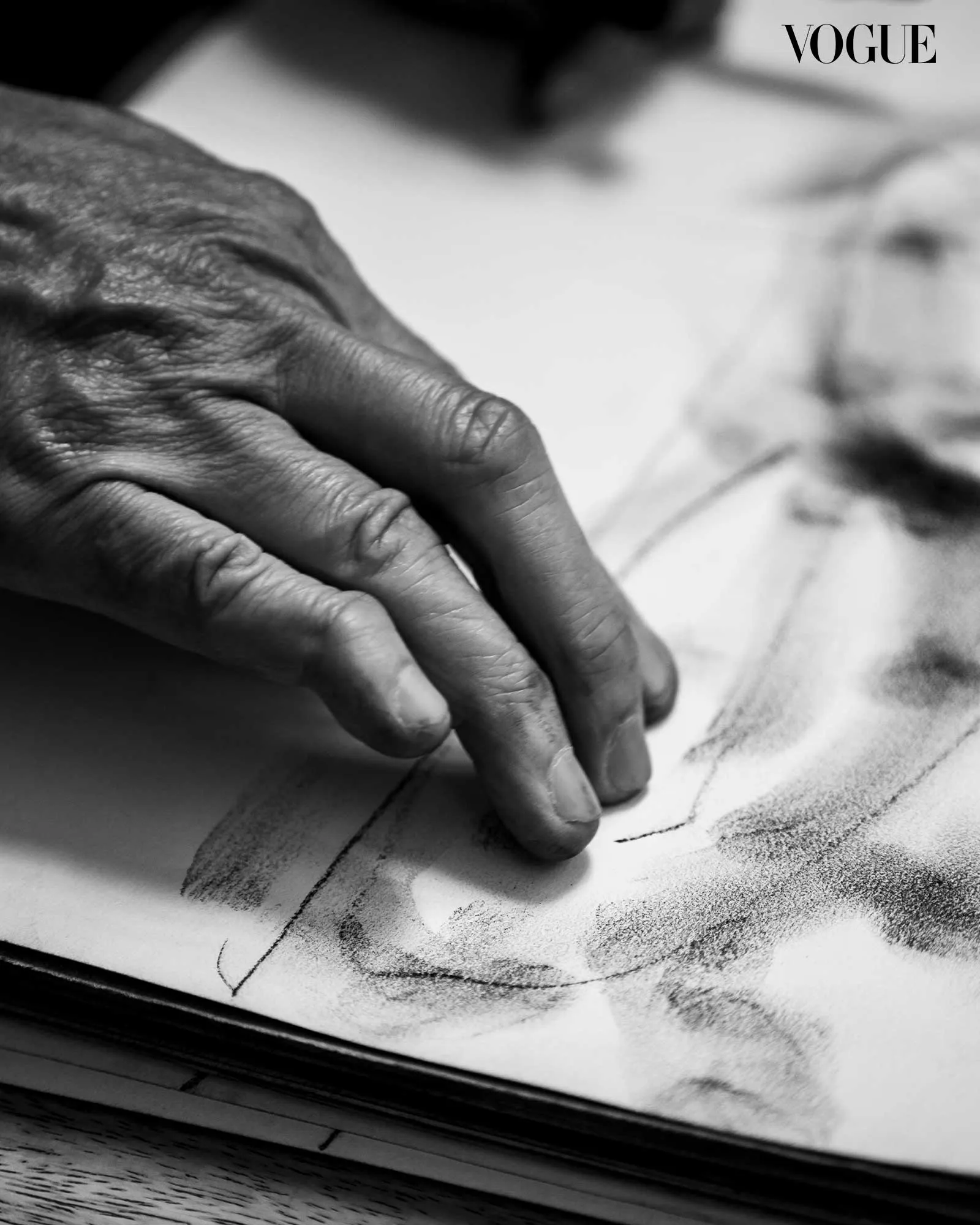
Pascua echoes this sentiment, reflecting on his experience as a live model before. “I realized that, wow, the way an artist looks at you, they’re not looking at you with judgment but with a clinical eye,” he says. “By that process of this communication between the artist and the model, there’s a sense of intimacy. You are in the space together producing the image and the artist captures it.”
This kind of intimacy and relationship can only come from a space where everyone feels comfortable, especially the models who allow themselves to be vulnerable. To safeguard against indecent acts, each artist must sign an agreement that includes rules such as respecting the model’s space and body and not publicly posting the model’s photos without their written consent. In every session, everything is done at each model’s comfort level.
Another goal that Pascua has in mind is to change the way people view nude bodies. “We’re trying to break the stigma that a naked body is only good for sex,” he says. “A human body is such a remarkable work of art. Just alone, being able to walk and breathe and all these things, right? And we celebrate that with every drawing that we do.”
As their community grows, Pascua says that they are looking to expand their sessions outside Makati. Beyond practicing art, community is the main focus of the group. Right now, PLDS has two venues, switching between Annex House and Café Siriusdan in Mandaluyong. He also shares plans of holding workshops and exhibitions, which will include artworks produced during the sessions.
In addition to building their own community, they have also inspired others to begin their own as well. Two of their artists, Miguel Buhay and Valerie Beggsy, have started their own life-drawing community, Figure Drawing Studio, in the southern areas of Metro Manila. “After attending PLDS regularly for over a year, they asked for guidance on how to start their own. Now, they’re in full swing with [regular] attendees every session,” Pascua says.
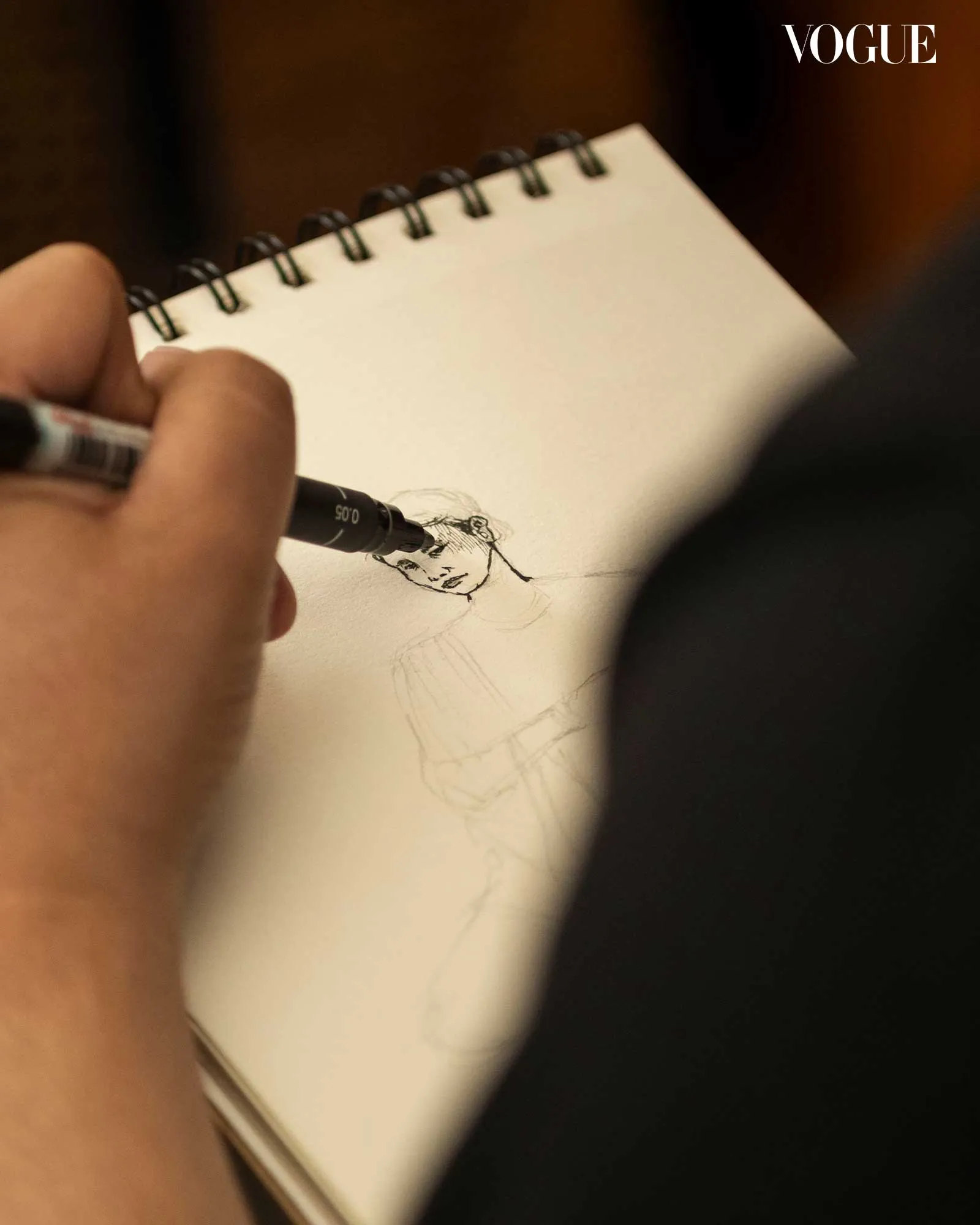
As the session wraps up, the artists catch up with each other, finishing the remainder of their drinks and food, while others smoke cigarettes. A few show Antarika their sketches; some drawn in charcoal, others in oil pastel or ink. For Pascua, this group may be different from the one he joined 20 years ago, but here in Poblacion, this community is coming to life.
To stay updated on Poblacion Life Drawing Sessions’ next session, you may visit their official Instagram account.
Frequently Asked Questions
Poblacion Life Drawing Sessions is a recurring community art event in Metro Manila where artists gather to sketch live human models in a relaxed, inclusive setting.
Duane Lucas Pascua is a director, screenwriter, visual artist, jiujitsu athlete, and MMA fighter-coach.
Yes, active figure and life drawing sessions take place in the Philippines, particularly around Metro Manila, hosted by independent art communities and collectives.
Poblacion Life Drawing Sessions are primarily held at Annex House in Poblacion, Makati.
Annex House is a popular creative playground, social club, hidden cafe, and bar located inside a postwar Filipino ancestral home in Poblacion, Makati.