
How Bohol Island Lives On at the Hands of Its Local Communities


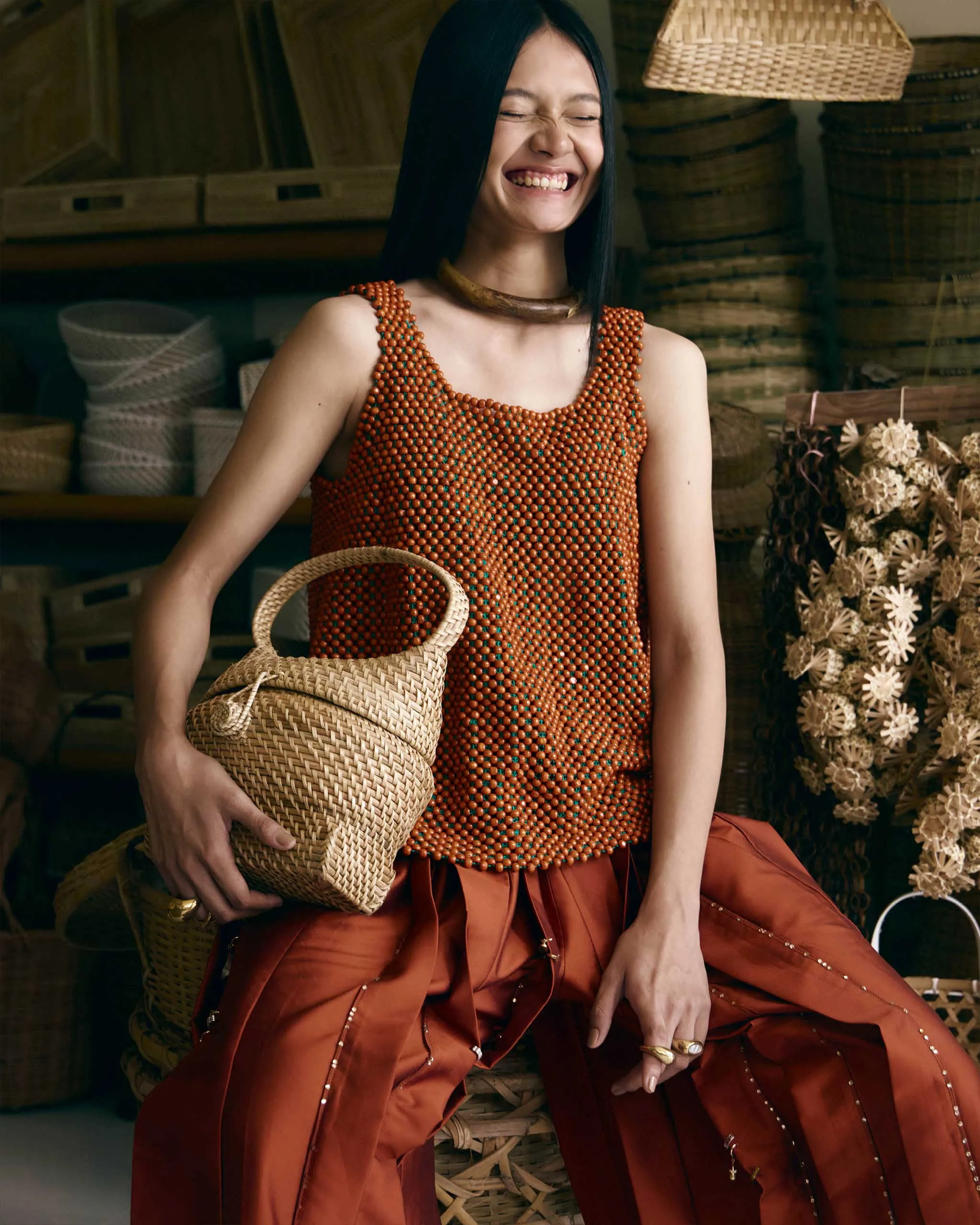
TAGPI top, NERIC BELTRAN shorts, GOLDEN MONSTERA necklace and rings, and handwoven basket bag from Antequera’s Municipal Tourism Information Center And Souvenir Shop. Photographed by Borgy Angeles for the August 2026 Issue of Vogue Philippines
Exploring Bohol Island, the Philippines’ first and only UNESCO Global Geopark, through its local communities and traditions.
Though they had become nearly synonymous with Bohol Island, the sloping Chocolate Hills and pocket-sized tarsiers were not on our itinerary. It was an intentional choice. After all, our team journeyed to the Visayan island province wanting to uncover cultural hubs and chase the underrated.
Over the course of our brief time there, our days were peppered with surprising revelations. One of which came early: finding out that our models Melsi Sarigumba and Clover Morris, both teenagers just shy of 20, who were respectively born and raised in Bohol, hadn’t visited many of the places we took them to. If its own residents still had an abundance of their own land to explore, that meant we visitors had an even vaster uncharted expanse to discover.
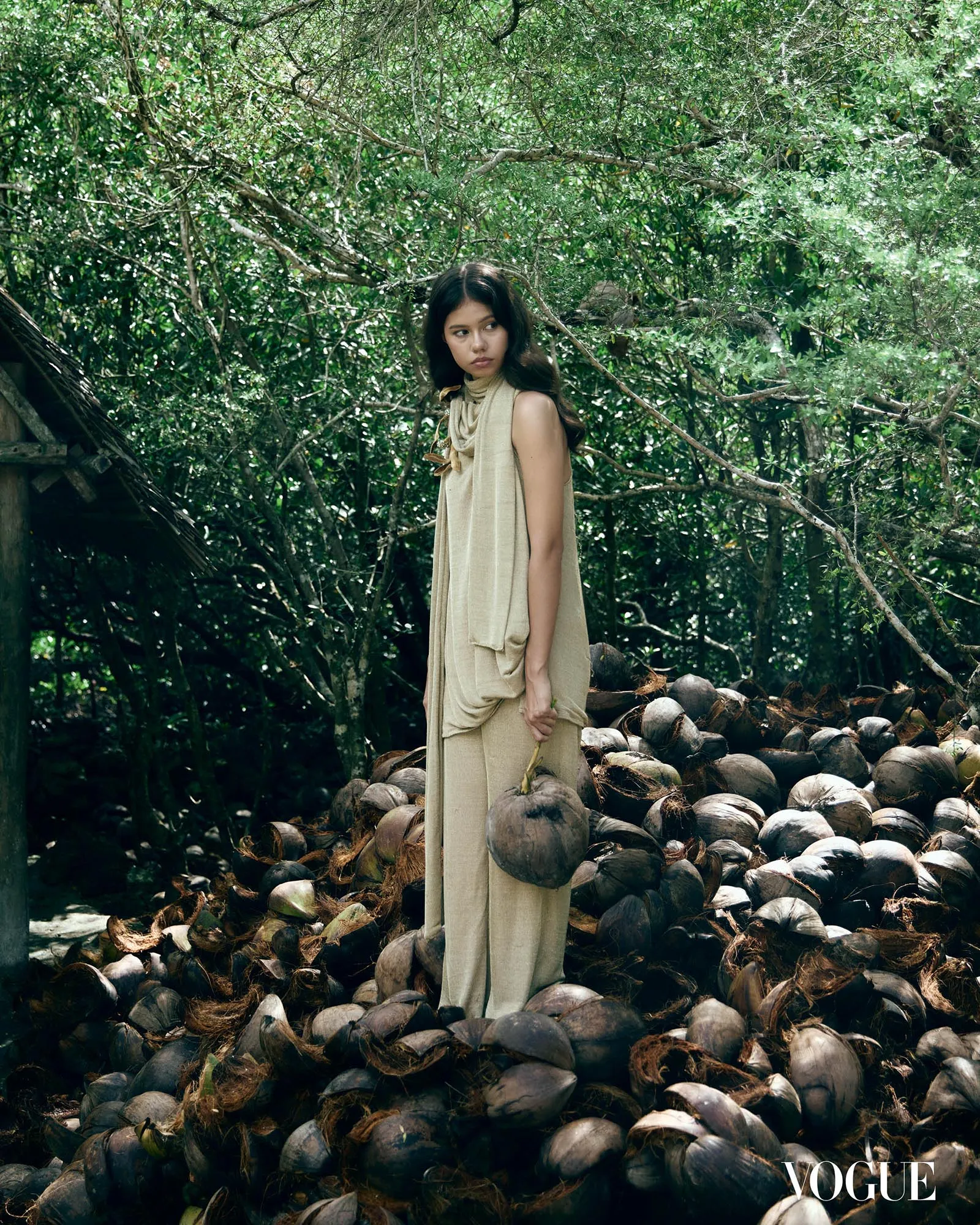
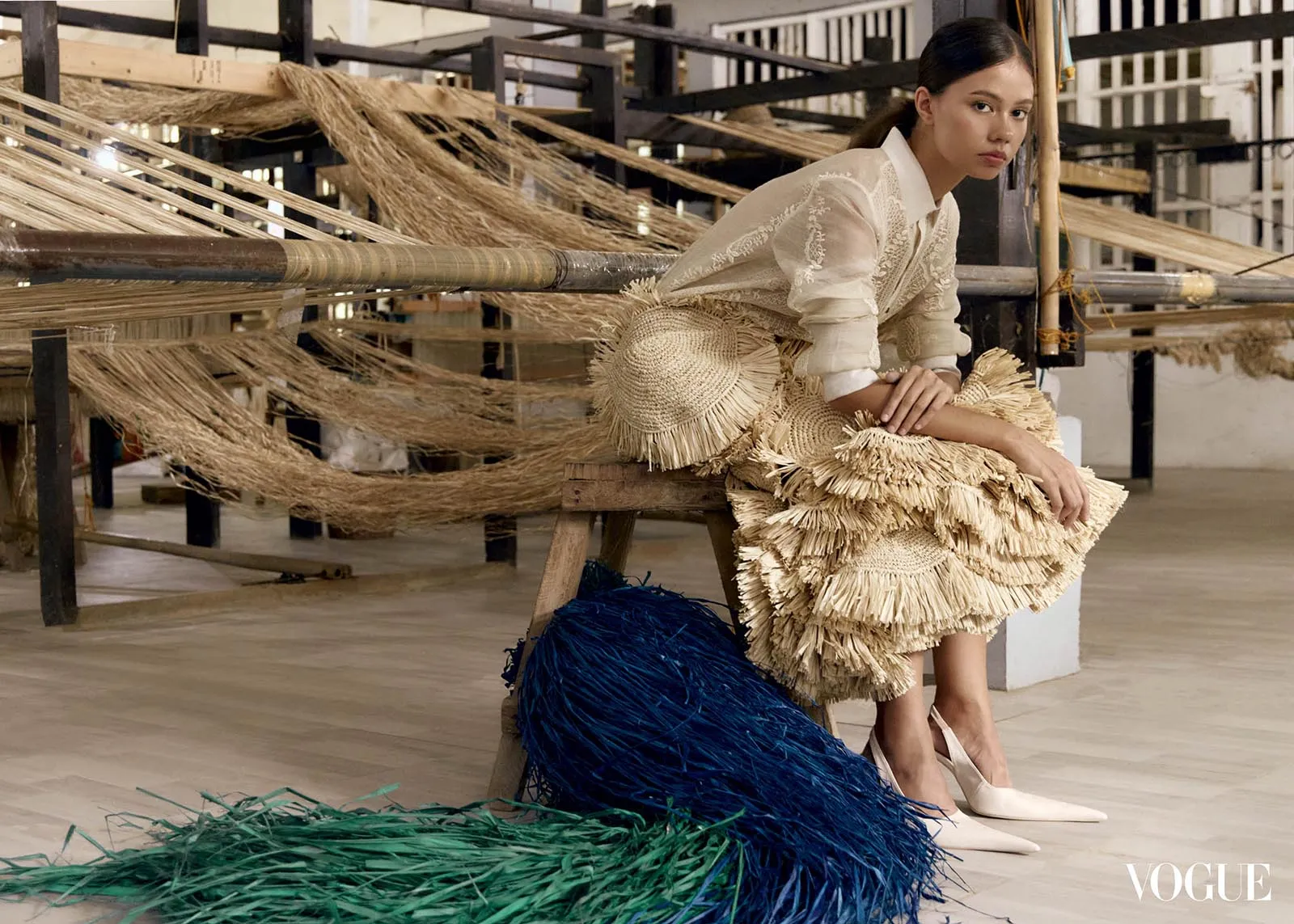
Together, we watched as the Philippines’ first and only UNESCO Global Geopark unfolded before us in breathtaking panoramic views and traditional handicrafts. Melsi took part in Antequera’s rich history of weaving; each barangay prides itself on a distinct pattern or technique. She learned firsthand from 54-year-old weaver Ricarda Hermosisima, who has been engaged in the craft since she was eight years old, when she watched her parents weaving at home.
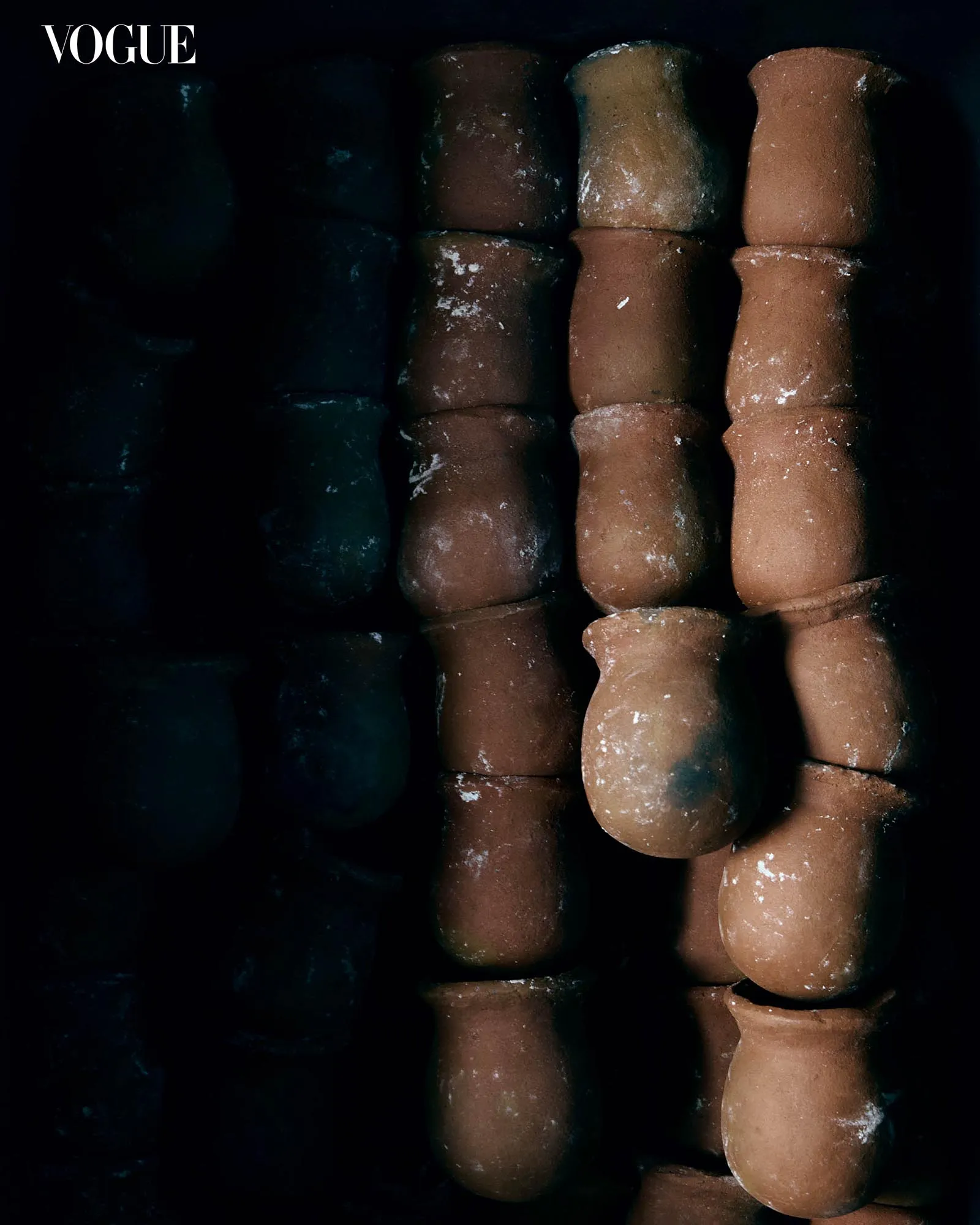
Elsewhere, Clover witnesses the making of asin tibuok, a traditional Boholano sea salt that undergoes an extensive process and was inscribed last year on UNESCO’s List of Intangible Cultural Heritage in Need of Urgent Safeguarding. In Alburquerque, we met the women behind the ku’n (individually made clay pots that hold the salt), who remind us that there would be no asin tibuok without their meticulous handiwork.
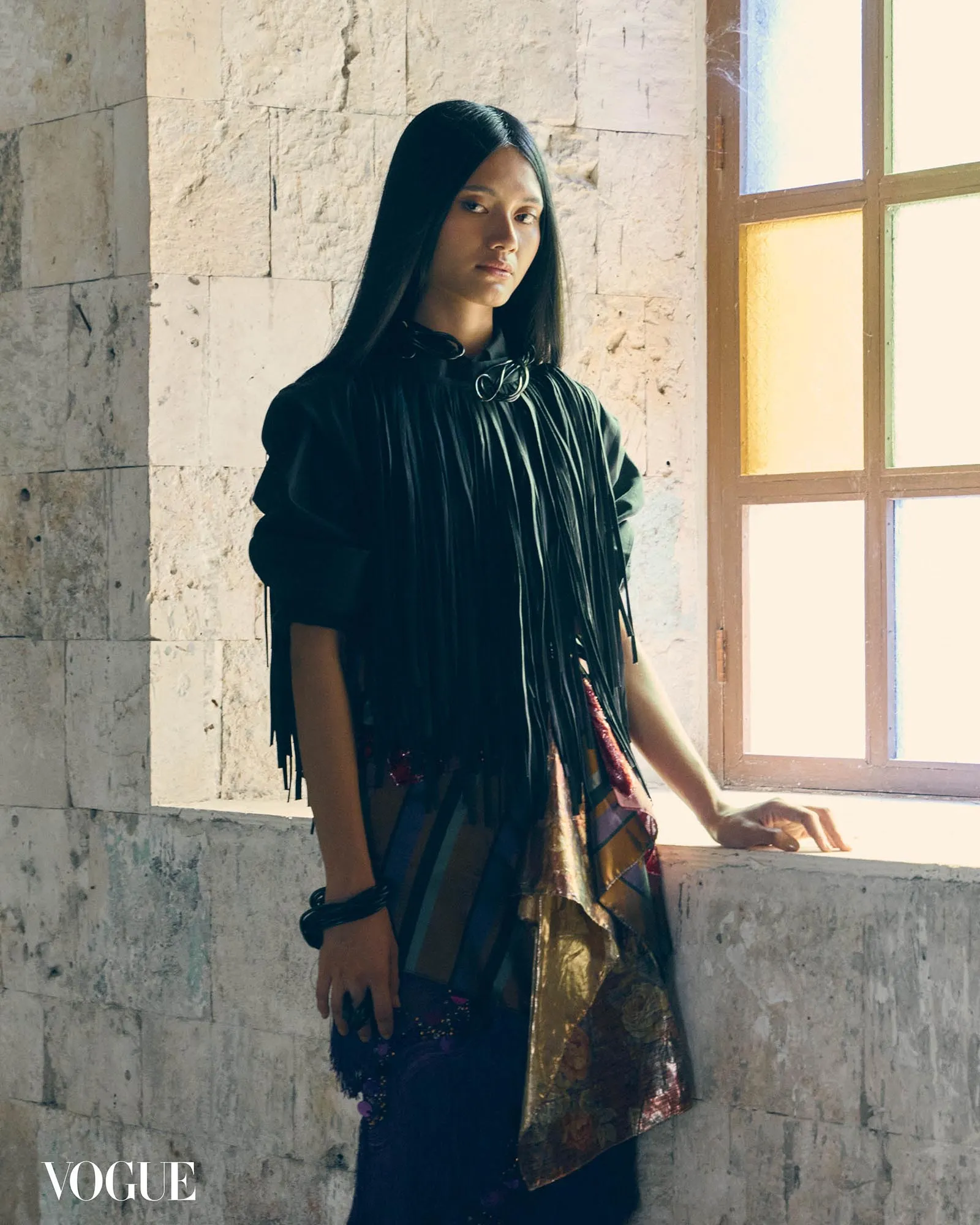
These are only a few of the cultural places and practices that the local government is taking great care to preserve. According to Bohol Island Geopark Program Manager Joanne M. Pinat, while they received their UNESCO designation in 2023, it’s not a lifetime honor; every geopark has to keep earning that distinction through evaluations every four years. It’s why the local government has established multiple specialized programs to engage locals in protecting their tangible and intangible heritage. In fact, their safeguarding efforts begin as early as childhood, so that young Boholanos can embody a passionate spirit for their land.
“If you do not educate people, you do not raise awareness. They will never protect or conserve something that they do not understand.”
“After our designation, we really focused on geoeducation. Because if you do not educate people, you do not raise awareness. They will never protect or conserve something that they do not understand. And if you do not understand it, you will not love it. You will not take care of it. You will not protect it.”
They’ve partnered with the National Museum for interactive educational activities; with the Department of Education to curate a localized learning model that makes geoscience fun for kids; with various locations for site visits for elementary and high school students. They even have what they call geofilmmaking, and geoschools centered on geopark development programs across education, environmental protection, waste management, and marine wildlife conservation. “And you will really be amazed how these kids can develop stories on their own,” Pinat marvels, citing the example of witnessing them segregating recyclable and non-recyclable trash.
Pinat, like the locals we spoke to, finds great pride and joy in the colorful life that pulses through their island. It’s the same reason why they’re insistent on working together to make sure that it isn’t merely preserved, but also growing and regenerating in the decades and decades to come.
It’s not just one agency’s work, Pinat says, when it comes to geopark development. “It’s really people-centered. If hindi involved ang lahat, it won’t work. The impact is bigger if there are a lot of people who do this together.”
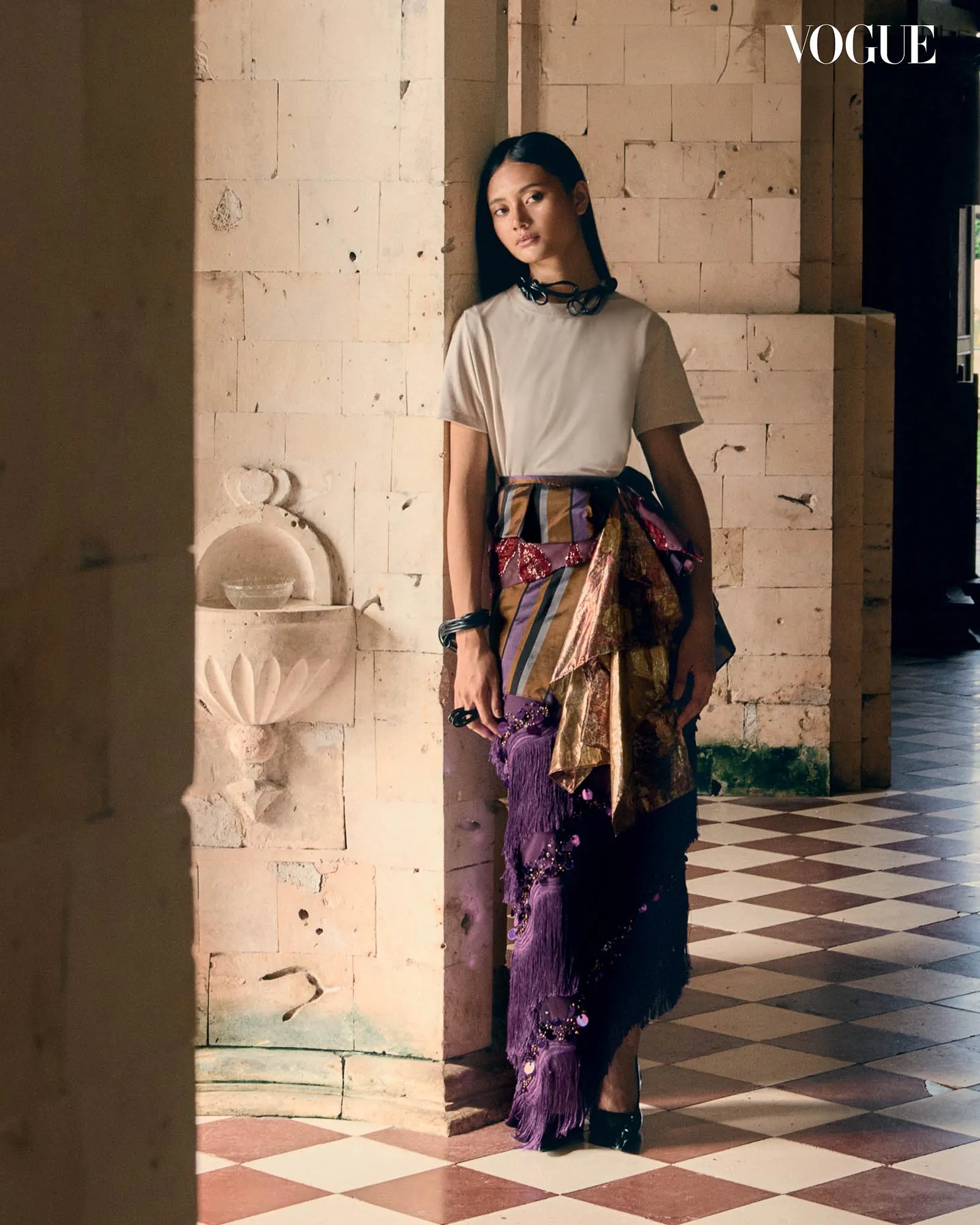
By TICIA ALMAZAN. Photographs by BORGY ANGELES. Styling by NEIL DE GUZMAN. Fashion Editor DAVID MILAN. Art Direction: Mcaine Carlos. Producer: Bianca Zaragoza. Makeup: Kenn Bantugan. Hair: Lhord Enriquez. Models: Melsi Sarigumba and Clover Morris of The Art Nouveau Models. Photography Assistant: Rojan Maguyon. Special thanks to the National Museum of the Philippines Bohol, Neil Gerard P. Reyes, Information Officer II, Bohol Island UNESCO Geopark, Joanne M. Pinat, Program Manager, Municipalities of Alburquerque, Antequera, Alicia, Candijay, and Anda of the Province of Bohol, Kapunungan sa mga Mangasinay sa Alburquerque (KASAMA) together with the Saltpotters, Tubigon Loomweavers Multipurpose Cooperative, Tubigon Raffia Gallery, The Bellevue Resort Panglao, Tamper Coffee & Brunch, Animula.ph, The Chocolate Chamber Panglao.

Frequently Asked Questions
Bohol Island is the Philippines’ first and only UNESCO Global Geopark, recognized in 2023 for its internationally significant geological landscapes, biodiversity, cultural heritage, and community-led conservation initiatives.
A UNESCO Global Geopark is a designated area with geological sites of international importance that are managed through conservation, education, and sustainable development. It recognizes the relationship between landscapes, local culture, and the communities that protect them.
No. UNESCO reviews every Global Geopark every four years to ensure it continues to protect its heritage and engage local communities.
Asin tibuok is a traditional Boholano sea salt made through a labor-intensive process involving seawater filtration and clay pots known as ku’n. In 2025, the centuries-old practice was inscribed on UNESCO’s List of Intangible Cultural Heritage in Need of Urgent Safeguarding.
Visitors can explore traditional weaving in Antequera, where different barangays are known for distinct weaving techniques and patterns. They can also learn about pottery-making in Alburquerque, where artisans create the clay vessels used in producing asin tibuok.