
In Cebu, Boljoon Holds Histories of Religious Opulence and Indigenous Ornamentation


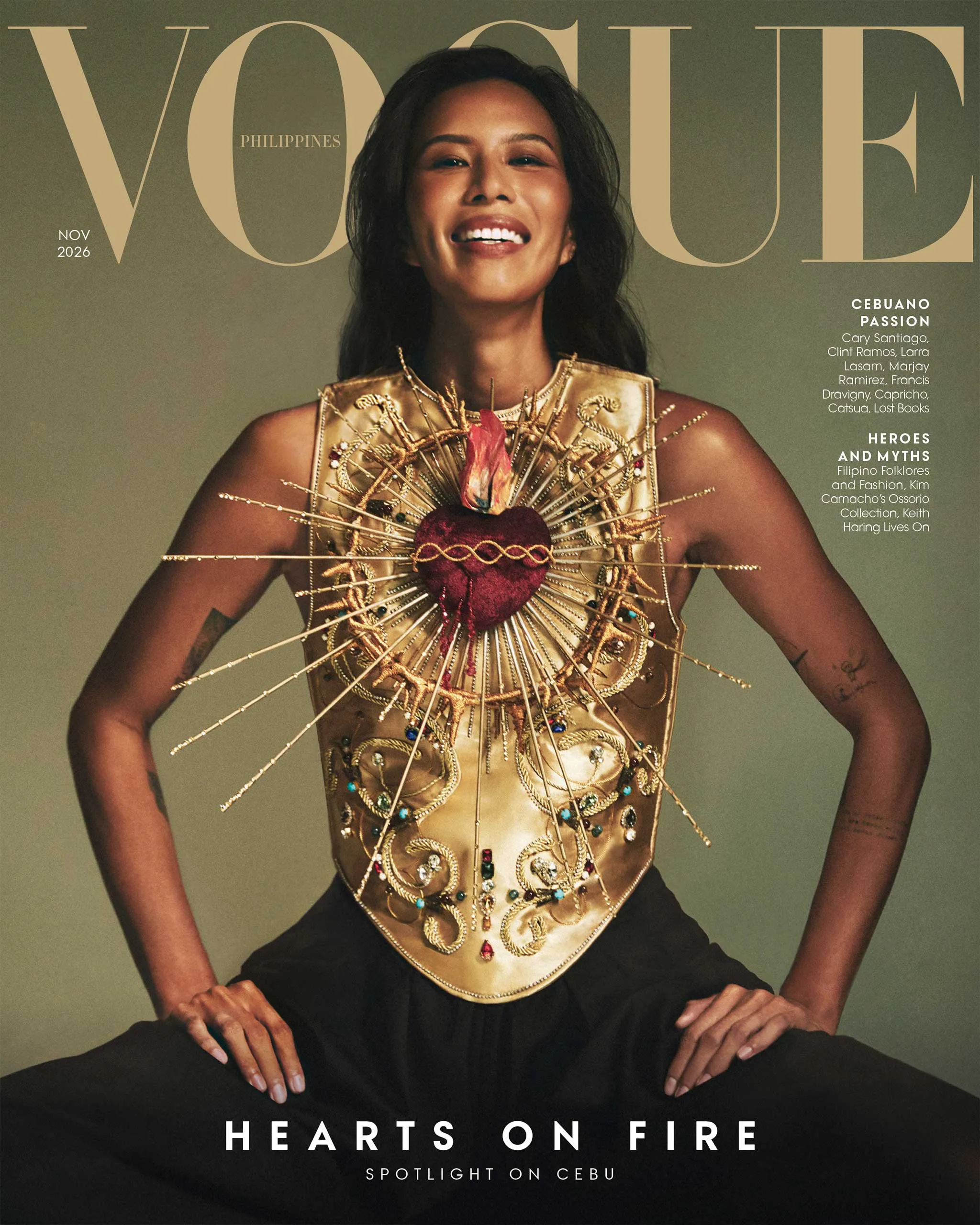
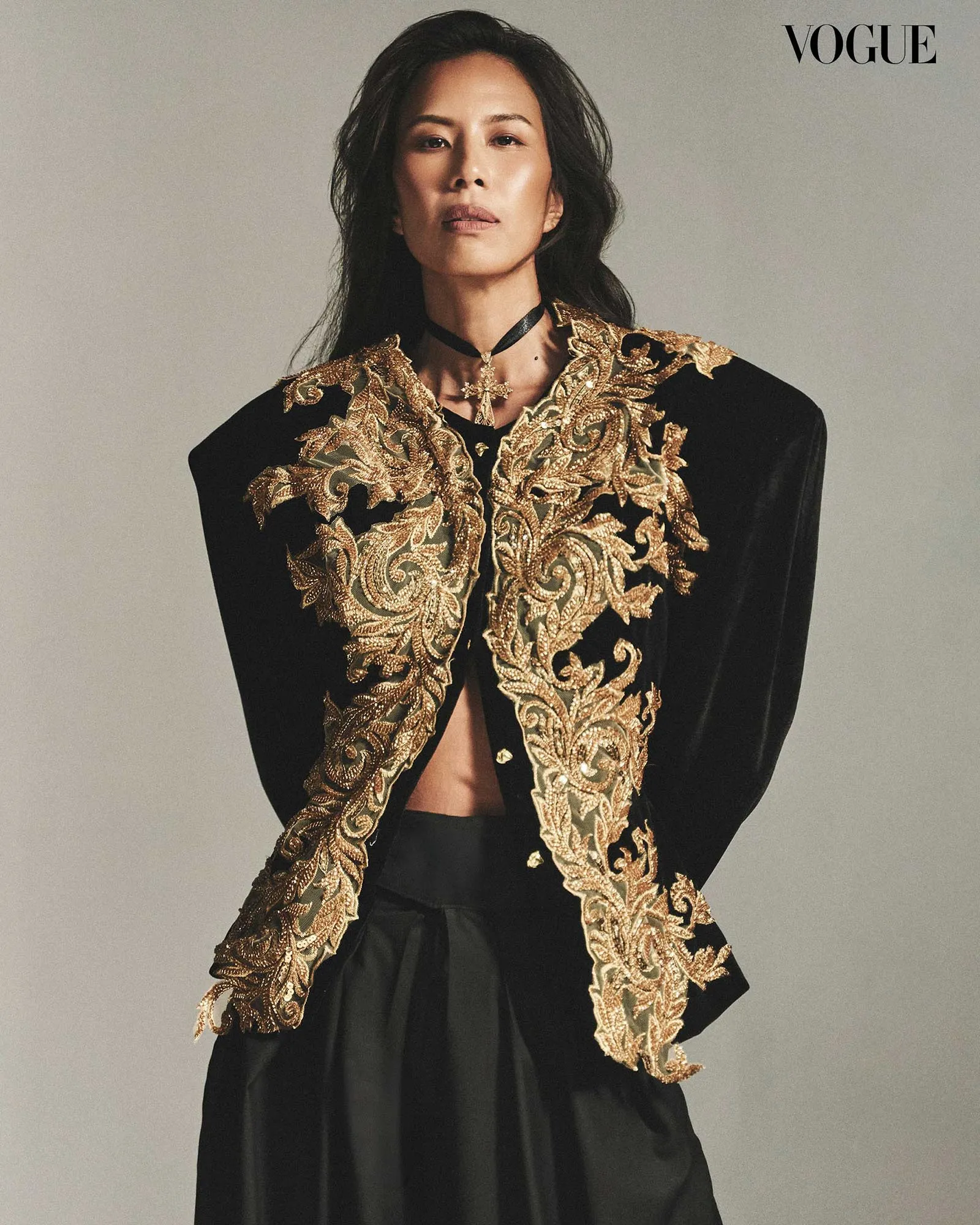
KING ROSALES vest and ANTHONY ROMOFF trousers. Photographed by Karl King Aguña for the November 2026 Issue of Vogue Philippines
A day in the town where centuries of Catholic faith and Cebu fashion meet across time.
For the residents of the town of Boljoon, the church is as natural and common as the water, the spring, the sea.
As early as the sunrise, the place stirs to life: locals jog and bike around the church grounds, children walk past on their way to school, and men chat by the boardwalk across the road. One even sits in silence, breathing the ocean air before donning his gear and diving into the waves.
It is a quiet municipality that holds a deep well of history. Nestled along the southeastern coast of Cebu Island, a three-hour drive from the city, Boljoon (pronounced bol-ho-on) is home to fisherfolk, merchants, and people of faith who gather for mass inside the Archdiocesan Shrine of Patrocinio de María Santísima, or as it’s simply called, Boljoon Church.
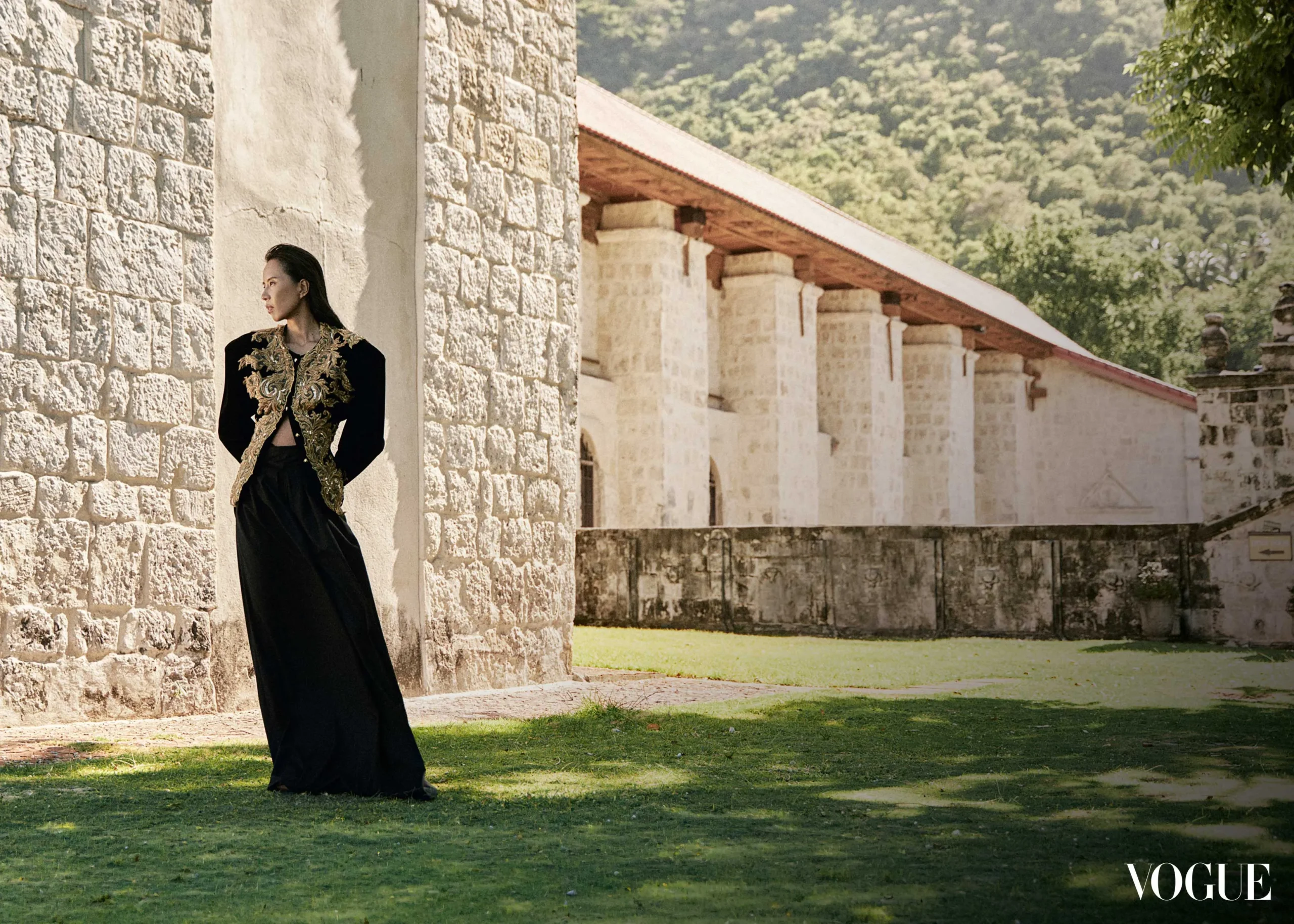
Known as the second oldest Spanish colonial church in Cebu, it was established as a bisita or chapel of ease in 1599, then elevated to a parish in 1690 and rebuilt by 1784, after the town was burned by maritime raiders. In 2001, it was named a National Cultural Treasure, inviting visitors to see its coral-stone walls, molave wood interiors, and Filipino Baroque architecture.
There is a feeling of being in-between time as one explores the complex, where a 19th-century watchtower and a children’s Catholic school sit under construction. The families who live and work in the area, however, see it as a regular part of the landscape, just like the Ili Rock cliff that borders the inlet and the freshwater springs that dot the town, known in Cebuano as “bolho” or gushing waters, after which the place is named.
The historical landmark belongs to a wider religious heritage in Cebu, going back to the baptism of Rajah Humabon in 1521 (after Ferdinand Magellan’s arrival), and the first Spanish settlement in 1565 led by Miguel López de Legazpi, who established Christianity in the Philippines. Yet, the grounds of Boljoon Church also hold remnants of a much earlier life, and of the maritime trade systems that flourished before colonial rule.
Inside the parish museum, a gallery is dedicated to pictures of precolonial and early Christian burials that were unearthed just outside. Archaeologists from the University of San Carlos and the National Museum of the Philippines discovered East Asian ceramics, earthenware pottery, iron tools, and indigenous gold jewelryJewelryDecorative adornments worn on the body, from fine pieces in gold, diamonds, and pearls to fashion jewelry made of accessible materials. Jewelry completes an outfit and often holds sentimental orGo to Jewelry Glossary, piecing together the image of a Visayan community where bartering with archipelagic polities and overseas traders was common.
Included in the goods were gold accessoriesAccessoriesThe finishing pieces of an outfit, including bags, belts, scarves, hats, eyewear, and jewelry. Accessories can elevate a simple look or define it entirely, and fashion editors often treat themGo to Accessories Glossary, the ultimate signifier. Among the materials used in bodily adornment, gold was a marker of status, artistry, and identity. Worn across classes and used as a commercial mode of payment, it particularly distinguished the datu or nobility that ruled pre-Hispanic Cebu, as seen in four of the excavated Boljoanan graves.
Eventually, wealth and power shifted from local chieftains to Spanish colonizers, with gold being seized and repurposed into liturgical objects. Elsewhere in the museum, its traces are visible in gilded altarpieces, sacred vessels, and gold-thread embroideryEmbroideryThe decorative stitching of designs onto fabric by hand or machine, central to Philippine formalwear. Hand embroidery from places like Lumban in Laguna and Taal in Batangas adorns barongs, ternos,Go to Embroidery Glossary on priest vestments and processional clothes, a handwork that within the town has been lost to time.
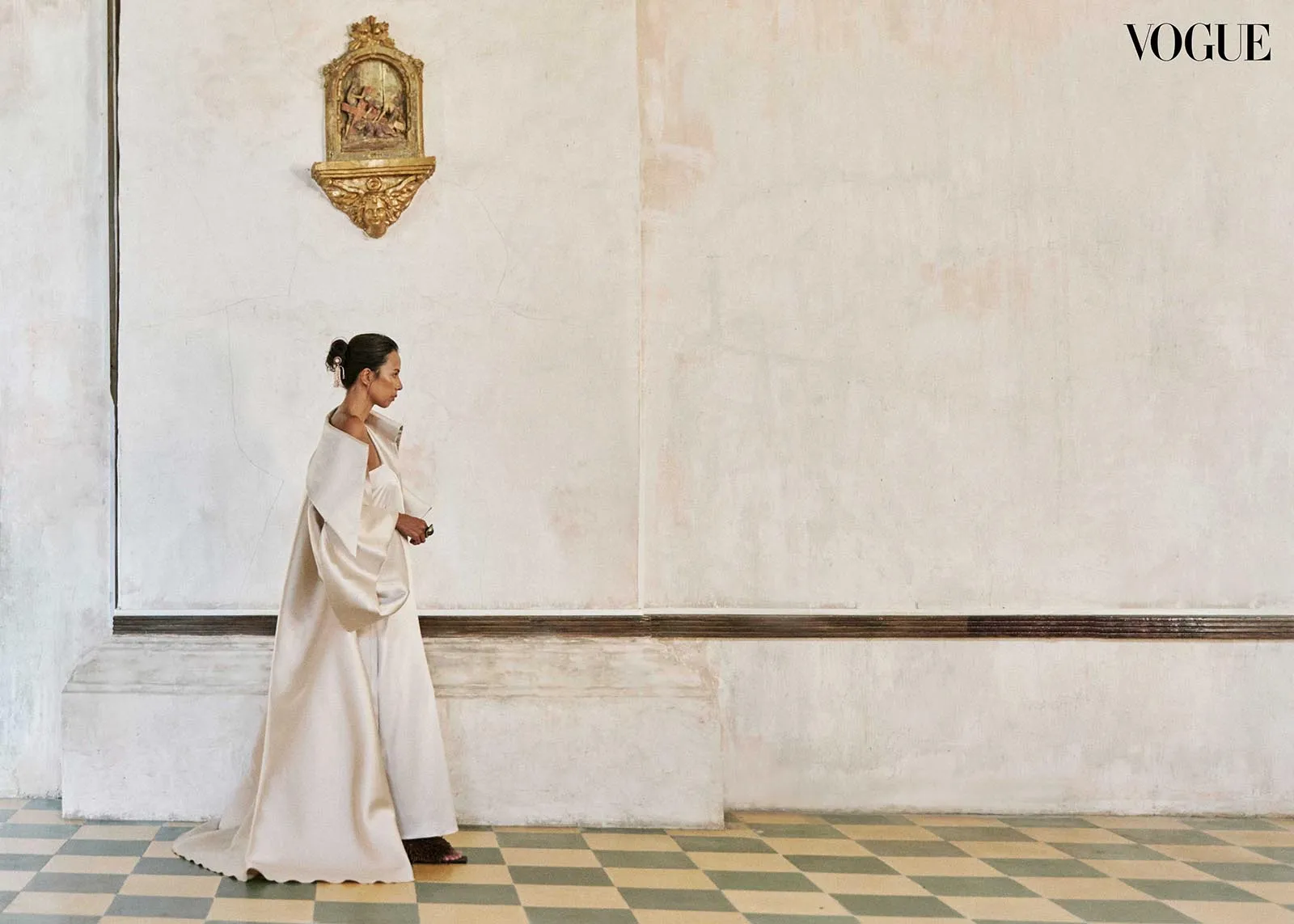
The memory of indigenous ornamentation, expressed through earrings, necklaces, bangles, and pusad or dental goldwork, now seems to glimmer in the form of religious opulence. Both are sources that inform the design language of Cebu and its current fashion culture.
Talk to any of the Cebuano designers working today, and you’ll notice the reverence and ritual sensibility they carry forward in their craft. Balancing formal restraint with rich detail, they draw from dual origins: the standards set by precolonial artisans and the spectacle of Catholic imagery. This fusion inspires both faith and fervor, deep trust and deep emotion, which are essential to creating pieces that connect with the soul.
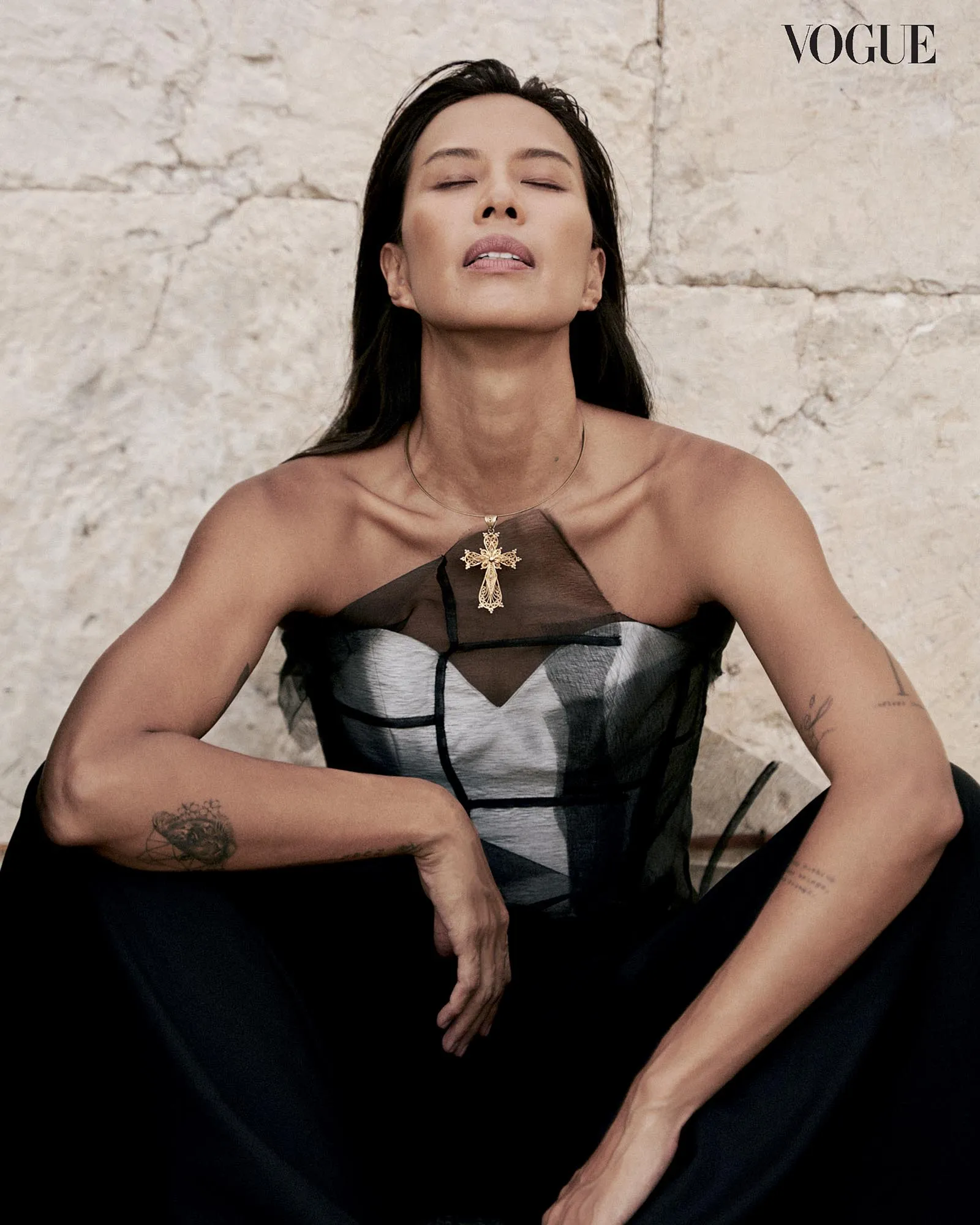
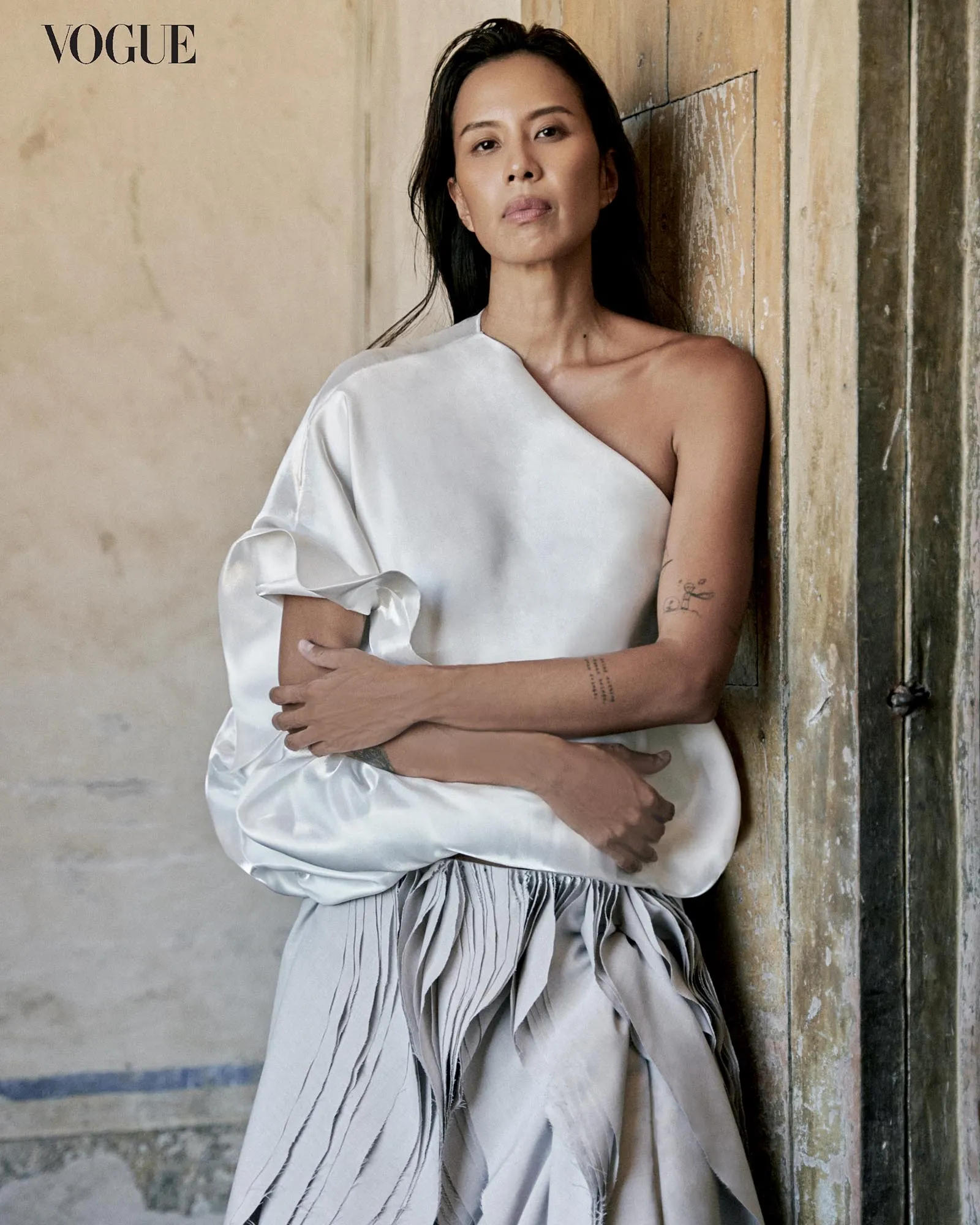
Not easily labeled as minimalist or maximalist, the garments coming out of the Cebu fashion circuit also capture the tension between structure and embellishment, not as competing elements but as interdependent forces. From a monochrome power blouse with filigree appliqué to a sheer ensemble speckled with hundreds of pearlescent beads, decoration emerges as meaning rather than excess, while construction offers shape and stability.
Meanwhile, traditional craftsmanship lives on as creative directors work closely with local weavers and embroiderers, shell artisans, and metalsmiths. In the realm of accessories, intricate techniques practiced by ancient goldsmiths, such as granulation, repoussé, and lost-wax casting, find continued and contemporary iterations.
Perhaps another outcome of Christian influence in Cebu is the popularity of bespokeBespokeClothing made to a client's individual measurements and specifications, with the client involved in choosing fabric, cut, and details. Bespoke garments involve multiple fittings and meticulous craftsmanship, and they differGo to Bespoke Glossary bridalwear, which some designers have described as their bread and butter. Since the aughts, wedding expos have steadily moved to the forefront of the metro’s cultural scene, and even the Boljoon Church has seen its fair share of marriages, baptisms, and prenuptial shoots.
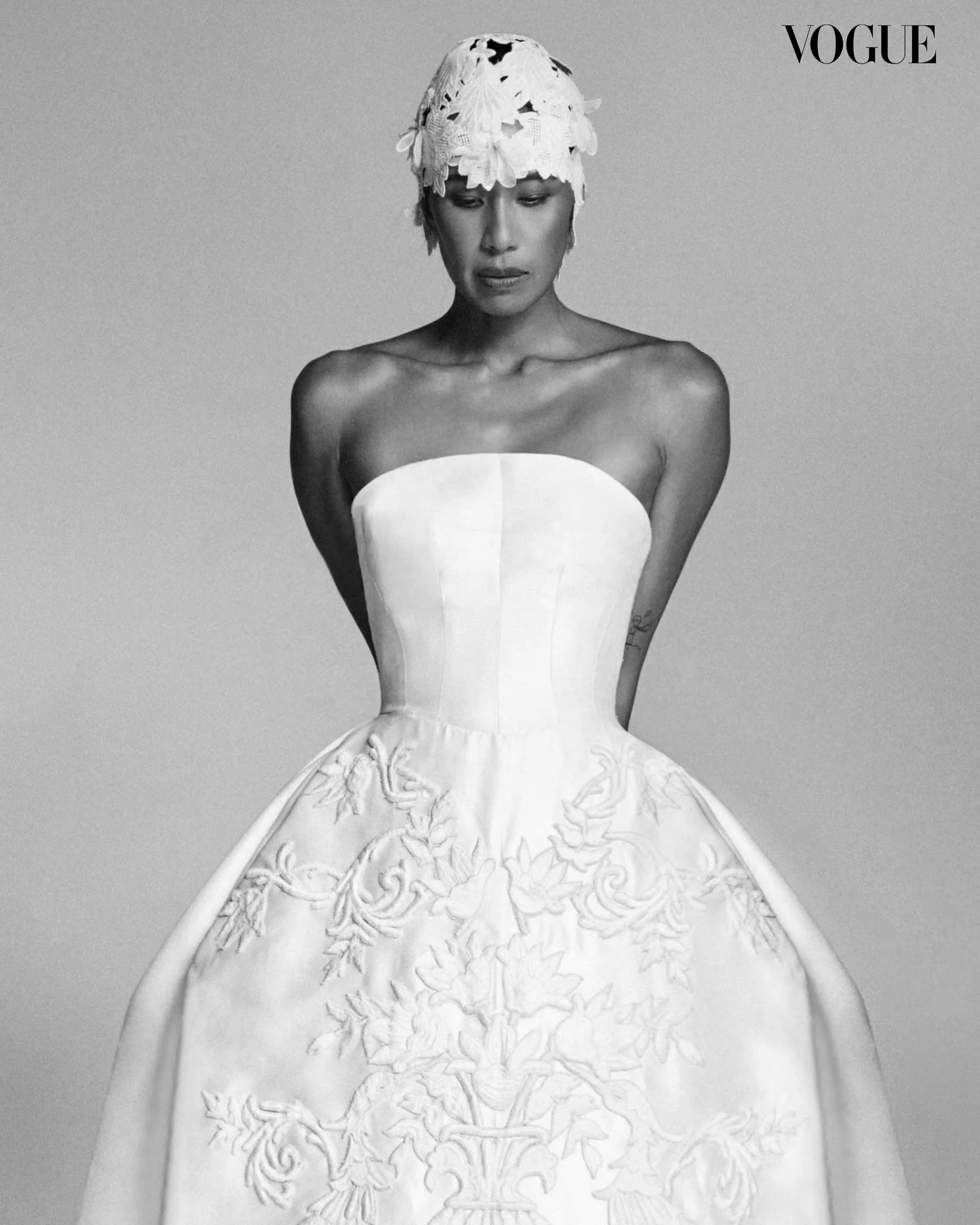
On an ordinary day, the people who enter the church walk down the 65-meter nave to gaze at the gilt-wood retablo, where the image of the Virgin Mary is enshrined. Generations of Boljoanans have prayed to her for safety from storms, earthquakes, illnesses, and back then, raiders, as they grew to know her as their patron saint María Santísima.
The information felt like providence, as our Cebuana model and cover star Marjay Ramirez owes her name to the revered mother and protectress.
Born in Cebu City to Maria Lourdes Jao and Jesus “Jay” Ramirez, Marjay grew up with a strong foundation in her faith and a passion that fed her everyday life. Her parents, both SEA Games gold medalists in volleyball and basketball respectively, supported her own athletic pursuits and instilled the discipline she carried into modeling.
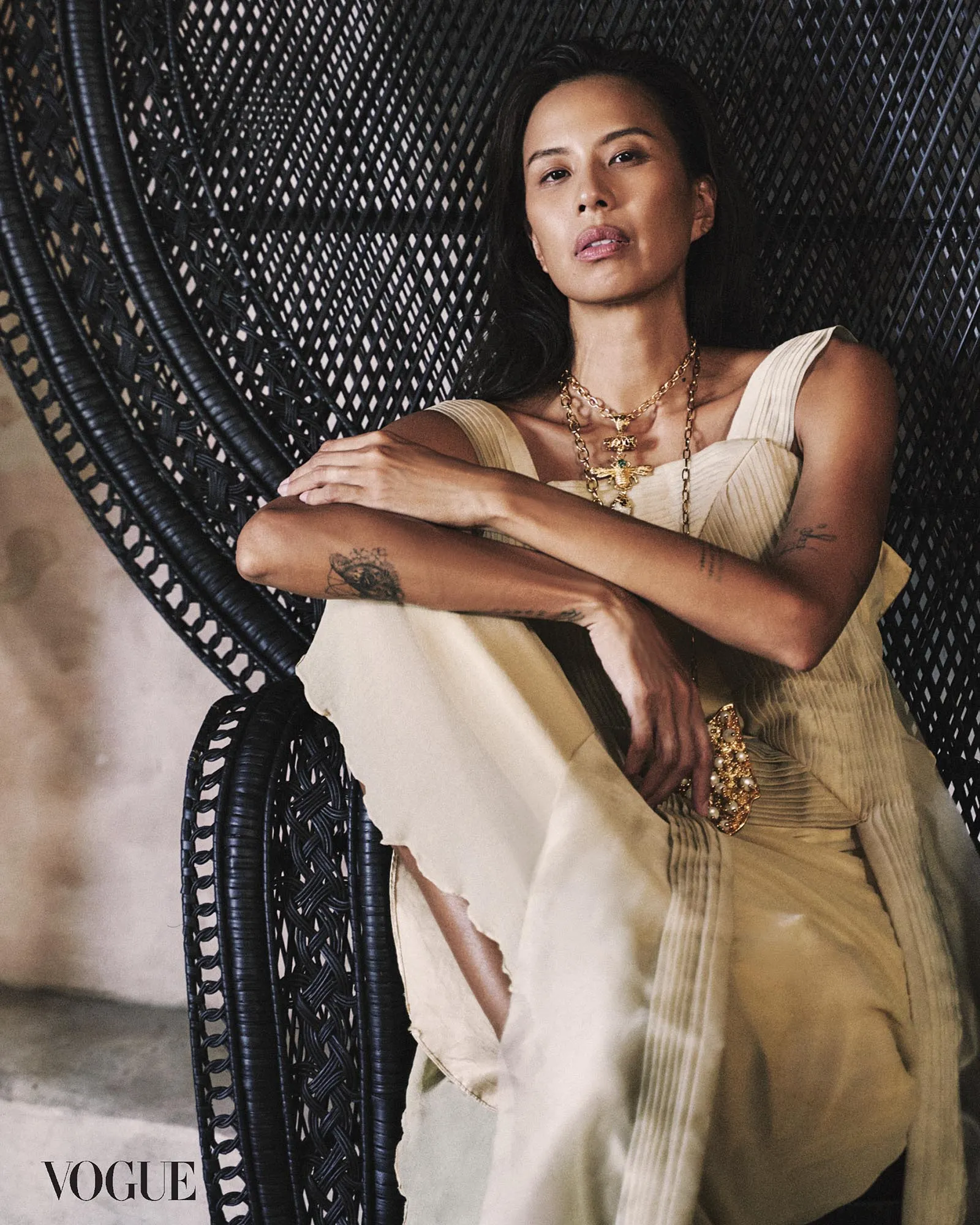
Scouted at a mall when she was 13, Marjay learned that while she was initially noticed for her appearance, it was her fighting spirit that animated her on the runway. At age 14 in 2001, she was the first Cebuana to win the title of Ford Supermodel of the World Philippines, and she represented the country during the world finals in Miami.
The following years were filled with travel for castings, shoots, fashion shows, and other jobs. In 2010 alone, Marjay walked for designers Mary Katrantzou, Donna Karan, Roberto Cavalli, and Carlos Miele, as well as luxury brands Tiffany & Co. and Versace.
“We have this term called ’di magpapildi.’ You don’t want to lose. You want to fight hard, but at the same time, you fight fair.”
Marjay Ramirez
Her talents took her far from home, yet Marjay traces her success back to her heritage, and to a quality she believes is distinctly Cebuano. “I was just talking to my parents [and I asked], what made you guys really excel at your sports? And my mom just said: never say die.”
The vowels firm in her voice, she continues, “We have this term called ‘’di magpapildi.’ You don’t want to lose. You want to fight hard, but at the same time, you fight fair. And if you lose, you are a good sport.”
This code guides her, such that even in moments of frustration (“There’s this word in Bisaya, makalagot”), the experience fuels her. “I want to just practice and do better,” she recalls of losing a volleyball game once. “There’s that burning fire. I carry that on with modeling, too.”
Since 2022, Marjay has begun a new chapter of her life in Cebu, nurturing a three-generation household with her parents, her husband, and her children, to whom she has passed her values of faith and perseverance. The model returns to the province differently, as a mother and an entrepreneur, but there are some things that haven’t changed, like the industry peers she met in her early career and has since reconnected with.
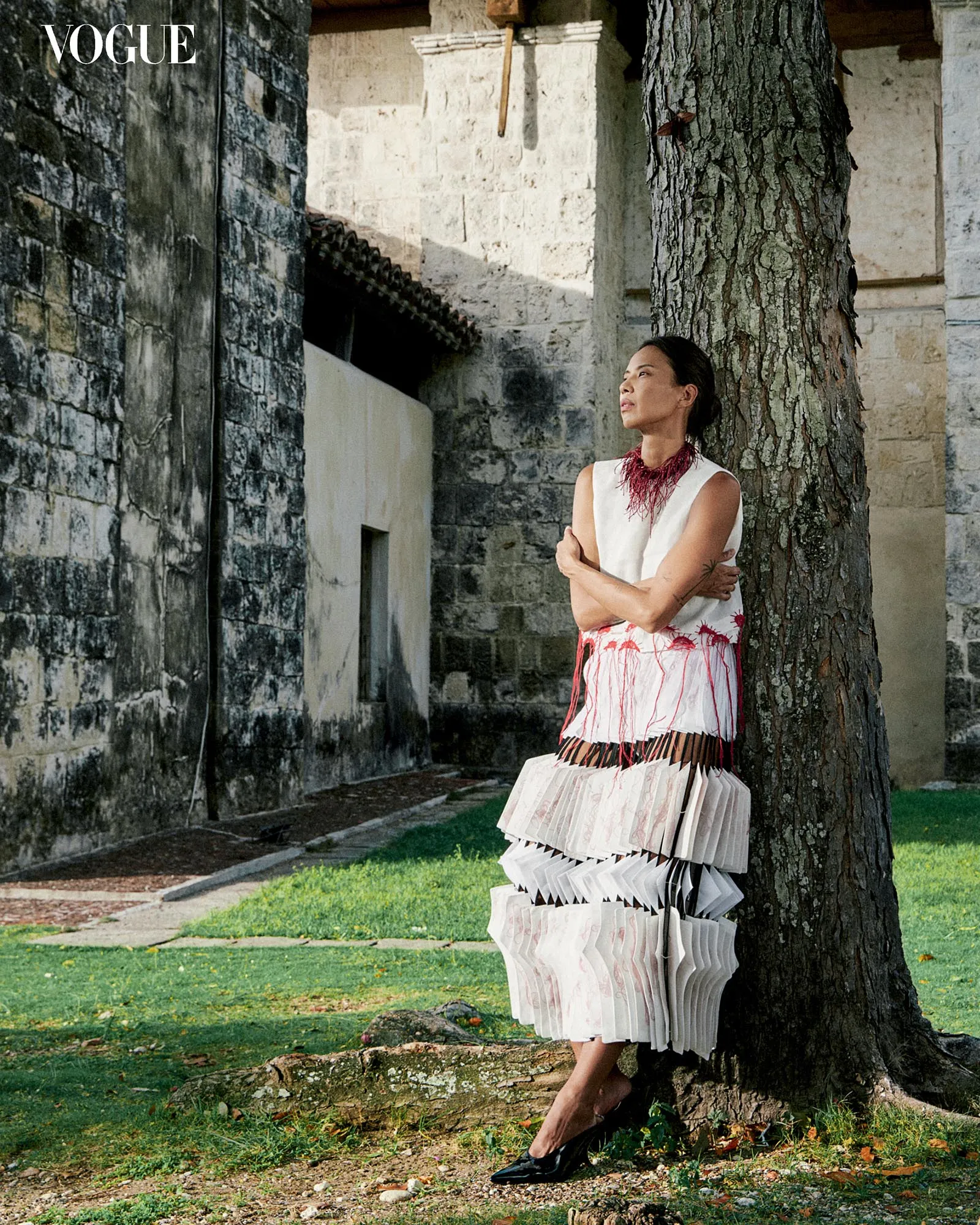
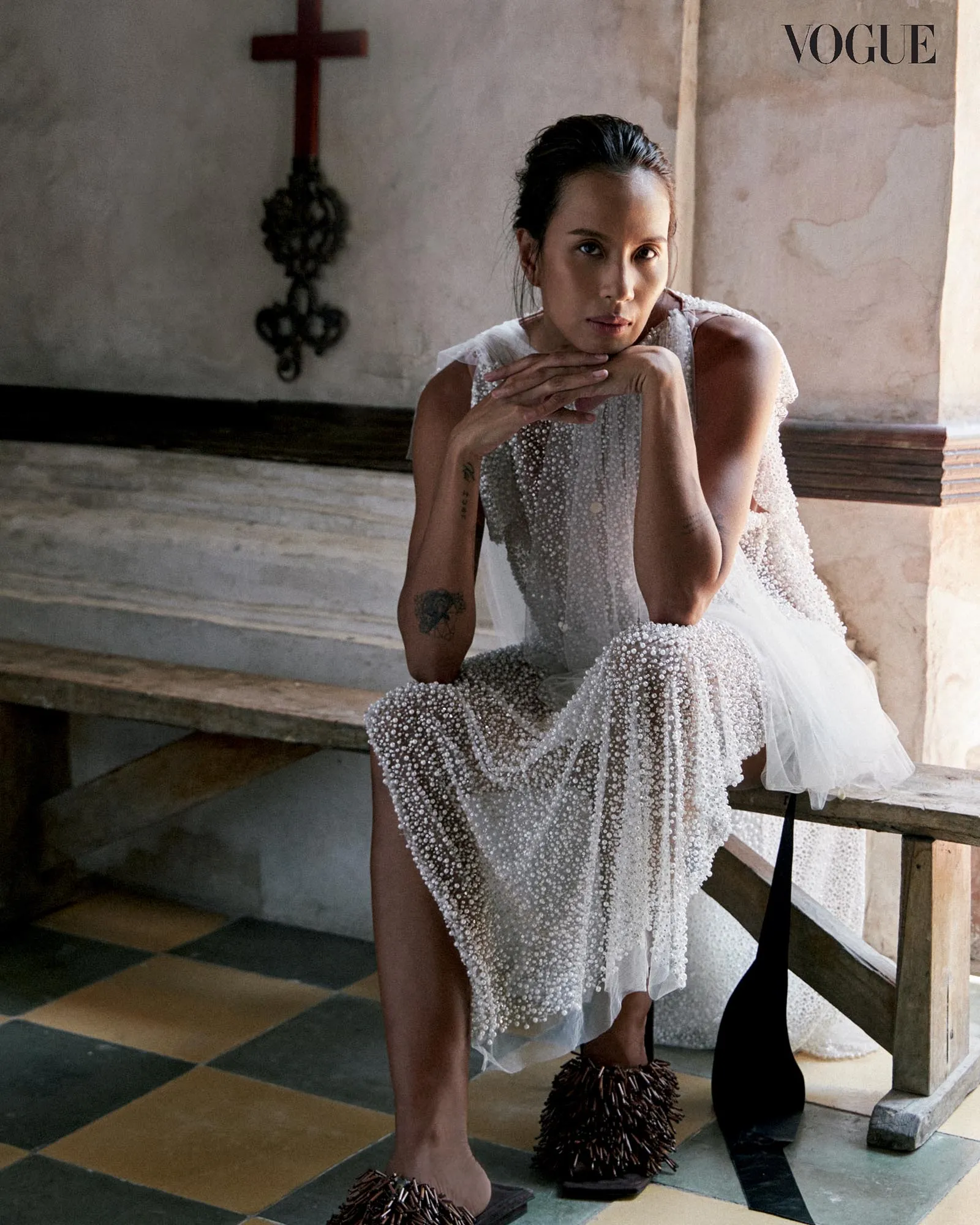
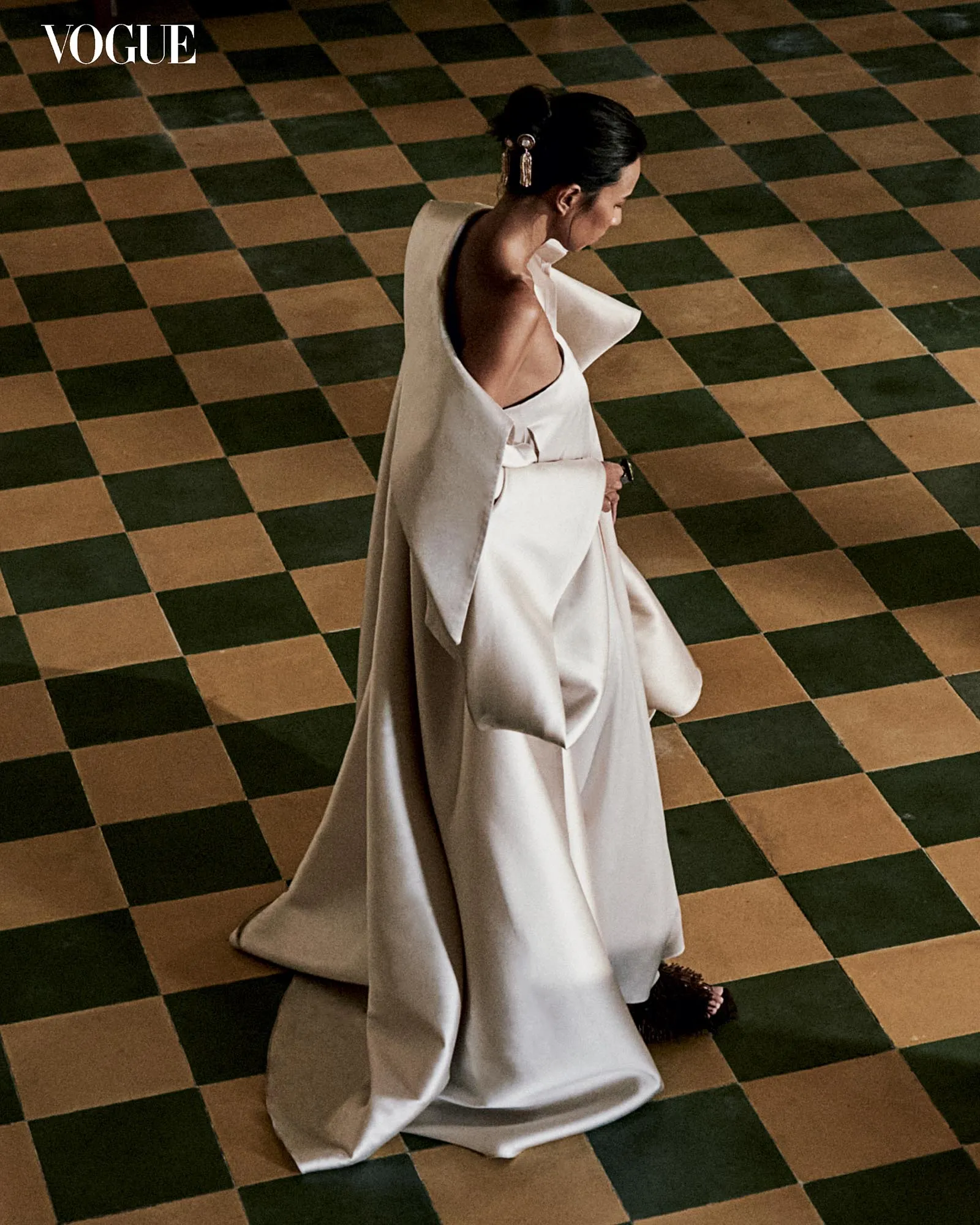
At the shoot in Boljoon, Marjay strolls across the checkered church floor, sits in the yard, and stands atop the stone wall facing the Cebu Strait. Travelers come here for the sea, which local designers have long found solace and inspiration in. Each crest, the pulse of something larger.
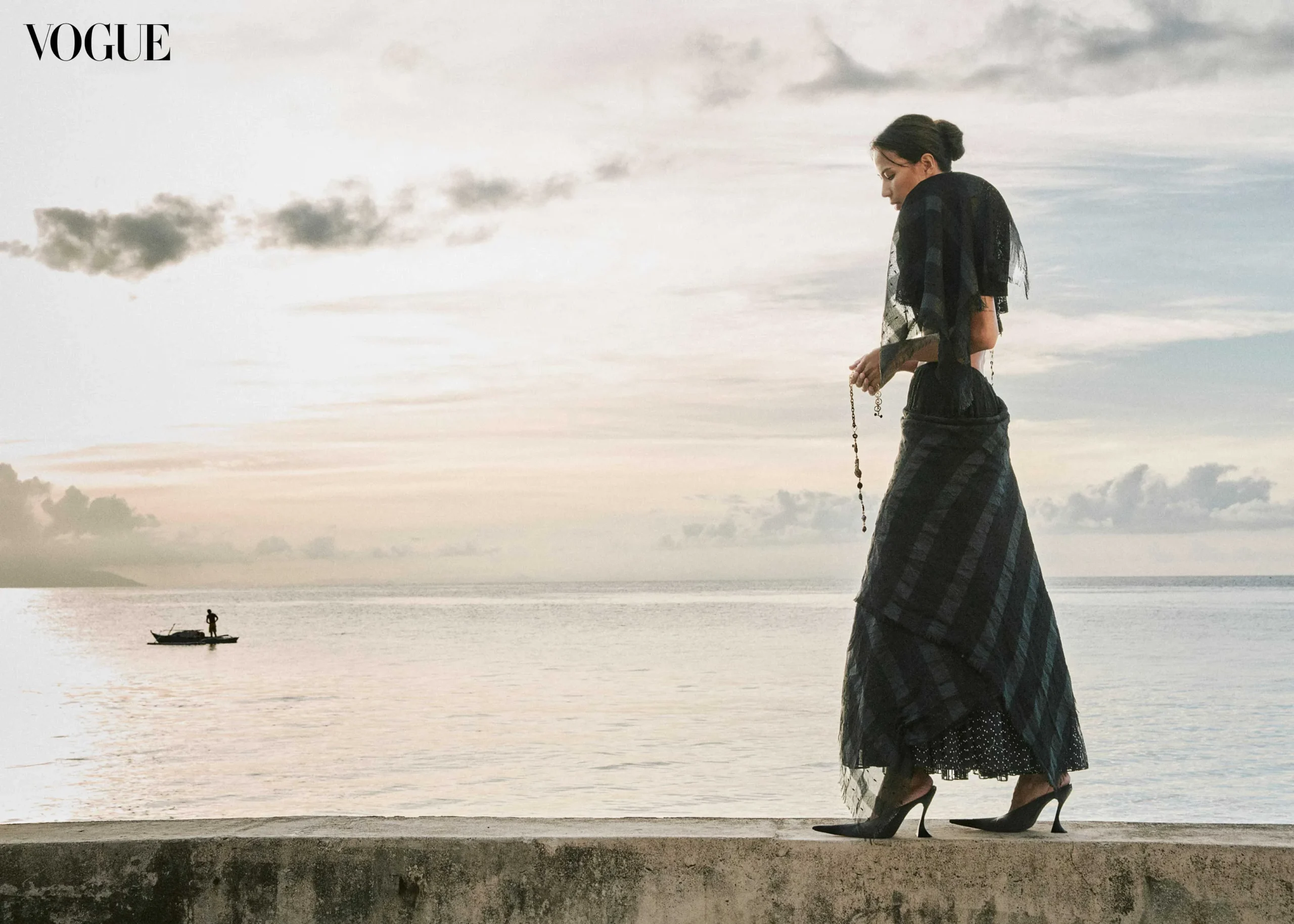
Marjay feels this, too. It is her first time to visit the coastal town, but the years of collaboration that led her here, dressed in clothes by some of the first people to put their faith in her, have turned the day into a culmination. “Wearing the designers I grew up working with just really means the world to me,” she expresses.
An hour before sunset, the roads around the complex come alive. Dismissed schoolchildren flock to the playground on the boardwalk and to the different kainan [food stalls] behind the Sports and Cultural Center. Golden light falls on the church facade, and a bell in the watchtower rings in anticipation of the evening mass.
Marjay watches a father walk by with his daughter in a stroller, a group of kids happily snack on fish balls, and two girls in grade school uniform, who have stopped to admire her dress.
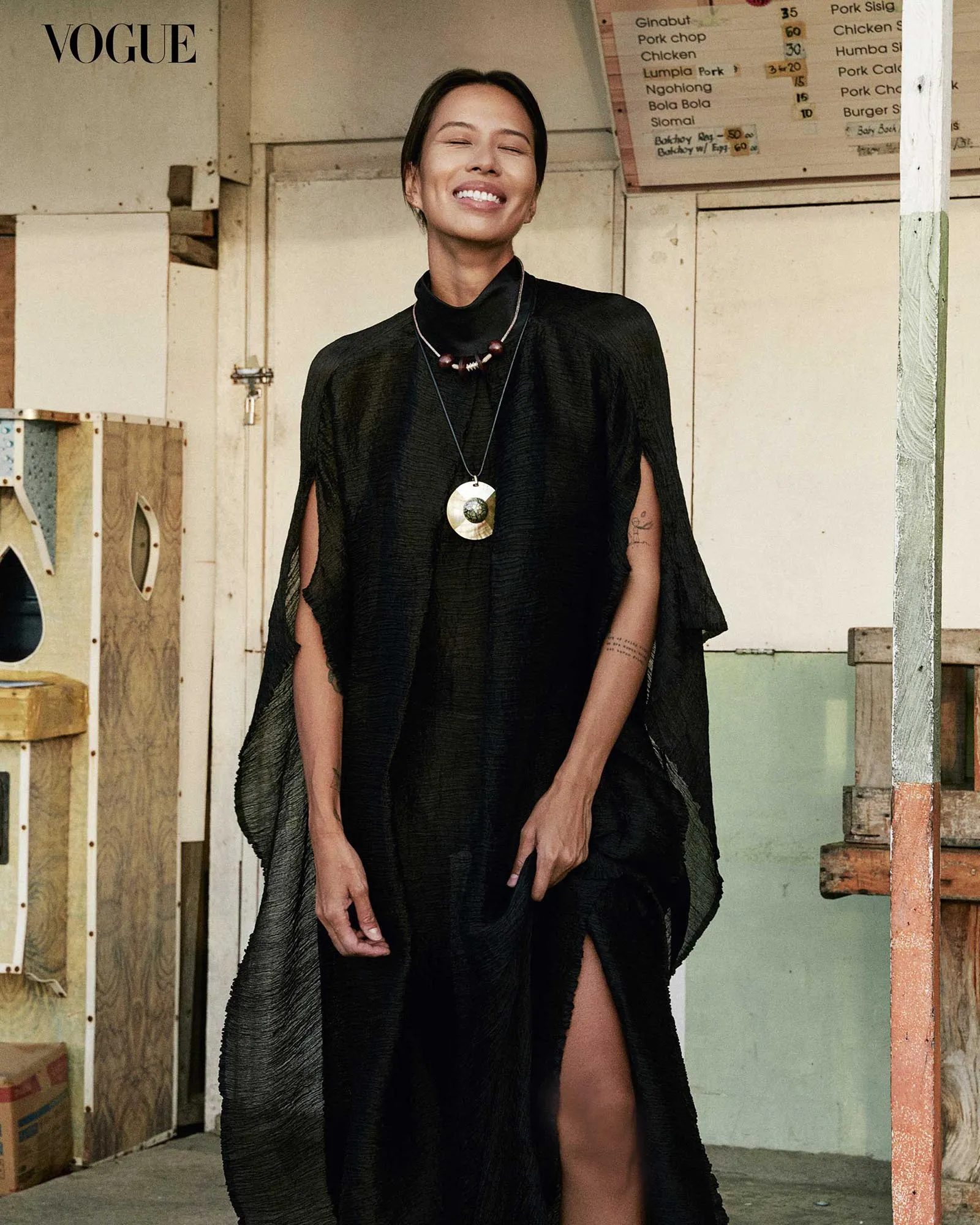
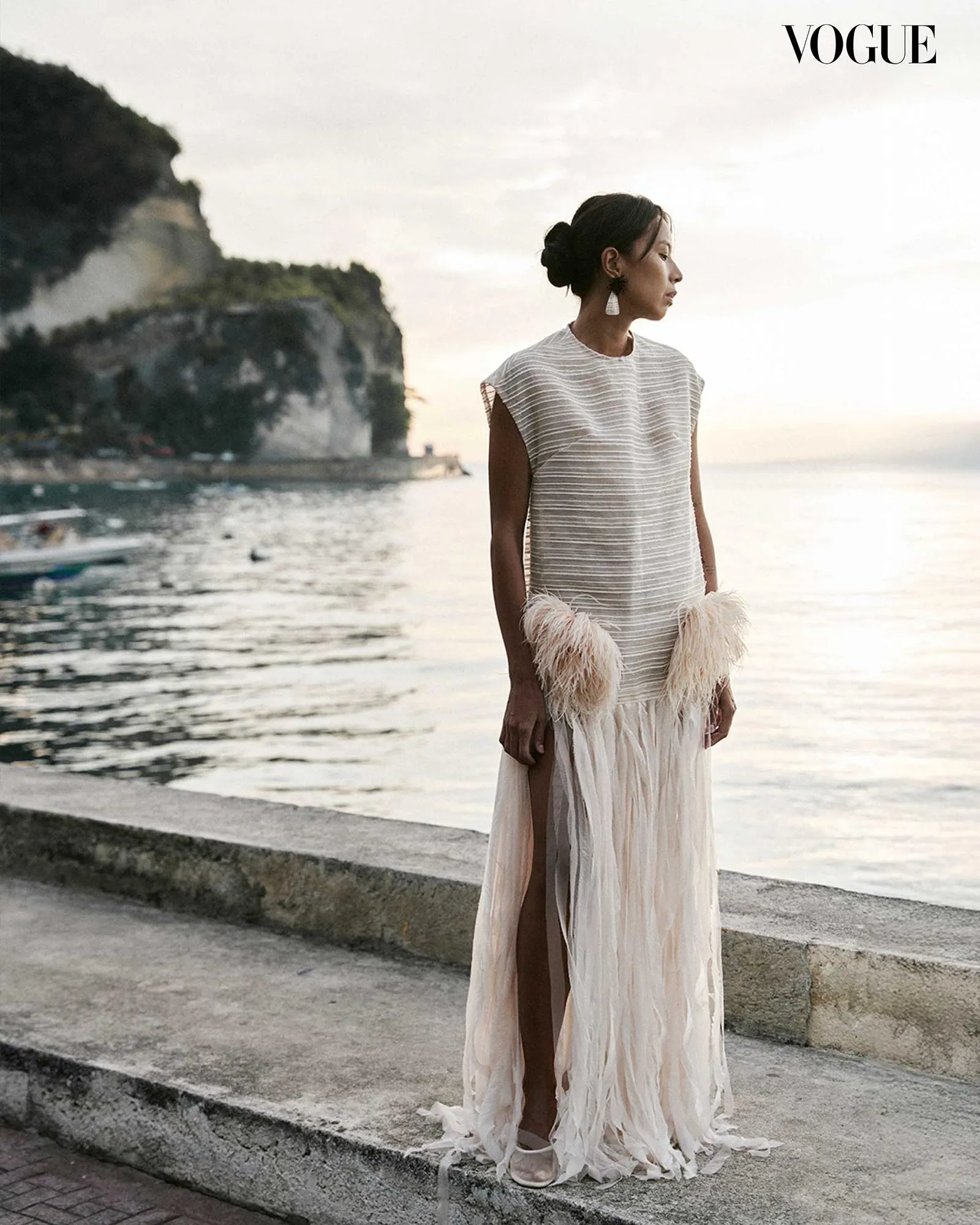
“Is this a shoot?” one of them asks.
Marjay replies, but her voice is lost over the engines of passing vehicles, the chatter of a small crowd, and the gentle tug of waves.
From an outside perspective, the two girls look at each other with wide eyes, their mouths twisted in the way you hold back a smile, until the first one looks up at Marjay again and answers, “Maybe someday in my future.” Then they both giggle and run off, the way you do when you think no one’s around to witness.
Yet, over its 427 years of existence (built, burned down, and built again), the Boljoon Church has stood watch over the town, a place of worship and witness where the past and future rest in clasped hands, and where memories of an earlier life not only remain but give clearer shape to the structure’s colonial legacy.
From within and around its fortress walls, we glimpse the heart of the island: its culture of outer flair and inner fire, cradled by wisdom and water.
-
 Photographed by Karl King Aguña for the November 2026 Issue of Vogue Philippines1/14
-
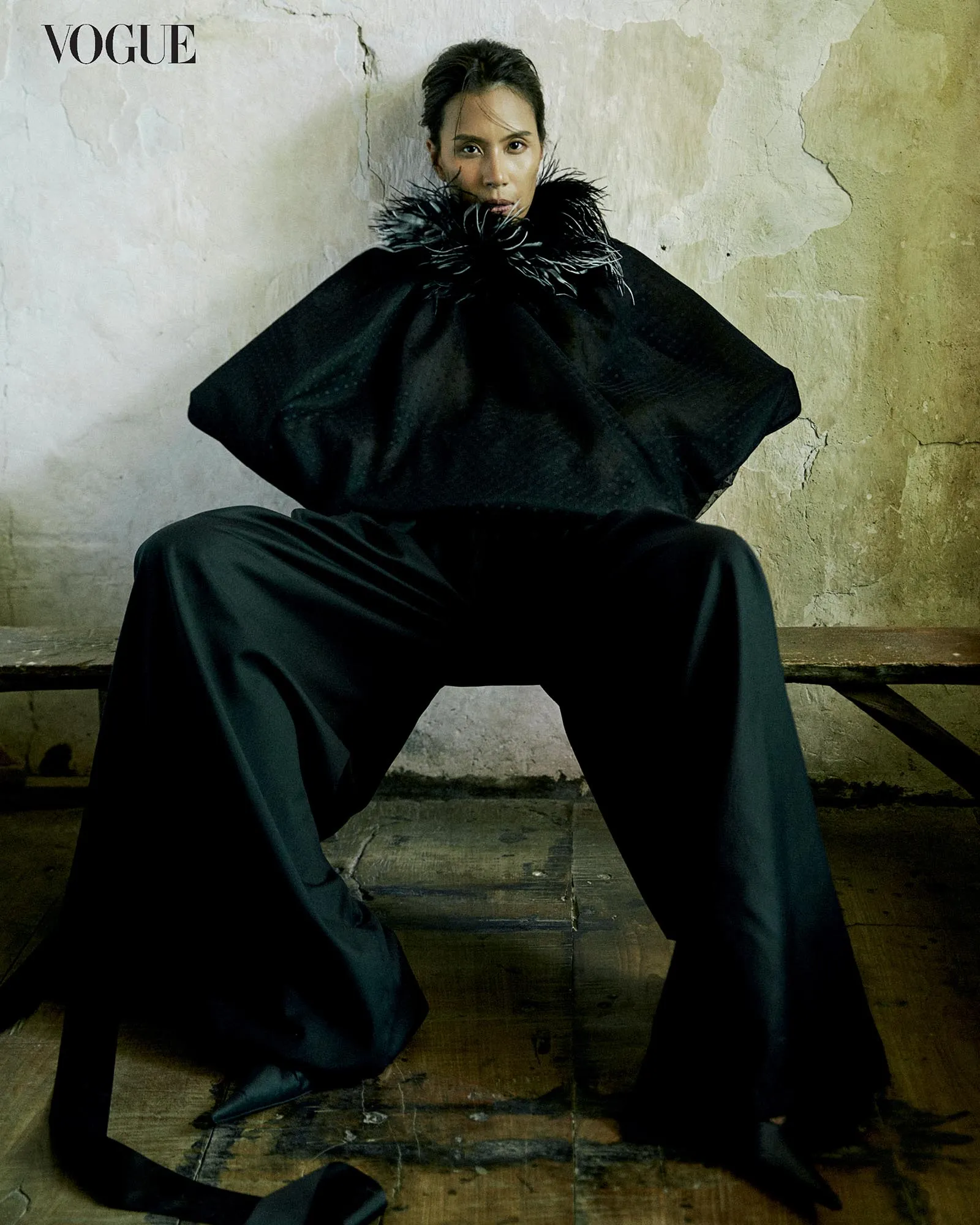
JUN ESCARIO top and feather necklace and ANTHONY ROMOFF trousers. Photographed by Karl King Aguña for the November 2026 Issue of Vogue Philippines
2/14 -
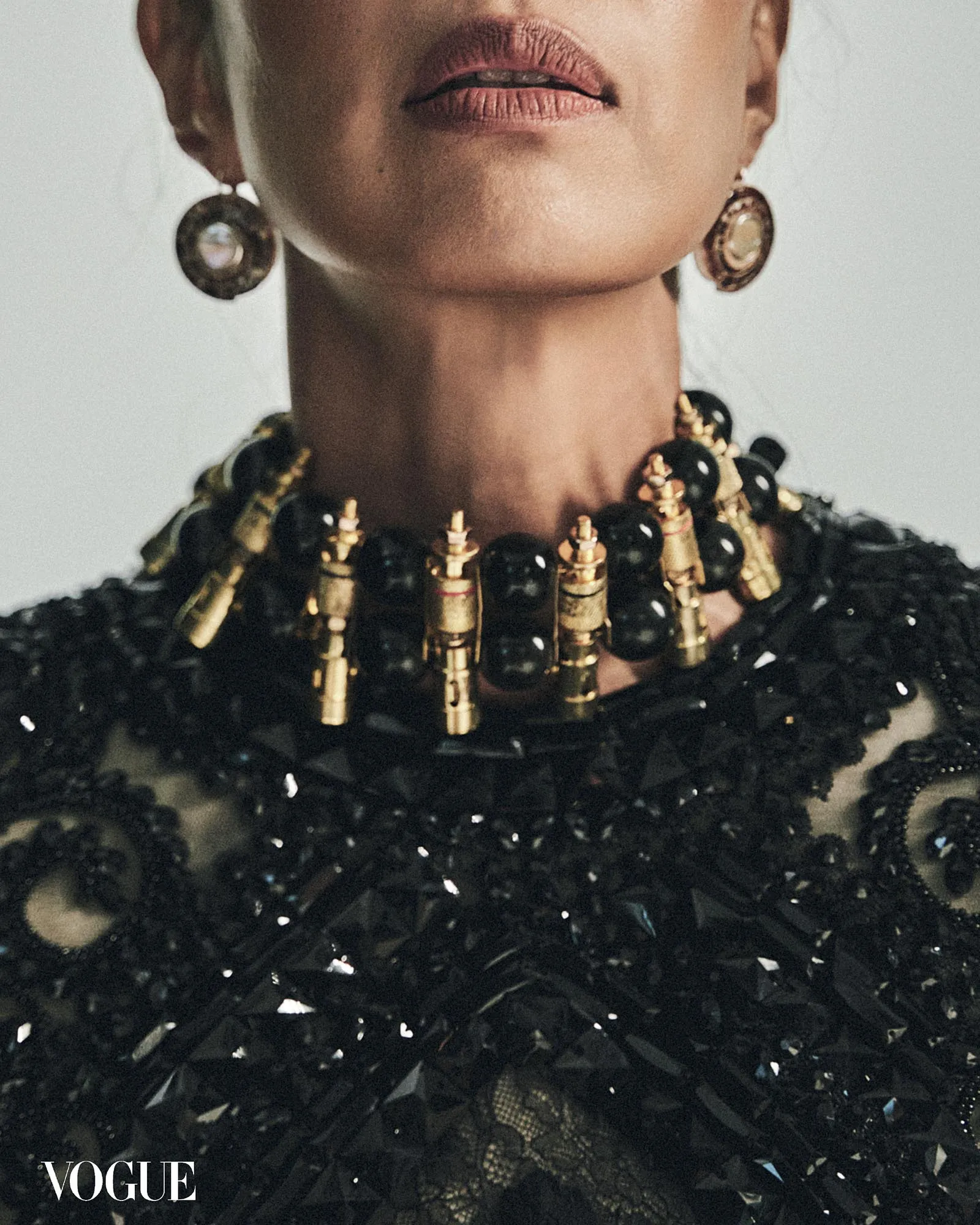 KOR LANDA earrings, DORO BARANDINO necklace, and FURNE ONE dress. Photographed by Karl King Aguña for the November 2026 Issue of Vogue Philippines3/14
-
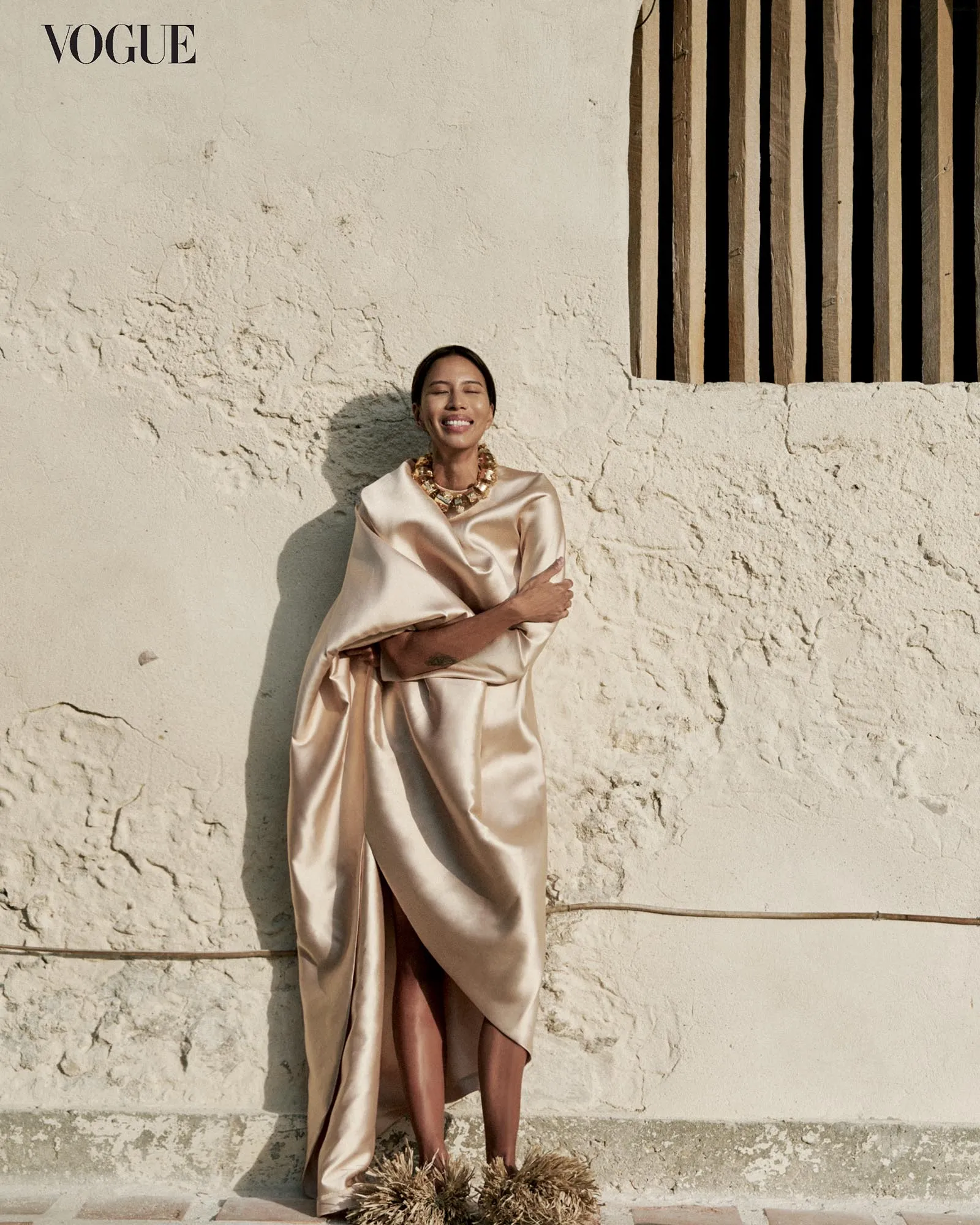
OJ HOFER dress, ANN ONG necklace, RAJO LAUREL shoes. Photographed by Karl King Aguña for the November 2026 Issue of Vogue Philippines
4/14 -
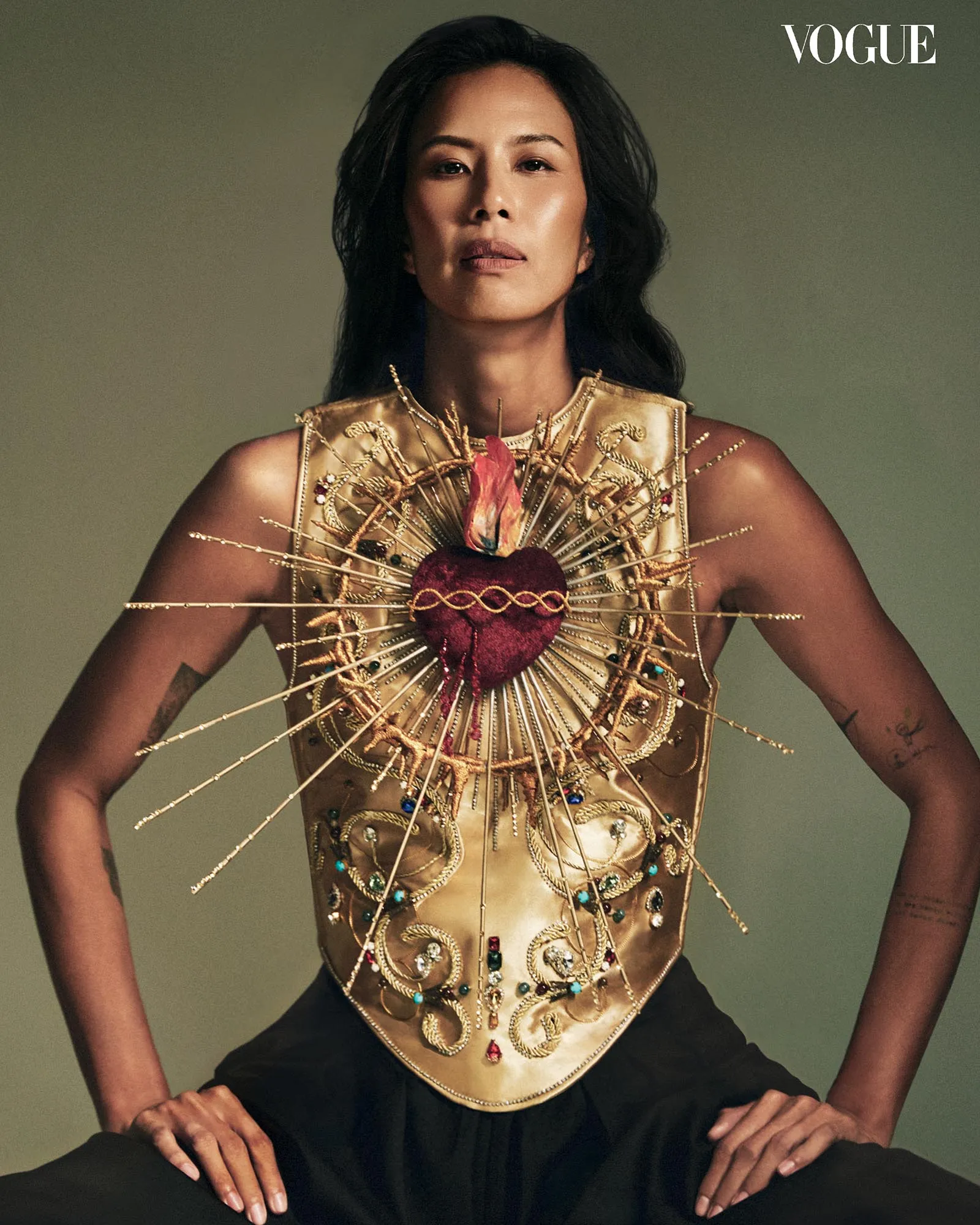
KING ROSALES vest and ANTHONY ROMOFF trousers. Photographed by Karl King Aguña for the November 2026 Issue of Vogue Philippines
5/14 -
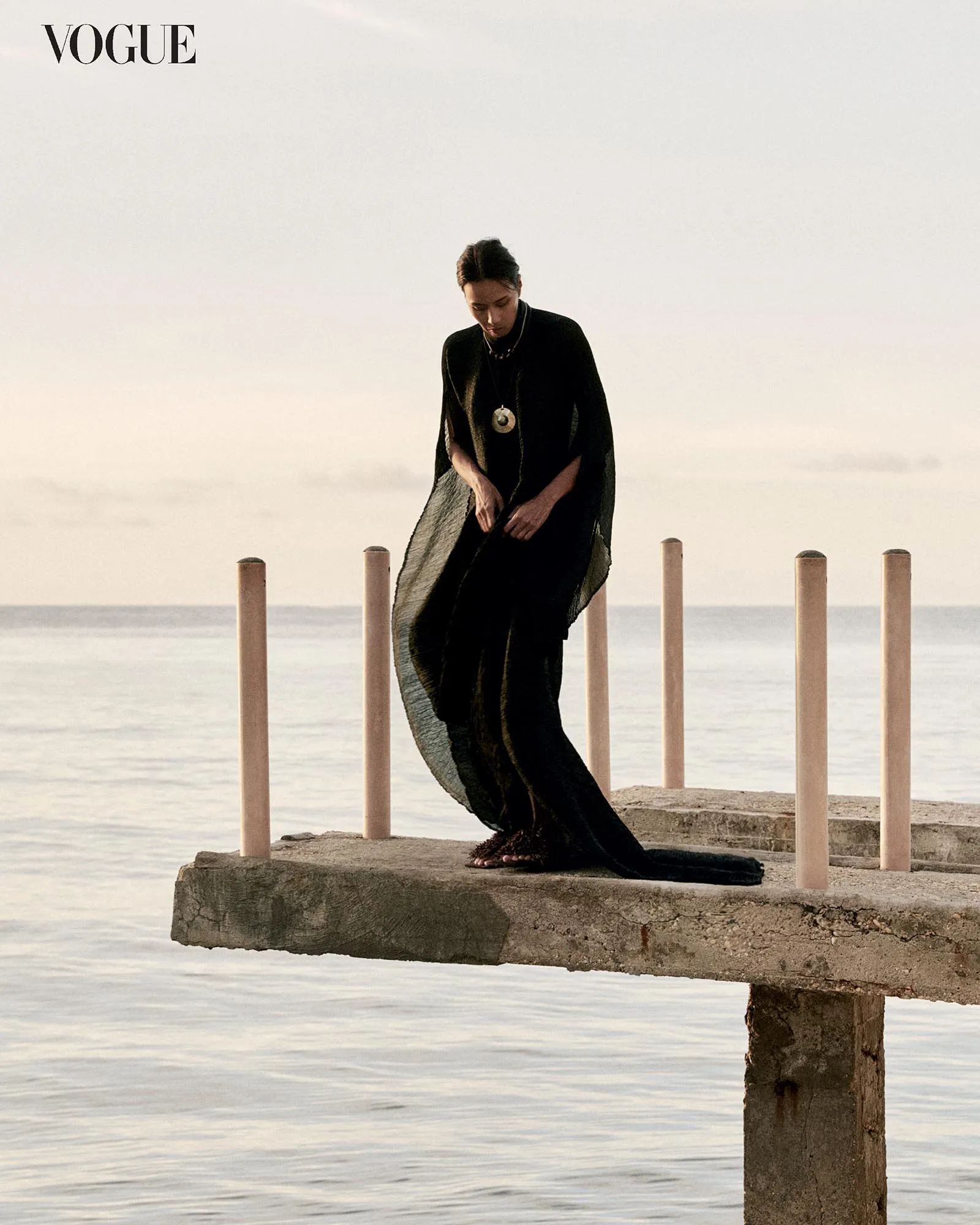
JUN ESCARIO dress, ANN ONG sphere necklace, and ADAM PEREYRA JEWELRY hardwood necklace. Photographed by Karl King Aguña for the November 2026 Issue of Vogue Philippines
6/14 -
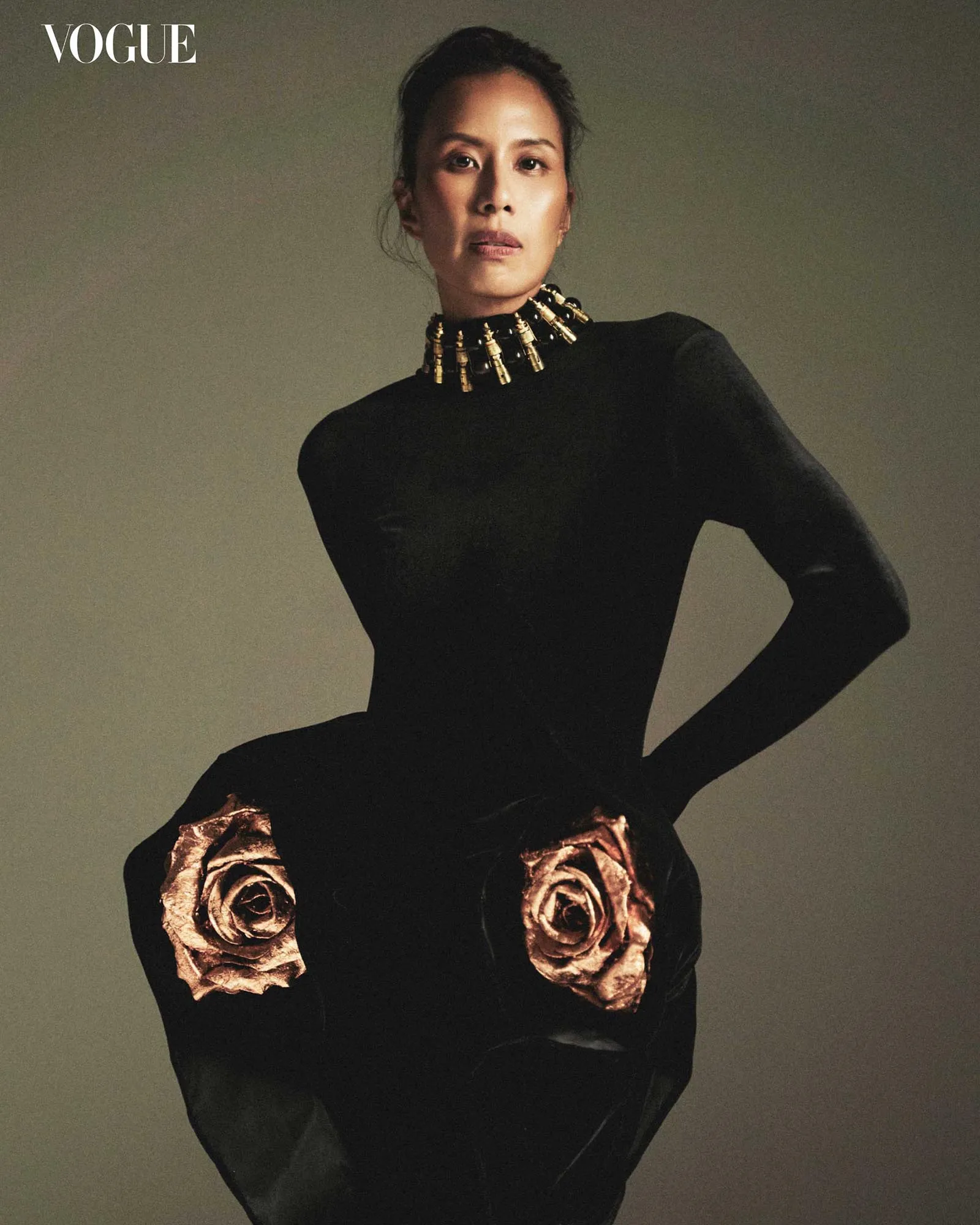 Photographed by Karl King Aguña for the November 2026 Issue of Vogue Philippines7/14
-
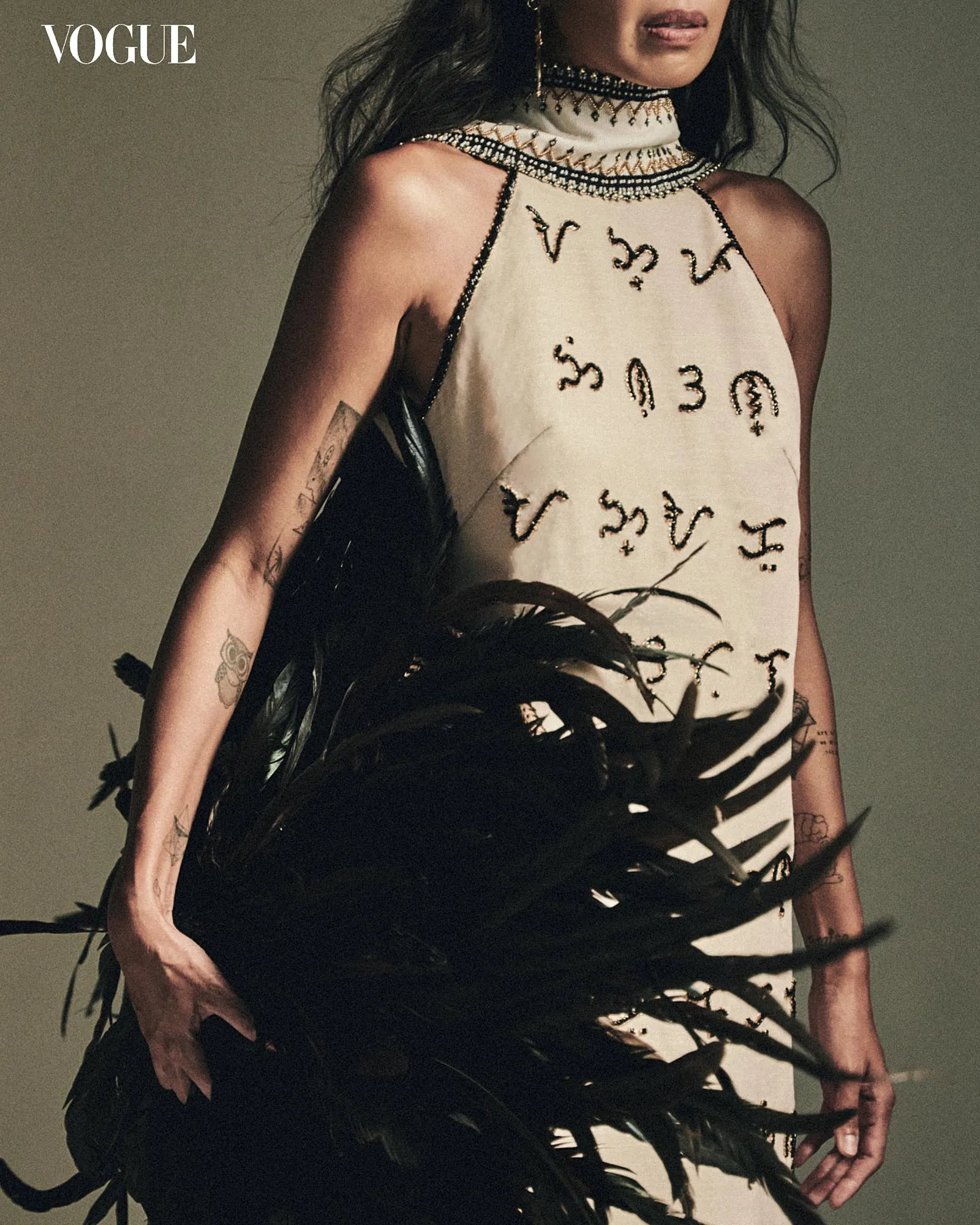 PHILIP RODRIGUEZ dress and hat. Photographed by Karl King Aguña for the November 2026 Issue of Vogue Philippines8/14
-
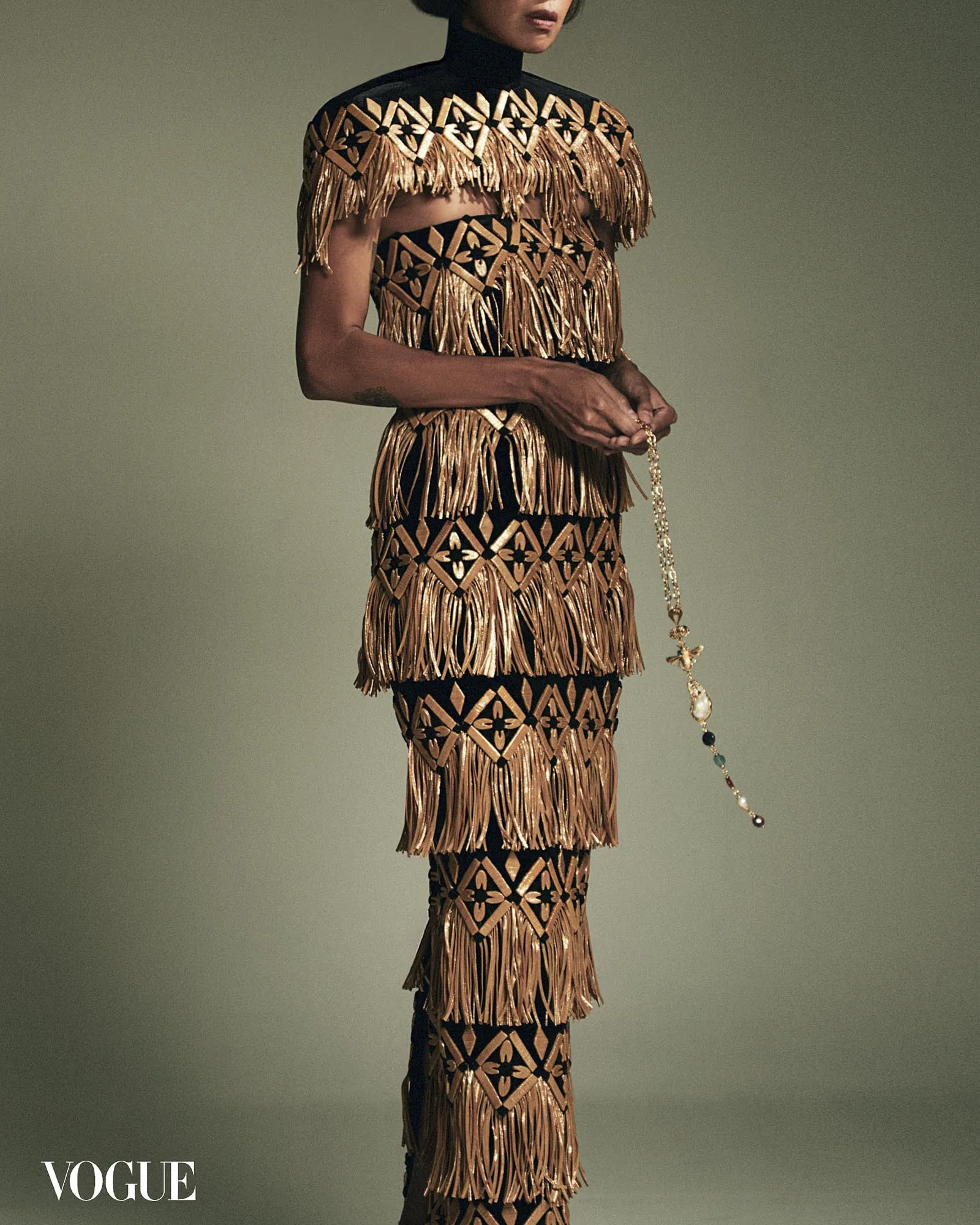 Photographed by Karl King Aguña for the November 2026 Issue of Vogue Philippines9/14
-
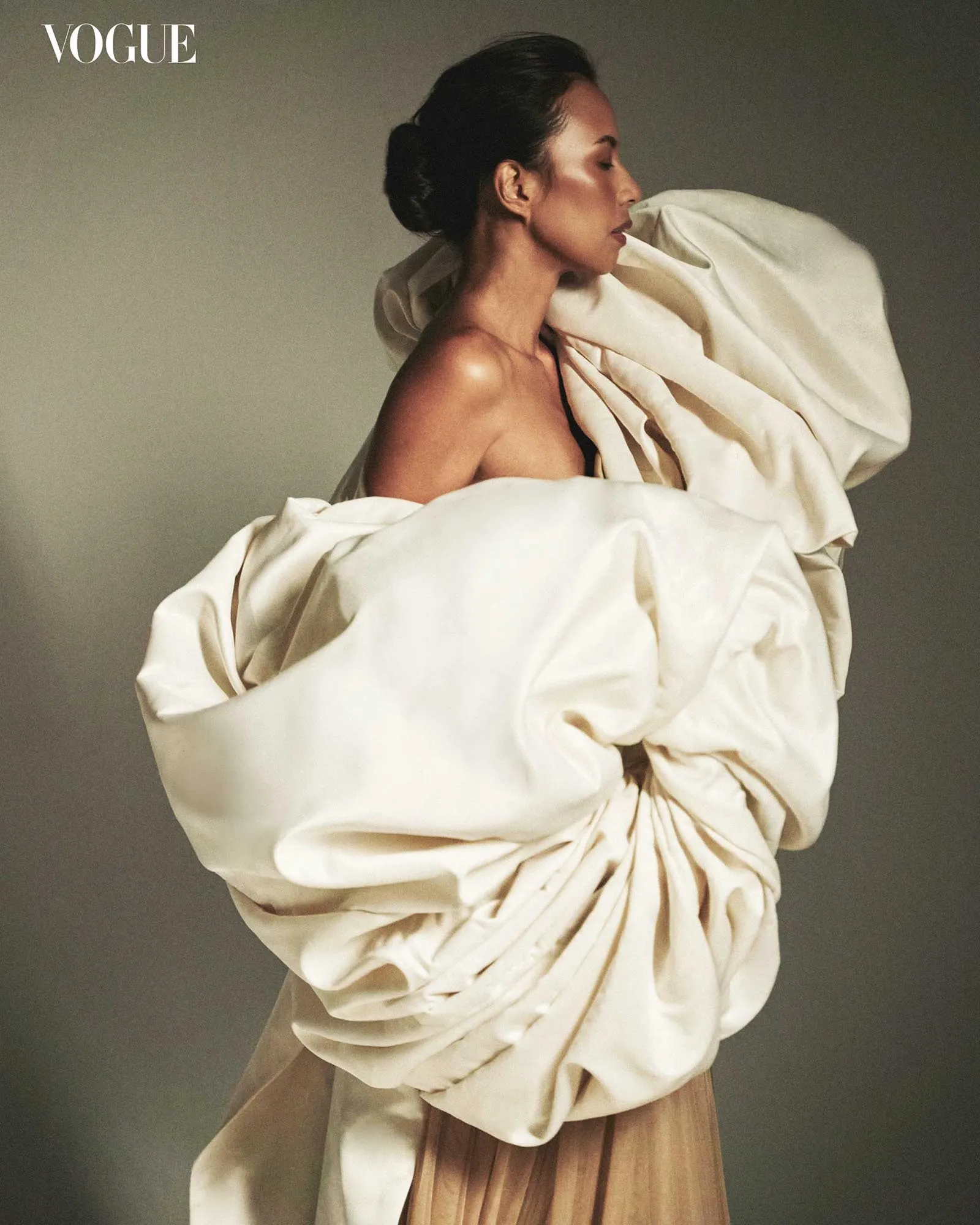 Photographed by Karl King Aguña for the November 2026 Issue of Vogue Philippines10/14
-
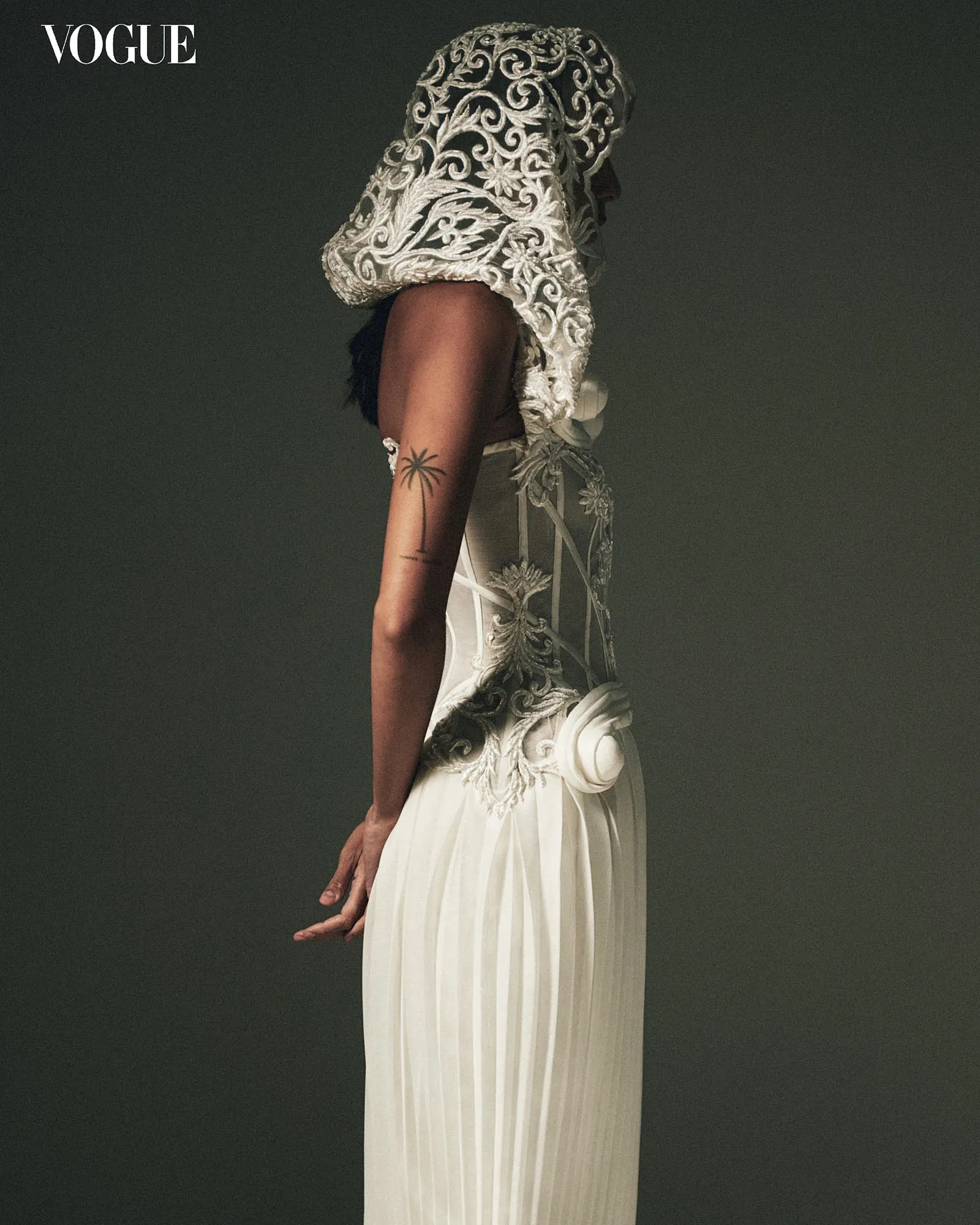
PHILIP TAMPUS dress. Photographed by Karl King Aguña for the November 2026 Issue of Vogue Philippines
11/14 -
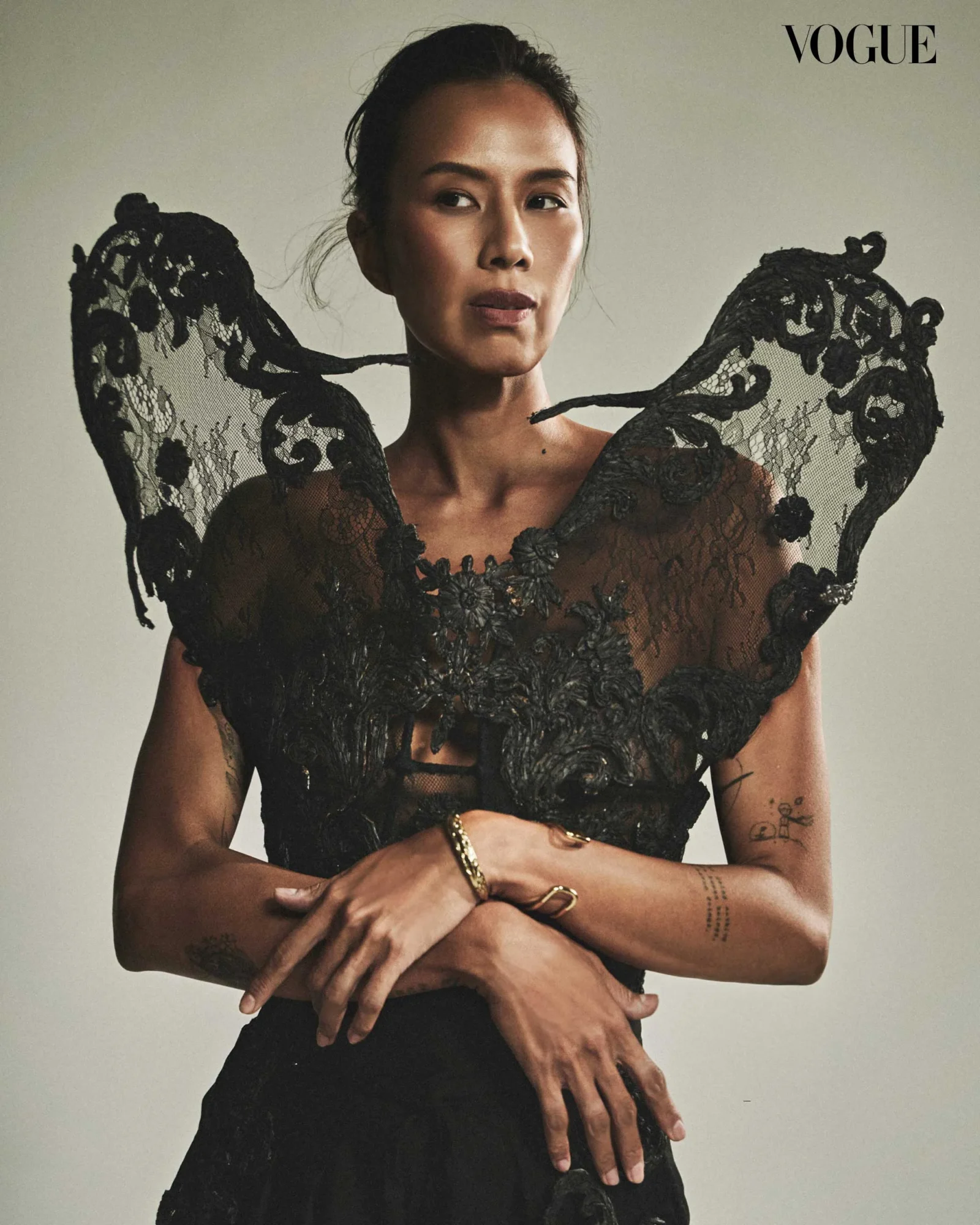 Photographed by Karl King Aguña for the November 2026 Issue of Vogue Philippines12/14
-
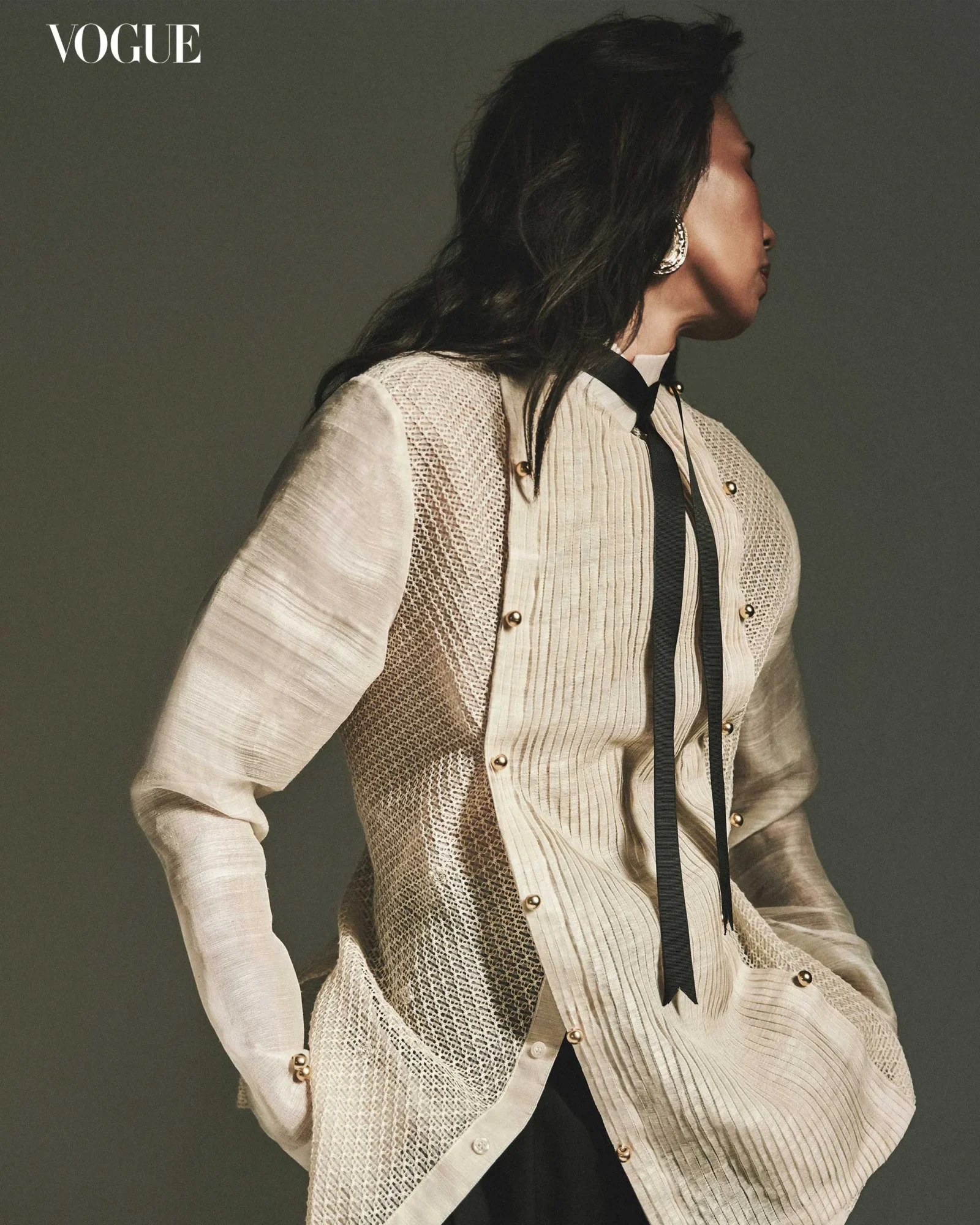 Photographed by Karl King Aguña for the November 2026 Issue of Vogue Philippines13/14
-
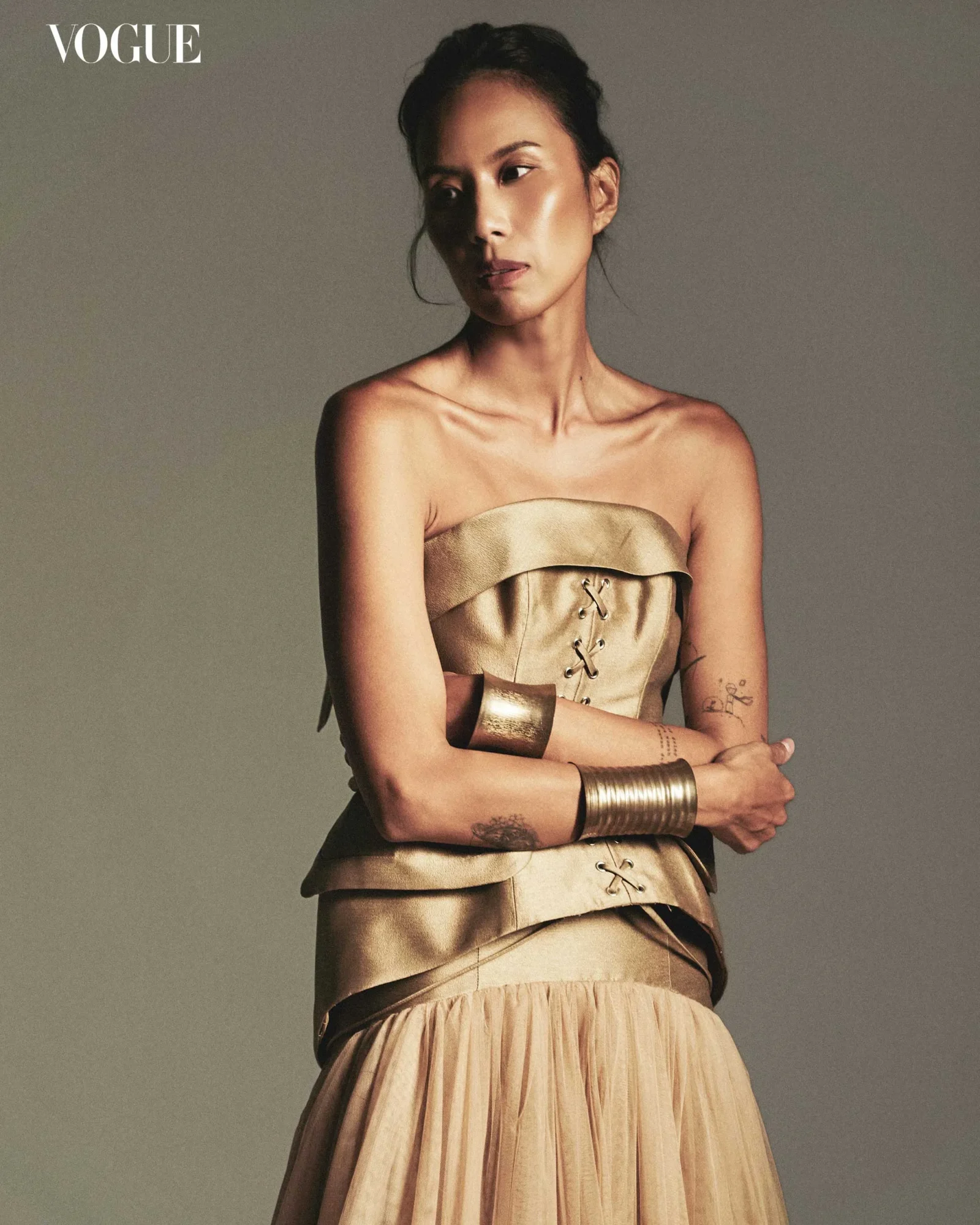 Photographed by Karl King Aguña for the November 2026 Issue of Vogue Philippines14/14
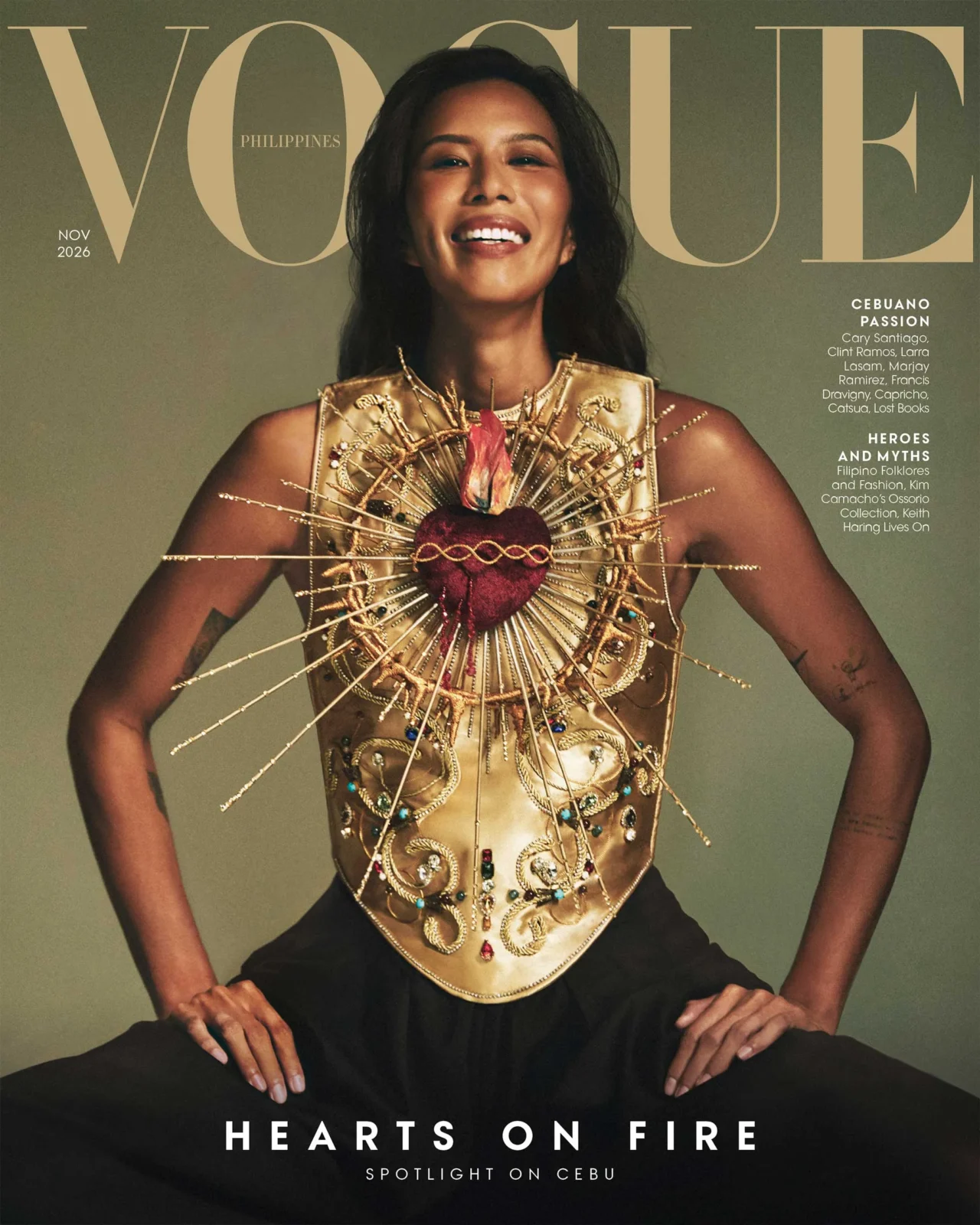
By AYLLI CORTEZ. Photographs by KARL KING AGUÑA. Styling NEIL DE GUZMAN. Deputy Editor: Pam Quiñones. Fashion Editor: David Milan. Model: Marjay Ramirez. Producer: Bianca Zaragoza. Multimedia Artist: Mcaine Carlos. Digi Tech: Sela Gonzales. Light Tech: Jom Ablay. DOP & Editor: Robyn Josue. Colorist: Alyssa Medina. Sound Design: Alex Stanley. Makeup: Zidjian Paul. Hair: Gab Villegas. Fashion Assistant: Tina Mendez. Production Assistant: Nicolle Puspus.
Shot on location at the Archdiocesan Shrine of Nuestra Señora Patrocinio de Maria Santisima and The Studios at Nest Workspaces. Special thanks to Boljoon Tourism Office