
Asia, In Its Own Language: Inside the 10th Year of Fashion Asia Hong Kong’s 10 Asian Designers To Watch


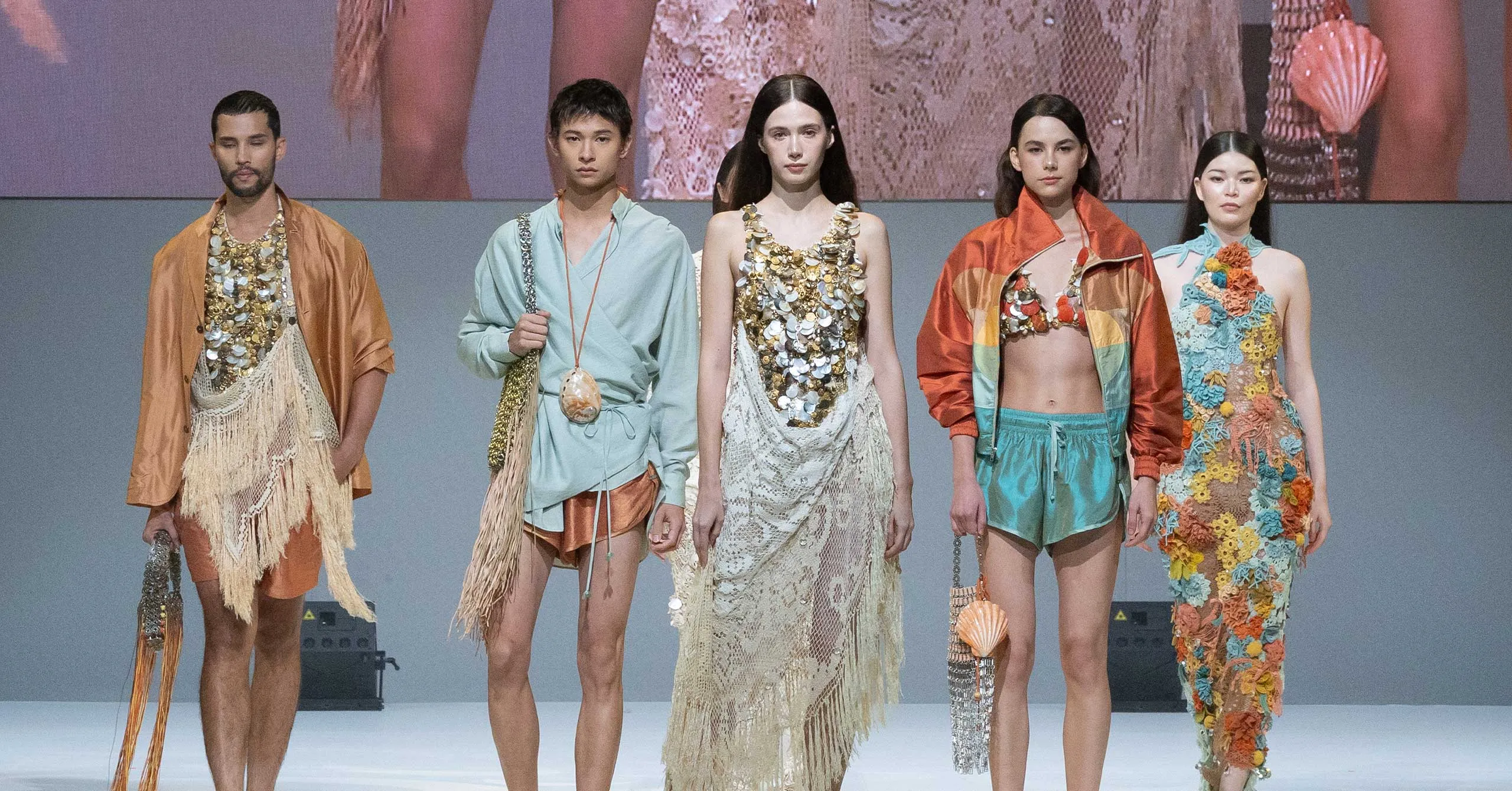
Maligaya Clothing Co., Philippines. Courtesy of FashionAsia
Maligaya Clothing Co., Philippines. Courtesy of FashionAsia
A new generation of designers is reshaping the region’s fashion vocabulary through local histories and distinct perspectives.
There is a distinct, electric current that runs through Hong Kong when the fashion industry gathers. Over several days, the city became a meeting point for designers, editors, buyers, curators, and creatives from across Asia and beyond, brought together for the 10th anniversary of Fashion Asia Hong Kong’s 10 Asian Designers To Watch. Now in its 10th year, the initiative introduced a new format this September, pairing its established exhibition with its first fashion show and award presentation.
What emerged was less a portrait of Asian fashion than a portrait of its many possibilities. On the evening of September 3, the Grand Ballroom at Rosewood Hong Kong traded the conventional runway for something more convivial. Long tables filled the room as guests dined, exchanged conversations, and watched 10 designers present curated collections against the backdrop of the Hong Kong Fashion Fest Gala.
From the precise architectural language of Chinese Mainland’s Sean Suen to Disaya’s romantic, intricately worked silhouettes, the collections resisted the idea that Asian fashion could be distilled into a single aesthetic. The 10 designers represented Chinese Mainland, Hong Kong, Thailand, South Korea, and the Philippines, among other regional perspectives.
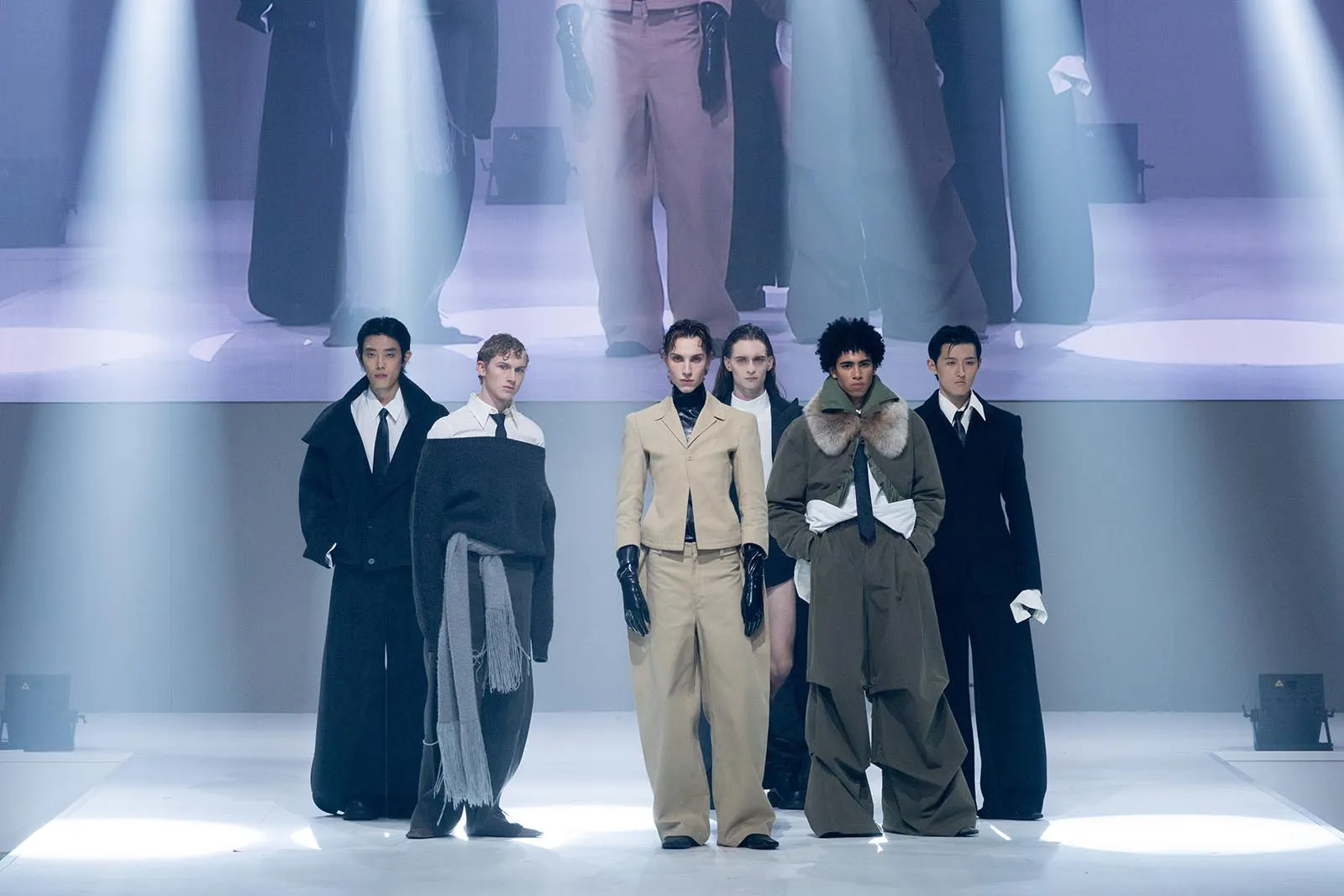
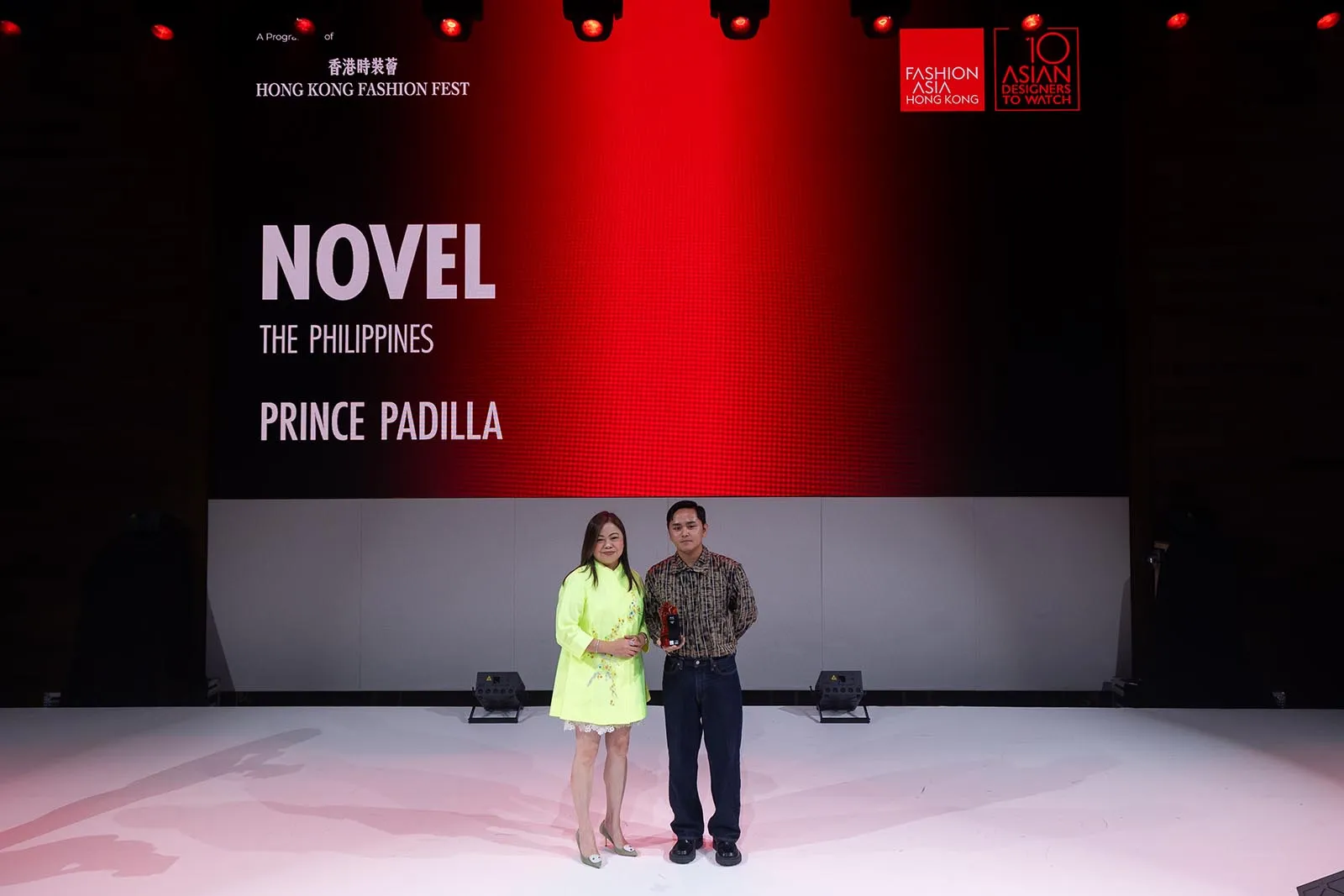
For the Philippines, Prince Padilla of Novel and Roko Arceo of Maligaya Clothing Co. brought two distinctly personal approaches to the conversation. Padilla’s hands-on process begins with fabric, allowing construction to evolve through making, fitting, and alteration rather than following a predetermined drawing.
“I wanted the clothes to feel considered but not overly resolved, to retain a sense of individuality, imperfection and discovery,” Padilla says. “I am a maker, and that is something incredibly fundamental to my practice.” His collection explored transformation through the relationship between traditionally masculine and feminine forms.
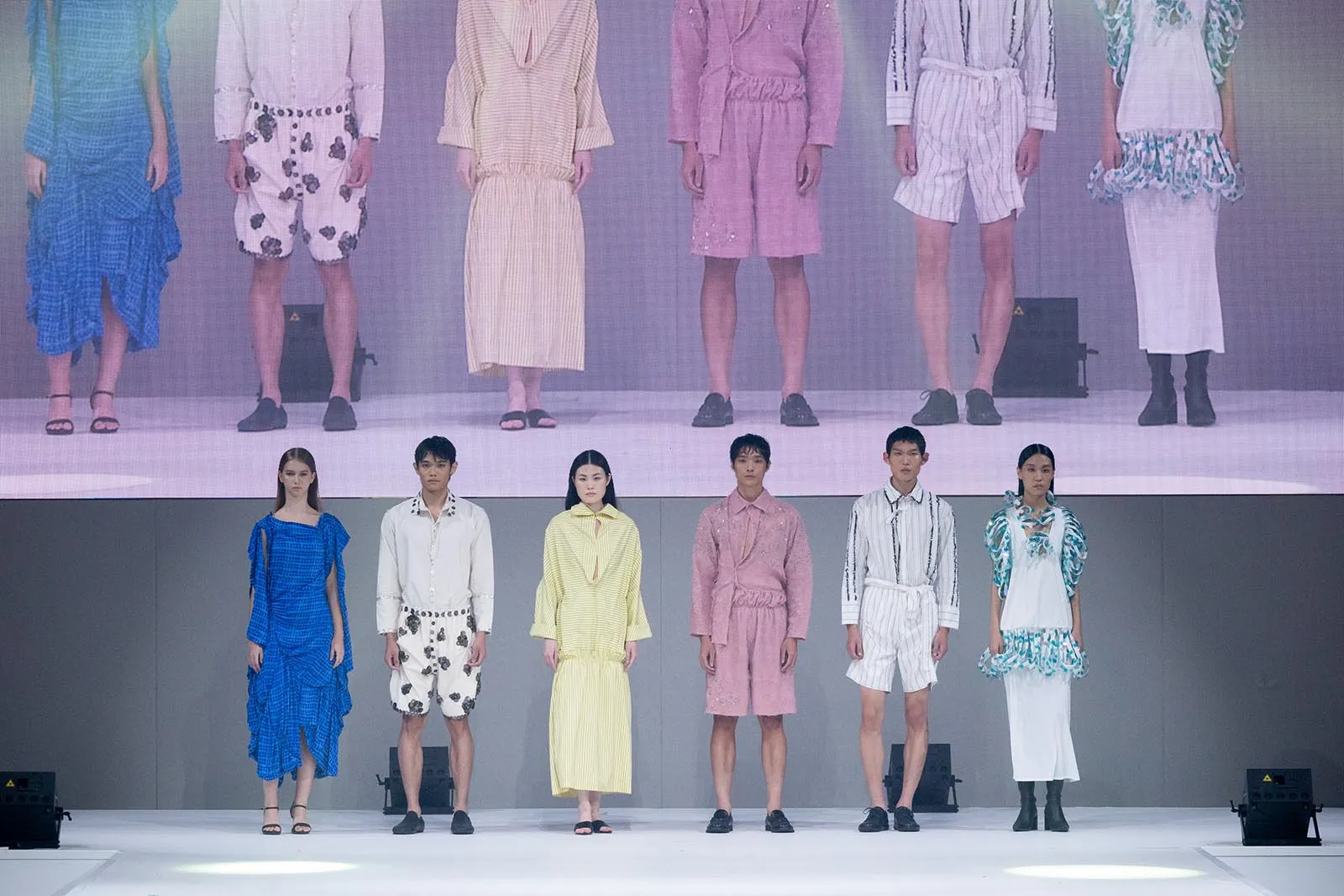
That instinct toward experimentation was echoed across the showcase. For Xiaolin Song of WMWM, contemporary design became a place where contradictions can coexist. Her collection drew from the misty landscapes and domestic rhythms of All Creatures Great and Small, balancing practicality with softness and strength.
“Elegance and practicality, softness and strength, do not have to be opposites,” she explains. The collection’s perspective reflects Song’s broader approach to design, which moves freely between local and global references. “We are not necessarily trying to define ourselves through a single cultural identity,” she says. “Instead, there is more freedom to move between different histories, cultures and visual languages.”
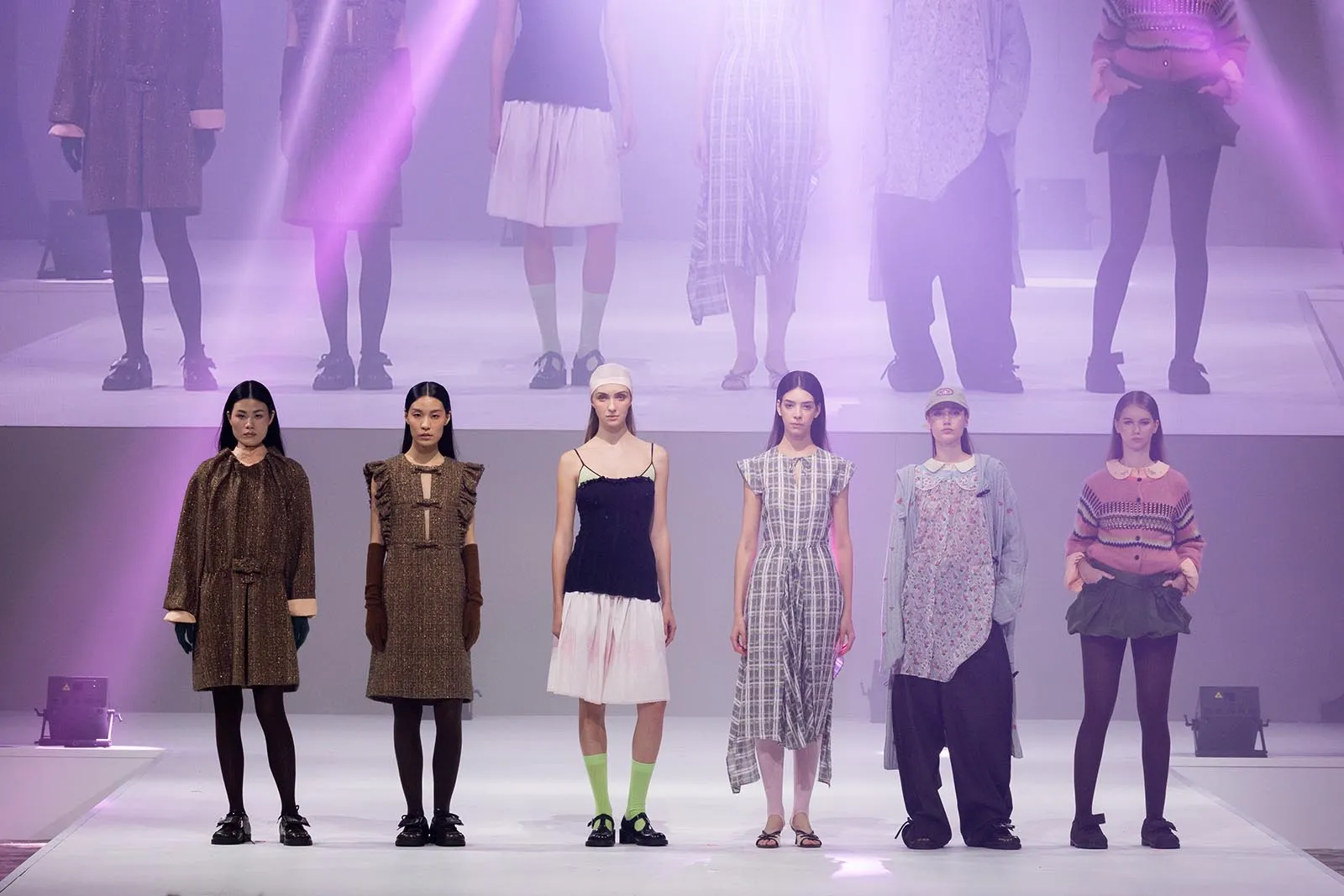
For Disaya designer Disaya Sorakraikitikul, that freedom is equally important. Her Bangkok upbringing and years studying at Central Saint Martins in London have informed a practice that moves between Thai craftsmanship and a broader international perspective. “My Thai roots are part of my foundation, while the experiences I have gathered from around the world continue to expand the way I see and create,” she says, “what makes my perspective my own.”
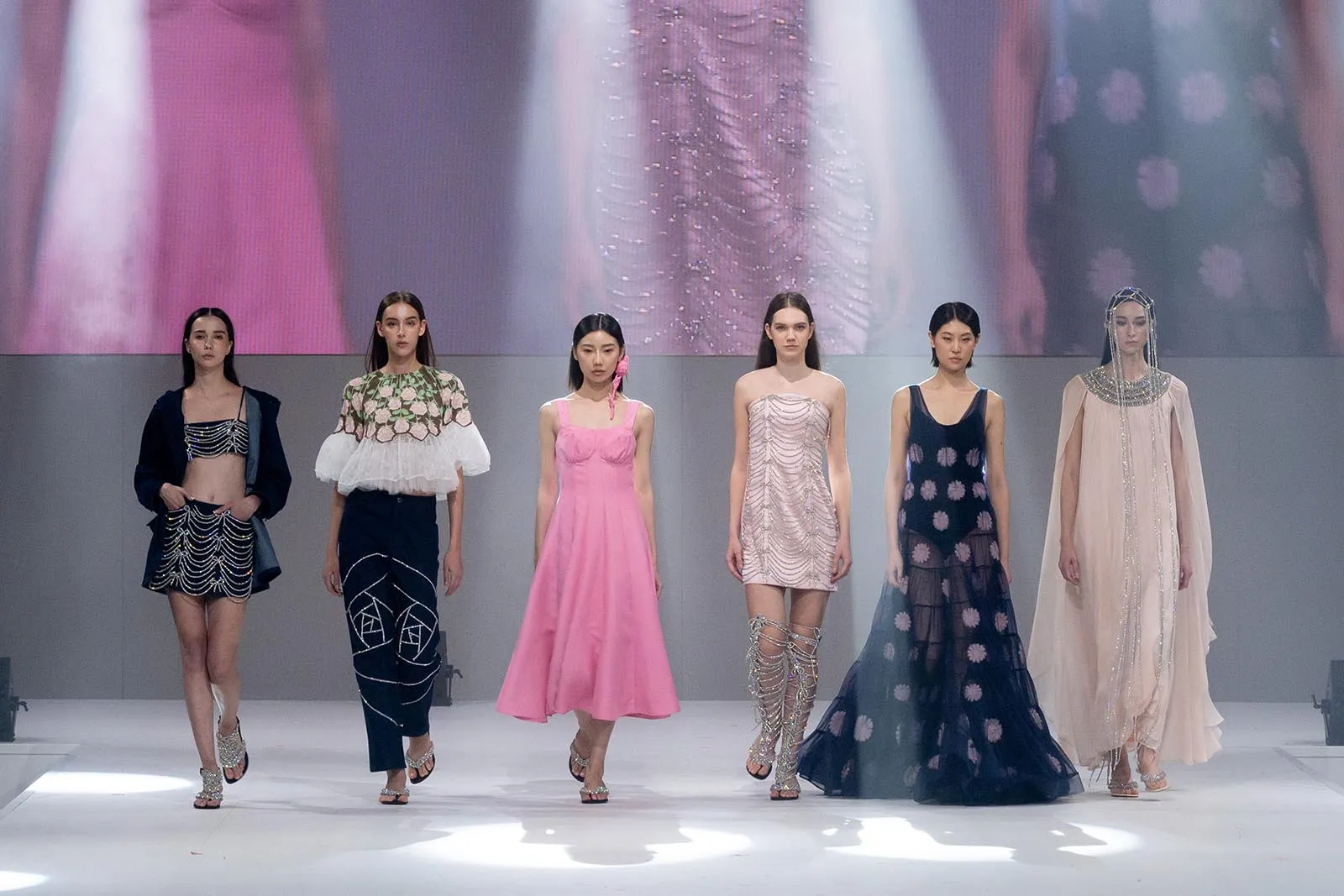
Sorakraikitikul’s collection explored transformation through familiar materials and techniques, including signature Macramé Jeans and sculptural rose motifs translated into denim. The intention was to encourage viewers to look beyond the initial impression of a garment and consider the work behind it.
“I hope the collection demonstrates how a designer can take inspiration from different cultures and techniques, reinterpret them through their own perspective, and create something that feels both personal and universal,” Sorakraikitikul says.
The following afternoon, the conversation moved from spectacle to intimacy at Peak Galleria, where the 10 collections were presented in an exhibition setting. Up close, details that might pass quickly on a runway revealed the designers’ deeper investments in material, process, and place.
Kinyan Lam’s garments, for instance, were naturally dyed with persimmon and botanical pigments designed to deepen and evolve with exposure to sunlight. For Lam, this connection to time is inseparable from her larger ambition: to develop the brand as “a working repository and a living archive of textile knowledge.” Her philosophy centers on “slow by design,” a practice governed by patience, material intelligence, and the human hand.
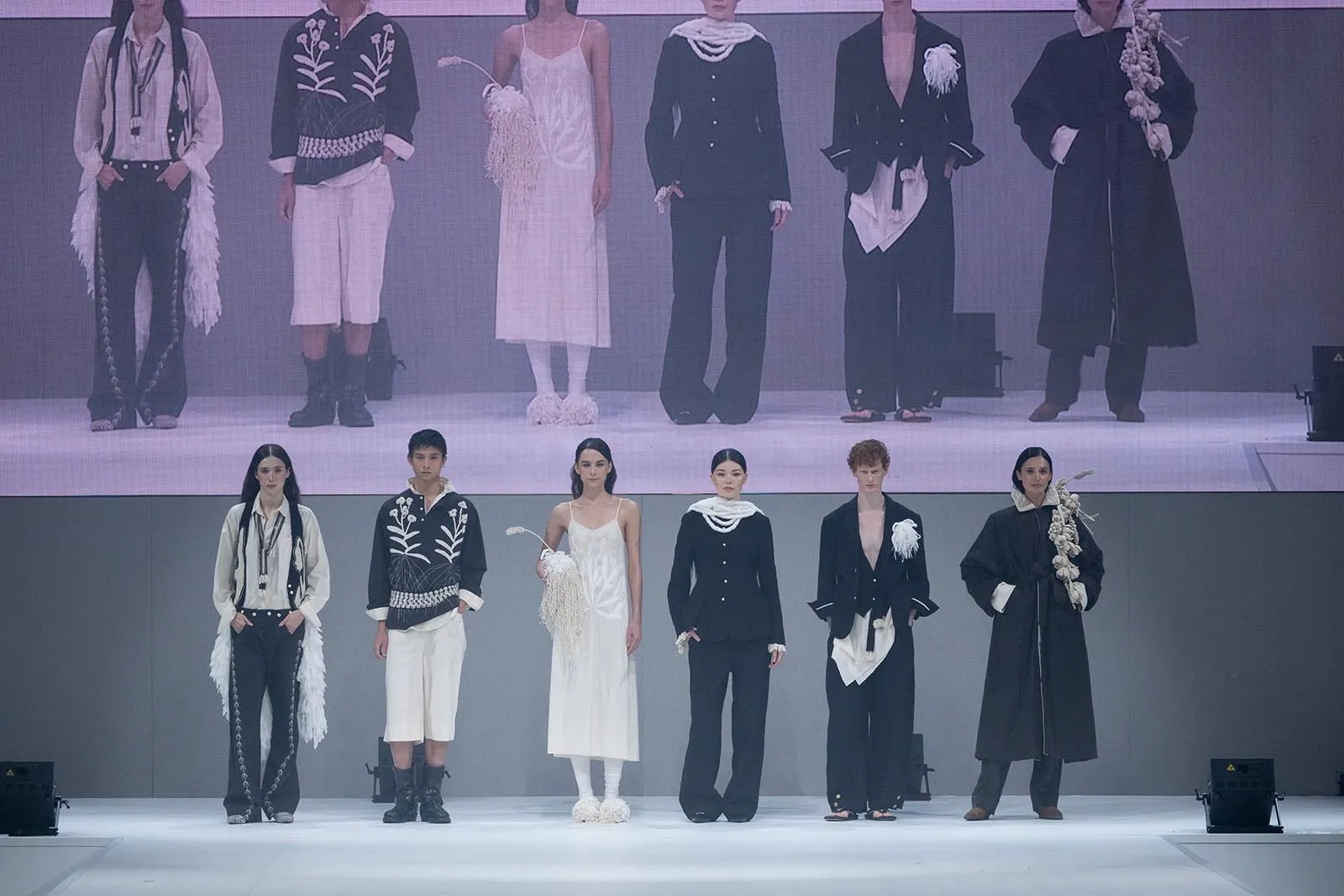
For Chén Sifān, meanwhile, place becomes a starting point for personal storytelling. The Chinese designer’s collection was inspired by The Abandoned City, a novel by Xi’an-based writer Jia Pingwa, translating the city’s walls and the wild grass growing through their crevices into textures and motifs. The resulting collection explored the tension between confinement and freedom, tradition and change. “My creative process is like an intimate narrative,” Chén explains, “blending abstract emotions with tangible fabrics, silhouettes, and details, allowing clothing to become a vessel for memories and reflections.”
Perhaps that was the most compelling thread running through the week: These designers are not looking to create a singular image of Asia. They are questioning who gets to define it in the first place.
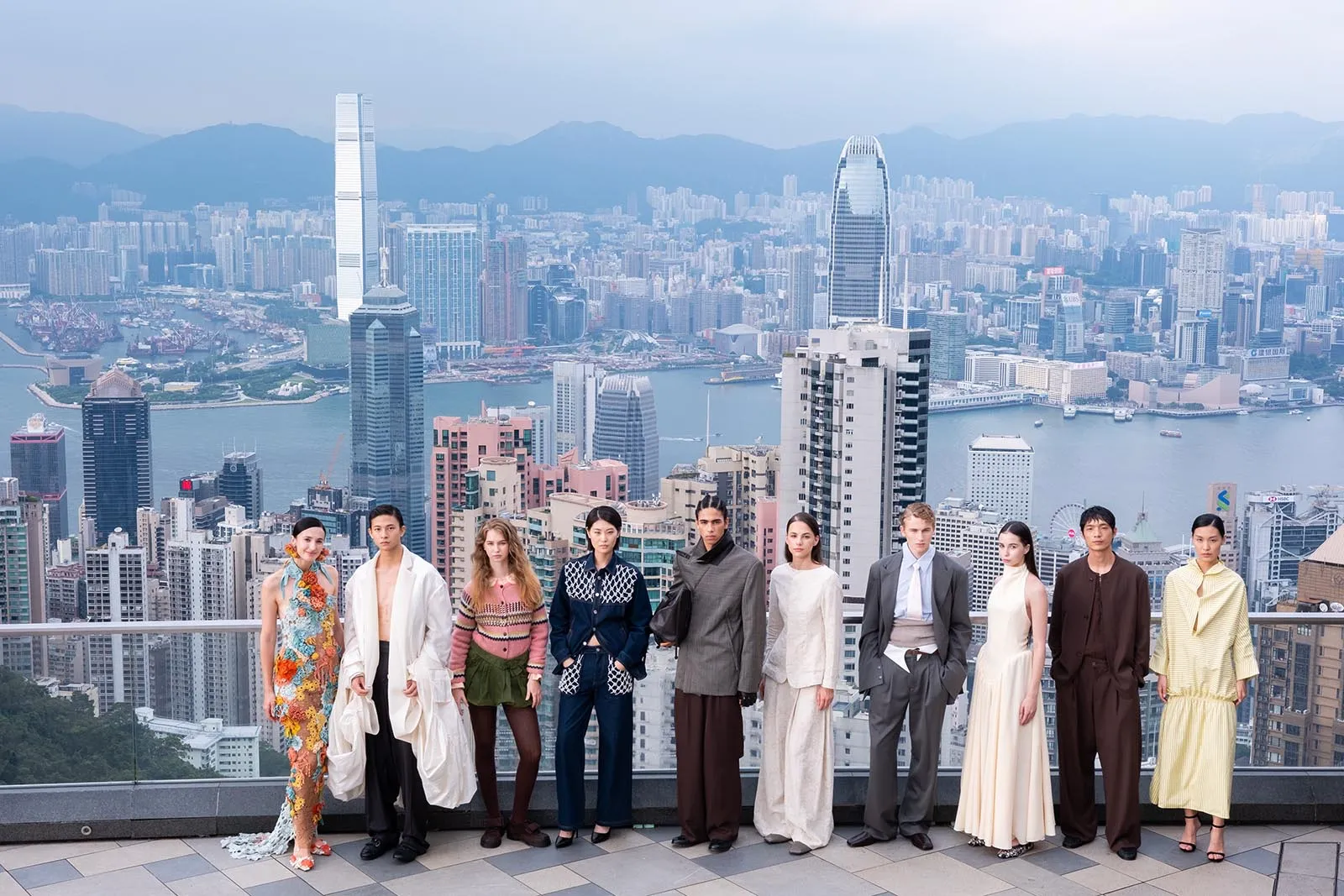
For Chén, the shift is part of a wider change in the global fashion conversation. “What makes this generation of Asian designers distinct is that we no longer try to fit into the predetermined frameworks of the West,” she says. “Instead, we draw confidence from our own cultural roots.”
Padilla similarly points to a generation less interested in conforming to an established definition of Asian fashion, describing a confidence in drawing from “multiple cultures, disciplines, and experiences” while developing something personal.
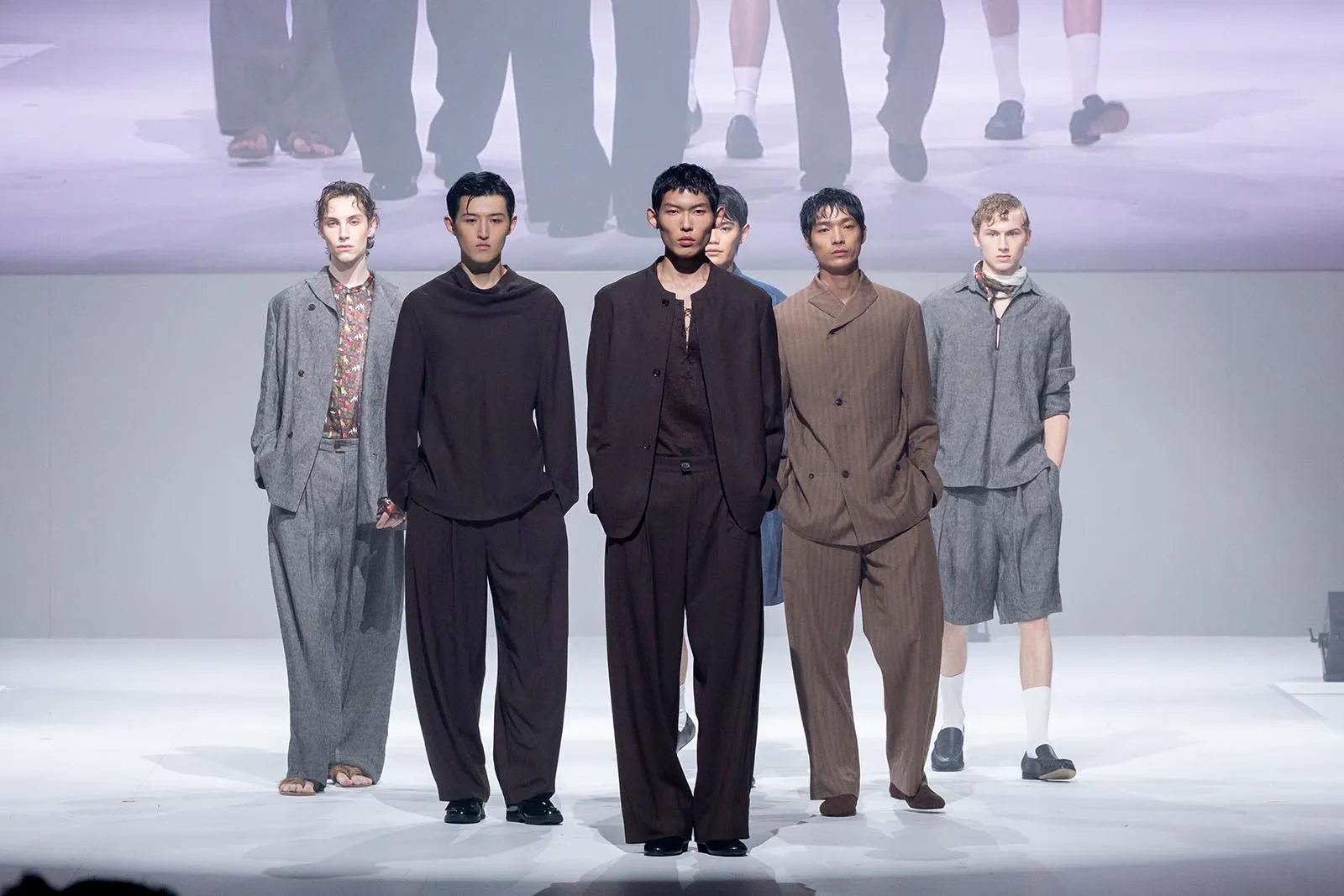
Disaya puts it more plainly: “We are no longer simply looking outward for validation; we are increasingly bringing our own perspectives to the global fashion conversation.”
Xiaolin Song similarly describes a generation with the freedom to move between histories, cultures, and visual languages rather than being confined to one fixed identity. Across the designers featured in Hong Kong, Asia emerges not as a single category but as a collection of individual perspectives, shaped by different cities, histories, materials, educations, and lived experiences.
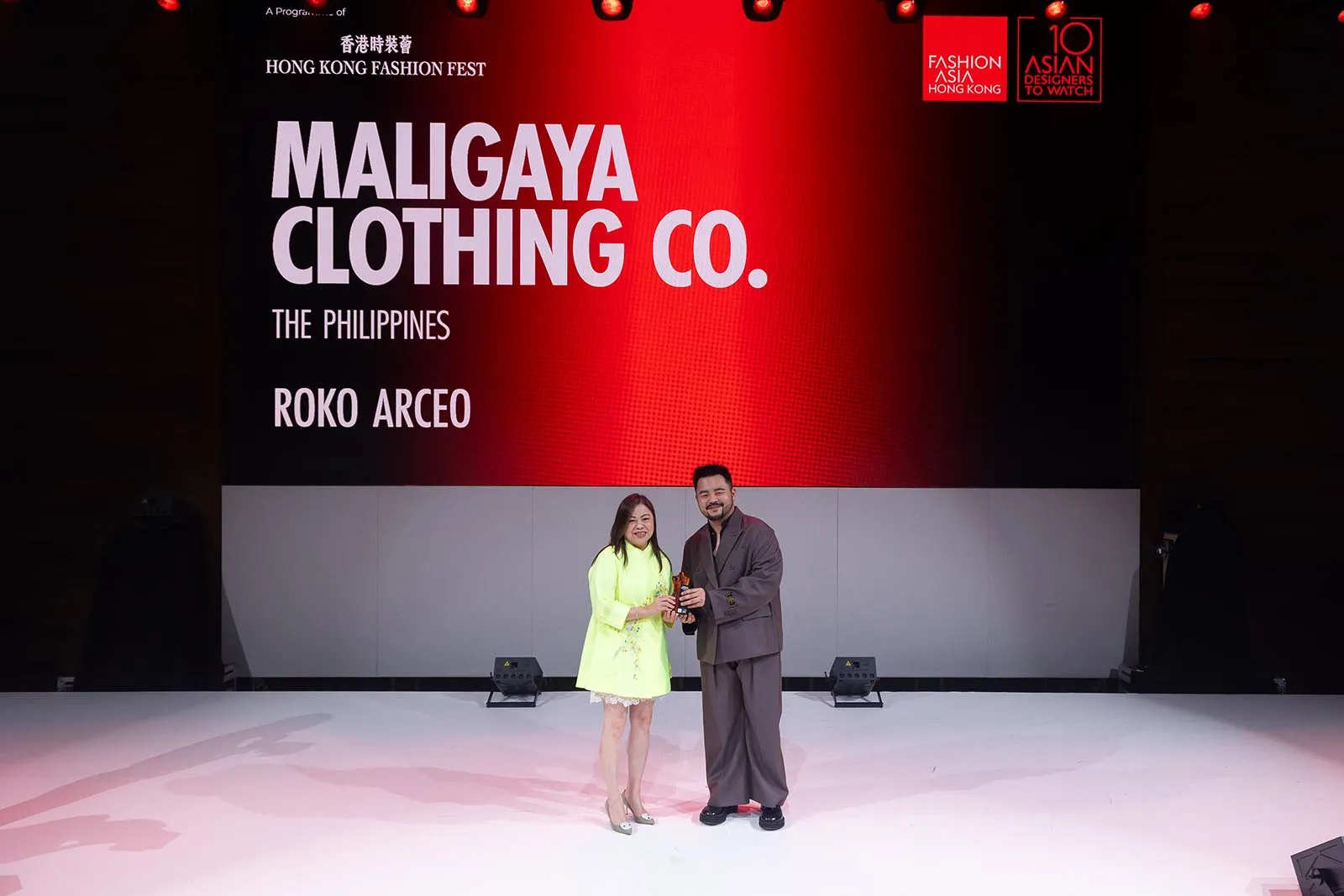
The evening concluded with Martlet, a performance by the Hong Kong Ballet that brought together the music of legendary local band Beyond with costumes by Robert Wun, folding another layer of Hong Kong’s cultural memory into the night.
By the time the week came to a close, the significance of Fashion Asia Hong Kong felt larger than a showcase of 10 emerging names. Across runways, exhibitions, conversations, and encounters, the event offered a glimpse of a region designing from within, rather than from expectation. Asian fashion is not arriving at a singular definition but expanding the vocabulary altogether.
Frequently Asked Questions
Fashion Asia Hong Kong is a platform highlighting designers and creative voices from across Asia, with its 10 Asian Designers to Watch program spotlighting emerging and independent talent.
The program brings together designers from across the region to present their work through Fashion Asia Hong Kong. For its 10th anniversary, the initiative expanded beyond its established exhibition to include its first fashion show and award presentation.
The showcase brought together 10 designers representing different perspectives from across Asia, including Prince Padilla of Novèl and Roko Arceo of Maligaya Clothing Co. from the Philippines, as well as Disaya, WMWM, Kinyan Lam, Chén Sifān, and Sean Suen.
The 2026 edition introduced a new format for the 10th anniversary, combining its established exhibition with its first fashion show and award presentation.
The fashion show took place at the Grand Ballroom at Rosewood Hong Kong as part of the Hong Kong Fashion Fest Gala, while the collections were subsequently presented in an exhibition setting at Peak Galleria.