
Olivia Rodrigo Is Doing It All, and From the Heart


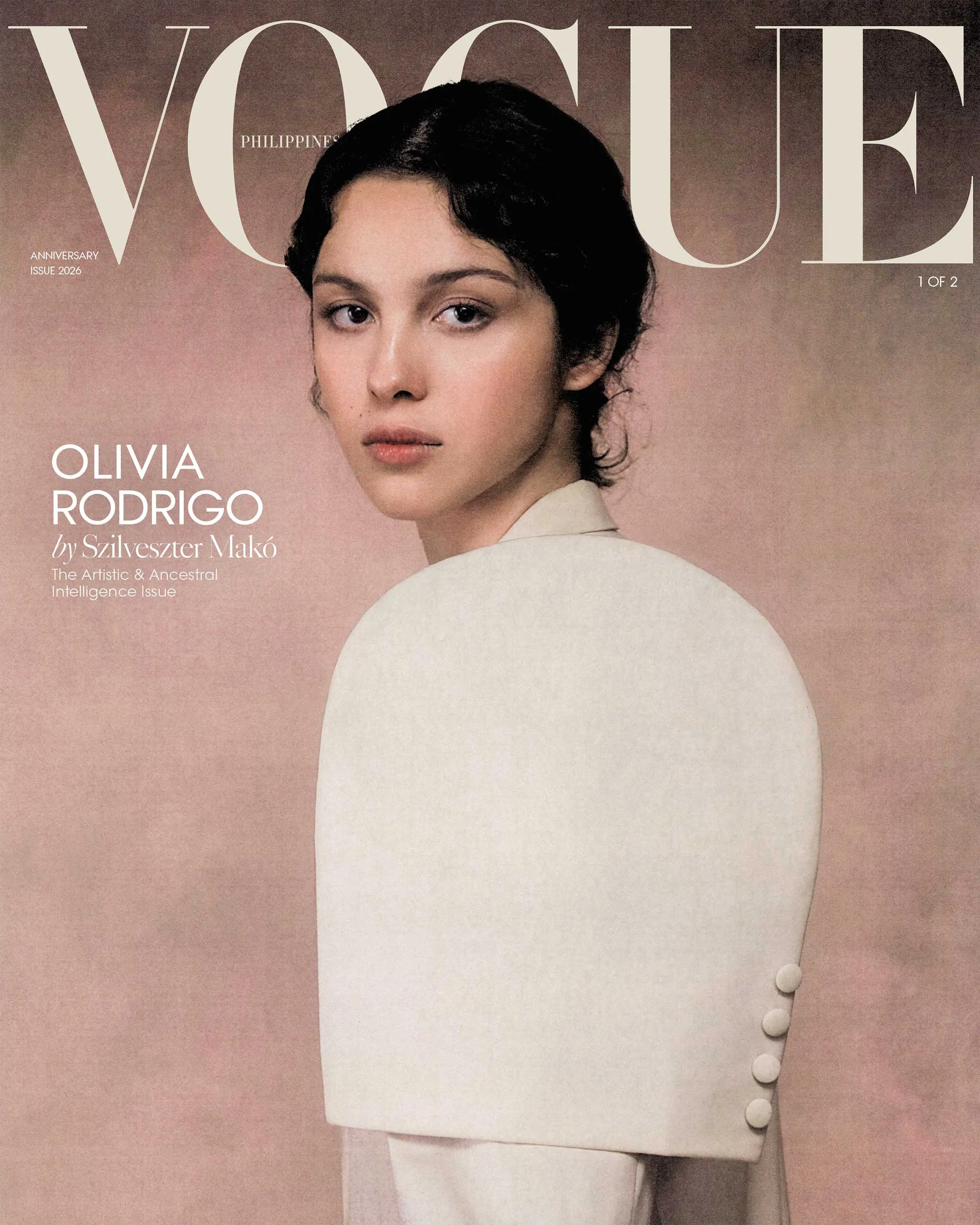
Over the weekend, Olivia’s festival Daisy Chain Fields raised USD 20 million in support of 10 non-profit organizations advancing and advocating for women and girls both in the US and globally. She wears a Terno by Filipino designer JOEY SAMSON. Photographed by Szilveszter Makó for the September/October 2026 Issue of Vogue Philippines
How does a global pop star on the cusp of breaking new ground continue to create from the heart? By going inward.
She’s in my walls.
The day that the 23-year-old Filipino American singer-songwriter Olivia Rodrigo released her third studio album you seem pretty sad for a girl so in love, her fans accused her of witchcraft. Somehow her voice was haunting their heads and their walls and possessing their bones. Somehow, to create her latest body of work, she’s had to rifle through their journals and wrap her knuckles around their heartstrings and pull. Supposedly, that’s just the thing that happens when her music’s put on aux.
A follow-up to her sophomore album Guts, the new record contains her signature shades of shimmering self-reflection, rife with covert joy and unflinching from the brutal pangs of longing, desperation, and doubt; only this time, Rodrigo has delved deeper, often explaining that it’s a byproduct of the first real relationship she’s ever experienced.
“One night I was bored in bed / And stalked you on the internet / It’s feminine intuition / ‘Cuz I always had a vision of us standing like this,” she muses in its opener, “drop dead,” a glittery admission of first blush set to a post-punk, synth-pop undercurrent and sugary sweet, lilting strings, the sound of your heart swelling. In its music video, she looms over a laptop screen glowing neon pink in her bedroom, except it wasn’t her bedroom, it was the Palace of Versailles, and she’ll soon take off racing down its long halls in baby pink bloomers and white pointelle knee socks. The song sets up the narrative arc of the record as head-over-heels in love, but her album title is the first to warn you: danger lurks ahead.
By the time we reach her second single “the cure,” track eight of 13, our protagonist has descended down a panicked spiral of self-blame, declaring “It don’t matter how your love feels anymore, it’ll never be the cure” to desolate, “Disarm”-like chords. This is the nexus of the album and her personal favorite among the songs, which she views as chapters in a story we all know: how love begins, and how it ends.
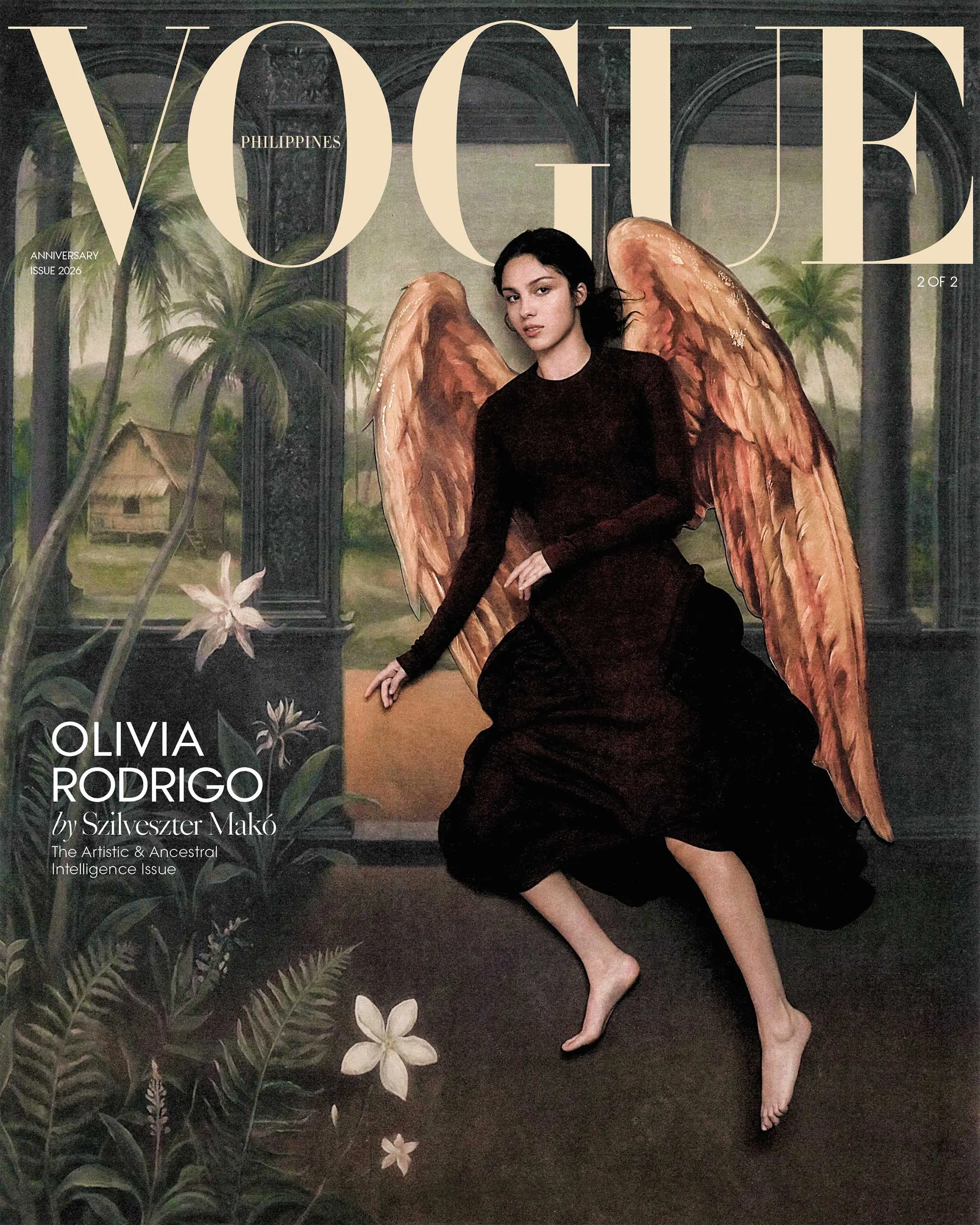
Freshly put out in June on Philippine Independence Day after two years spent writing, recording, and refining, the longest she’s ever taken on the production of a single album, it’s Rodrigo at her most vulnerable; here, we meet her breathless and blindly optimistic; anxious and annoyed; doting, desperate, rotten, unraveled.
It’s also Rodrigo at her most ambitious. Where Guts and her wunderkind debut Sour compiled disparate accounts of the complexities of girlhood and adolescence, you seem pretty sad for a girl so in love is a concept album, bent on telling a single narrative from start to finish.
It made her the first artist in history to have all three first singles and their respective albums chart No. 1 on the Billboard Hot 100 and the Billboard 200, and it became the most-streamed album in a day in 2026 on Spotify with 81.59 million streams. To date, it is the fastest solo album to surpass one billion streams on Spotify this year, achieved in 70 days. In a review for Pitchfork, writer Molly Mary O’Brien said that “her evolution as a songwriter is a sight to behold.” Quoting one of her lyrics back to her, she wrote, “On the last track of 2023’s Guts, she asked, ‘When am I gonna stop being great for my age and just start being good?’ That time is now.”
Perhaps it’s because she tries, as she’s always tried, to distill in her lyrics and her sound everything that is awful and beautiful and true about growing up, about falling in love and falling out of it then in it again, with a vulnerability that, to someone who is similarly young or lonely or limerent, is a kind of generosity.
But Rodrigo is also sometimes wary that might mean, to her young and impressionable audience, that she’s got it all figured out. “I feel like I still struggle to find the words for my emotions all the time,” she tells me. “When I set out to make this record, I knew I wanted to write songs about romantic love in more of a positive way…” She reflects for a beat. “And I think it’s still something that I haven’t nailed. I don’t think anyone has really nailed it.”
Even so, her attempts have led her here. Here, being the liminal space of a Zoom phone call, connecting Metro Manila to Austin, Texas, at the tail-end of July.
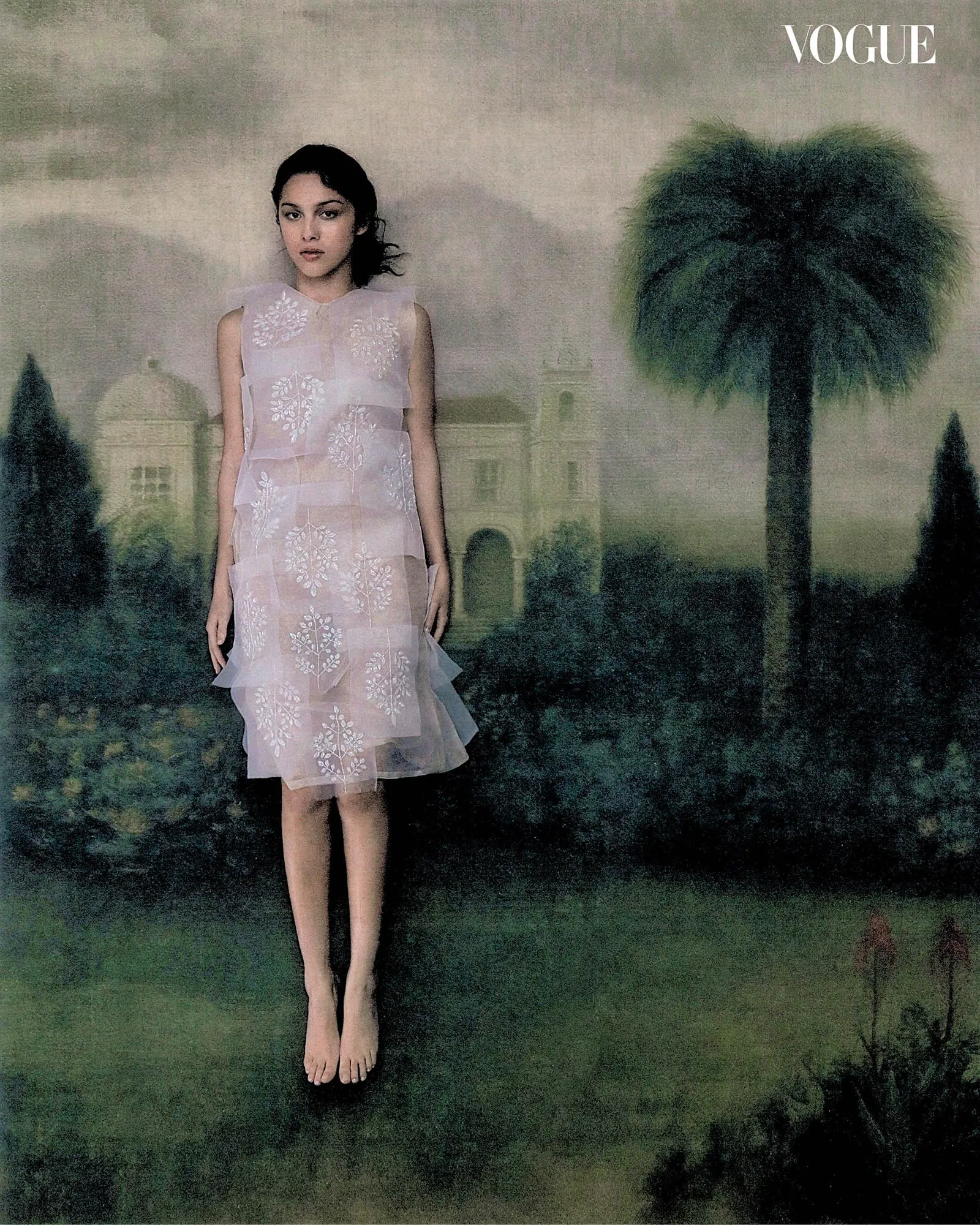
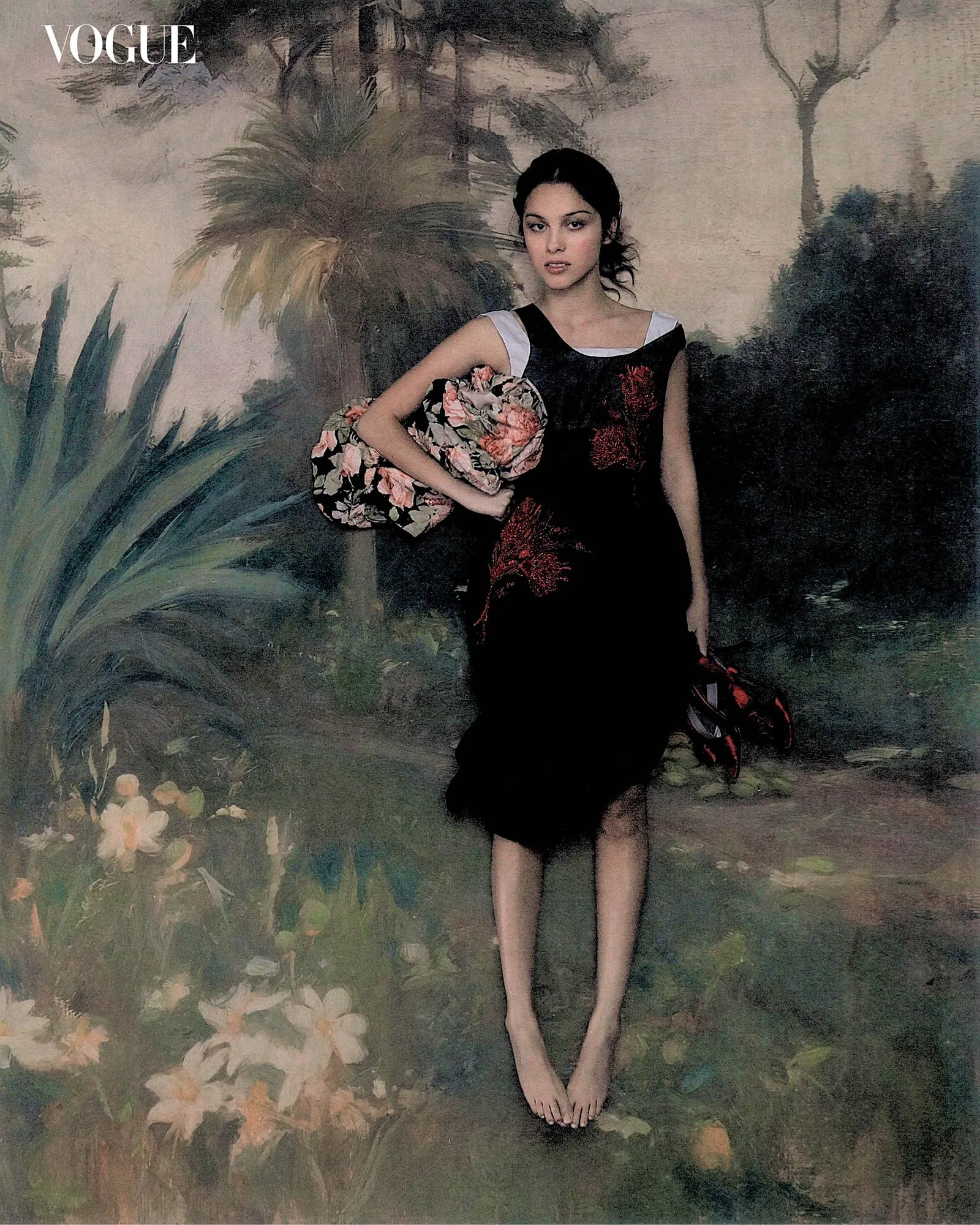
At present, Rodrigo is, in a word, busy. It’s been nearly two months out from the launch, and she can’t seem to keep static; in July alone, she was sighted in New York City, then Portland, then Reykjavík, then New York again, and two days ago, Los Angeles. It’s not atypical for a global pop star, only it was getting increasingly difficult to peg down a time to chat. (“Would you be free to call tonight?” her publicist had texted me. Just as I type out the word Yes, a follow-up: “Just kidding.”)
For someone who’s just marathoned a hurricane of a press tour and crossed continents only within a handful of days, she’s warm and pleasantly upbeat. Opposite Manila’s drizzly night, it’s high noon and peak sunny where she is. Rodrigo says she’s freshly caffeinated, but there’s still a hint of sleep in her voice as she recaps her “cute” morning: got up slowly, walked around the city for a little bit, bought herself a coffee, and later, “playing, like, a little show,” she says modestly. (It’s technically confidential, but I’d be catching sight of her set later at the time of writing, via sneakily caught short snippets uploaded to social media.)
In just a few hours, she’ll be performing all but one of the songs off you seem pretty sad for a girl so in love live for the very first time (only missing “what’s wrong with me,” her featured track with The Cure frontman and one of her personal heroes Robert Smith) for a taping of Austin City Limits, the longest running music series in the history of American television. ACL’s venue, the Moody Theater, sits 2,750. By Rodrigo’s standards, it is little. But only if you don’t count the upward of 60,000 other people who tried their hand at lucking out in the ticket lottery.
She first played a sold-out show here when she was 18 in 2021 after the release of Sour, barefoot and baby-faced, bouncing around onstage as she belted her anthemic, power-chord hits “good 4 u” and “brutal” with all the full-bodied angst of someone who fully believed in its lyrics. Backed by an all-female band, it was her first full-set performance in front of a live audience.
After that, everything exploded. The following year she’d win three out of seven nominations at the 2022 Grammy Awards, including Best New Artist, Best Pop Vocal Album for Sour, and Best Pop Solo Performance for “drivers license.” The year after that, she’d release Guts, which shot straight to No. 1 on the Billboard 200, earned six Grammy nods, and kicked off her first long global arena tour that at that time would rank as the highest-grossing concert tour for an artist born in the 21st century. This, only in the last five years.
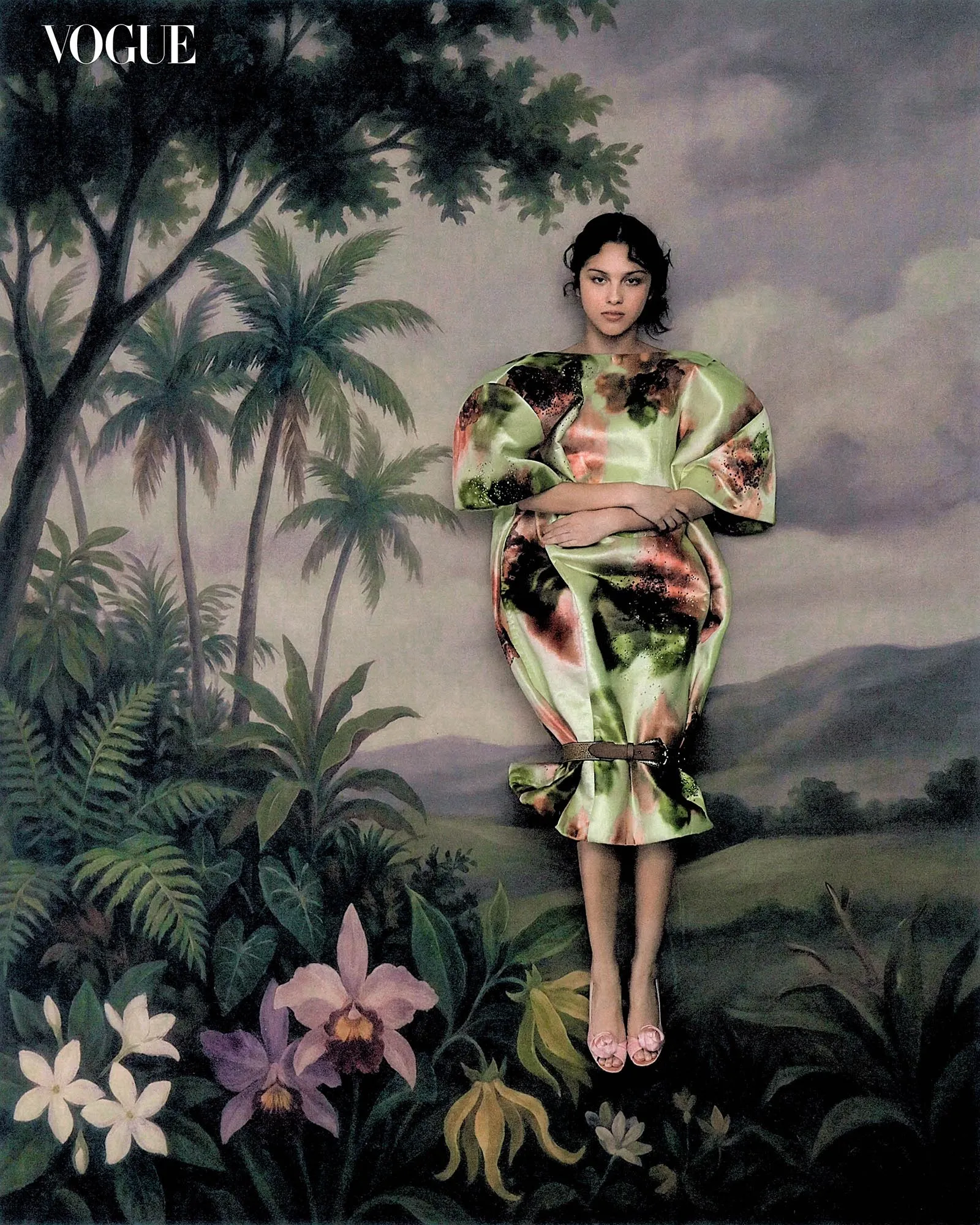
There’s a good chance that Rodrigo has manifested everything she has now, though she doesn’t say this explicitly. It’s not the kind that has to do with luck or coincidence or the aid of some omnipresent Other, but instead the kind that starts with a small seed that grows and grows. She seems to have been born with it, the stuff that would make her. “I think little me would be pretty stoked with the job that I get to do these days,” she prefaces, chuckling a bit.
Rodrigo is the daughter of primary school teacher Jennifer and family therapist Chris, and the granddaughter and great-granddaughter of Filipino immigrants whose roots trace back to Laoag, Ilocos Norte, and San Fernando, province unknown. When Jennifer Rodrigo was pregnant with her, she listened to No Doubt’s Return Of Saturn and the Smashing Pumpkins’ Siamese Dream. She was an only child raised five hours outside of Los Angeles in the suburbs of Murrieta, California, on Filipino cuisine and vegetarian dishes. She was the type to play teacher and doctor with her dolls and, at one point, dreamt hard of becoming an obstetrician; at another point, an Olympic gymnast.
But she had also been writing songs as early as she learned how to write and kept pictures of Courtney Love and Kat Bjelland in minidresses with electric guitars strapped to their chests. She “loved the heck out of” all her CDs (her most cherished one was the first High School Musical OST, the movie of which came out when she was four) and soon enough inherited her parents’ high-voltage taste in music, which ranged from riot grrrl, ’80s metal, and The Cure, to Weezer, Green Day, and the White Stripes.
So it wasn’t surprising when she told the adults that she wanted to become a performer, way before she even knew the totality of what that meant. Not long after she started formally taking voice lessons at five, she’d begin a long stint competing at local talent shows, belting Barbra Streisand and Journey in front of modest crowds because singing “is the funnest thing since everything,” a 10-year-old Rodrigo said. If not for the talent shows, there were the auditions she’d faithfully attend after school. “Olivia had a strong sense of perseverance as a kid,” her mother told Vogue in 2023, “especially when it came to acting. For about every 50 auditions she went on, she might book one small role.”
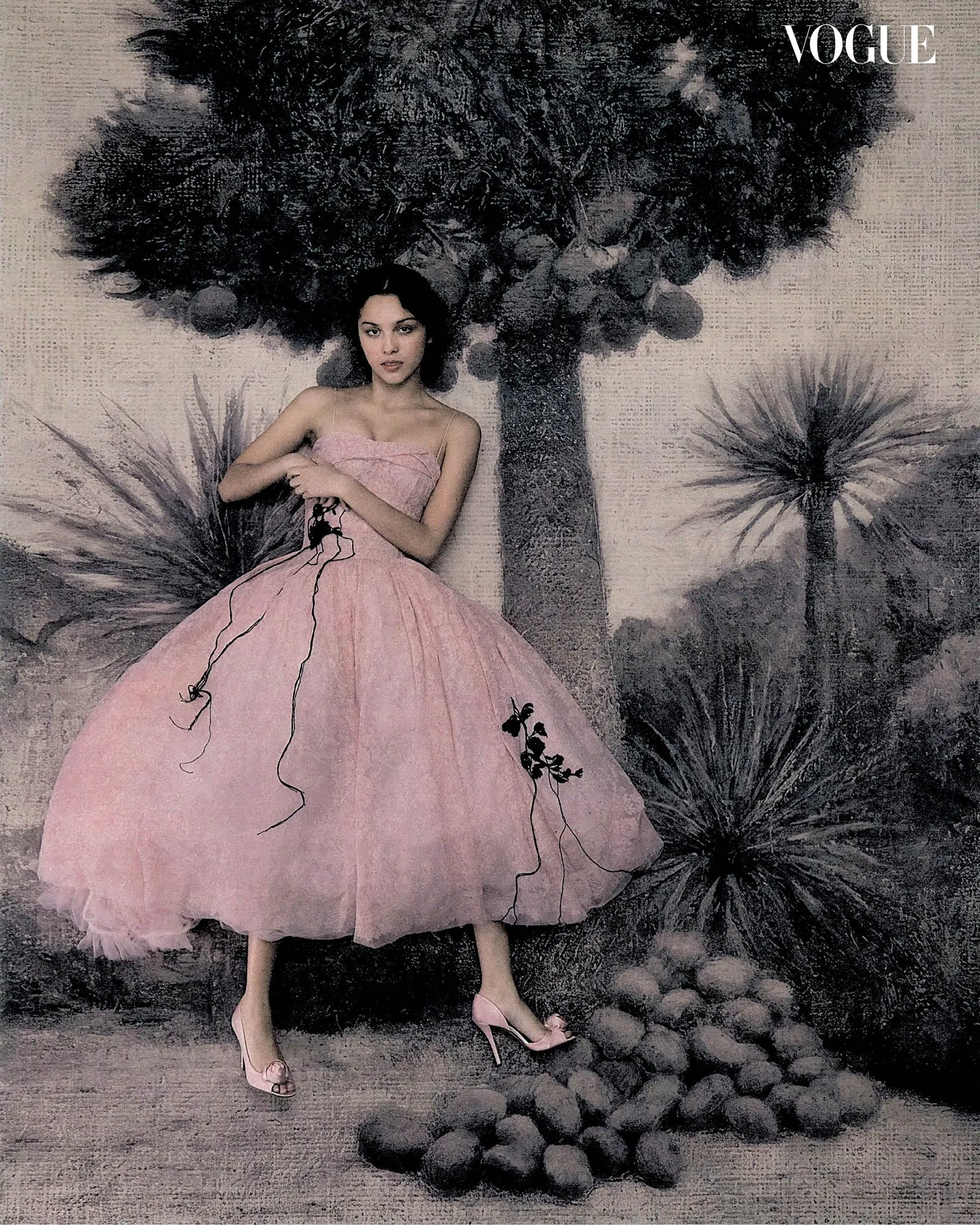
At 12 she’d eventually earn the gig that would enroll her into the Disney machine, the lead on a show called Bizaardvark, which was followed by the lead in High School Musical: The Musical: The Series, which began filming a few months before her 16th birthday. By the time she would graduate at 19, she’d go through a breakup and inadvertently end up with the biggest breakout song of the year in her hands. But we all know that story. Her first two albums Sour and Guts dove into the deep end with her melodic confessionals just as diaristic songwriting had crested in pop, and there she was, shot straight to the stratosphere.
The world remeets Rodrigo renewed after she’s found catharsis in writing the new record, her vision not so much changed as deepened. Love is not always warm and good, she learned; it is also an unraveling. “I was really fascinated with the way that falling in love makes you confront parts of yourself that you normally wouldn’t confront, or that would be too uncomfortable for you to confront,” she explains. “I was in a romantic relationship that sort of made me unravel, and made me see parts of myself that weren’t clear as much before.”
“Falling in love makes you confront parts of yourself that you normally wouldn’t confront.”
As with any one of her songs, much of the album began from words that she found inspiring, or a title she could expand upon. “I just had a bunch of interesting words in my notes app on my phone, and when it’s time to write a song, I’ll pull it up and mine inspiration from there.” A large part of it was happenstance: an illuminating conversation with friends, music, art, film, Miranda and Steve in one particular Sex and the City episode, an encounter on the streets of New York City with a stranger. “There’s inspiration in everything, if you look hard enough.”
Rodrigo notes Simple Passion, writer Annie Ernaux’s visceral, autobiographical account of limerence, as one of the more defining influences for the album’s A-sides like “maggots for brains,” where she calls herself “dirty,” “rotten,” and “a sad shell of a woman,” and “stupid song,” where her voice stretches and strains to the point of manic as her heart is set ablaze by the object of her infatuation. That love could be seen as a disease (in a way, it is; psychologist Dorothy Tennov described limerence as a “condition of cognitive obsession” in her 1979 book Love and Limerence) was almost illuminating.
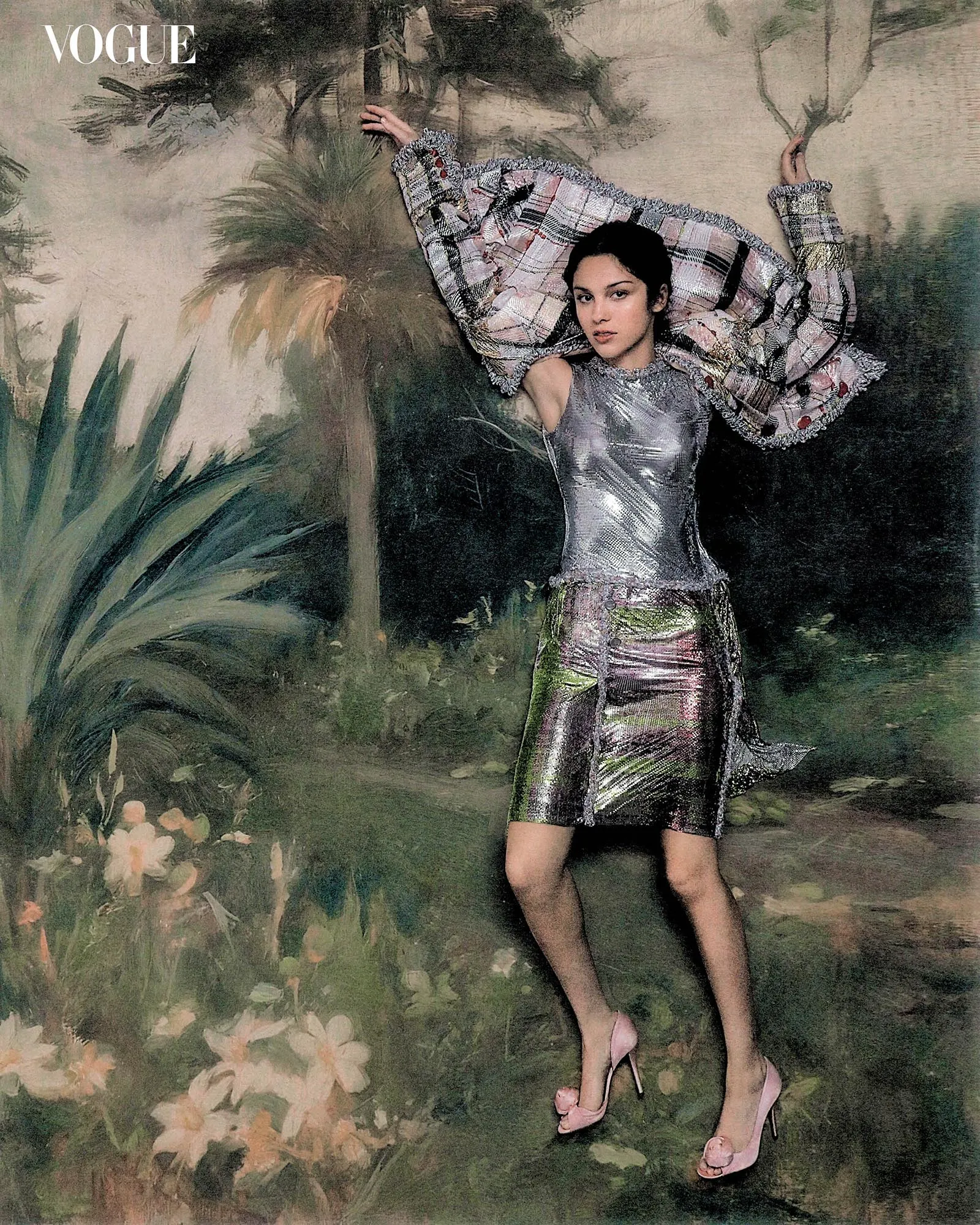
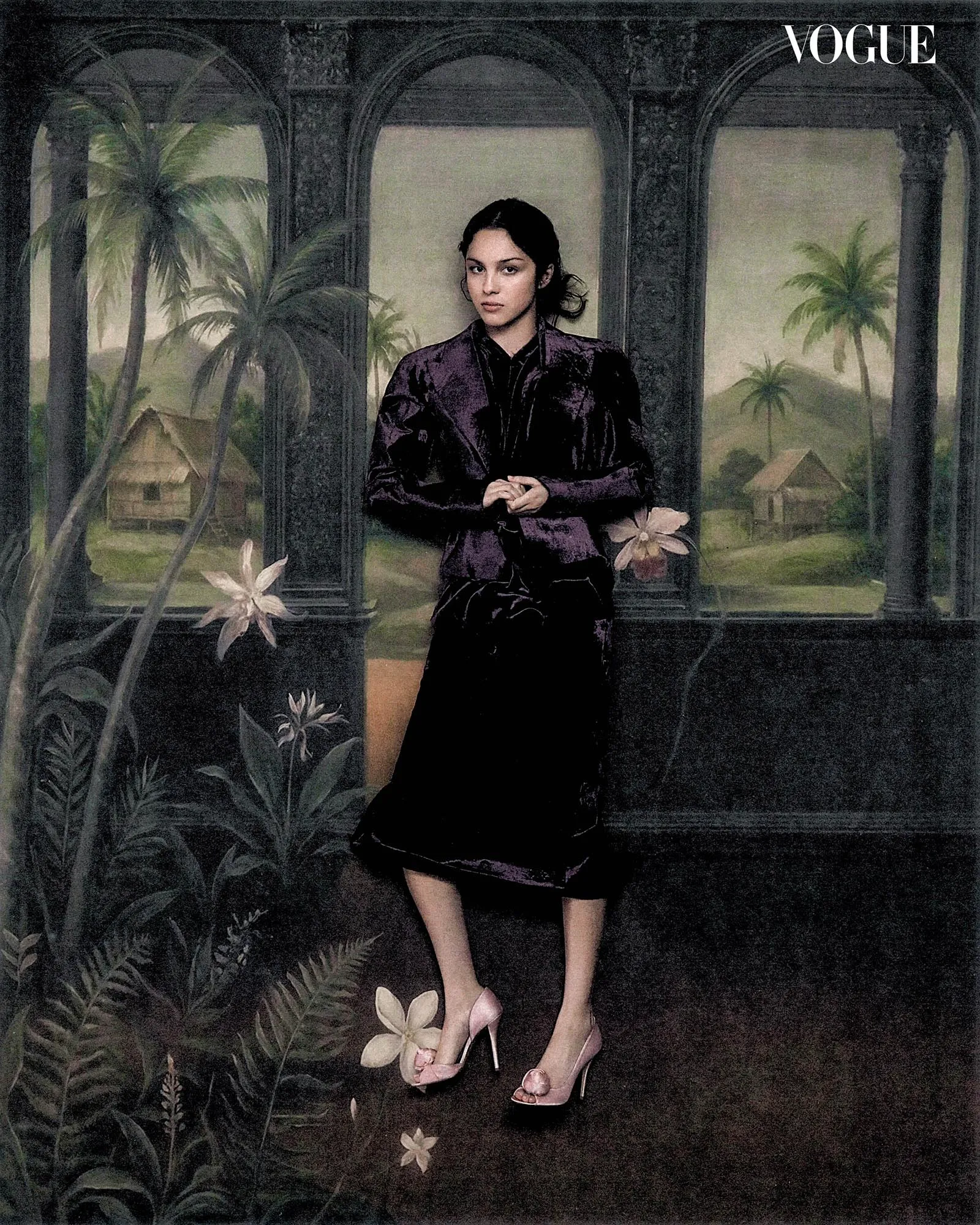
“The double-edged sword of something like limerence,” she reflects, “where it’s obviously so static and so happy but also so nauseating and kind of miserable, I think that was honestly one of the main points that I was trying to touch on in the album. I think that’s why I love the title, you seem pretty sad for a girl so in love, because with something like limerence, there’s always more negative, insane side to the love that you’re feeling.”
It’s the kind of feeling that’s only funny once you’re out of it. Looking back on it now, “it’s a beautiful feeling and one that I’m glad I have felt a few times in my life,” Rodrigo says with a nervous laugh. “But also, yeah, it’s very dizzying…”
Rodrigo also had to grapple with jealousy, codependency, and anxiety on this album, plus other new feelings attached to love that are little displayed. “All of these things that we’re kind of told to push away in our society, I feel like I can really kind of explore in my songwriting,” she says. “I think that that’s one of the many joys of songwriting, is getting to express feelings that aren’t maybe so acceptable to talk about in conversation but they’re acceptable to write a song about.”
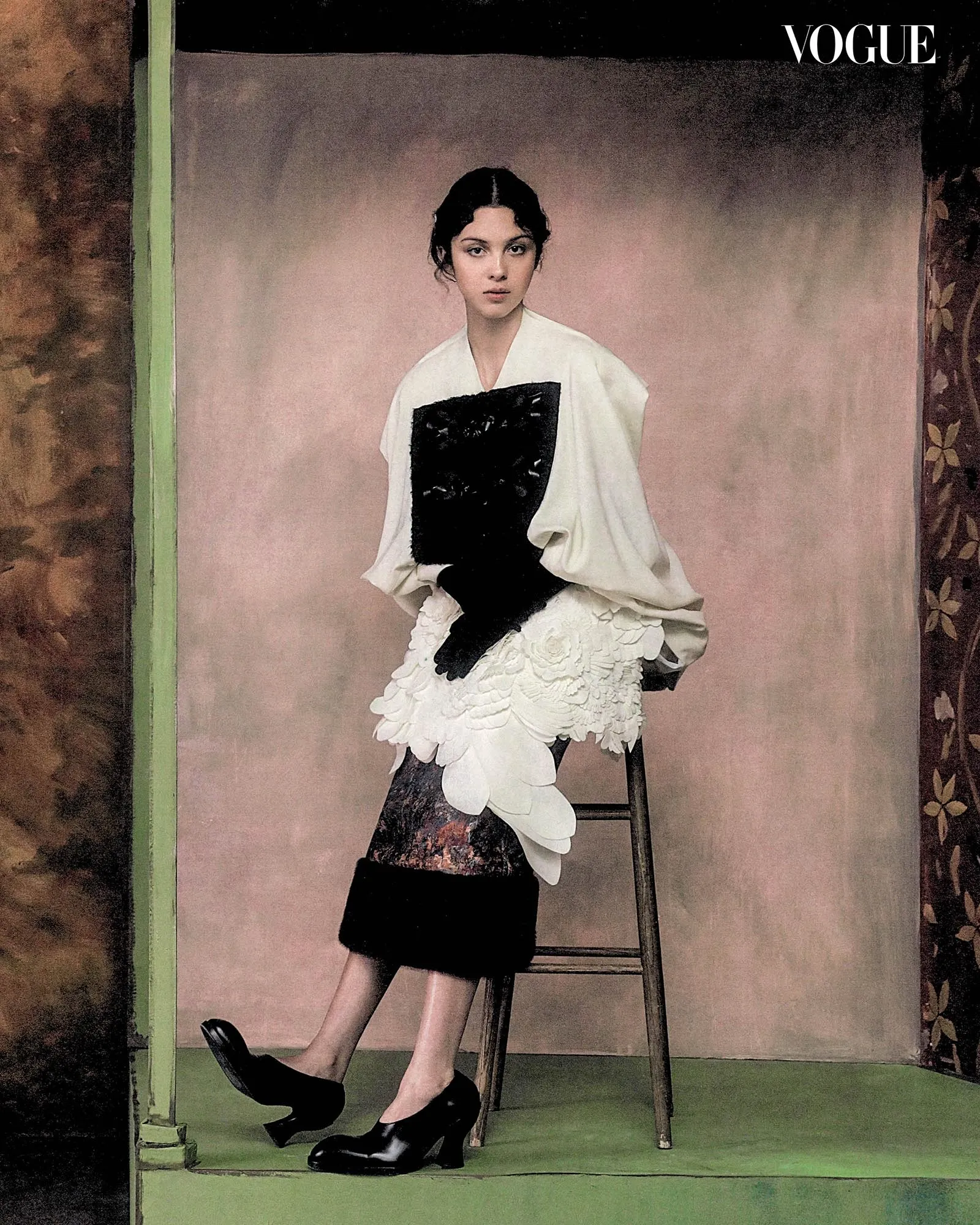
Thankfully, the response she’s seen from fans has been largely positive, and “it’s been a relief!” Rodrigo celebrates. “I think in my line of work, it’s so fun to get to write about your experiences and your own feelings, but you never really know if they’re gonna resonate with other people. It’s always just such a treat just to see that it does, and to see people insert their own lives and their own stories into my story.”
On the cusp of presenting Daisy Chain Fields to the world at the Great Park in Irvine, Rodrigo’s aiming for the same kind of emotional communion that her music allows, but this time on a grander scale, and with tangible impact. “I’ve been working on it now for so long,” Rodrigo starts, “and I’ve had the idea for so long, and it’s just the intersection of all the things that I love. You know, it’s music and art and community.”
For the uninitiated, Daisy Chain Fields is the festival she’s curated featuring women performers and women-fronted bands, including Bikini Kill, Doechii, the Breeders, Quiet Light, Mitski, Chappell Roan, herself, and more, along with special guests Sarah McLachlan, Alanis Morissette, and Stevie Nicks. She hopes that it “amplifies women who are doing great things in the world, achieving their goals and their creative dreams.” She adds, “I just hope that young girls can look at that from the audience, and maybe that inspires them to pursue their dreams or speak up even more.”
“Joy and community can be really, really powerful tools against oppression.”
When Rodrigo says she’s been working on the idea behind Daisy Chain for a long time, she means it. Technically, the first spark of inspiration happened when she was seven, when she learned about Lilith Fair for the first time through its 2010 revival. Co-founded by McLachlan in the late ’90s, the women-led festival for a cause was also a movement, combatting sexist industry beliefs that women couldn’t headline a festival or be played back-to-back on the radio. “I remember learning about it and just thinking it was the coolest thing ever, and being so upset that I wasn’t able to attend. I think I was like, way too young, but it was just all of my favorite artists, for such a great cause.”
“I always kind of hoped that someone would recreate Lilith Fair with all of the most incredible women artists of today,” Rodrigo recalls animatedly. “And at a certain point, I think I was just sort of like, ‘Well, if anyone can do it, I can probably do it.’ You know, like what’s stopping me from creating something like that? It was a really scary thing to even admit to myself I wanted to do it.”
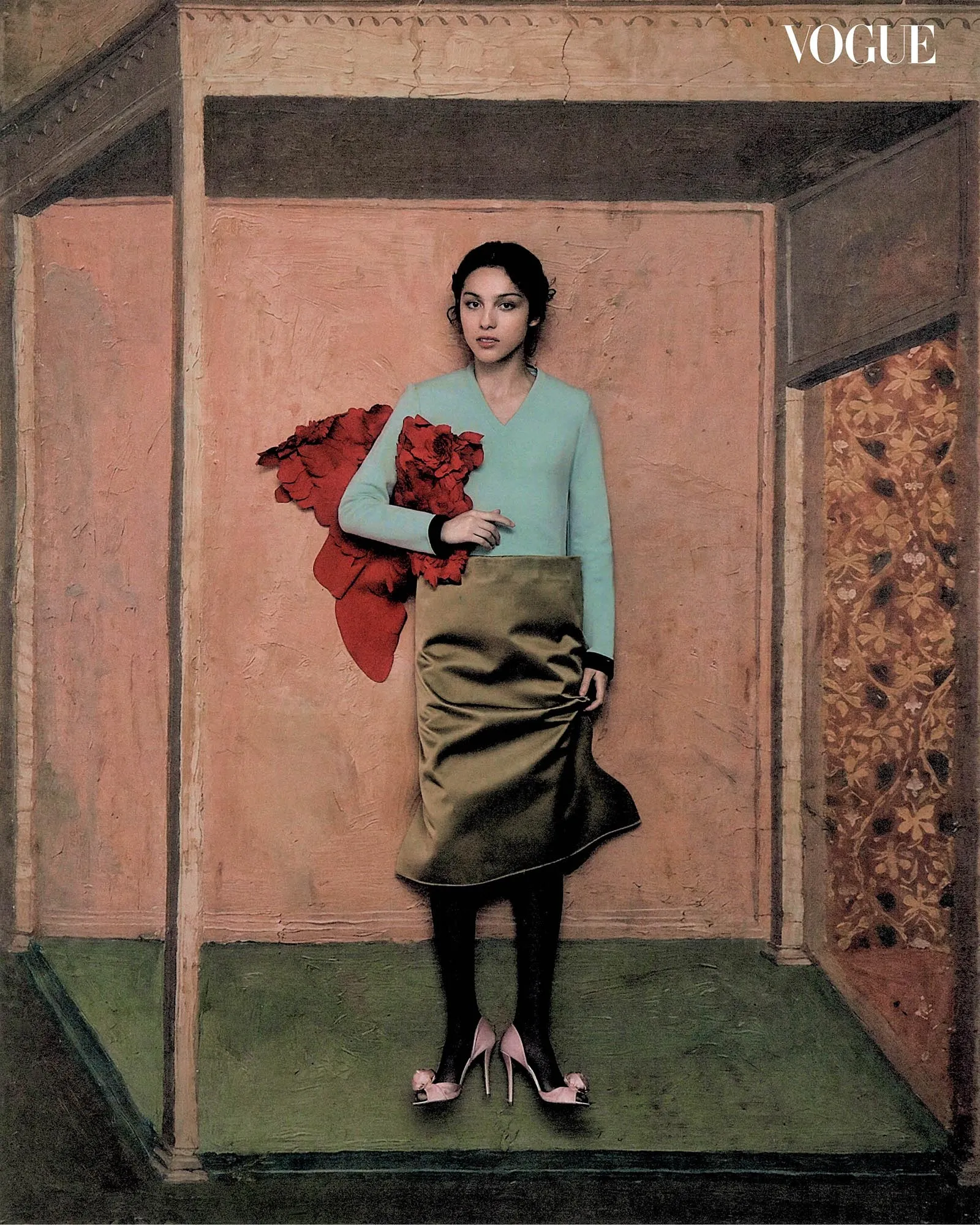
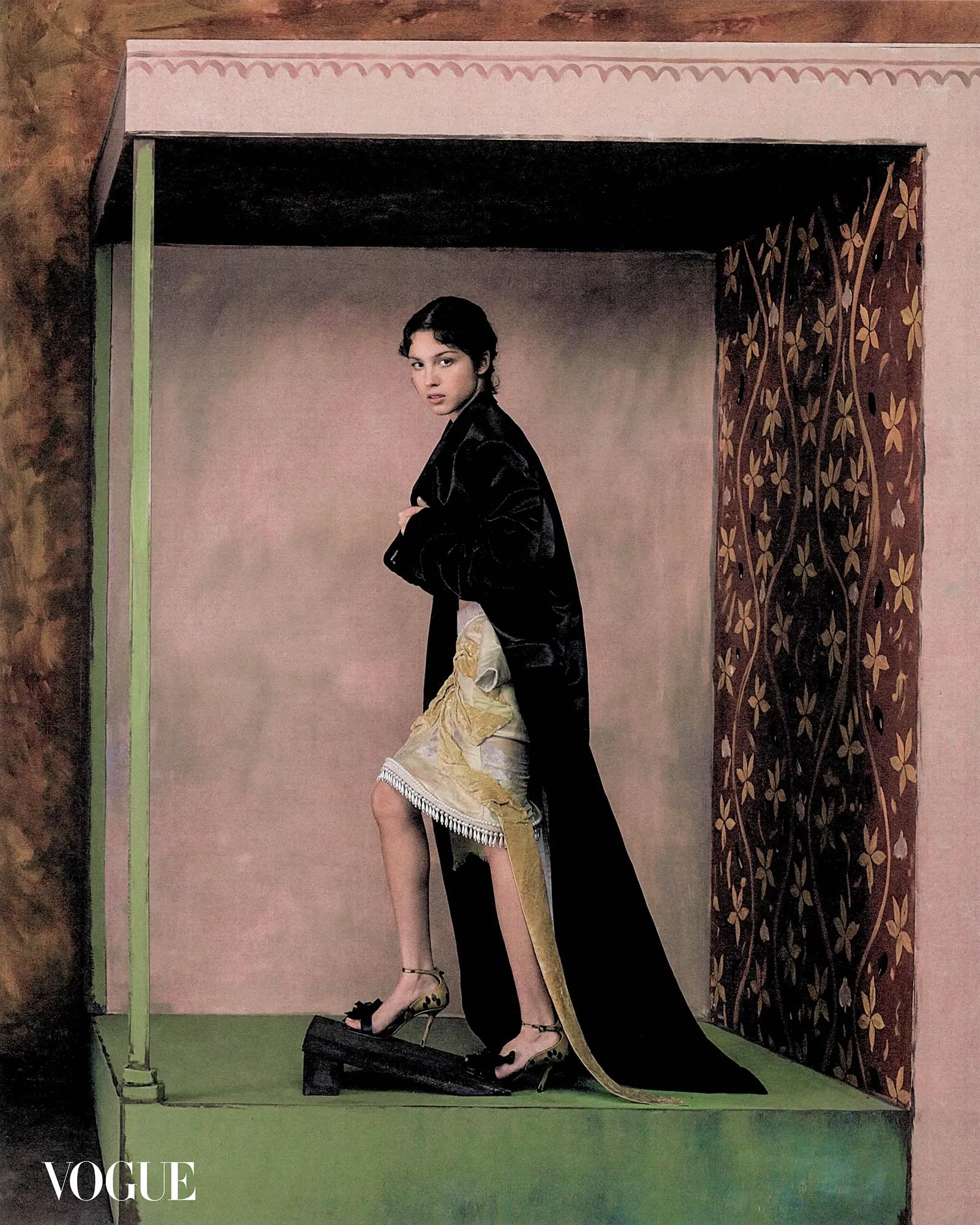
One inspired day, she assembled a giant whiteboard in her bedroom and began writing down her ideas, from the artists she wanted to be part of it to the thesis of what she hoped it could represent. She studied the Summer of Love flower children at Monterey Pop and old riot grrrl zines from the ’90s, and landed on an aesthetic that felt like an even mix of both. “It’s been really fun to get to stretch a new muscle,” she says. “I’ve been writing music and making music for so long. Being able to curate a festival is a totally different skill… And I’m learning a lot. It’s been a real joy.”
When she finally made the move to start making it happen, the first person she called was McLachlan, who she says couldn’t have been more “wonderful and supportive.” And when she personally called the other artists on her lineup, she was “pleasantly surprised” at how eager they were to be a part of it, she says excitedly. “Nobody once was like, ‘Oh, like, do I have to do it for free?’ Or, ‘Oh, my gosh, it’s going to be too hard on my schedule,’ or like, ‘Oh, I’m going to like have to fly in from another place.’ It gave me a lot of hope… It makes me feel really proud to be a part of this generation of women.”
“And yeah, I’m going to be rocking out, and I probably will have no voice by the time my set comes because I’ll have been singing so hard to everyone else’s songs,” she jokes, chuckling. “But that’s okay. Such is life.”
Net proceeds from the festival are set to go toward Rodrigo’s Daisy Chain Fields Fund, which supports non-profit organizations dedicated to advancing and advocating for women and girls, including Black Mamas Matter Alliance, Johns Hopkins Center for Indigenous Health, National Domestic Workers Alliance, Jhpiego, Planned Parenthood, and more.
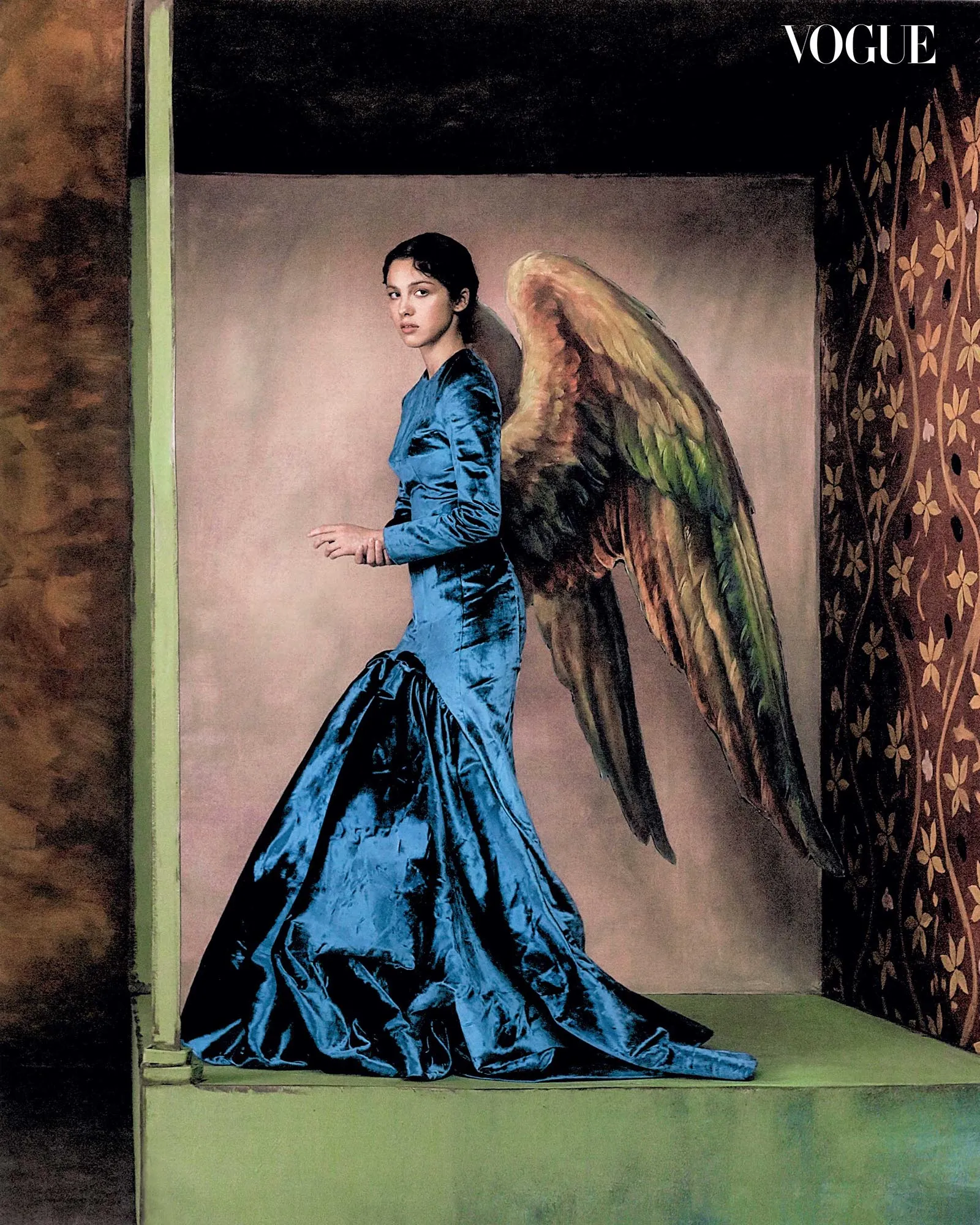
Jhpiego, in particular, was her chosen beneficiary for her 2024 Silver Star Show in Bulacan, where tickets were priced at a flat rate of PHP 1,500, and 100 percent of the proceeds went to the organization’s free healthcare services for women and girls. I tell her about a comment one of her Filipino fans left on YouTube a few months ago, saying that attending the show “indirectly saved” their family’s life. Their aunt had learned about Jhpiego then, and was able to receive a free cervical cancer screening early enough to catch it in its beginning stages. “Oh my god, that’s so moving. It almost brings me to tears,” she says, her voice softening. “I just feel so lucky that I get to have a platform to be able to share stuff like that, and the fact that it actually does help people and changes something is just a dream come true.”
Between our conversation, she adds that the Philippine Arena is still “maybe one of my favorite shows I’ve ever played. It was just such a beautiful outpouring of love… And even just walking around the city was incredible,” she recalls. “I’ll never forget everyone that I met’s hospitality. It was just a really beautiful trip. I can’t wait to come back.”
For Daisy Chain, she is only motivated by the thought that girls in the crowd, or girls watching online, might learn about their rights and their bodies, the resources available to them, and that their voices matter. “I just hope that it really goes to show how strong we all are when we come together and celebrate one another and work towards a common goal,” she says, reflective now. “Joy and community can be really, really powerful tools against oppression.”
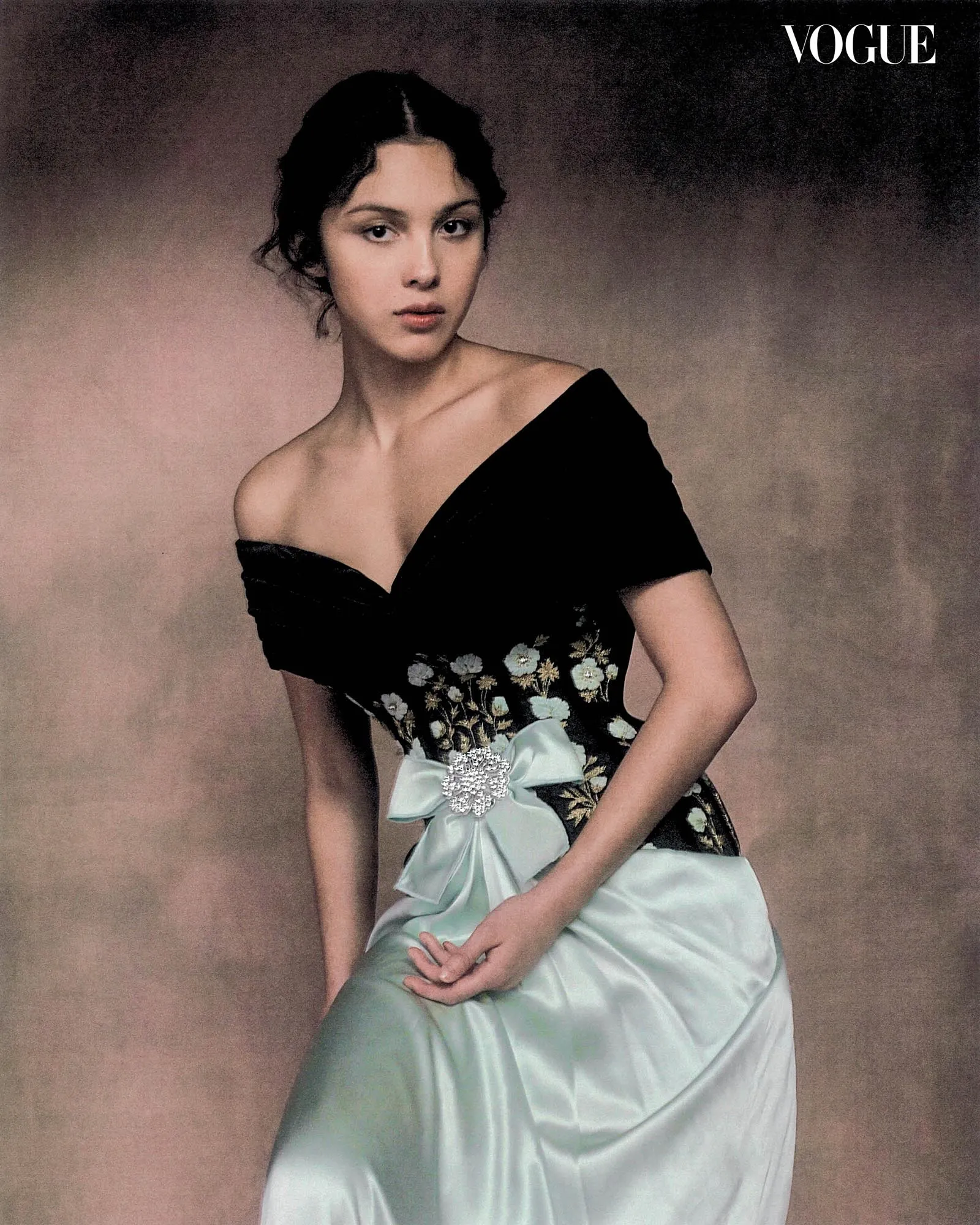
As Rodrigo gets older, she finds that “things that are really important make themselves much more apparent,” things like her time, her energy, and, above all, her privacy. There is a part of her that’s accepted that the nature of her job might invite public probing, with fans dissecting every lyric and inflection for clues about who any given song or album is about. But as her focus remains steadfast on her craft, who it’s about then becomes beside the point.
“And you know,” Rodrigo adds, “I think also protecting your creativity is important. I think there’s certain environments, or, you know, people that drain your creativity. I’ve been very conscious of wanting to protect that inner well of inspiration. That sounds so cheesy,” she backtracks a little, in spite of herself, “but it’s true.”
These days, she tries to live as quietly as she can, diving into art that excites her. She just decided she’s done with the whole social thing and has declared that this year will be all about going inward, at least for now. “I think it’s just good to remind myself to take it slow, and have things that are just for me.”
“Every artist and every painter and every poet has been trying to capture what it feels like to be in love, and I think nobody can quite do it perfectly, which is why we keep trying.”
A week after our phone call, she’s no longer in Austin but back again in New York City (before that, in Chicago, duetting “Thirty-Three” with the Smashing Pumpkins in front of roughly a hundred thousand people at Lollapalooza), for a surprise one-night-only show at the Warsaw in Brooklyn, her first true live performance of you seem pretty sad. No phones were banned this time. Tickets were USD 25 at the door that morning, but the only indication a show was happening was the flyers posted along the Greenpoint venue. Fans who’d learned about it by word of mouth lined up early, and the show sold out by noon.
That night, when she appears onstage beneath deep-blue house lights, Rodrigo is decidedly giddy in a Peter Pan-collared peachy-pink minidress, fishnet tights, and knee-high boots, the vision of her childhood heroes. “I’m so happy to see all of you. Thank you so much for coming! Thank you for waiting in line in the heat…” she addresses the crowd in her singsongy voice, grinning, and her fans are as decidedly giddy as she is because they are sharing in this moment, too. “This is such a special show.” Bright-eyed as she looks out into the audience, she looks about ready to let the songs she’s held close to her chest take on a new life of their own, with them now. To quote Ernaux, as an offering of a sort.
“I was making the record for so long, you know,” she huffed, in the middle of our conversation a week ago, “and I think when you release an album, it’s also just personally a closing of a chapter and the beginning of a new one. So it’s been nice to let all that stuff go, and look to the future.”
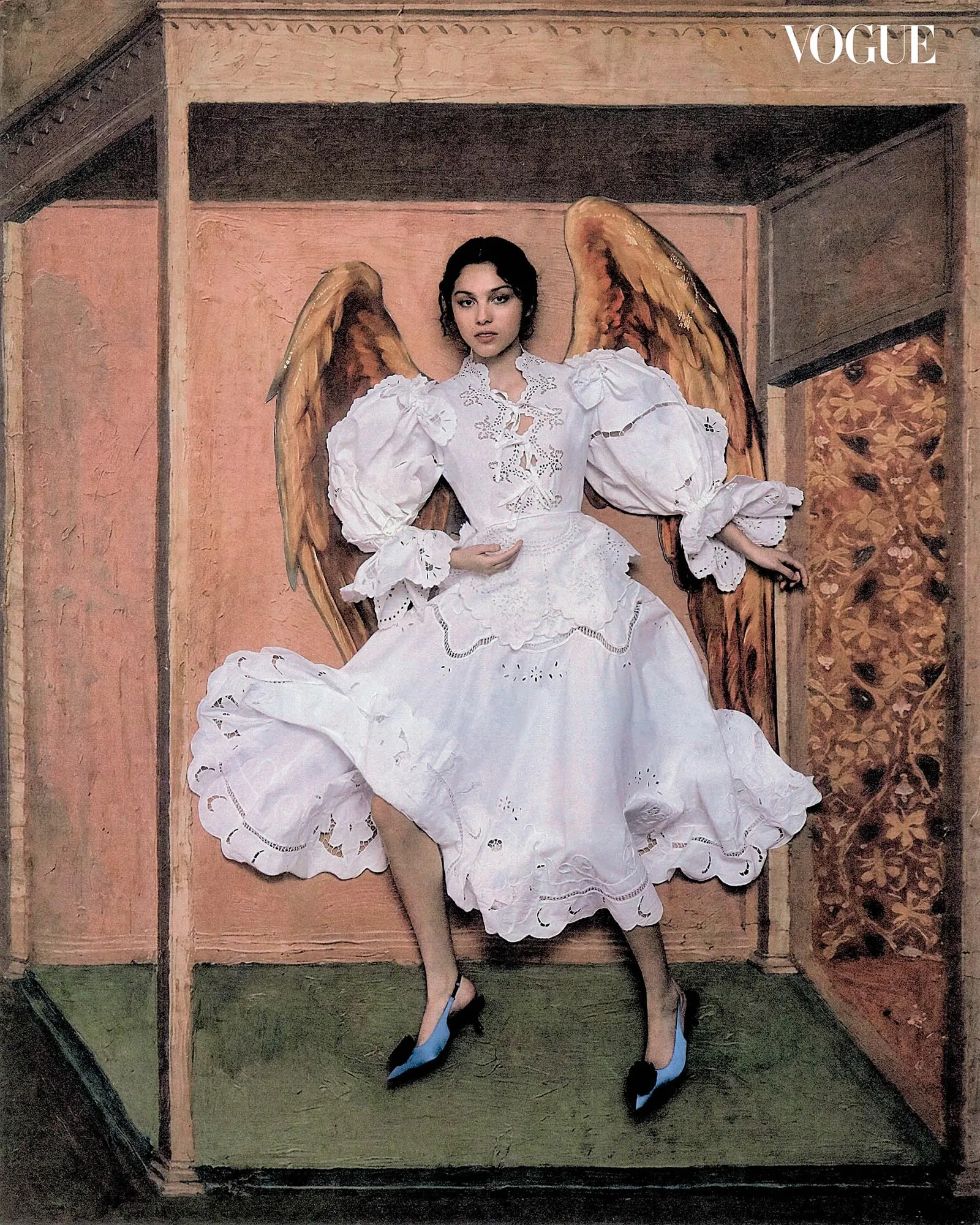
By the time you read this, Rodrigo will be gearing to kick off the first dates of her second world tour in September (“Oh my gosh. I have to get in shape,” she sighed. She’s already been hitting the gym. “Touring is just like, it’s such a cardiovascular feat”). On what her next chapter holds, we’re not really sure, as no one really is, just that nothing else at the moment is bringing her more contentment than a few simple pleasures: listening to music she loves, being around friends that she loves, and sleeping for a full nine and a half hours, “which is my ideal, honestly,” she says, laughing.
She’ll keep writing as she has her whole life, trying her best to articulate the deep-seated feelings she’ll eventually come to learn, feelings that we’ve maybe already learned or will learn alongside her. “I think we’ve been trying to [write about love] for, like, centuries,” she said. “Every artist and every painter and every poet has been trying to capture what it feels like to be in love, and I think nobody can quite do it perfectly, which is why we keep trying.”
“I think that I’ll be writing about love, searching for it and having it and losing it, until I’m much older,” she says definitively. Rodrigo isn’t done pulling on heartstrings. She won’t be, not for a long time. “There’s always something new to say.”
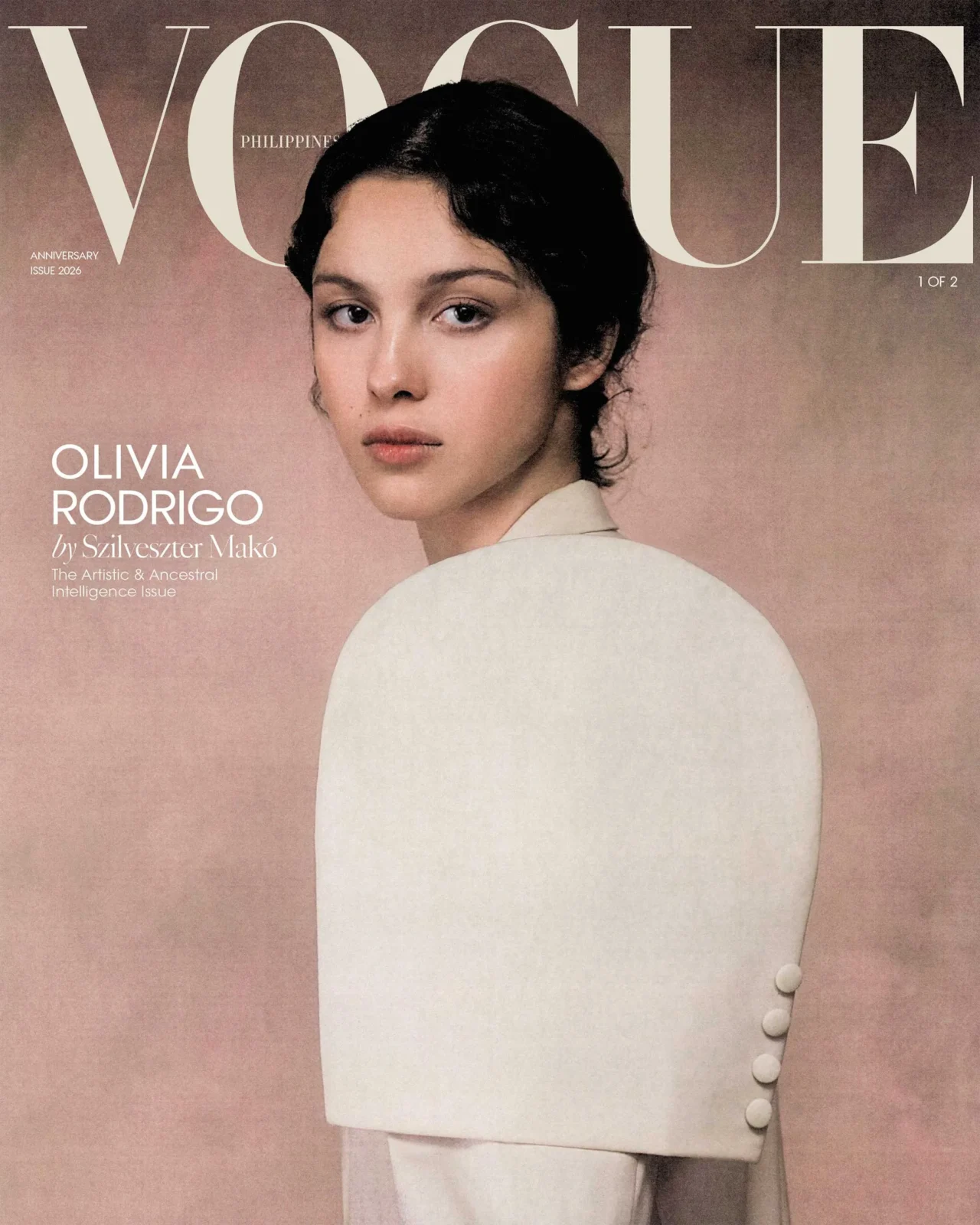
By CHELSEA SARABIA. Photographs and Art Direction by SZILVESZTER MAKÓ. Styling by LISA JARVIS. Deputy Editor PAM QUIÑONES. Casting director: Jill Demling. Art Director: Jann Pascua. Executive Producer: Anz Hizon. Beauty Editor: Joyce Oreña. Hair: Owen Gould. Makeup: Raoul Alejandre. Manicure Artist: Mo Qin. Set Designer: Nicholas des Jardins. Production Director: Siyan Chen. Production by Dirty Pretty Productions. DPP Team: Mateen Mortazavi (executive producer), Felipe Torres Urso (head of production), RT Novak & Cristobal Abugaber (coordinators), Ryan Gus & Katelyn Kucharski (assistants). EditorialEditorialA fashion or beauty story conceived, styled, and photographed for a magazine or website, built around a theme rather than a single product. Editorials let photographers, stylists, hair and makeupGo to Editorial Glossary Assistant: Mavi Sulangi. Contributing Editorial Assistant: Sandro Lorenzo. Photographer’s 1st Assistant & Digitech: YC Dong. Photography Assistants: Jeremiah Cumberbatch, Gerrod Phillip. Photo Line Producer: Isabella Gao. Styling Assistants: Annina Luomahaara, Naiara Gomez. Tailor: Victoria Howe. Fashion Team: David Milan, Neil de Guzman, Ticia Almazan. Art Department: Emily Kreusch, Laura Hughes, Andie Rapavy.
Shot on location at Neighbors BK Studios.