
Arnis Carries a History of Filipino Movement, Survival, and Identity


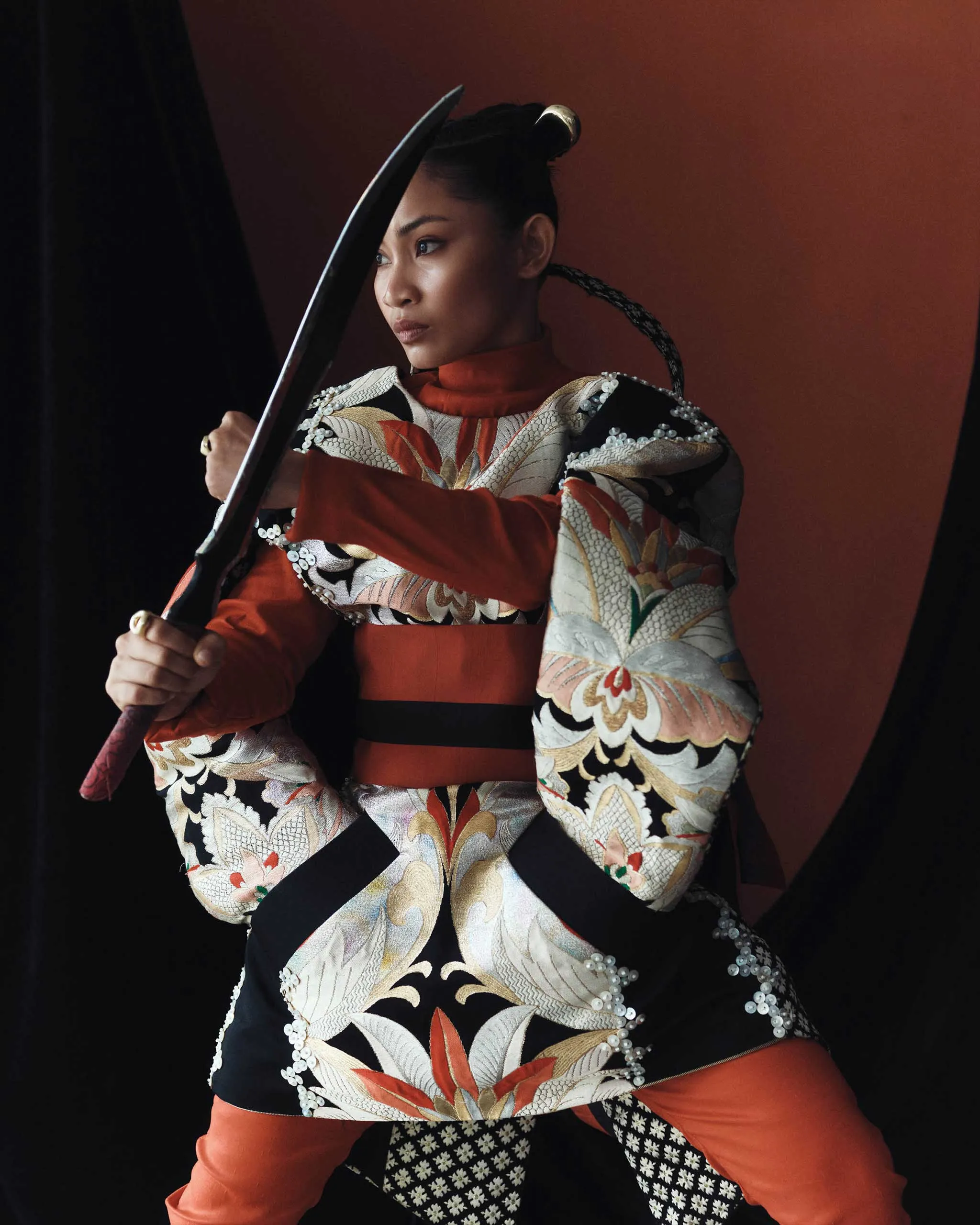
Trixie Lofranco wears a full JAGGY GLARINO look, and GOLDEN MONSTERA rings and hair pin. Photographed by Artu Nepomuceno for the September/October 2026 Issue of Vogue Philippines
Grace and grit make up the Philippines’ national martial art.
The studio is alive in a flurry of movement. From the glam chair, one athlete instinctively calls to another to dress her hair in tight warrior braids, the way she usually wears them for competition. Another steps out of the dressing area fully made up and is met with a chorus of cheers and hollers and camera flashes. The reaction repeats with each new look, the room buoyed by the kind of closeness forged through years together in training gear and sweats as opposed to any kind of glam. Meanwhile, on set, rhythmic instrumentals play as a third of the group falls into formation, sticks in hand, moving through strikes, turns, and blocks in exact unison.
They are 15 of the women who make up the Philippine National Arnis Team. Coming from across the country, from Cebu to Nueva Ecija to Sultan Kudarat, each athlete is a medalist in their respective specializations in both local and international competitions alike. Most recently, the team garnered a total of 24 medals in the World Eskrima Kali Arnis Federation (WEKAF) World Championships held in New Delhi, India, and secured additional wins in the National Battle of the Champions.
Arnis, declared under Republic Act No. 9850 as the Philippine National Martial Art and Sport in 2009, is defined as an indigenous Filipino martial art practiced under various names across the country, including eskrima and kali. It is characterized by swinging and twirling movements combined with striking, thrusting, and parrying techniques for both offense and defense. While it is most commonly associated with one or two sticks, the law also recognizes the use of similar weapons as well as bare hands and feet for striking, blocking, locking, and grappling.
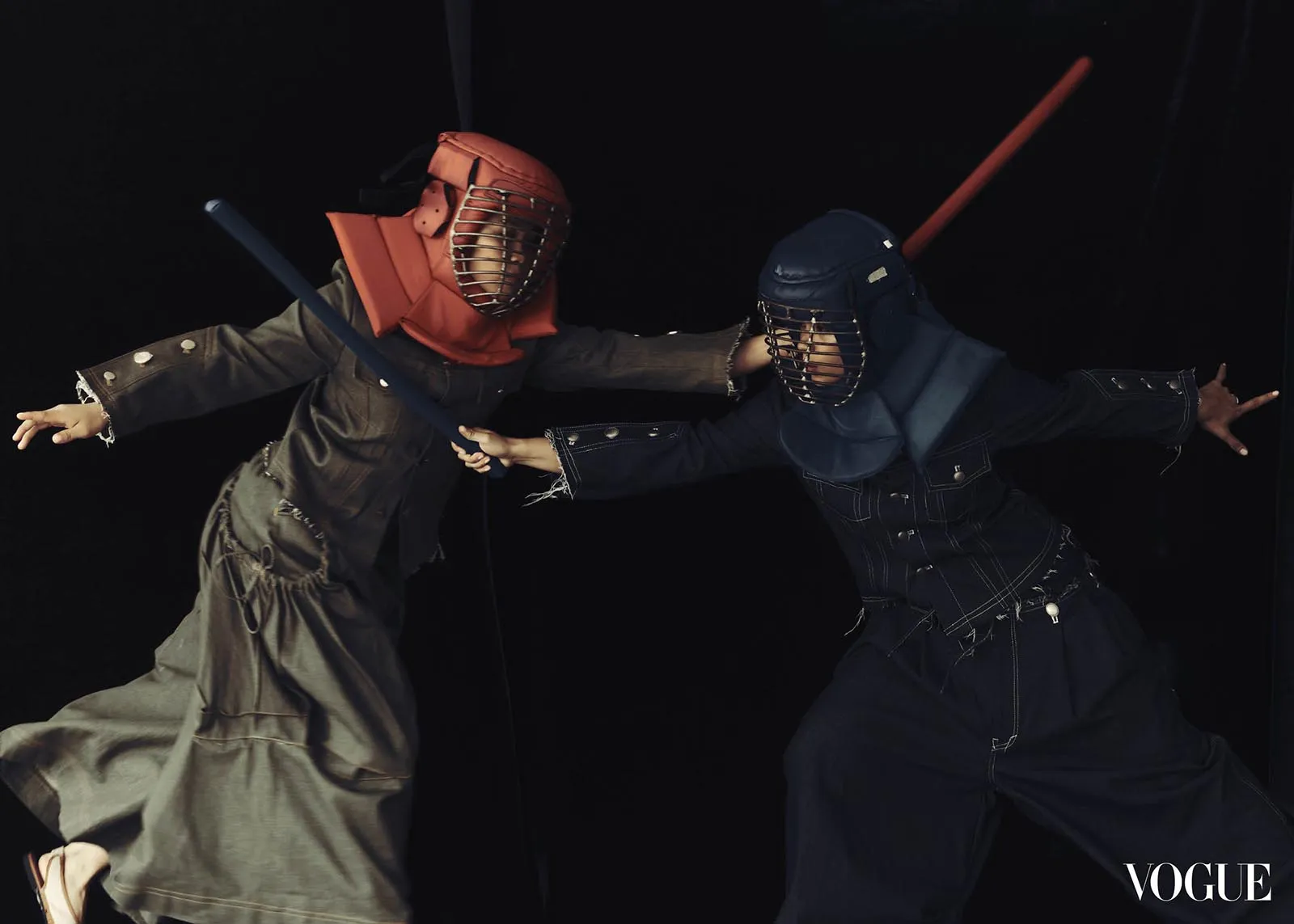
The term “arnis” is believed to be a Tagalog derivation of the Spanish word arnés, meaning “harness,” an alleged reference to the decorative armor worn by early Filipinos. According to grandmaster Rene Tongson, arnis is an indigenous, weapon-oriented Filipino martial art that grew through different communities across Luzon, Visayas, and Mindanao. Rather than one uniform system, it encompasses numerous regional traditions that have branched and evolved over generations and through periods of colonization. According to Tongson, the martial traditions now gathered under the name arnis were historically used for protection and combat even in pre-colonial times.
The exact origins of arnis, however, are difficult to trace due to both limited written documentation and centuries of reinterpretation, as noted in Mark V. Wiley’s Arnis: Reflections on the History and Development of the Filipino Martial Arts. Nonetheless, Wiley emphasizes that arnis is very much a product of the Filipino cultural experience. And that the art itself is continually evolving. The result today, Tongson explains, is an art with hundreds of variations. There is no single way to perform arnis. Styles differ in footwork, preferred ranges, weapons, sequences, and philosophies.
Coach Fritzie Umali, who first began competing in arnis in 1994, similarly describes the martial art as one with countless branches. Different grandmasters and organizations, she explains, developed their own styles and systems, sometimes altering movements according to what they found more effective. Yet the fundamentals continue to connect them. Arnis is often reduced in the popular imagination to two people wielding sticks, she notes, but “pag wala nang sticks, wala nang arnis” is a misconception. Empty-hand systems exist within the discipline as well.
Tongson says that modern arnis is a hybrid, and points to movements resembling Japanese arts such as aikido and judo, including locks and throws incorporated into the system. He himself has trained in both traditions and today holds the rank of grandmaster in modern arnis while continuing to teach a classical system. Having spent nearly 60 years learning, practicing, and teaching the art of arnis, the grandmaster, who also serves as chairman of the board of the International Modern Arnis Federation-Philippines (IMAFP) and oversees the national team, says he first started in martial arts with karate and kendo, but “Pilipino kasi ako eh. I wanted to focus more on arnis because I’m Filipino.”
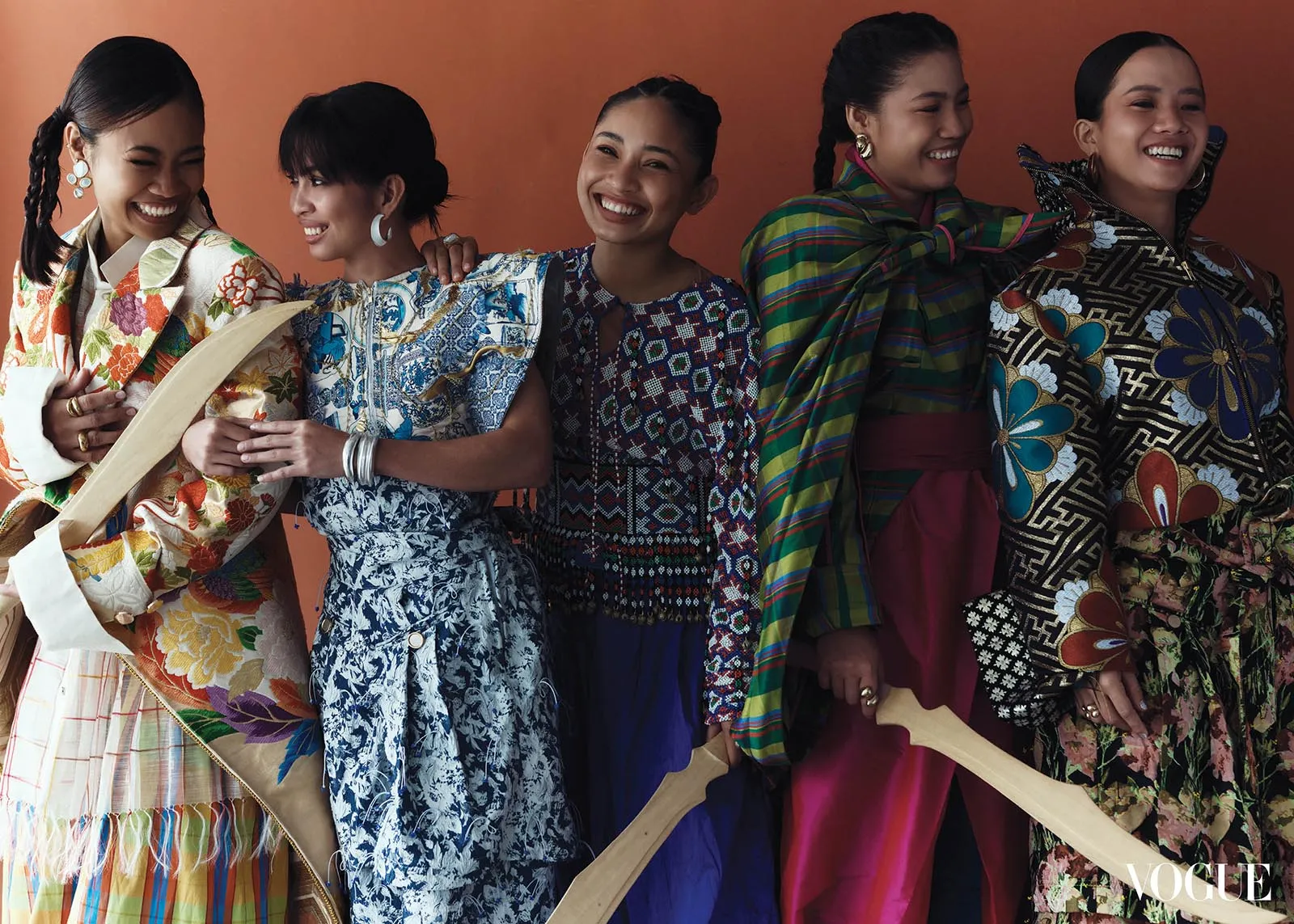
He was introduced to the Filipino martial arts in the summer of 1967 or 1968. At the age of 9, he took his first lesson using sugar canes instead of the traditional rattan sticks, then-scarce, in Hinigaran, Negros Occidental, the hometown of grandmaster and professor Remy Armador Presas, who is widely regarded as the founder of Modern Arnis. With the help of various grandmasters, he refined his classical techniques and mastered Filipino weaponry, and in 1988, he eventually went on to be among the first to draft and author “the original version of the Philippine National Standard for the conduct and practice of arnis in competitive sport,” which include standard rules that are still used today in arnis tournaments worldwide.
Tongson has since spent his time dedicated to the sport, and in the last 25 years has been traveling to share and teach the national sport across countries in Europe, USA, and all over Asia, sometimes accommodating up to 150 students in one class. There is a global interest and demand for arnis, he says, primarily because of its versatility as a martial art. Its influence has even reached Hollywood: director Denis Villeneuve has said that the fighting style in Dune, specifically in a sparring scene between Gurney Halleck (Josh Brolin) and Paul Atreides (Timothée Chalamet), drew from Balintawak Eskrima, which is a style of arnis developed by Grandmaster Venancio “Anciong” Bacon in Cebu that involves using both a weapon and the free hand to block an opponent’s attack. “I’m telling this now not to brag, but to tell people that there is enough room and enough space for Filipino martial arts to be promoted more worldwide,” he says. “It’s ours.”
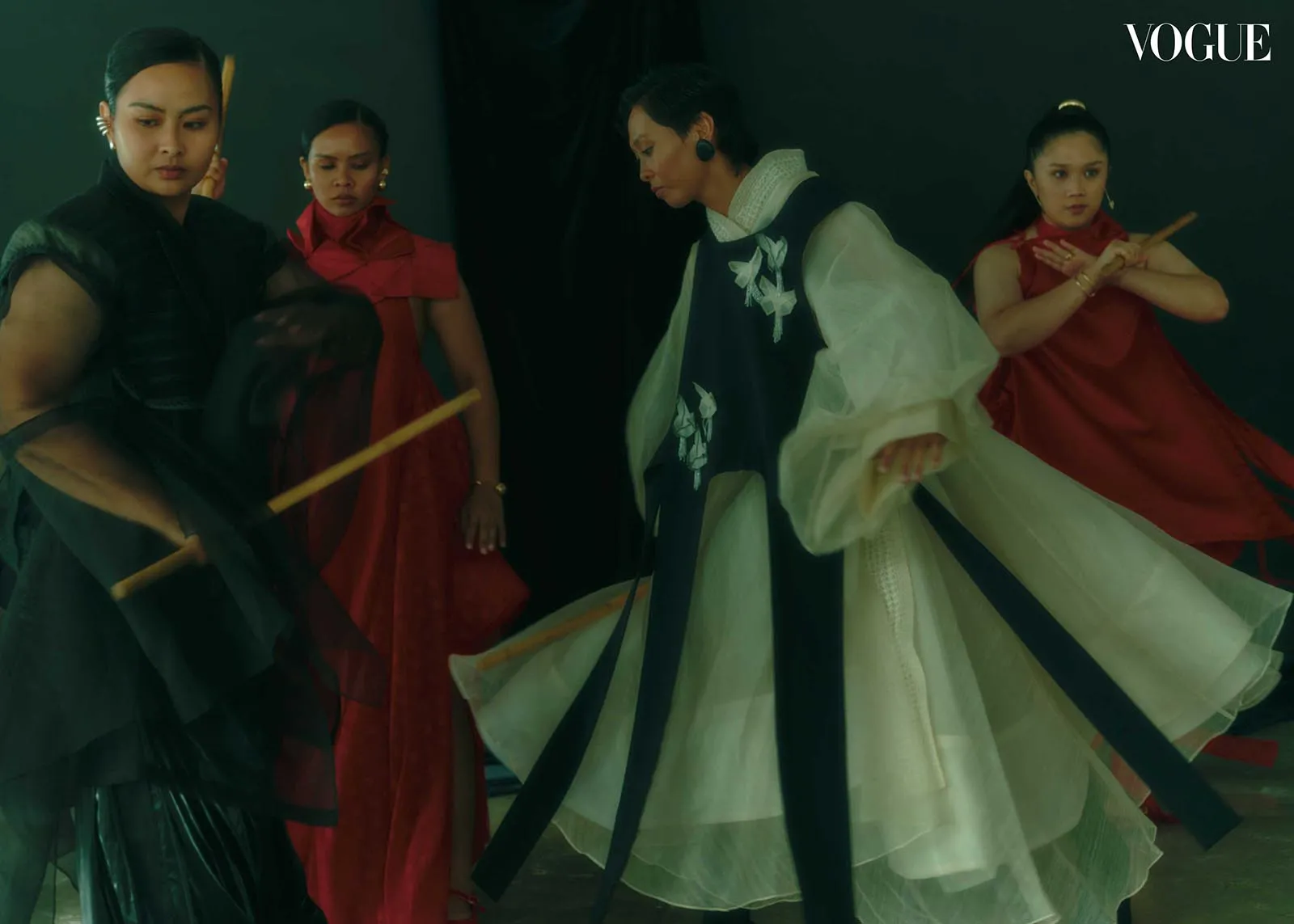
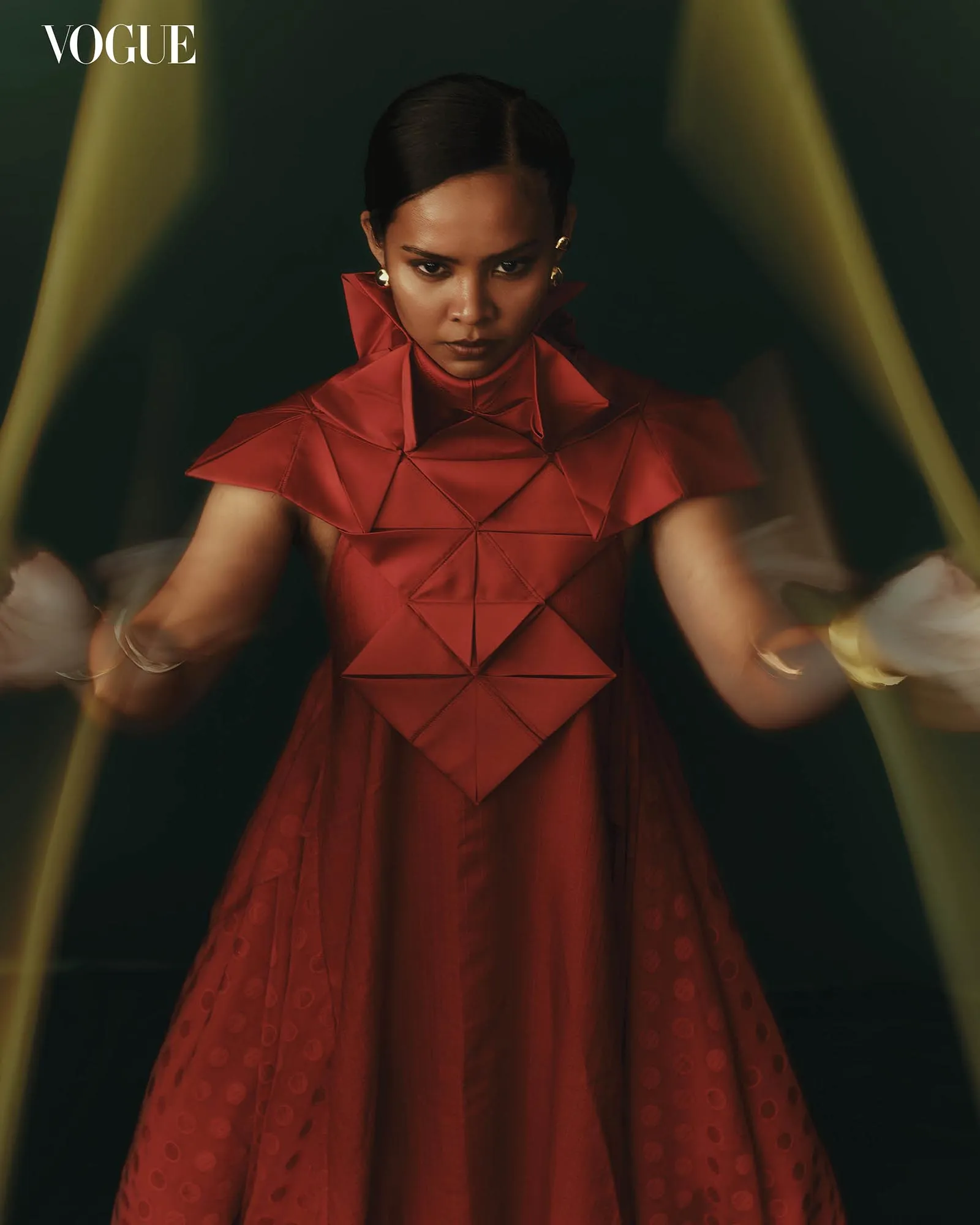
The evolution of the art also produced one of its most visually arresting forms: anyo. In practice, it is a sequence of movements that demonstrates combinations of strikes, blocks, footwork, and weapon techniques. But performed continuously, technique gives way to something more fluid.
Now nearing 70, grandmaster Tongson says arnis has become an advocacy, an effort to encourage others to learn what he has spent much of his life practicing and teaching. But it has also become a means to wellnessWellnessA holistic approach to wellbeing that includes physical health, mental balance, sleep, nutrition, movement, and self-care. In beauty and lifestyle, wellness has expanded from spa treatments to therapy, mindfulness, andGo to Wellness Glossary, connecting him to himself and to the Filipino ancestors who practiced it before him. “Makikita mo yung beauty and art ng movement nila. They flow like water,” explains Tongson. “When I do anyo, walang music, pero may music sa mind ko. I really feel good, and it feels like my soul is levitating.”
Trixie Lofranco, a 22-year-old Cebuana member of the Philippine national arnis team and anyo practitioner puts it more simply: “Anyo is a dance.”
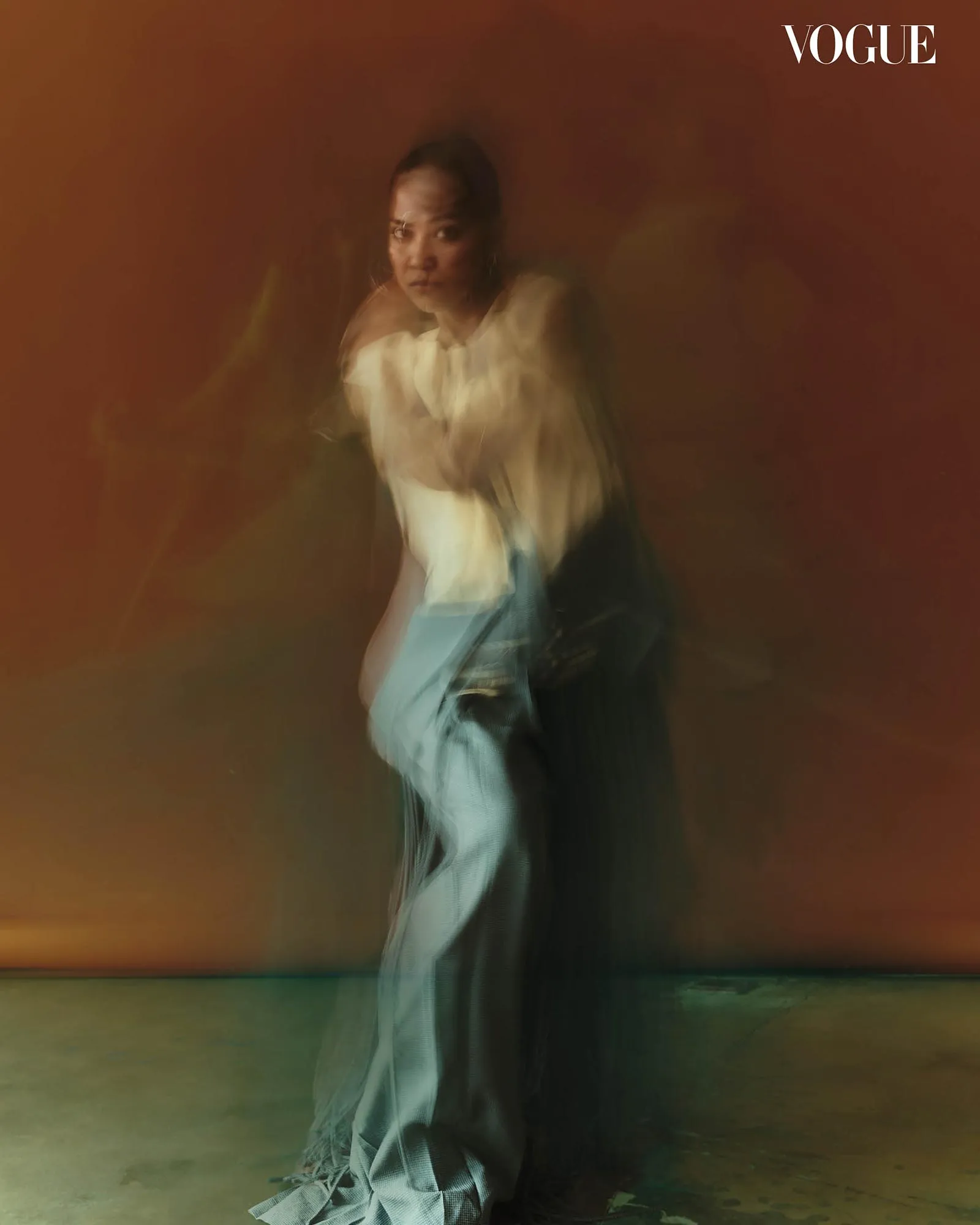
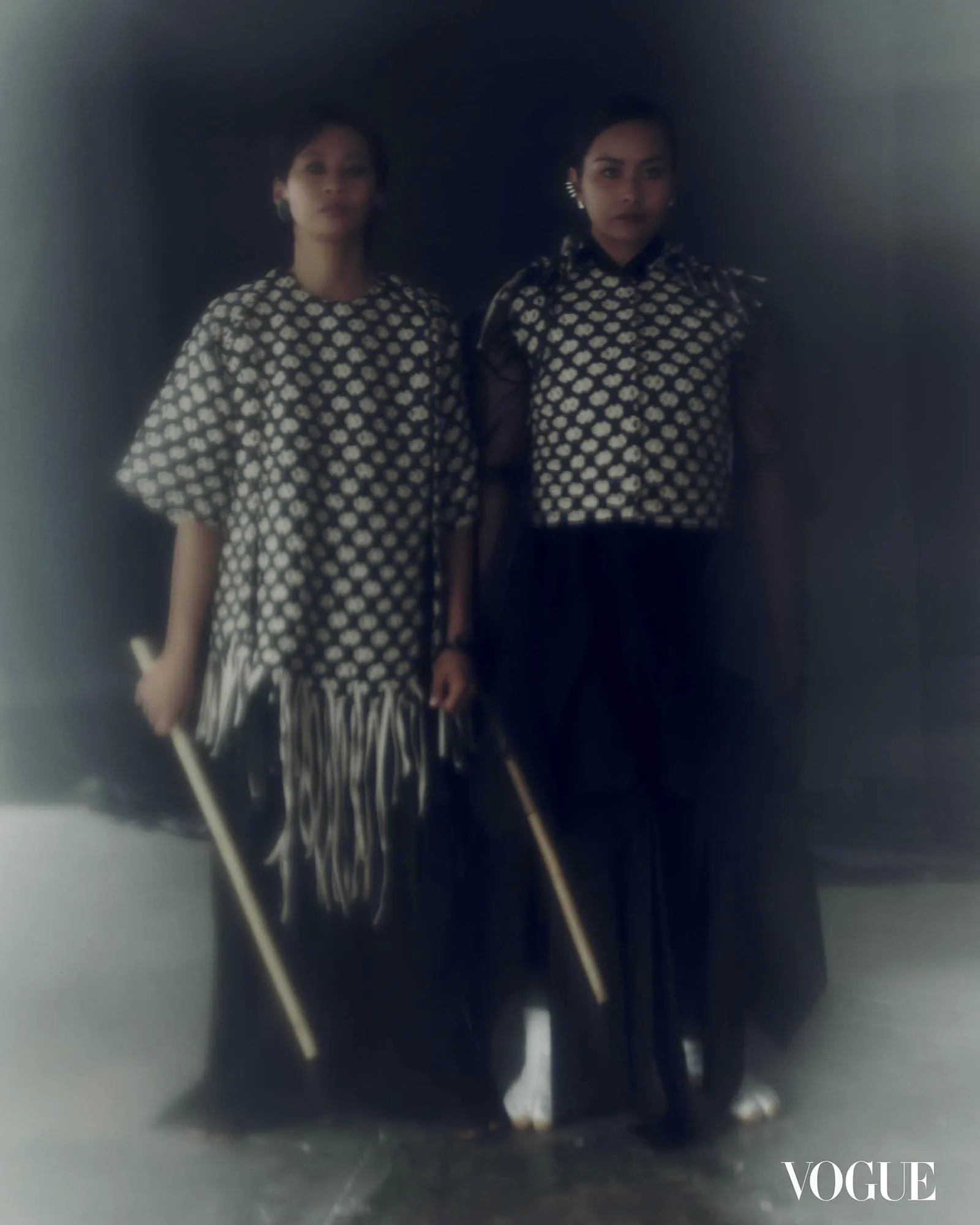
A five-time WEKAF world champion and 2023 SEA Games gold medalist, Lofranco began learning arnis at seven years old, initially because she wanted to try martial arts after growing up idolizing Jackie Chan. “Akala ko kasi kung fu din yung arnis (I thought arnis was kung fu),” she laughs. Instead, she discovered something distinctly Filipino. “I saw that arnis is really different, the culture itself, the art itself. It’s very different, and very beautiful.” She began competing locally at eight and eventually moved to Manila in 2023 to train with the national team.
As Lofranco was taught, the dance-like quality of anyo carries a historical story of its own. She recounts the commonly passed-down explanation that Filipino fighters disguised martial training within dance-like movements so colonial authorities would not recognize it as combat practice. “They made a dance that consists of moves to practice the defense, attack, the offensive, the defensive styles,” she says. “Isa siyang dance na nagpapakita ng lahat ng mga pinag-training namin in one routine.”
Whether performed against an actual opponent or alone, the movements retain their imagined purpose. “When we perform, may mga kalaban kaming iniisip,” Lofranco says. “So in every movement, there’s a meaning, or there’s something that we’re doing to defend ourselves or to fight for ourselves. It’s like we’re the action stars in our story.”
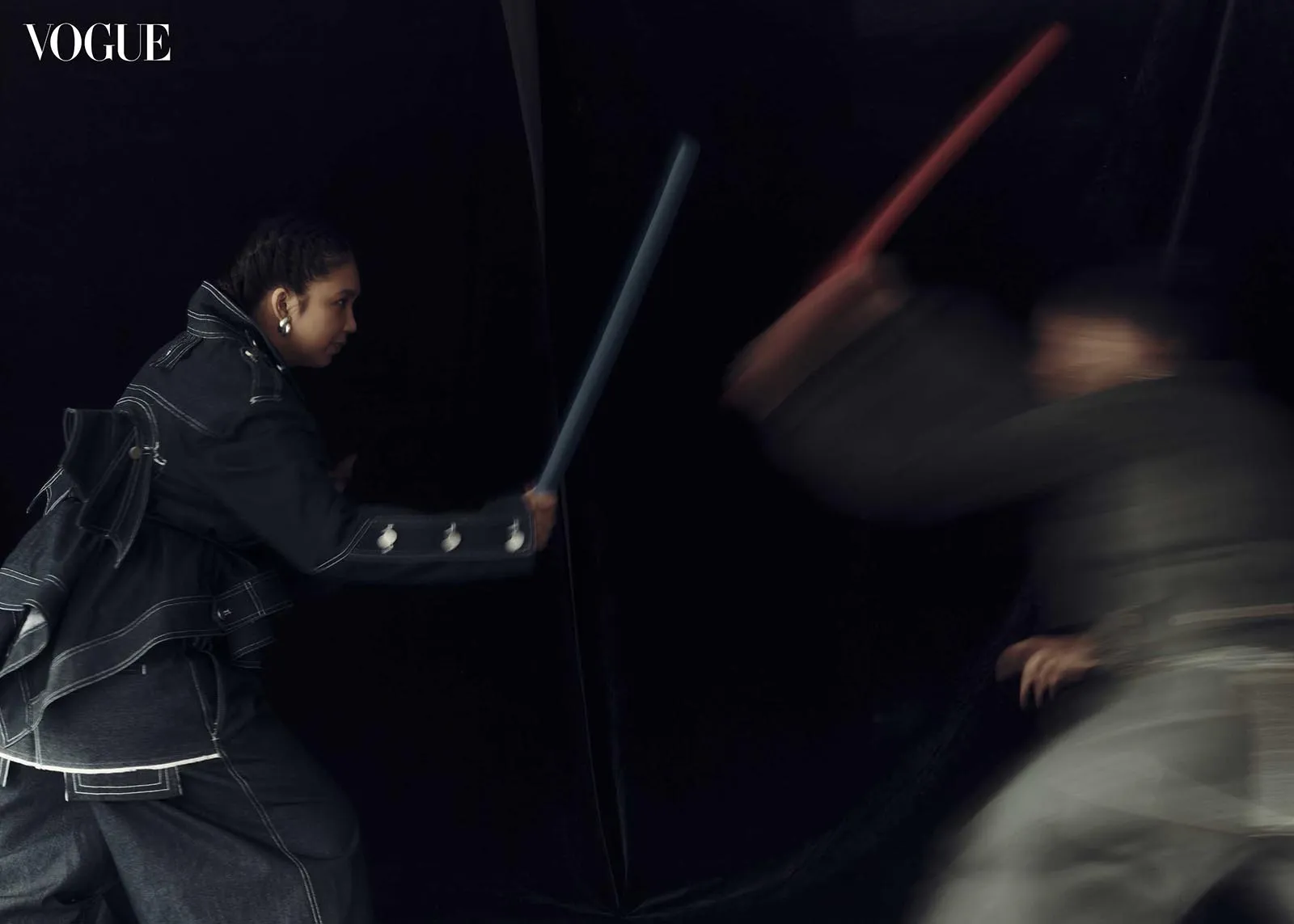
Many athletes competing in full-contact categories began with anyo, says national team captain Ashley Monville. Arnis competitions can require entirely different kinds of intelligence depending on the event. In padded competition, where scoring rewards landing a strike first, she describes an emphasis on speed and rapid decision-making. Live-stick bouts, by contrast, unfold more like boxing: athletes build combinations across a round and are assessed by judges according to their overall performance and dominance.
Behind those few minutes of competition are days that begin at six in the morning. Coach Fritzie describes a training week that alternates specialization in anyo, padded, and live-stick competition with strength and conditioning, while Coach Rose Bernadette Motita, their in-house sports psychologist, incorporates meditation, time for play, and other mental exercises to help athletes recover from the demands of training.
Confidence is as carefully trained as technique. This has particular weight for a team attempting to build visibility for a sport that, despite its place in Filipino culture, its own practitioners feel remains overlooked. When Coach Fritzie joined the national team’s coaching and administrative staff, she admits she found low morale and a group in need of greater support.
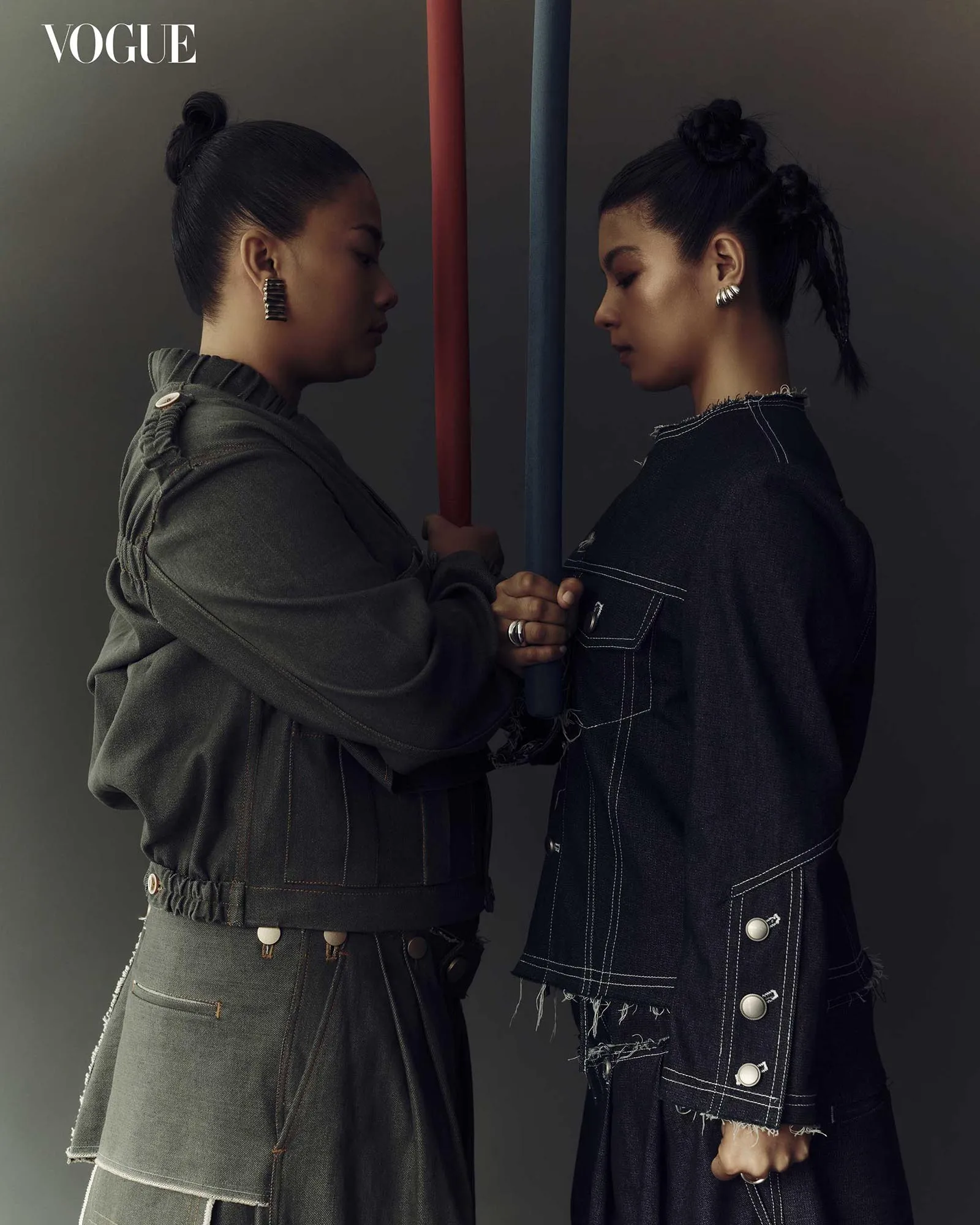
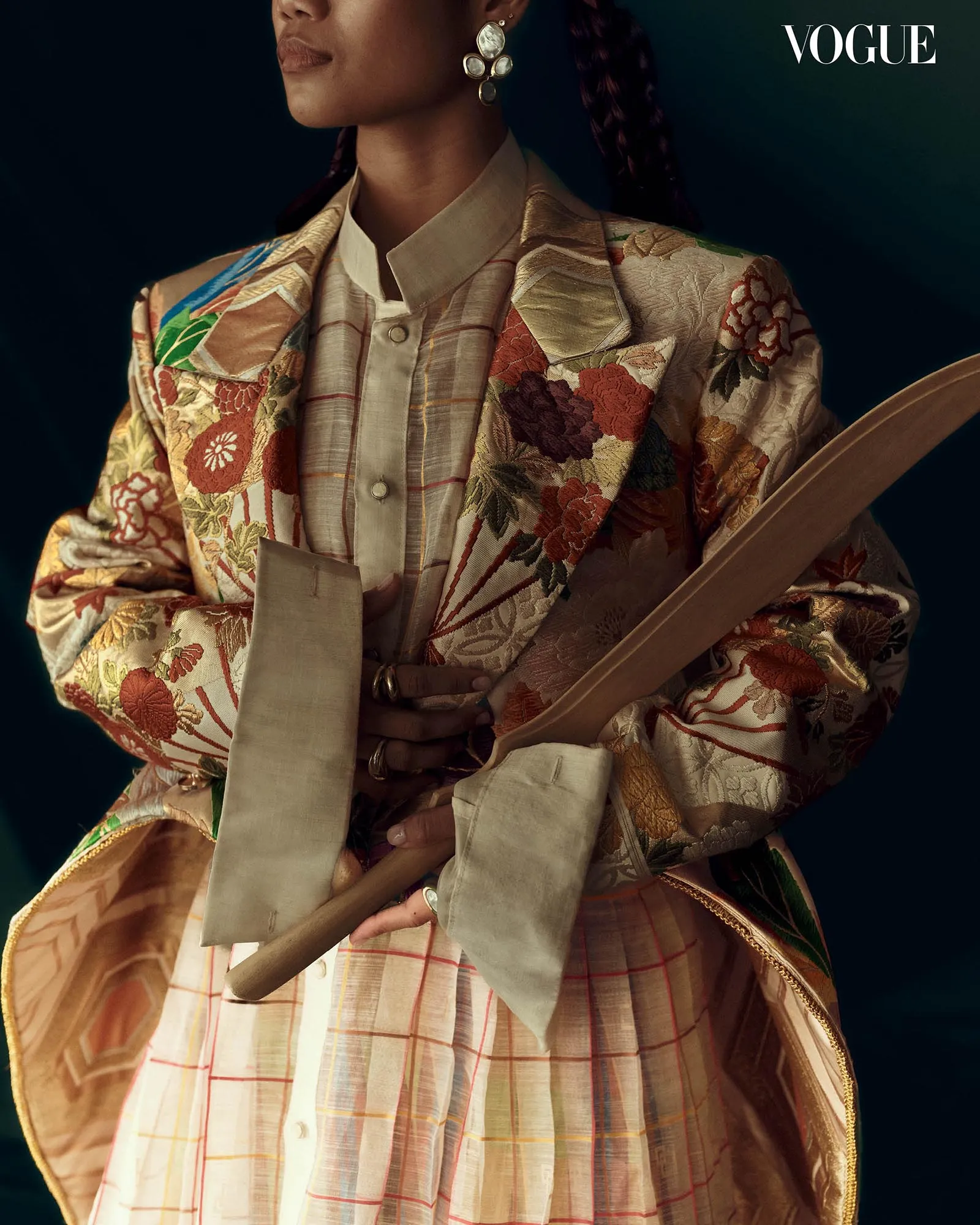
For the national team, the hope for arnis ultimately comes down to recognition: that more Filipinos come to know the sport, support its athletes, and see it as an art form worth carrying forward. “We need more people,” affirms grandmaster Tongson. “We need more advocates. We need support from the private sector, and from the government.”
Monville has spent nearly half her life in arnis, beginning at 14 before eventually becoming the women’s team captain. Now in her late 20s, she reflects that her and her teammates’ relationship to the sport goes beyond competition. “Yung arnis talaga, dun ako lumaki (Arnis is really what I grew up with),” she shares. Winning feels good; losing hurts. But defeat, she has learned, simply means there is still somewhere to go. “You know for yourself that you’re not at the top yet, that there’s still so much more you can work on. And I think that gives you this thirst to evolve, to make yourself better, both internally and externally, in how you deal with other people, even in how you learn to be friendly with an opponent. In a way, it also shapes you individually, the kind of person you become.”
“Kung ano ako ngayon,” Monville continues, “sobrang laking part ng arnis nun. (A huge part of who I am today is because of it.)”
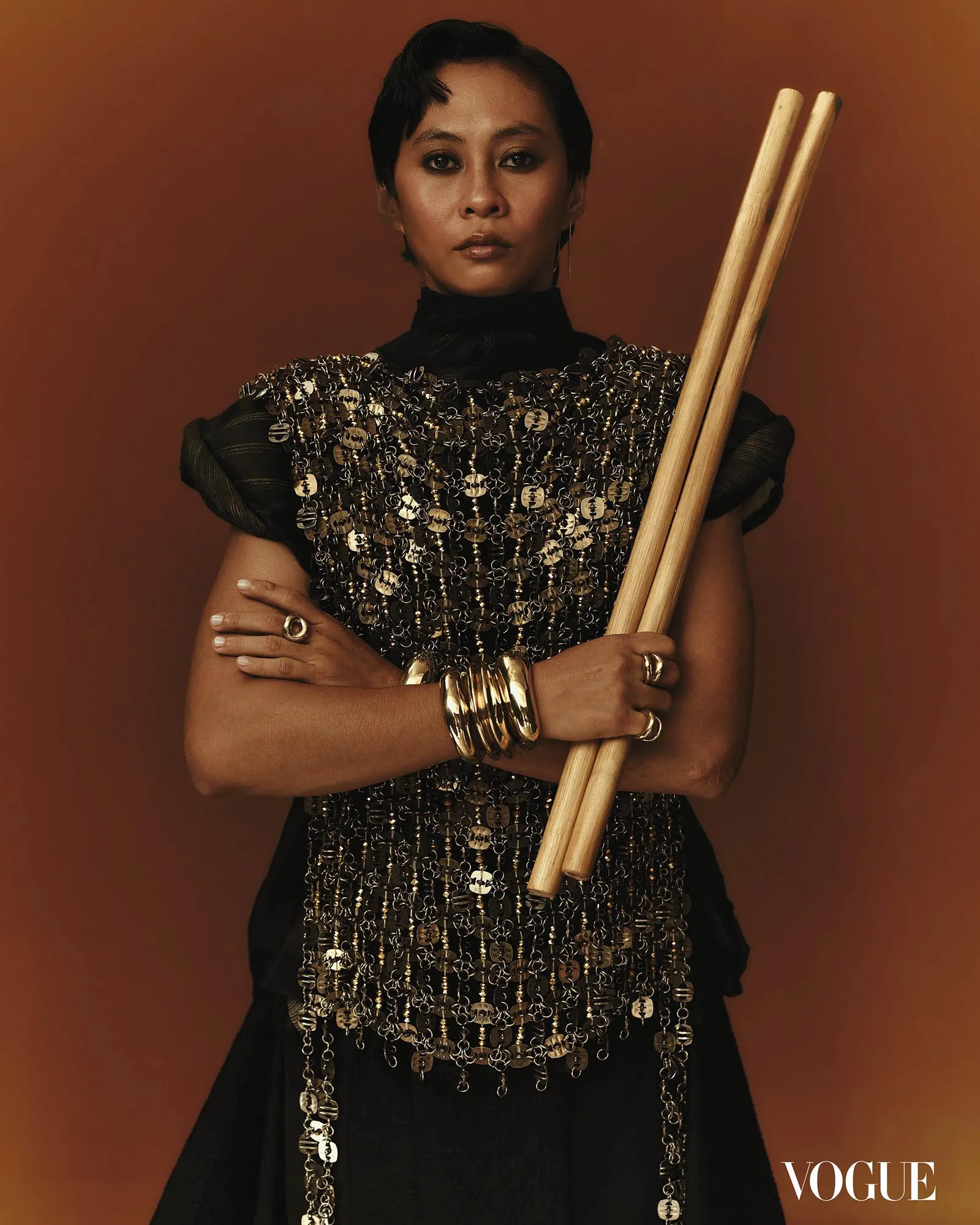
For Lofranco, what keeps her in the art is equally communal. “A lot of people taught me how to be disciplined, how to treat others with respect and have integrity,” she says. “I’ve learned a lot, not just about the sport but also the art of arnis. Not just from the masters who’ve taught me but from my teammates, too. Idol ko rin sila (they’re my idols too).”
It is this sense of community that Monville believes has sustained the team even through uncertainty. There have been moments in the past few years when athletes wondered where arnis was headed, she admits: whether the sport would continue to grow or gradually disappear from view. “But a lot of us have also been together for a long time, and I think one of the most important things in a team sport is really the camaraderie. If you’re not united, you won’t feel that same love for the sport, because that love is what binds you together,” she muses. “That’s what has held us together, along with our passion for arnis. Win or lose, the passion is still there. And having your teammates beside you is also what keeps you going.”
“More people know about arnis now, but I still don’t think it’s enough. I want more people to know it. Kasi sa atin ’to eh (This is ours),” continues Monville. “Sports natin ’to, martial arts natin ’to. Kailangan natin siyang i-embrace and kailangan natin siyang ipagmalaki. (This is our sport, our martial art. We need to embrace it, and we need to be proud of it.)”

By BIANCA CUSTODIO. Photographs by ARTU NEPOMUCENO. Beauty Editor: JOYCE OREÑA. Deputy Editor: PAM QUIÑONES. Styling by GENO ESPIDOL of Qurator Studio. Art Direction by MCAINE CARLOS. Talents: Mary Aldeguer, Mzyra Velasco, Sheena Del Monte, Lenlen Delantar, Jean Agapito, Crystal Jane Sapio, Leslie Avila, Ross Ashley Monville, Trixie Lofranco, Jedah Mae Soriano, April Dellova, Shamel Llabore, Eza Yalong, Maria Alcoseba, Bryze Manaytay. Producer: Mavi Sulangi. Media Channels Producer: Angelo Tantuico. Associate Producer: Ada Manipon. Hair & Makeup: WanWan Podadera Amarillo, Stella Fabunan, Jamila San, Jan Dayaon, Janine Liao, Jeremie Gaurano Refran, Joey Duqueza, Katrice Eunice Gould, Mae Carrelle Sharmaine Q. Arellano, Marinette Villanueva Bercasio of Nix Institute of Beauty. Videographer: Liam Tangan. Nails: Extraordinail. Photography Team: Choi Narciso, Odan Juan. Styling Team: Leanne Ledesma, Jermainne Lagura. Videography Assistant: Levy Dy.
Special thanks to Schild Studios and Goodness Graze. Shot on location at Schild Studios.