
“Things Will Change”: Amal Clooney on Finding Light in the Darkness


Courtesy of Cartier
When Amal Clooney was a young girl, growing up in Buckinghamshire, after her Beirut-based family relocated to the UK to escape the Lebanese Civil War, her mother told her to pick one thing and try to be the very best at it. “She inspired me to work hard,” says the human rights barrister and activist now. “I was conscious that I was able to get out of a war zone while others were not; that I grew up in safety and with access to the best education – luxuries so many girls in the region I was born in do not have.”
She read – and continues to read – about girls also called Amal living in the Middle East, killed in war or alive, but with little hope in their lives. “I try to use my podium to speak truth on behalf of people who can’t,” continues the powerhouse, who is dedicated to providing legal aid in defence of free speech and women’s rights through the 2016-born Clooney Foundation for Justice. “To always remember that I have been so lucky – and should try to spread that luck.”
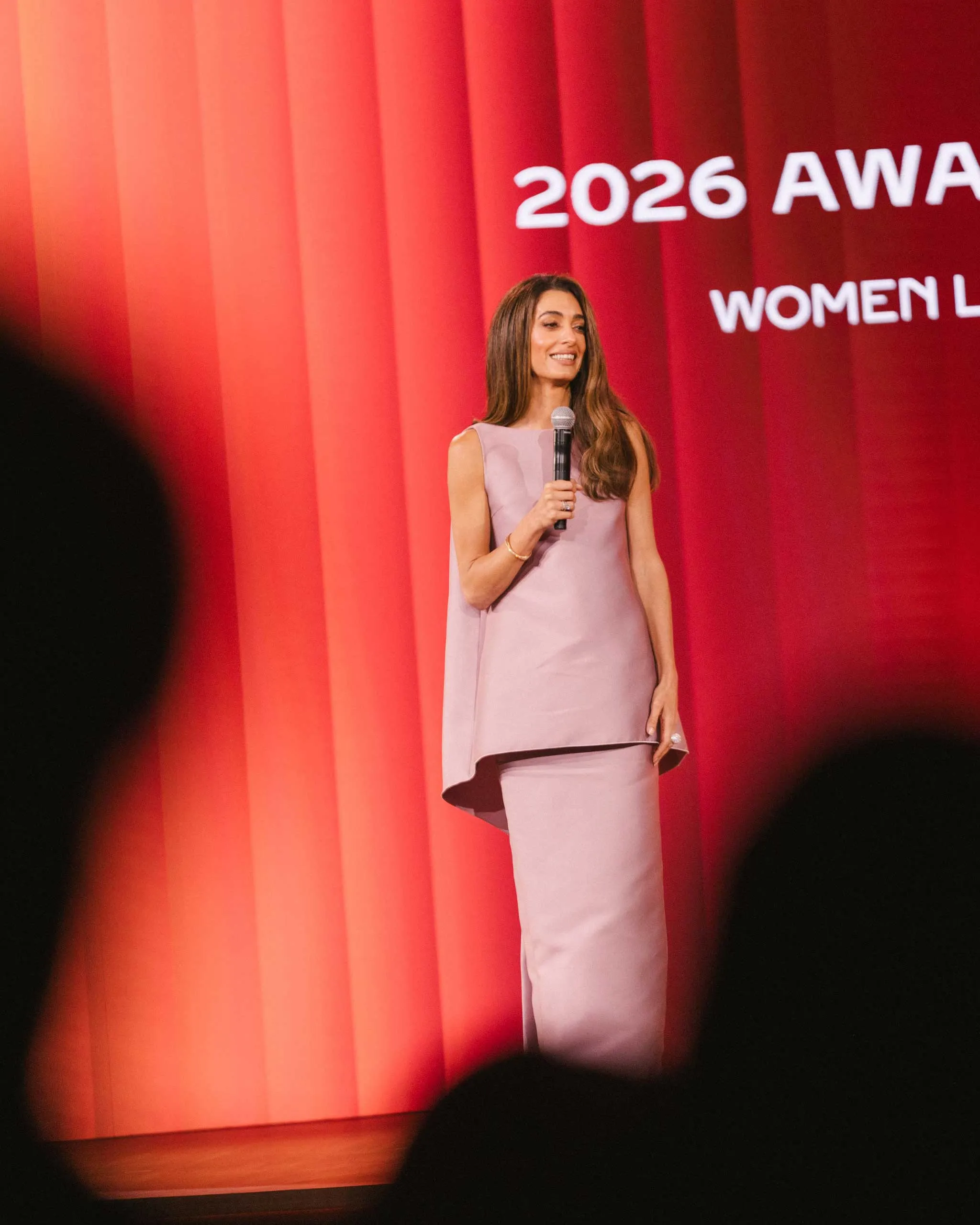
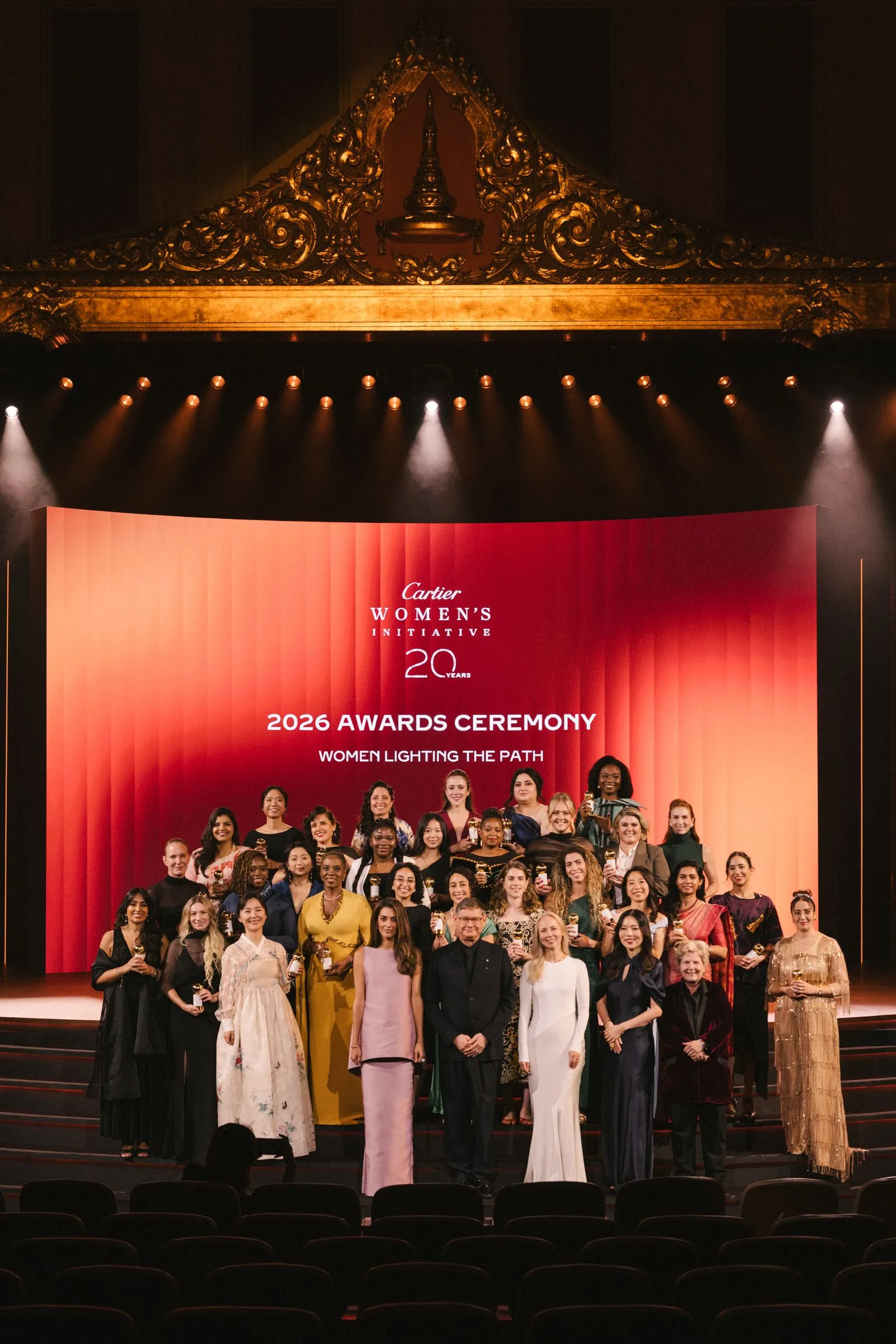
And so, this week, Clooney found herself in Bangkok giving a keynote address at the Cartier Women’s Initiative Awards, celebrating 20 years of “women lighting the path” via their courage, creativity and commitment while driving social and environmental change. This was not a commercial gig. Amal spent the best part of a week mentoring the young entrepreneurs, despite being fresh off a plane from the UK, where Oxford University’s visiting professor had been checking in on her students.
“I can feel the weight that they are carrying on their shoulders when they describe the conditions they face in their countries,” she shares of the unshakeable gloom clouding her conversations – as well as the news cycle. How does she instil even the vaguest sense of positivity? “I remind them that history doesn’t move in a straight line; that things will change. That we are all privileged to be able to play a part in bending the arc towards justice. And that they are not alone – they are part of a community of people who care, and who are trying to make a difference.”
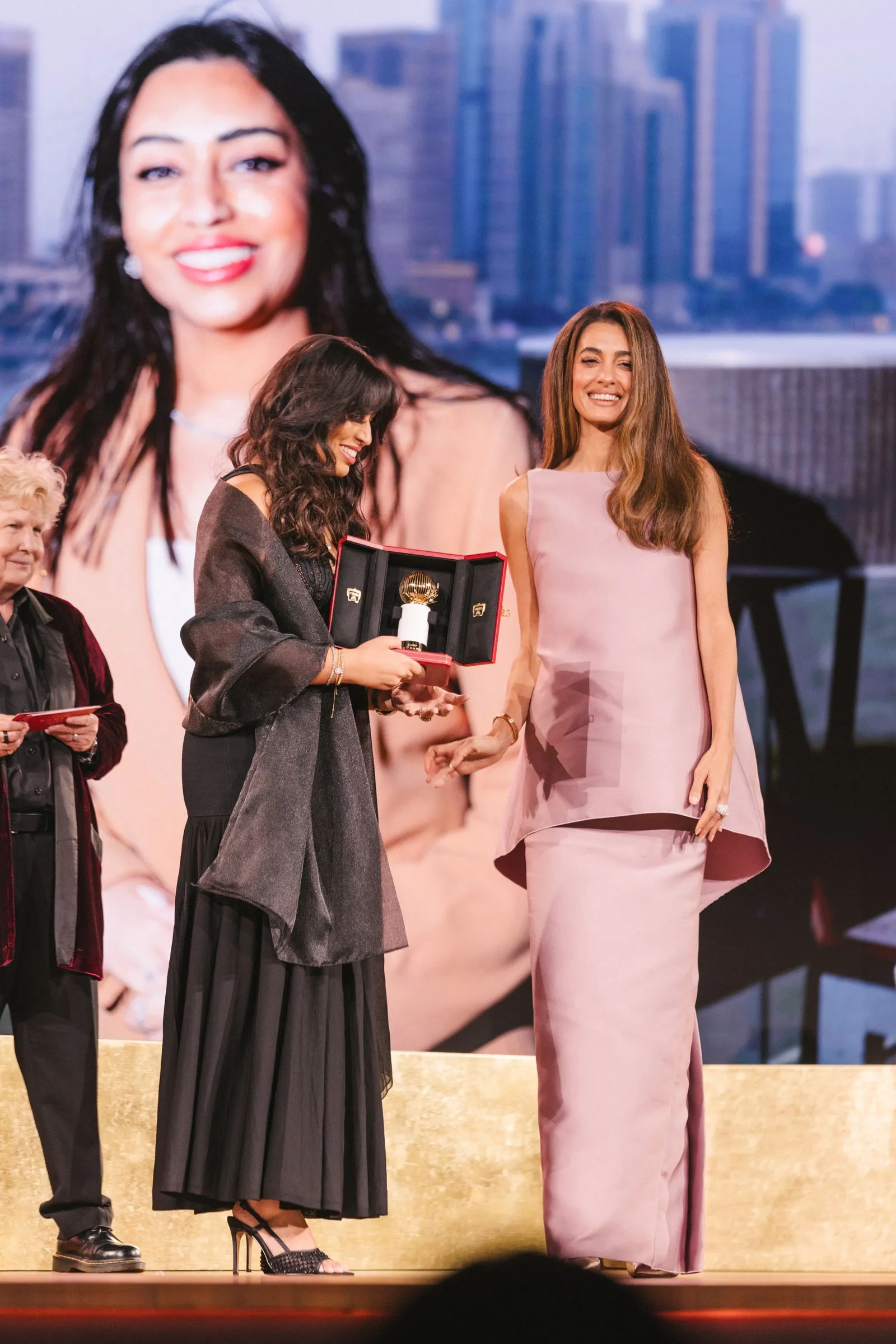
Clooney is impressed by the Cartier Women’s Initiative, which has now spent more than $14m funding female entrepreneurs through a holistic programme of financial sponsorship, training, mentorship and networking. Ninety-seven per cent of recent fellows, living in the likes of Nepal and Benin, have reported increased self-confidence and a greater sense of community after enrolling. “That is my favourite thing to hear,” adds Amal.
But despite being inspired by the courage of her clients – “people who are speaking the truth even as the cost of doing so becomes enormous” – the stats remain hard to ignore, even for a peerless lawyer used to fighting an uphill battle. More than 100 million girls are out of school, Amal reminds us. Twelve million girls are forced into marriage while they are still children. Women and girls are still subjected to staggering levels of violence. Fourteen per cent of countries are led by women. Less than 12 per cent of CEOs of Fortune 500 companies are women. As the mother of boy-girl twins, this imbalance is hard to swallow every day at home, never mind at work. And so she continues to fight.
“I am reassured that young people – including my own children – find injustices that they learn about incomprehensible,” she shares. They may well remind her of a young Amal – the one whose own mother encouraged her to care about what happens to other humans, even if they are in far-flung places, and, above all, to keep on going.
This article was originally published on British Vogue.
Frequently Asked Questions
The Clooney Foundation for Justice is a human rights organization established in 2016 to provide free legal aid in defense of free speech and marginalized women worldwide.
Amal Clooney supports female entrepreneurs by partnering with the Cartier Women’s Initiative to offer direct financial sponsorship, comprehensive leadership training, executive mentorship, and strategic peer networking.
Amal Clooney chose human rights law after surviving the Lebanese Civil War, which inspired her to utilize her educational privilege to defend vulnerable, voiceless individuals globally.
The Cartier Women’s Initiative is an international funding program that drives social and environmental change by providing over 14 million dollars to impact-driven female entrepreneurs.
Amal Clooney teaches as a visiting professor at Oxford University, balancing her academic responsibilities with her international human rights legal practice and philanthropic foundation initiatives.