Filipino Gallerist Jeffrey Cadayong’s Artful Guide to Paris


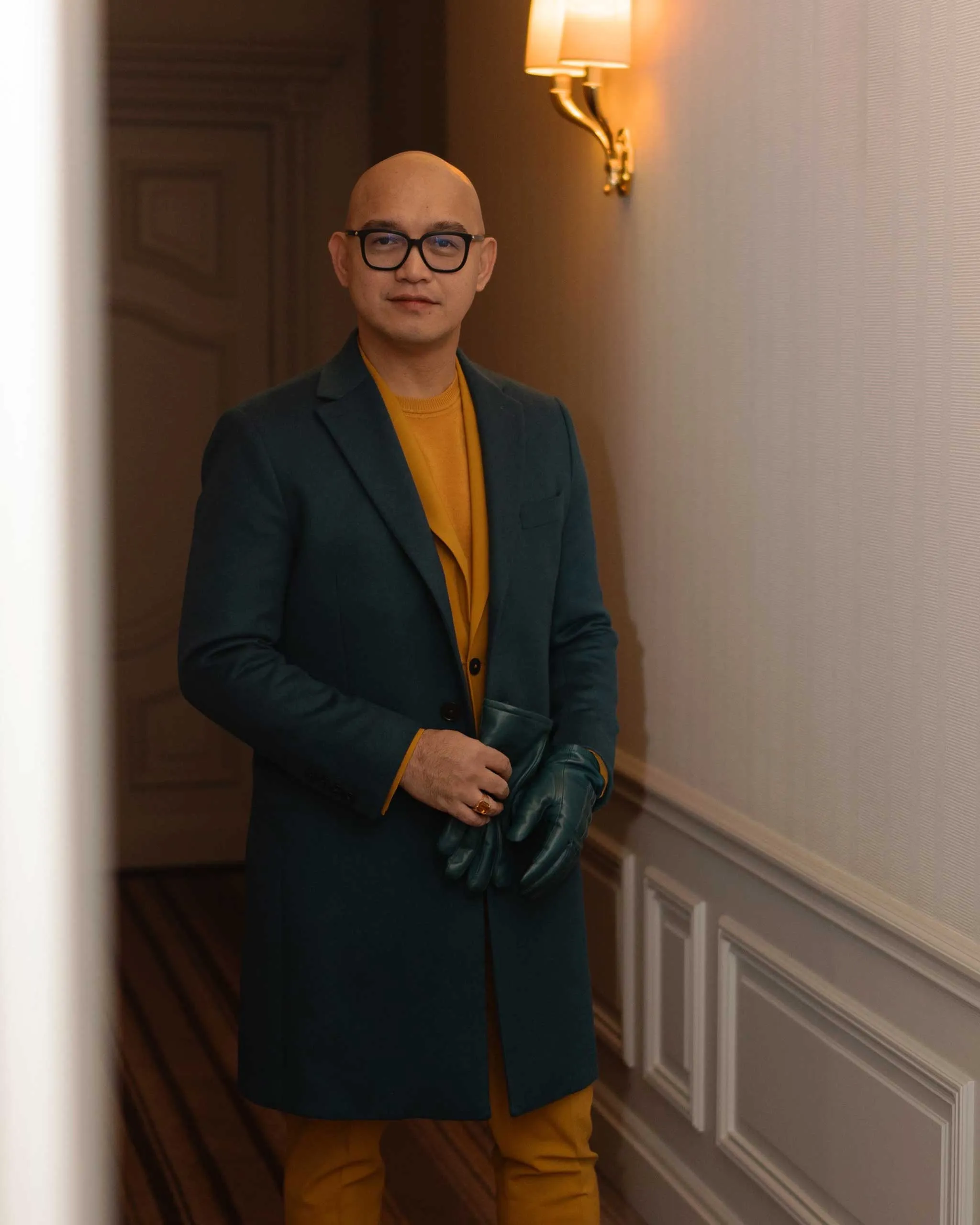
Paris-based Filipino gallerist Jeffrey Cadayong. Courtesy of Jeffrey Cadayong
After 14 years in the city, the art-world insider shares his favorite museums, restaurants, neighborhoods, and hidden treasures.
For the past 14 years, Jeffrey Cadayong has made Paris both home and a continuing source of inspiration. A Filipino gallerist and art collector based in the French capital, he moves between the worlds of art, design, antiques, and decorative objects, with an eye shaped as much by Paris’ museums and historic architecture as by his own Filipino heritage. Notably, his Rivoli Fine Art has brought the works of Filipino painter-photographer Mark Nicdao and Filipino American sculptor Jefrë to a French audience.
Cadayong’s work has increasingly become a bridge between the two cultures, bringing Filipino stories and sensibilities into conversation with French craftsmanship.
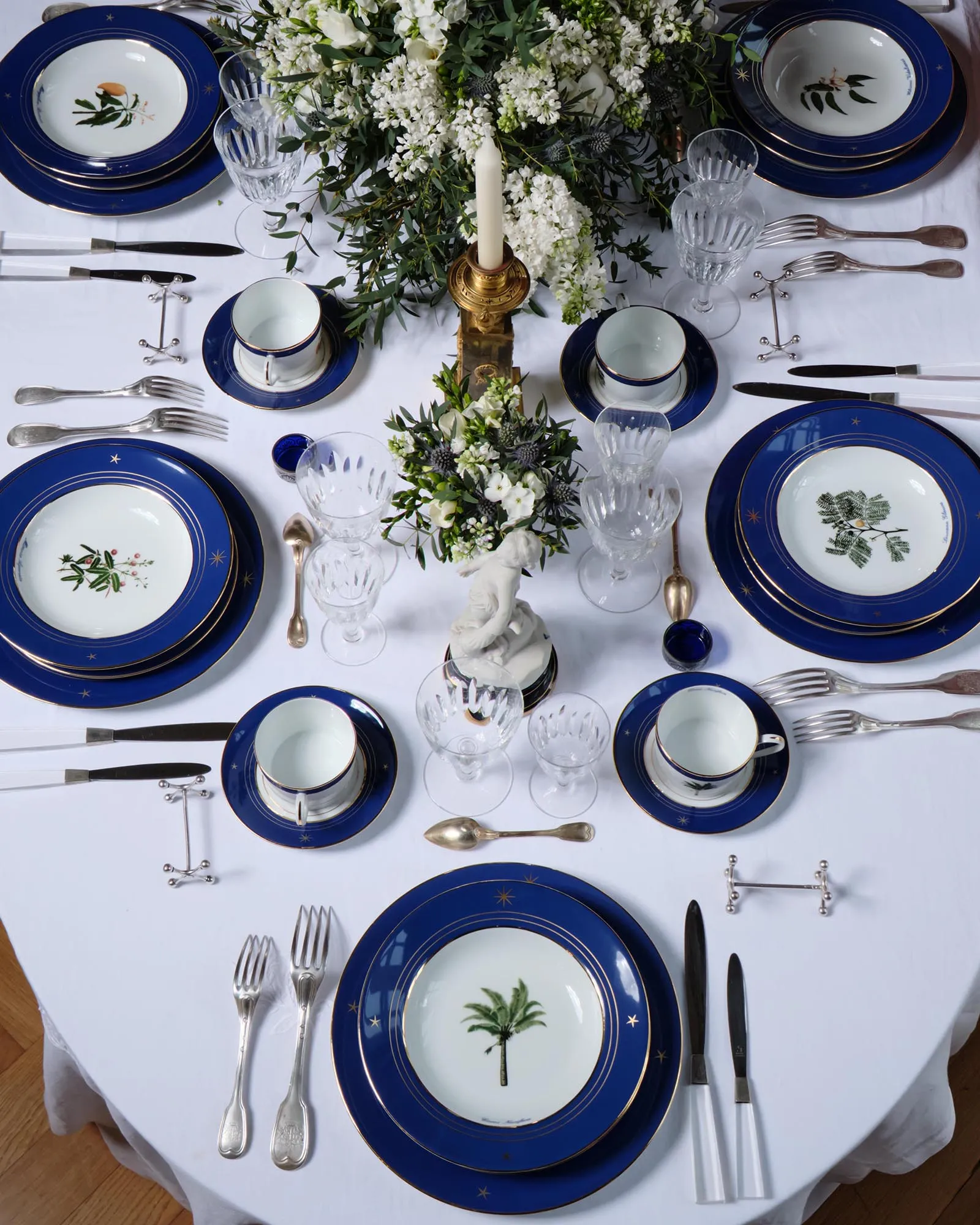
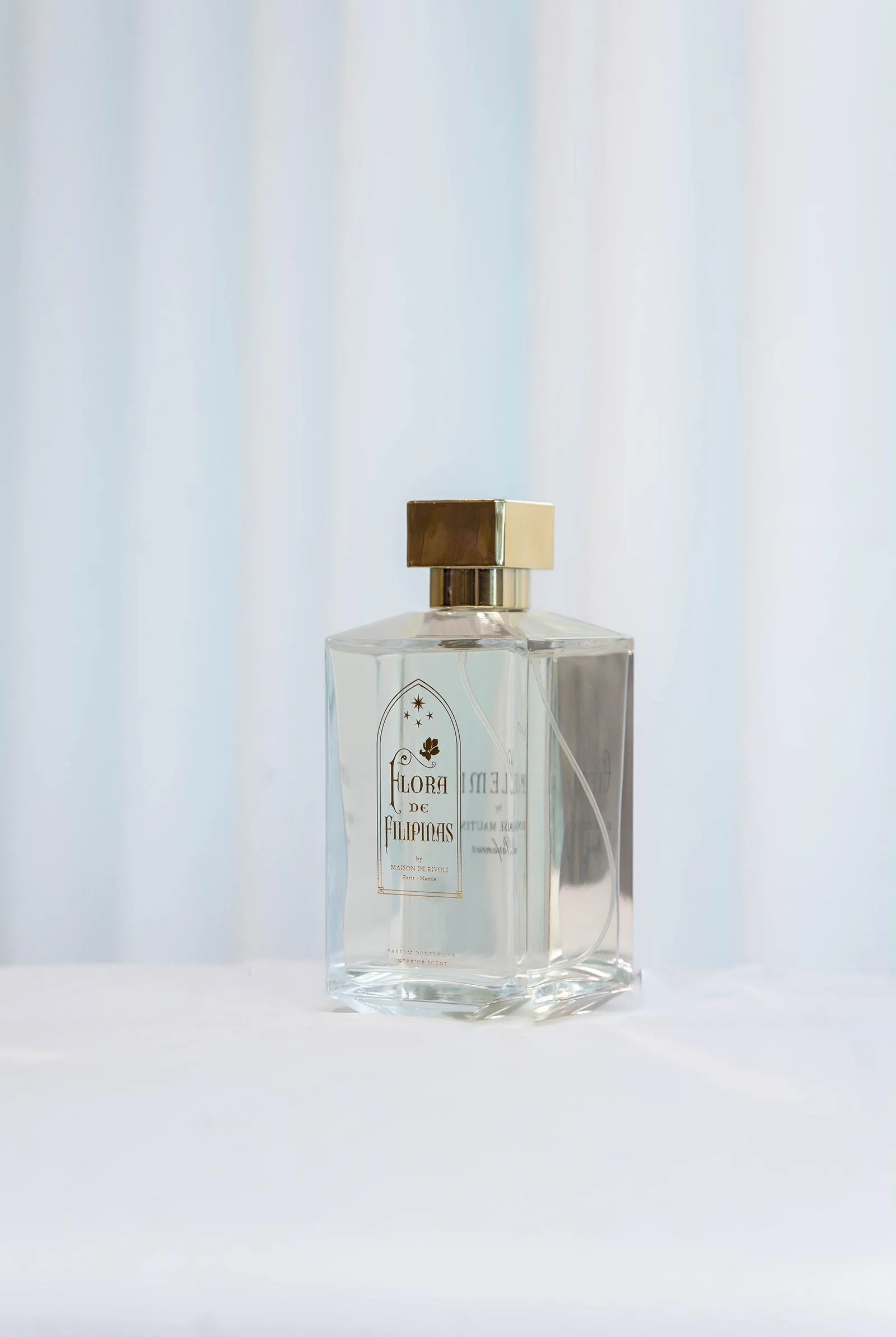
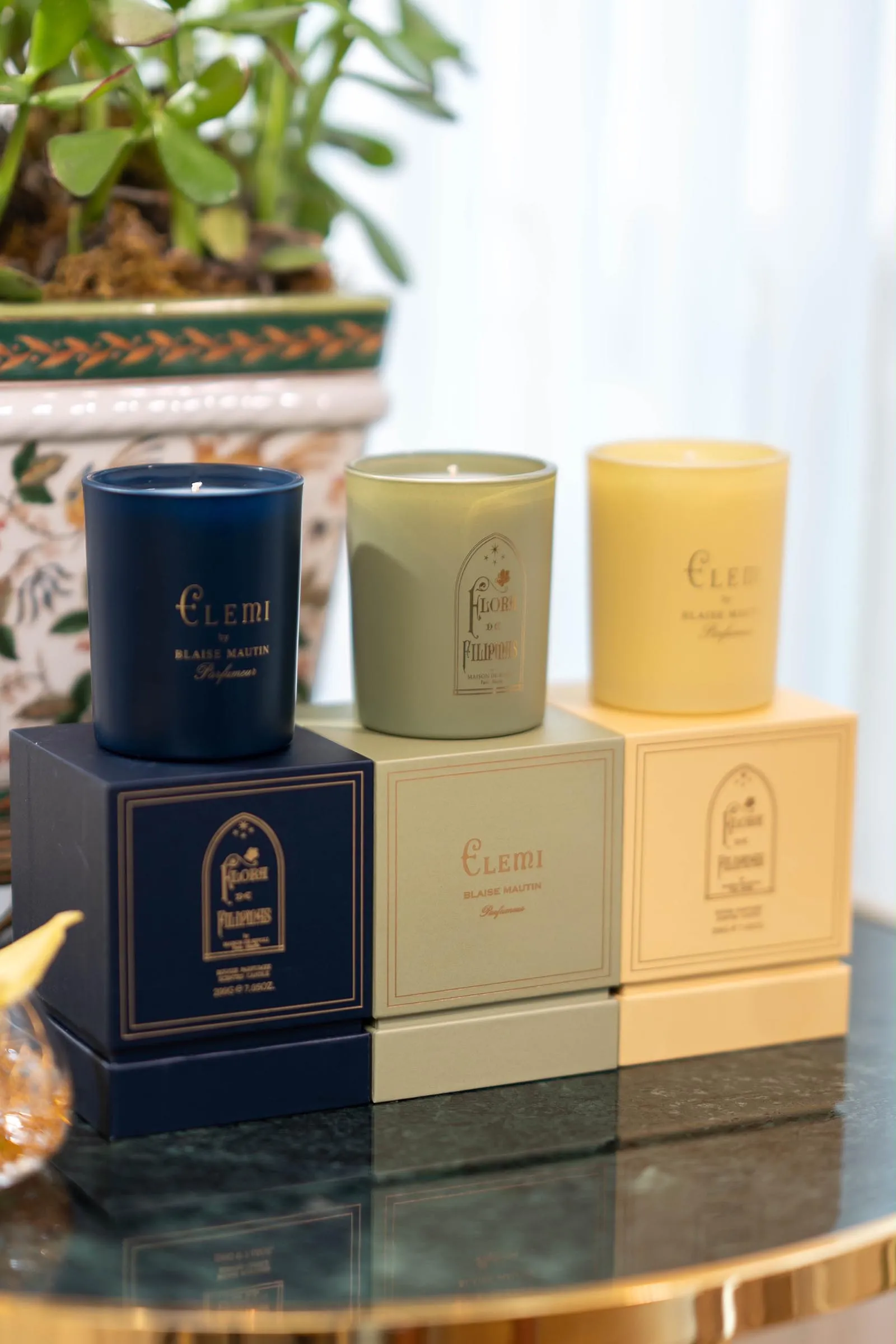
That vision is at the heart of Flora de Filipinas by Maison de Rivoli, the limited porcelain collection he launched earlier this year, which celebrates Philippine flora through the lens of French savoir-faire. (It’s produced by Royal Limoges, the oldest porcelain maker in France.) Now, Cadayong extends that idea beyond the table with a new home fragrance collection. At its center is elemi, a fragrant resin from the pili tree which is native to the Philippines, reinterpreted by a French perfumer into what Cadayong describes as a distinctly Franco-Filipino creation.
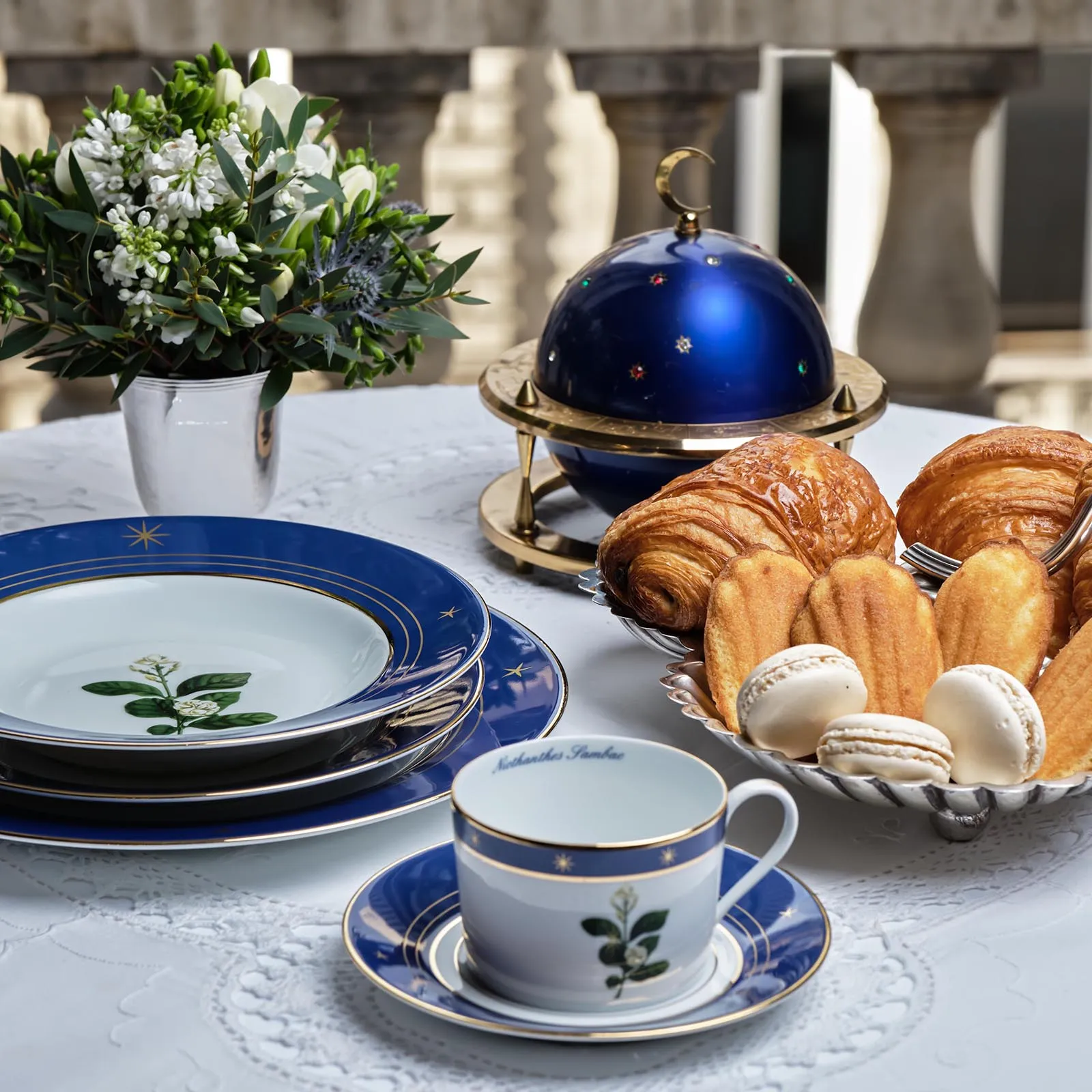
The collections reflect a larger ambition that has informed Cadayong’s work: to build bridges between France and the Philippines through beauty, craftsmanship, and a shared appreciation for the exceptional. “Exquisite French craftsmanship could enhance our national beauties,” he says of Flora de Filipinas, noting the enthusiastic response the collection has received in France. The new fragrance and scented candle line continues that dialogue, translating something deeply rooted in the Philippines into a form that can travel beyond its origins.
It is perhaps fitting, then, that Cadayong’s Paris is not simply the Paris of grand monuments and luxury addresses. His relationship with the city is rooted in looking closely: at the façades of its buildings, the objects changing hands at auction, the art in its museums, and the creativity that fills its streets during fashion weekFashion WeekA series of seasonal events where designers debut their latest collections, setting the tone for upcoming fashion trends and showcasing creativity, craftsmanship, and innovation across the global fashion industry.Go to Fashion Week Glossary. From the Marais and the streets behind the Louvre to Drouot’s daily auctions and the flea markets of Saint-Ouen, his recommendations reveal a city best experienced through curiosity.
For Filipinos visiting Paris, Cadayong offers a guide shaped by 14 years of living, working, collecting, and observing the city. He points to museums worth lingering in, restaurants that embody Parisian elegance, places to hunt for vintage treasures, and the simple pleasure of sitting at a café terrace and watching the city unfold. Along the way, he also reflects on what he misses from home: Filipino food and, above all, Filipino kindness.
This interview has been edited lightly for clarity.
Vogue Philippines: You’ve lived in Paris for almost 14 years. What parts of the city have become deeply personal to you, and which places do you still return to when you want to feel inspired?
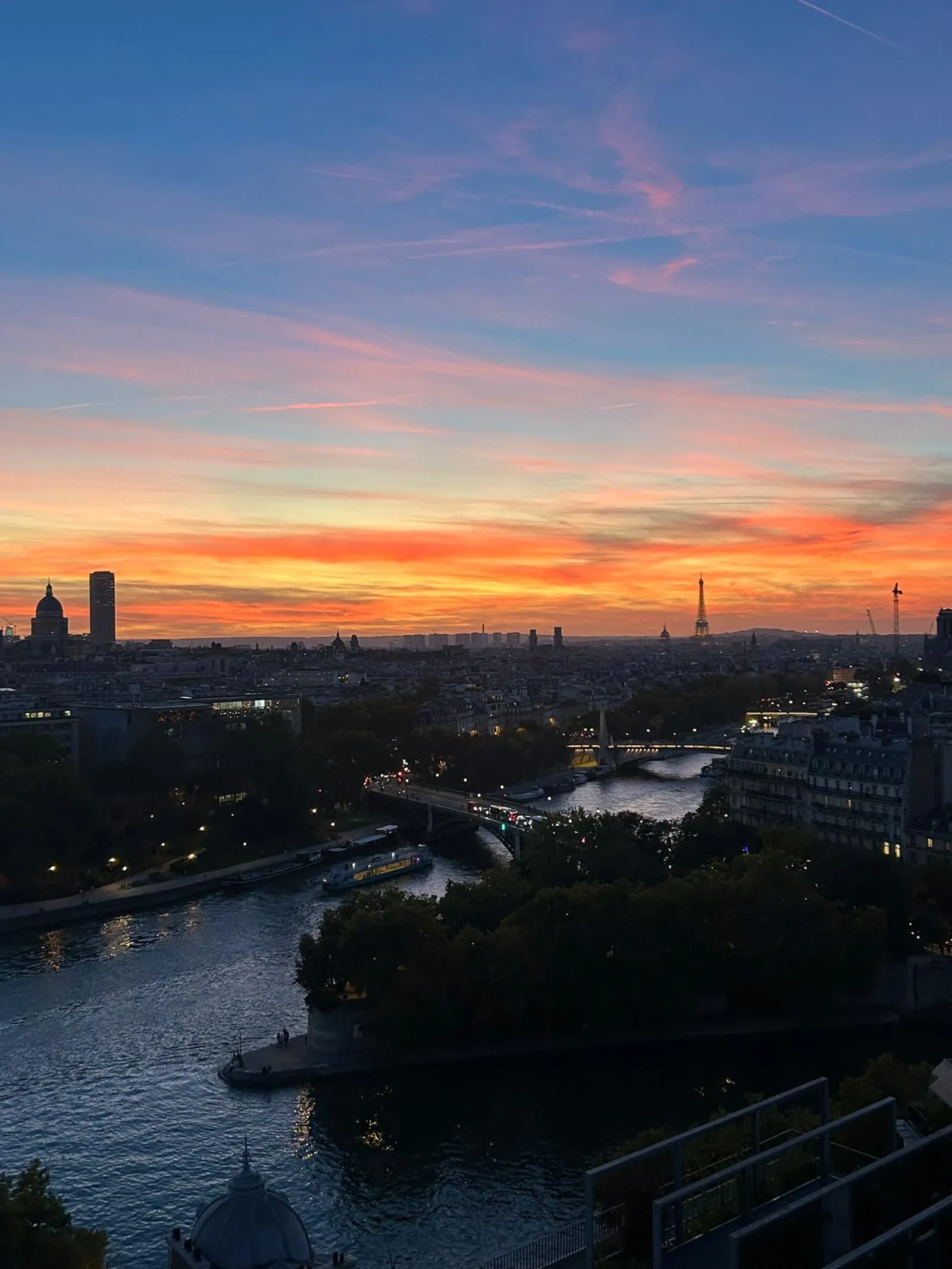
Jeffrey Cadayong: Well, it is not easy to choose among neighborhoods. Paris is a whole, a marvel redesigned in the 19th century with large avenues in between, and every area has its own personality and charm. I am in love with the Marais, once dilapidated and now so posh, where many houses date back to the 17th century, and I am also very fond of all the streets behind the Louvre, as well as the opposite bank of the river, the 6th and 7th districts, which are full of history and beauty.
As a Filipino who has spent a good part of his life in Paris, how has living there shaped your eye for art, design, beauty, and collecting?
My “eye” owes everything to Paris. The Louvre, being the largest museum in the world, is one of the few that can give a complete view of civilizations. And there’s the Guimet Museum, which plays the same role for Asia, being one of the largest and most comprehensive museums dedicated to Asian art in the world. These are ideal institutions to see for developing one’s knowledge and taste… [It’s] a never-ending aim.
What do you think Filipinos misunderstand about Paris, and what do you think Parisians might not immediately understand about the Philippines?
[Filipinos] tend to be mostly attracted to the luxury [Paris] offers and neglect the history. The French people [meanwhile] don’t know much about the Philippines but I can see an emerging interest, in spite of the “tyranny of distance.” Many of them now travel to the Philippines and are quite impressed by its beauty as well as its people.
If a Filipino friend were visiting Paris for the first time, where would you take them for a distinctly Parisian experience that goes beyond the usual tourist circuit?
Just walk in the streets and look up at facades. There is a great sense of unity, but each of them is different.
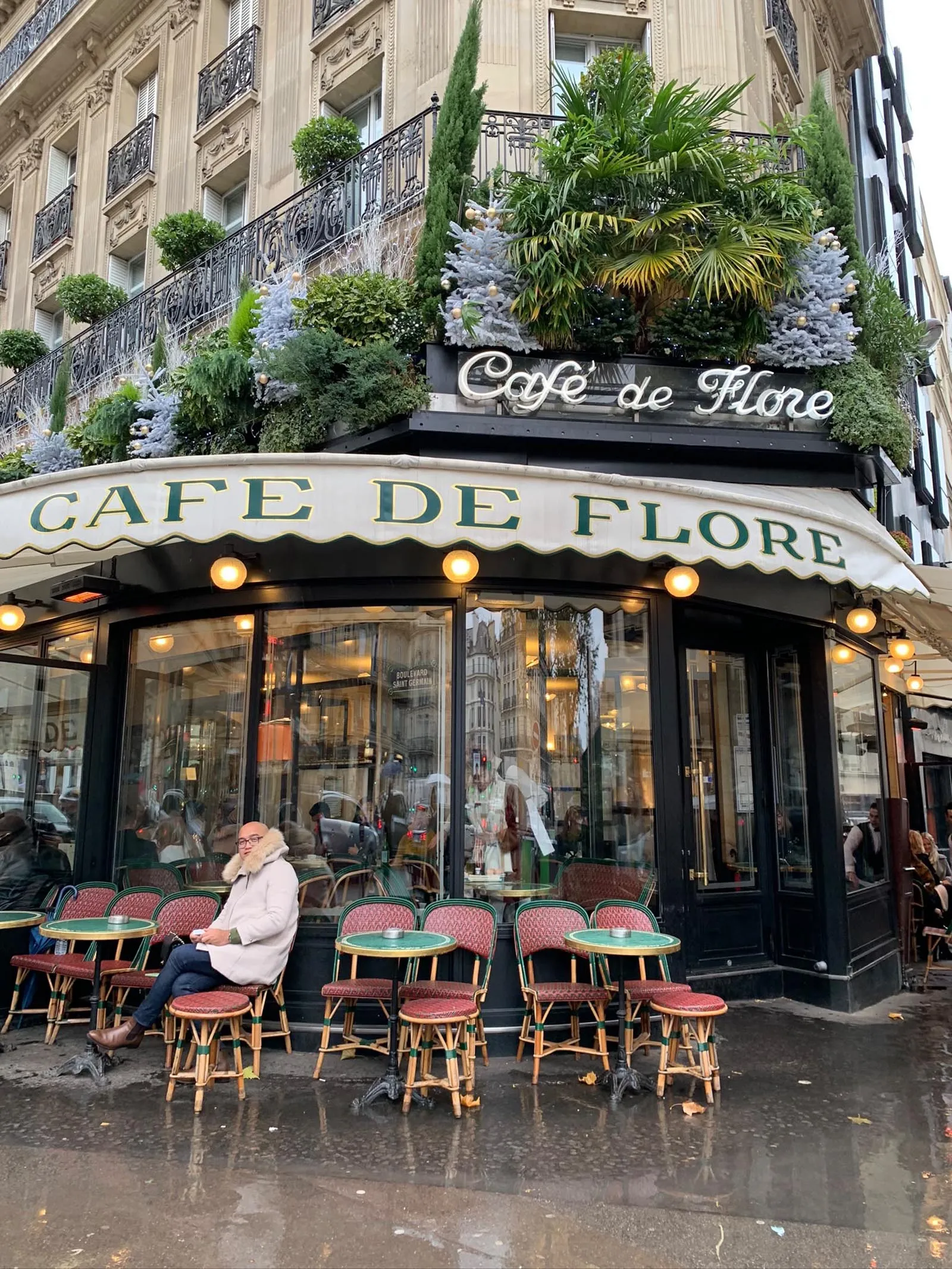
If you happen to be in Paris during fashion week, it will turn your experience into something quite special. Just sit at the terrace of the Café de Flore, the Deux Magots, L’Avenue, and around the golden triangle areas. The show of fashionistas wandering around will compensate for the frustration of not having the privilege to be invited to the shows. I am getting more and more invitations and I must say I am always trying to be in Paris during these weeks. There is so much creativity!
There is also room for those who like to find secondhand retro clothing, the best place for that treasure hunting being the flea market in Saint Ouen and in Le Marais.
Conversely, what aspects of Filipino culture, craftsmanship, or hospitality do you find yourself missing most when you’re in Paris?
Of course, as all Filipinos, I miss the food. Filipino kindness, too. Parisians can be somewhat [always in a hurry] and a bit harsh, but they are sincere and curious about other cultures.
You work closely with artists, collectors, and galleries. Which Paris galleries, museums, or independent art spaces should an art-loving Filipino visitor make time for right now?
Apart from the Louvre and the Guimet, I would advise the arts premiers museum (Musée du Quai Branly) and, of course, Orsay (19th-century art) and Pompidou (modern and contemporary art) and Musée Jacquemart-André.
Where in Paris do you go to discover beautiful things, whether art, antiques, objects, books, flowers, or something completely unexpected?
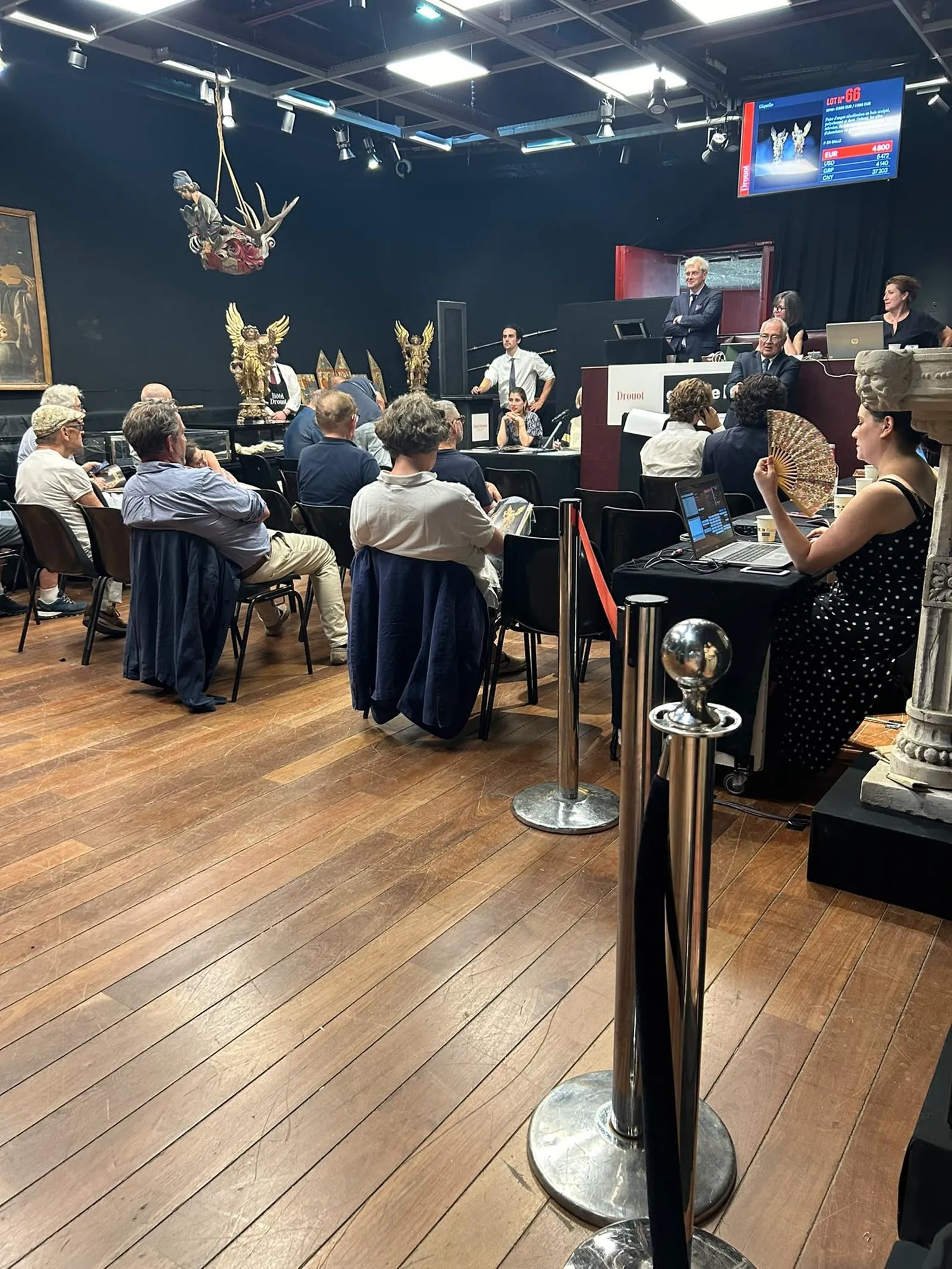
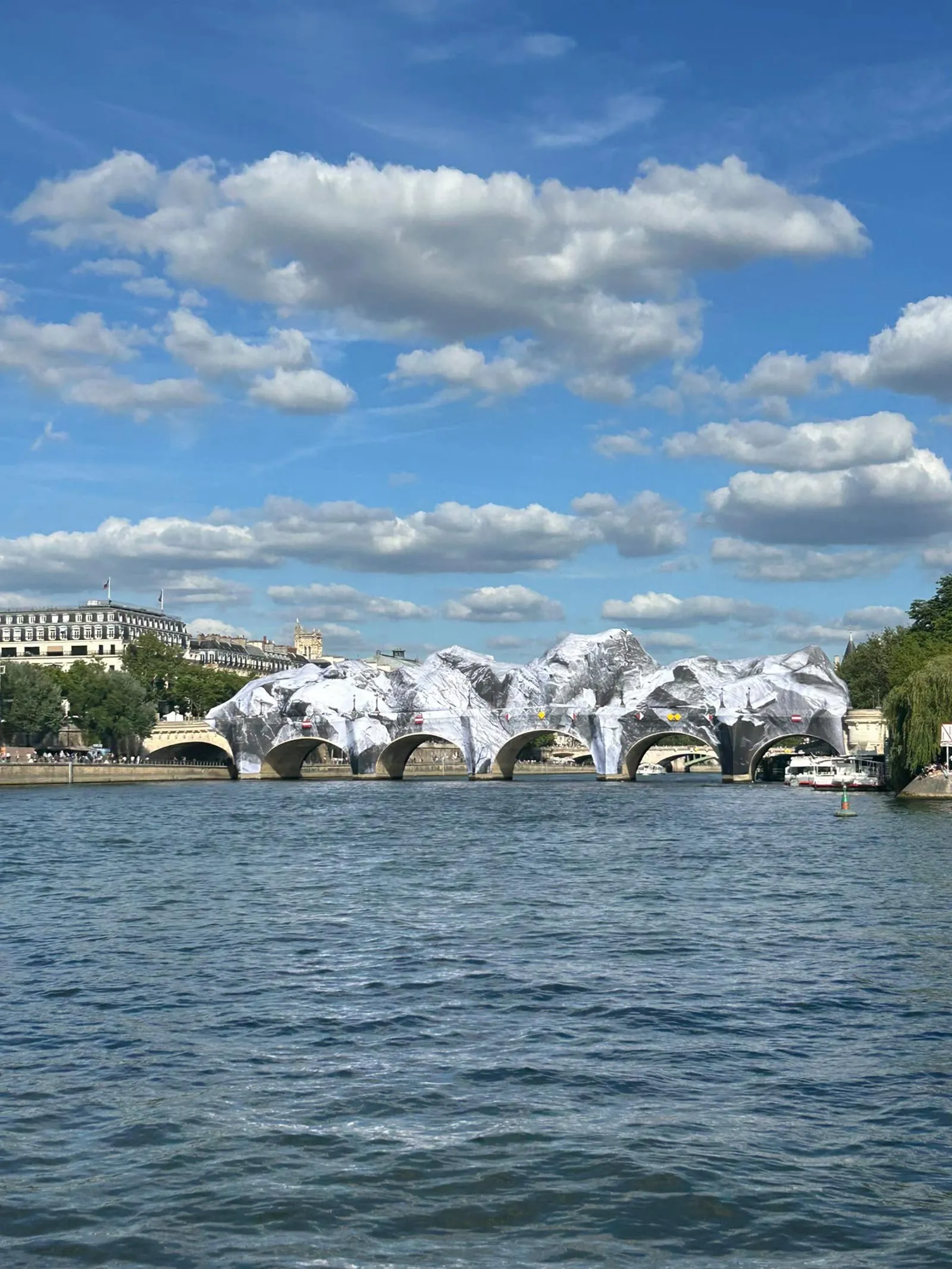
The temple for that definitely is Drouot, where 10 to 20 auctions take place every day. You can buy an Hermès scarf, an Egyptian statue of the second millennium, an art deco table, a Rembrandt painting, and even, from time to time, a “dinosaur” for your garden.
Is there a Parisian restaurant, café, bar, or neighborhood that you feel captures something about the city that a museum or monument never could?
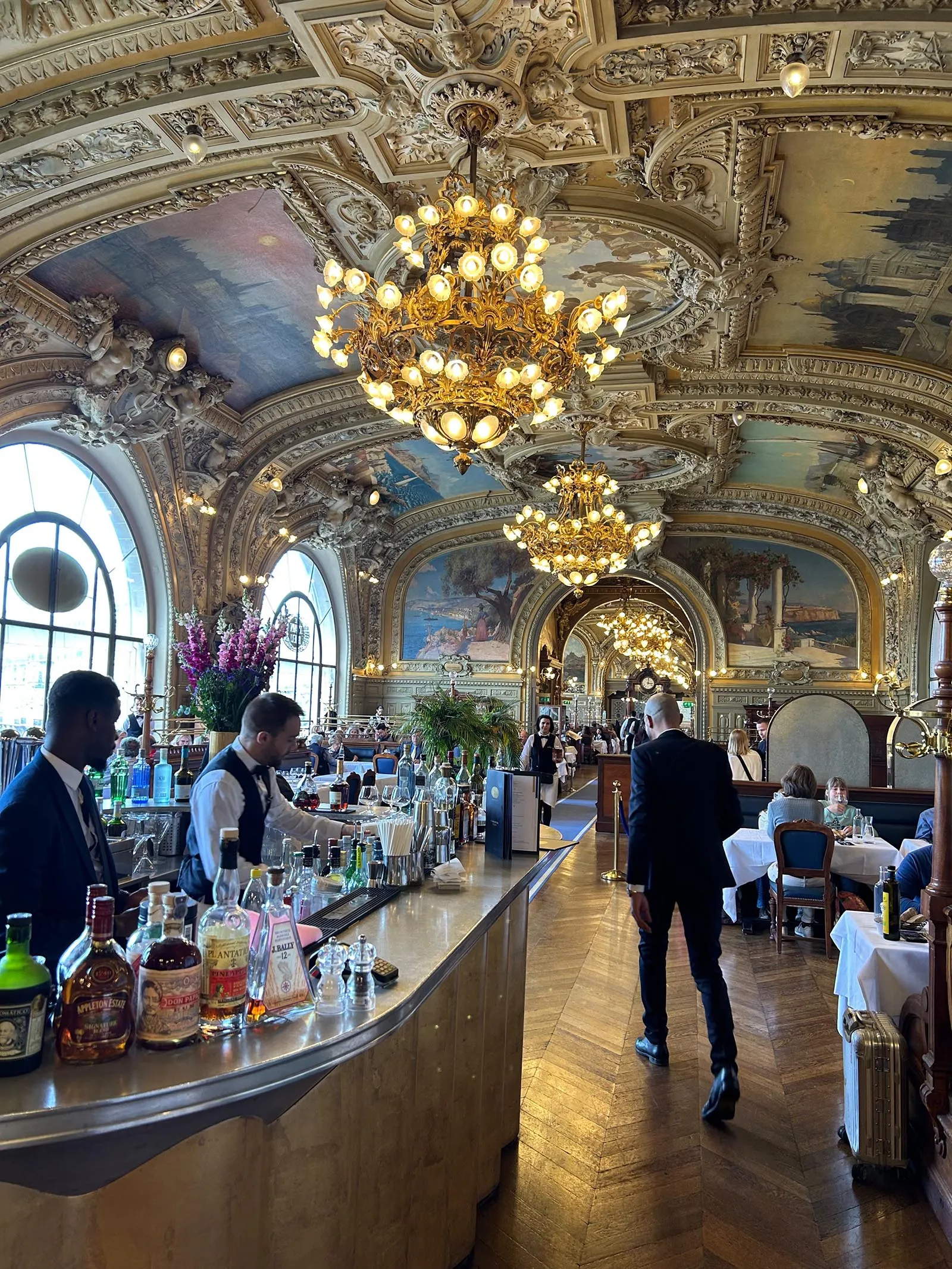
We have the “embarrassment of the choice.” I would recommend Le Train Bleu inside the Lyon railway station. An impressive epitome of Paris elegance.
What Filipino sensibilities or memories found their way into Flora de Filipinas by Maison de Rivoli, and how do you translate something so rooted in the Philippines for a global audience?
My aim has always been to bring my own modest contribution in order to build bridges between France and the Philippines. This collection happened as a vision that exquisite French craftsmanship could enhance our national beauties. French people are very seduced by it; they all say it is brilliant and “so new.”
With the launch of the new Flora de Filipinas home-fragrance collection, how do scent and the idea of home connect the Philippines and Paris for you, and what do you hope people feel when they encounter the collection?
The perfume collection can be seen as a prolongation of the table set concept. A Filipino idea (the elemi, a plant with an extraordinary scent, which grows in the Philippines), translated by a French perfumer into something Franco-Filipino; it’s a simple idea which has not been tried before.
Frequently Asked Questions
Jeffrey Cadayong is a Filipino gallerist and art collector based in Paris, where he has lived and worked for 14 years.
It is a fine porcelain collection inspired by Philippine flora and crafted in France.
The collection extends the Flora de Filipinas concept into scent, featuring elemi, a fragrant resin from the pili tree which is native to the Philippines, interpreted by a French perfumer.
The Flora de Filipinas collections are available at their showroom at The Peninsula Manila. You may inquire at +639661488703 or email [email protected].
His picks include the Louvre, Musée Guimet, Musée d’Orsay, Drouot auction house, Saint-Ouen flea market, Le Train Bleu, and the Marais.