
In Mag-iina, Giancarlo Abrahan and Guelan Varela-Luarca Present an Eerie Family Drama


Courtesy of Mag-iina
The Cinemalaya 2026 entry explores grief, memory, and the unsettling pull of home through four generations of women.
Every now and then, we find ourselves coming home. For some, that can bring comfort and nostalgic memories. But in Mag-iina, home becomes a place where uncomfortable feelings and memories are faced.
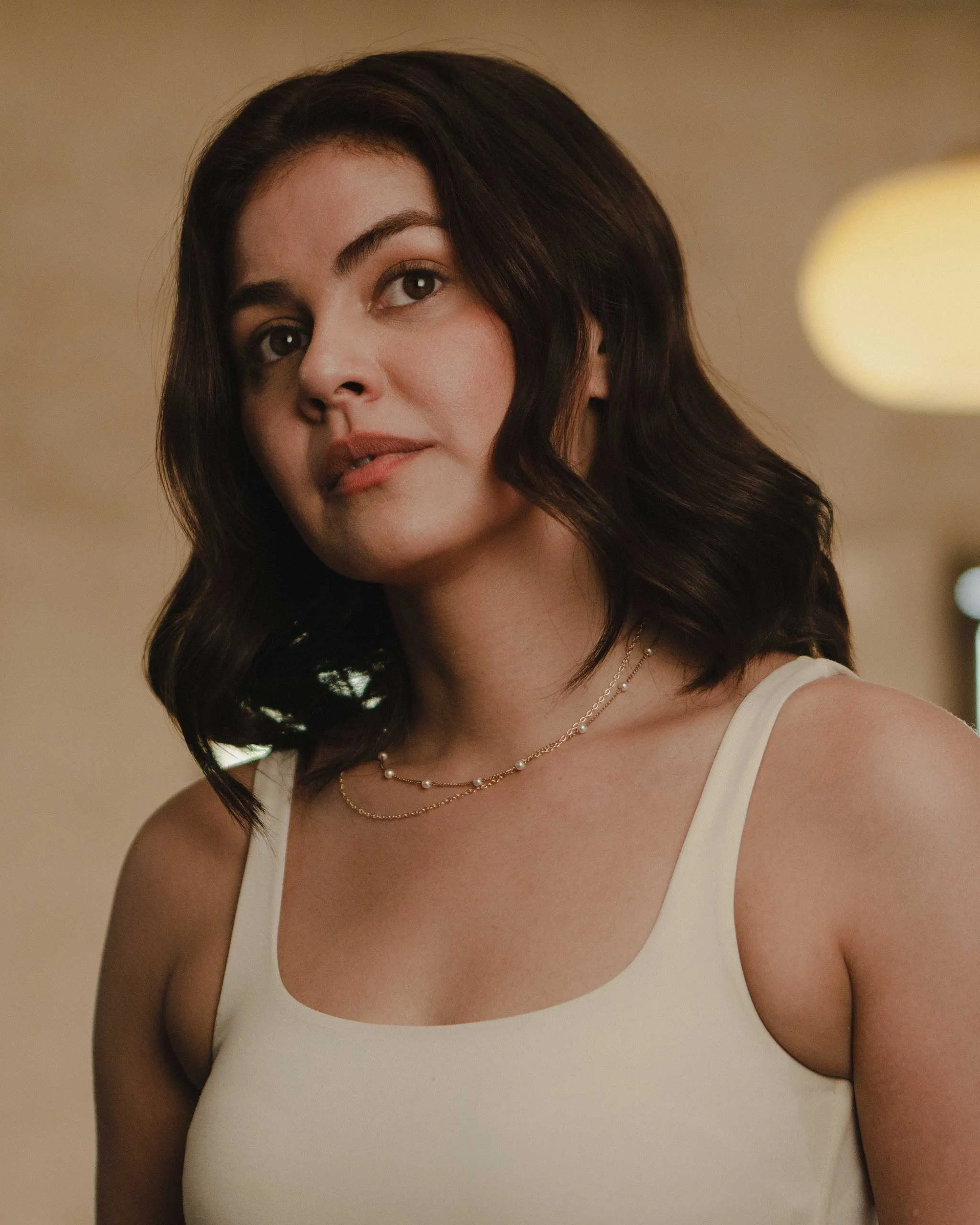
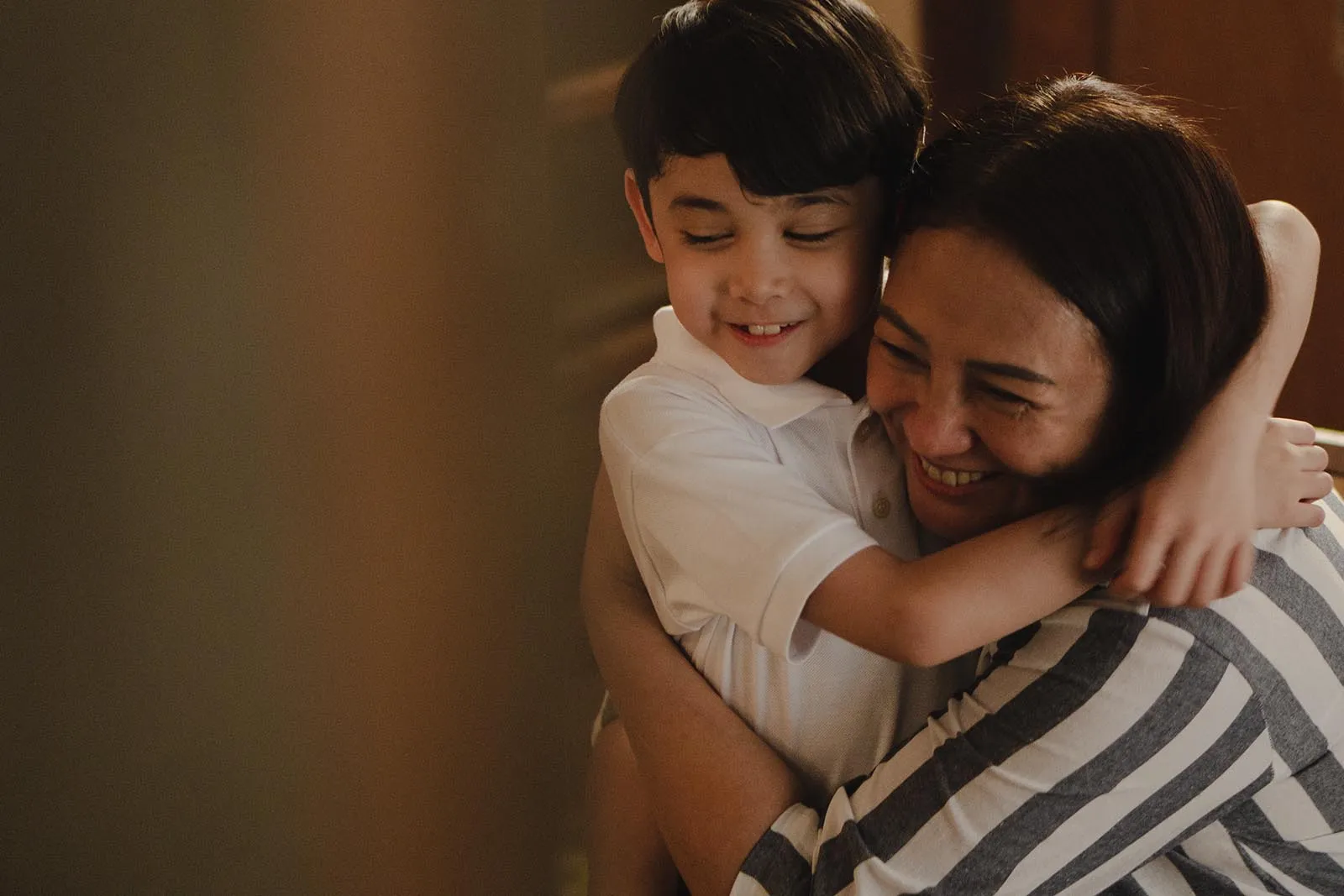
Directed by Giancarlo Abrahan and written by Guelan Varela-Luarca, Mag-iina is an adaptation of Corridors, Varela-Luarca’s award-winning play. It follows an estranged woman named Anj as she returns to her ancestral home days before the 40th day after her father’s death. She reunites with three generations of women in her family, who are trapped in grief and madness, uncovering long-buried “dark forces.”
While the film itself feels dark, there is such a lightness between Abrahan and Varela-Luarca, who have been friends long before the film’s production. Last year, Varela-Luarca created a stage adaptation of Dagitab, Abrahan’s 2014 Cinemalaya award-winning film. In turn, for this year’s Cinemalaya, Abrahan adapted Corridors for the big screen. “I think friendship is a wonderful excuse and reason to create, and that to me is the greater compass for this project,” Abrahan says. Friendship and collaborative relationship aside, Abrahan was also drawn to the material because of its family-centered narrative and the nature of allegorical stories.
Before Abrahan’s adaptation, Corridors first came to life with CAST PH’s stage reading last January, where he took note of improvements he wanted to make for the material. “The film version in my mind is not in any way the second life form or a derivative version. It’s part of the growth of the material,” he says.
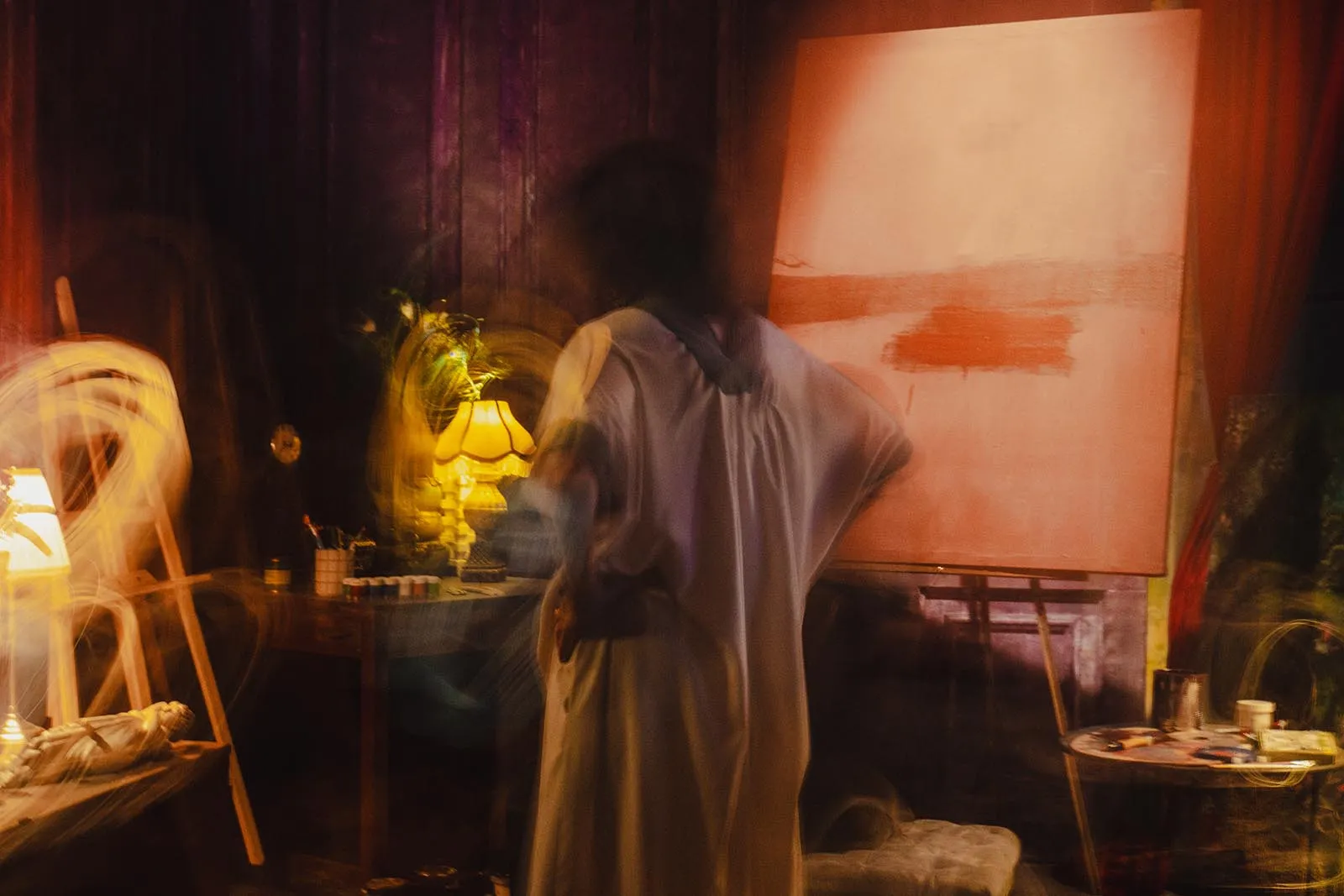
In the Mag-iina, Abrahan and Varela-Luarca honed the film to feel architectural, in the sense that the house itself becomes a character of sorts. It’s akin to the late Mike de Leon’s Kisapmata (1981), where the house becomes a narrative tool for the story. “The biggest guide to me was figuring out what the rooms were that contained these characters,” Abrahan says. “Every room is its own world; every room has its own planet.”
“I think we landed on what felt like the right version of the screenplay when we saw the location,” Varela-Luarca adds. “When we found that house, I rewrote the entire screenplay around that space.”
Cinematographically, Abrahan also tried to capture this feeling. “I was interested in having the place sort of feel like it’s floating. I was thinking of how to make this place alive when you’re capturing it,” he says. With this in mind, the crew decided to use a handheld camera, which, to Abrahan, captured psychological spaces more effectively.
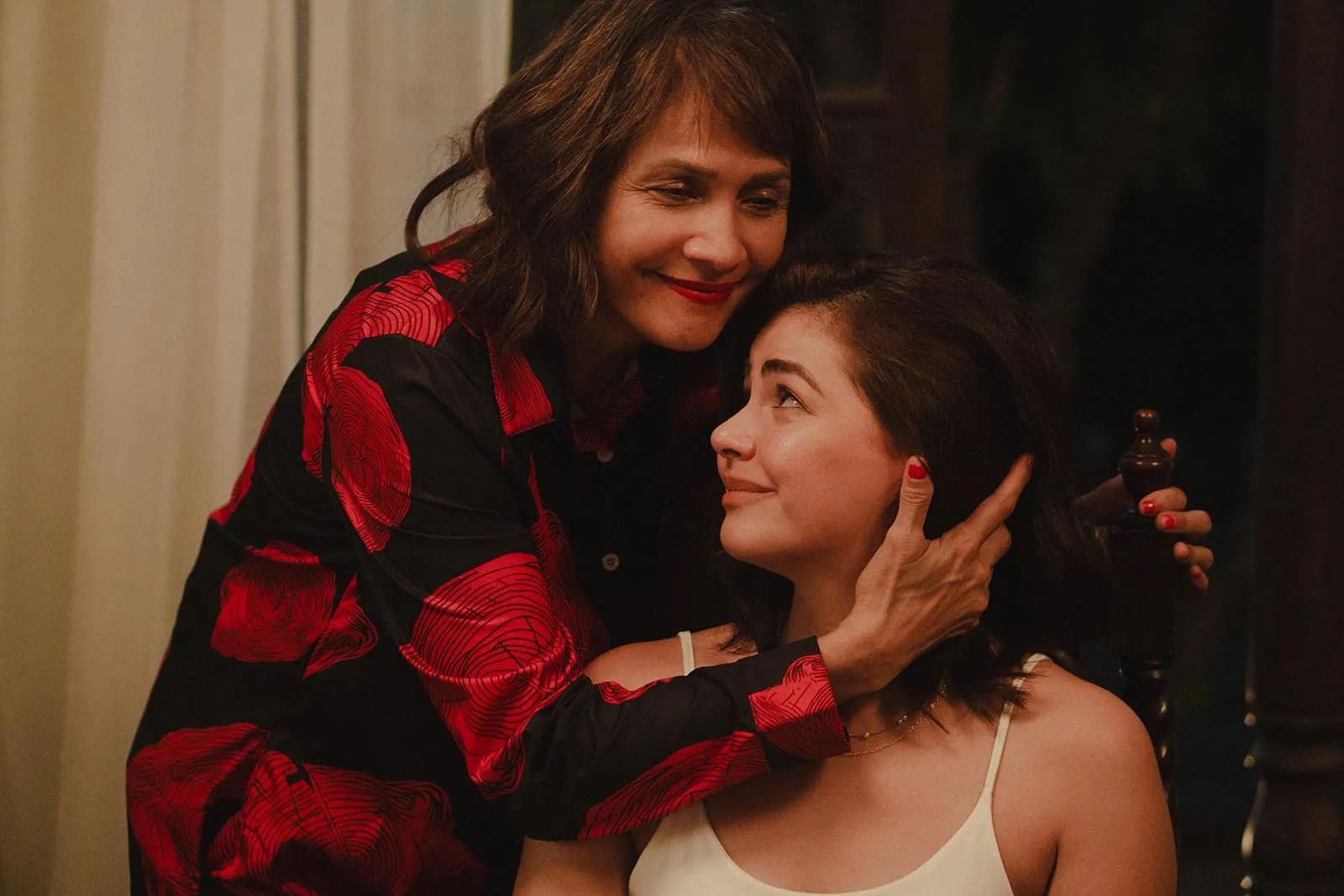
Inhabiting these spaces are characters played by a stellar cast: Janine Gutierrez as Anj, Mita as Cherry Pie Picache as Mita, Agot Isidro as Ysobel, Jackie Lou Blanco as Angela, Lucas Andalio as Yñigo, and Ness Roque as Katte.
Roque, like Abrahan, was immediately drawn to the material. “Sobrang naniniwala ako dun sa material at kay Guelan,” she says. “And I wanted to lend myself to the project kasi gusto kong maging bahagi sa pagpapaanak sa kanya.” She describes it as “strong,” adding that when she first read the script, she felt like she was going to have a fever.
The film also marks her return to Cinemalaya, with her previous Cinemalaya film being Last Supper No. 3 (2009). “We thought of Ness because I’m such a fan of her work. I was just so excited to work with her and I feel like bringing her back to the screen was exciting,” Abrahan says.
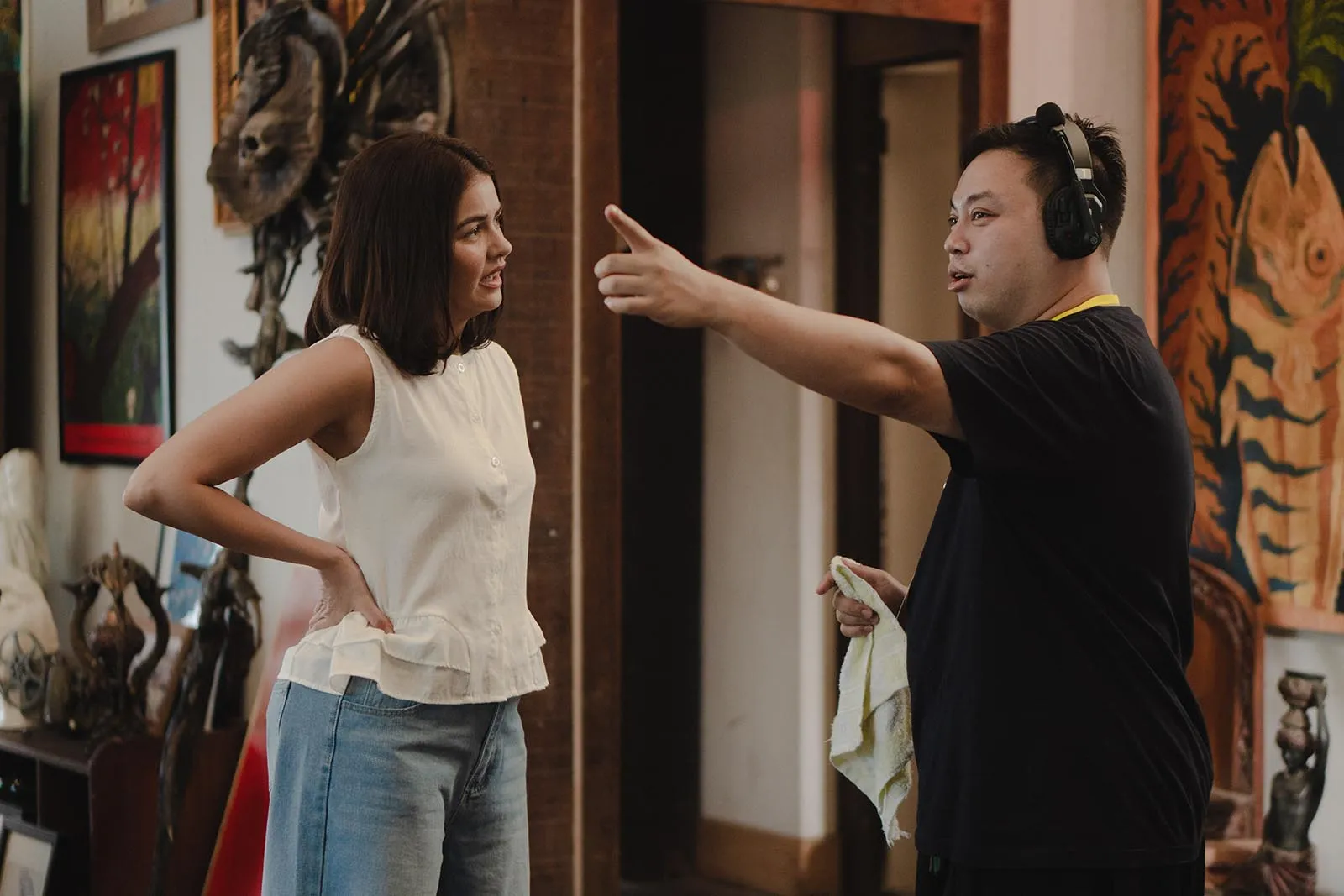
While keeping much of the story under wraps, the three leave a few questions and thoughts they want the audience to ponder on after watching the film. “Sinong mama mo?” Valera-Luarca jokes. On a more serious note, he asks the question, “How can you really differentiate evil, abuse, and love in a hyper compact place such as one’s home?”
For Abrahan, he wants the audience to examine love, if its nature is truly good, and what unconditional love looks like. “When you think of even love for a country, in other parts of the world nationalism means a very bad thing. It can cause genocide,” Abrahan says. “So, what does extreme love actually cause?” Roque, on the other hand, asks a question that looks to the future. “Paano ka tatakas? Paano ka lalaya from all of this?”
Lastly, Valera-Luarca asks a fundamental question. “Where is home? Especially when home can hurt you?” he says. “At some point, we all settle and choose how much pain we are willing to sit with, to live with, and that is home.”
Frequently Asked Questions
Mag-Iina follows an estranged woman named Anj who returns to her decaying ancestral home near the 40th day of her father’s death. She reunites with three generations of women trapped in grief and madness, uncovering long-buried dark forces.
The cast of Mag-Iina includes Janine Gutierrez, Cherry Pie Picache, Agot Isidro, Jackie Lou Blanco, Lucas Andalio, Ness Roque, Bart Guingona, and Alejandra Cortez.
Cinemalaya is a pioneering annual Philippine independent film festival and competition established in 2005 by the Cinemalaya Foundation and the Cultural Center of the Philippines.
The 22nd Cinemalaya Independent Film Festival runs from August 6 to 18, 2026.
Cinemalaya 2026 tickets can be bought online or at physical cinema ticketing booths across partner locations, including Shangri-La Plaza Red Carpet Cinemas, Gateway Cineplex 18 via Ticketnet, and Ayala Malls Cinemas.
- How Cinemalaya’s 2 Valid IDs Exposes the Human Cost of Bureaucratic Red Tape
- The Women of Forgotten Island: H.E.R., Liza Soberano, Lea Salonga, and Dolly de Leon on the Stories that Lead Us Home
- An Island Remembered: The Artists and Creatives Behind DreamWorks’ Forgotten Island
- An Exclusive Look at the Making of Forgotten Island