
Wig Tysmans On the Other Side of Two Cancer Diagnoses


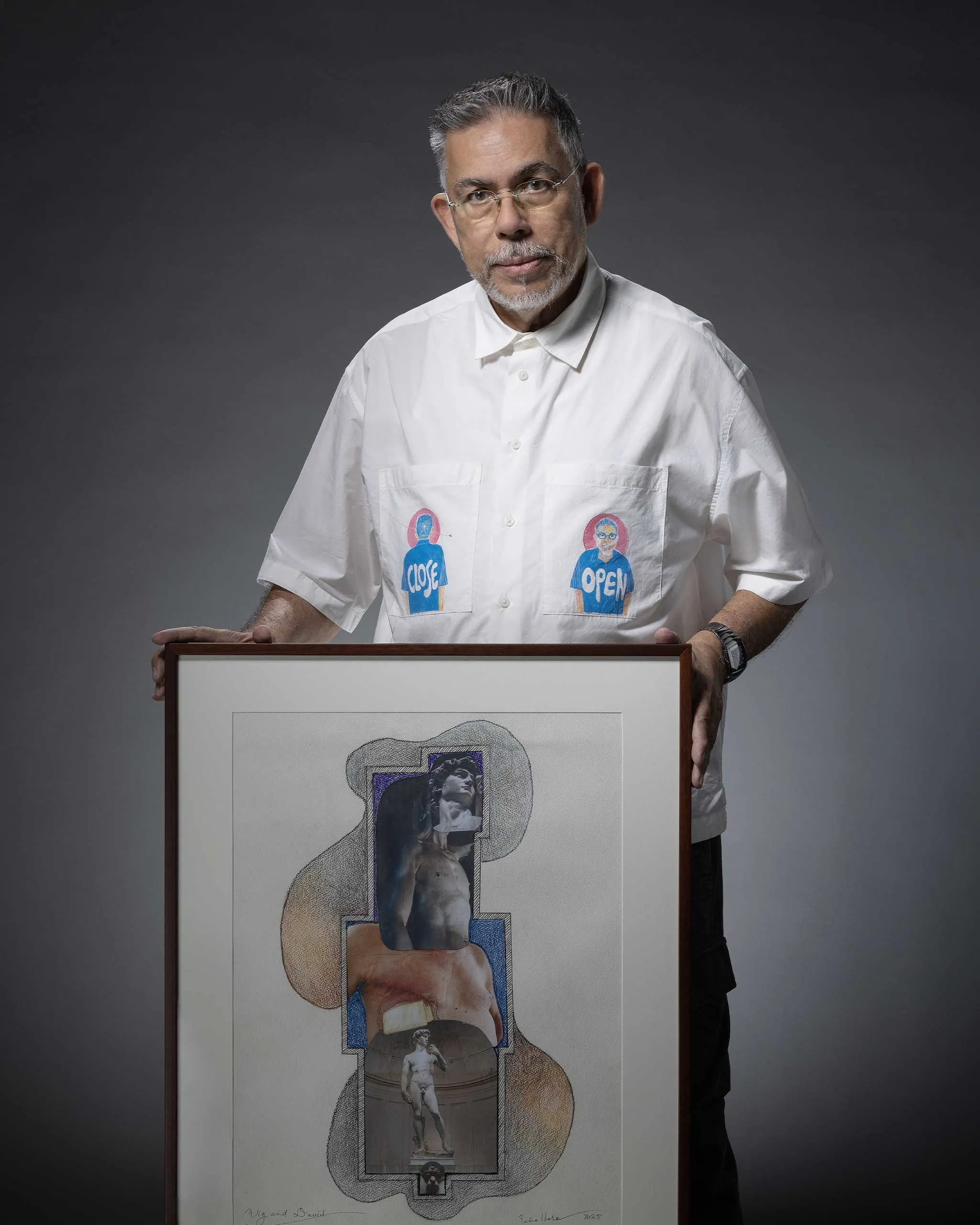
Photogrpahed by James Ona, courtesy of Wig Tysmans
Having survived both prostate and breast cancer, the photographer reflects on how his experience deepened his commitment to cancer awareness and advocacy.
When photographer Wig Tysmans found out that he had cancer, his shock was doubled: He had prostate cancer, the second most common cancer in men, and breast cancer, a rare cancer for men. “My doctor told me, ‘Para ‘kang tumama sa lotto,” he says.
While being diagnosed with two types of cancer may have been expected, Tysmans shares that cancer itself wasn’t much of a surprise, as both of his parents were diagnosed with it too. “I was aware that cancer was in our blood,” he says. His mother died of lymphoma, while his father died of liver cancer.
His familiarity with the disease extended beyond his family. As a photographer, he volunteered with The Cancer Resource and Wellness (Carewell) Community Foundation Inc. “I photographed the [cancer] warriors in their happiest moments in a studio,” he recalls. These images were later used to raise funds for the foundation.
His cancer diagnosis came when his daughter requested an executive checkup for a health insurance application before traveling. The checkup revealed that his prostate-specific antigen (PSA) was slightly elevated. Tysmans says that, at the time, the levels were “almost insignificant,” which allowed him to continue with his travel plans first. When they returned to the Philippines, a follow-up PSA test showed that his levels had risen significantly, suggesting an issue with his prostate.
In a PET scan for his prostate cancer, his nipple also lit up. Months before the lab tests, Tysmans recalls feeling pain in his arm, which they thought might be from trauma. The following year, after his prostate cancer surgery, the pain began to travel from his arm to the middle of his chest, prompting him to wonder if he was having a heart attack.
One ultrasound later confirmed that he had breast cancer, which was difficult to detect because of its location directly beneath the nipple. After undergoing a mastectomy, a biopsy showed that the lymph nodes were benign, aside from the tumor itself.
Although both prostate and breast cancer were dealt with, he shares that he is not completely cancer-free. “I have about one or two percent cancer in my body,” he says. According to his doctor, the number is too small to treat with chemotherapy. Instead, he is taking tamoxifen, a hormone therapy drug used to treat and prevent estrogen receptor-positive breast cancer in men and women.
“I’m happy that we caught it early, and I was given a chance to choose and have the time to decide what to do. Others, they didn’t have a choice once they discovered,” he says.
After surgery, Tysmans describes his life as “about 95 percent normal.” He still returns to the work that he loves, with his most recent project with Bangko Sentral ng Pilipinas set to come out this month. There is also travel. With his wife and daughters, he continues to make plans to see new places.
For those who are currently undergoing cancer treatment, Tysmans encourages patients to lean into spirituality and practices that encourage reflection. “It’s a good thing. You need prayers,” he says, describing how some of his friends became more spiritual after learning they had cancer.
As he waits for new photography assignments, he hopes to continue shooting for as long as he’s able.
Frequently Asked Questions
Wig Tysmans is a photographer with 30 years’ worth of corporate, advertising, documentary, and editorial work.
Breast cancer is a disease in which cells in the breast mutate, grow out of control, and form a malignant tumor that can invade nearby tissue or spread to other parts of the body.
Yes, men can get breast cancer, though it is rare and accounts for about 1 percent of all breast cancer cases.
Breast cancer treatment depends on the stage, tumor size, and specific cell features. Possible treatment options include surgery, radiation therapy, chemotherapy, hormone therapy, targeted therapy, and immunotherapy.
Breast cancer is very treatable, especially when caught early, with an overall five-year relative survival rate of roughly 91 percent to 92 percent.