
5 Breast Cancer Stories of Hope, Healing, and Resilience


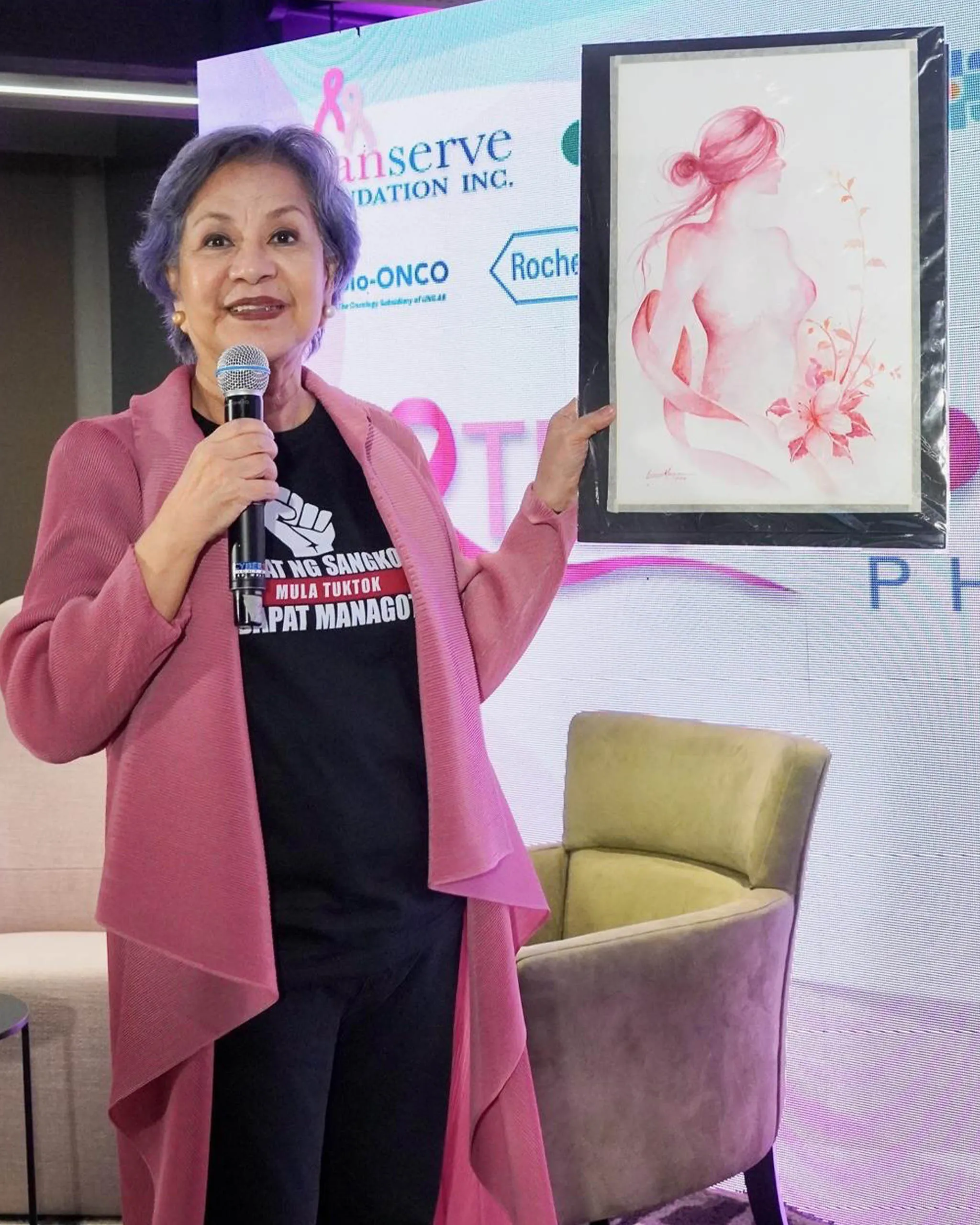
Courtesy of ICanServe Foundation
At the recent ICanServe Foundation summit, Bibeth Orteza, Wig Tysmans, Cathy Sanchez Babao, Aileen Pascual, and Celine Cornejo open up about fear, courage, and finding strength in community.
Among Filipino women, breast cancer remains one of the most common cancers, but behind every diagnosis is a person with a story of their own. At the 2026 Patient Power Summit organized by ICanServe Foundation, five patients and survivors shared stories that spoke about fear, resilience, community, and the decision to keep moving forward.
For ICanServe Foundation founding president Kara Magsanoc-Alikpala, that patient perspective has always been at the center of the organization’s work. Her own experience as a breast cancer survivor led to advocacy, particularly after seeing the challenges faced by patients who could not afford treatment, were diagnosed late, or struggled to access healthcare. Founded in 1999 with fellow survivors Crisann Celdran, Bet Yap, and the late Becky Fuentes, ICanServe began by bringing newly diagnosed patients together to share information and courage.
Over the years, the foundation’s work has expanded, but its focus on lived experience remains. “Patients should be more than beneficiaries but co-designers, co-creators of programs that involve them,” Magsanoc-Alikpala says. “Nothing about us without us.”
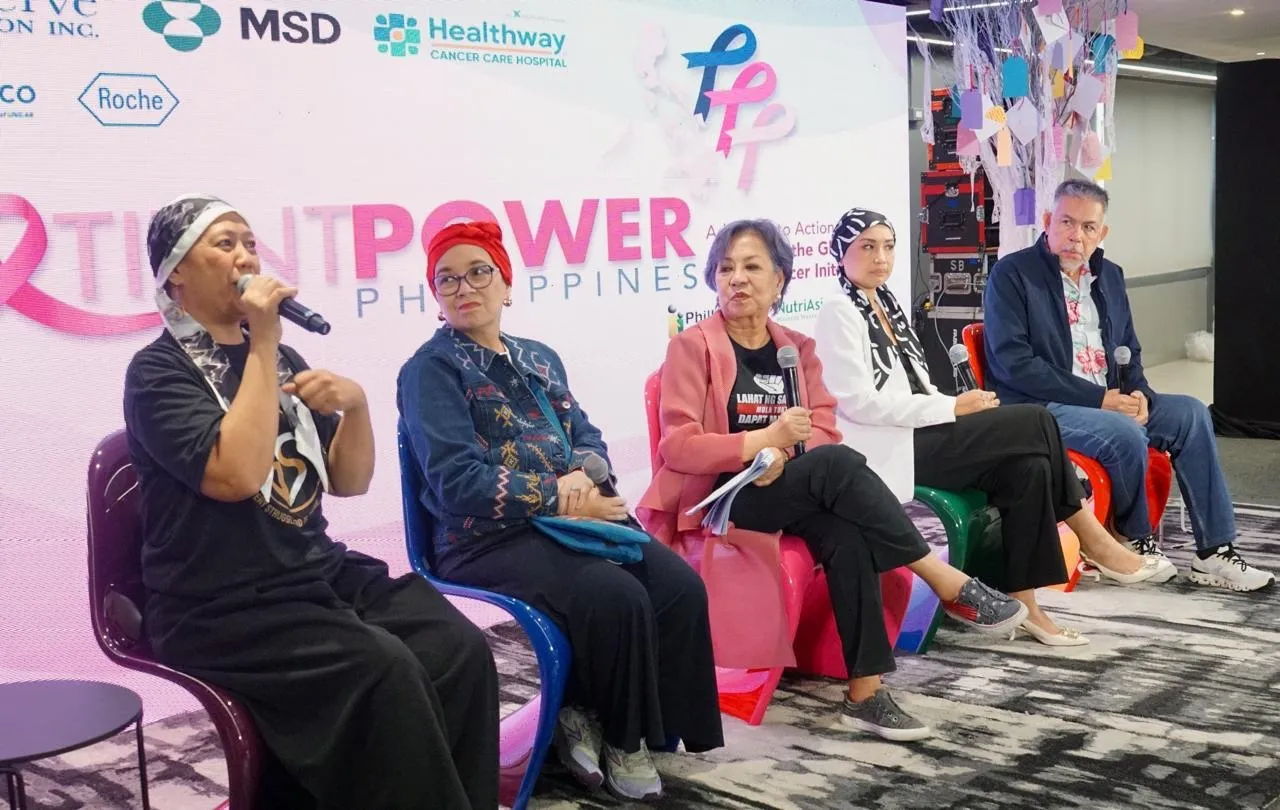
During the “Stories of Hope” session, writer, actress and director Bibeth Orteza moderated a talk with photographer Wig Tysmans, peer navigator Aileen Pascual, author Cathy Sanchez Babao, and preschool teacher and content creator Celine Cornejo, sharing their own experiences with breast cancer.
When Tysmans found out about his breast cancer, he said he was being checked for a different type of cancer. After consulting with his physician, he found out that he had prostate cancer, and during the PET scan, his breast cancer was detected. “Two cancers in six months,” he said. “Para akong tumama ng lotto, kasi one percent of [breast] cancer patients are male.”
Because of early detection, Tysmans didn’t have to undergo chemotherapy, but he has been taking the hormone therapy drug tamoxifen for the past five years.
Meanwhile, Pascual is a breast cancer survivor who has been through all the stages, an experience that has informed her work as a peer navigator. In 2023, she was diagnosed with stage 1 breast cancer, which then progressed to stage 4 within a few months, while she was undergoing treatment. Almost a year ago, she began to lose her eyesight and needed a cane and assistance while walking.
“But [it was] during those times [when] I was in stage 4… that we found the advocacy to reach out to the cancer patients, to share our journey,” she said. Since stopping her treatment last October, her neuropathy has disappeared, and her eyesight has been restored.
Babao had been an ICanServe volunteer for over 20 years before her diagnosis. “In the start, it was just fear and denial,” she said. After completing eight cycles of chemotherapy, she announced on August 20 that she is cancer-free. “I see ICanServe differently now because I understand that its greatest gift is not just education. It is companionship. It tells a newly diagnosed woman, ‘You are not walking into this alone.’ When you’re terrified, that sentence can be as healing as medicine,” she tells Vogue Philippines.
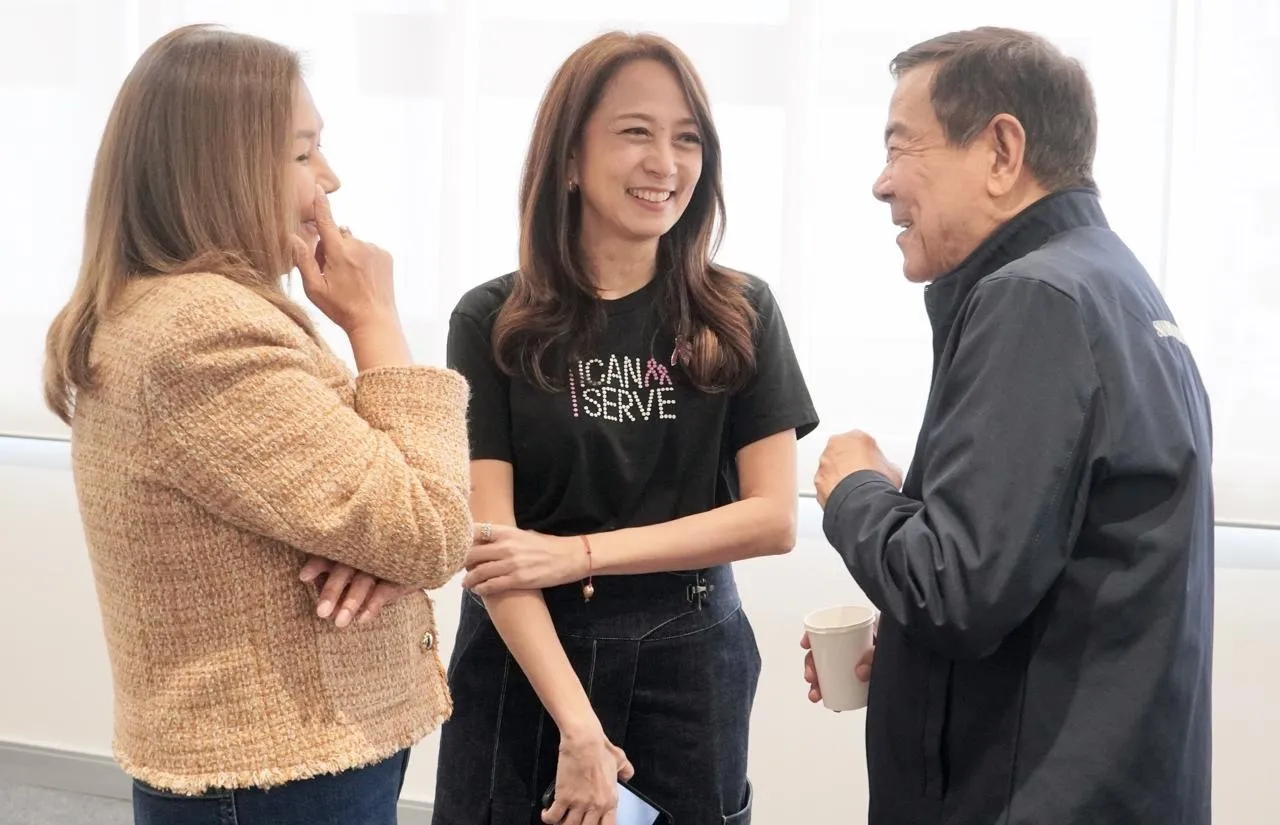
While diagnosis is scary, Cornejo found courage after her integrative doctor asked her a question: If you were to choose, would you choose cancer or a car accident? “I told the doctor, of course, I would choose cancer,” she said. “I said, with cancer, I have time. I have time to say goodbye. I have a fighting chance.” Choosing hope, she has founded Kusog.ph, an advocacy and lifestyle brand that creates soft head wraps for women and children undergoing cancer treatment.
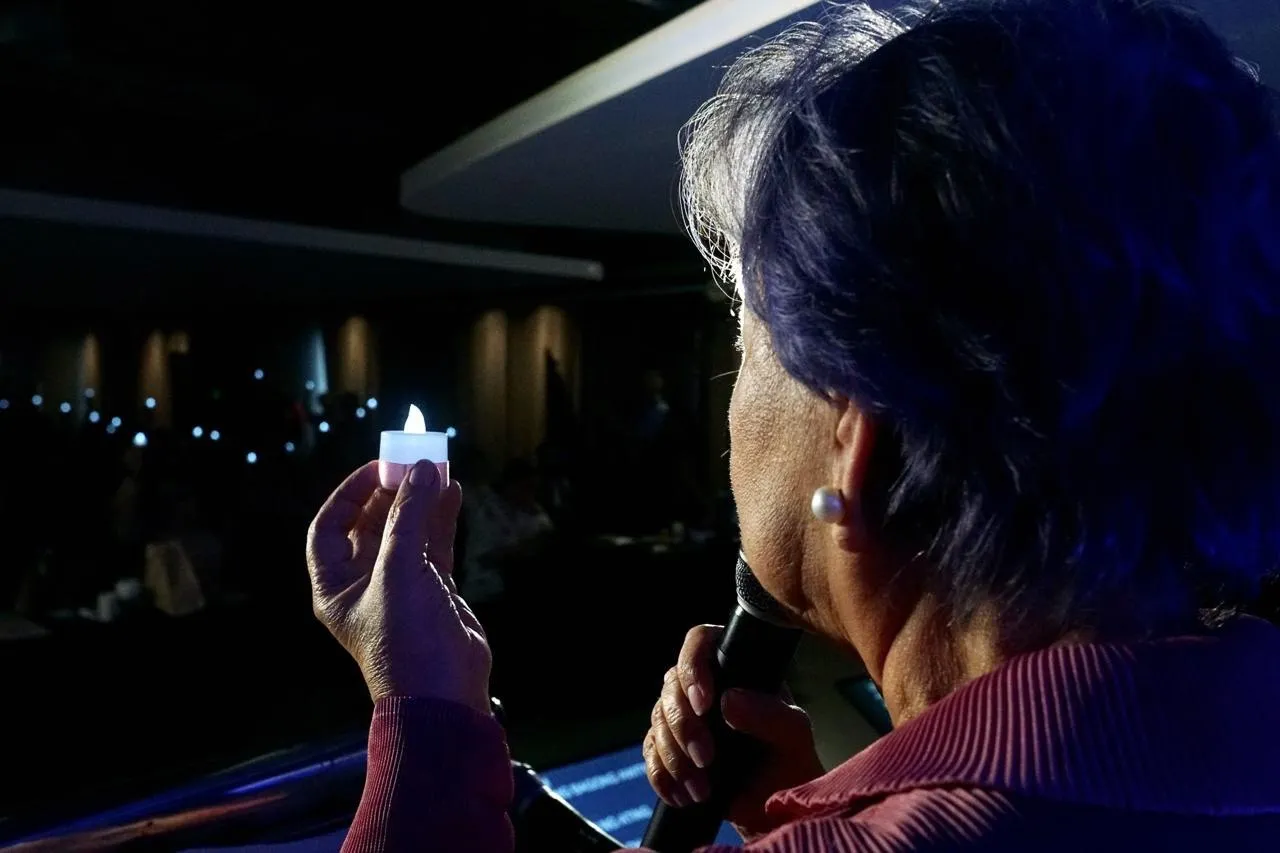
For Orteza, hearing these stories at ICanServe has changed her perspective on cancer. “I found out I wasn’t alone,” she tells Vogue. “I found out I was going to be a part of a community, and a community that wasn’t just there as a community, but a really working community.”
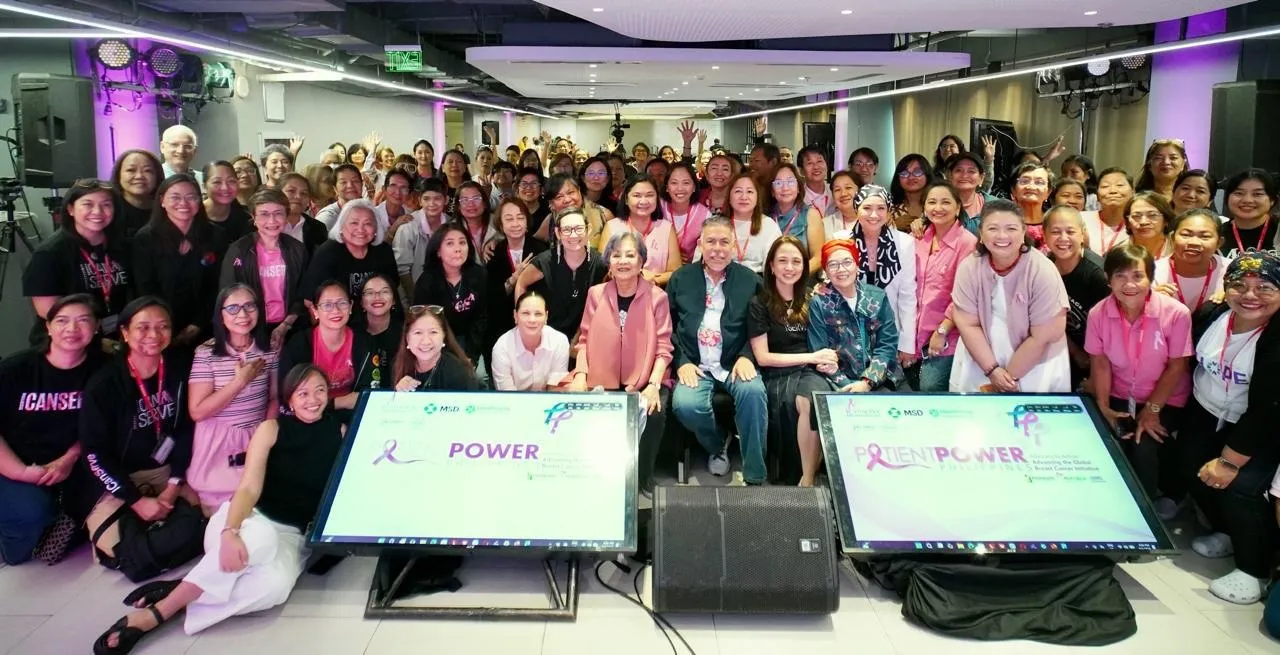
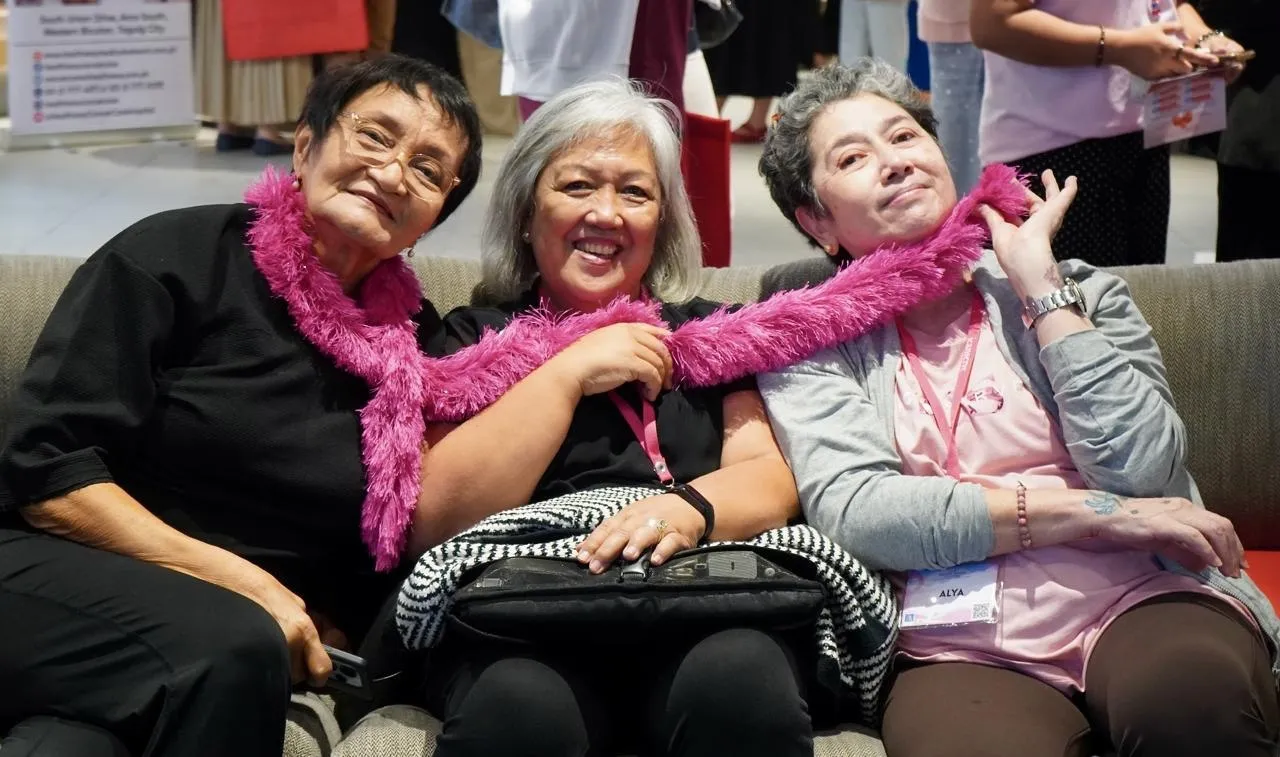
The stories shared at the summit share the same principle: that patients’ voices matter, especially when they come together. For Magsanoc-Alikpala, some of the lessons come from grassroots support groups, many of whose members are living with stage 4 breast cancer while continuing to volunteer and help other patients.
“They have taught me that perhaps the secret to living is simply love and service,” she says. “Filipino breast cancer survivors are some of the most extraordinary women I know.”
And for Orteza, Pascual, Babao, Cornejo, and Tysmans, their stories show what patient power can look like in practice: asking questions, sharing experiences, supporting others, and finding ways to live beyond a diagnosis.
“When you survive it, pay it forward,” Orteza says. “Everyone who helped you before, thank them by way of helping others also.”
Frequently Asked Questions
Breast cancer is a disease where abnormal cells in the breast grow out of control and form tumors.
Breast cancer is the most common cancer among women worldwide, accounting for roughly 30% of all new female cancer diagnoses.
Common symptoms include a new lump or thickening in the breast or underarm area; changes in size, shape, or appearance of the breast; skin changes such as dimpling, puckering, redness, or pitting; and nipple changes, such as turning inward or abnormal/bloody discharge.
ICanServe Foundation is a nonprofit organization in the Philippines that advocates for breast cancer awareness, early detection, and patient support. You can find more info on their website https://www.icanservefoundation.org/
Yes, many breast cancers can be cured, particularly when it is detected and treated early.