
Elsie Pfleider on the Language and Life of Dogs


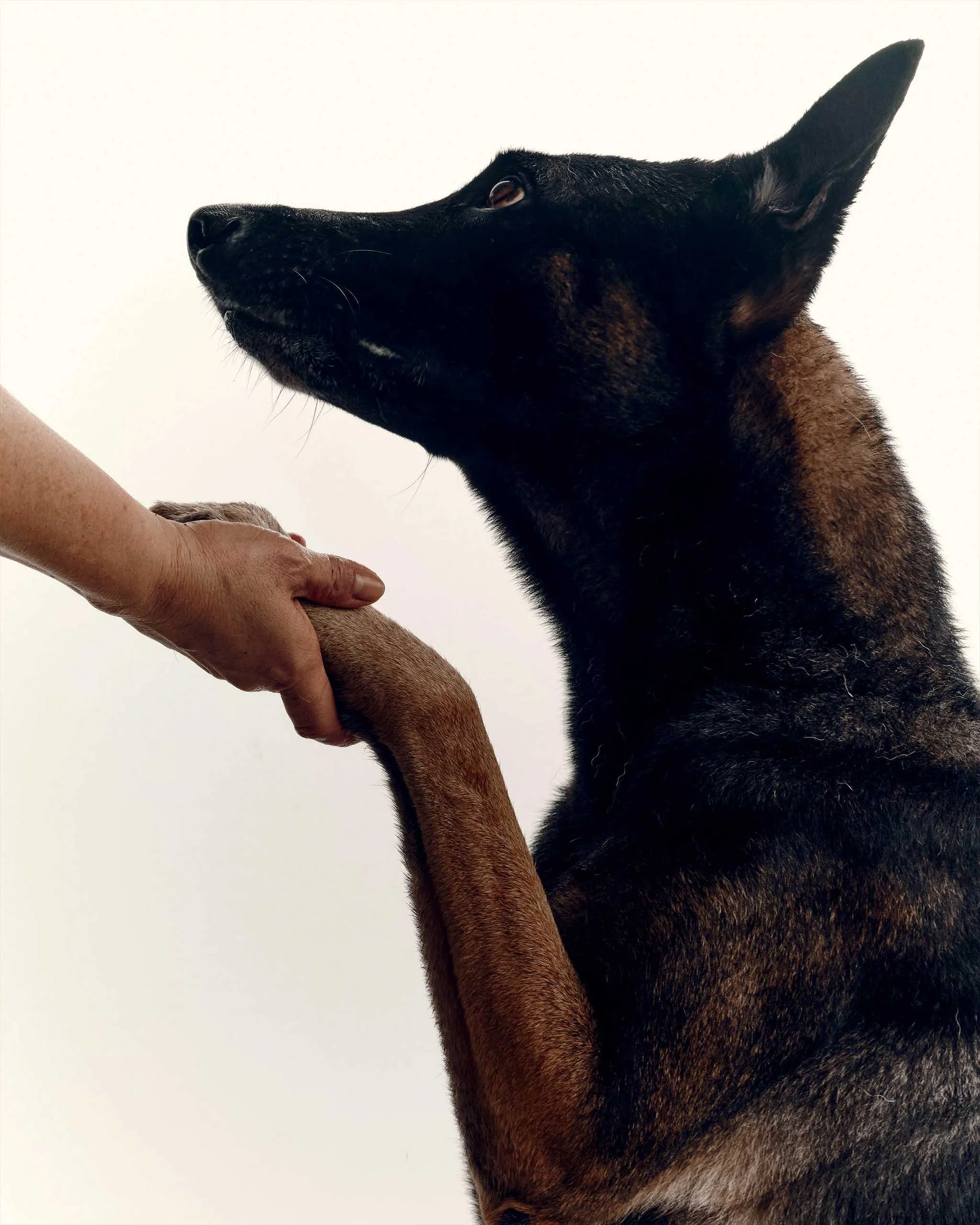
Delfin was a young Belgian Malinois left in the care of village guards after his owner became seriously ill. When animal welfare volunteers found him severely underweight, they took him to the vet, where he received proper care and vaccinations. Today, Delfin is a happy, well-trained dog who loves spending time with his best friends, GinGin and Lucky. Photographed by Artu Nepomuceno for the September/October 2026 Issue of Vogue Philippines
At Pfleider School, Elsie Pfleider teaches dogs and pet owners a life beyond obedience.
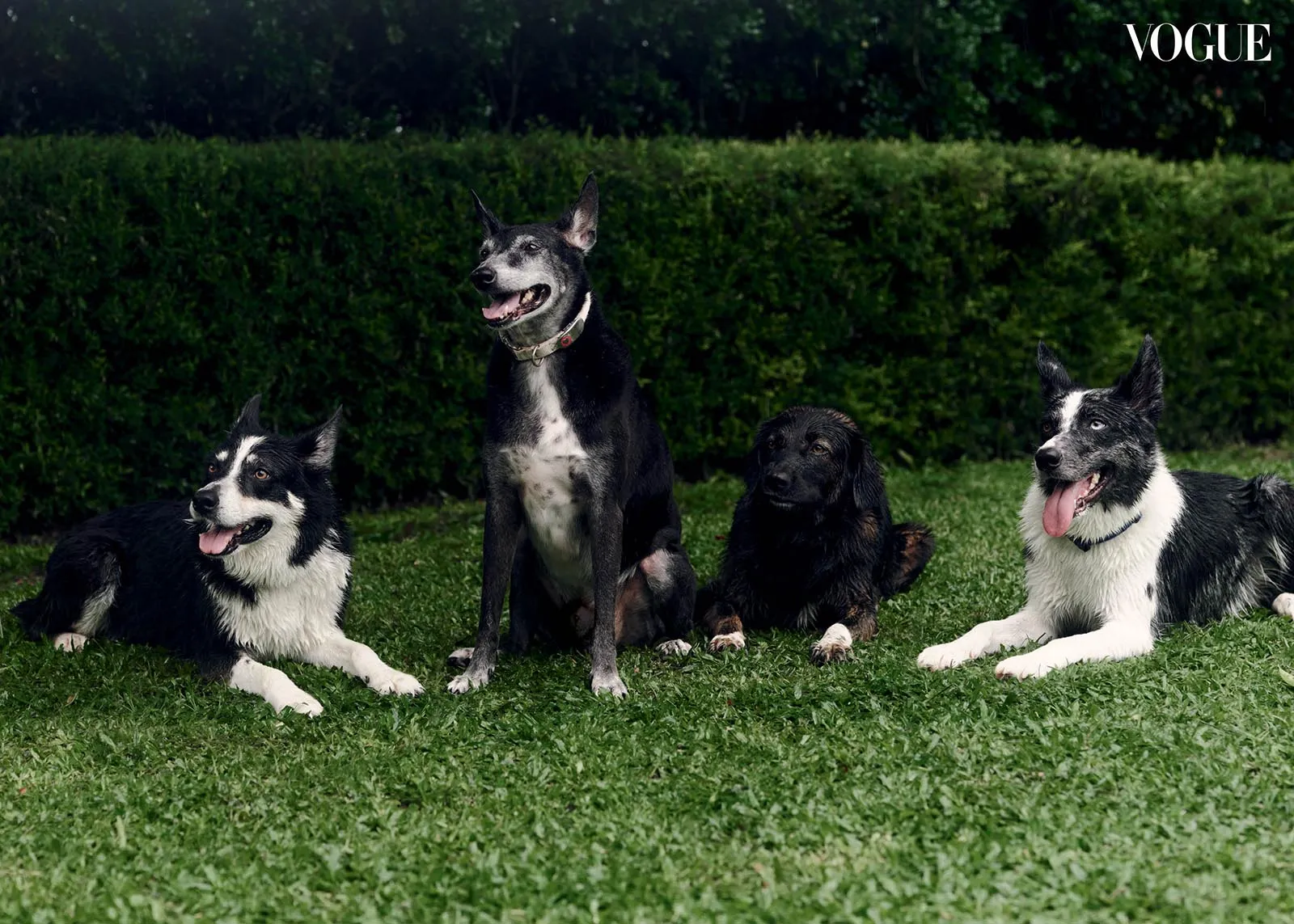
When we entered Elsie Pfleider’s home, three dogs came to greet us. There is Swyft, the working-line border collie she flew home from an Australian farm after months of searching for the right breeder. Maggie, Swyft’s only daughter, inherited her mother’s athleticism along with a blue merle coat from her American sire. Faith arrived through an unlikely chain of events after a puppy workshop with rescued dogs from the Philippine Animal Welfare Society (PAWS).
Long before she became one of the country’s leading dog trainers, Pfleider grew up surrounded by animals on her family’s farm in Negros Occidental. During the school week, she and her sisters stayed in Bacolod. Weekends and summers meant returning to the farm, where dogs, goats, pigs, and open fields formed her childhood. Those years nurtured an ease around animals, though she is quick to distinguish affection from vocation. Loving dogs, she says, was never the reason she became a trainer. It simply gave her the compassion that would later define the way she approached them.
Her professional life initially took a different direction. Pfleider spent nearly two decades working in the legal department of the Asian Development Bank. But back then, she was volunteering with PAWS, working with rescued dogs to prepare them for adoption. One of them, a distemper survivor named Cheese, struggled with movements most people would overlook. Every reward she offered slipped from his mouth because involuntary muscle spasms prevented him from holding the treat. Weeks passed before she realized the problem wasn’t stubbornness, but it was neurological. She changed the way she delivered rewards, adapting her method instead of expecting the dog to adapt to her.
“The light in his eyes,” she recalls, “was amazing to watch.” The breakthrough came again when she finally found a way to teach him to sit despite physical limitations left behind by illness. “I could see all of a sudden his demeanor changed; it was like, ‘I know I can do things, and I can get rewarded,” she says. Watching him realize he had succeeded changed something in her as well. “It was that moment that really hit me, and I said, ‘I want to see more of this with other dogs. I want dogs to have this moment, and that’s when I said, ‘Okay, I’m doing this when I retire.’”
Before retiring from her previous job, Pfleider began her education in dog training. She traveled to Australia for practical instruction, completed formal coursework in 2011, and earned certification through the Certification Council for Professional Dog Trainers in the United States, later advancing to its higher knowledge-and-skills credential through years of continuing education.
After BetterDog, where she served as director of training, closed following the pandemic, Pfleider established The Pfleider School. Rather than simply teaching obedience, she envisioned a program that would allow owners and dogs to continue growing together long after the basics had been mastered.
“If you want to have a good relationship, a working relationship with the dog that you have brought into your life, you actually have to be the one to teach it.”
Some people view training as a service that can be outsourced: Send the dog away, wait a few weeks, and receive a better-behaved companion in return. Pfleider has never subscribed to that belief. “If you want to have a good relationship, a working relationship with the dog that you have brought into your life, you actually have to be the one to teach it,” she says.
Dogs, she explains, learn visually. They associate behaviors with the person who teaches them, developing not only an understanding of commands but also an emotional connection to the individual giving them. For her, training is less about commands than communication. She often describes it as teaching a dog a second language. Whether the cue is “sit” or “upo,” the word matters less than the shared understanding that develops through trust, repetition, and consistency. It also explains the school’s motto: “There is life beyond obedience.”
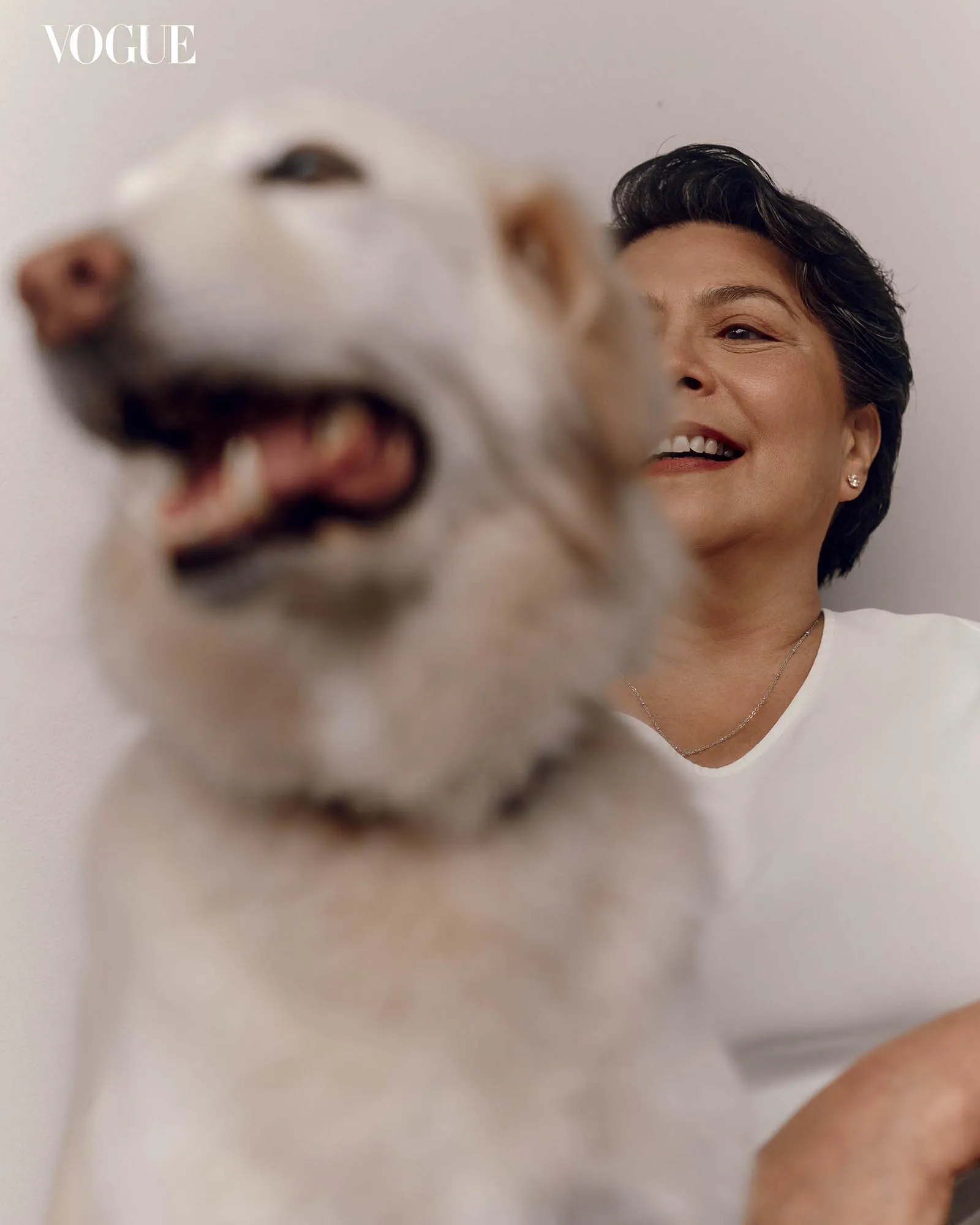
She wants owners to discover that their dogs are capable of much more than they imagined, not only in class but in everyday life. A well-trained dog becomes easier to bring into cafés, parks, family gatherings, and routines that many people assume are impossible with pets. The goal is integration rather than perfection.
There is, of course, no denying the commitment involved. Training requires time after work, weekends devoted to classes, daily practice, and the willingness to keep learning alongside a dog. It asks more of people than many expect.
Yet after years spent studying canine behavior, volunteering in shelters, raising working dogs, fostering rescues, and helping families build stronger relationships with their pets, Pfleider has come to believe that the investment always returns something greater. “They can use what they’ve learned in class to do even more things.”
“If they can find the courage to just take the step,” she says, “a whole new world of joy and fun is waiting for them on the other side.”
Art Director: Jann Pascua. Producer: Bianca Zaragoza. Makeup: Patricia Acejo. Hair: JA Feliciano. Videographer: Lynyrd Matias. Photo & Video Team: Choi Narciso, Ed Logarta, Dome Plaza
Frequently Asked Questions
Elsie Pfleider is a Filipino professional dog trainer, canine behavior specialist, and lawyer based in the Philippines.
The Pfleider School is an educational institution focused on teaching companion dogs and their owners lifestyle, connection, and relationship-building skills through programs like “Courteous Canines Masterclass.”
Pfleider School is located at The Olympia building on Makati Avenue in Makati City, Metro Manila.
The Pfleider School strictly requires a re-enrollment assessment and orientation to evaluate.
Dogue is an annual installment by Vogue that features personal stories about public figures and their dogs, accompanied by a Dogue digital cover competition. American Vogue helmed the first iteration in 2024, and it has since become a regular event. This year, Vogue Philippines joins the fray with original Dogue stories and a Dogue casting call within the country.
- Raising Hope: Meet Rina Ortiz, The Filipina Who Never Tires of Rescuing Stray Animals
- A Guided Sound Bath Moves a Vogue Editor and His Pet to Silence and Stillness
- Jacob Elordi Doesn’t Mind Being Mogged by His Co-Star, Rak the Dog
- Millie Bobby Brown’s Miniature Poodle, Winnie, Has Been to the Upside Down