
What the Body Remembers Looks at How Craft Carries Memory Across Asia


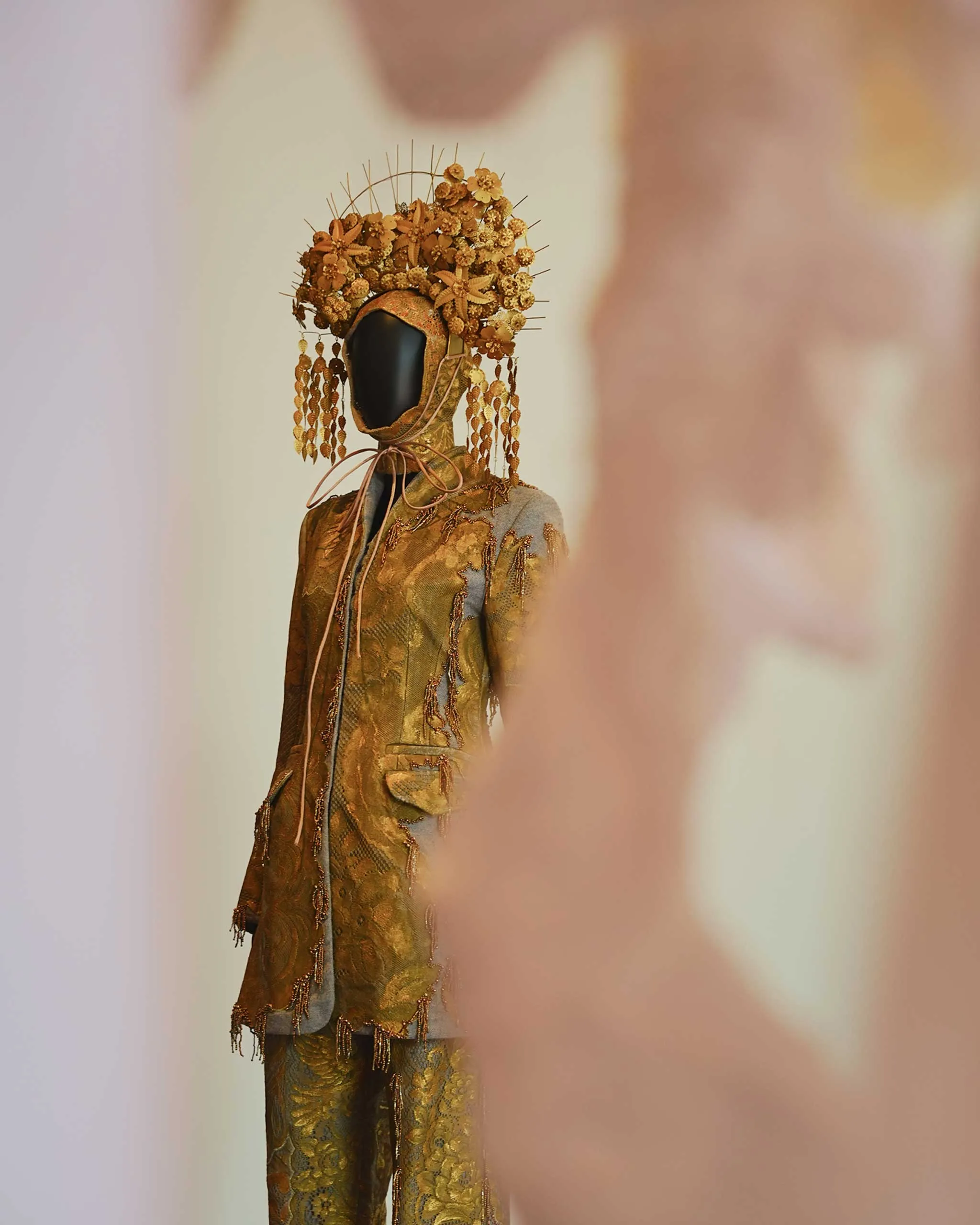
TOTON – Look 1, 2025. Courtesy of Nuanu Creative City
Fair founder Kelsang Dolma and lead curator and Vogue India editor-at-large Bandana Tewari discuss how the exhibit opens conversations on cultural preservation and the histories held in the things we make.
They say the first time’s a fluke and the second time’s a charm. But for Kelsang Dolma, the founding director of Art & Bali 2026, the second time’s possible simply because people decided it’s worth coming back to. After its launch in 2025, the international fair returned for its second edition with its annual curated exhibition What the Body Remembers, continuing the discourse on craft and textiles in Asia.
Situated on Bali’s southwest coast, Nuanu Creative City hosted Art & Bali 2026, an international art fair organized around the intersection of contemporary artistic practice, community engagement, and long-term cultural infrastructure. Although the fair only ran for three days, its exhibition What the Body Remembers will remain on view until November 29.
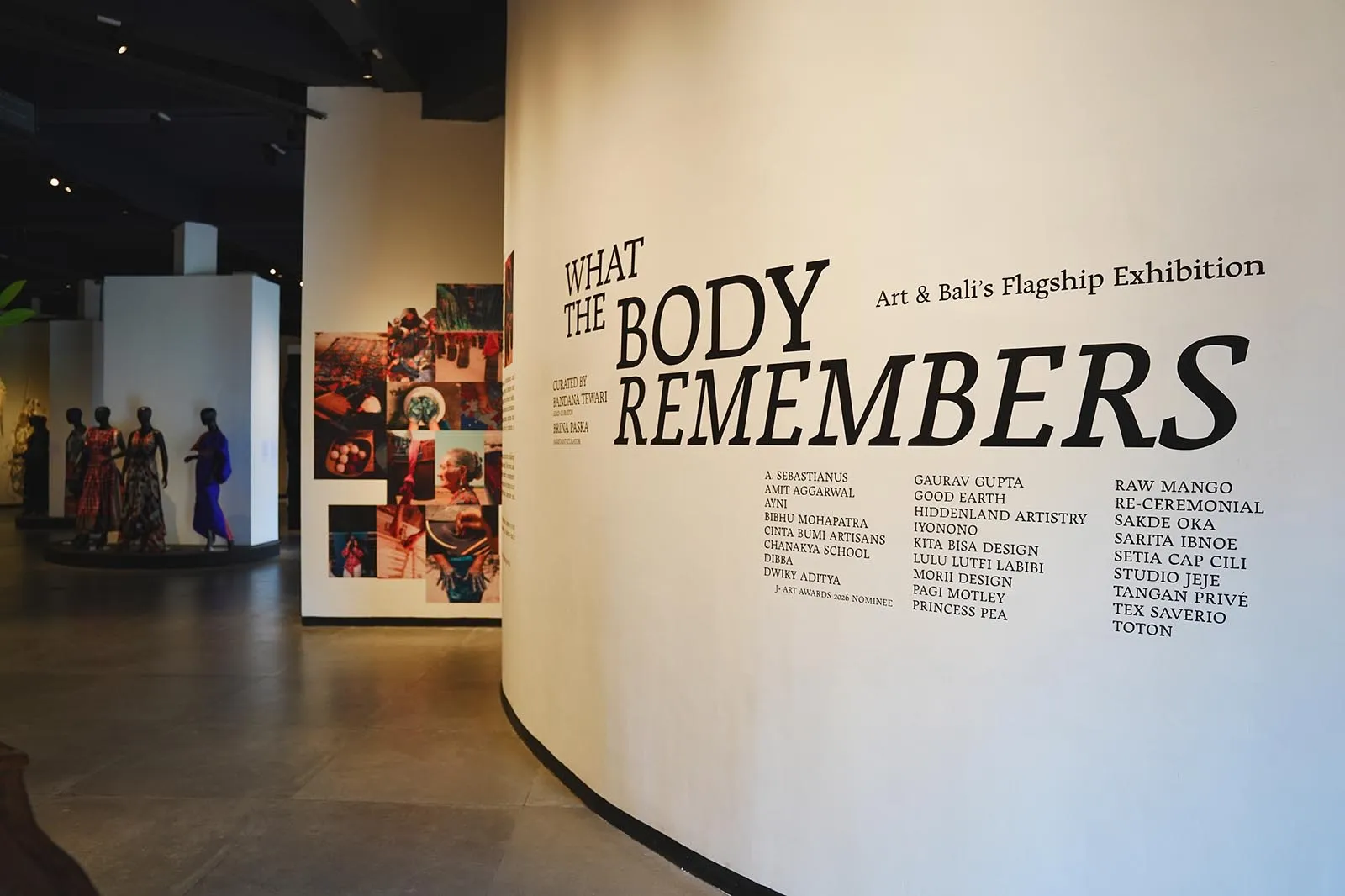
Anchored on the concept of “bridging dichotomies,” the fair’s vision of connecting art and design, tradition and technology, and culture and commerce reflects the pairings that coexist on the island daily. “We had 23 exhibitors in the marketplace, from Indonesia, Malaysia, Spain, Italy, Switzerland, and the United States, showing over 300 artists between them,” Dolma says. “The flagship exhibition What the Body Remembers brought together 26 artists, designers, and makers from Indonesia and India to look at how memory is carried through the body, the hand, and the act of making.”
Vogue India’s editor-at-large Bandana Tewari leads the curatorship of the exhibit, with Brina Paska as her assistant curator. Framing connection as movement, the exhibit is shaped by two curatorial anchors: Hand as Archive: Memory, Transmission and Embodied Knowledge; and Routes of Exchange: Migration, Mutation, and Becoming.
“Both [India and Indonesia] have extraordinary traditions of textiles, craft, adornment, and ritual. But these traditions were never static,” says Tewari. “Fibers, techniques, motifs, and ideas traveled through trade, migration, religion, and exchange. They crossed oceans, met other cultures, and were adapted by different communities. I also wanted to challenge the idea that tradition belongs neatly to one country or one moment in history. The beautiful thing about craft is that it carries memory, but it also carries evidence of exchange, a real connection. Not sameness, but a shared understanding of culture.”
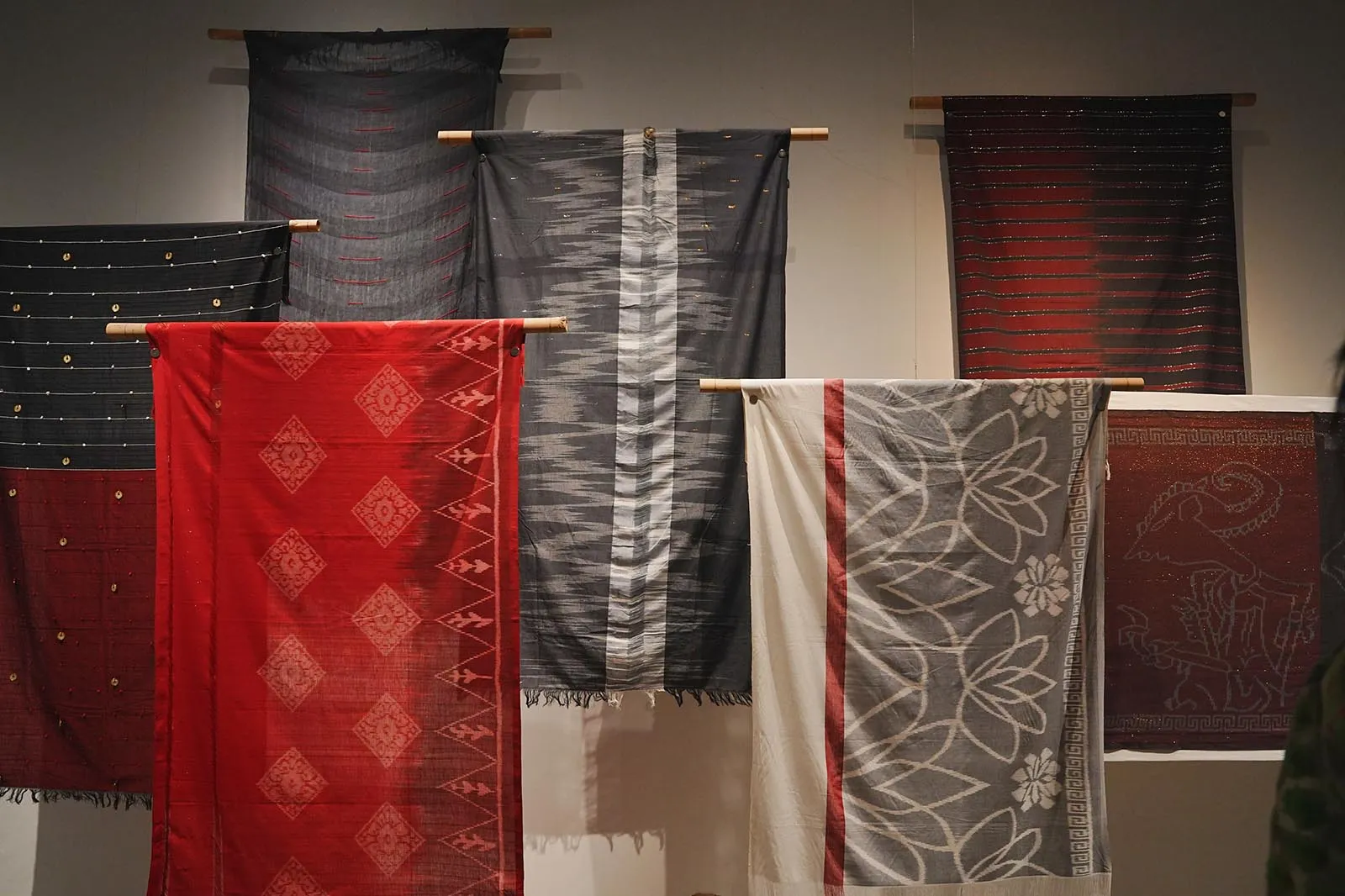
While people love their art and the conversations it brought, the team also recognizes that overstimulation has become the standard and that the industry simply accepts it as the price of the format. But Dolma refuses to conform, as the team has built Art & Bali as a boutique event which allowed What the Body Remembers to be seen rather than just skimmed.
The time has allowed more questions to be asked and conversations to come up in the exhibit, especially with subjects that dig deeper into Southeast Asia’s fashion and textile industry. “The region is still described as a production base when it is very obviously an origin point. Southeast Asia’s textile knowledge is not raw material waiting for a European house to interpret it. It is authorship, and it has been for centuries,” explains Dolma. She also acknowledges how it’s less comfortable that the industry’s value chain still doesn’t reflect this authorship. “The hand that makes the cloth is the least protected and worst paid position in the entire structure, and it is the one position that can be replaced. Everything else in fashion can be automated or outsourced. That can’t.”
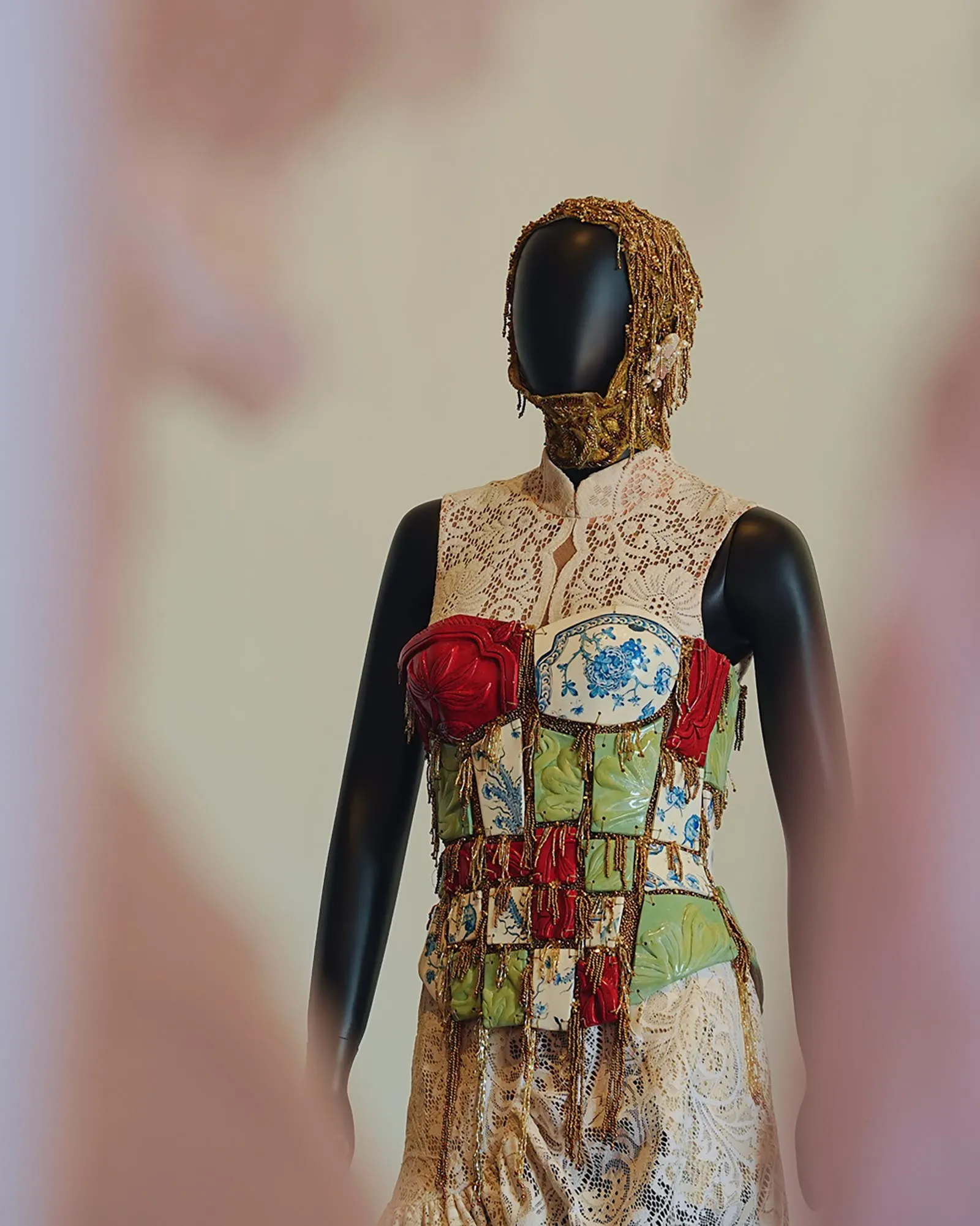
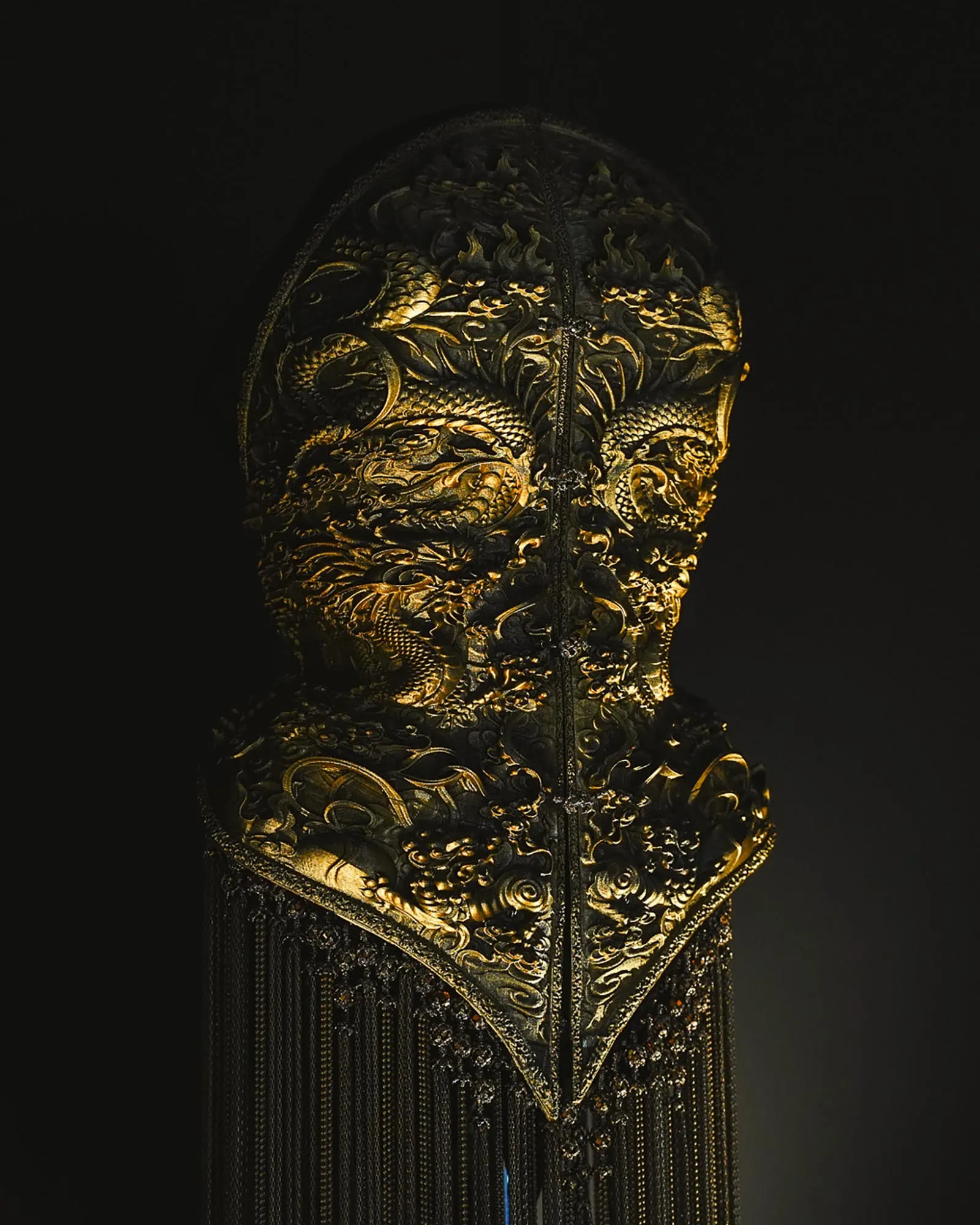
The vision of representing this conversation through the exhibit was also made possible by the work of designers that the team has considered the best of both India and Indonesia. “What they have in common is that none of them treat fashion as a functional object. They treat it as art. They also work the same way, which is to say, communally,” adds Dolma.
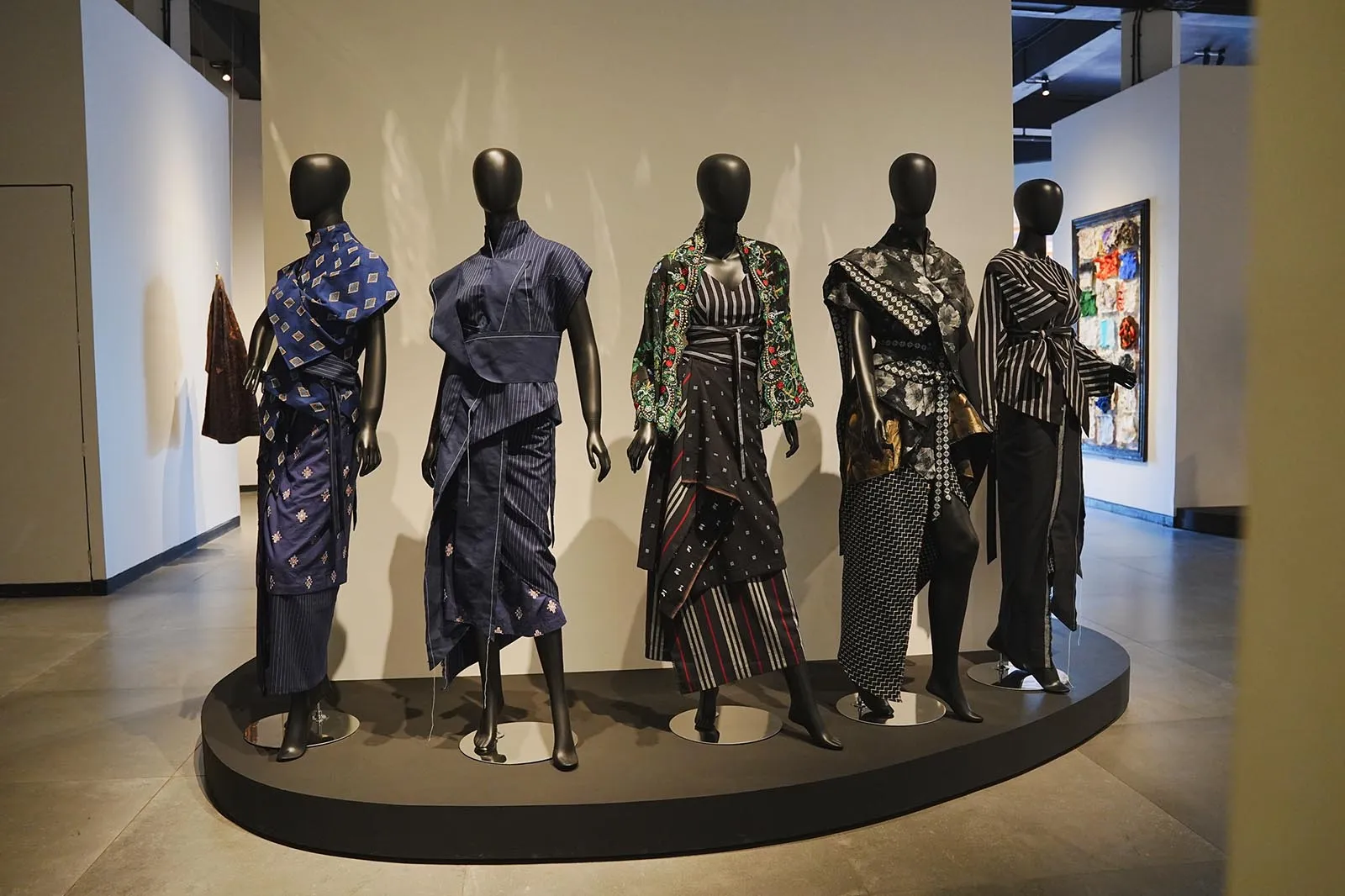
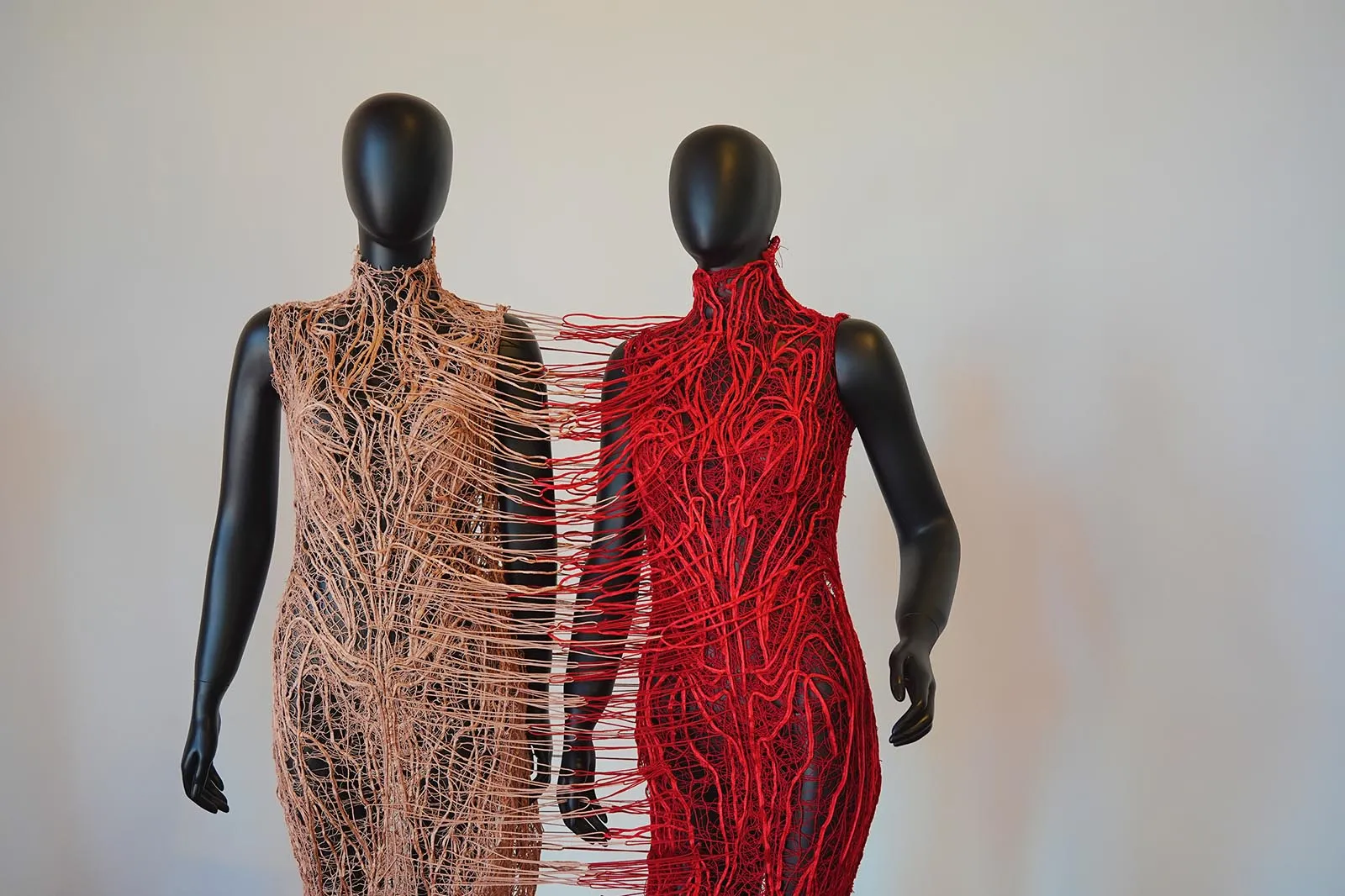
It is on the same principle that Tewari believes that fashion and craft can tell something that written history often cannot: they tell us how people actually lived. “A garment can reveal what a community valued, what materials were available to them, how they worked, what they believed, even how they moved through the world,” she says, adding that a textile can also carry the memory of a landscape, especially through relationships.
“A craftsperson may not describe every decision in words, but their hands know exactly how much tension a thread can take or how a material should respond. And sometimes, that is a much more intimate form of history.”
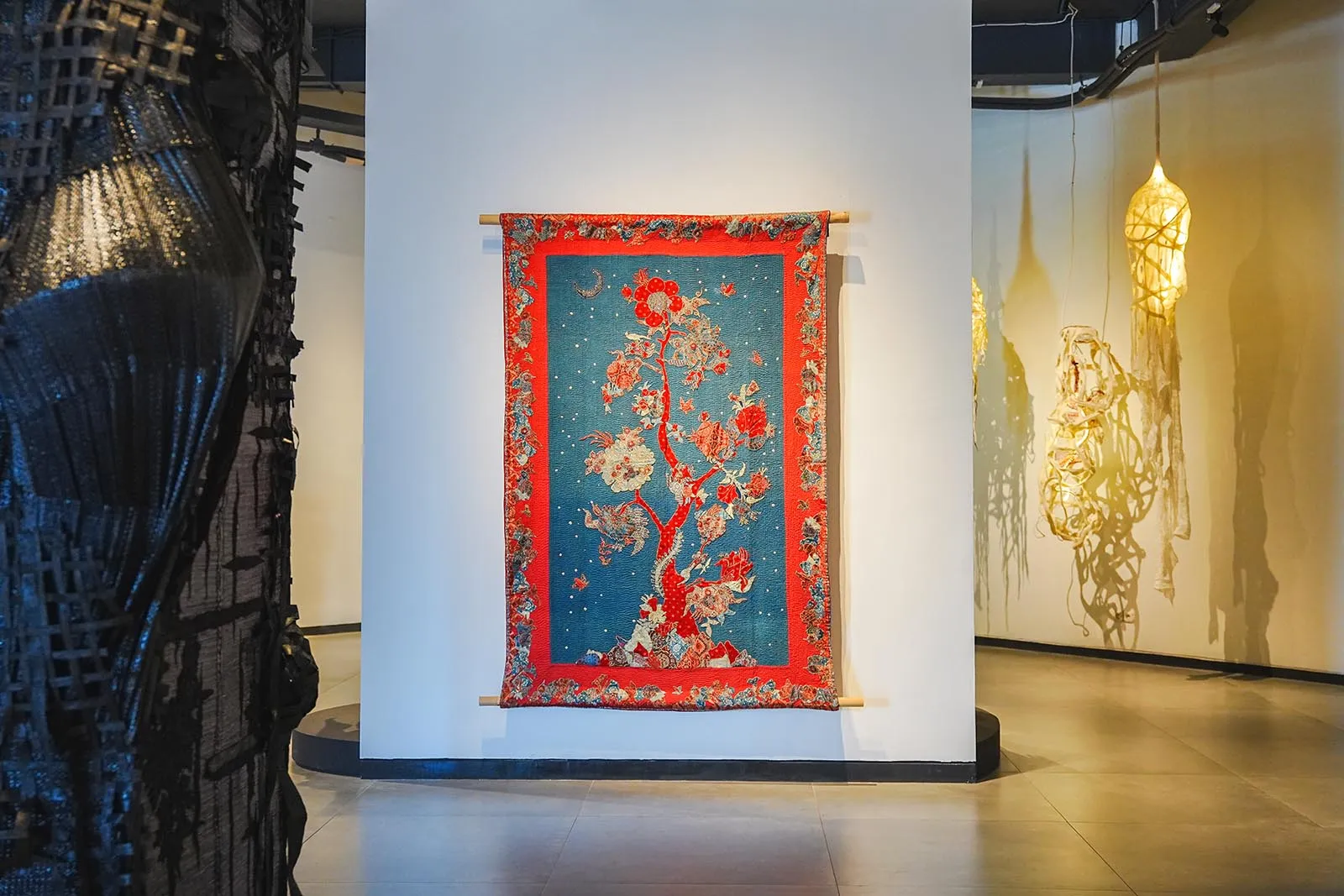
Southeast Asian countries have built strong ecosystems over the years; Dolma believes Manila and Bali share a similar position, as both come from cultures whose weaving and craft traditions the fashion industry has drawn on for decades. Tewari, on the other hand, as diversity of cultures was part of the conversation for the exhibition, wants artists and makers to focus on what they can learn from one another.
“I think the first thing is to stop thinking of tradition as something that needs to be preserved in amber,” Tewari concludes. “If we want younger generations to care about traditional knowledge, it has to remain a living, useful, and valued part of contemporary life.”
Frequently Asked Questions
Art & Bali is a boutique international art fair hosted at Nuanu Creative City in Tabanan, Bali, designed to bridge local craftsmanship with the global art market. It brings together artists, galleries, and designers to showcase contemporary art, fashion, and cultural installations.
Kelsang Dolma is the founding director and project director of Art & Bali. She plays a key role in organizing the fair and connecting Southeast Asian artistic talent with international collectors and visitors.
Bandana Tewari is a renowned lifestyle journalist, sustainability advocate, and editor-at-large for Vogue India. She acts as the lead curator for major cultural projects, including Art & Bali’s flagship exhibition.
The exhibition is on view through November 29, 2026 at the Labyrinth Art Gallery in Nuanu Creative City. That gives visitors plenty of time to check it out, even well after the main three-day fair has wrapped up.
You can grab the latest updates directly from the official Art & Bali website. Keeping an eye on Nuanu Creative City’s official news section or their social media channels will also keep you in the loop.