In Asnières, the Louis Vuitton Maison is a Tribute to Touch


Photographed by Joel Camacho.
Photographed by Joel Camacho.
Pierre-Louis Vuitton guides a journey into the Maison’s heritage and savoir-faire
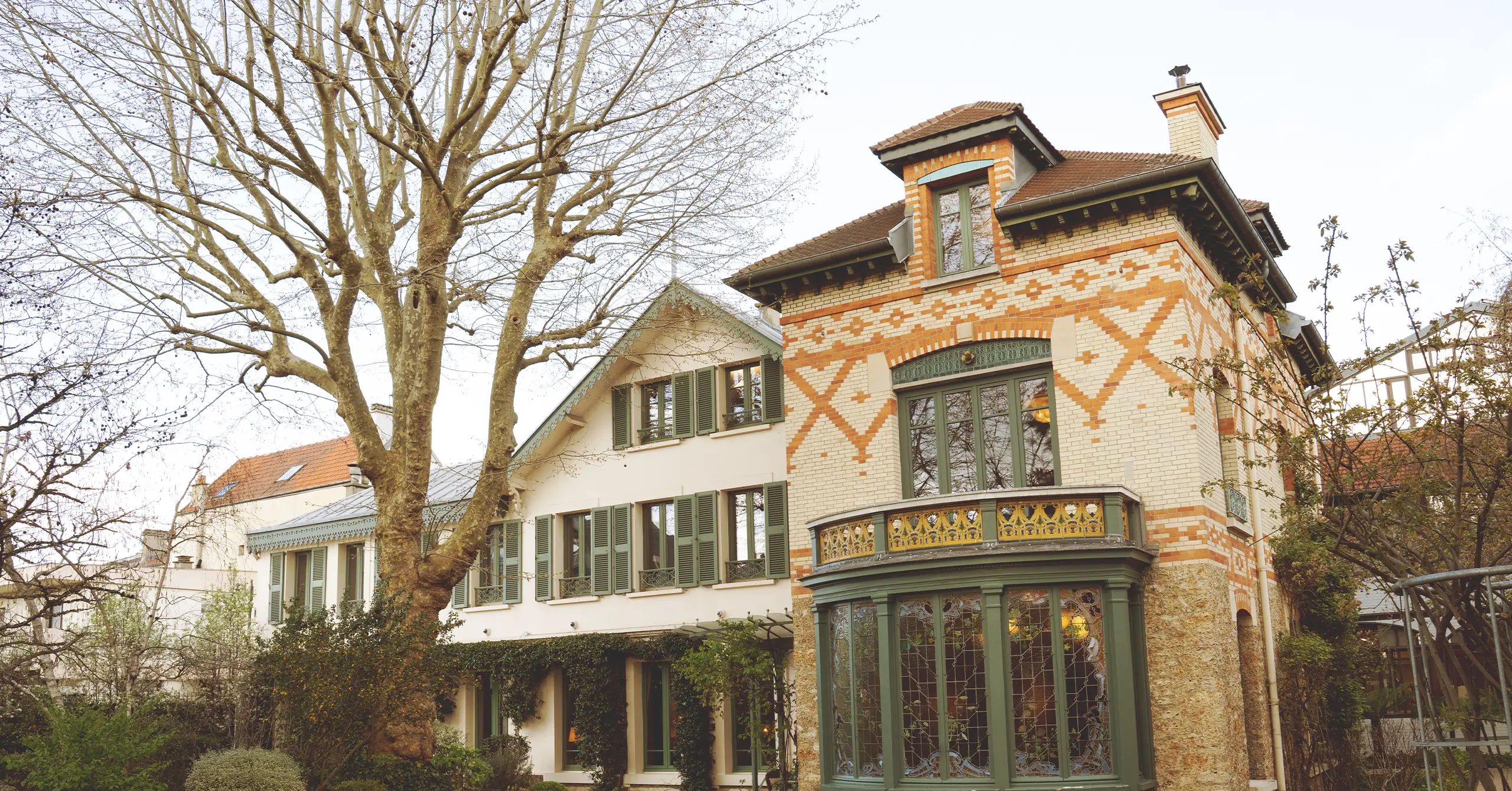
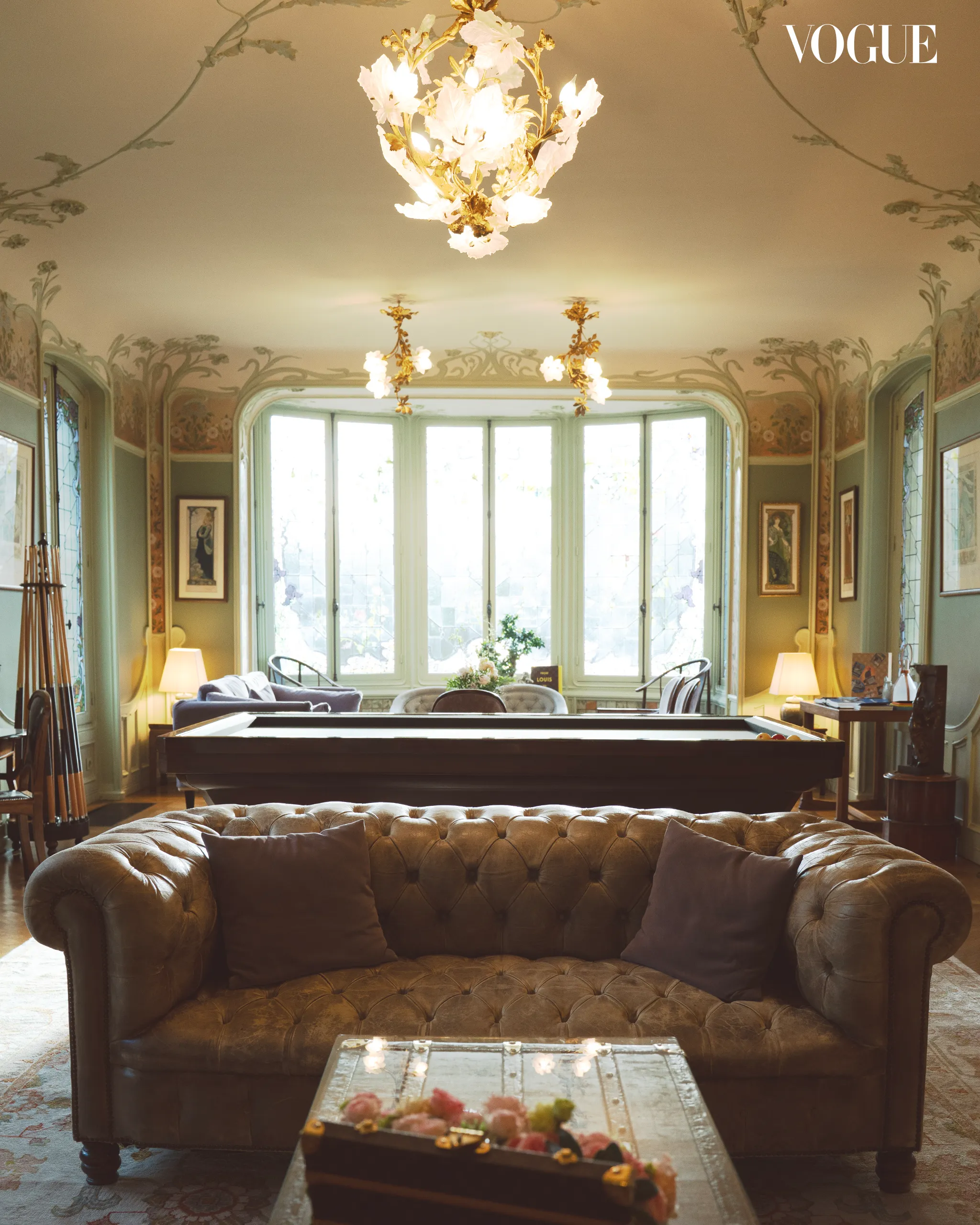
At the Maison Louis Vuitton in Asnières, just outside Paris, the story of Louis Vuitton remains tangible. More than a historic address, it is the emotional and creative birthplace of the brand; where the family home still stands beside the ateliers, and where generations of artisans continue to preserve the trunk-making savoir-faire that built Louis Vuitton into one of the world’s most recognizable luxury houses. For Pierre-Louis Vuitton, the Maison in Asnières is not simply a symbol of the brand’s origins. It is home.
A sixth-generation member of the Vuitton family and the brand’s Head of Savoir-Faire, Pierre-Louis Vuitton grew up in the family residence beside the workshops, surrounded from an early age by the sounds, smells, and gestures of craftsmanship. Long before he understood the global scale of the brand, or the cultural power of the Monogram, he spent much of his childhood watching artisans at work, fascinated by the hidden details involved in creating a Louis Vuitton trunk. “I was born in Asnières,” he says. “I spent 10 years there.” Those early years shaped how he understands the brand today. While most people encounter Louis Vuitton through a store, a bag, or a campaign, he first experienced it through the artisans themselves. “I grew up alongside the Maison and the ateliers,” he explains. “I witnessed this transmission from generation to generation.”
That idea of transmission lies at the heart of his role today. As Head of Savoir-Faire, Pierre-Louis Vuitton serves as both guardian and storyteller of the brand’s heritage; “ a guardian, a historian, a critic, a problem solver,” as he describes it. His work involves interpreting and translating Louis Vuitton’s history for a modern audience through exhibitions, special projects, collaborations, retail storytelling, and conversations around craftsmanship, while ensuring that the values born in Asnières remain visible, relevant, and authentic as the brand evolves.
Located in Asnières-sur-Seine, the Maison and Ateliers Louis Vuitton were established in 1859, when Louis Vuitton moved his growing trunk-making business beyond central Paris. The site brought together the family residence and the workshops, creating a rare proximity between family life and craftsmanship that still defines the spirit of the brand. Growing up beside the ateliers gave Pierre-Louis Vuitton a direct view of the patience, precision, and discipline required to create one of the brand’s iconic trunks. In the workshops, craftsmanship is not abstract; it is visible at every stage, from the wooden structure and brass hardware to the leather corners, lining, locks, handles, and Monogram canvas, each trunk requiring hundreds of meticulous, manual operations.
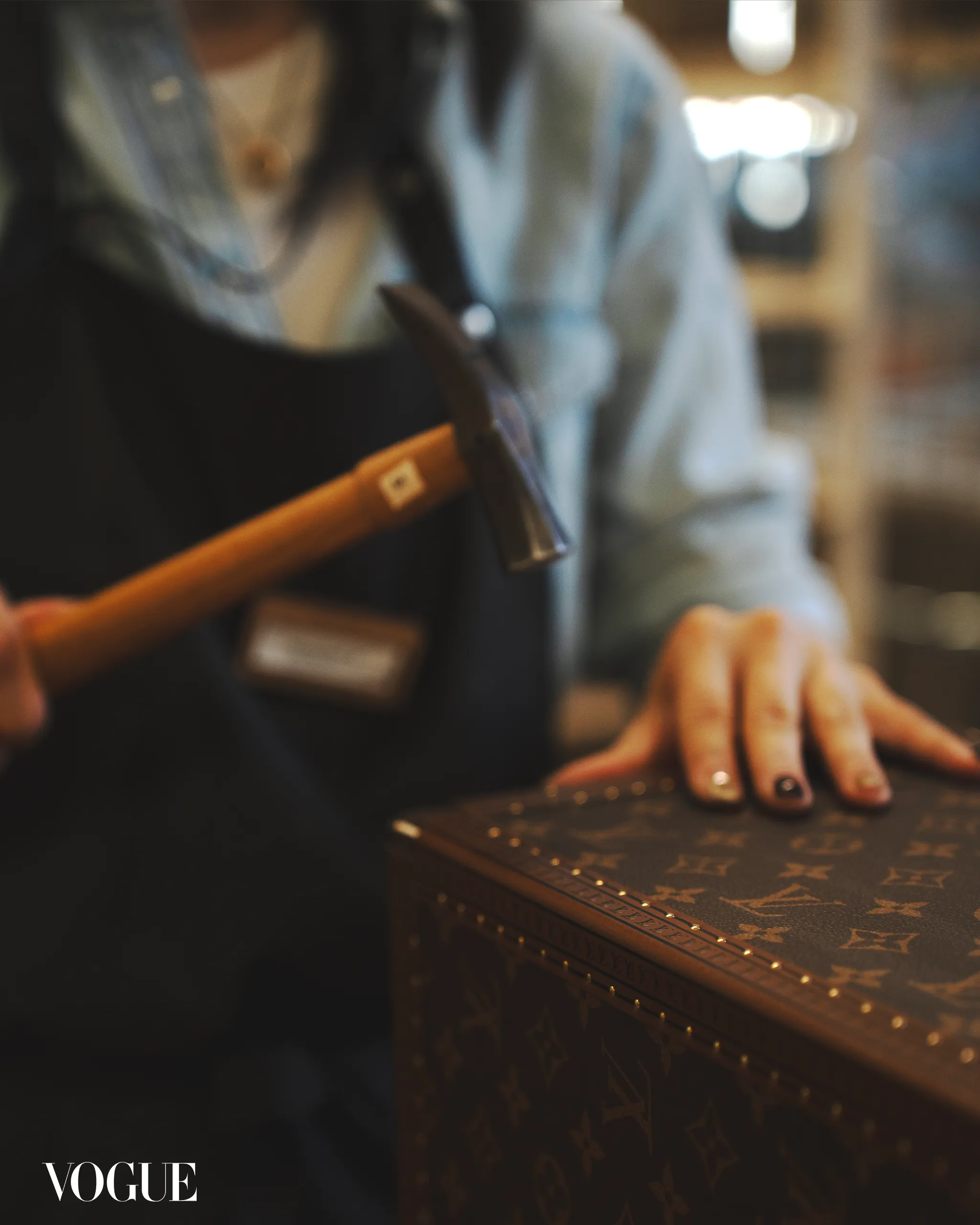
Pierre-Louis Vuitton eventually trained in the workshops himself, deepening his appreciation for the complexity of trunk-making and the expertise behind each piece. “When I learned in the workshop, I realized how important every detail is,” he says. That experience instilled in him a profound respect for the artisans and for the patience required to produce a Louis Vuitton trunk; an approach that feels increasingly rare in a world defined by speed and automation.
This savoir-faire is especially evident in the brand’s special orders, one of the most enduring aspects of the ateliers. Over the years, Louis Vuitton has created bespokeBespokeClothing made to a client's individual measurements and specifications, with the client involved in choosing fabric, cut, and details. Bespoke garments involve multiple fittings and meticulous craftsmanship, and they differGo to Bespoke Glossary trunks for artists, collectors, athletes, musicians, explorers, and travelers of every kind; designed to hold everything from books and tea services to perfumes, watches, sports equipment, musical instruments, and works of art. Each piece reflects a specific lifestyle or passion while adhering to the same rigor, craftsmanship, and attention to detail. For Pierre-Louis Vuitton, these creations represent one of the most compelling expressions of the brand’s creativity: entirely unique objects rooted in heritage.
That balance between creativity and tradition is also embodied in the Monogram canvas. Created in 1896 by Georges Vuitton as both a tribute to his father and a response to counterfeiting, it has evolved from a practical innovation into a universal symbol of luxury, travel, and aspiration. “It is recognized worldwide,” he says. “It became iconic.” Inside the ateliers of Asnières, the Monogram carries deeper meaning; it exists not only on trunks and luggage, but within the memories, traditions, and stories that define the brand.
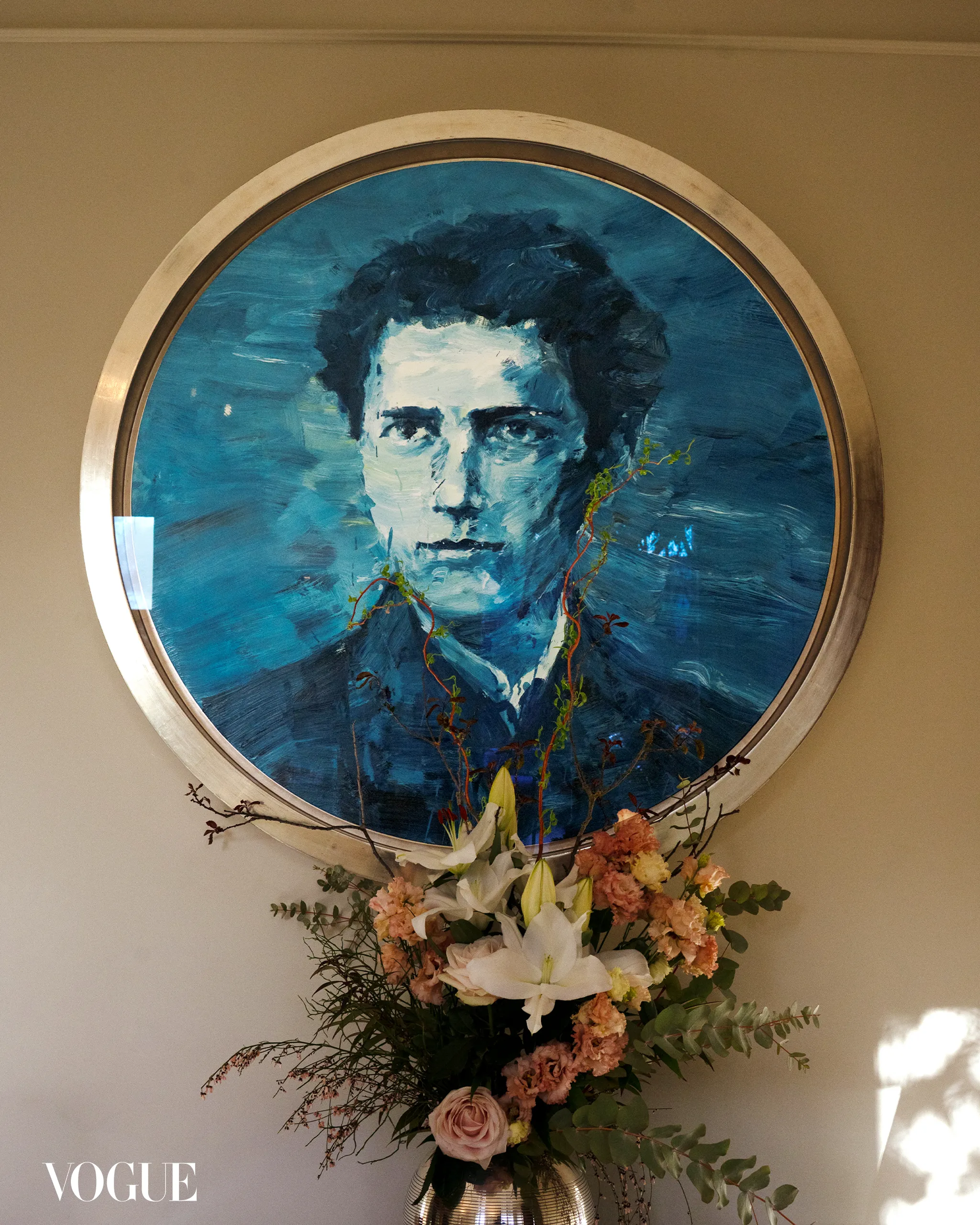
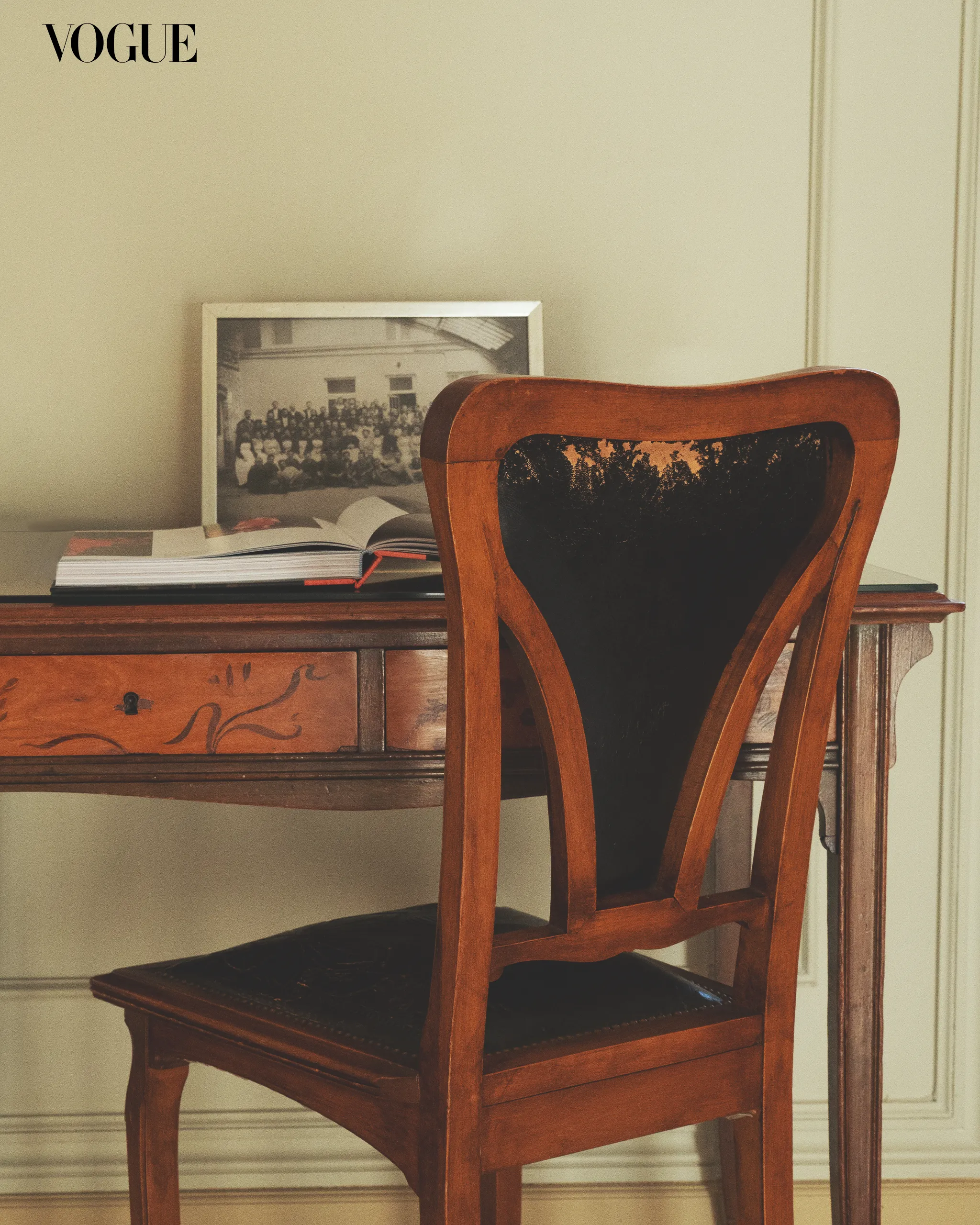
“The Monogram continues,” he adds. “It is part of the legacy.” For Pierre-Louis Vuitton, the Monogram connects past and future, reflecting the brand’s origins while evolving through new materials, contemporary collections, collaborations, and cultural references. “You can see the Monogram everywhere in the world,” he says. “But in Asnières, you understand where it comes from.” Although the brand has grown into a global luxury leader, Pierre-Louis Vuitton believes that the values born in Asnières remain visible in every aspect of the brand, from product design and craftsmanship to retail experiences, visual merchandising, packaging, personalization, and client service.
“The attention to detail, the quality, the sense of
excellence; all of that comes from Asnières.”
In a luxury landscape increasingly shaped by speed, technology, and digital culture, Asnières offers something rare: authenticity, continuity, and the human touch. Whether in a bespokeBespokeClothing made to a client's individual measurements and specifications, with the client involved in choosing fabric, cut, and details. Bespoke garments involve multiple fittings and meticulous craftsmanship, and they differGo to Bespoke Glossary trunk, a handbag, a store display, or a client interaction, the same care and precision endure. For Pierre-Louis Vuitton, that is what makes Asnières so essential. “It is where everything started,” he says. “And it is still where you can feel the true spirit of Louis Vuitton.”
by BIANCA MONZON. Edited by DANYL GENECRIAN. Photographs by JOEL CAMACHO. Art direction by LARA CASTAÑEDA. Produced by BELLA MARISTELA. Project implemented by ESAB RAYMUNDO. Account Manager ANDREA RAMOS. Creative Services Manager IAN URMAZA.
Frequently Asked Questions
Asnières is the emotional and creative birthplace of Louis Vuitton. It is where the family home and the original workshops stand, serving as the heart of the brand’s heritage and trunk-making savoir-faire since 1859.
Pierre-Louis Vuitton is a sixth-generation member of the Vuitton family and the brand’s Head of Savoir-Faire. He acts as a guardian and storyteller of the brand’s history and values.
In this context, it refers to the specialized knowledge, craftsmanship, and artisanal techniques required to create high-quality luxury goods, specifically the meticulous, manual process behind their iconic trunks.
Created in 1896 by Georges Vuitton, the Monogram was designed to honor his father and prevent counterfeiting. It has evolved into a global symbol of luxury, connecting the brand’s heritage to its modern collections.
The workshops continue to uphold the brand’s original standards of precision and quality. They remain a place where tradition is preserved, special bespoke orders are fulfilled, and the core values of the brand are maintained despite its global expansion.