
Louis Vuitton Marks 130 Years of the Monogram With New Additions to the Color Blossom Fine Jewelry Collection


Courtesy of Louis Vuitton
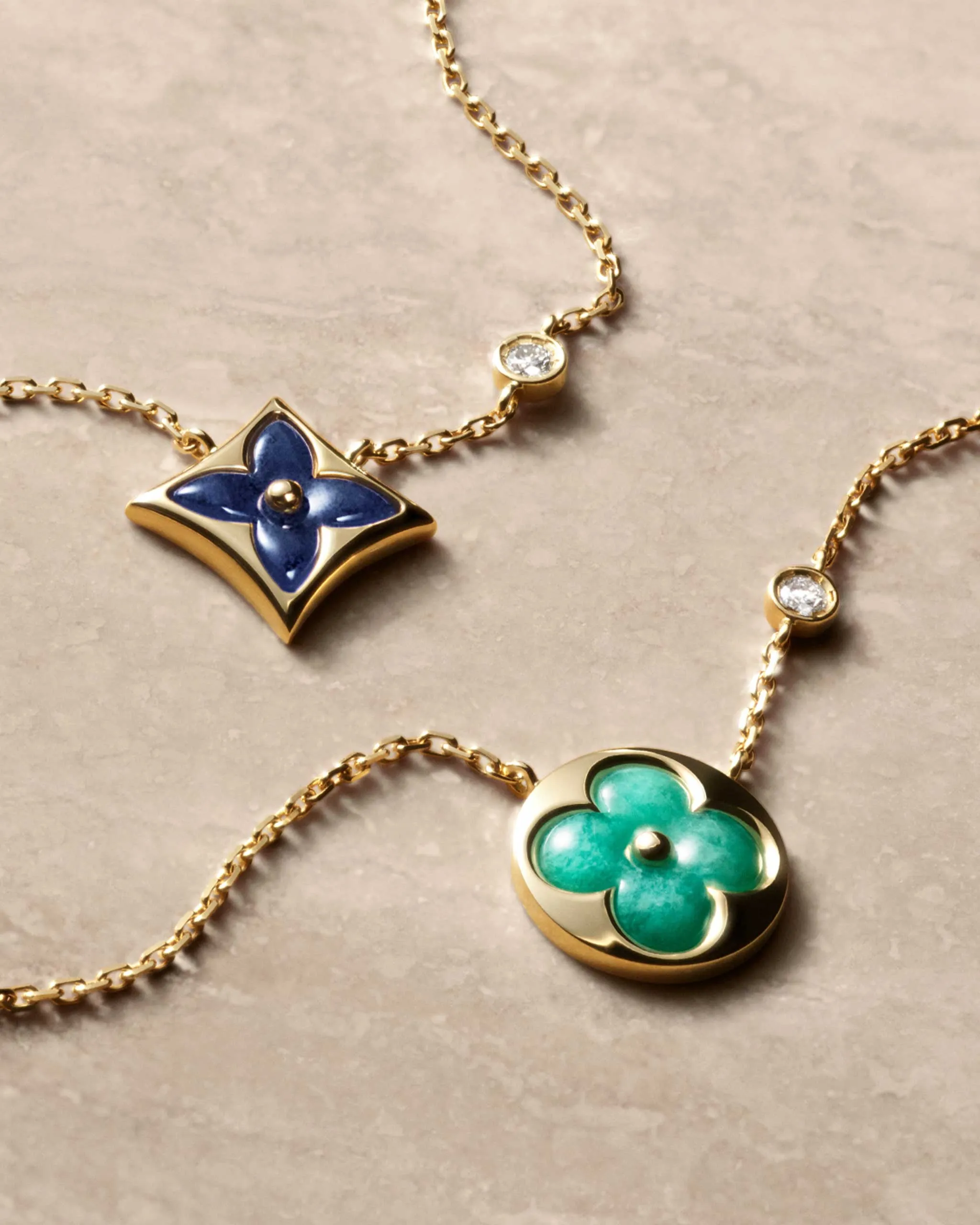
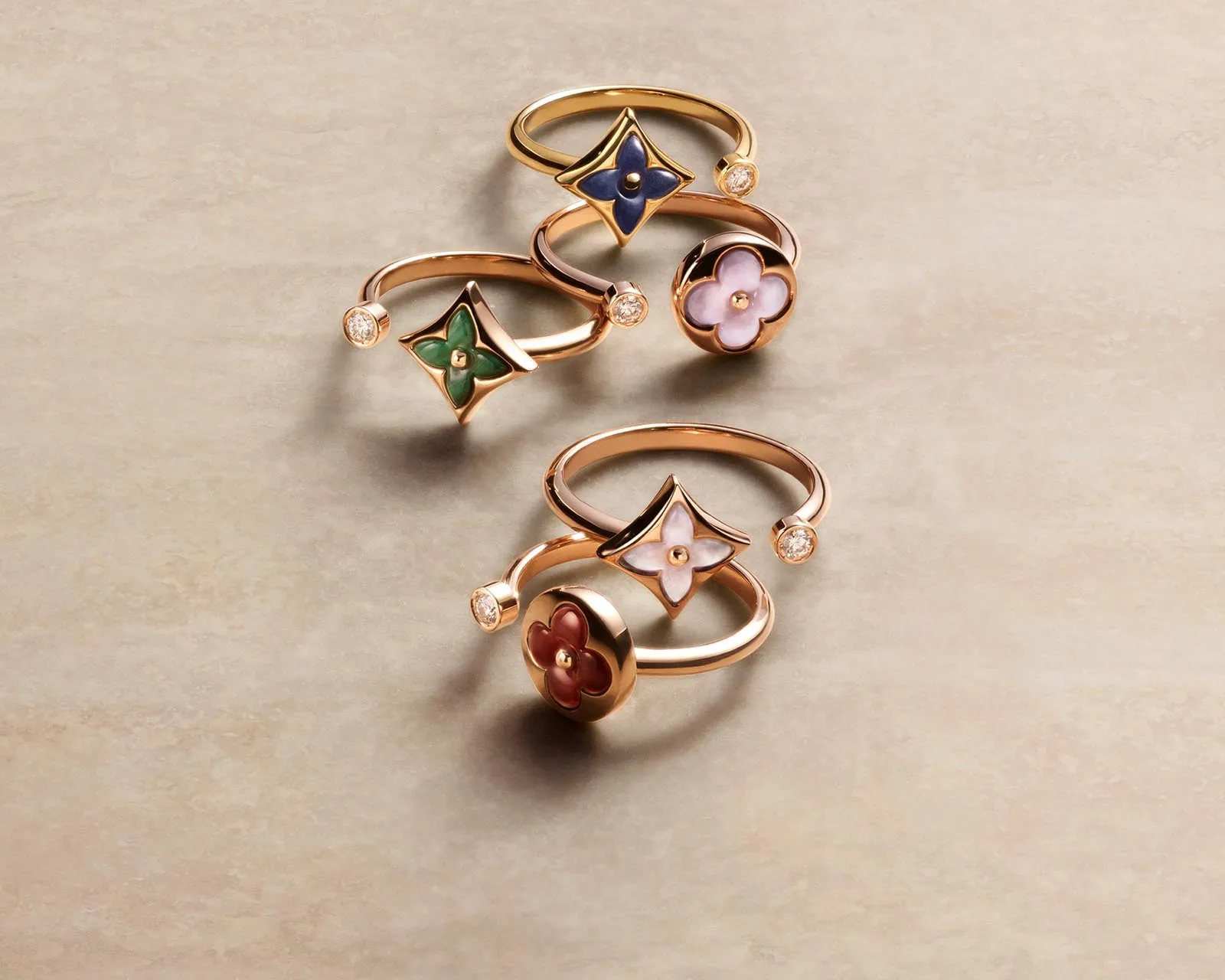
To mark 130 years of the Monogram, Louis Vuitton expands its Color Blossom fine jewelry collection with 28 new designs, introducing royal-blue sodalite.
2026 has been a monumental year so far for Louis Vuitton, and the celebrations for its legendary monogram has only just begun. You can dress yourself in Nicholas Ghesquière’s Spring/Summer creations inspired by the sanctuary of life, sport reissued Takashi Murakami bags and shoes, and now adorn and frost yourself with the latest 28 additions to the Color Blossom Fine Jewelry collection.
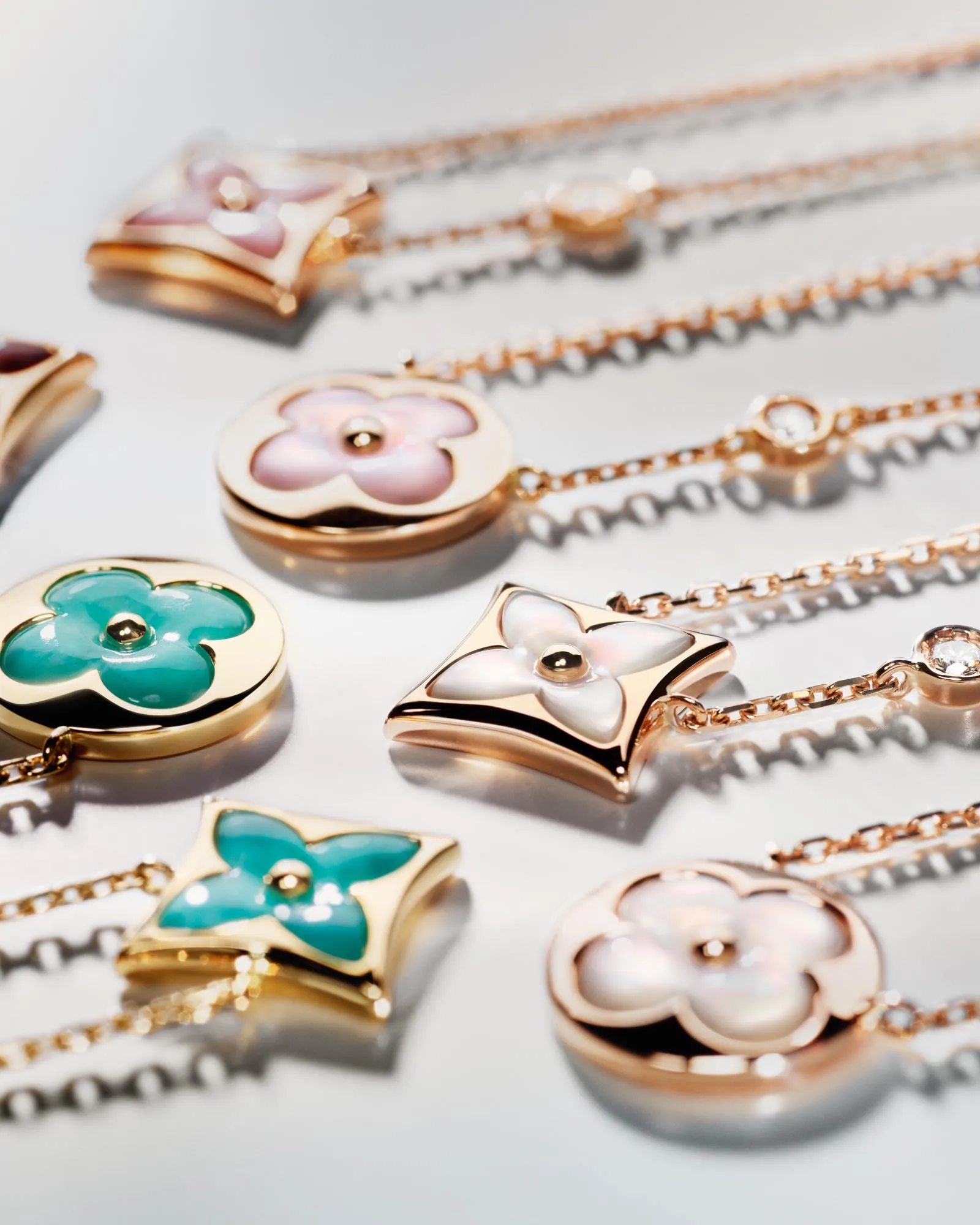
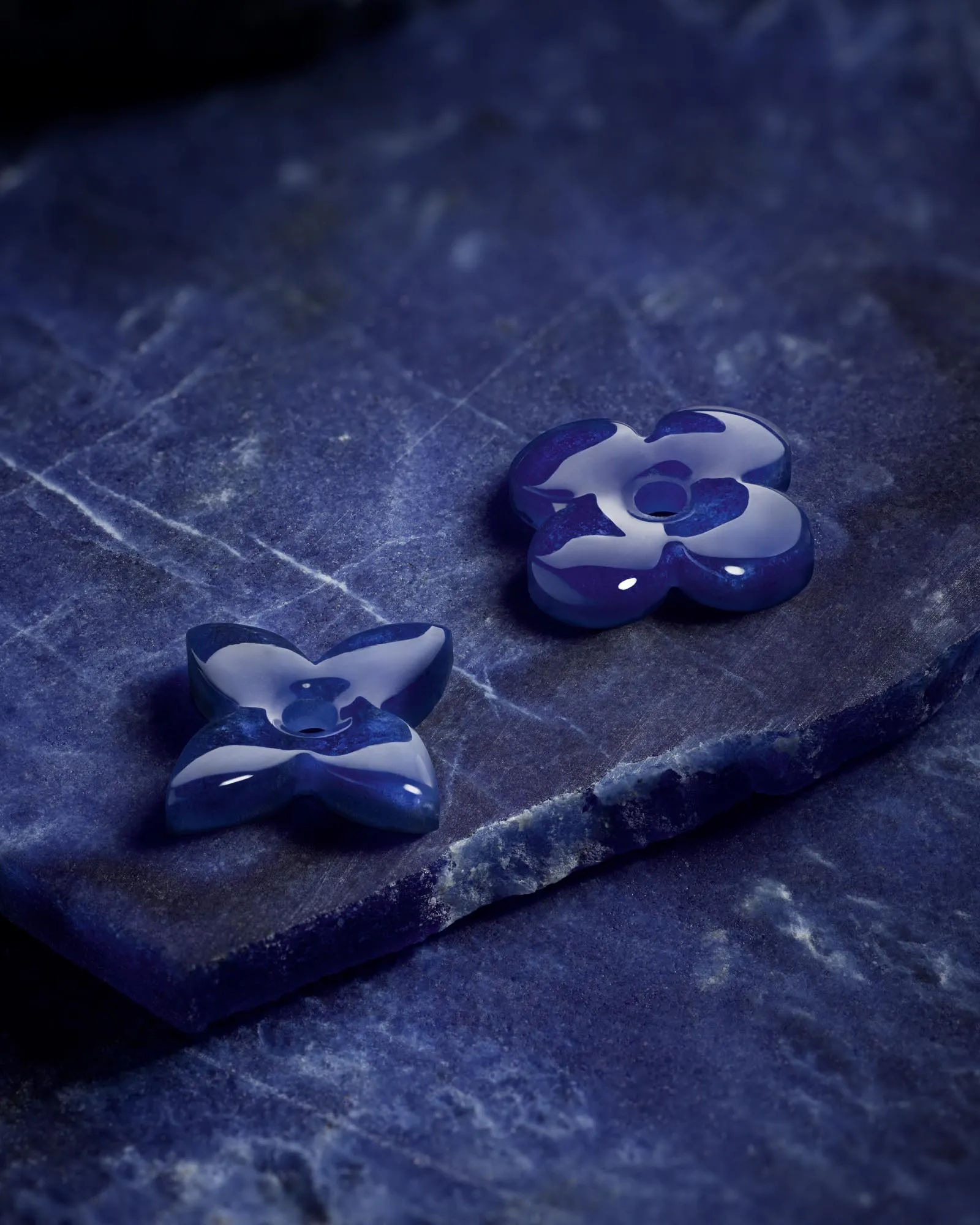
First introduced in 2015, Color Blossom translated the House emblem into sculptural fine jewelry, featuring carved hard stones shaped into rounded, bombé forms across necklaces, rings, bracelets, and earrings. This year, the brand has introduced sodalite as a new material in the lineup. Known as the ‘salt stone,’ or the ‘thinkers’ and ‘poets’ stone’ among those who believe in the power of crystals, this semi-precious gem is associated with logic, rationality, and inner peace, unlocking deeper intuition in an ancient modern land of Metro Manila.
Alongside classic choices such as polished mother-of-pearl, malachite, and carnelian, the tectosilicate mineral makes its debut across seven pieces: two pendant necklaces featuring the Monogram’s star and sun motifs, a long sautoir necklace, and a multi-motif bracelet pairing a sodalite star with a pavé-set sun. A second bracelet introduces a brilliant round diamond, while an open ring and a pair of star stud earrings complete the set.
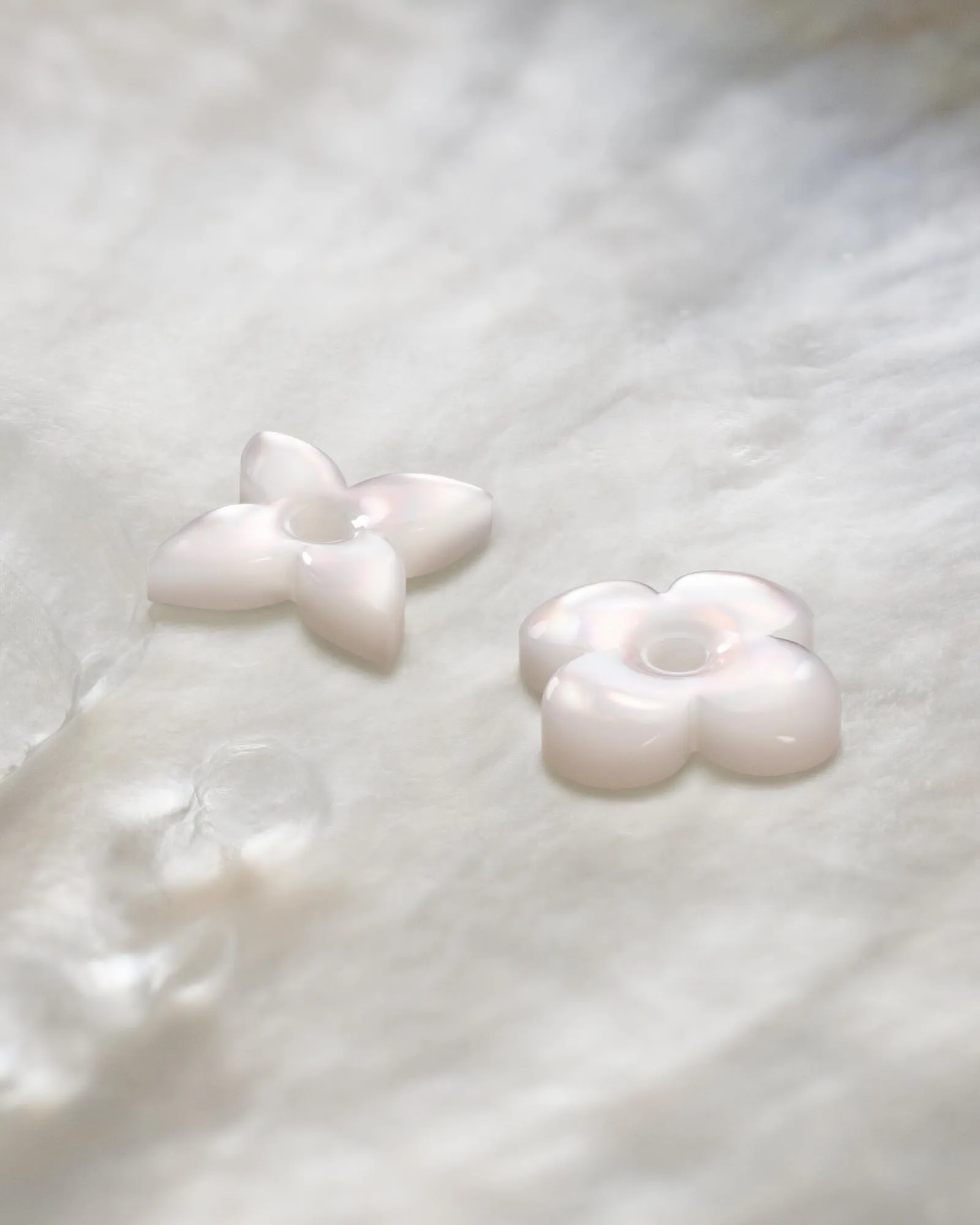
Elsewhere, Louis Vuitton introduces new pavé-set pieces that frame the central stones with diamonds, enhancing the contrast between light and shadow. White mother-of-pearl pendants arrive in both star and sun motifs, each accented with a single diamond, while medallion-style necklaces in amazonite and malachite offer a bolder interpretation of the Monogram in a playful, child-like sensibility.
What makes the collection a favorite among men and women of all ages is its whimsical, talismanic character, which never seems to lose its lustre. First created in 1896 by Georges Vuitton as a tribute to his father, Louis Vuitton, the Monogram was designed as both a signature and a form of protection, drawing on the decorative influences of the era when horse-drawn carriages, boats, and trains allowed people to travel and absorb other cultures, including Neo-Gothic ornamentation and Japanism.
A motif more than 2,700 years old, the quatrefoil (Latin for “four leaves”) can be traced across civilizations, with examples found in Mesoamerican, East Asian, Egyptian, Byzantine, Islamic, and Christian art and architecture. Yet in 2026, it feels as fresh as ever, worn as an accessory that moves seamlessly from day to night, elevating everything from a dress to a simple T-shirt and jeans.
Frequently Asked Questions
The Monogram was created in 1896 by Georges Vuitton to honor his father, Louis Vuitton. Inspired by late 19th-century styles, including Neo-Gothic patterns and Japonisme, it was originally designed to prevent counterfeiting. Today, it is recognized worldwide as a symbol of luxury and heritage.
The Color Blossom line made its debut in 2015. It was the first time Louis Vuitton reimagined its signature emblem as sculptural, bombé (rounded) forms carved from hard stones rather than simple flat engravings.
Sodalite, often referred to as the “salt stone,” is a mineral known for its rich, deep navy blue hue. It is rarely featured in contemporary fine jewelry, making this collection a unique departure for the House. Because of its natural mineral inclusions, no two stones are exactly alike, ensuring that every piece of sodalite jewelry is one-of-a-kind.
Alongside sodalite, the expanded Color Blossom collection features mother-of-pearl, malachite, carnelian, and amazonite, with pavé diamond settings introduced across several pieces. The new designs span pendant necklaces, bracelets, an open ring, and stud earrings, rendered in Louis Vuitton’s signature star and sun motifs.
The quatrefoil, Latin for “four leaves,” is a motif more than 2,700 years old found across Mesoamerican, East Asian, Egyptian, Byzantine, Islamic, and Christian art. Louis Vuitton’s Monogram draws on this history, reinterpreting the ancient shape as a modern symbol of luxury and heritage.
- Louis Vuitton Keeps Fashion In Dialogue with Arts and Culture
- Louis Vuitton Launches La Beauté, In Partnership with Pat McGrath
- Takashi Murakami on His Louis Vuitton Re-edition Collection—“20 Years Have Passed in the Blink of an Eye”
- Follow The Sun: Pharrell Talks About His Debut Collection At Louis Vuitton