
At Lagen Island, Luxury Is Defined by an Immersion in Nature


Courtesy of El Nido Resorts
Courtesy of El Nido Resorts
Lagen Island reopens with a renewed vision that places nature, heritage, and wellbeing at the center.
We often think of luxury in material terms, as something that can be seen and touched. Yet some luxuries are felt, almost imperceptibly. El Nido Resorts’ newly refreshed Lagen Island is filled with beautiful new touches, reimagined through a distinctly Filipino design lens. But over days spent exploring the outdoors, unwinding at the spa, or lingering indoors watching the limestone cliffs disappear into the rain, another kind of luxury emerges.
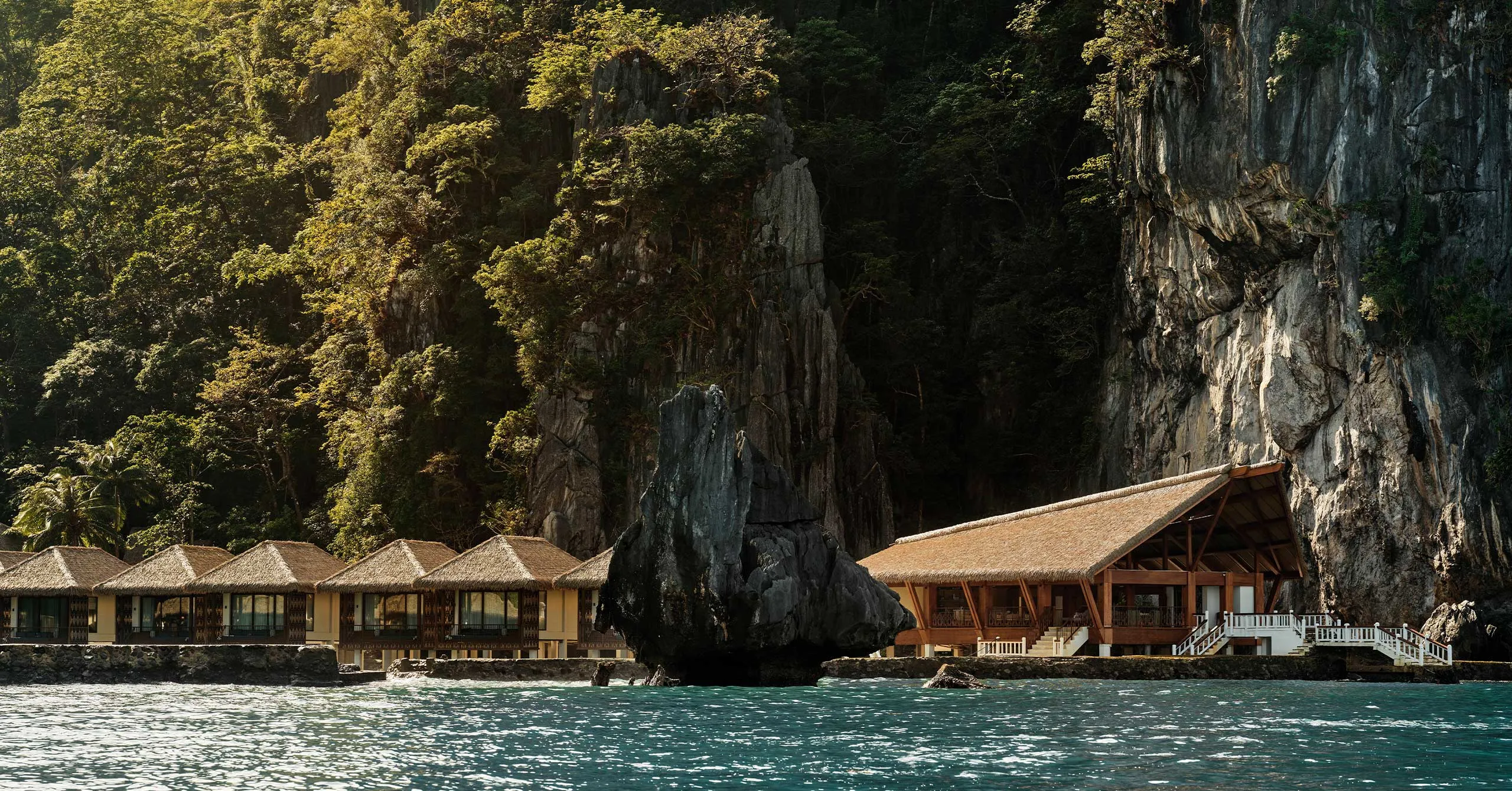
The new route from Clark to Lio Airport in Palawan has added a few more hours of travel time, but the vacation begins the moment you land. From the nearby jetty, you are sped around Bacuit Bay to Lagen Island, its cove guarded by a rock formation that resembles a sea dragon rising from the ocean, or from another angle, a ship with full sails. Echoing that shape is the new arrival hall called the Boathouse, which takes its lines from the paraw, the Visayan wind-powered boat. After a celebratory welcome, guests are led down the walkway which threads the Water Villas together. The tiled roofs have been replaced with thatched cogon, and wrapped around the exterior walls is a screen of clay beads arranged in a geometric sawali pattern, the resort’s most distinctive new motif.
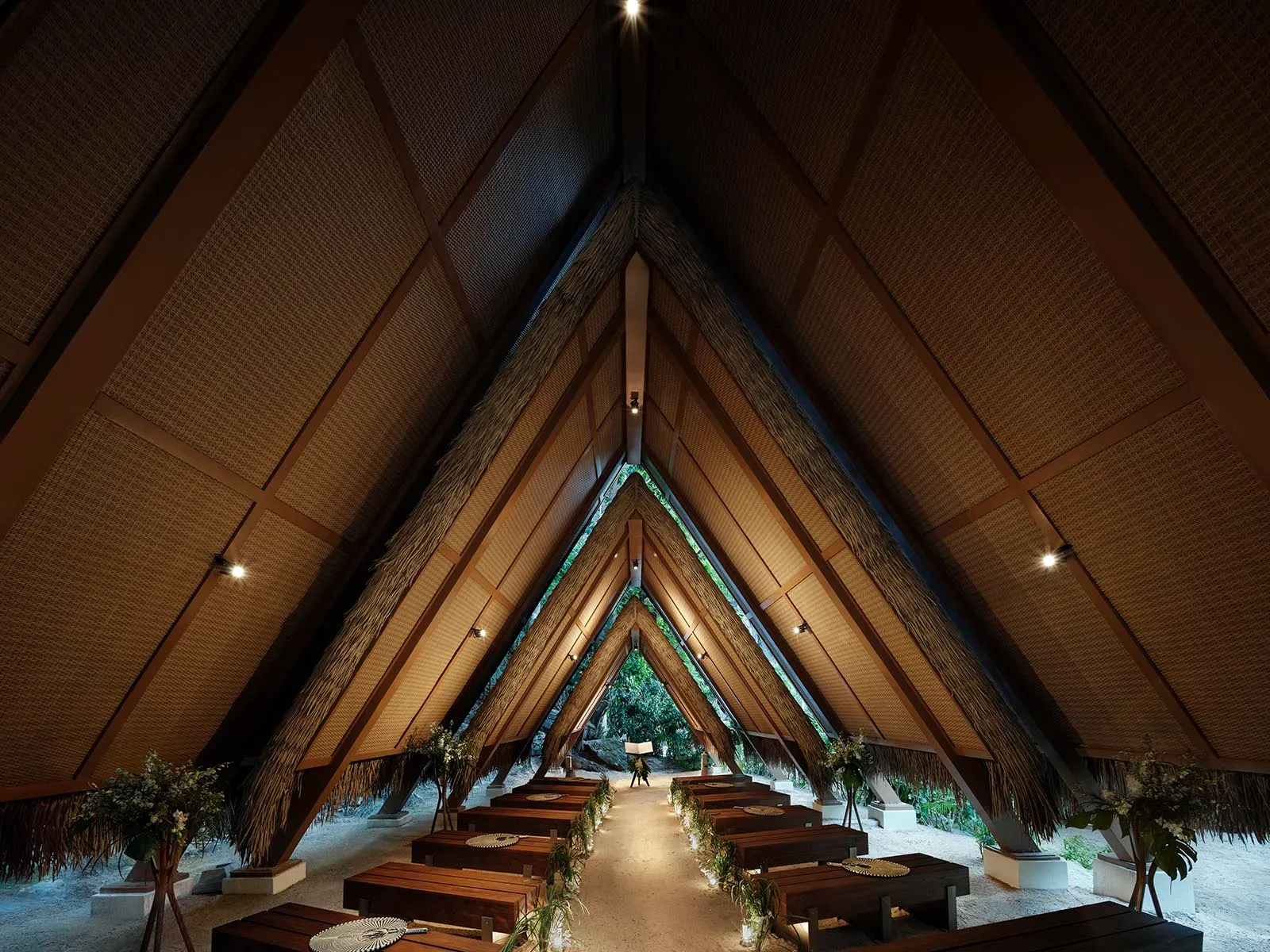
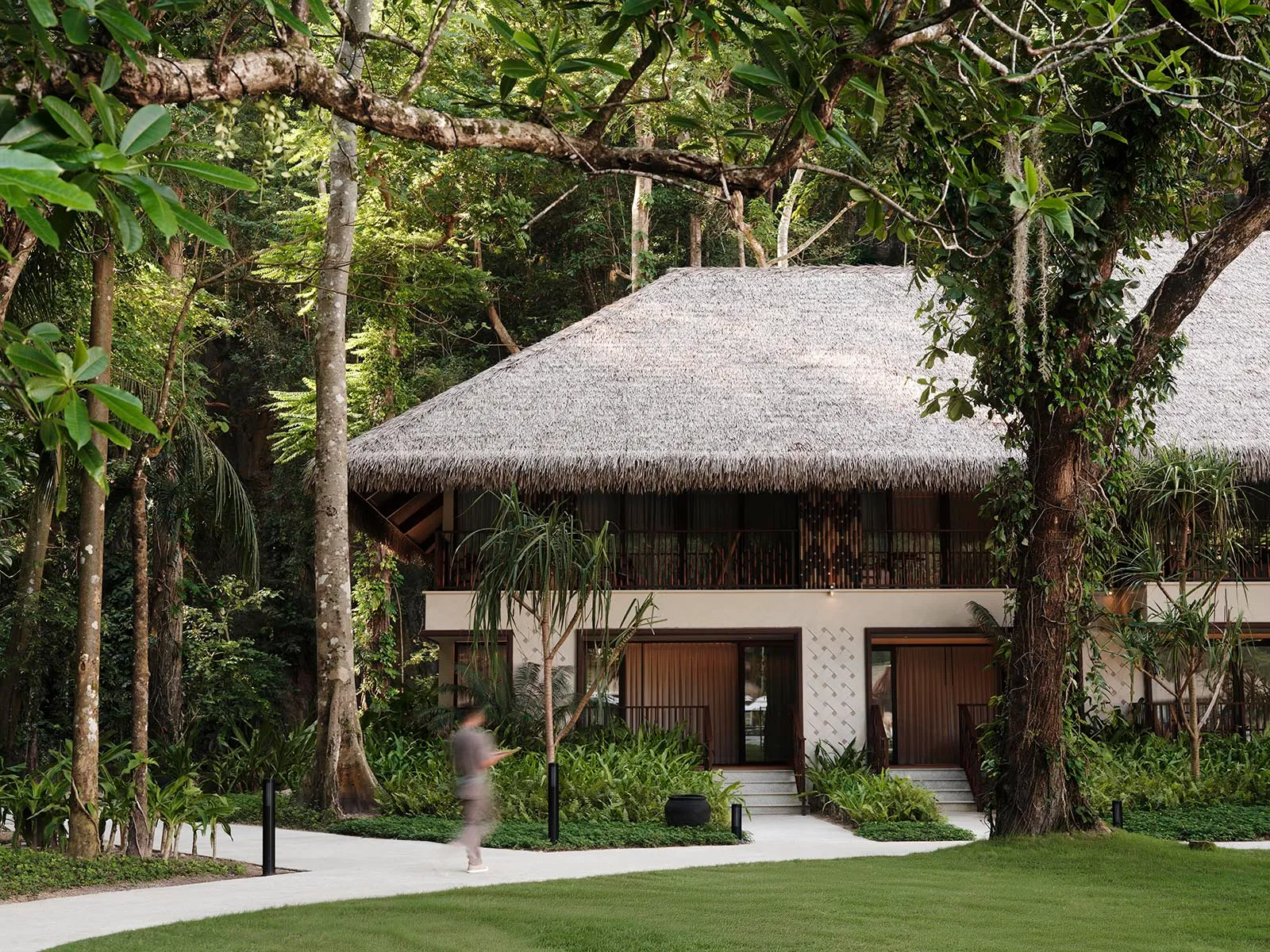
The bahay kubo is often used as a reference, but instead of recreating its appearance, the design borrows from the practicality of the bahay kubo itself—its natural ventilation, deep overhangs, and seamless relationship with the outdoors. The old Lagen was steeped in Colonial aesthetics: black and white tile, stained wood floors. The renovated structures feel both contemporary and deeply rooted in place: modern lines warmed by carvings inspired by Batak patterns and softened by native weaves from the Tagbanua, Tausug, and Maranao.
Ayala Land Hospitality creative directorCreative DirectorThe person who sets the overall visual vision of a fashion house, publication, or campaign and guides designers, photographers, and stylists toward it. A creative director's influence shapes collections, imagery,Go to Creative Director Glossary Paloma Urquijo Zobel de Ayala, who led the transformation with WATG, Wimberly Interiors Studio and Henning Larsen, has long been involved in co-creating with communities of artisans across the archipelago. “From the outset, we wanted Filipino culture to shape the experience of Lagen rather than simply decorate it,” Paloma says. “Rather than extracting indigenous motifs and applying them as decorative elements, we looked to the stories, craftsmanship and philosophies behind them.”
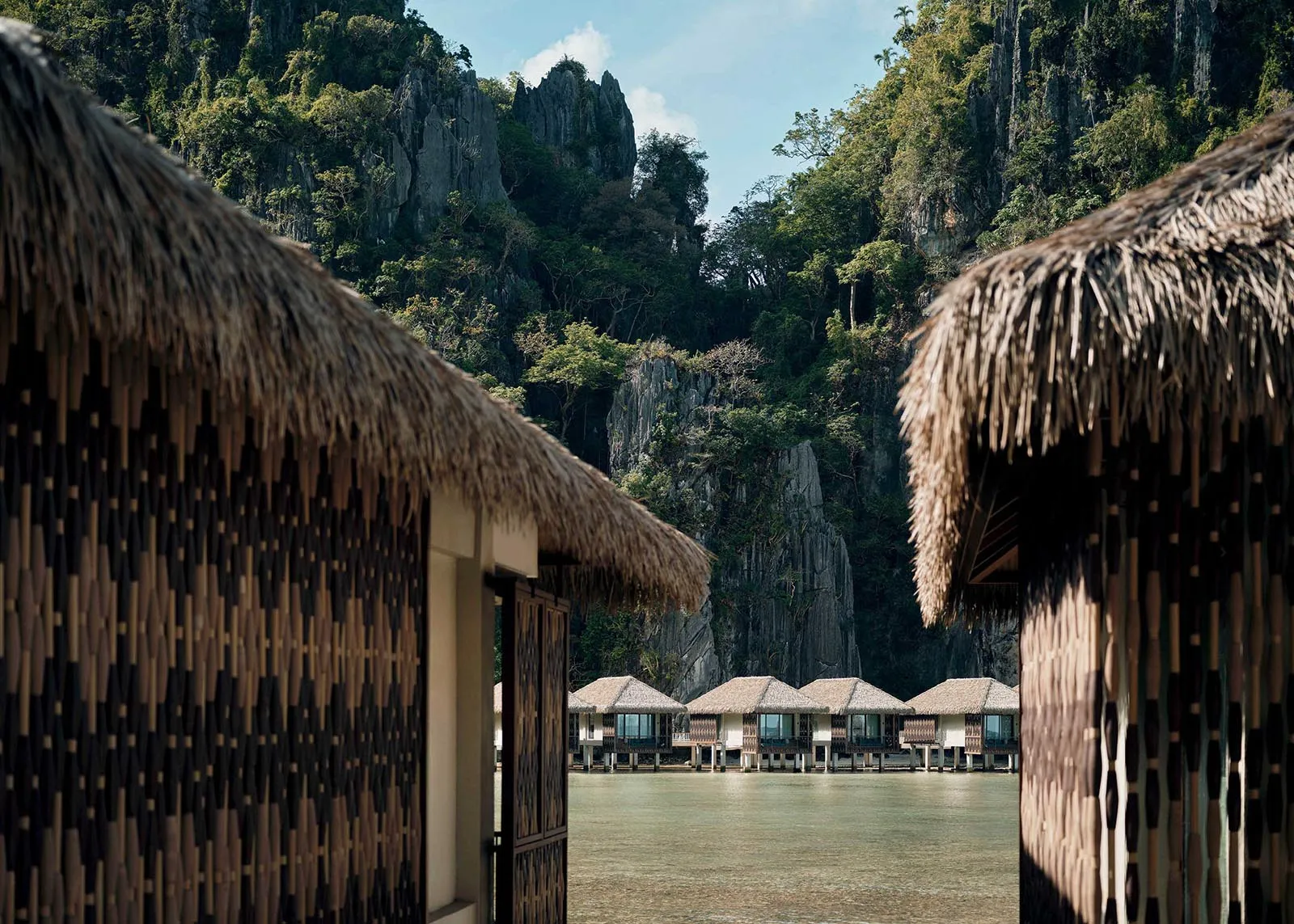
The intent was for the resort to recede while the landscape shifts forward. One of the boldest decisions involved a reduction. Nine beachfront rooms were removed, restoring a stretch of shoreline that allowed the forest and sea to reconnect. “If guests leave remembering the rustling of the trees, the limestone cliffs, the birds at sunrise or the beautiful landscapes more than the buildings themselves, then we’ve done our job.”
Over a 48-hour visit, the resort unveiled the breadth of its offerings, starting with a weaving workshop where we attempted to craft decorative items from thin bamboo strips, a reminder of the extraordinary skill of local artisans. A beachside dinner under the stars followed, with executive chef Ric Ramos presenting a menu that told a story of discovery and connection. The night ended with a film showing at the Cliff Rock, the limestone cliffs providing a dramatic backdrop to Filipino classics like Badjao.
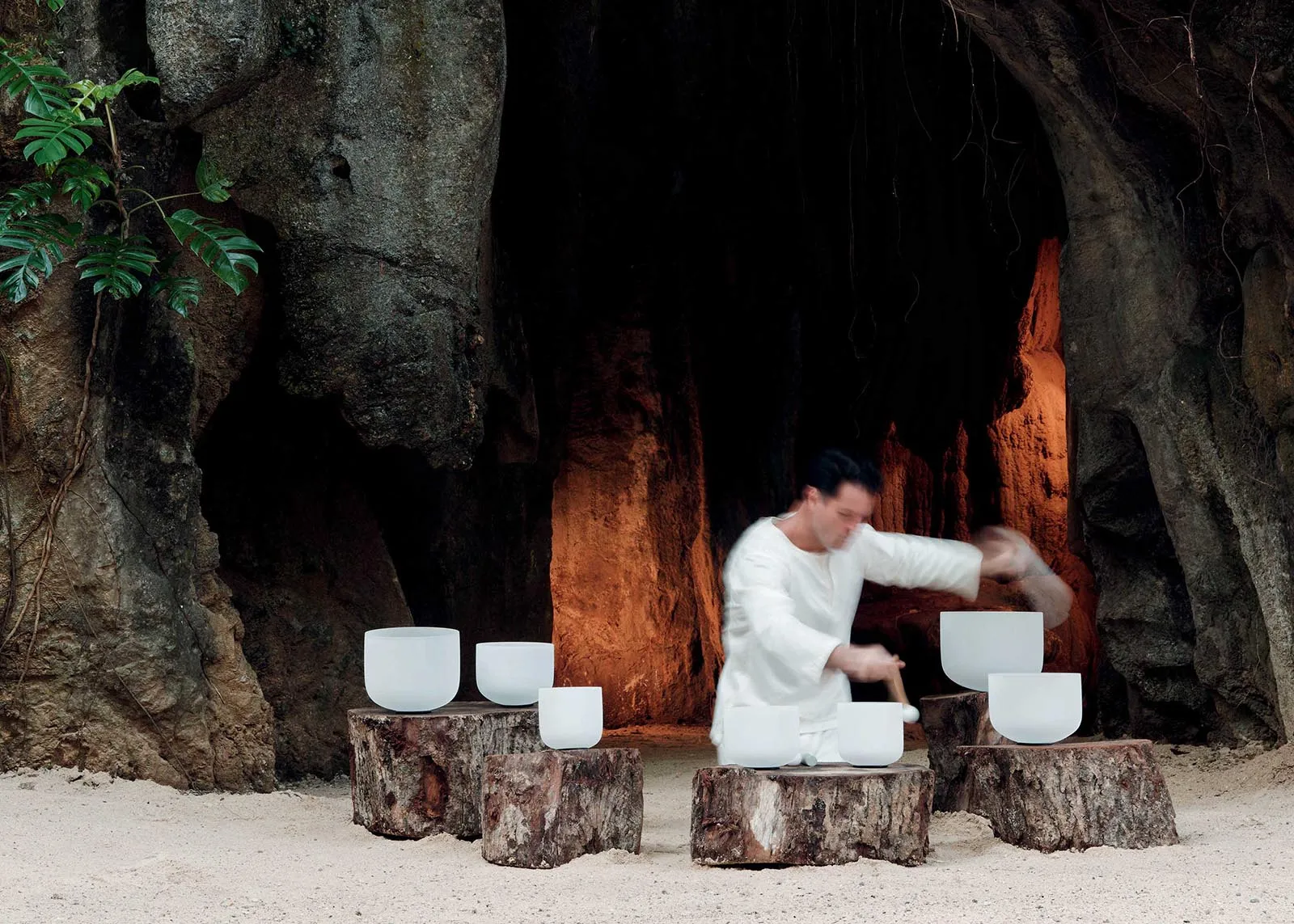
The next morning began with an energizing breathing workshop before heading off on Lagen’s signature island expedition, which took us kayaking through the Big Lagoon, swimming in Entalula Beach, and snorkeling the reefs of Pangalusian Island. Afterwards came a leisurely lunch of brick-oven pizza at the new Lagen Beach Club alfresco bar, capped with a restorative 60-minute ESPA Inner Calm massage at the WellnessWellnessA holistic approach to wellbeing that includes physical health, mental balance, sleep, nutrition, movement, and self-care. In beauty and lifestyle, wellness has expanded from spa treatments to therapy, mindfulness, andGo to Wellness Glossary Sanctuary. Numerous other experiences, or “pathways,” from hikes and watersports to village tours, allow guests to shape their stay according to their interests and preferred pace. As the sun went down, we danced barefoot to the music of Kawangis AlternaTribu, a Palawan band that plays both gongs and guitar and uses both drums and beats, evoking the great island spirit through chant and ancient rhythm.
Before departing, we participated in a Balayan ceremonial offering to the sea. After learning how to make incense out of foraged herbs, spices, and other botanicals gathered from the landscape, we placed fruit, adlai, and seeds inside a little bamboo boat with the lit incense and carried them to Bea’s Cove, where guides helped push them out to sea. The ritual embodied the larger philosophy behind the island’s renewal. As Paloma explains, those involved in the project, from the builders, designers, to the developers, also see themselves as caretakers of a place with its own history and spirit.
The boats floated away with our intentions and prayers. I was grateful for the immersion in water, the reconnection with breath, the pleasures of food, and the vastness of the cliffs and sky. Perhaps this is the luxury we seek: the space to fully appreciate all that is already around us.
Frequently Asked Questions
Lagen Island’s renovation replaced tiled roofs with thatched cogon, added a clay-bead sawali screen around the Water Villas, and removed nine beachfront rooms to restore shoreline and reconnect the forest with the sea.
The transformation was led by Ayala Land Hospitality creative director Paloma Urquijo Zobel de Ayala alongside design firms WATG, Wimberly Interiors Studio, and Henning Larsen, drawing on Filipino craftsmanship rather than decorative motifs alone.
The design borrows the bahay kubo’s practicality, including natural ventilation and deep overhangs, alongside carvings inspired by Batak patterns and native weaves from the Tagbanua, Tausug, and Maranao communities.
Guest experiences at Lagen Island include kayaking through the Big Lagoon, snorkeling near Pangalusian Island, weaving workshops, spa treatments at the Wellness Sanctuary, beachside dining, and a Balayan ceremonial offering to the sea.
Visitors fly into Lio Airport in Palawan via a new route from Clark, then travel by jetty around Bacuit Bay to reach Lagen Island, whose cove is marked by a distinctive sea-dragon-shaped rock formation.