
Lav Diaz Talks Makikiraan Po, His 9th Venice Film Festival Entry


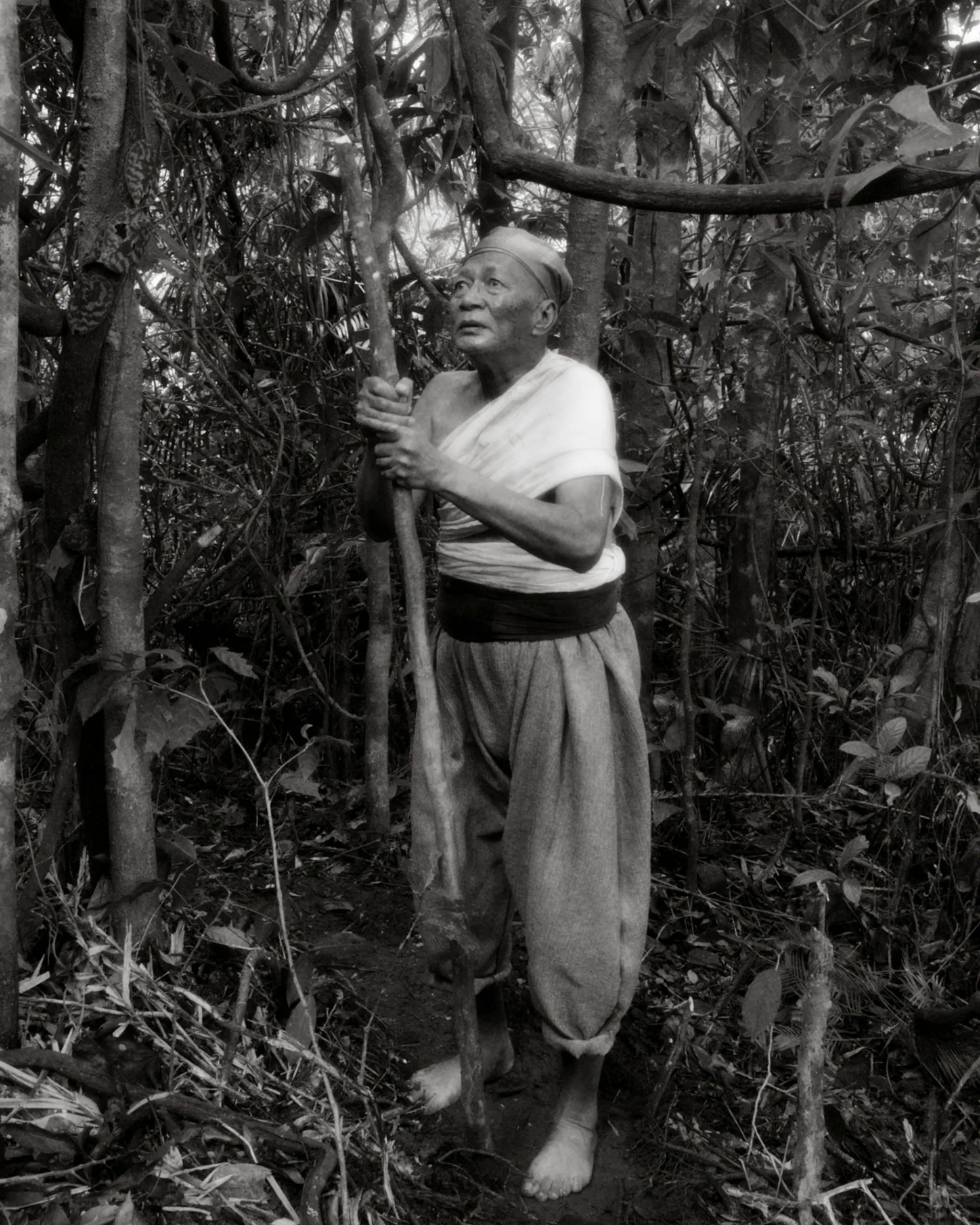
Necias Chaves Pataunia as Tay Oni in Makikiraan Po. Courtesy of Epicmedia
In an interview with Vogue Philippines, the acclaimed filmmaker unpacks colonialism and the historical context of his latest film, and his long history with the festival.
Last year, Lav Diaz premiered his film, Magellan (2025), which was the Philippines’ official entry to the Oscars. While the film fell short of an Academy Award nomination, the director now turns his sights on the 83rd Venice International Film Festival, where his latest historical drama, Makikiraan Po (Let Us Through, Dear Ancestors), is premiering.
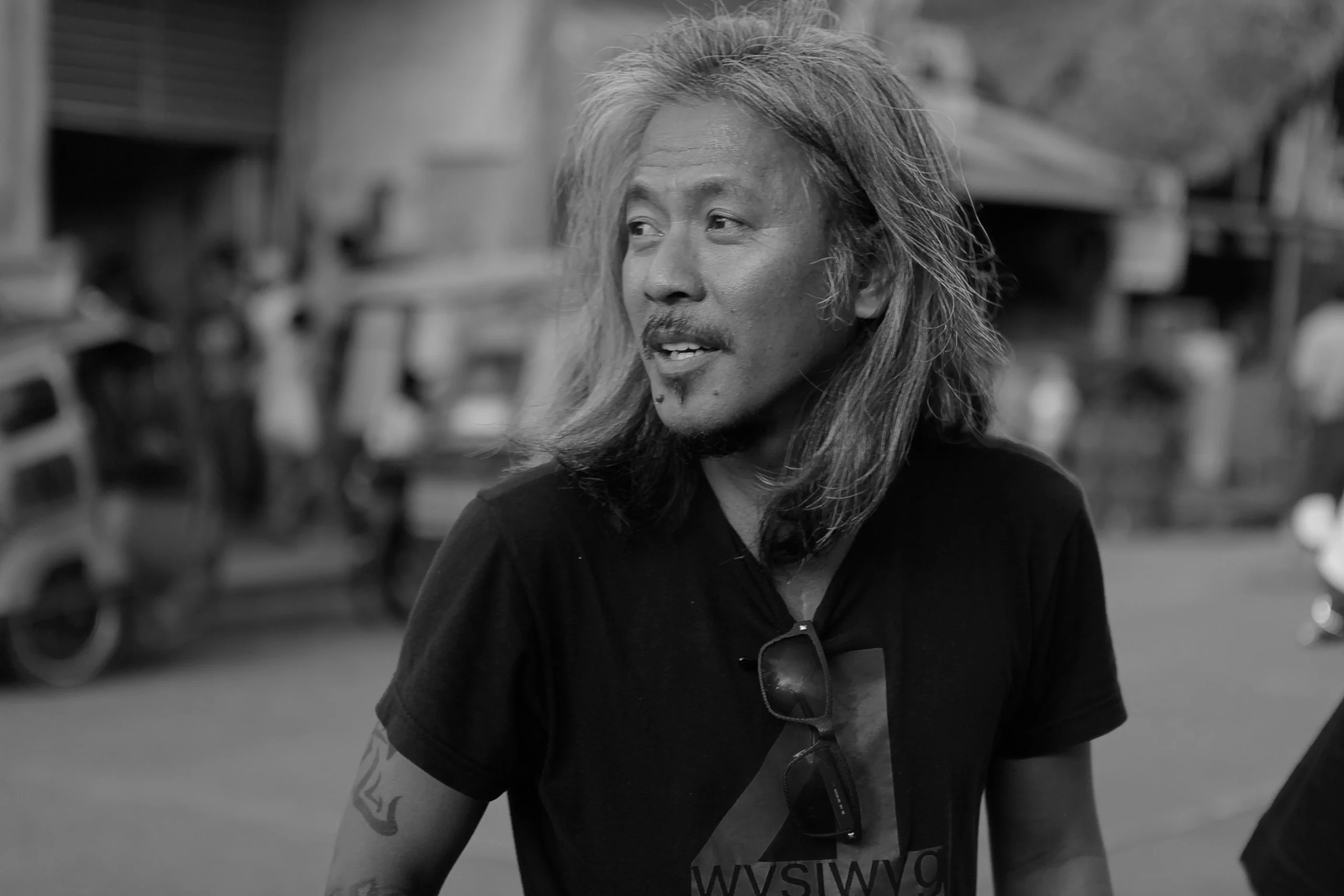
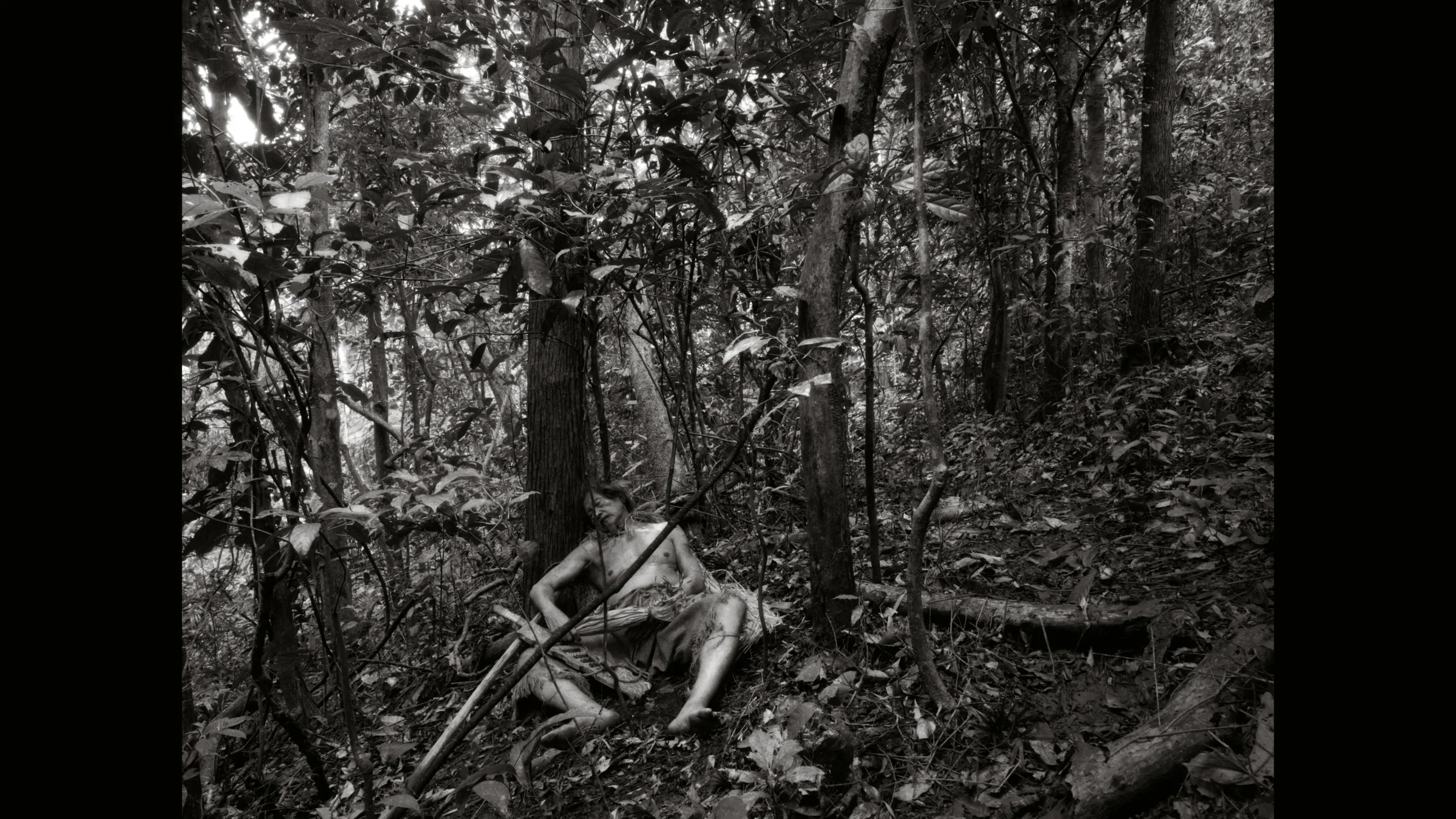
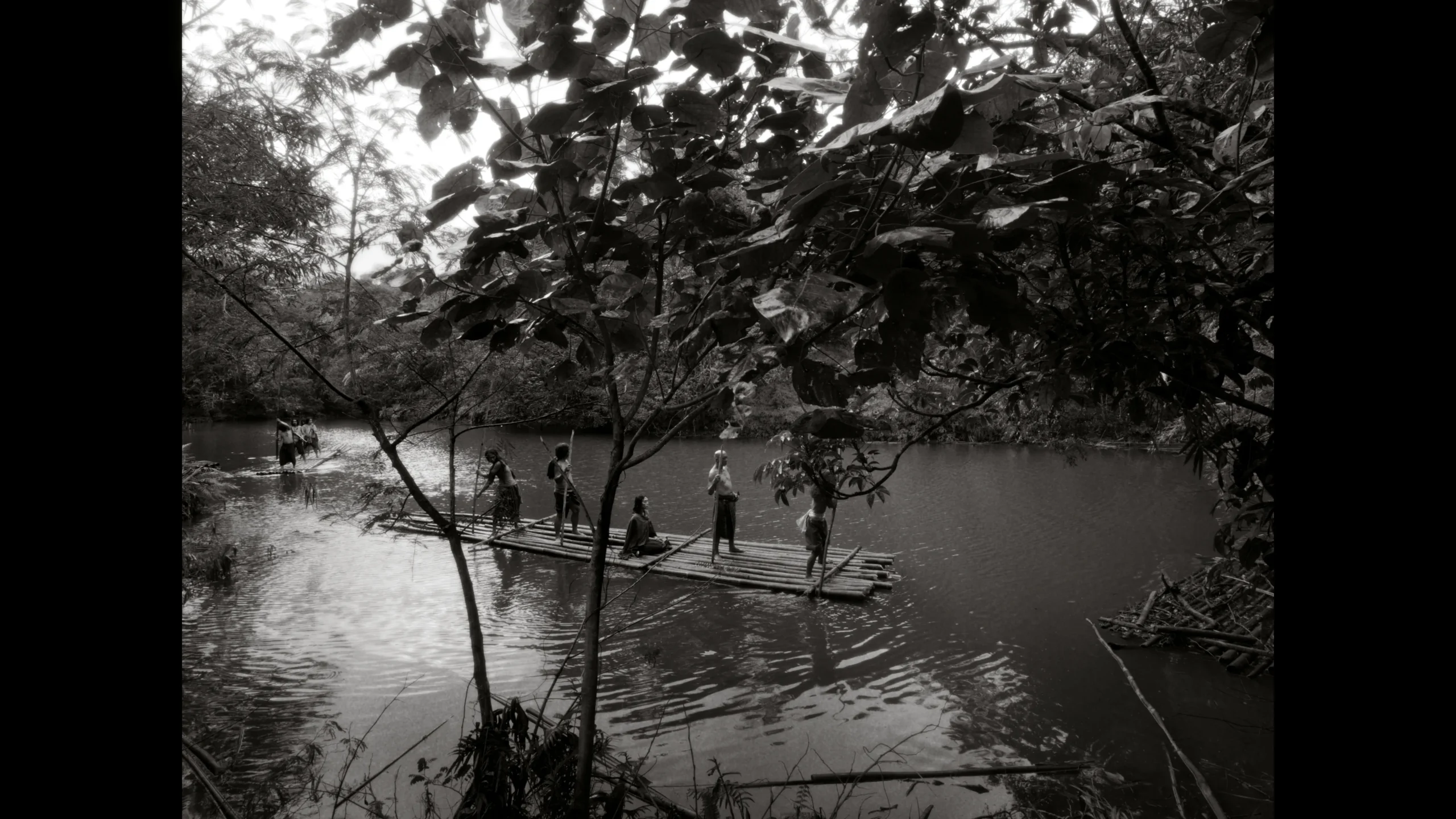
Set in 1617, Makikiraan Po follows a Spanish friar and encomendero who oversees the construction of a church in the Philippines as he attempts to bring the natives under Catholic rule. The film marks his ninth entry to the festival, following his previous award-winning films The Woman Who Left (2016), Genus Pan (2020), and Melancholia (2008).
Ahead of the film’s premiere on September 11, Vogue Philippines chats with the auteur about his long history with the festival and the film’s premise and themes.
Vogue Philippines: You have had a long history with Venice, from Death In The Land of Encantos and Phantosmia, to The Woman Who Left, When the Waves Are Gone, and your other entries. Looking back at that history, how has your relationship with the festival changed over the years?
Lav Diaz: Venice has become a home for my home movies (films about our struggle, of course). And I’m grateful. Beyond the extravagance and superficiality of focusing too much on celebrities, which is actually just a survival stunt, it’s the Cannes versus Venice thing; there still exists a real cinema community at the Lido, a real nurturing of the role of the medium, and that greater discourse on culture still has ample space there. And for me, that’s the most important.
Going to the Lido is also my pilgrimage to a lost realm. I still visit a secret patch there where wild berries abound. Savoring the obscure sweetness of the little fruit nurtures me back to the primal. It is a real feast of solitude.
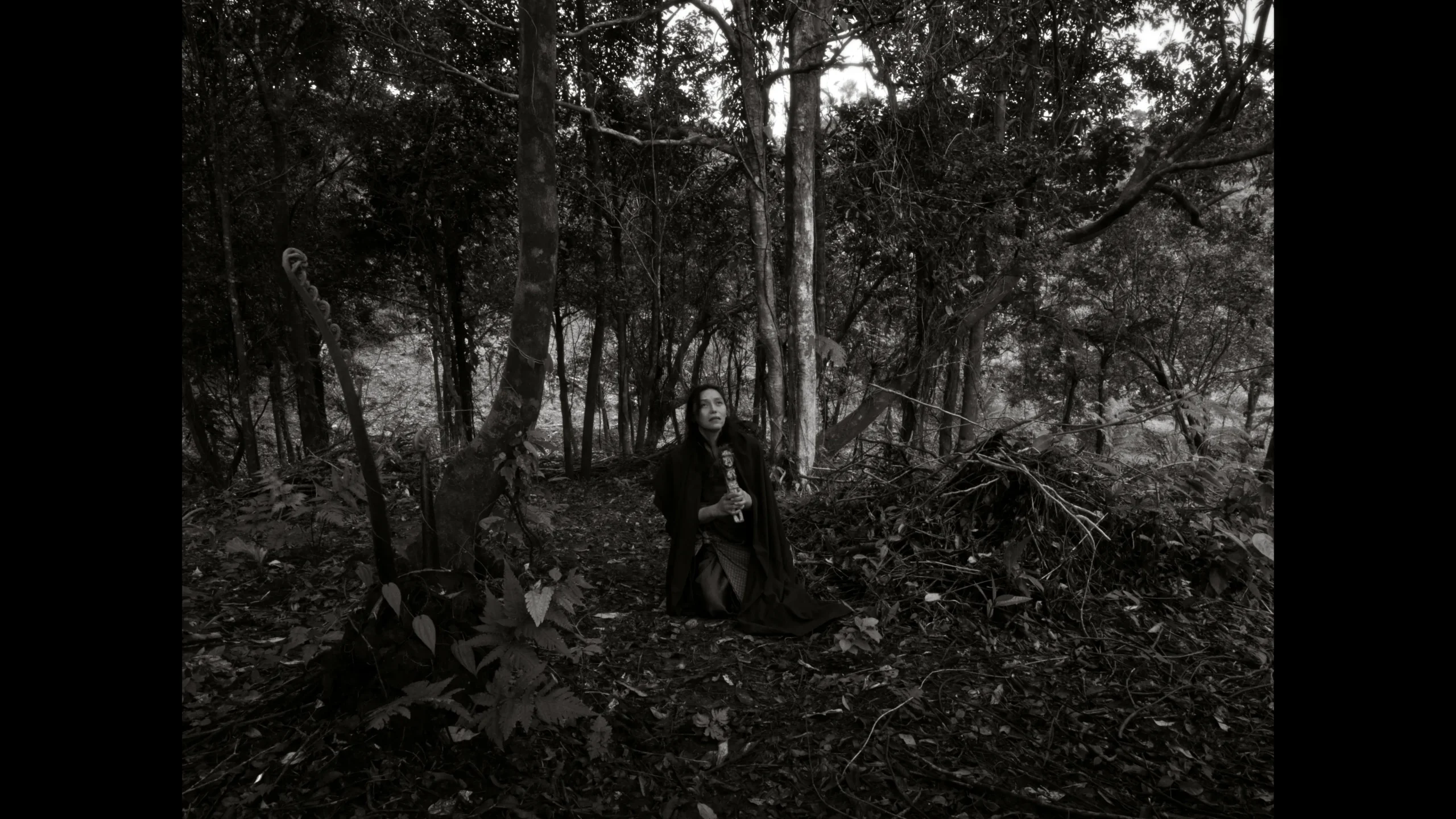
The film centers on Padre Enciso, an encomendero who uses religion as justification for his treatment of indigenous people. What interested you about examining colonialism through the figure of a friar rather than through a more conventional political or military figure?
The friars were major characters right from the very beginning of imperial Spain’s hold of the archipelago. Everything they did here was a marriage of conversion and plunder, heaven and hell; behind the cloak of salvation were dishonest impositions and illegal acquisitions that ultimately became extremely oppressive and violent. They were among the very first encomenderos, and as a matter of fact, the religious orders were the earliest hacienderos in the country.
For those who are too lazy to do research, you don’t have to go far; just read even the badly printed and badly translated Noli Me Tangere of the great Jose Rizal. That novel is one of the greatest documents of religion’s atrocities in our country. The word of the friar was the law during the period. When Rizal’s writings came out, the two novels and his critical essays printed in La Solidaridad exposed their sins, and so the friars declared him public enemy number one in the whole archipelago; they purposely instigated and pressured the authorities to arrest him, and ultimately, they had a hand in his murder.
Should a thorough investigation be conducted now on the death of our dear Pepe, the headline would be: The Friar Murdered Jose Rizal. Or, it should really read: THE FRIAR MURDERED JOSE RIZAL. All caps. Humingi na ba ng paumanhin ang Simbahang Katoliko sa pagpaslang sa pinakadakilang Malay?
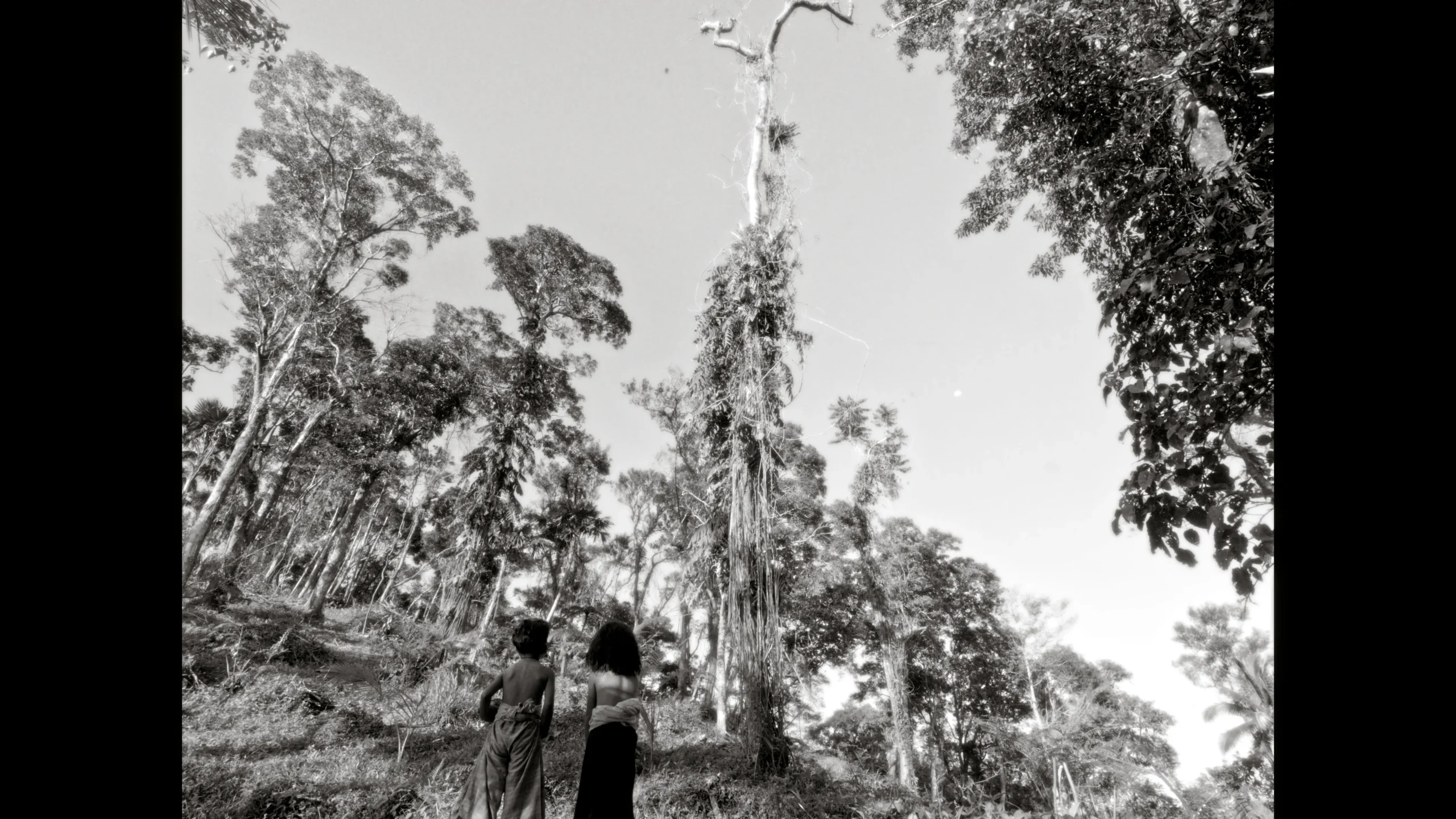
How much of Makikiraan Po is based on documented historical events, and where did you allow yourself to imagine or interpret what might have happened?
I created the characters and the narrative based on historical facts. And creating the story and the characters were the easiest parts in the process of this film. In fact, the film is almost like an adventure story, even a western, as I veered away from a rather didactic approach; and so ultimately the way to go was a simple dramaturgy, a bit Shakespearean, creating fulfilled characters and an earnest narrative arc.
If you research and read, and read that part of Philippine history, the Spanish era, the atrocities of the friars and officials are just so overwhelming; there is just too much, and at some point, I even thought of just doing a documentary about it. But an honest-to-goodness documentary about the period would take years. And it’s going to be a series to make it comprehensive.
Again, just read the journals, books. It’s all there. The big question that constantly hovered in my psyche while working on this film was: How can we forget all these? Why did we forget? Parang nabura na lang lahat. Mapapatingin ka sa bayan at tatanungin mo ito: Bakit? Binalahura tayo ng tatlong daan at talumpu’t tatlong taon, oks lang sa atin ’yon? They trampled on our beings for more than 300 years, relentlessly, without mercy, and when we got our freedom, they sold us to the Americans, and it’s okay?
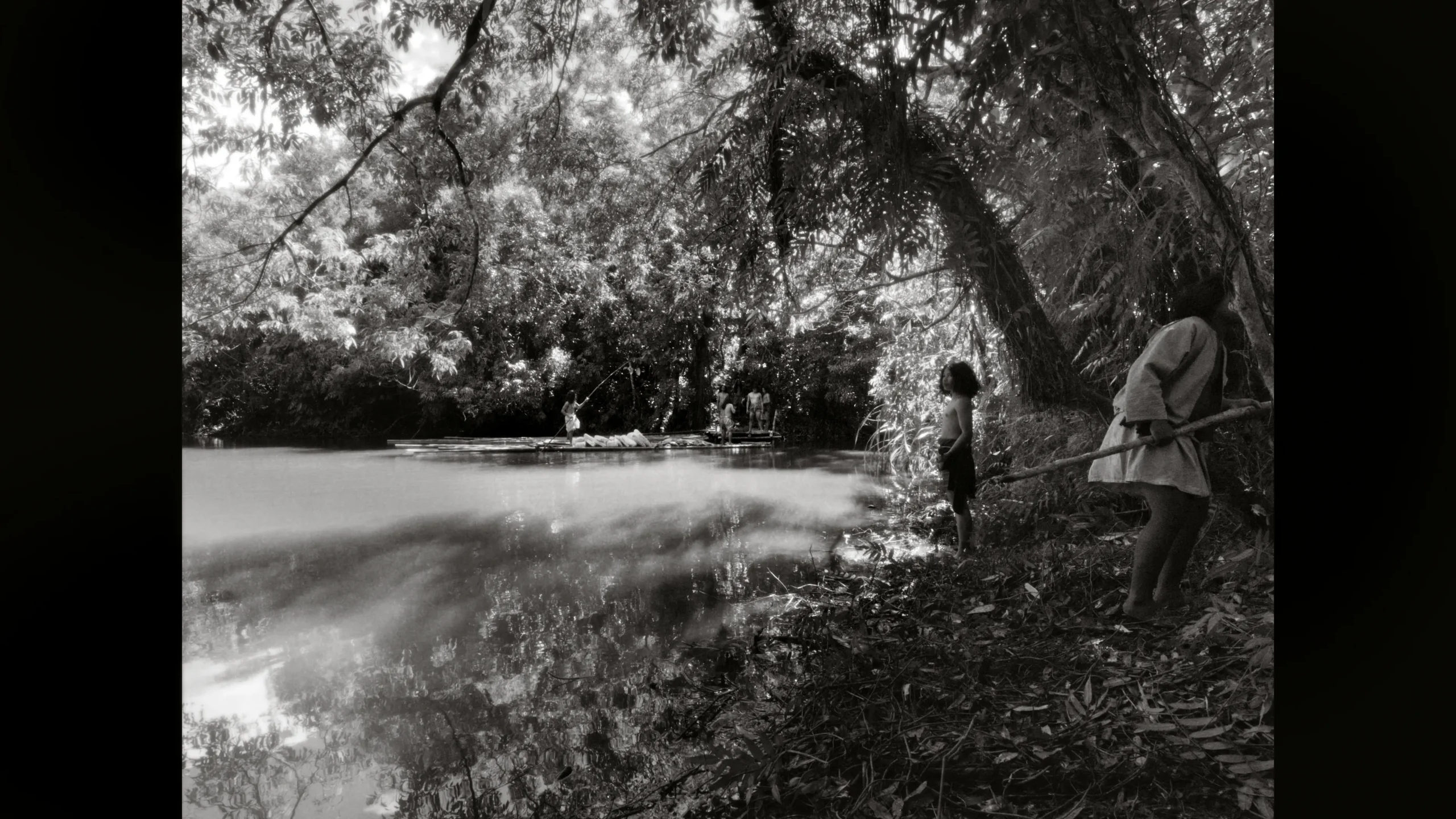
The synopsis describes the indigenous Malay as “hospitable and embracing,” but ultimately doomed under colonial rule. How did you want the film to represent indigenous Filipinos beyond their position as victims of colonization?
There’s the majestic Malay Tagalog word, lantay. Pure. The indigenous Malay was so pure then. Not the idealized pureness where everything was good and gold, no, because the typhoons were already a constant, disease and death existed, rivalries were happening already among tribes and groupings, but the native then was on his own; there was no foreign interference, no imposing visitor, no imposing new religion, no new ideology, no forced acquisition of his abode, no tribute to a man in a robe from faraway shores, no forced labor. He was purely on his own, charting his existence. His being lantay then was his soul; it was the truth.
Did the Malay, the one we call Pinoy now, lose his soul, his being lantay? Colonization fractured the indigenous so hard. There’s that often-uttered phrase among Filipinos, “Kalimutan mo na yan, wala ka nang magagawa,” when something bad happens, or a sad and tragic memory comes back, and this is emblematic of a collective trauma that’s become accepted as fate. Mangyayari naman talaga. Nangyari na. It’s even worse than helplessness, because it is resignation; it is acceptance; any iota of resistance is gone. It’s the basic teaching of religion—accept your fate. That was the worst imposition bestowed on the indigenous.
May magagawa pa. Kaya pang gamutin ang mga sakit ng sarili at ng bayan. At malaking simula ang tamang pag-aaral sa nakaraan. Magsimula tayo sa mga tanong: Bakit kaya ganito ang kinahantungan ng bayan? Bakit kaya tayo ganito?
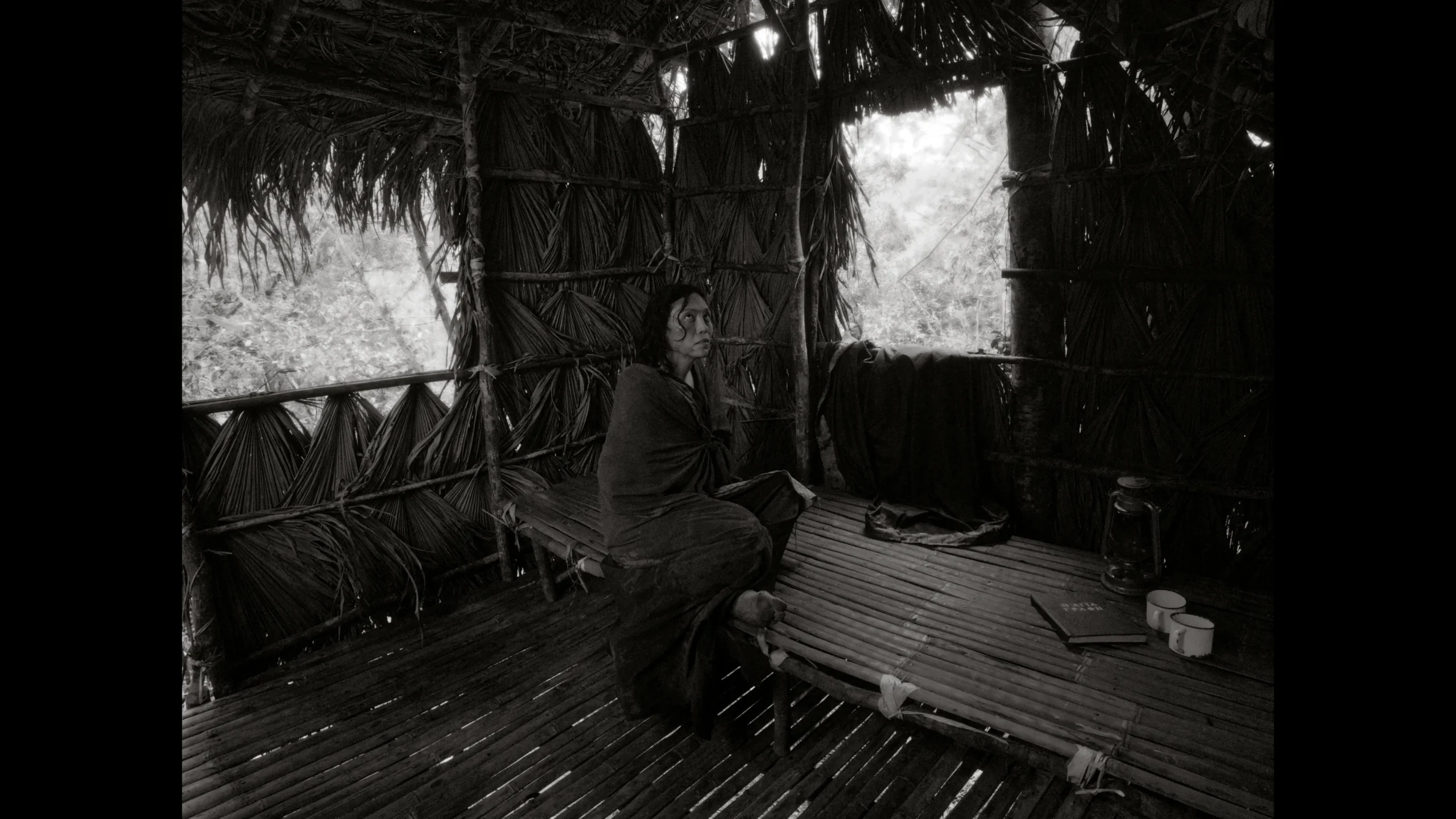
The encomienda system established a structure of land, labor, tribute, and authority that eventually became connected to the principalia and haciendas. What parallels do you see between these colonial structures and the concentration of power in the Philippines today?
The ghost of the encomienda remains hovering, interminably, all over the land, all over the sad conditions of our people. The encomienda system was the root of feudalism in the archipelago. We did have the datu system all over the land before Islam and Catholicism came, but the datu system was more of a collective practice then; there was a chieftain called the datu, but he or she was the elder or was chosen by the majority to lead their grouping.
The encomienda was a grab act; forcibly, it made the whole archipelago a property of Spain; the encomenderos created the foundations of the feudal setup, the hacienda system, the oligarchy, the political dynasties, the class struggle.
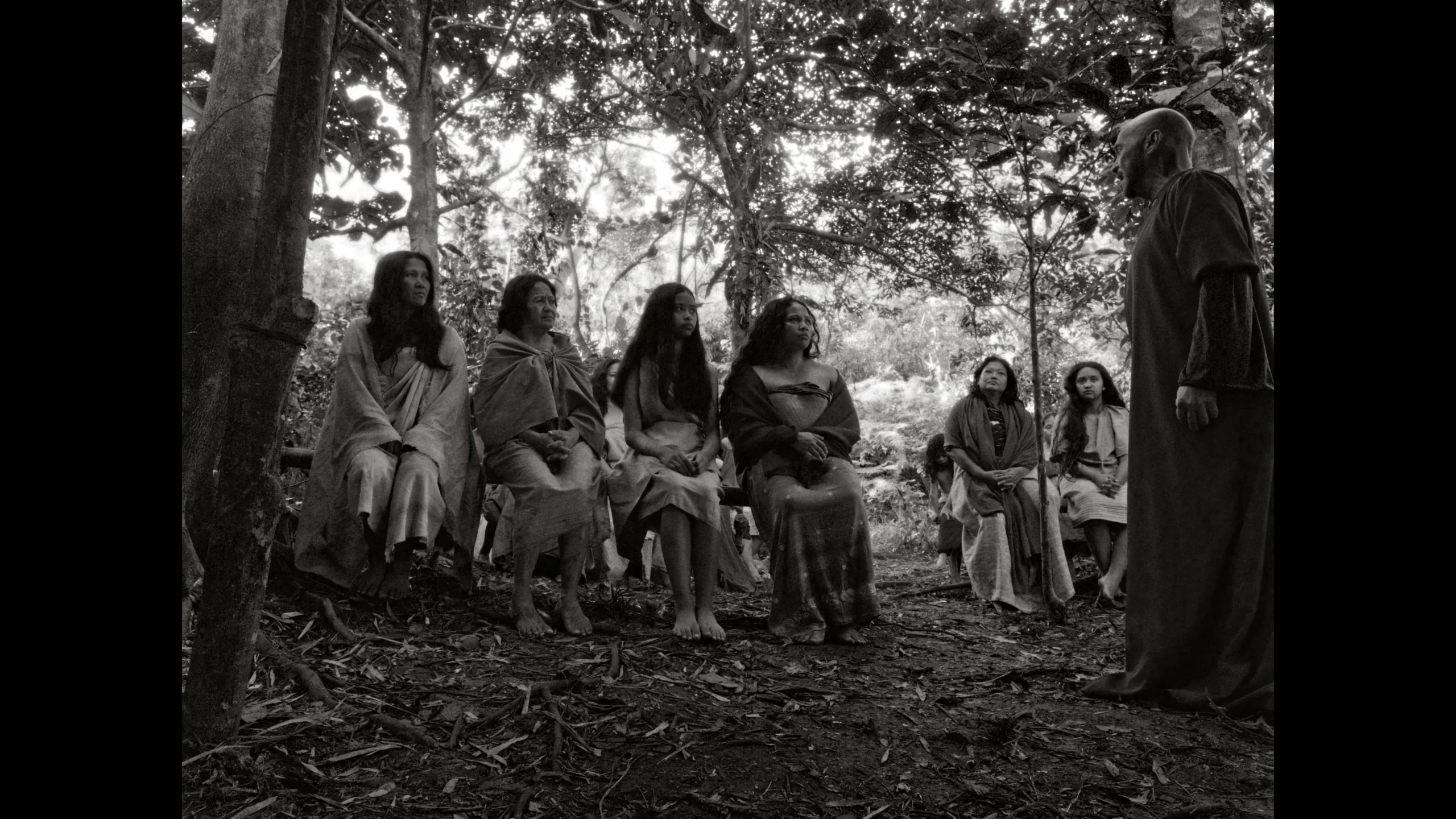
What do you think Filipinos have collectively forgotten or become accustomed to about the violence of colonization?
The Malay attributes weren’t totally erased, as we still have our great languages, some Malay names, as we still have family names like Batungbakal and Inipotngibon and Tumanghodsakalan and Galingsalubak and Dakilangmangmang; indigenous tribes remain almost untouched in some hinterlands, but the one that what we’ve collectively forgotten is the struggle, or the idea of real struggle, struggle in its many forms, fundamentally, that we can still reclaim what was lost, what was banished, that real liberation should emanate from real understanding of the past.
Again, what overwhelms our culture now is resignation, the perspective of pagtanggap, or even pagsuko. A classic case of a cultural debacle is how the majority of the masses look at the pervasive nature of systemic corruption in so many aspects of our lives. In the case of politics alone, elections are based on dynastic control; those who are powerful and who are the most popular (actors and entertainers) remain entrenched and accepted. There’s no understanding of the power of the vote, of being responsible through suffrage. We’ve been accustomed to the violence of ignorance. And perpetuation of ignorance can be traced back to colonization.
Your films have often challenged conventional ideas of duration, narrative, and historical storytelling. Has the international reception of your work at Venice affected the way you think about your own filmmaking, or have you remained largely indifferent to that reception?
I make my films largely on my own terms, whether Venice is there or not, whether festivals are there or not, as cinema for me remains a cultural responsibility. I never made money doing cinema, so even without the so-called budget, I shall continue doing cinema, and I still consider fame as poison, so, even in obscurity, I shall be doing cinema; educating the Filipino is more important; contributing to humanity’s survival is more important.
Do you feel any responsibility in representing Philippine cinema at Venice, particularly after having returned to the festival so many times?
Oo naman. Naroon lagi iyon, para sa bayan lagi, para sa Pinoy, para sa pelikulang Pilipino. Sa salita, sa gawa, sa pananaw, naroon ang Pilipino. We’re very much a part of the greater discourse on culture. Yes, it is a big responsibility: to tell and share our struggle, our story, honestly and truthfully. And caution is also very important, always, when representing culture; especially in a medium like cinema, as oftentimes, it’s easy to lose direction and perspective, as the many attributes of making cinema can readily sway a practitioner into dangerous spheres—the big money, the big ego, the big party, the big f***.
Frequently Asked Questions
Lav Diaz is a renowned filmmaker from the Philippines who is a pioneer and master of the “slow cinema” movement.
No, Lav Diaz has not received an Oscar nomination. The Film Academy of the Philippines selected his historical drama Magellan (2025) as the official Philippine entry for Best International Feature Film at the 98th Academy Awards.
Makikiraan Po follows a Spanish friar and encomendero named Padre Enciso who forces locals to build a grand stone church and orders his son to transport limestone through regions where indigenous groups resist colonial control.
Lav Diaz has been featured at the Venice Film Festival nine times, with his ninth selection being his 2026 film, Makikiraan Po.
Some of Lav Diaz’s award-winning films include The Woman Who Left (Golden Lion, 73rd Venice International Film Festival), Magellan (Golden Spike, Valladolid International Film Festival), and From What Is Before (Golden Leopard, Locarno Film Festival), to name a few.
- Lea Salonga Makes History With Her Hollywood Walk of Fame Star
- From Forgotten Island to Edjop, Here Are the Films and Series Coming to Philippine Screens
- Behind the Frames of Filipiñana with Cinematographer Xenia Patricia
- Meet the Filipino Comic Artist Featured in Spider-Man: Brand New Day’s Special Credits