
Behind the Frames of Filipiñana with Cinematographer Xenia Patricia


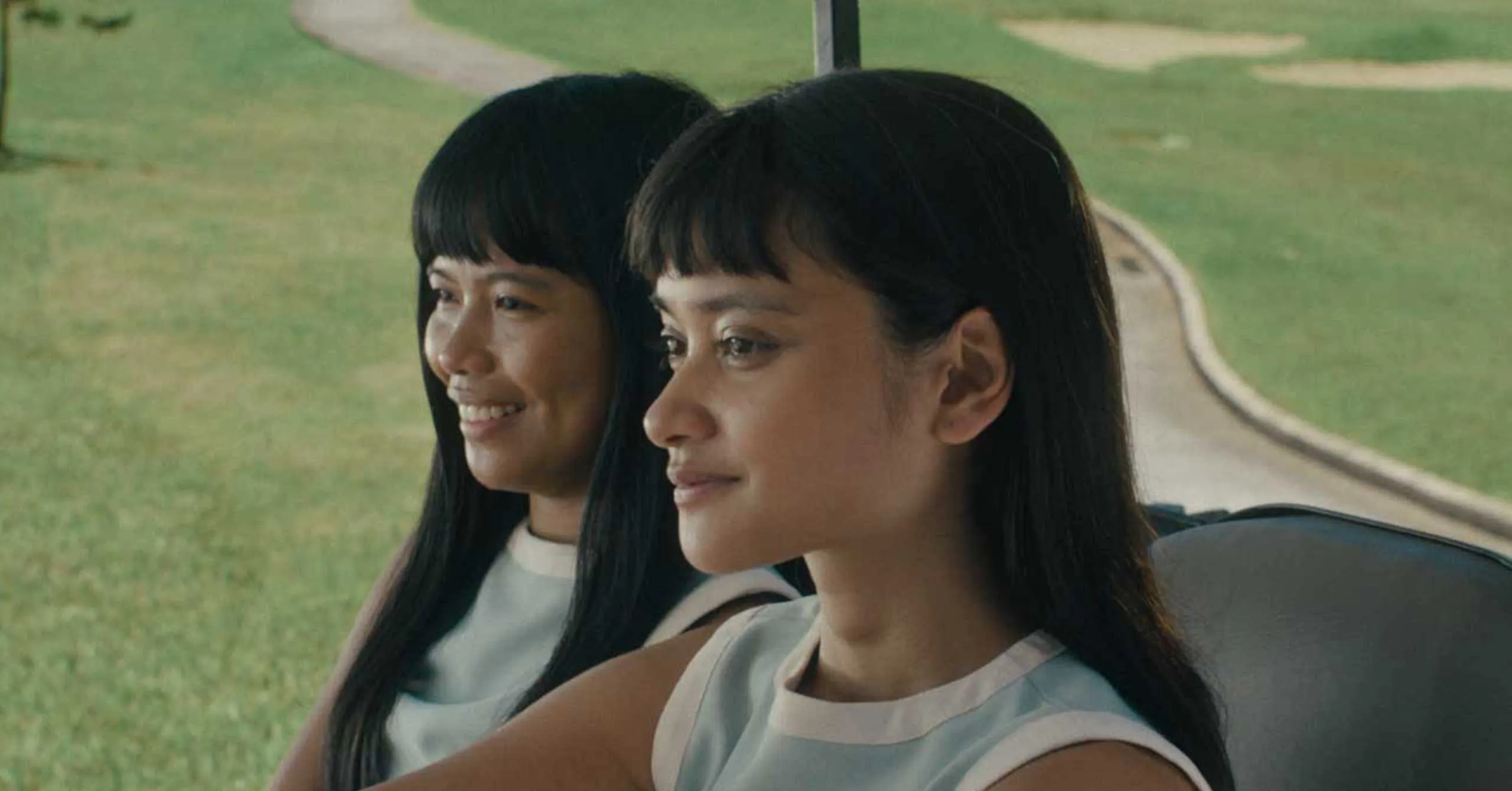
Film stills by Xenia Patricia
Film stills by Xenia Patricia
The cinematographer talks about translating “structural violence” into images ahead of the film’s Philippine theatrical release.
When Xenia Patricia was younger, she used to sneak into the Berlin International Film Festival (BIFF) to see films from all over the world. “I think that’s when I kind of fell in love with film,” she says. Decades later, the cinematographer not only finds herself attending the film festival, but also watching her first feature-length film credit, Filipiñana.
Earlier this year, Filipiñana debuted at the Sundance Film Festival, where the film won the World Cinema Dramatic Special Jury Award for Creative Vision. This was followed by its European premiere at BIFF and, most recently, its Philippine premiere at the Cinemalaya film festival. The film is also poised to make its Philippine theatrical release on August 26, followed by its United States opening at New York City’s Film Forum.
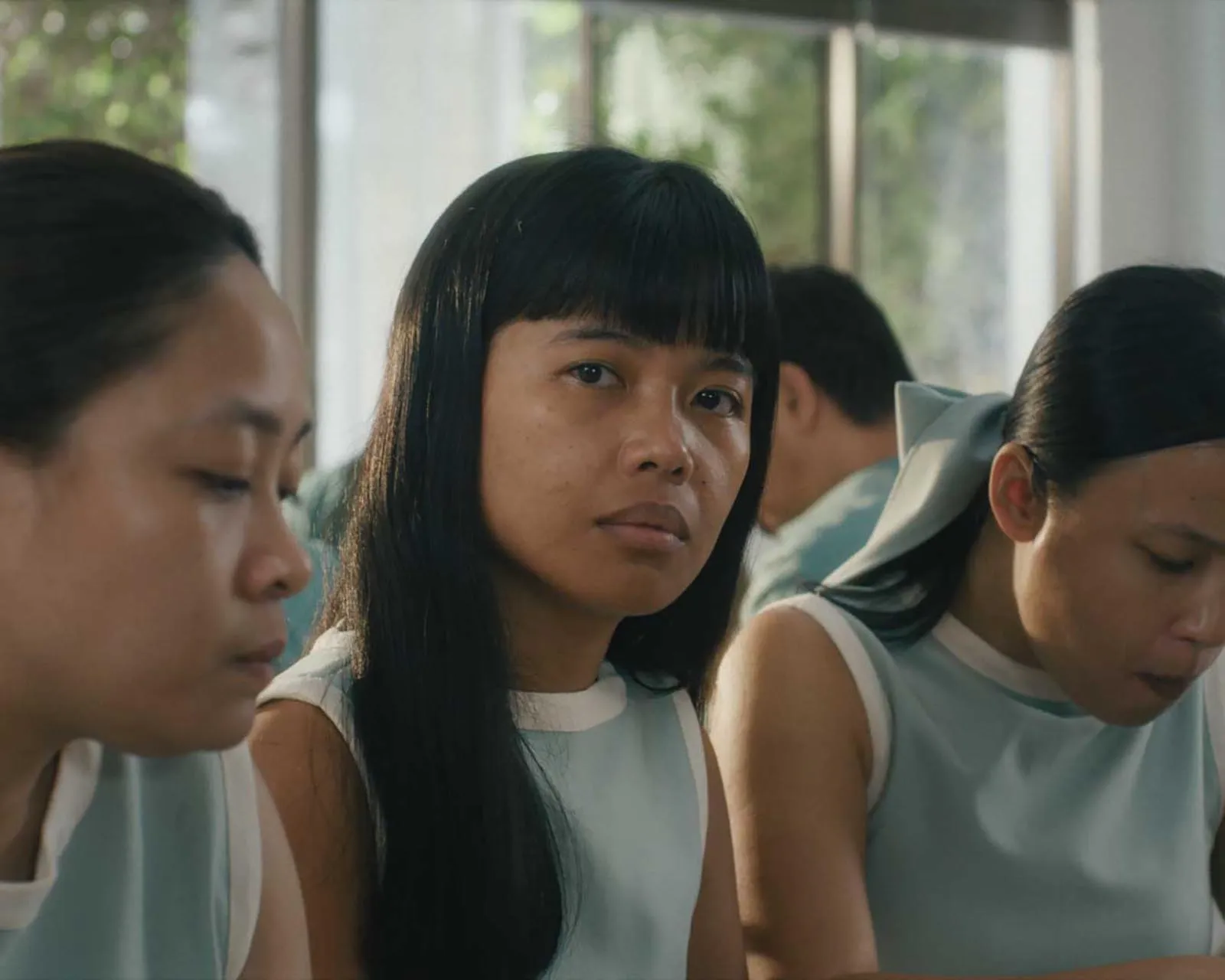
If you haven’t heard, Filipiñana follows the story of 17-year-old “tee girl” Isabel (Jorrybell Agoto) who is drawn to Dr. Palanca, the president of the country club she works. But as she continues to work, she discovers the violence underneath the club’s facade.
Like Agoto, Xenia also worked on the 2020 award-winning Filipiñana short film before taking on the feature-length film’s cinematography. “It was really special when this feature came about, and it felt like a full circle in a way,” Patricia says. “In terms of language and what we’re trying to do, we were trying to think about [whether] we wanted to continue this kind of style, and what worked for us or what didn’t work.”
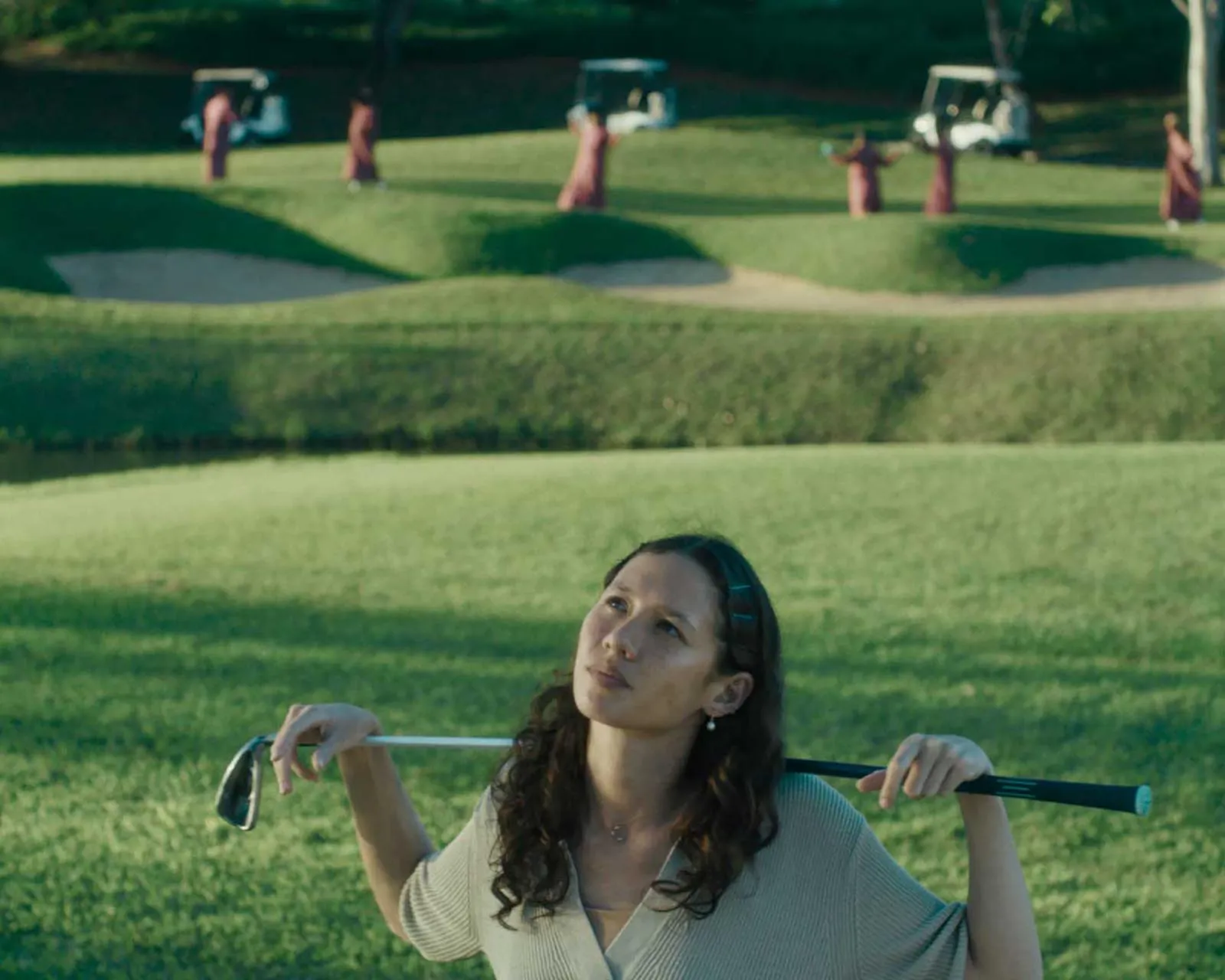
In the full-length film, the lawns are just as manicured, but the 100-minute feature got the structured, picture-perfect, and almost otherworldly atmosphere down to a tee. The harsh sunlight makes the green grass almost glow, the decadent food laid out on the table, and the rhythmic strokes of each golfer. Then we also see dead pine trees being replaced, mangoes ripening on the grass, and Isabel framed in between a golfer’s legs.
“It was about what the colors say about the people, how they’re supposed to be seen in terms of the social structure,” she explains. “It’s often nice to look at so you don’t think about any kind of injustice in the system further, and I think that’s how we worked out the color palette and the stylistic choices as well.”
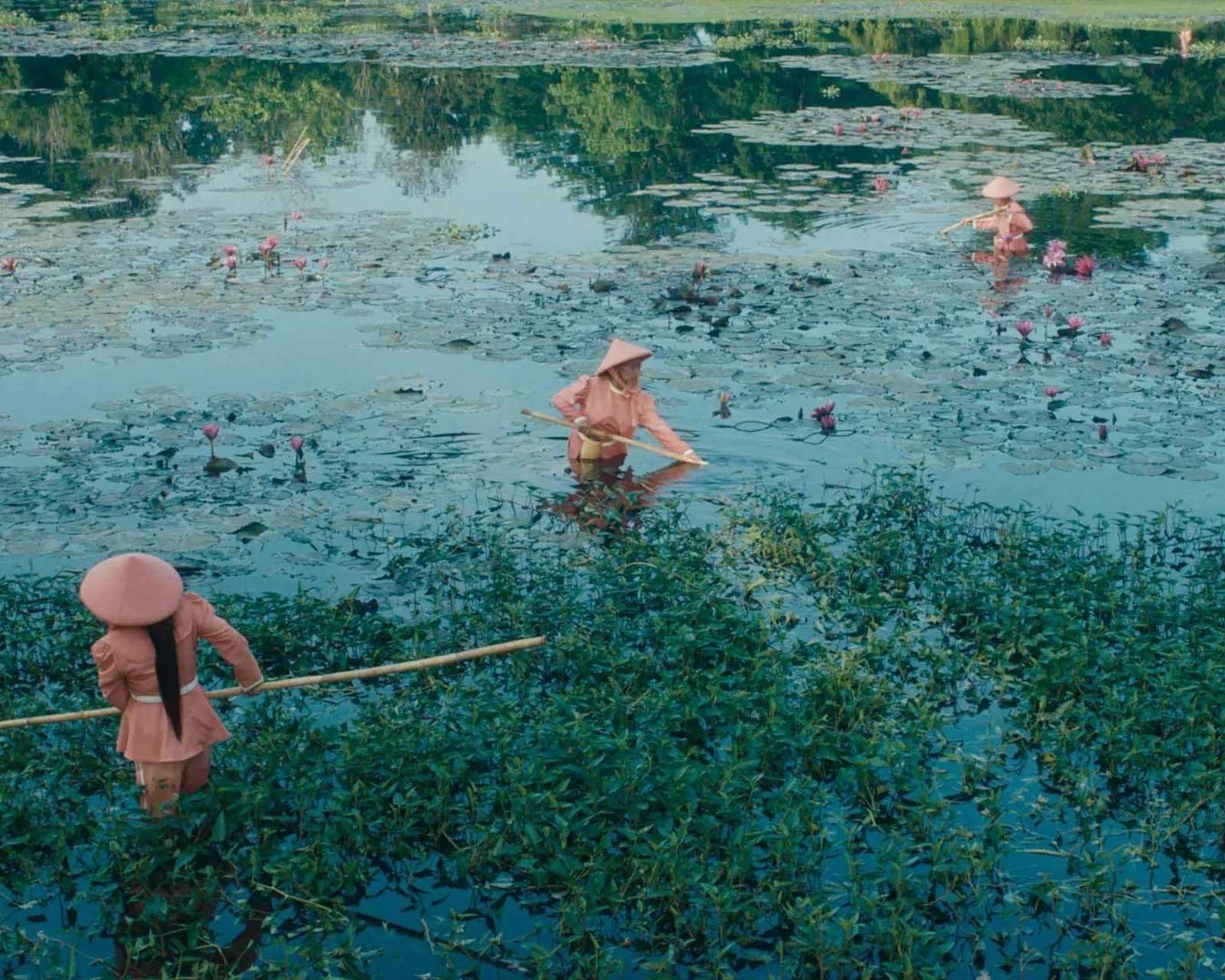
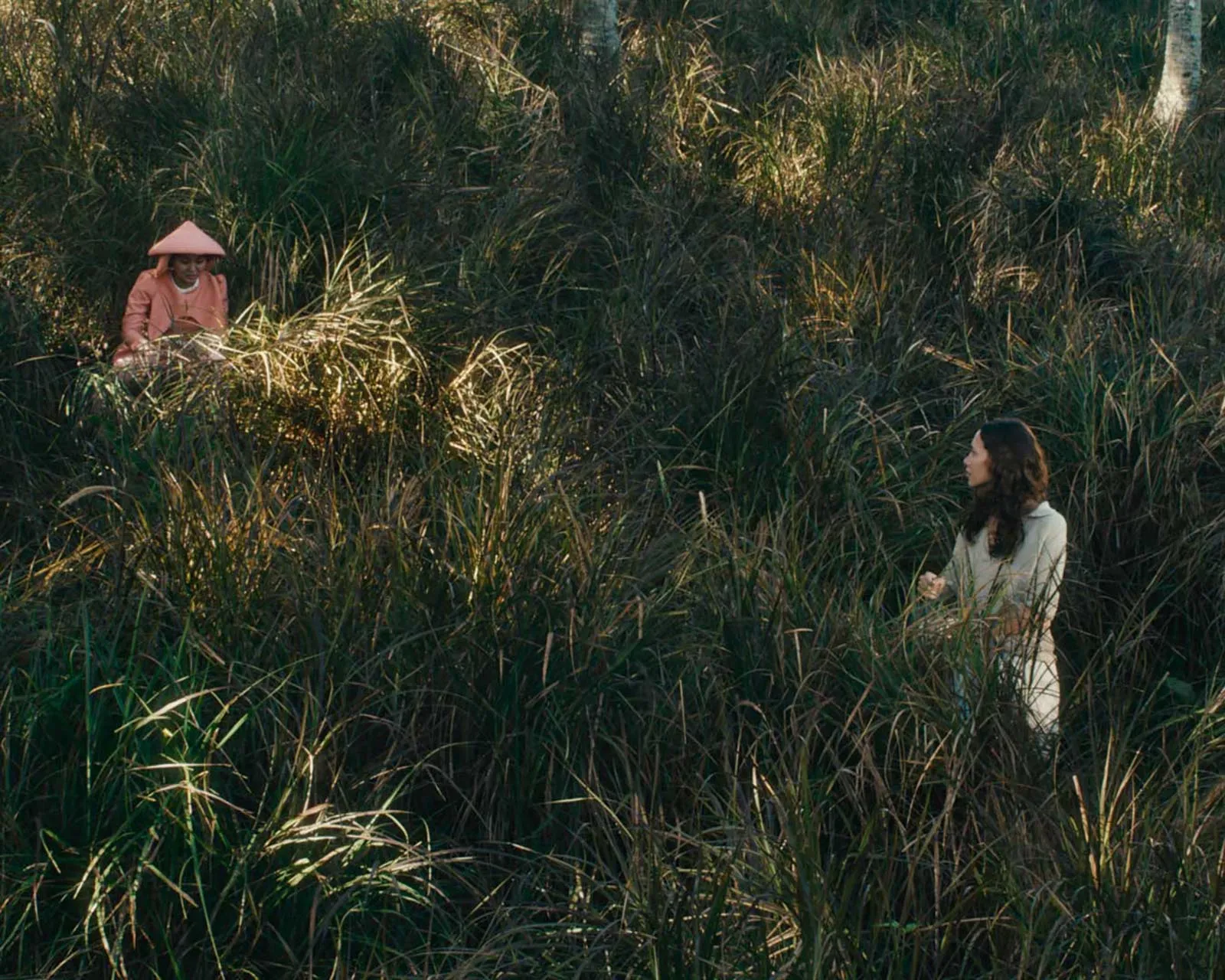
“The film is about structural violence,” she says. But instead of showing outright violence on the screen, it lurks, with the film’s subtlety and restraint forcing the viewers to examine each frame carefully.
“We had the idea that beauty and perfection can be a kind of violence,” she explains. “We tried to bring this in through the framing, so everything has to have very harsh precision and nearly bordering on a bit of a staged aesthetic to it so it feels constructed. It doesn’t feel absolutely natural.”
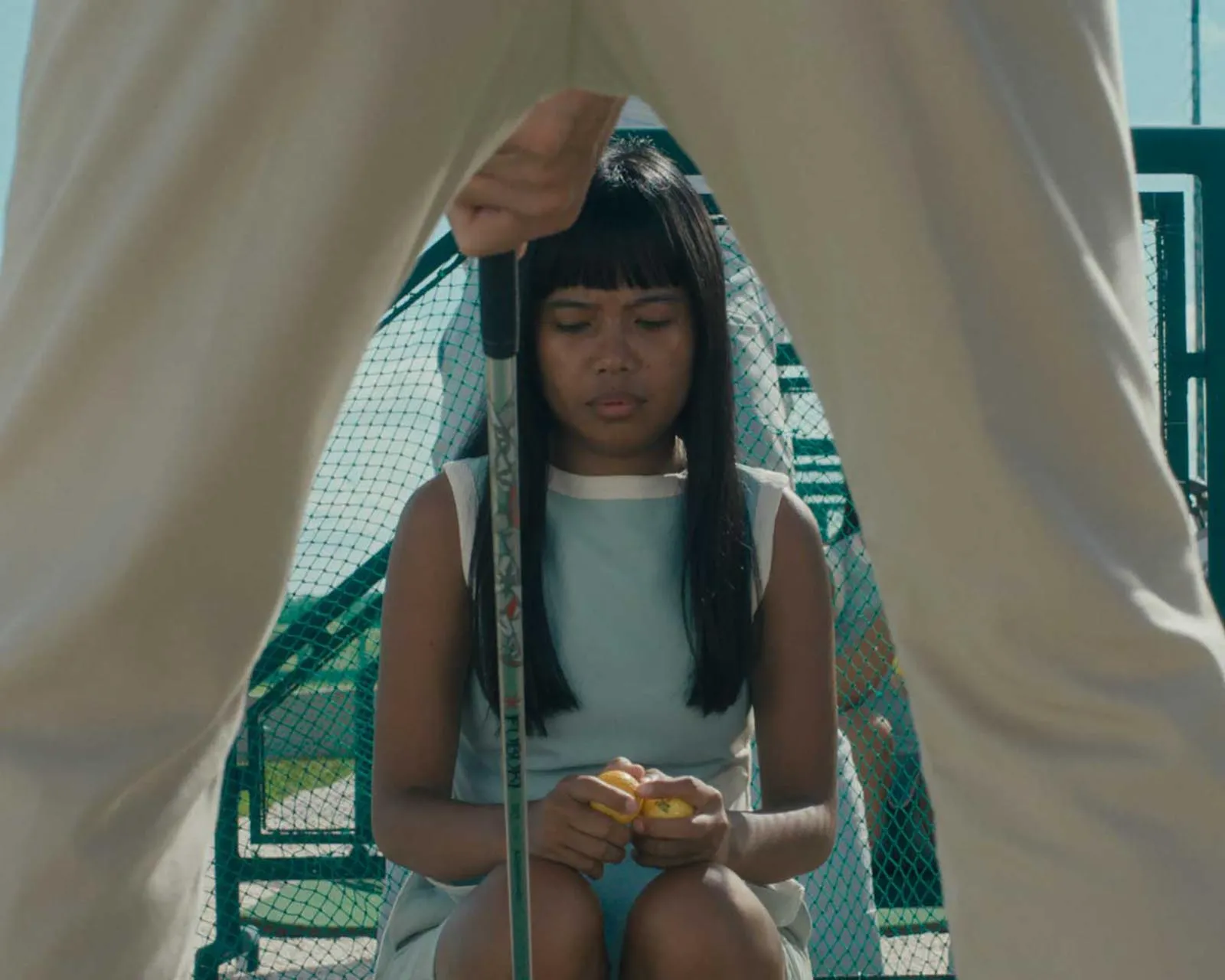
Since its Philippine premiere, local cinephiles have been comparing the film to Wes Anderson’s visual style, and while Patricia regards it as a “huge compliment,” Anderson was never once brought up during the making of the film. Instead, they looked to the works of Jonathan Glazer, Jacques Tati, and Lucrecia Martel. In terms of pacing and capturing the setting, Lav Diaz served as an influence.
“The film is set during a drought, and we really wanted [viewers] to feel the heat,” she says. “I think Lav Diaz has such a good way of making things feel so real, the way he’s working with his actors, and the way he takes in the environment.”
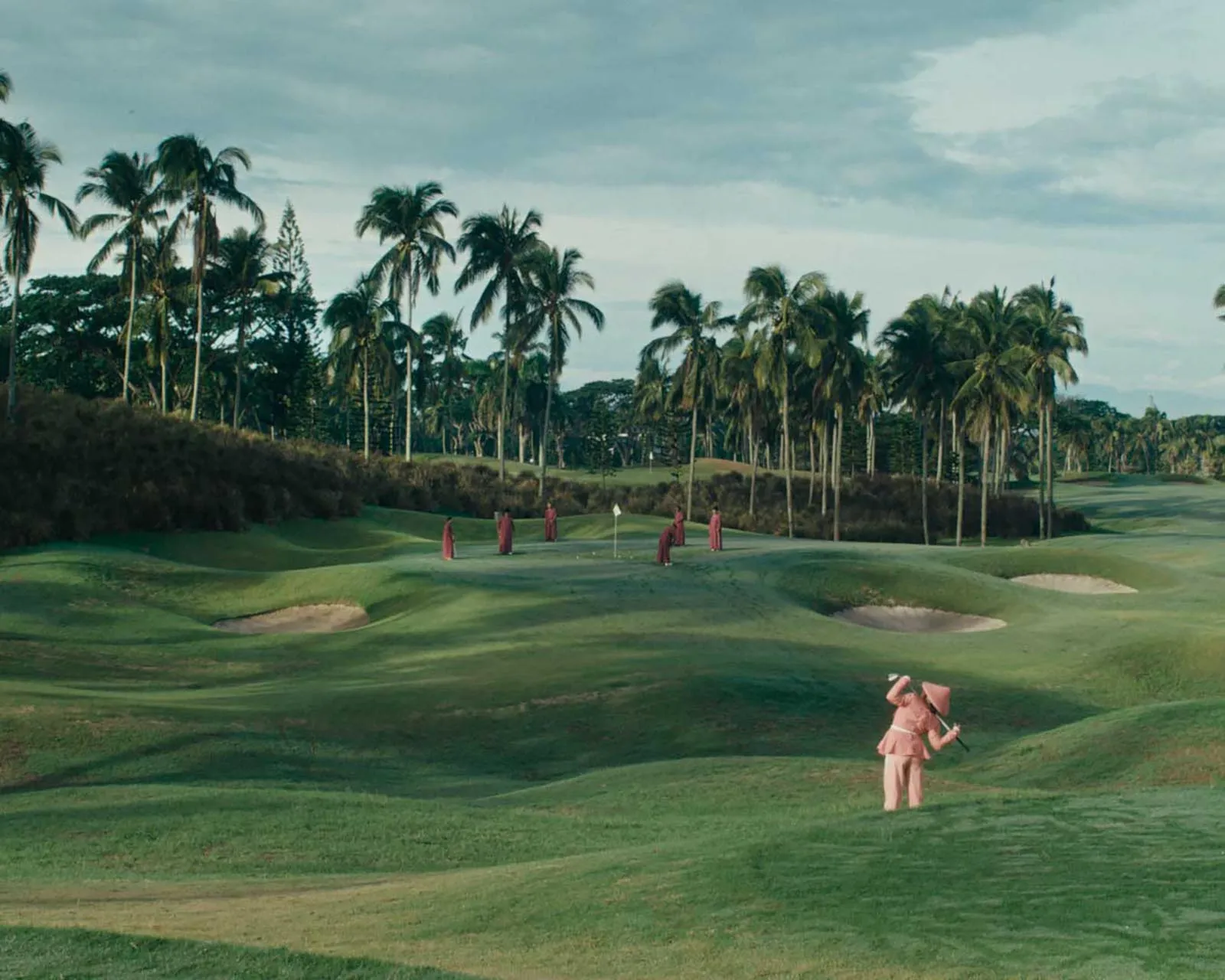
As Filipiñana hits Philippine cinemas this week, Patricia has one wish: “What you always wish for a film is for people to obviously watch it, but also after going out of the cinema, [I hope] that something stays with them.” Right now, the film is gaining a lot of momentum, so much so that questions are already arising whether it could become the Philippines’ Oscar entry. But whether or not that happens, Patricia is grateful that it managed to travel around the world, and hopes that it continues to reach more people.
Frequently Asked Questions
Xenia Patricia is a cinematographer who works across fiction and documentary. As of writing, her most notable work is Filipiñana (2026).
Filipiñana is an acclaimed 2026 black comedy-drama feature film that is an expansion of the 2020 award-winning short film of the same title.
Filipiñana was the closing film of the 22nd Cinemalaya Independent Film Festival on August 16, 2026. Commercially, it opens in SM Cinemas across the Philippines on August 26, 2026.
Filipiñana is rolling out its exclusive theatrical run in select SM Cinemas across the Philippines.
Ticket is priced at PHP 275 in Metro Manila and PHP 230 for regional locations.