
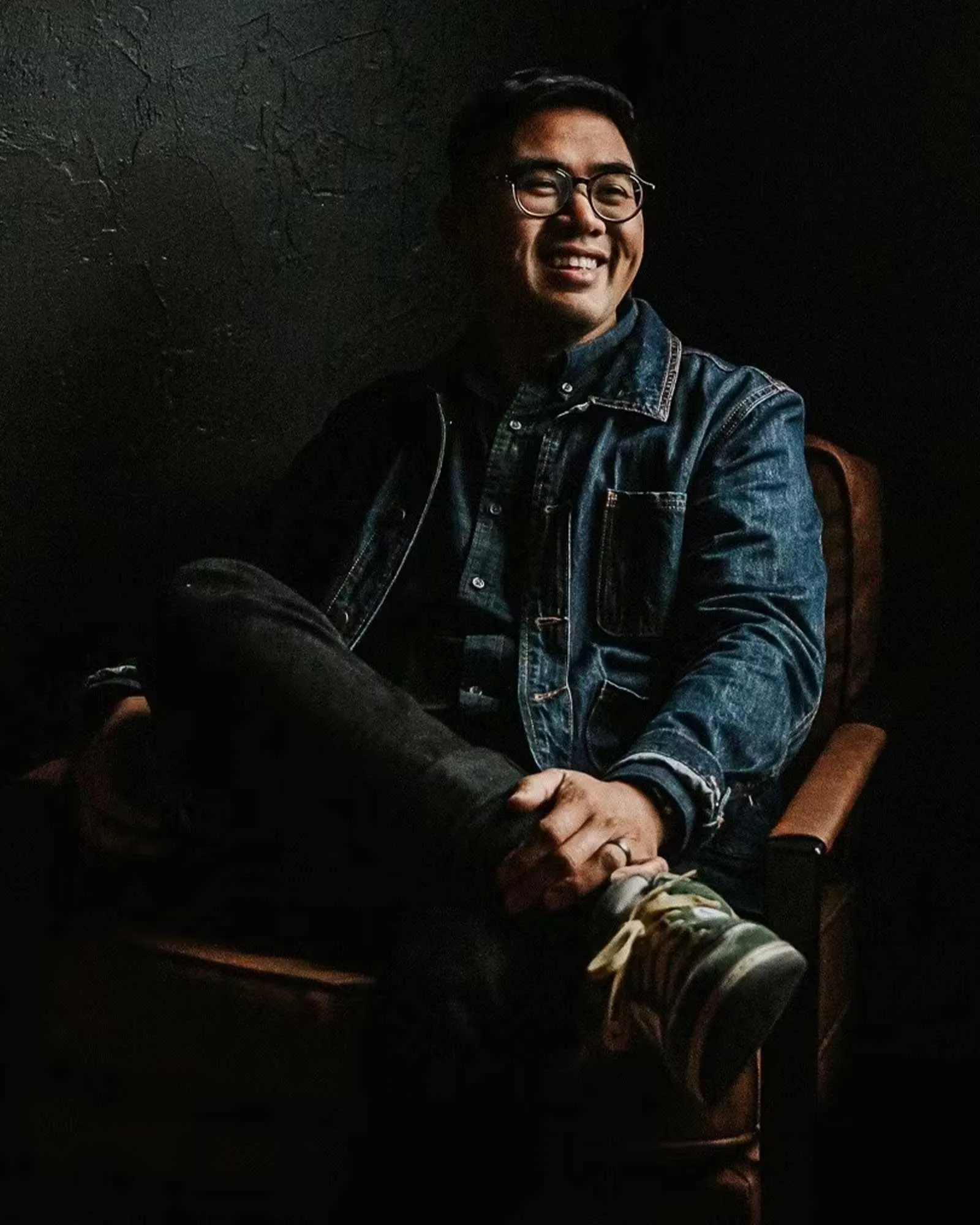
With Kamayan, Director Christian Origenes Finds His Way Home


Courtesy of Christian Origenes
In his quest to understand his identity, the first-generation Filipino American maps out Filipino cultural and culinary heritage through his lens.
When Christian Origenes was growing up, he felt disconnected from his Filipino roots. “Growing up in New Jersey, I never really put much thought into what it meant to be Filipino. I was much more American, and much more New Jersey than I was Filipino,” he says, reflecting on his experience as a first-generation Filipino American. But as he wanted to start his own family, he was haunted by a question his future children might ask: What does it mean to be Filipino?
This question led him to begin researching and working on Kamayan, a documentary that maps out the cultural and culinary history of the Philippines. Directed by Origenes, the documentary maps out precolonial food traditions, colonial influences from the Spanish and American eras, and the modern-day global recognition of Filipino cuisine.
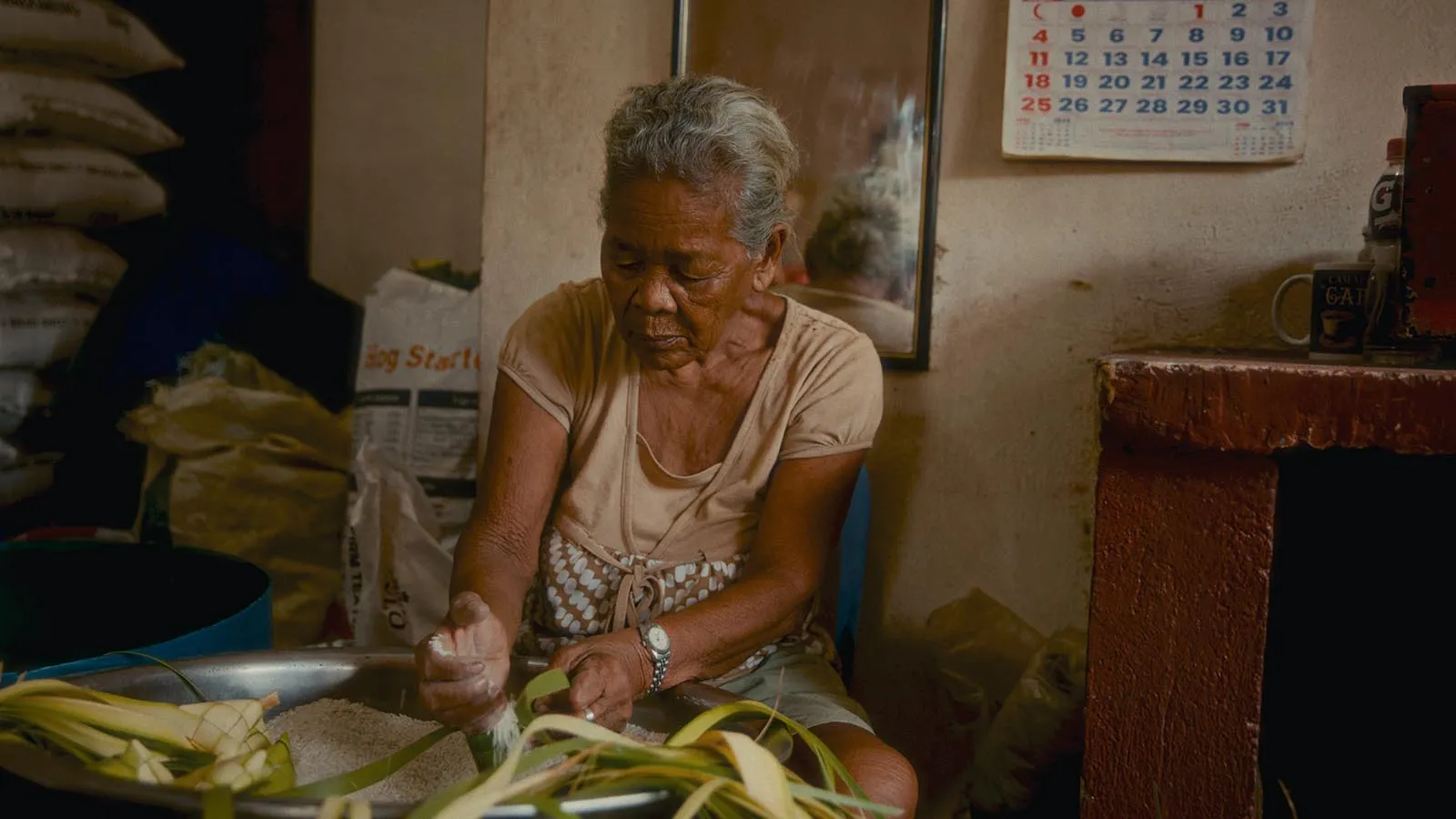
Initially, the film was supposed to be a nine-minute documentary on lechon, the Filipino dish consisting of a whole pig slow-roasted over charcoal. But as he researched its roots further, he realized that this documentary could tackle something much deeper. “I realized that food can unlock almost like a cultural heritage, almost like a cultural narrative and timeline of the archipelago,” he says. “Kamayan is not [meant] to gate-keep or define this, or that, but more or less pinpoint where we were at certain times. To find areas we need to mourn, but areas we need to celebrate.”
When it came to curating the personalities he would interview, Origenes didn’t necessarily go for the most decorated or acclaimed chef, but those whom he calls “culture builders.” The first person he contacted was Yana Gilbuena, a Philippine-born, ancestrally taught writer and critically acclaimed chef. She created the Salo Series, where Kamayan, the precolonial tradition of eating with one’s hands, was celebrated. There is also Melissa Miranda, a 2023 James Beard semifinalist and founder of Musang, a Filipino restaurant in Washington that offers a modern take on traditional Filipino and Filipino-American home-cooking.
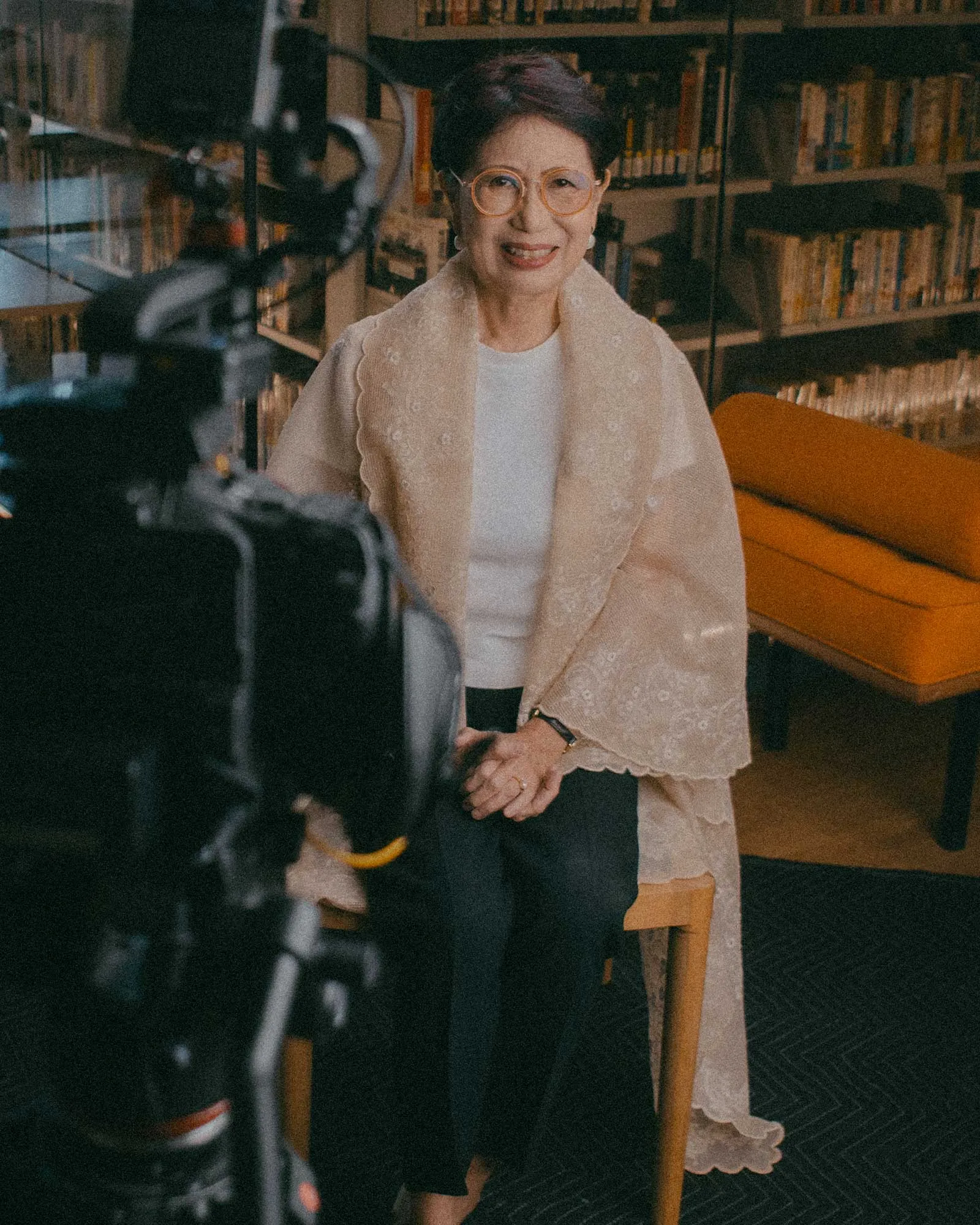
There’s a bayanihan spirit with how Kamayan was created. With each Filipino chef that he met, he discovered more names through them: chef Francis Ang of AbacaAbacaA strong natural fiber from the abaca plant, also called Manila hemp, native to the Philippines. Designers and weavers use it for textiles, bags, hats, and sculptural fashion, prized forGo to Abaca Glossary, chef Harold Villarosa of Noma and Aquavit, chef Pilar Valdes, and chef Tara Monsod, to name a few. And after several tries, he also got Felice Prudente Sta. Maria, the internationally awarded nonfiction author, cultural heritage advocate, and pioneer in Philippine food history.
“It went from me trying to handle everything by myself, but then letting people in and just helping me out, and that’s what pretty much gave this movie traction,” he says. “Hopefully, it’s a success.”
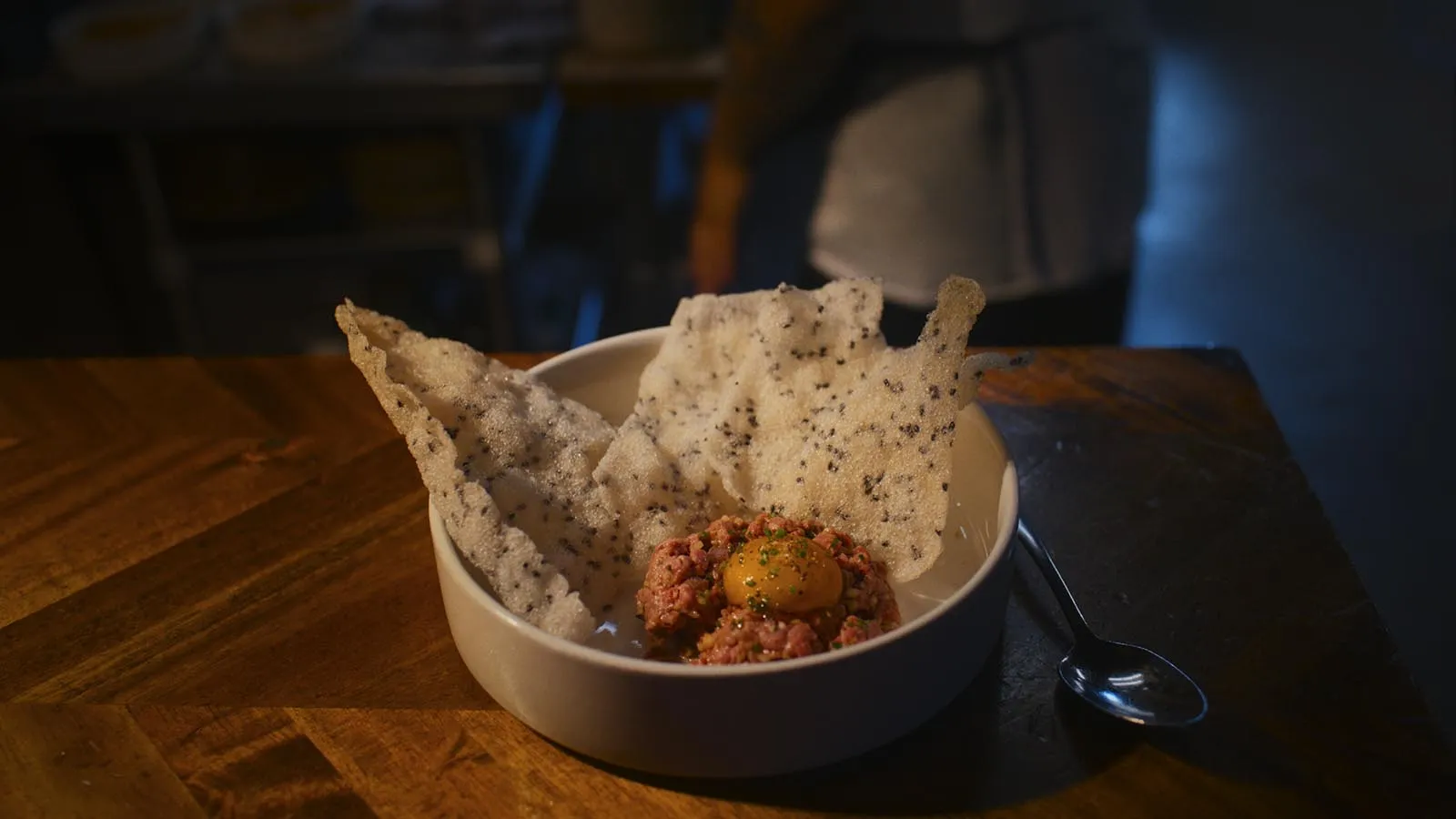
As he maps out culinary history, Origenes also found himself coming to the Philippines for the first time. “It was pretty impactful for me because I never considered the Philippines as my homeland, just because I’m not from there. But being there and leaving the Philippines after 14 days, I had this weird yearning for home,” he shares.
During his visit, he was able to go to his mother’s home in Pasay City, where his uncle runs a carinderia that overlooks the street. As he sat inside, he saw the children playing on the street, which made him emotional. “I found myself crying just because it hit me that I don’t know anything about my mom’s childhood,” he shares.
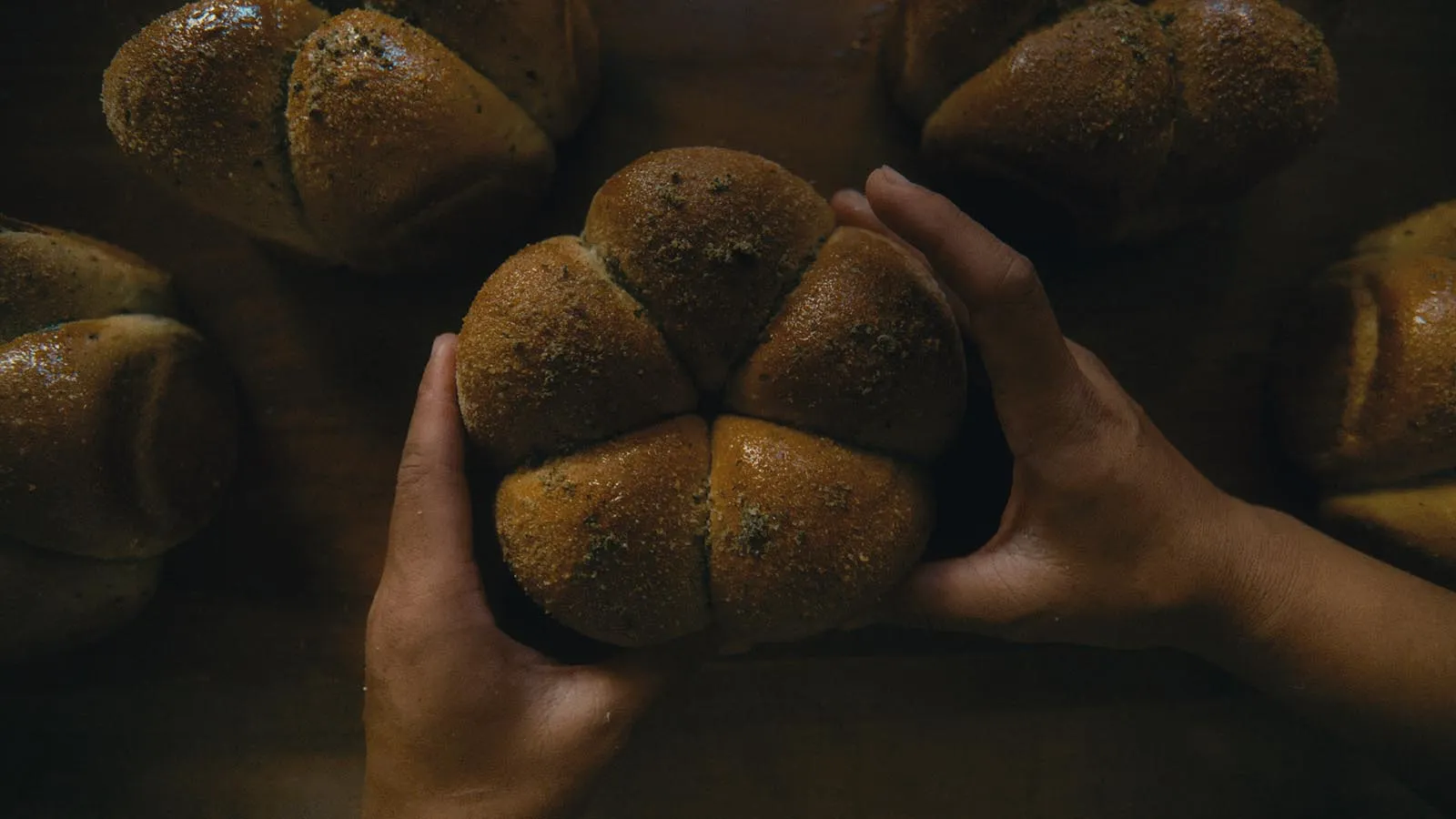
What once felt alien slowly became familiar to Origenes. His previous feelings toward Filipino cuisine changed, slowly seeing the light in which the dishes could be presented. “If you have liempo or barbecued squid marinated in bagoong, that for us is quintessential Filipino barbecue, right?” he says. “But when you introduce non-Filipinos or people who’ve never had Filipino barbecue to liempo, they’re like ‘This is some of the most flavorful barbecue I’ve ever had in my life.’
“We’re sitting on gold, but we don’t know how to acknowledge that until someone who’s non-Filipino affirms like, ‘Hey man, this is way better than anything we’ve had.”
Kamayan is yet to have its premiere, but as it does, Origenes hopes that it will be part of the culinary discourse and to educate audiences. “I want them to see [that] we’re more than just ube lattes at Starbucks. We’re more than just lumpia, Trader Joe’s kare-kare. We’re a deeply complicated country that has been colonized for 500-plus years,” he says. “However, we’re still learning, and we’re close to finding out who we are.”
Frequently Asked Questions
The documentary titled Kamayan explores the heart of Filipino identity, history, and resilience through the lens of its cuisine.
The Kamayan documentary is directed by Christian Origenes.
As of writing, Kamayan has not yet premiered in cinemas or on streaming. For updates, follow Kamayan through its social media pages.
Kamayan is a traditional Filipino style of eating where people share a communal meal using their bare hands instead of forks and spoons.
The cast includes Francis Ang, Marinette Asuncion-Uy, Monique Feybesse, Yana Gilbuena, Felice Prudente Sta. Maria, and Dr. R. Alexander Orquiza, to name a few.
- At Taglish, Chef Frances Tariga Imagines a World-Class Seafood Steakhouse With Filipino Flavors
- Chef Rhea Sycip Brings Her Ingredient-Driven Cooking to Flour Pot Bistro & Bakery
- Shido Brings an Evolving Japanese Dining Experience to Manila
- Meet Stephen Raymundo, the Filipino Chef Who Won Young Chef England 2026