Cebuano Literature Finds a Home at Lost Books Cebu


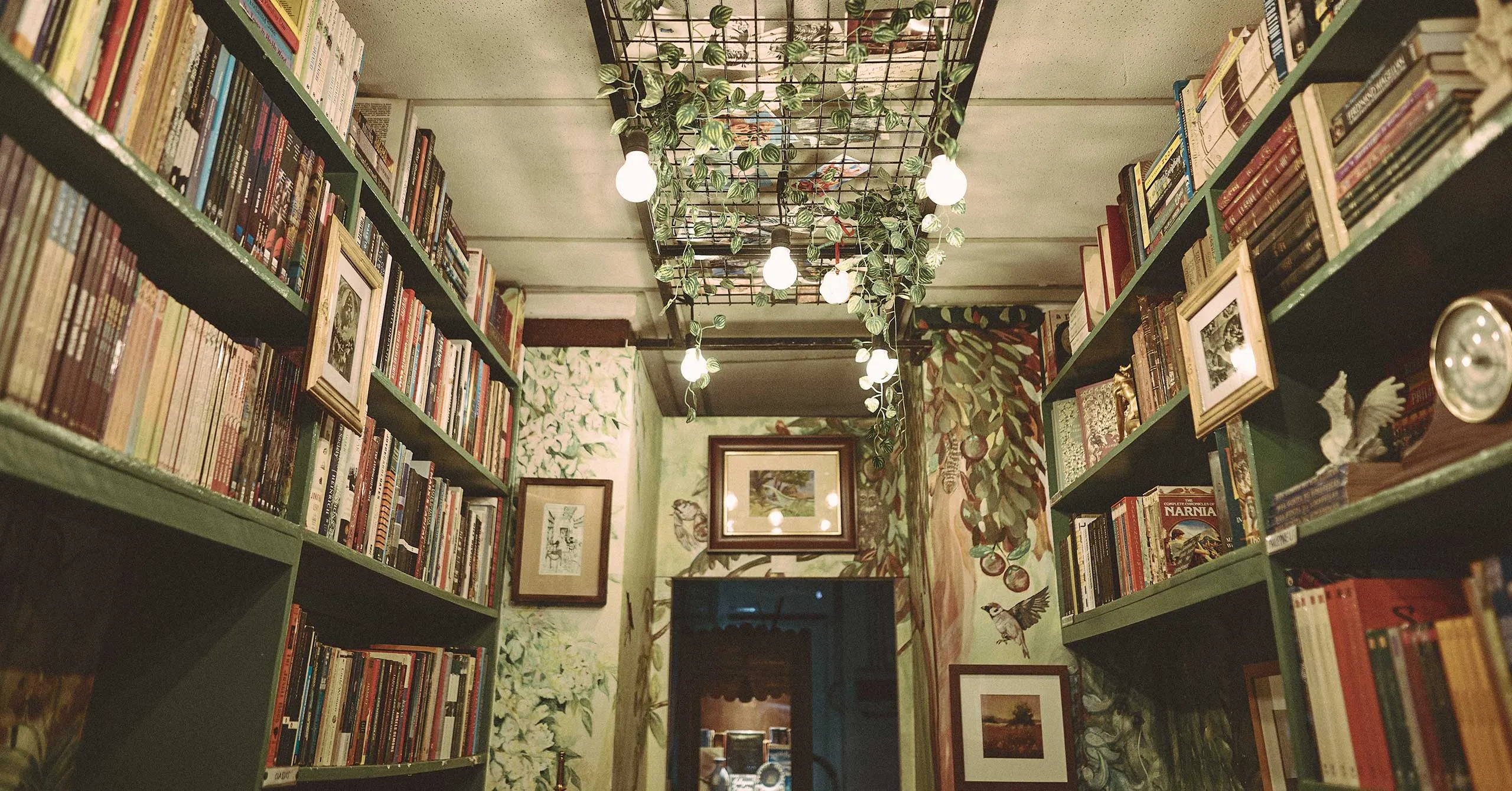
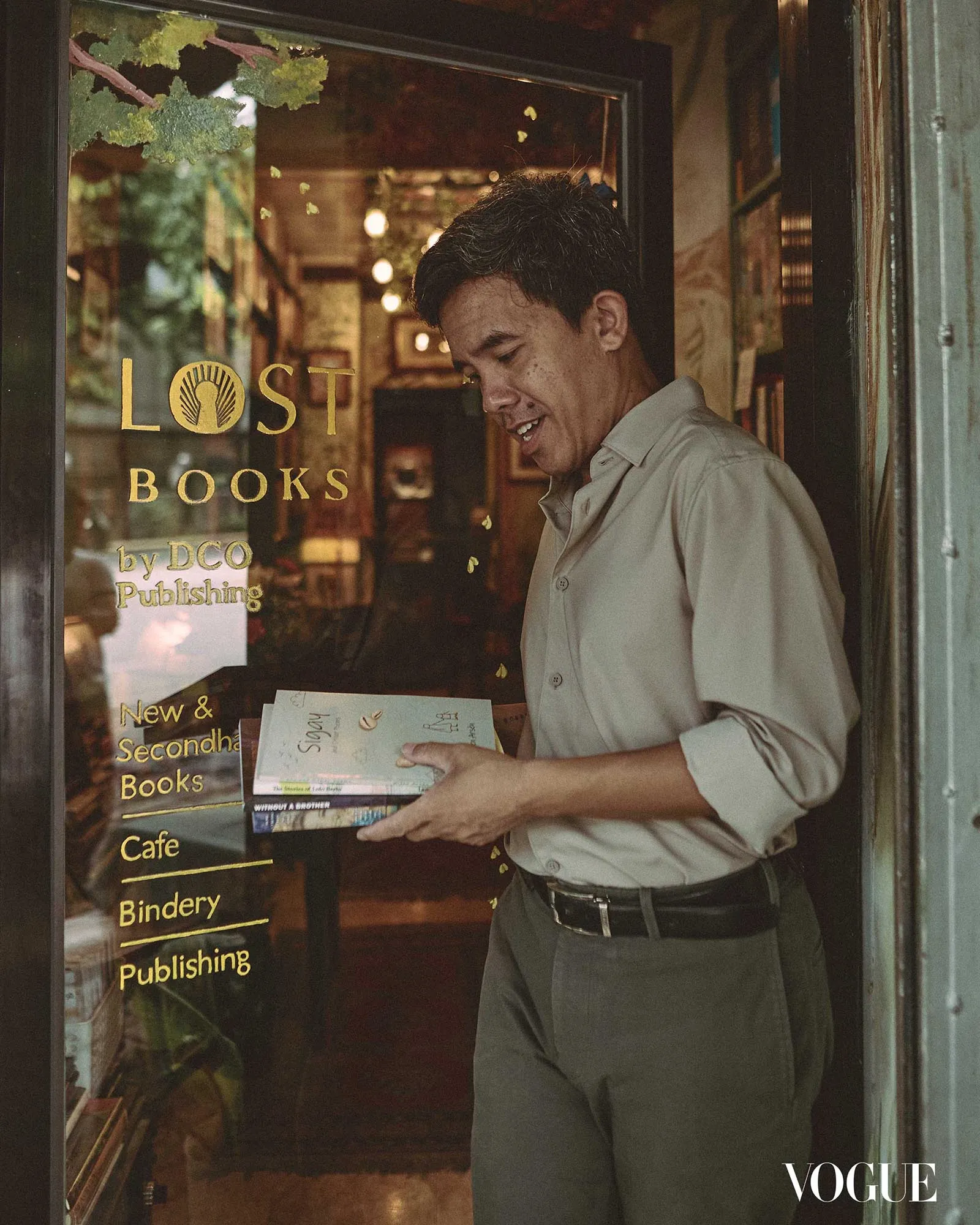
Lost Books Cebu is located at the ground floor of CAO Mercado Building, Osmeña Blvd, Cebu City. Photographed by Karl King Aguña for the November 2026 Issue of Vogue Philippines
Lost Books Cebu is located at the ground floor of CAO Mercado Building, Osmeña Blvd, Cebu City. Photographed by Karl King Aguña for the November 2026 Issue of Vogue Philippines
In the cultural heart of the city, the independent bookstore and community space becomes a gateway into Filipino-first stories and a proud literary community.
Where do we find our stories?
All of us grow up with them, whether they are tales passed down through generations or novels stumbled upon at a Scholastic book fair, a friend’s personal library, or as a fresh adaptation across animated film and TV.
For Donald “D” Villamero, however, his fondest memory of reading came from the contents of a Nido milk box, where each freebie was a different fable in their collectible children’s series.
Distributed in the ’90s, these illustrated pocket books spanned Greek mythology, German fairytales, Chinese folklore, and more. Young Donald was bent on completing his set of 24 (and recalls favorites like the stories of Rumpelstiltskin and King Midas), but he was also driven by a desire to learn more, including how these “Disney-fied” narratives were first told.
Much of that knowledge was found in adulthood, particularly during his time as an editor for a global publishing house in Singapore. Yet, the disconnect between his career and his calling persisted, and in 2018, Donald opened DCO Publishing, an independent press dedicated to promoting children’s book authors in his hometown of Cebu.
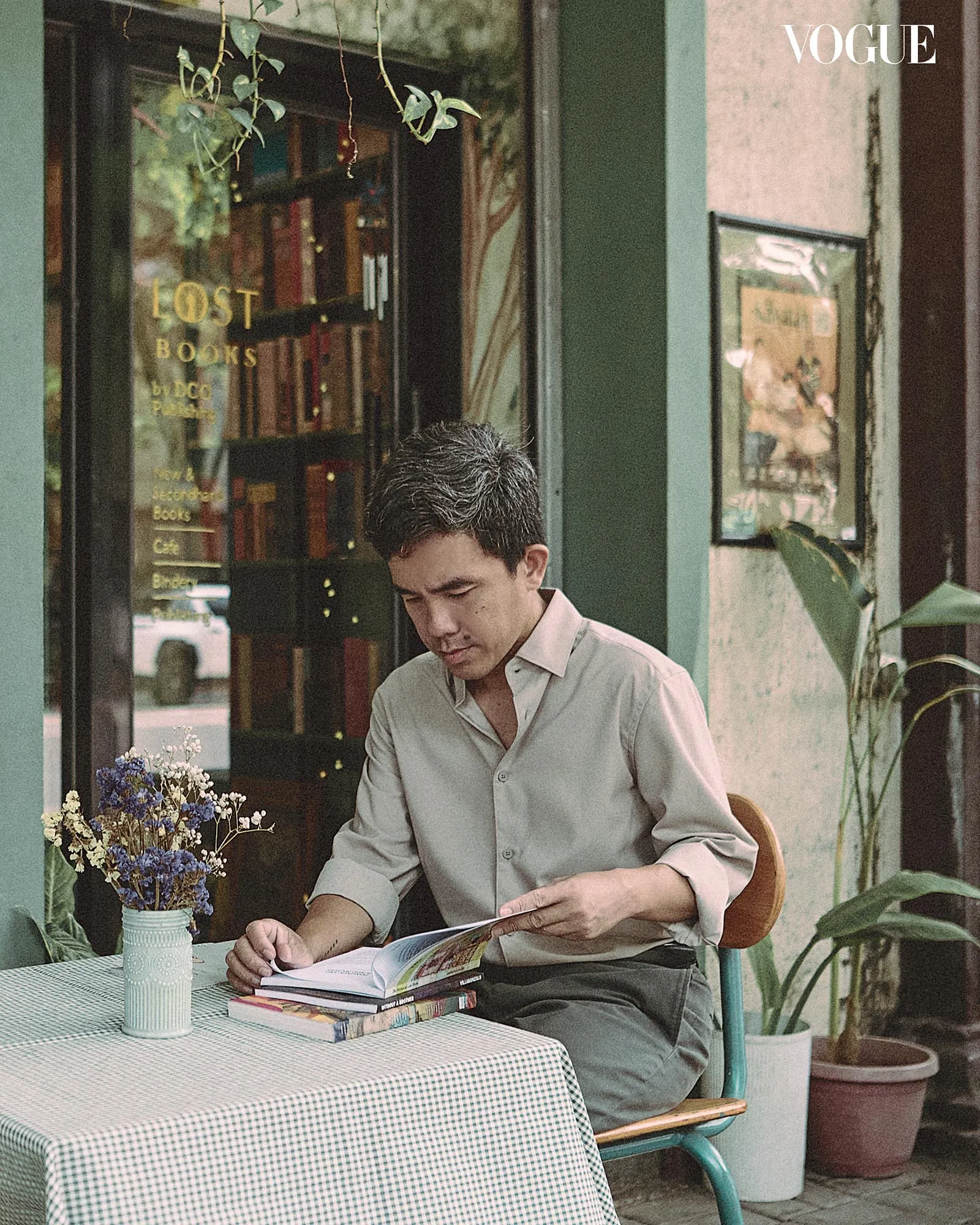
Six years later, Donald visited his brother in the UK and saw the Oxford houses where J.R.R. Tolkien and C.S. Lewis lived and wrote. It was the trip that changed everything, as the Cebuano editor asked himself a lifelong question and finally ran into the answer.
Where do we find our stories?
At home, and often in our own backyard.
“At the back of [Lewis’] house is this lush forest and river,” Donald narrates, the spark visible in his eyes, “and it might be where the concept of Narnia was inspired. I was like, oh my god, I’ve never had that connection.”
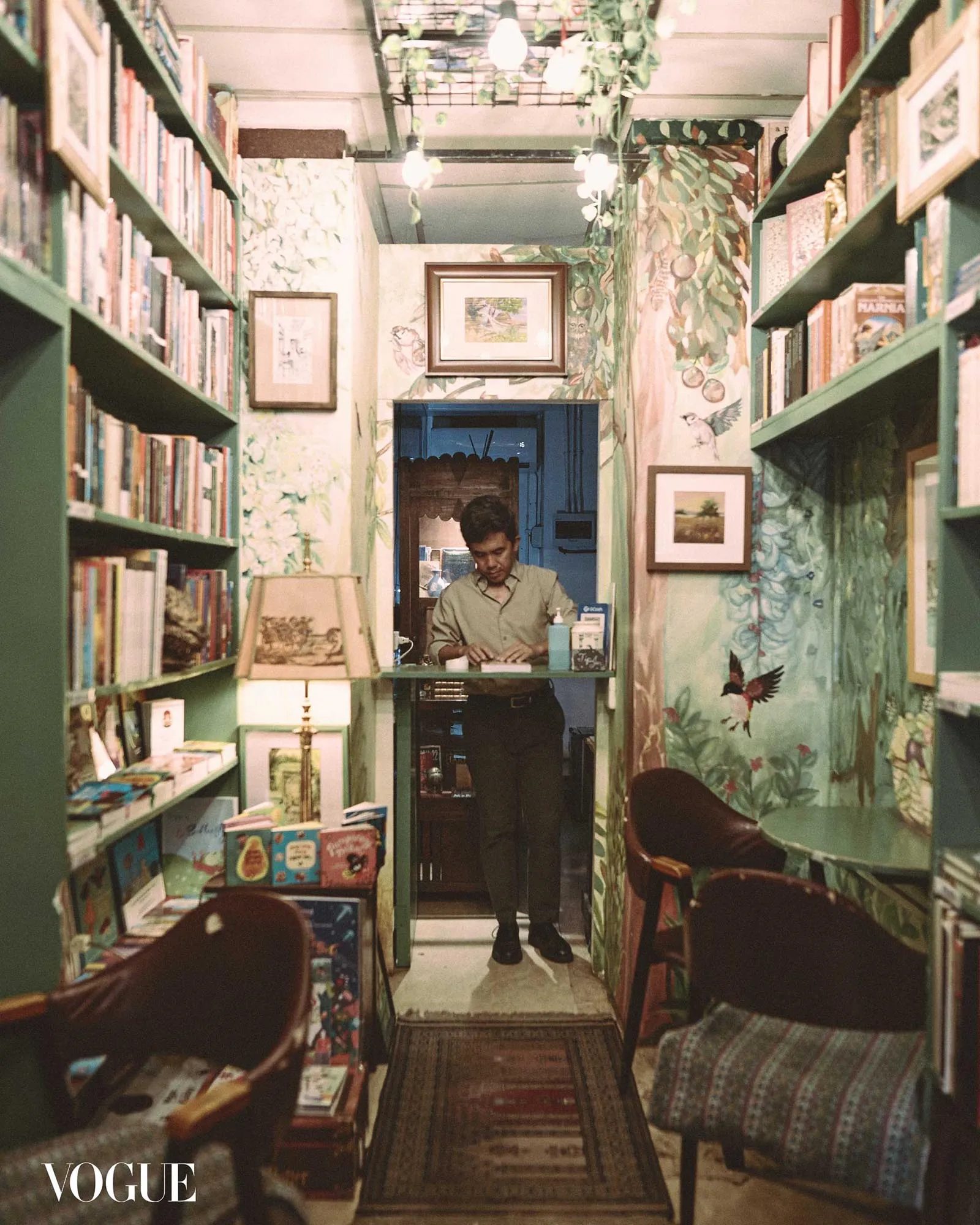
Seated inside his single-room bookshop along Osmeña Boulevard, the owner and co-founder of Lost Books Cebu recalls the feeling of being transported, something the space itself mirrors, bearing resemblance to a magical walk-in wardrobe. The repurposed room, which was converted from the ATM vestibule of a bank that closed during the pandemic, also reflects the local community; the Pinoy instinct to build on what exists, and grow from what is there.
Since the early days of Spanish and American colonization, Filipinos have come of age surrounded by stories from elsewhere. Chain bookstores nationwide frequently feature international titles with dedicated displays to New York Times bestselling authors, and English remains the primary language of the academic and publishing worlds.
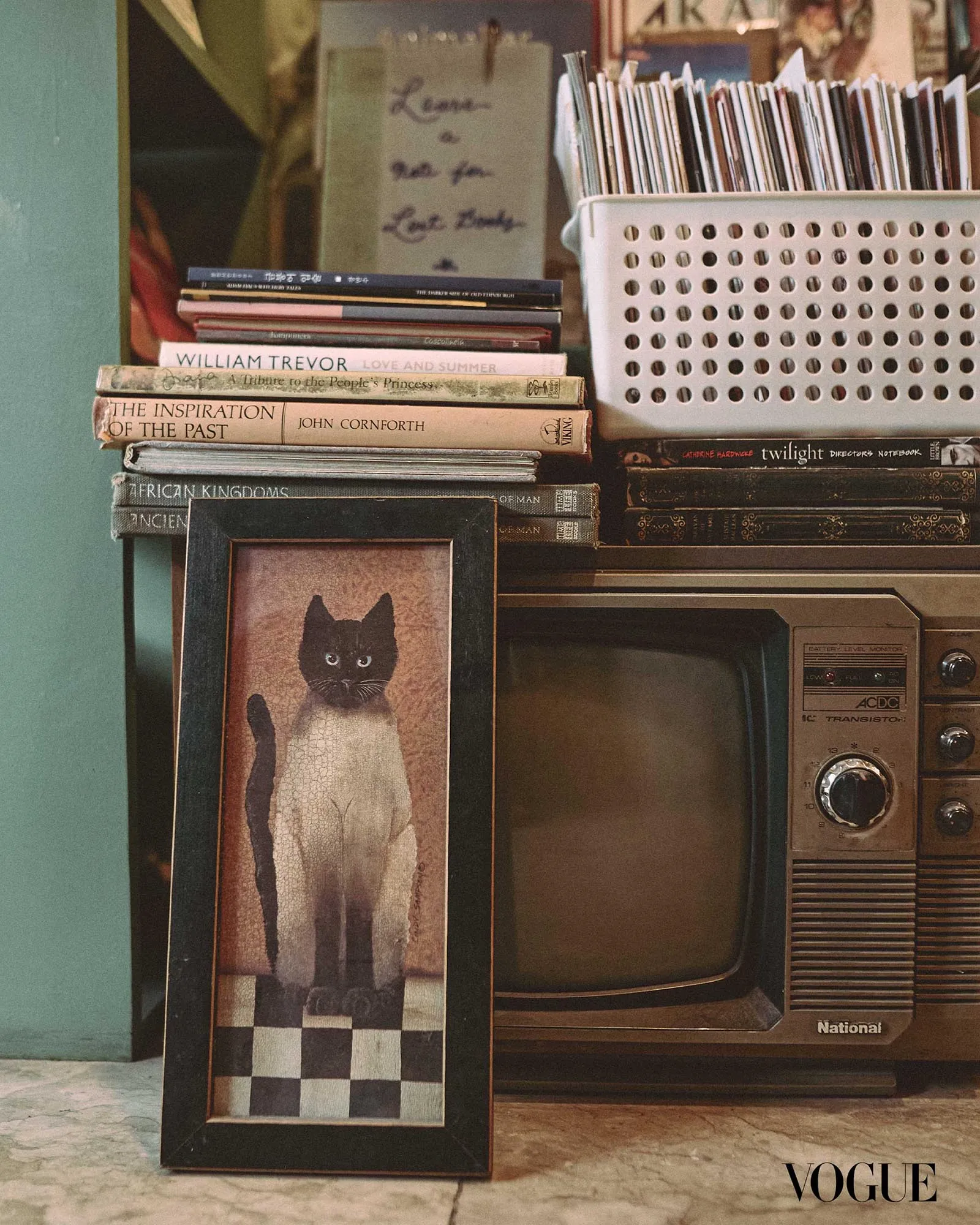
For Donald, the awareness of how vast Philippine literature is, despite being scattered and notoriously out-of-print, became the reason to make his dream bookstore a personal endeavor. That every work of fiction has roots in somewhere real, whether that’s a setting or a culture, showed him that the homegrown stories he longed for needed a physical space to thrive in.
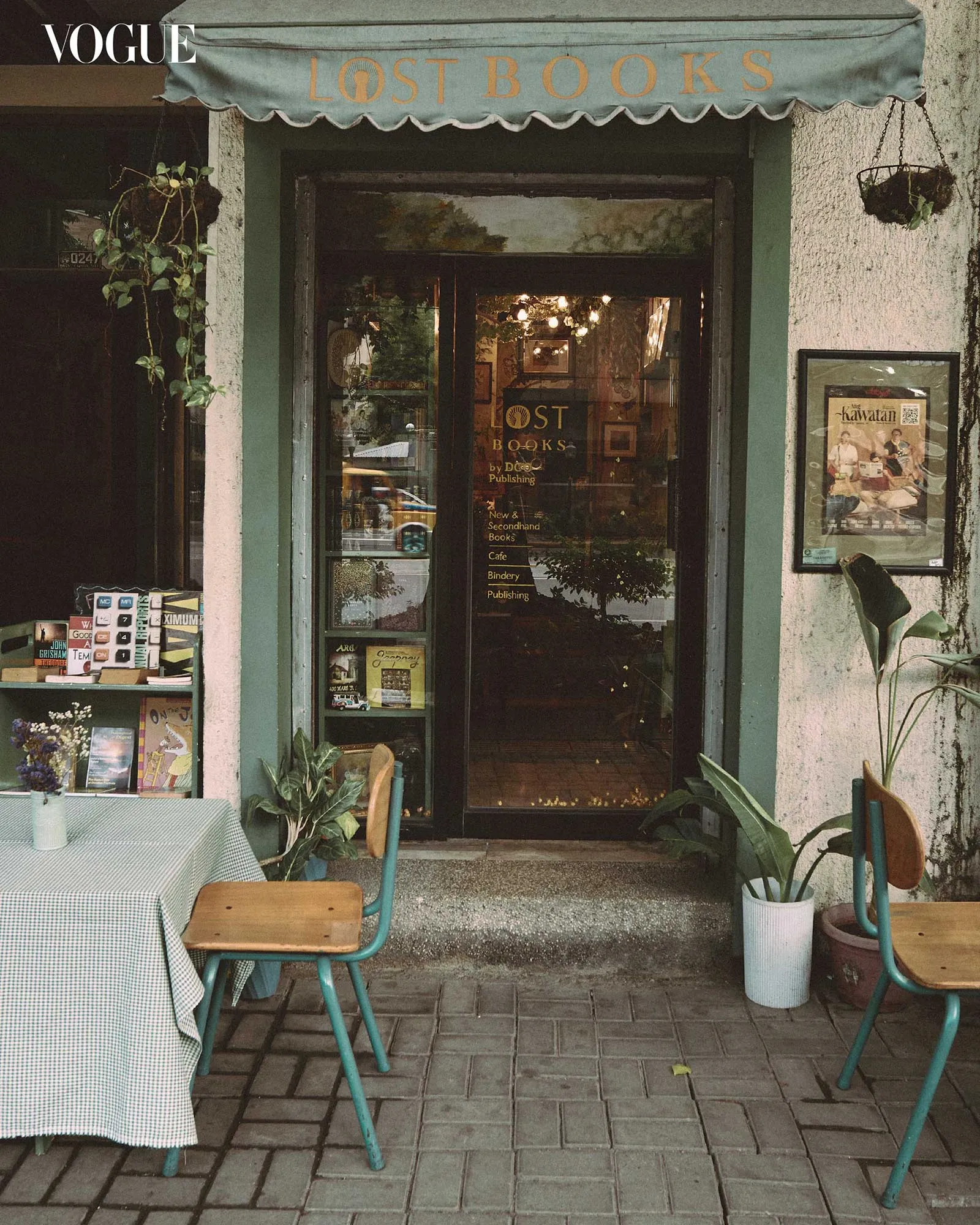
When Lost Books opened its sole glass door in 2024, students and young professionals found that place among the Cebuano, Visayan, and Filipino titles that line the shelves, while slimmer, curated sections for international and antiquarian books sit toward the back. In two years, the independent bookshop has gained an eager and loyal following, with readers willing to spill onto the sidewalk for book launches, talks, and signing events by regional authors.
“‘No one reads local,’ you always hear that,” Donald echoes. “[But] we are just a recipient of so much love. We didn’t know that the community needed it until we opened it.”
To his surprise, finding success as a bookseller came when he wasn’t prioritizing profit. Word of mouth transformed the shop into a popular third space, where passersby could sit and read without the pressure of having to purchase. “Yet at the end of the day, they still buy,” he muses.
It serves an invisible need, so all the more, Donald aims to create a strong visual identity. Other bookstores have piles of tomes and the alluring scent of aged paper; Lost Books has fresh flowers daily from a neighboring store, and a hand-painted mural that envelops the walls in endemic plants and animals, from the endangered Cebu flowerpecker to the Visayan warty pig.
Donald calls it “The Lost Forest,” where unsung creatures are appreciated and remembered, a sentiment that the literary scene can relate to. He credits his community, namely essayist Michelle Lim for connecting him with local writing circles, and the Cebuano Studies Center for introducing him to 20th-century Cebuano classics, stories he once had no idea existed.
As a small publisher, he also laments the lack of regulated book pricing in the country, as well as a shortage of reading, learning, and printing infrastructure. But he allows these facts to fuel rather than dishearten him, as the experience of running Lost Books has brought him closer to home, and to a growing number of up-and-coming authors and interested readers.
Last month, the shop celebrated its second anniversary through a number of collaborative events, such as a book launch by Visayan poet Merlie Alunan and a two-day festival called “Tigom sa mga Pulong” (Gathering of Words), held in partnership with Bathalad Sugbo, Cebu’s oldest active literary group keeping an over five-decade tradition alive.
In a world where AI technology can strip stories of their writers and bypass the process of reading, Donald returns to these connections and the simple pleasure of losing yourself in a good book, and how rich our lives would be if we turned to the people nearest us, instead of the imported page.
“That’s [part] of my purpose, why I really put up a space for our stories,” Donald says, looking around the room. “Because this is us.”
When the morning crowd trickles in, the first of three waves that the bookseller sees throughout the day, it’s clear from some of their expressions that they simply wandered in.
To find a tiny bookstore, hidden among a bed of shops, banks, and offices, you almost can’t help but peek inside. The place feels like it grew out of the landscape, like it was always meant to be there.