
Through Sungka, Stephen Amoyo Brings Cultures Together at Milan Design Week


Courtesy of Stephen Amoyo
For Milan Design Week, Stephen Amoyo taps into his Filipino sense of play to build bridges between cultures.
When Stephen Amoyo was in grade school, a sungka board was always just lying around somewhere. “I remember playing it with my friends,” he says. It’s a memory from a long time ago, one distant from his life right now as a designer and architect in Doha, Qatar. But distant memories can slip into the present, and it certainly did with Amoyo’s previous project at Milan Design Week, “Sungka! Architecture and Play.”
Sungka or sungka-sungkaan is a traditional Filipino game with two players, a subtype of mancala games found in Southeast Asia. There’s the congkak in Malaysia, dakon in Indonesia and Brunei, and makkhum or maklum in Thailand. But the oldest mancala game boards date all the way back to the 4th century AD, found in a ruined fort of Roman Egypt. The game arrived in the Philippines through early trade routes with India, and has since become a part of Filipino life.
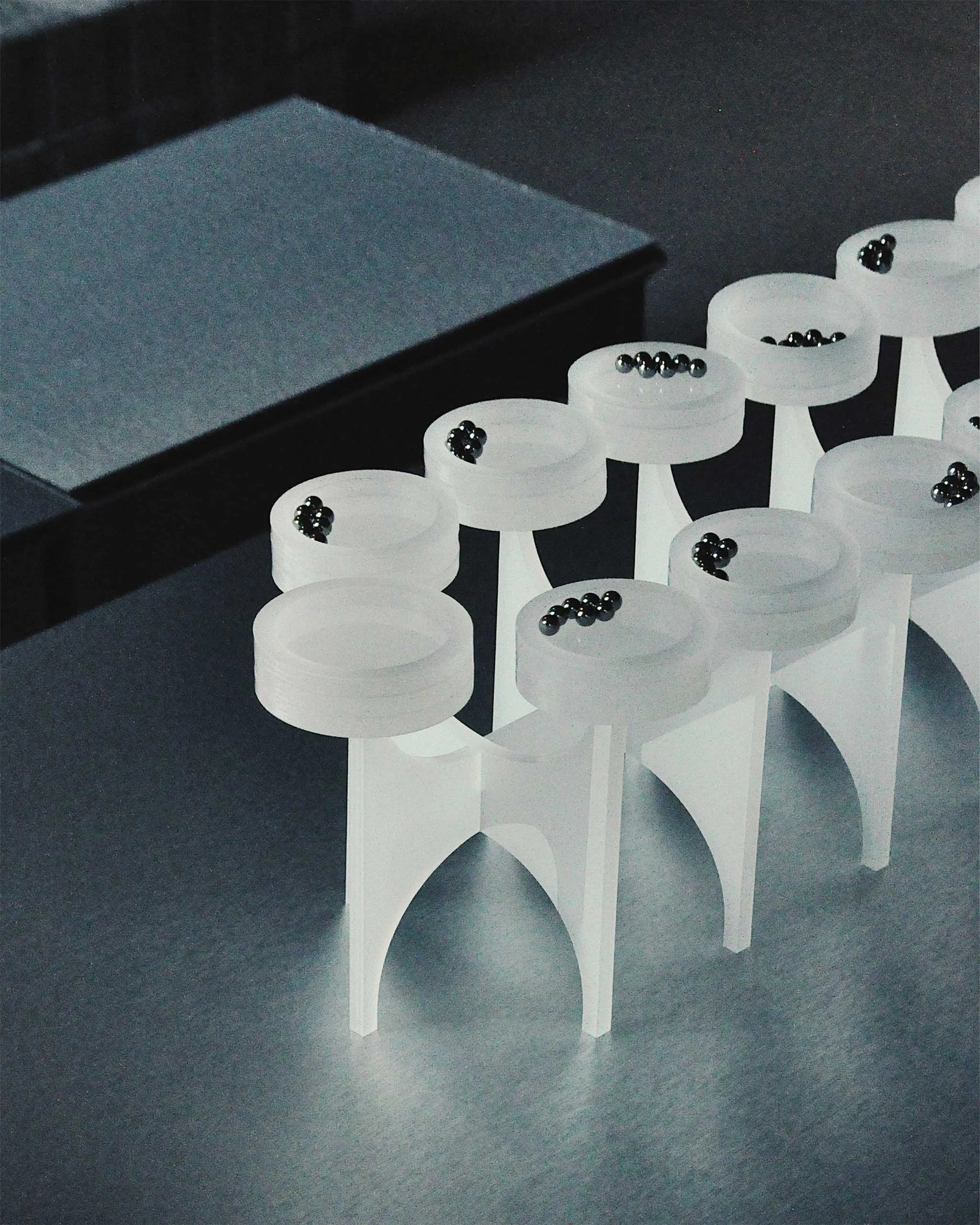
The sungka set consists of two parts: a board (commonly made of wood) with 14 small cup-shaped pits and two bigger pits on either end, and either cowrie shells, pebbles, marbles, or seeds, which function as the playing pieces.
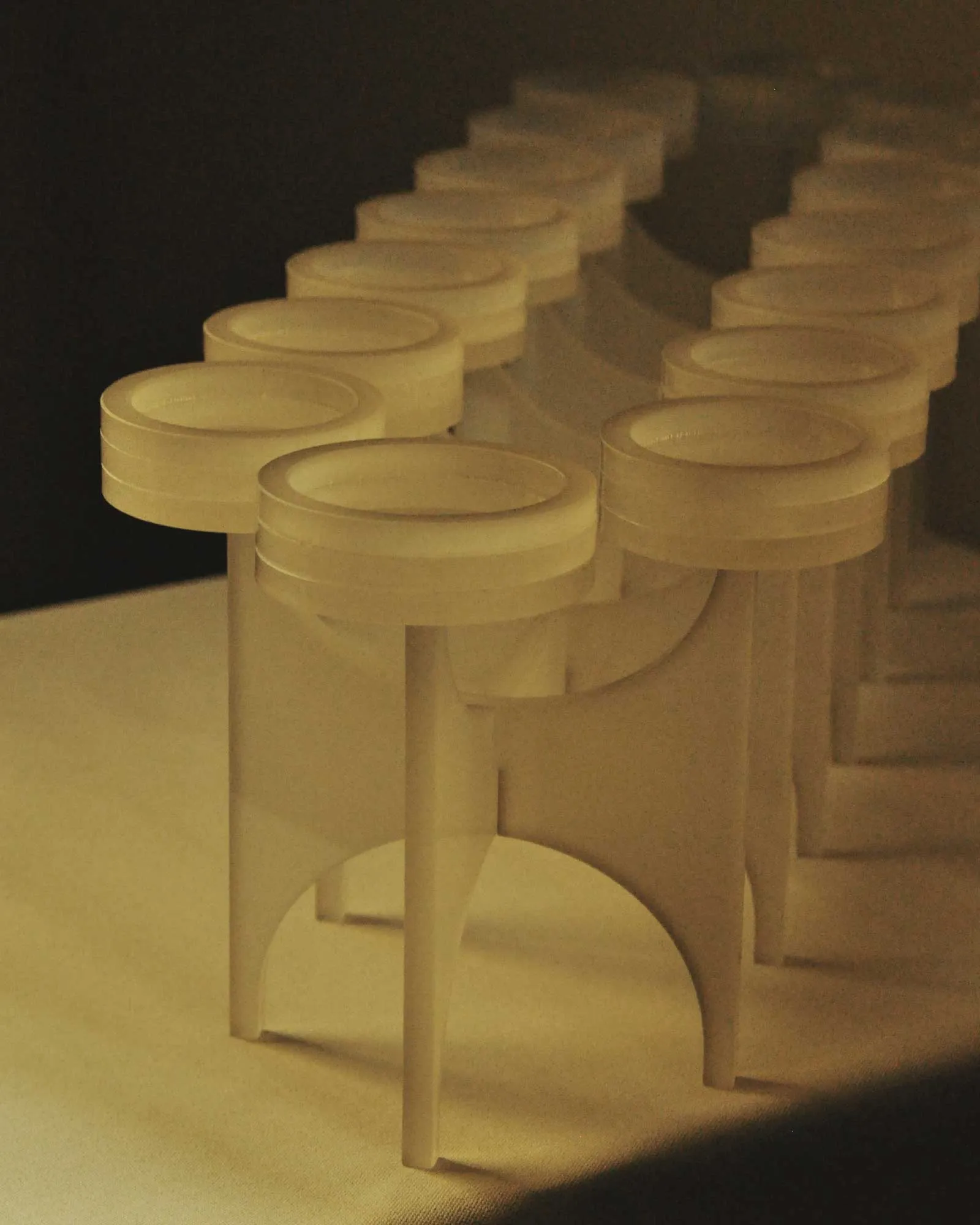
In Amoyo’s design, the game is recontextualized for modern times, drawing inspiration from the Philippines and Doha’s traditional architectural design. The wooden board transforms into a board made from laser-cut acrylic sheets, meant to emulate the translucency of the Barong TagalogBarong TagalogThe lightweight, embroidered formal shirt that serves as the Philippines' national formalwear for men. Worn untucked and traditionally made from piña or jusi, the barong appears at weddings, state events,Go to Barong Tagalog Glossary. It also borrows inspiration from the raised platforms of the bahay kubo of the Philippines, and the sweeping, pointed archways of Doha’s traditional buildings.
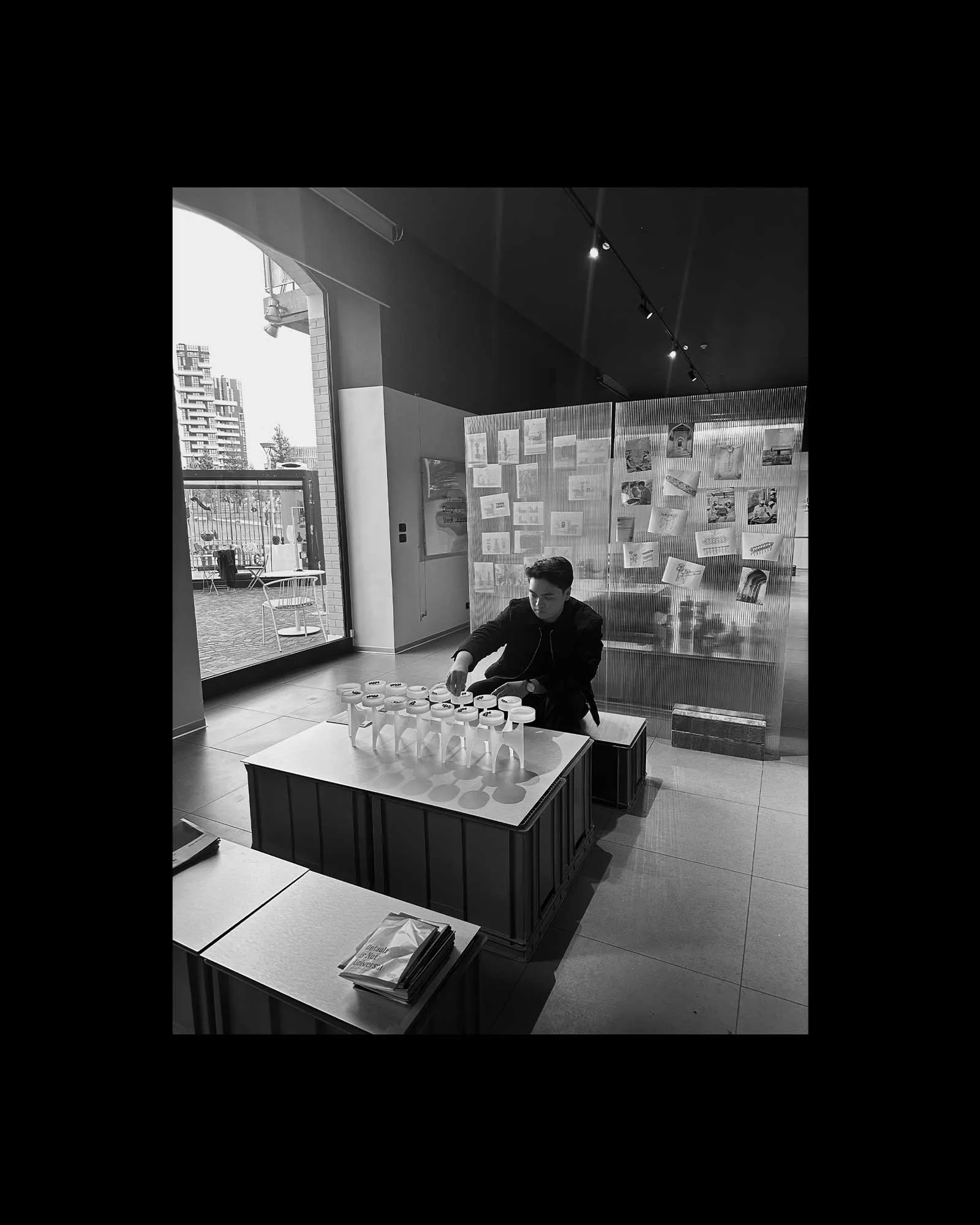
The board is also collapsible and can be easily transported, a nod toward the nomadic nature of early traders and the transcience of expat life in the Gulf. It also doubles as home décor, serving as a display for trinkets, jewelryJewelryDecorative adornments worn on the body, from fine pieces in gold, diamonds, and pearls to fashion jewelry made of accessible materials. Jewelry completes an outfit and often holds sentimental orGo to Jewelry Glossary, or other personal items thanks to its larger scale.
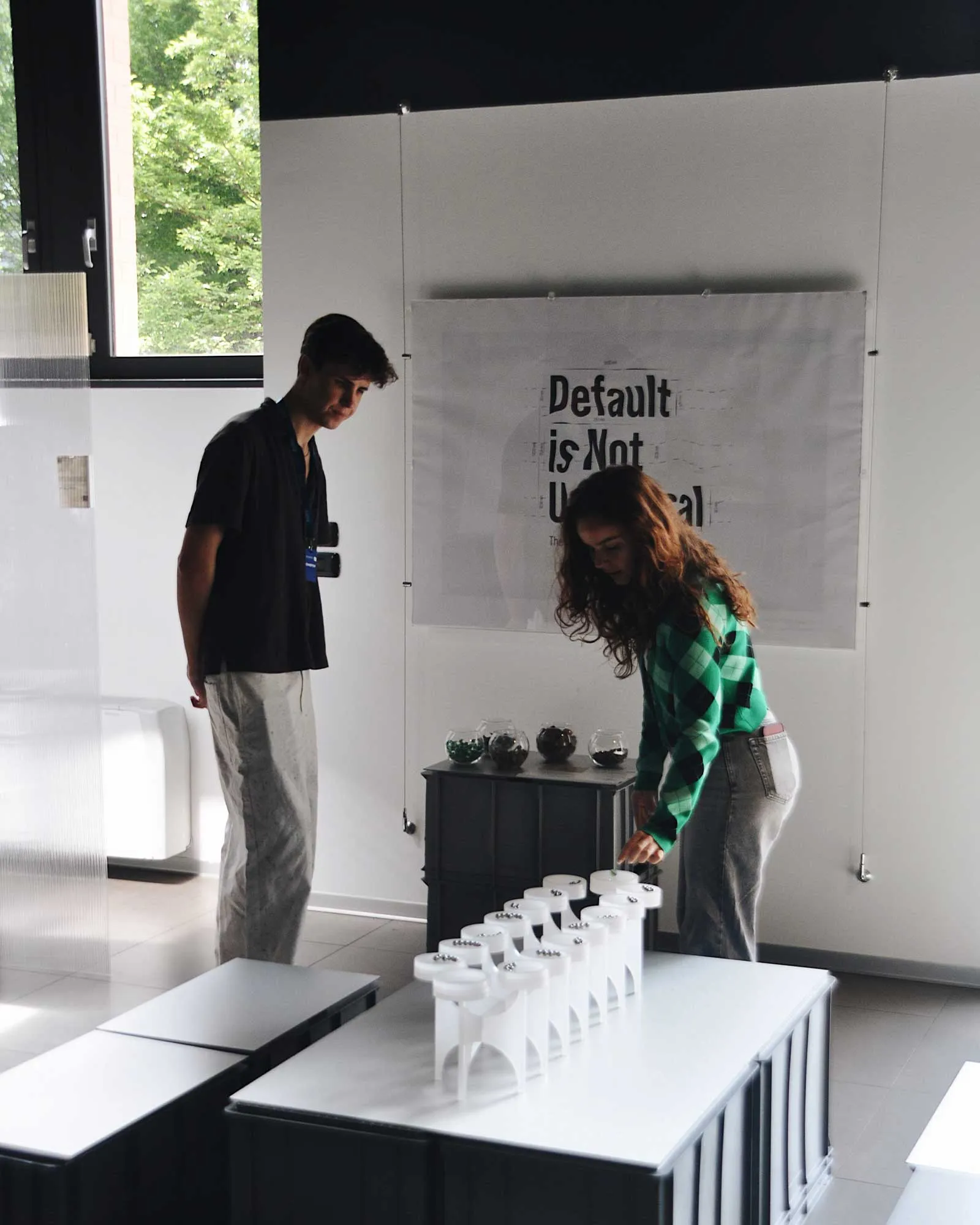
Amoyo describes the project as a “love letter to the in-between,” to his current life in the Gulf, to his life back in the Philippines, and to “every Filipino finding their place across the Middle East and beyond.” Since its completion, Sungka! has been displayed in the Qatar Museums and has won the Community Choice Award in Isola Design Awards. In winning the award, Amoyo also earned an exhibition at Milan Design Week along with other designers. Entitled Default is Not Universal, the exhibition features a collection of works in which designers questioned the default and reimagined it to fit modern narratives.
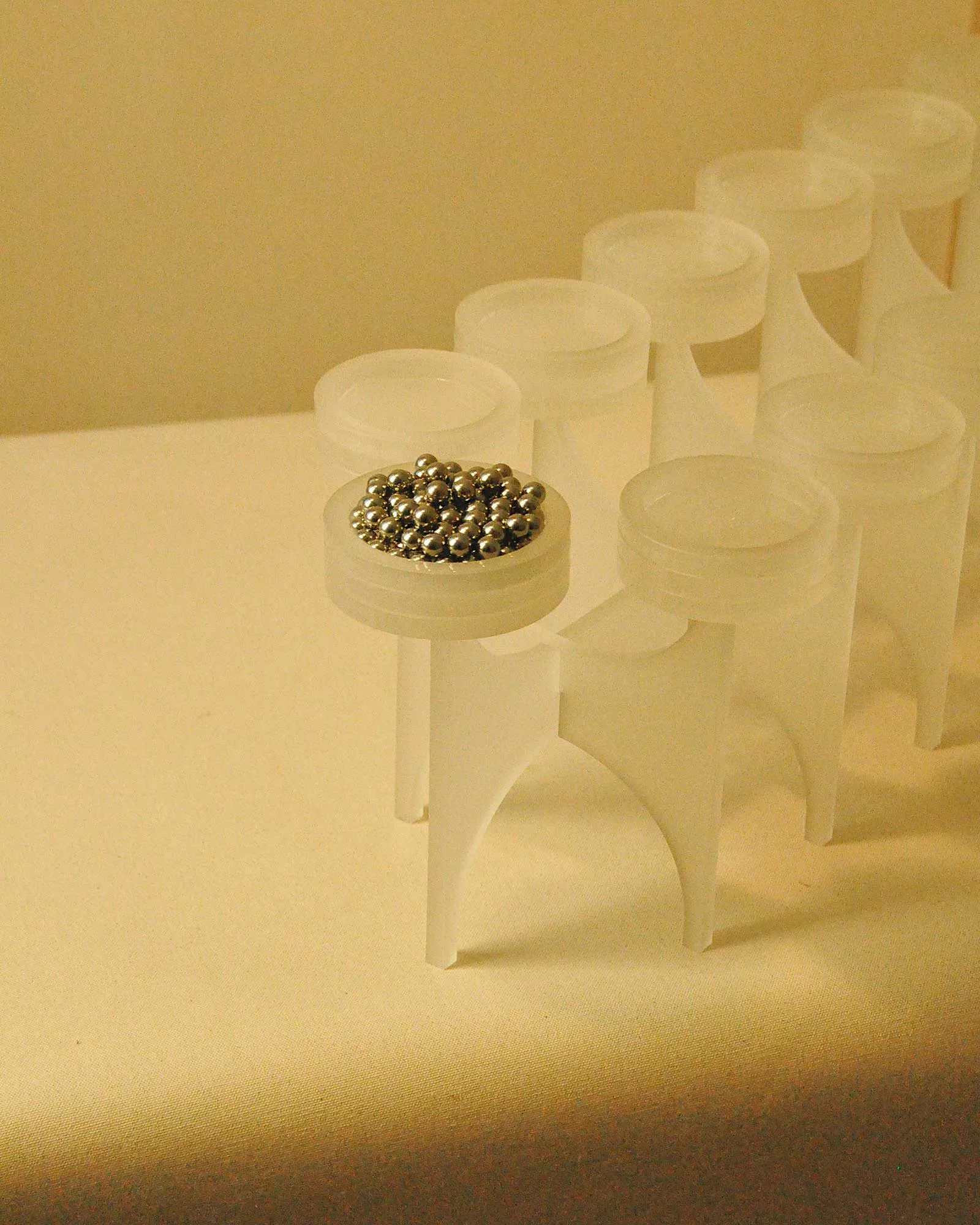

During the exhibition, Amoyo’s intention was fully realized, as visitors from around the world bonded over the shared culture of mancala games. “There were people from Lebanon and Indonesia, Malaysia, Singapore, who saw the sungka and immediately they’re like, ‘Hey, that’s familiar!’” he shares. “And they were all surprised to know that actually, we share this as a part of a bigger community.”
It is that distance from home that informs his practice. “Since I moved out of the Philippines, for some reason, I’ve gotten closer. I realized that as Filipinos, we don’t see the way that we live our daily lives as culture with a capital ‘C,’ he shares. “But when I left, I realized that the way we live our daily lives in the Philippines, that makes us who we are. That makes us Filipino.”
He laments that Filipinos speak of culture and tradition as things of the past, when they are still alive in the present. “When we think about the pre-colonial Philippines, it’s always what we could have been. But it’s not too late. We’re still very much alive,” he says. In his case, Amayo is keeping it alive with a sense of play and curiosity, imagining how things could be in this modern world.
Frequently Asked Questions
Sungka is a traditional Filipino board game that belongs to the mancala, or “count and capture,” family of games.
Stephen Amoyo is a rising multidisciplinary designer in Qatar.
Milan Design Week is the world’s largest and most prestigious annual design and furniture event. Held every April in Milan, Italy, it transforms the entire city into a massive design playground where brands, architects, and creators showcase the latest innovations in home furnishing, lighting, and lifestyle trends.
Amoyo’s “Sungka! Architecture and Play” project served as a “love letter to the in-between,” connecting his life in the Philippines with his experience as an expatriate in the Gulf. It highlights shared cultural threads, as visitors from various mancala-playing nations recognized the game, emphasizing a shared global heritage.
Stephen Amoyo’s reimagined Sungka project was recognized with the Community Choice Award at the Isola Design Awards, which subsequently earned him an exhibition at Milan Design Week.
- Core Play: Revisiting 5 Childhood-Favorite Filipino Games, from Sipa to Sungka
- Play Time: A Glimpse Into the Stories of Six Manila Casting Call Models
- Bianca Carague Reimagines a Kamayan Feast Through Jewelry That Doubles as Cutlery
- What Is Borlas de Pastillas, and How Are Bulakeños Keeping It Alive?