
Alexi Lubomirski Launches His Book Natura Sacra, A Mirror to Nature


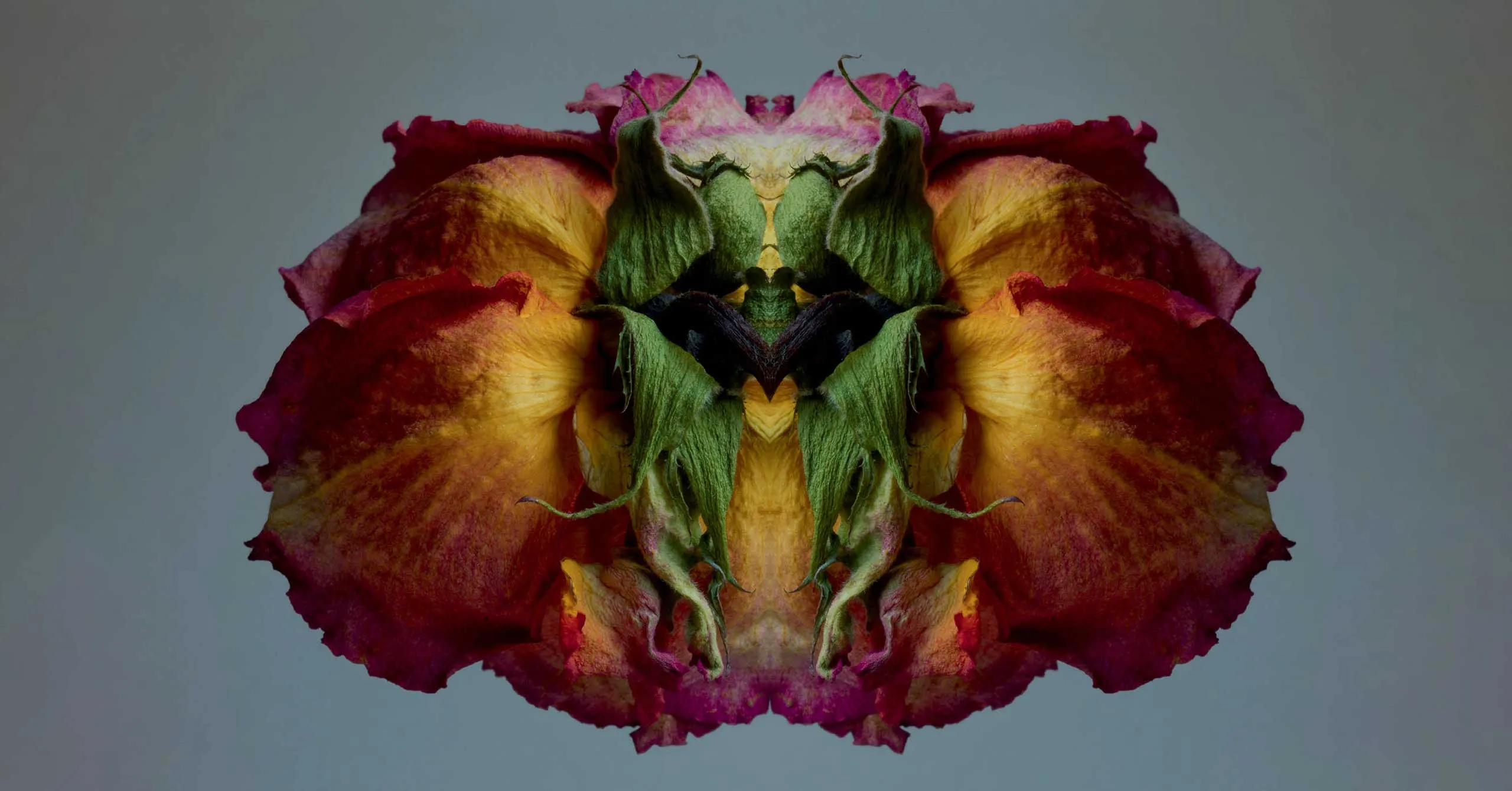
Photographed by Alexi Lubomirski, book design by Garland Lyn. Courtesy of Alexi Lubomirski
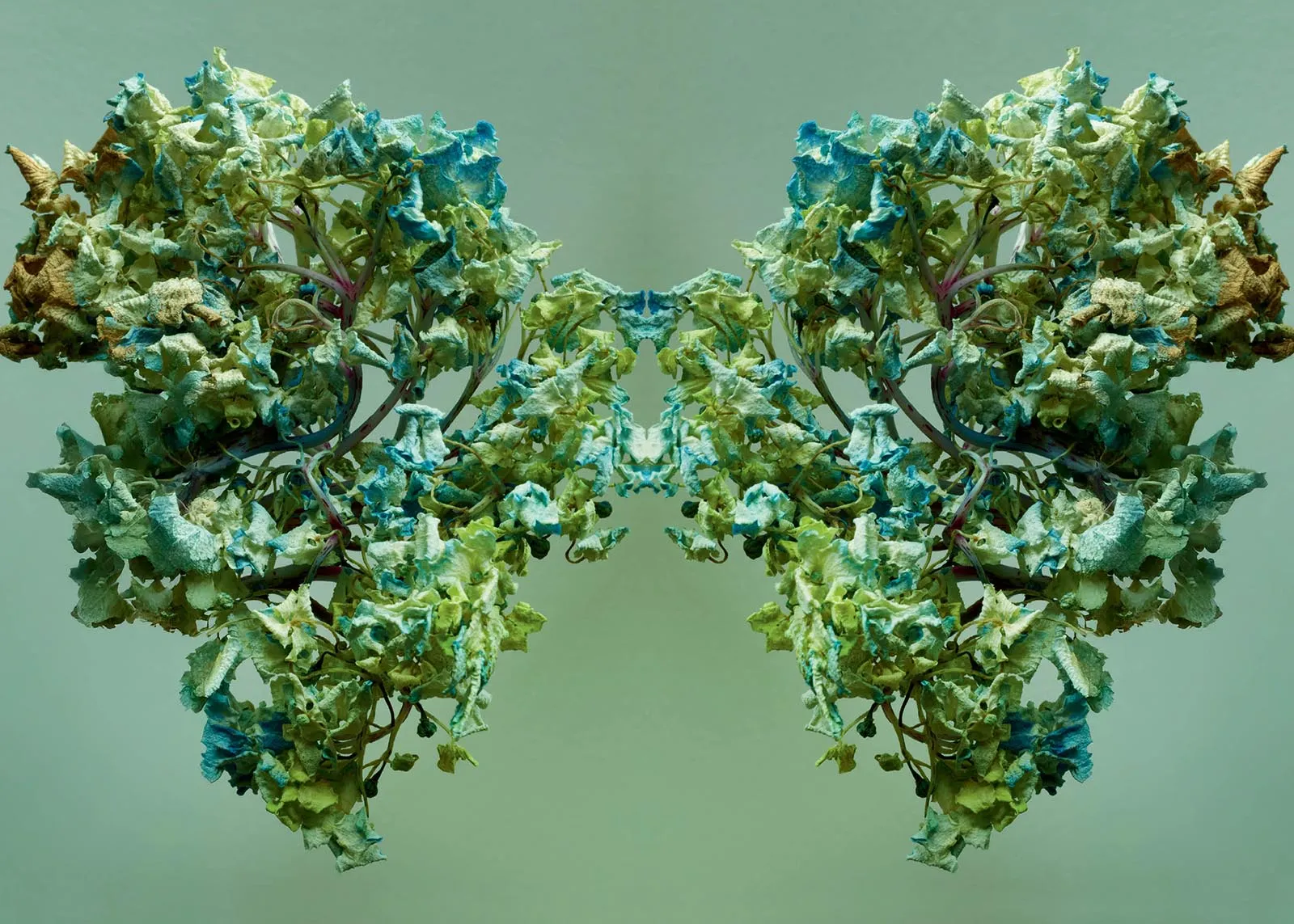
Photographed by Alexi Lubomirski, book design by Garland Lyn. Courtesy of Alexi Lubomirski
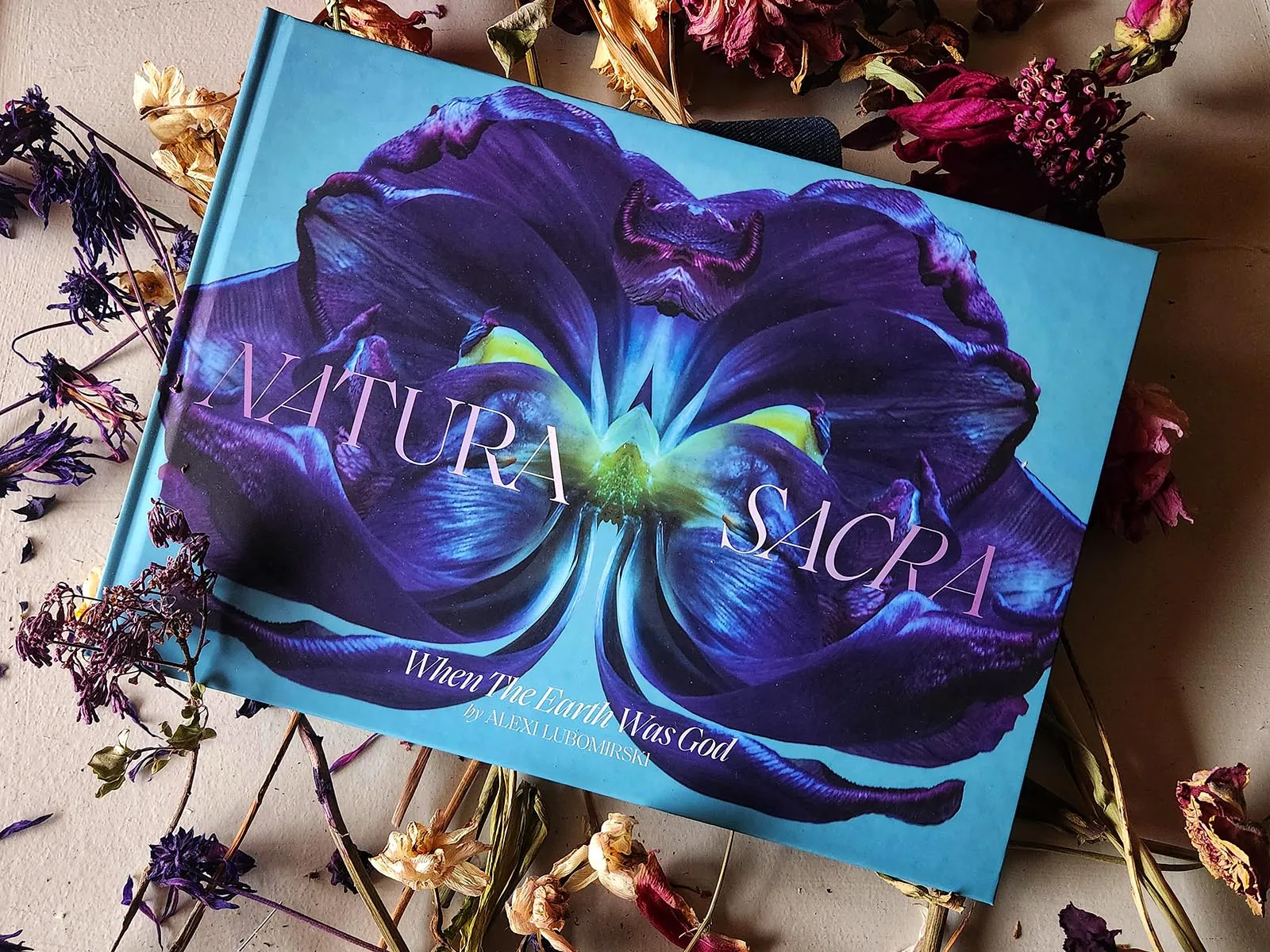
In his new book Natura Sacra: When The Earth Was God, photographer Alexi Lubomirski holds a mirror to nature and invites us to look at the world differently, to read life like poetry. All proceeds will go to the UK-based charity Hope and Play, which is dedicated to supporting Palestinian children through education and trauma relief.
At eight years old, Alexi Lubomirski was already a fierce observer. Three times a year, he would fly alone from boarding school in London to visit his family who were then based in South Africa. On every trip, he made sure to sit on the left side of the plane, from which he would watch the world shift in quiet stages. First, the greenery of France, then the deep blue of the Mediterranean, the vast sweep of the Sahara Desert stretching endlessly below, and finally, the sun setting over the changing landscapes of Africa.
Today, more than two decades into his career as a photographer, Lubomirski is still filled with curiosity. Only now, it might settle on something far smaller and more overlooked. Over the grain of the video call, his joy is palpable as he lifts a dead flower into view. It’s a wilted rose, he points out, smiling as he traces the details: its leaves curled into the stem, its petals dry and crumpled into delicate shapes. “I try to find beauty in places that other people don’t see,” he says.
This instinct became the premise of his photography book Natura Sacra: When The Earth Was God. In Latin, natura sacra translates to “sacred nature,” a reference to the spiritual and mystical reverence ancient cultures once held for the natural world.
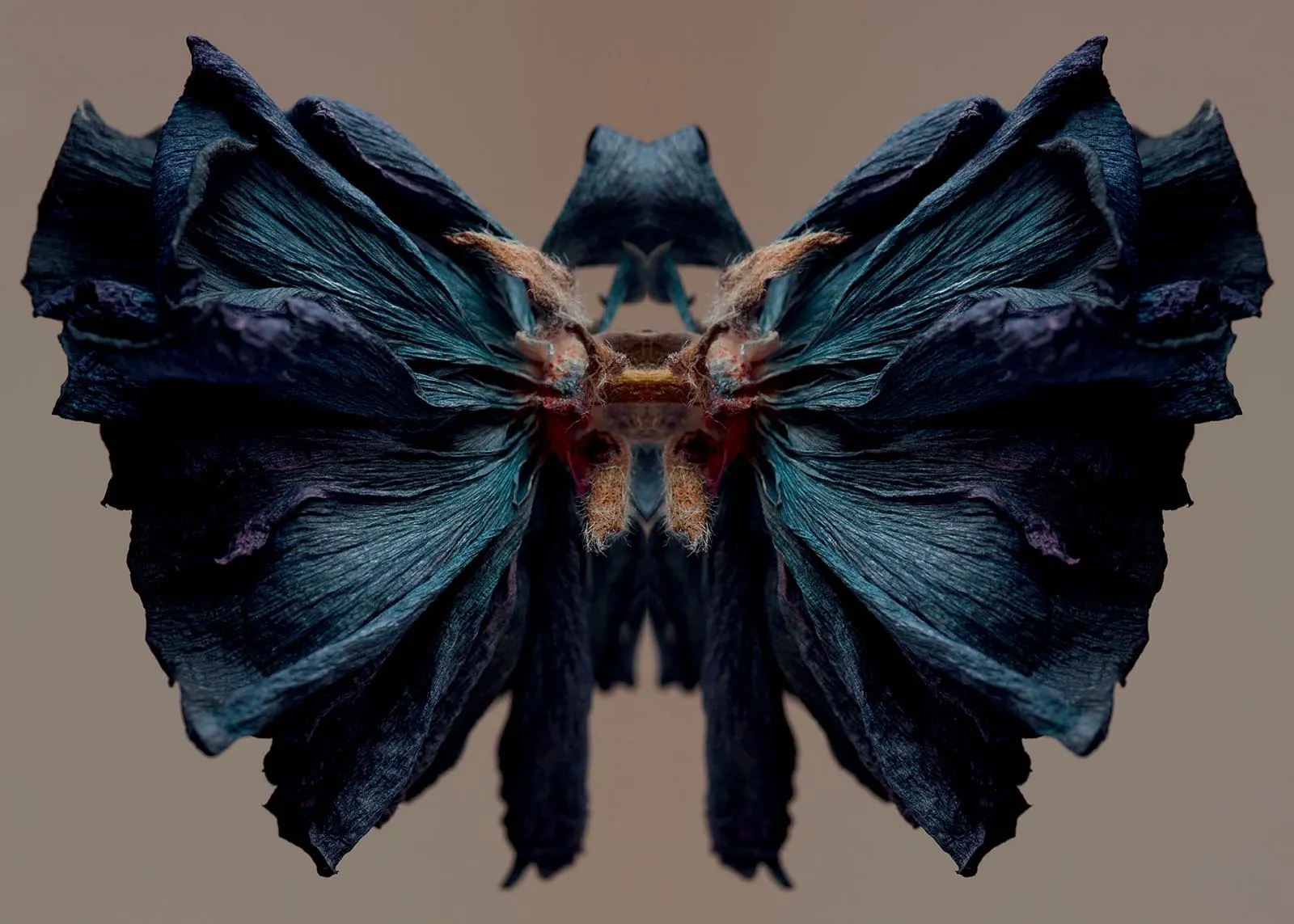
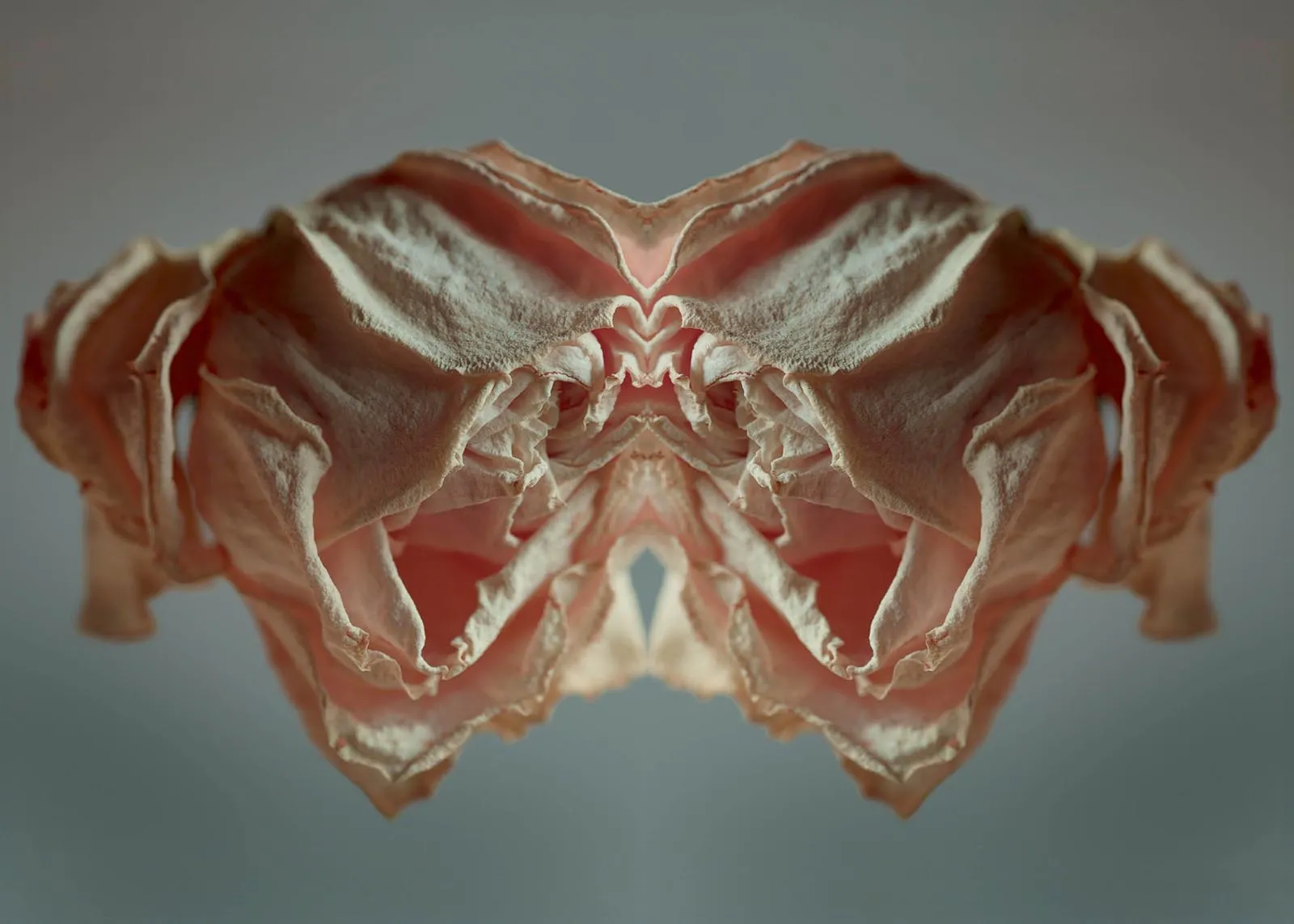
The project began almost by accident. “My wife always brings these stunning flowers into the house, and I would think they’re beautiful. But then every time she was just about to throw them out, I would look at them, the way they freeze into their death pose,” he gestures to the stem in hand. “You touch them and they’re so fragile, and so stunning the way they are. They’re incredible sculptures.”
Soon, Lubomirski found himself spending hours studying the flowers in a small corner of his office, almost meditatively, photographing them long after their petals had begun to curl and dry. “And it’s also an appreciation of beauty,” he adds. “In our society, we’re told that young is beautiful and old is ugly, right? And I’m trying to sort of say that beauty is not something that ages, it evolves.”
Years of working in fashion photography had taught him that images move quickly past our eyes. “We speed through magazines and Instagram because we know what things look like,” he remarks. “The only time you stop is when something makes you go, ‘Hang on, what was that?’” To create that pause, he began experimenting with the images, rotating and mirroring the photographs to create symmetrical compositions.
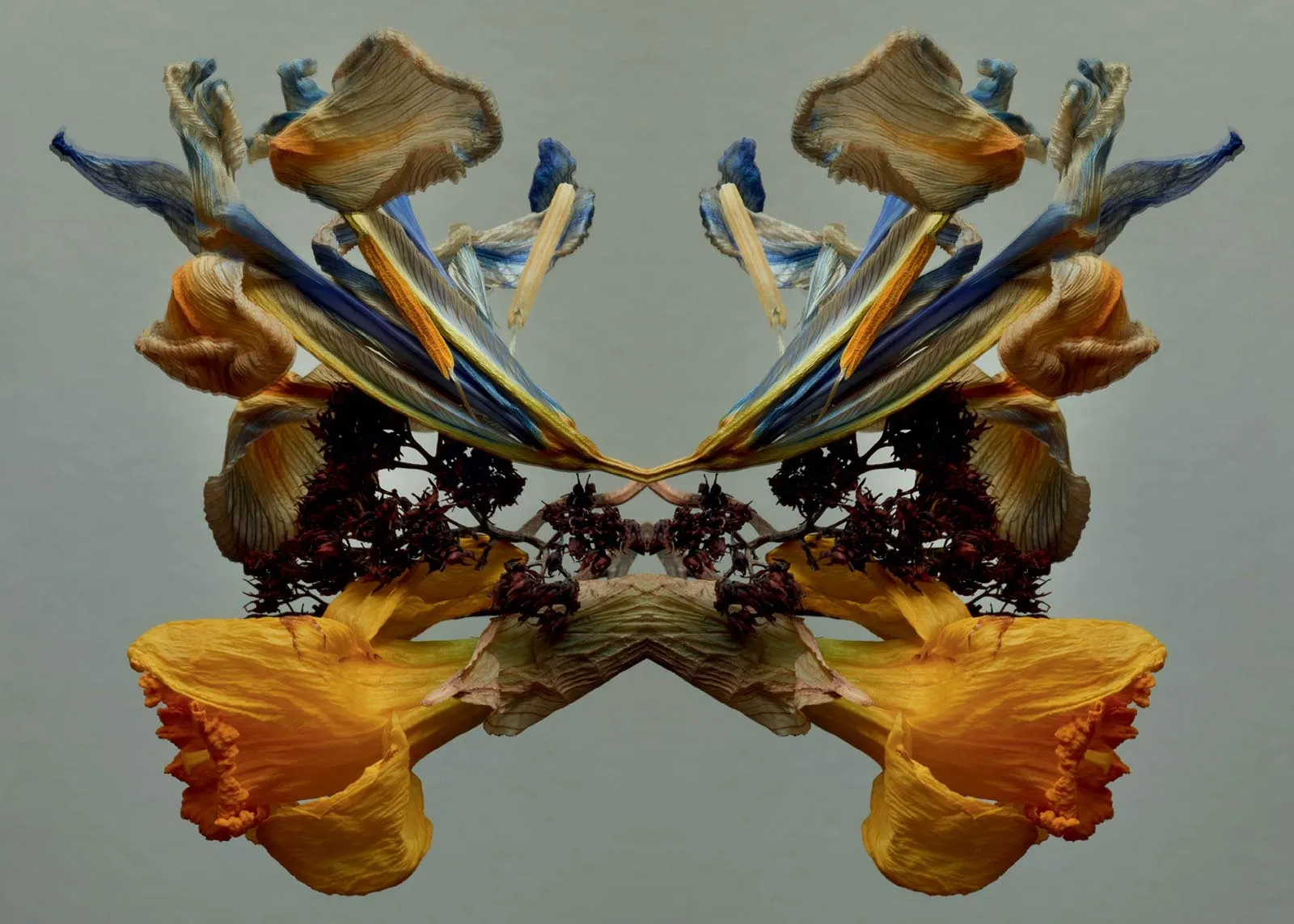
The resulting images function almost like a Rorschach test: the psychological inkblot test where viewers project their own interpretations onto abstract shapes. Within the mirrored petals, different people see different things. One woman, he recalls, looked at a photograph and immediately saw menopause. “She pointed to the shapes and said, ‘Look, these are the fallopian tubes drying out, the ovaries drying out.’ And suddenly I saw it too. It shows you that you see what resonates with you. You see what’s within you.”
Natura Sacra was one of the many creative projects Lubomirski had in development at the time. But the book was really born out of the need to help. Around the time the photographs were finished, he received a call from Saskia Marsh, a trustee of the UK-based charity Hope and Play. “She said, ‘I thought about you at 3:00 in the morning. I woke up and thought, ‘I’ve got to call him because maybe he can help,’” he recalls.
Marsh, a conflict reduction expert and former UN official who was based in Gaza from 2006 to 2009, says the charity was founded 18 years ago “to bring hope and play to children who don’t have that.” Dedicated to supporting Palestinian children through education and trauma relief, the organization has adapted its efforts since the outbreak of war, shifting to provide emergency assistance such as food and water while continuing to offer creative activities that help children process trauma.
“When Saskia called, I looked around and thought, well… I’ve got these pictures of these flowers,” Lubomirski says. “Maybe I can make a book out of it. I simply needed a project to help them, and this was it.”
All proceeds from Natura Sacra go to Hope and Play, where every donation, the charity says, reminds Gaza’s children that they are remembered and supported. It helps them to hope.
“It’s been a really beautiful, meaningful project to work on,” he adds. “They’ve started rebuilding schools. They’ve obviously needed to start bringing in food and medicines and aid. Also, they use their art and education facilities to help kids with trauma therapy, using the arts to help them display or process their feelings.”
100% of public donations go to the projects and beneficiaries on the ground in Palestine. Hope and Play has helped nearly 300,000 children and families to date, providing basic essentials for a displaced population and cultivating hope through activities that bring the joy of childhood amid even the harshest of environments.
This conviction to give has long shaped the photographer’s projects. The proceeds from all eight of Lubomirski’s published books thus far have also been donated to charitable causes. “What a waste it would be to live this life,” he says, “to be lucky enough to have a roof over my head and food on the table, and not do something with that privilege.”
Today, on the call, he wears a shirt he designed himself, printed with bold white letters that read “Nothing But Love.” That love is present not only in his work but in his surroundings: photos of his family line the walls of his office, alongside the clutter of ongoing creative projects. Lubomirski doesn’t call himself, or limit himself to being, just a photographer. He prefers the word creative. To him, having a creative mind is a gift, one that allows you to find inspiration everywhere, even in the curled leaves and crumpled petals of dried flowers.
“If you’ve got a platform, use it for good,” Lubomirski says definitively. “There’s so much negativity in the world. And so my role in this life, I think, is to try and use my creativity and my voice to try and share as much love and beauty and creativity and compassion and connectivity as possible.
Frequently Asked Questions
Natura Sacra: When The Earth Was God explores the concept of finding evolution and beauty in decay. Lubomirski photographs wilted, fragile flowers long after they freeze into their death poses, challenging societal standards that view aging as inherently unappealing.
To disrupt fast digital viewing habits, Lubomirski rotates and mirrors his botanical photographs to create perfectly symmetrical compositions. The resulting imagery functions similarly to a psychological Rorschach inkblot test, inviting viewers to project their own deeply personal internal interpretations.
One hundred percent of the proceeds from the book are donated directly to Hope and Play. This UK-based humanitarian organization is dedicated to supporting Palestinian children and families affected by conflict through education, basic essentials, and structural trauma relief.
The charity allocates funds on the ground to provide critical emergency assistance like food and medicine. Additionally, they finance the rebuilding of local schools and run specialized art and education facilities designed for children’s trauma therapy.
Yes, philanthropy is a core element of the photographer’s creative platform. Natura Sacra marks his ninth published book, and the entire revenue generated from all eight of his previous publications has been similarly donated to various global charitable causes.