
Veruschka, the Shape-Shifting Supermodel Who Defined an Era, Has Died at 87


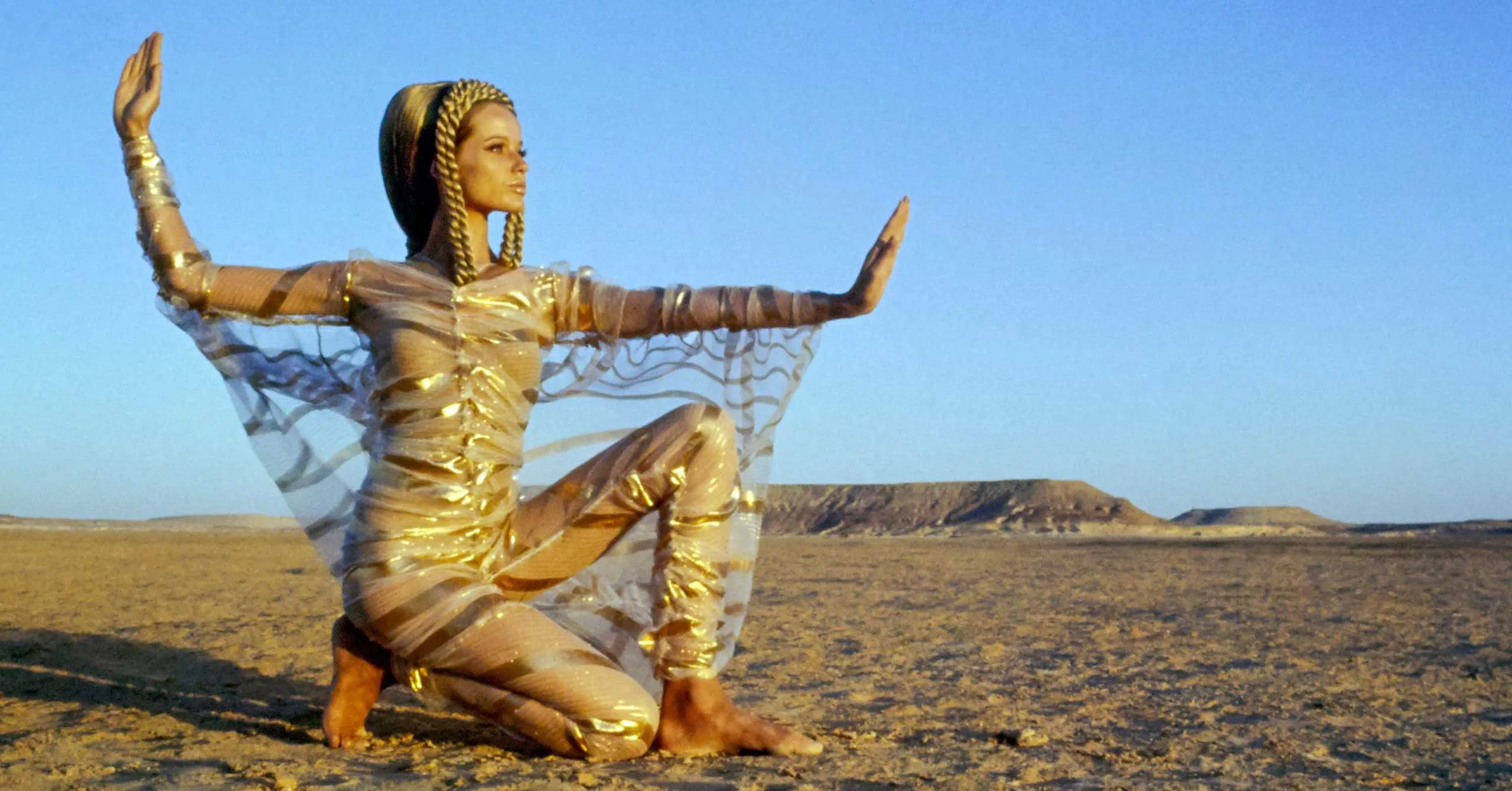
Photographed by Franco Rubartelli, Vogue, April 1967
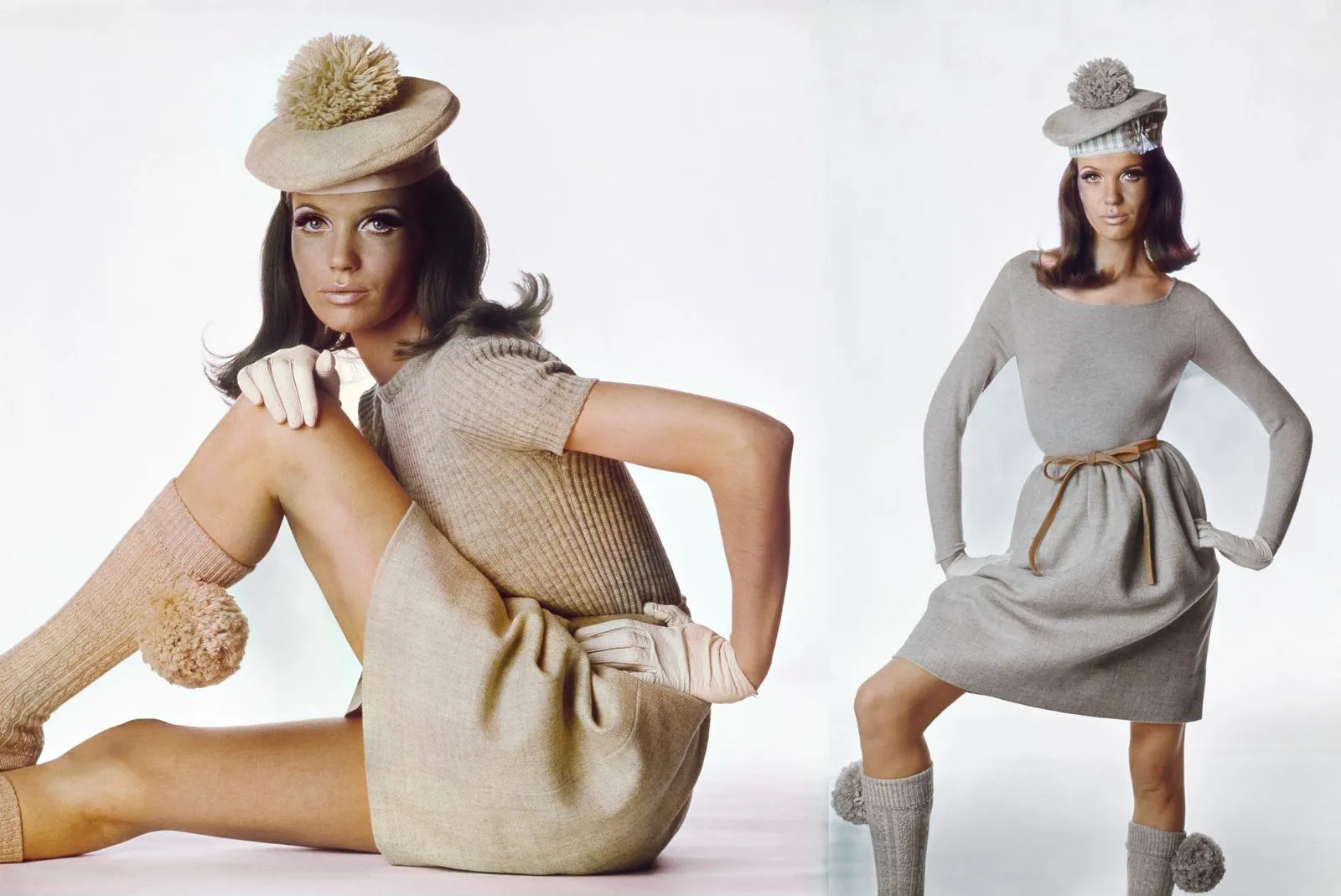
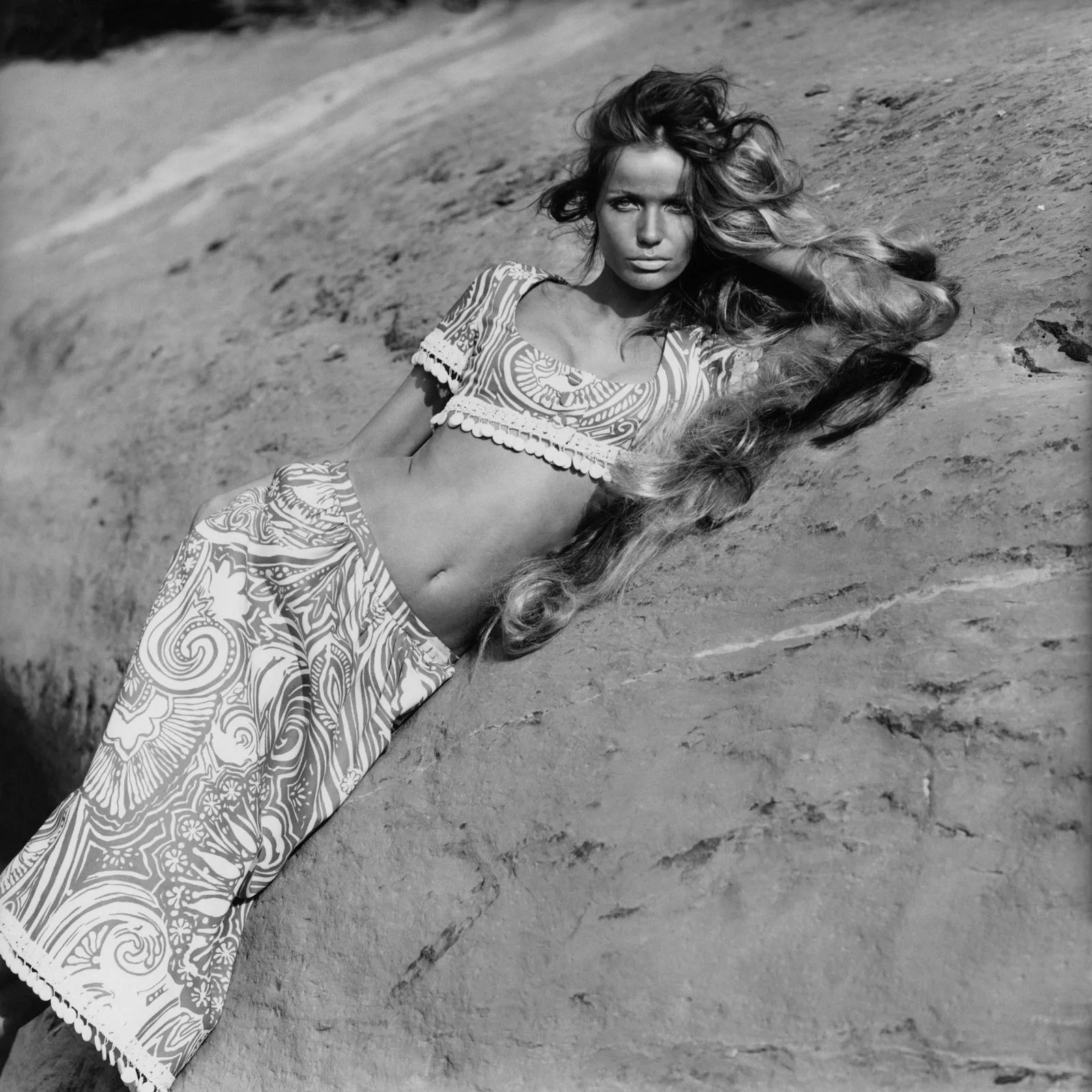
Photographed by Franco Rubartelli, Vogue, May 1968
Richard Avedon famously pronounced Veruschka “the most beautiful woman in the world.” But what made the German model so mesmerizing was her seeming disinterest in preserving any one iteration of that beauty. She could be imperious or impish, feral or feline, androgynous or opulently feminine. She could contort her impossibly long limbs into unreal configurations, traversing fashion magazines and the wider public’s consciousness with ease in a way that had never been done before. One of the original supermodels, Veruschka was also among fashion’s great performance artists.
On November 25 it was confirmed by the German newspaper Bild that the model died at the age of 87, surrounded by friends and family at home.
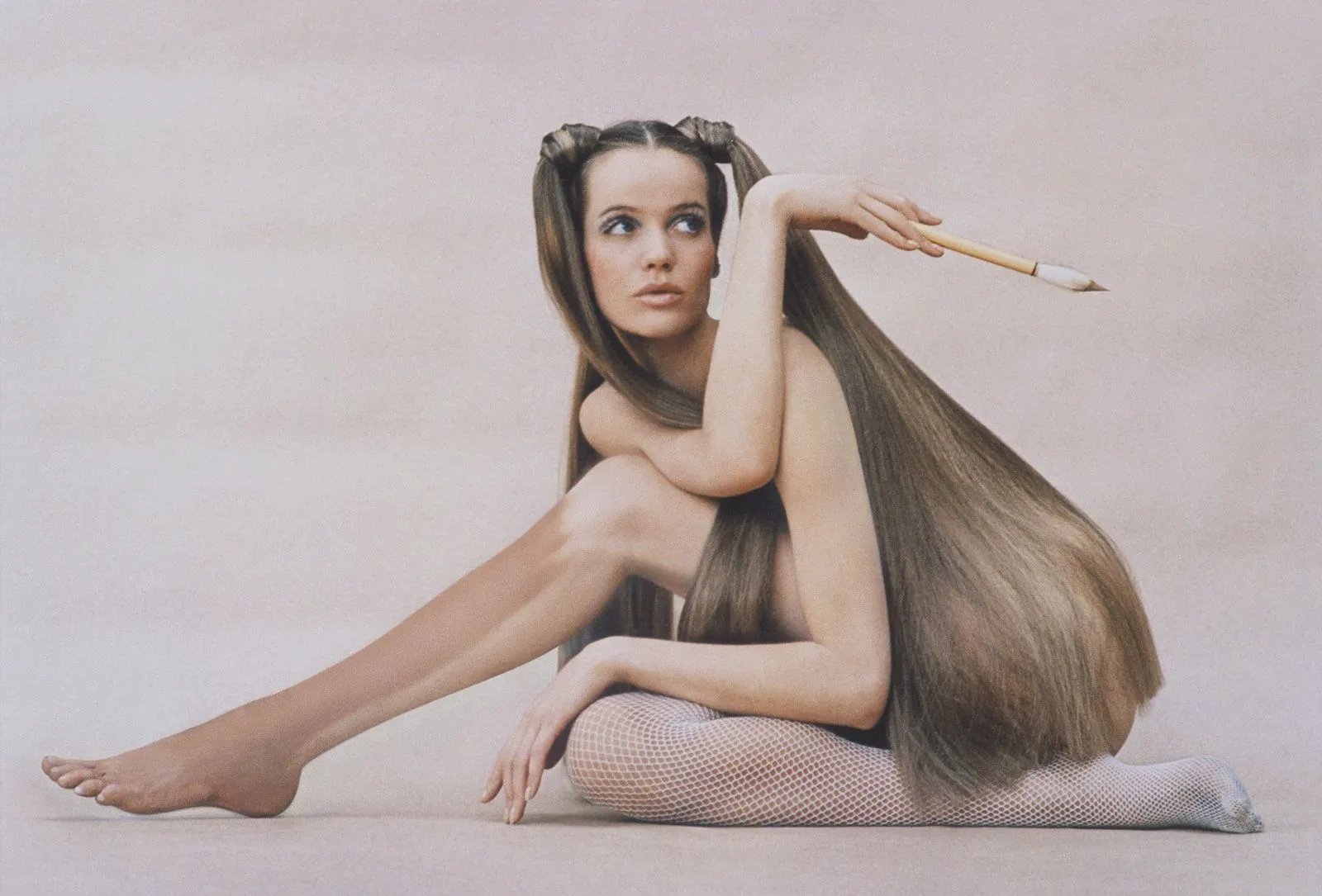
It was only earlier this month, on the occasion of the release of Ron Howard’s Netflix documentary Avedon, that Vogue revisited an extraordinary 25-page fashion editorial from its March 1, 1967, issue. Across those pages, Veruschka leaped and pirouetted, her hair fashioned into a long, swinging braid by hairstylist Ara Gallant. Avedon had found in Veruschka a woman who could give physical expression to his imagination and whose own imagination was every bit as expansive. Here was a woman whose beauty “demands something, and you must extend yourself to meet the challenge or know that a kind of splendor is lost to you forever,” said Avedon.
Born Vera Gottliebe Anna Gräfin von Lehndorff-Steinort on May 14, 1939, in Königsberg, East Prussia (now Kaliningrad, Russia), Veruschka’s early life was marked by the horrors of war. She was five years old when her father, Count Heinrich von Lehndorff-Steinort, was executed for his involvement in the failed 1944 plot to assassinate Adolf Hitler. The family was imprisoned by the Nazi regime, and the aristocratic world into which she had been born had all but disappeared by the time the war came to an end.
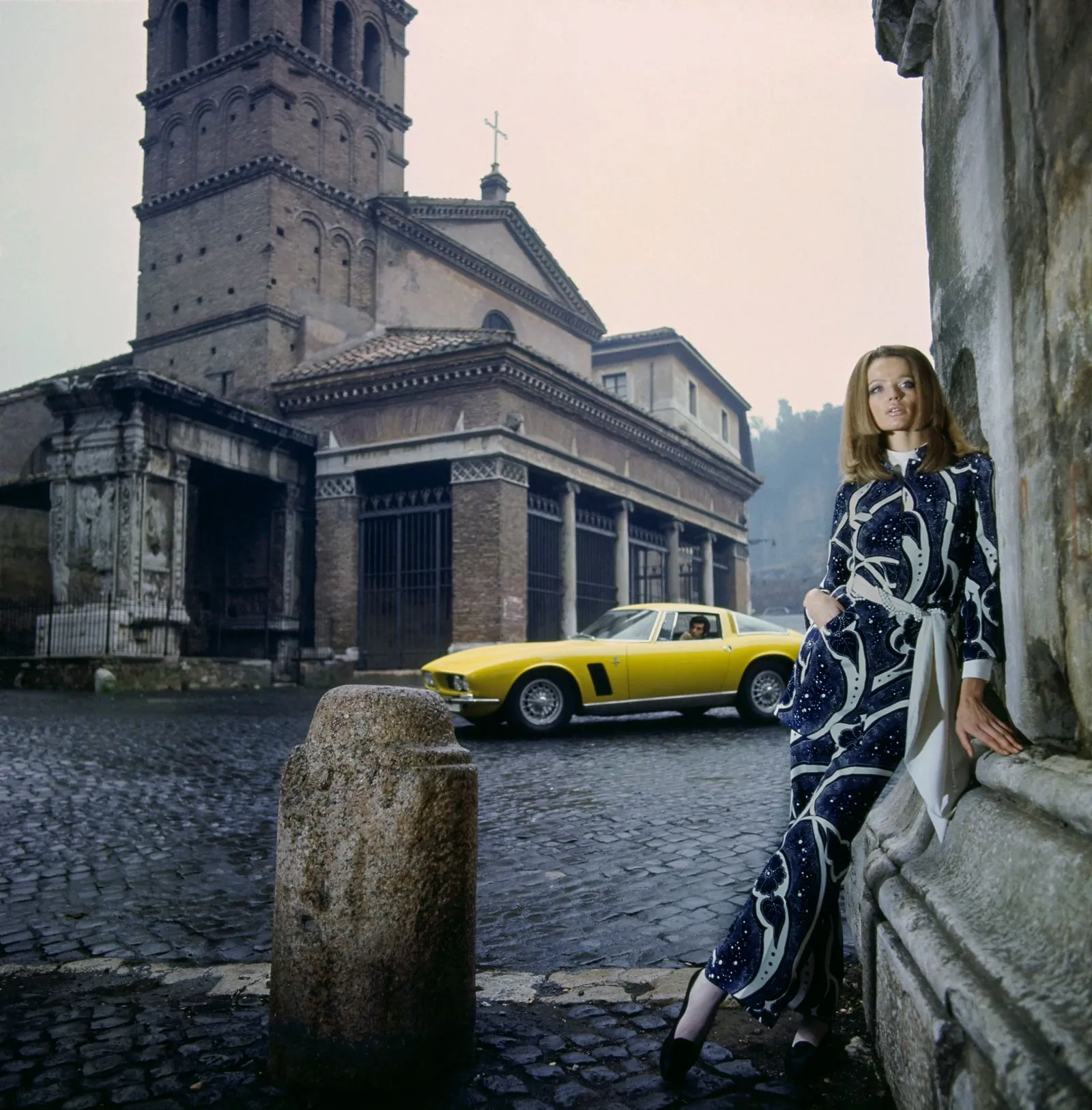
An art student, she was discovered in Florence in 1959. Her early forays into modeling were not immediately fruitful: Standing over six feet tall, she was an unconventional proposition even then. An initial stint in New York proved disappointing, but in Italy she developed a fruitful creative relationship with photographer Johnny Moncada. Some 3,000 images from those formative years, undiscovered for decades, would eventually form the basis of the book From Vera to Veruschka: The Unseen Photographs by Johnny Moncada and an accompanying exhibition at London’s Somerset House in 2014.
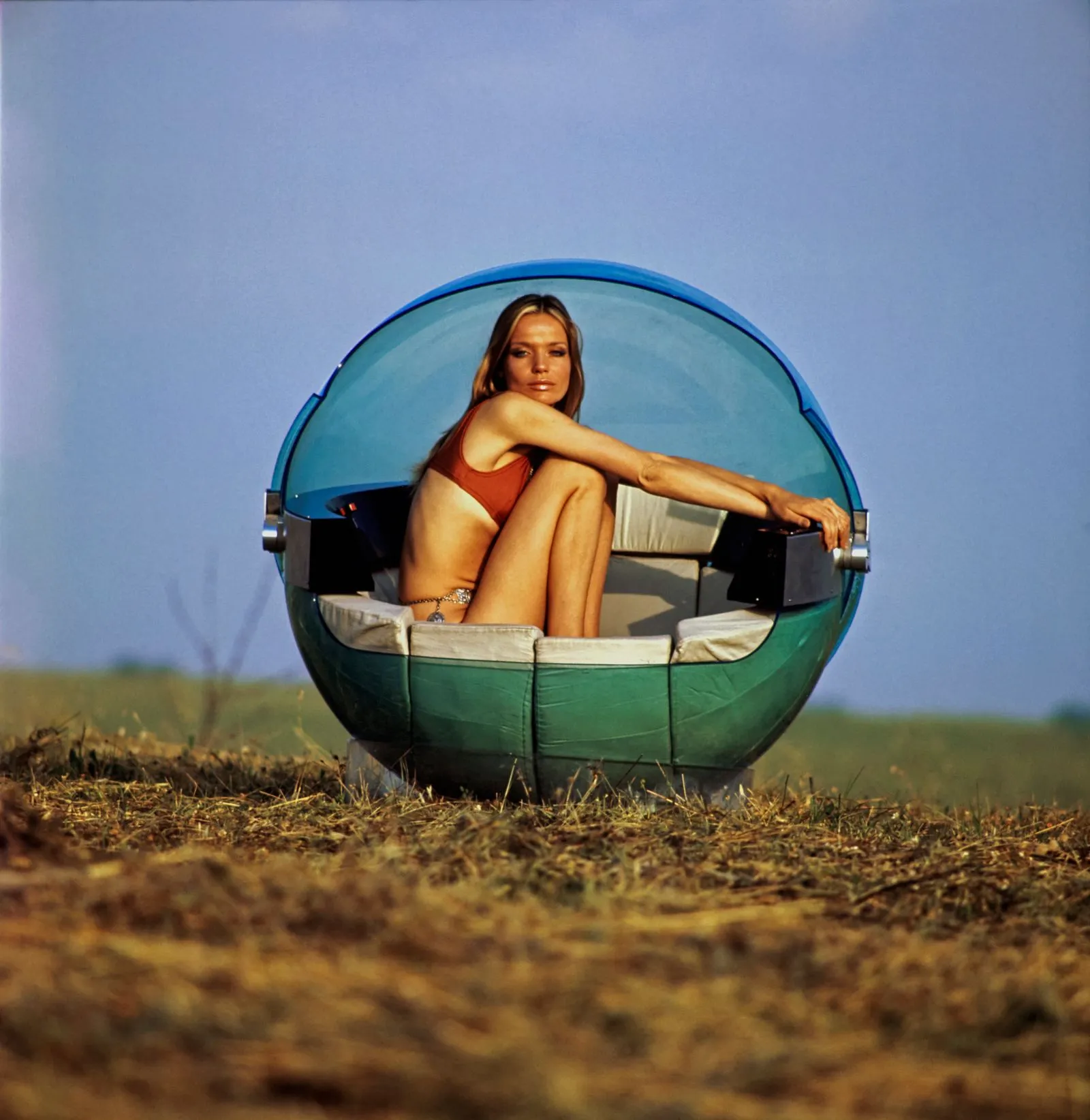
Her greatest act of reinvention was, arguably, the creation of Veruschka herself. Adopting the Russian-sounding diminutive of her first name, she cultivated a persona of indeterminate provenance and mystique. Returning to New York in 1964, she found an industry increasingly receptive to her brand of beauty. In Diana Vreeland, then editor in chief of Vogue, she found a kindred spirit.
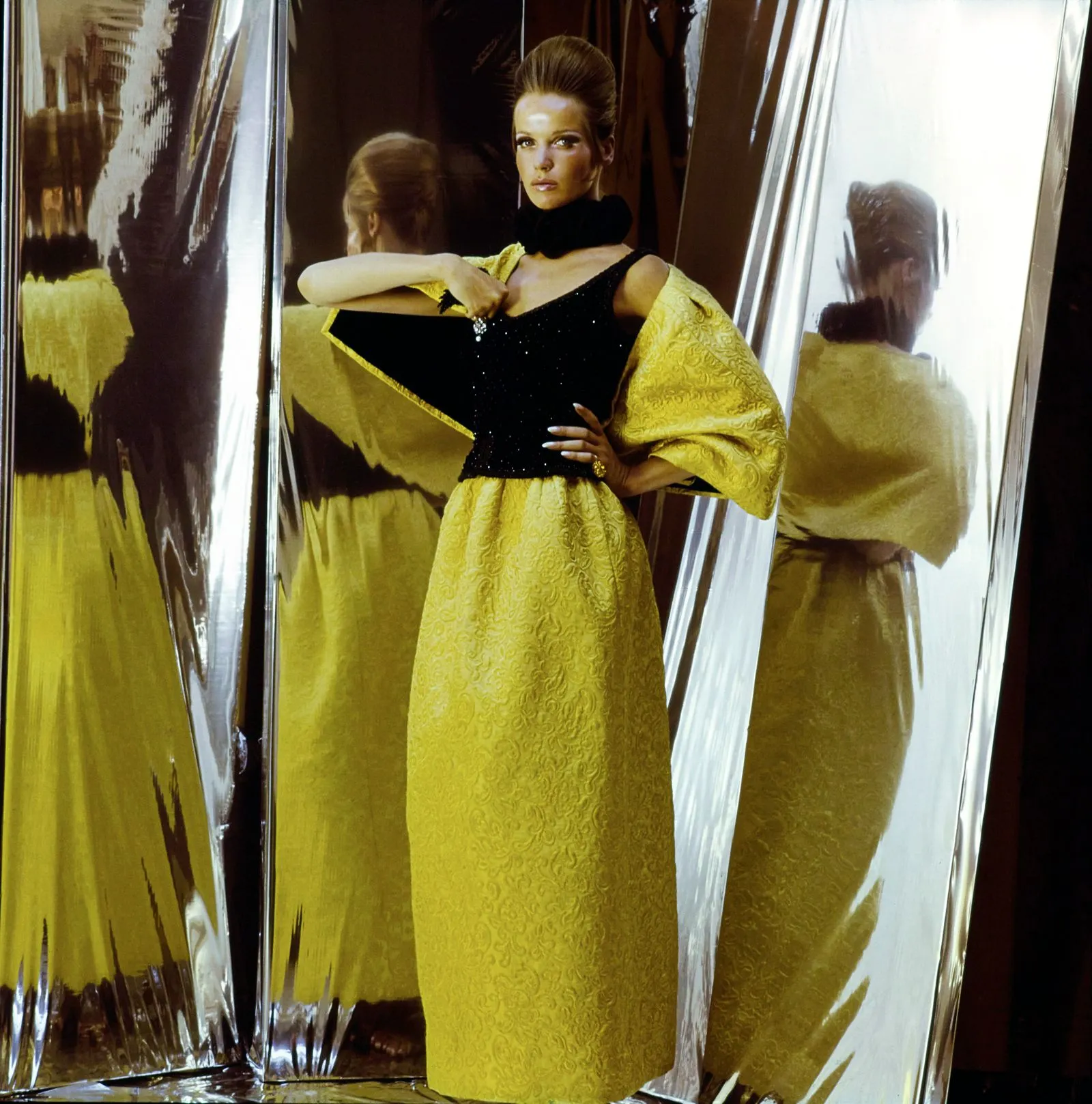
The 1960s heralded the ascendance of a new breed of model, with the likes of Jean Shrimpton, Twiggy, Donyale Luna, and Penelope Tree becoming cultural figures in their own right. Veruschka, with her high forehead, sculptural cheekbones, and elongated limbs, was one of the decade’s most arresting presences, whatever aesthetic she took on. She appeared on 13 American Vogue covers, working with the likes of Avedon, Irving Penn, Horst P. Horst, and David Bailey, and became one of the highest-paid models of her generation.
Some of her most enduring images were made in collaboration with the Italian photographer Franco Rubartelli, her creative and romantic partner. Among them was the indelible 1968 photograph of Veruschka in Yves Saint Laurent’s laceLaceLace is an openwork fabric made by looping, twisting, or braiding threads into intricate patterns, historically created by hand and later by machine. Long associated with refinement and romance, itGo to Lace Glossary-up safari jacket for French Vogue, an image that distilled the designer’s new vocabulary of female sensuality and authority.
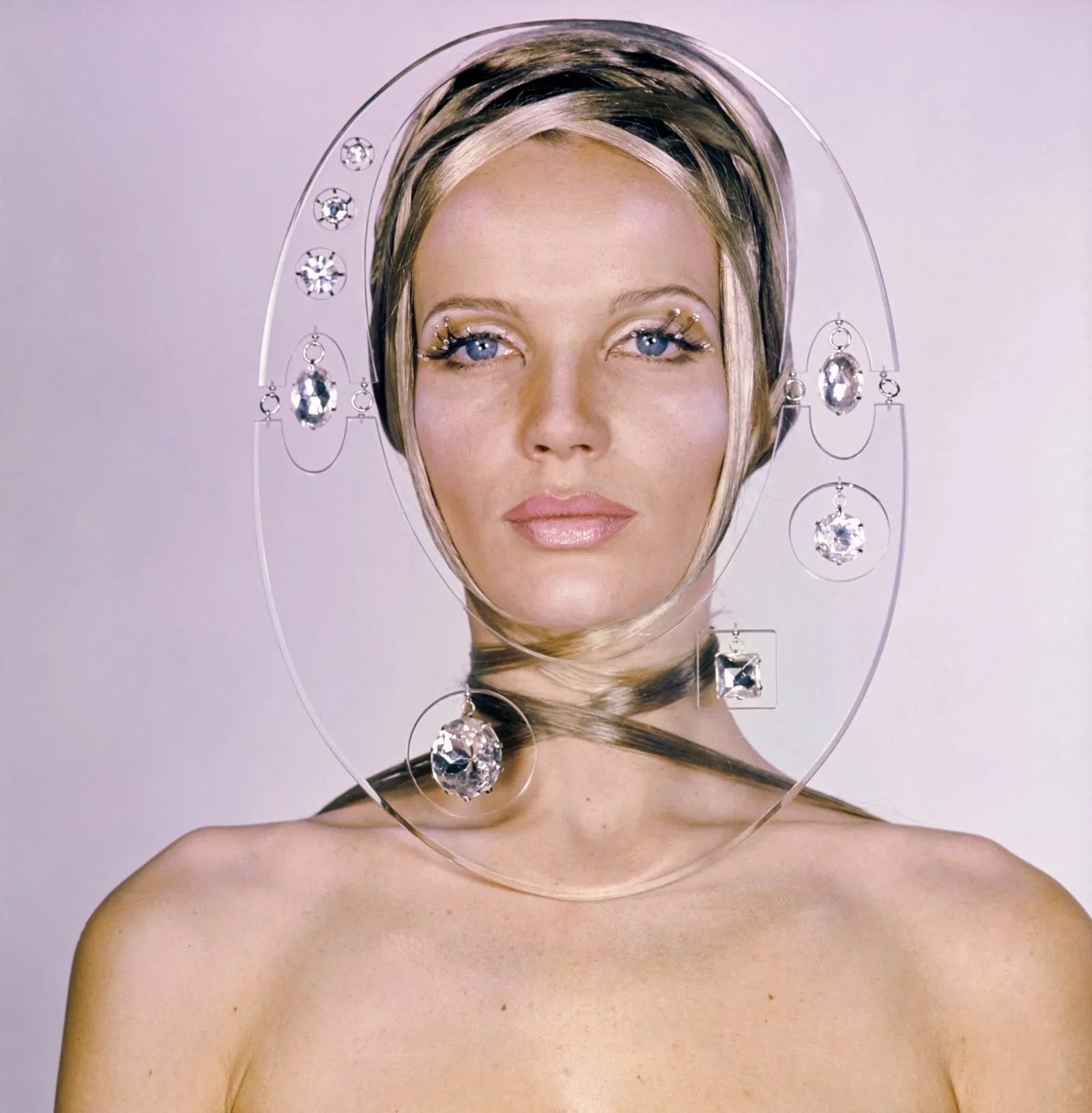
Veruschka was also an endlessly inventive beauty museMuseA person who inspires a designer, photographer, or artist and often becomes the face or embodiment of their creative vision. Famous muses have shaped entire collections and eras of fashion,Go to Muse Glossary. The Vogue archives are rich with examples of her aesthetic adventurism. She sports fantastical lashes, intricately braided hair, graphic eye makeup, and elaborate headpieces. She was chameleonic, which made her popular with the hair and makeup artists of the era.
And her fame extended well beyond the pages of fashion magazines. In Michelangelo Antonioni’s seminal 1966 film Blow-Up, set in Swinging London, Veruschka played a version of herself in a brief but electrifying scene opposite David Hemmings’s fashion photographer. A year later, she graced the cover of Life magazine. Few models before her had so thoroughly captured the imagination of the wider public, and her legacy lives on in the new generation of celebrity models today.
By the mid-1970s, however, Veruschka had grown disenchanted with the fashion industry. Her artistic ambitions began to take greater precedence over her modeling career. In collaboration with the German artist Holger Trülzsch, she embarked on a captivating body of photographic work in which her painted figure dissolved into architectural surfaces and natural environments, or assumed entirely different identities.
In 1971 Veruschka also appeared in West German magazine Stern with 27 other women under the coverline: “Wir haben abgetrieben!” (“We’ve had abortions!”) to advocate for abortion law reform at a time when it was illegal. It was a significant moment in Germany’s ’70s feminist wave.
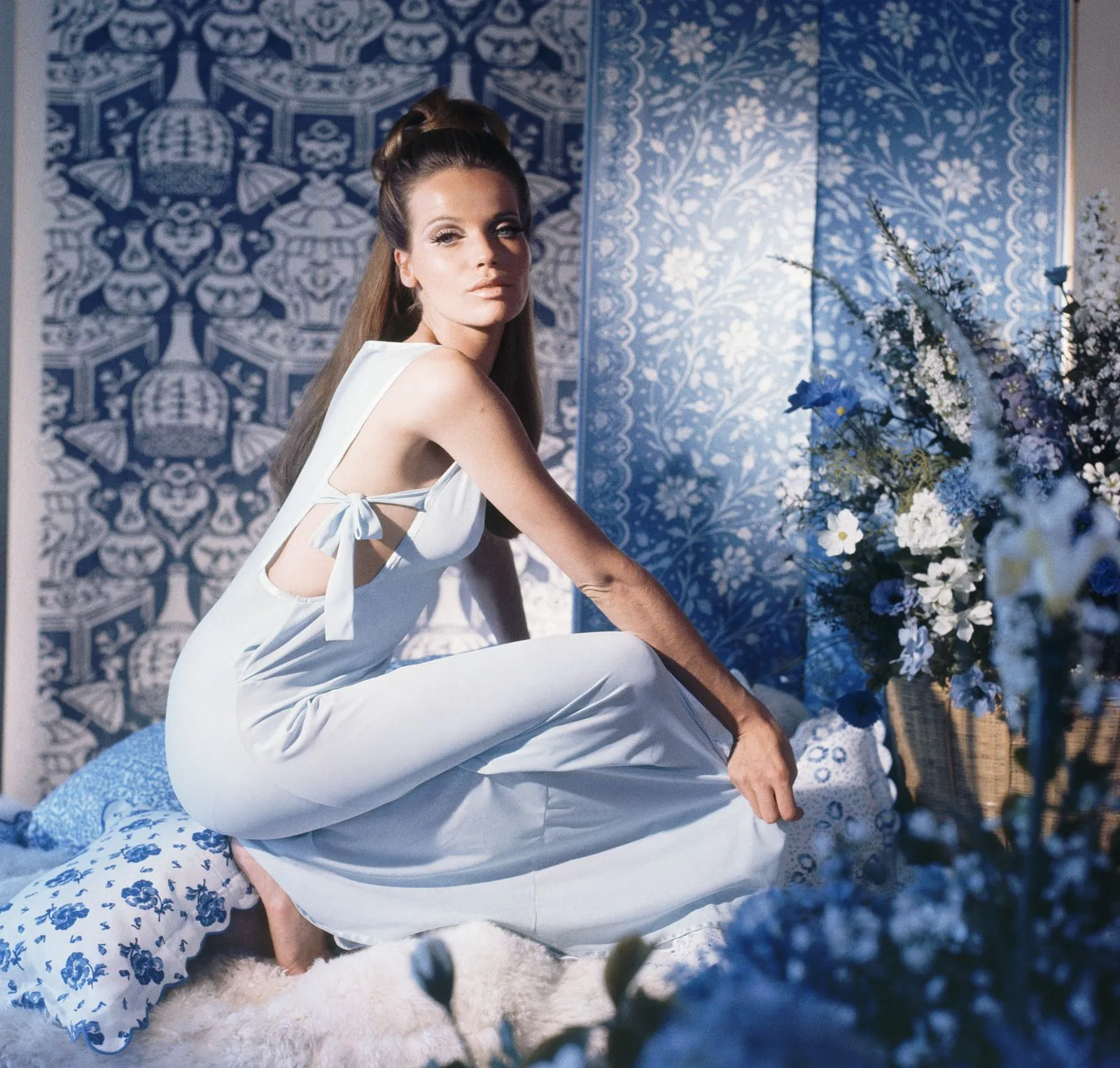
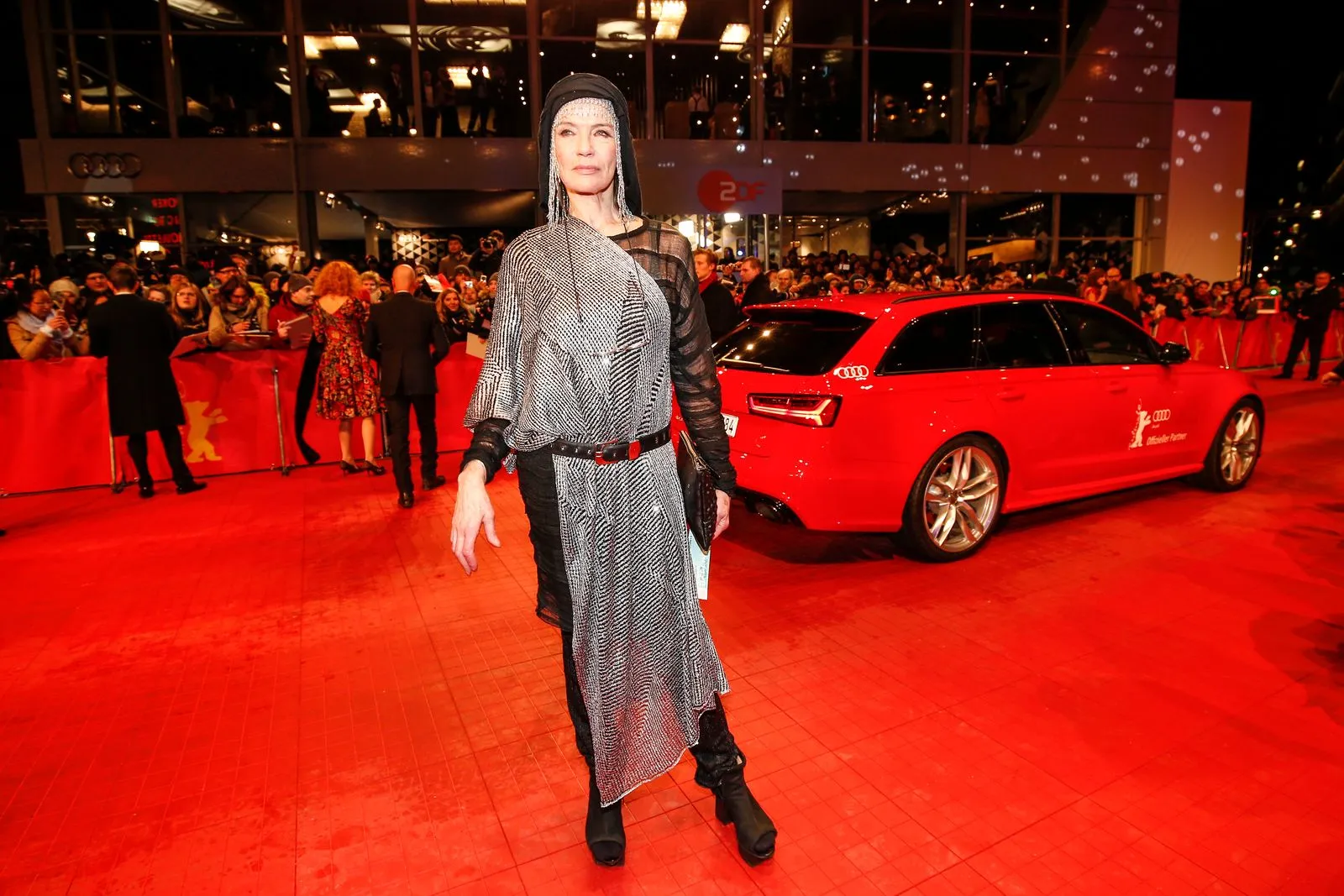
Still, fashion never entirely relinquished its fascination with her, nor she with it. There were occasional returns to the runway, including for Chanel in 1994 and, at the age of 71, for Giles Deacon’s spring 2011 show in London. In 2017, Acne Studios enlisted her for its resort 2018 look book. In contemporary photos—with her silver hair slicked back, sporting oversized, louche tailoring—she looks every bit as modern as she had half a century earlier.
Much has been made of Veruschka’s otherworldliness, but there was something profoundly human in her commitment to metamorphosis. At the height of her fame, she could have made a career out of being the most beautiful woman in the world. How much more interesting, instead, to become a thousand different women.
This article was originally published on Vogue.com.