
For Joseph Bagasao, Paris Was Always Part of the Plan


Courtesy of Bagasáo
After his first Paris showcase, the Filipino designer, a delegate of the inaugural FASHIONPhilippines Milan Mentorship Program, reflects on the journey it took to achieve one of his big dreams.
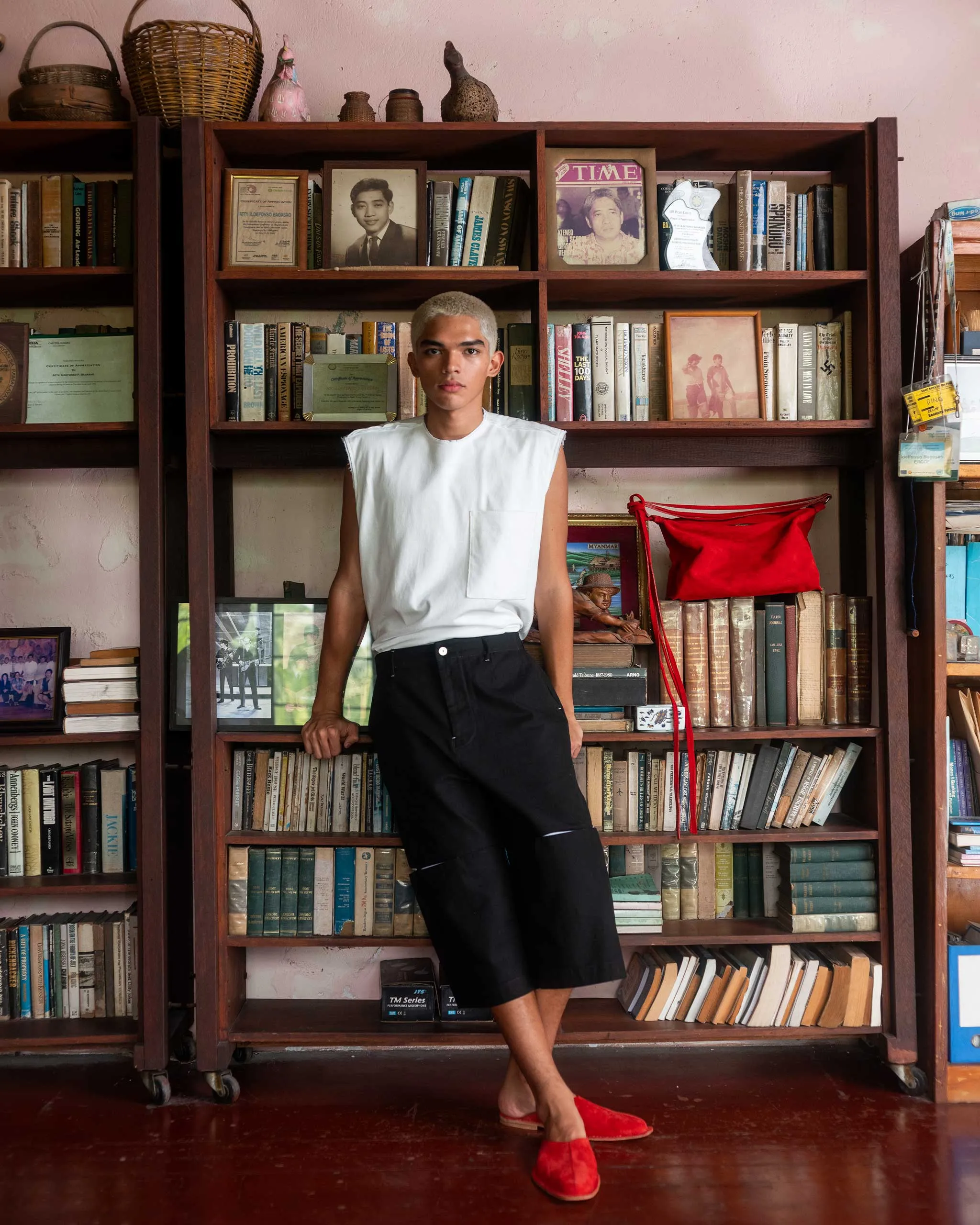
The months leading up to Milan were intense. I was balancing developing the collection while running an independent brand, so I barely had the space to realize what was happening. It was only when I stood there and watched people engage with the work that it hit me: I had finally gotten to one of the dreams I carried for years.
Running an independent brand means you’re constantly solving problems like production, payroll, fabrics, deliveries, and timelines. There’s very little room to pause and celebrate, so at that moment, I was simply grateful to be there. Looking back, I had no idea that my first conversation with Tora Tora (which was a chance encounter when they visited the FASHIONPhilippines Milan Mentorship exhibit) would eventually lead to representation.
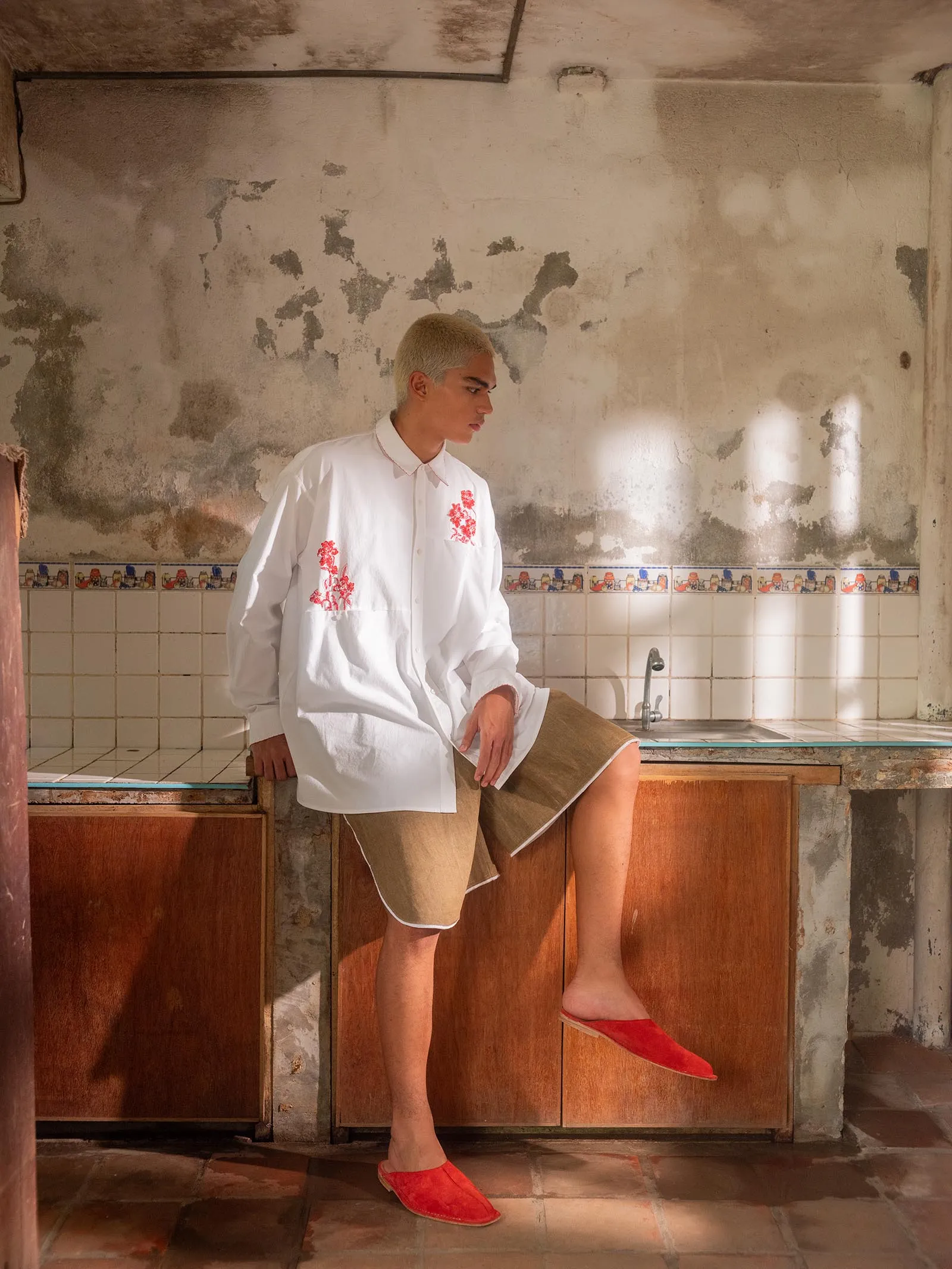
When the opportunity came, I think I felt more surprised than anything else. I even struggled with impostor syndrome. It didn’t quite feel real until I signed the contract.
The partnership itself was incredibly smooth. What I appreciated about Tora Tora was that they weren’t simply offering showroom space; they were generous in sharing their knowledge and helping us understand how to navigate the global market. Most of the challenges were practical: bringing fabrics into the Philippines, shipping samples overseas, and eventually getting everything back home. Those are the realities of running an independent label.
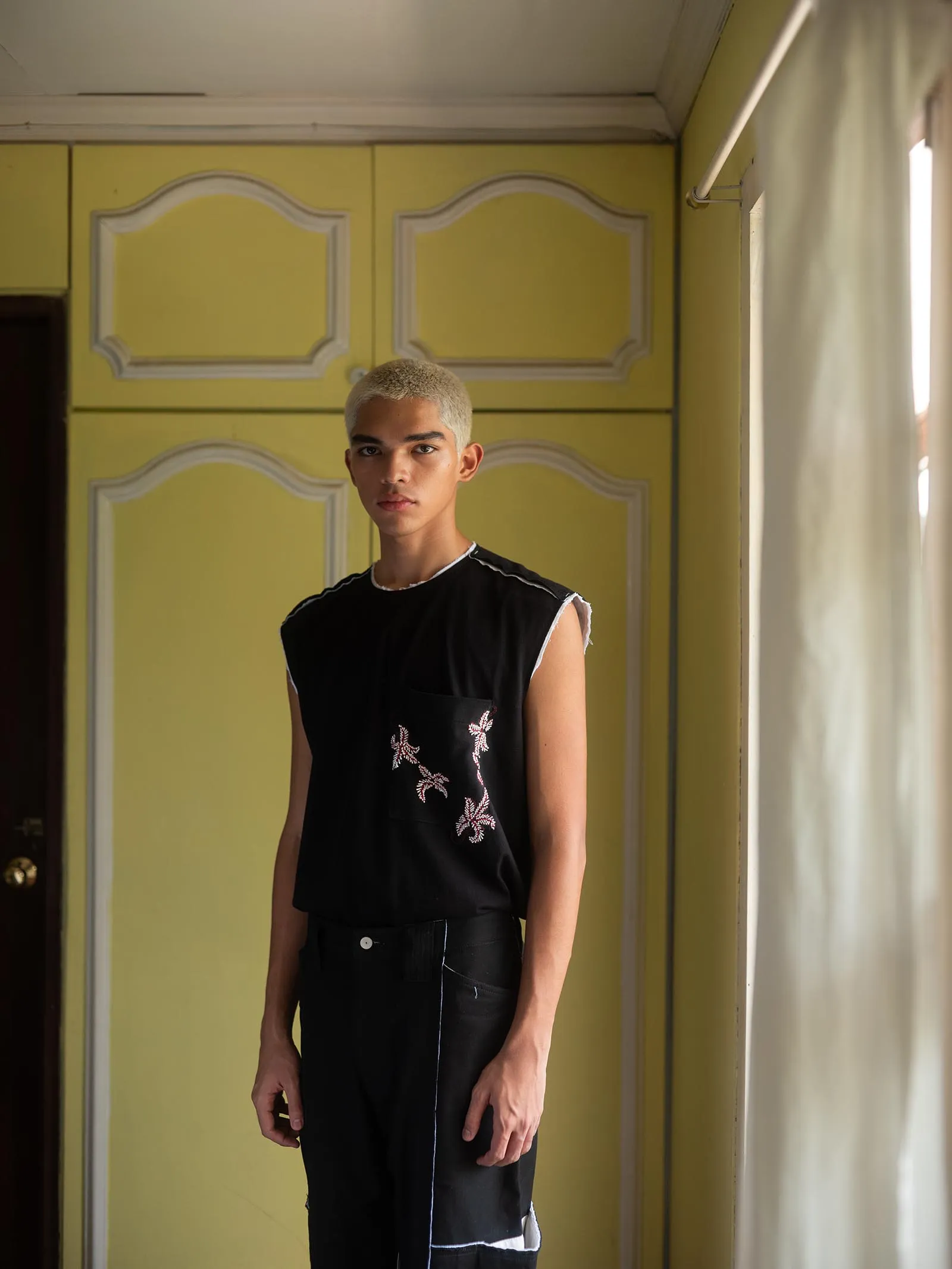
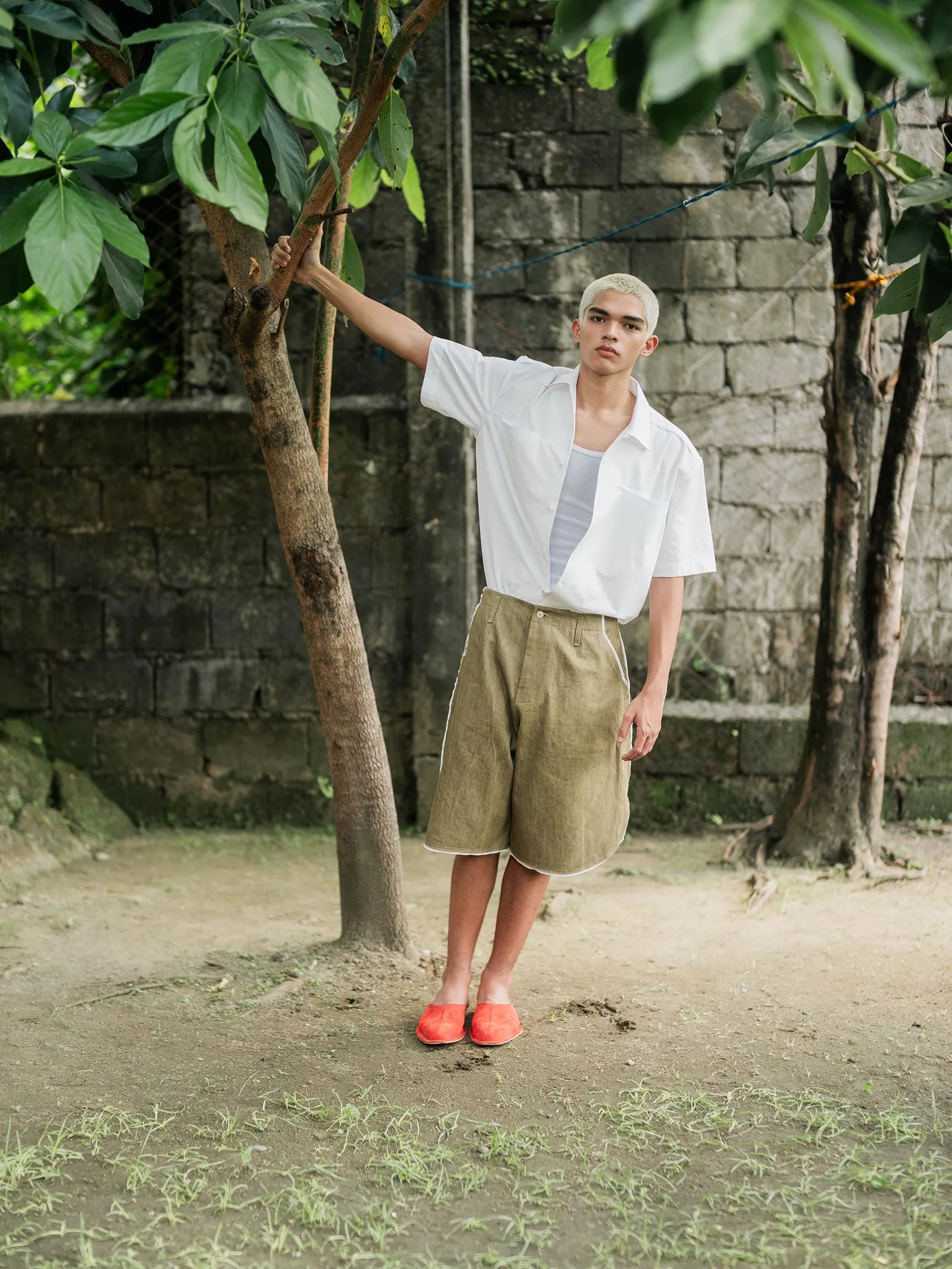
Because it was our first showroom season, I approached it with the mindset of learning rather than expecting immediate results. Unfortunately, I wasn’t able to fly to Paris for personal reasons, but through the conversations from Milan and the feedback from the showroom, we listened carefully, took notes, and came home with a much clearer understanding of where Bagasáo can continue to grow. If anything, the experience gave me more confidence to continue refining the language we’ve been developing over the years. It reminded me that authenticity travels.
Beyond the excitement, Paris shifted something in me. It made me step back and ask what kind of house I truly want to build.
For a long time, I poured everything into the creative side. This experience made me realize that if I believe this work is a gift, then I also have the responsibility to steward it well. That means giving the business the same care and intention that I give to the design process. I am trying to no longer see business and creativity as separate, because one allows the other to endure.
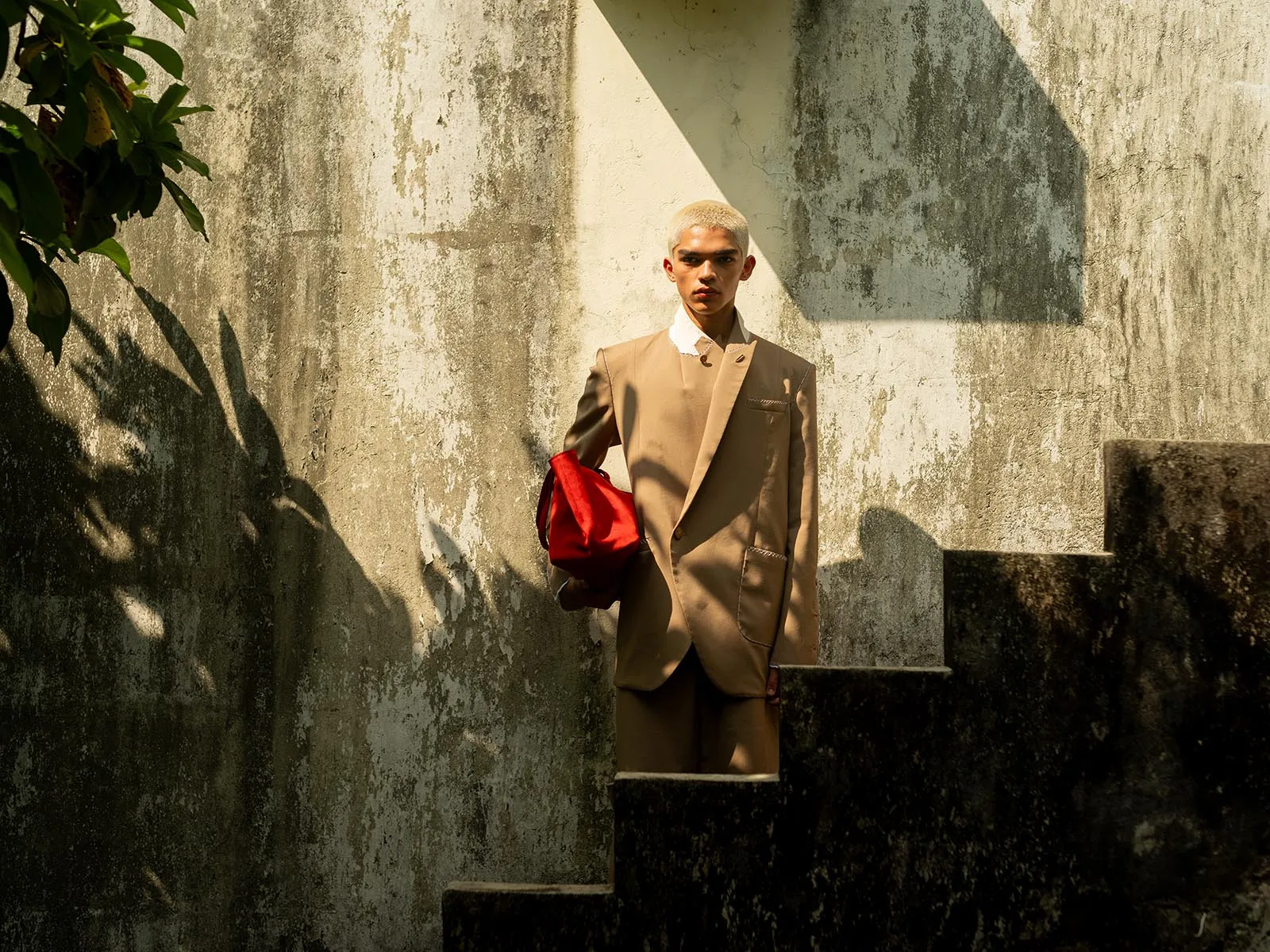
At Bagasáo, the way we create is by inviting people into a quiet process of refinement. Each collection is another study, another conversation, another chance to see ourselves with a little more clarity. I’m less interested in looking back than I am in understanding how those experiences continue to shape the person we are becoming. Every collection is an opportunity to understand what is here, now. It isn’t entirely about nostalgia. It’s about recognizing the parts of ourselves that persistently remain: the places we grew up, the uniforms we wore, the people who raised us, the music we listened to. More than simple memories, they become part of how we move through the world, shaping what we notice, what we value, and how we choose to live.
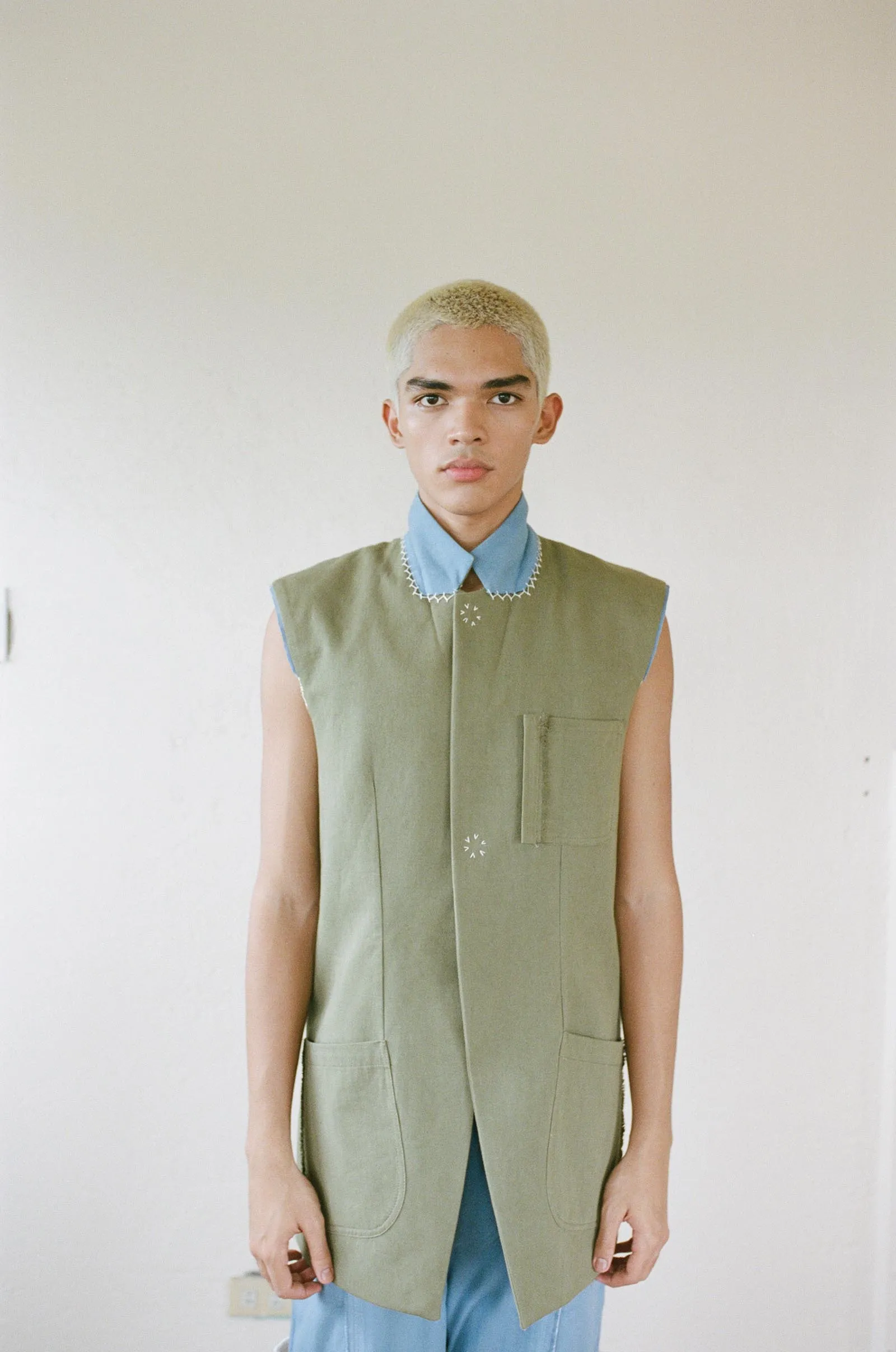
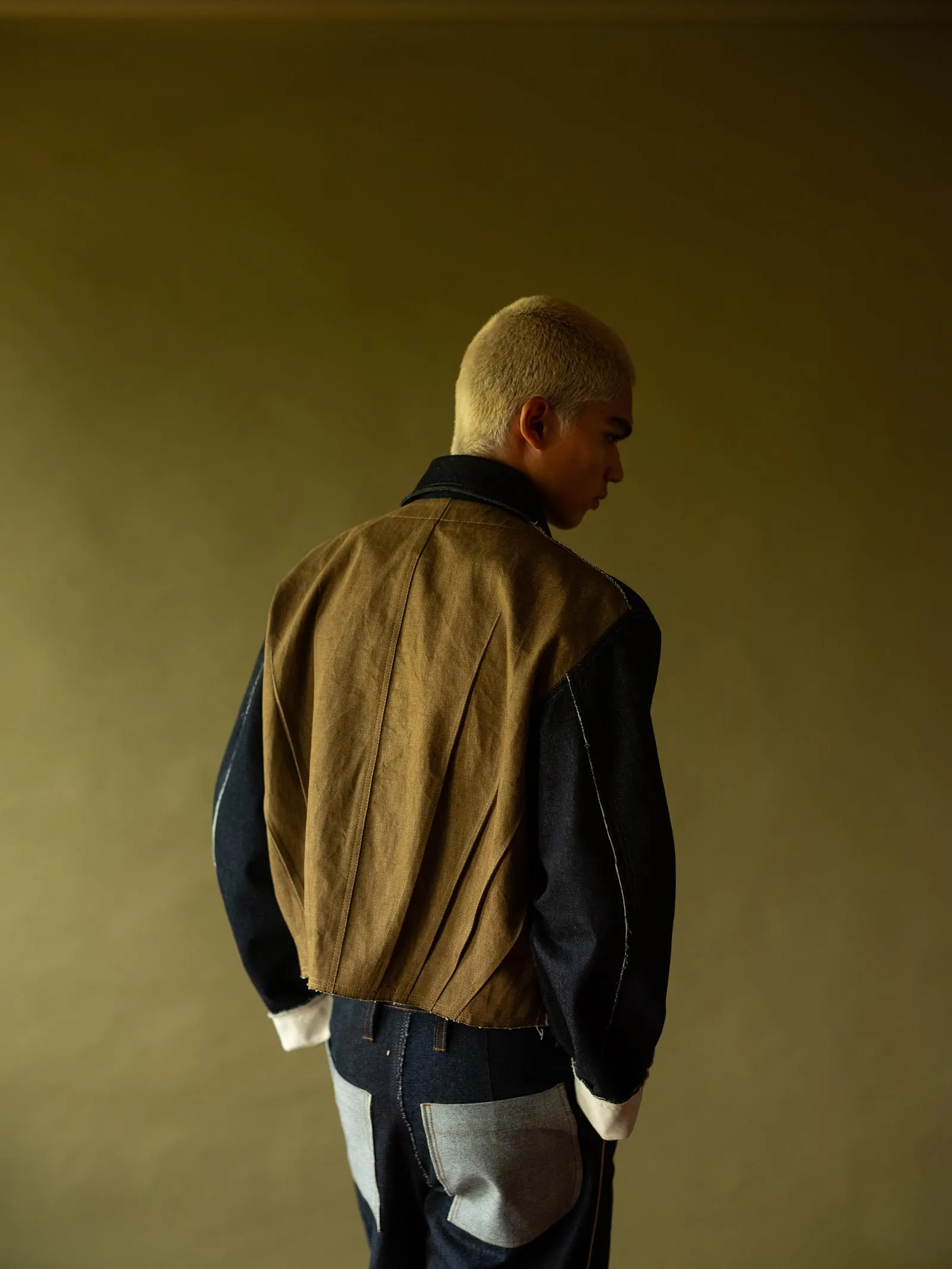
With how loud the world has become, it can be tempting to chase trends or constantly reinvent yourself. Sometimes that feels like the easier path, especially when you’re trying to grow a business. But I always knew I was building for the long haul. I had to stay true to the language that was entrusted to me, even if it meant growing more slowly. Over time, it became clear to me that people remember honesty. They may discover you because of something new, but they stay because they recognize something true.
Paris was a surprise, but not because I doubted we’d get there. I always believed Bagasáo would find its way to Paris someday. What surprised me was that it happened now. Looking back though, I think that’s how dreams often unfold. You’re so focused on doing the work that you don’t realize you’re already walking toward them.
By Joseph Bagasao, as told to Ticia Almazan. Photographs by Geric Cruz, Model: Sunil Aku.
Frequently Asked Questions
Joseph Bagasao is the founder and designer behind Bagasáo, a Manila-based contemporary fashion label he launched in 2016.
Bagasáo is known for its minimalist aesthetic, structured silhouettes, and thoughtful approach to craftsmanship. The Manila-based label often works with clean lines, earthy tones, tactile fabrics, and subtle details, with denim becoming one of its recognizable signatures.
Bagasáo produces its pieces in the Philippines, working with Filipino artisans and craftsmen as part of its commitment to local production and craftsmanship.
The FASHIONPhilippines Milan Mentorship Program is an initiative designed to help Filipino fashion designers develop their creative and business potential for the international market. Led by the Center for International Trade Expositions and Missions (Citem), the program was developed with the Philippine Fashion Coalition, LIT Fashion Consultancy, Fondazione Sozzani, and DOST-Philippine Textile Research Institute.
The program aims to give Filipino designers greater access to international fashion networks, industry expertise, buyers, showrooms, and potential business opportunities.
- Why Sara Sozzani Maino Is Betting on Filipino Designers with the 2025 FASHIONPhilippines Milan Mentorship Program
- For Mother’s Day 2026, Filipino Designers Share the Best Lesson They Learned From Their Moms
- Seph Bagasao’s ‘Fragments of Time’ is a Reinterpretation of Simplicity
- Over 200 Filipino Creatives, Spread Across Decades of Behind-the-Scenes Work, Unite to Share the Frame