
Antonina on Her First Full Collection Since Her 2018 Debut at MNL Fashion Week


Photographed by Jom Ablay
After a year hiatus, Nina Amoncio returns with “Not Here,” a collection shaped by the necessity of rest and a renewed sense of creative freedom.
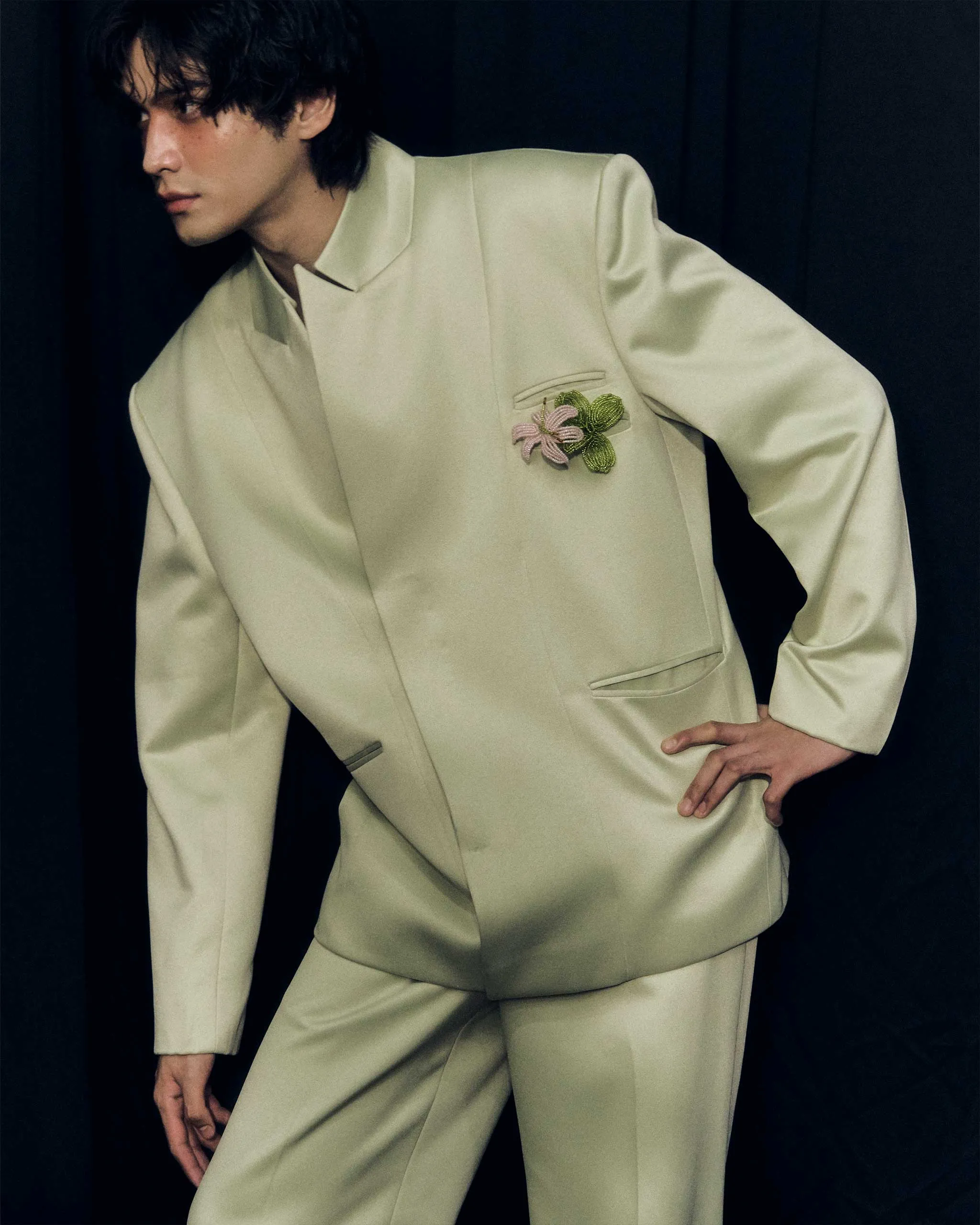
For Antonina, the Spring/Summer 2027 collection is an invitation to pause. Titled “Not Here,” the collection was presented on Day 3 of the second edition of MNL Fashion WeekFashion WeekA series of seasonal events where designers debut their latest collections, setting the tone for upcoming fashion trends and showcasing creativity, craftsmanship, and innovation across the global fashion industry.Go to Fashion Week Glossary and grew from designer Antonina “Nina” Amoncio’s personal need to step away from the constant pressure to keep moving forward. Rather than framing rest as an escape, Amoncio considers it a space to reflect, reset, and reconsider what comes next.
The collection also signals a new chapter for Antonina. After years of working predominantly in black and muted tones, Amoncio uses “Not Here” to look at the label through a different lens, exploring a broader visual language while retaining the personal approach that has shaped her work since the brand’s beginnings in 2018.
Below, Amoncio discusses the making of “Not Here” and the ideas behind the collection.
Vogue Philippines: Tell us about your MNL Fashion WeekFashion WeekA series of seasonal events where designers debut their latest collections, setting the tone for upcoming fashion trends and showcasing creativity, craftsmanship, and innovation across the global fashion industry.Go to Fashion Week Glossary collection and what inspired it?
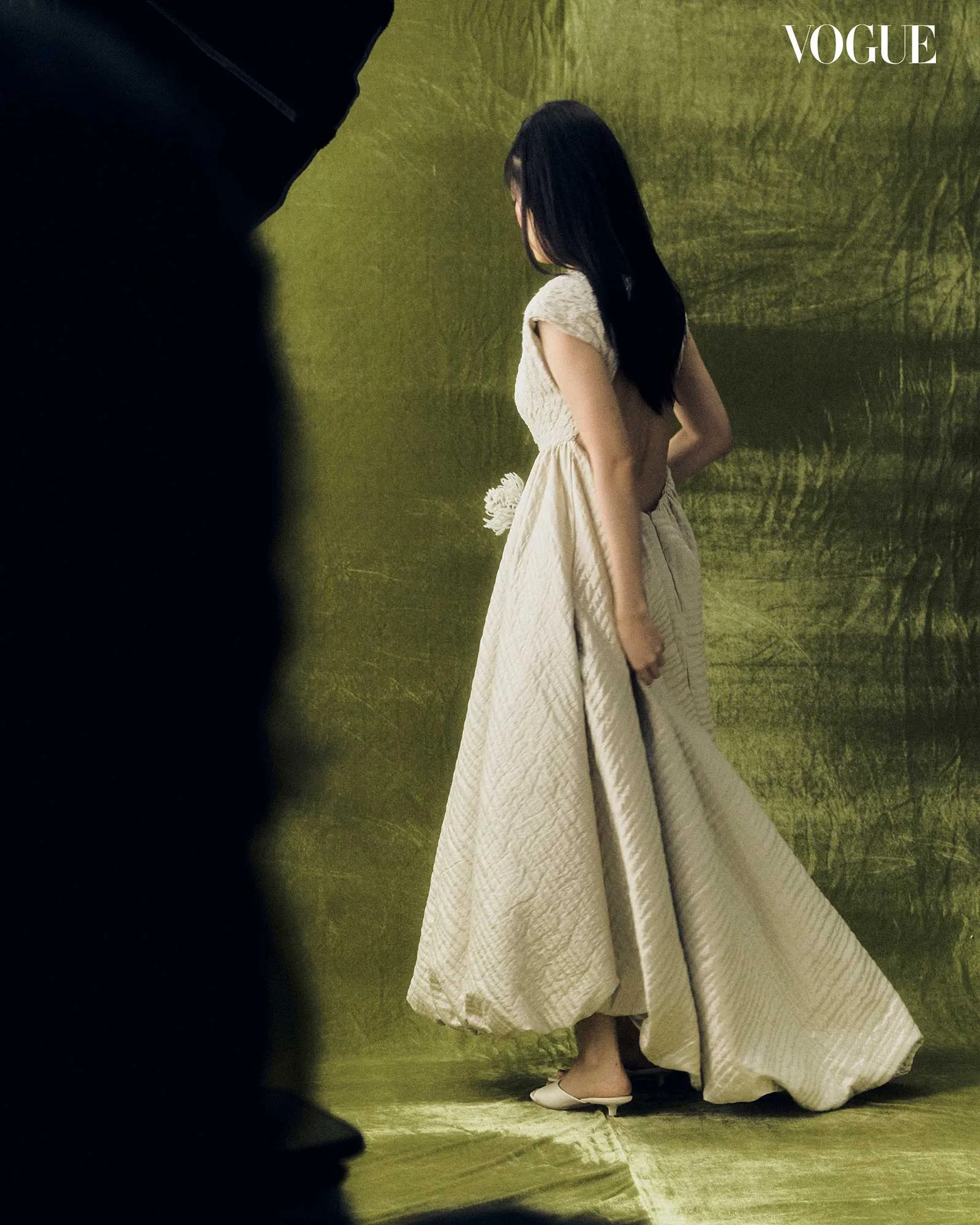
Nina Amoncio: “Not Here” Spring/Summer 2027 is about the moments in between, the quiet pauses we rarely allow ourselves. It reflects the need to stop, to disconnect from the constant rhythm of work and expectation, and to sit in stillness without urgency. It’s about choosing rest, not as an escape, but as something necessary. At the same time, this pause becomes a turning point. In stepping back, there is space to reconsider, to shift direction. The collection also marks a departure from familiar design instincts: an intentional break from what feels expected, exploring new shapes, new tensions, and quieter forms of expression. This is Antonina’s first full collection after [our] debut in 2018.
More than an escape, rest is a decision. All of us have the liberty to rest in our everyday lives. I see rest as progress, when you’re able to rest, you’re able to meditate and see yourself in a much calmer state. It’s a necessity, not a weakness. When you’re able to rest, you’re able to move forward. It benefits you.
What ideas or themes did you want to explore through this collection?
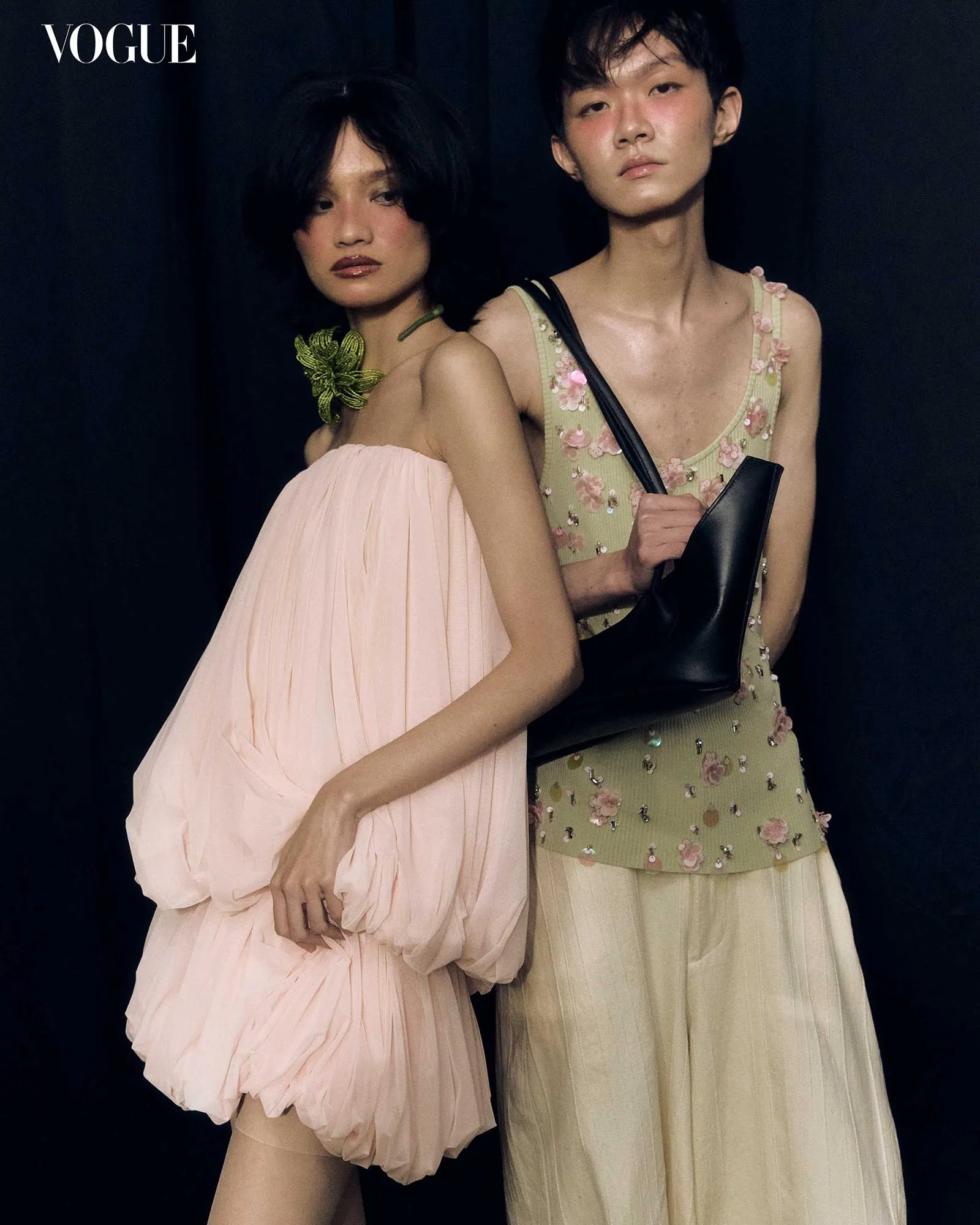
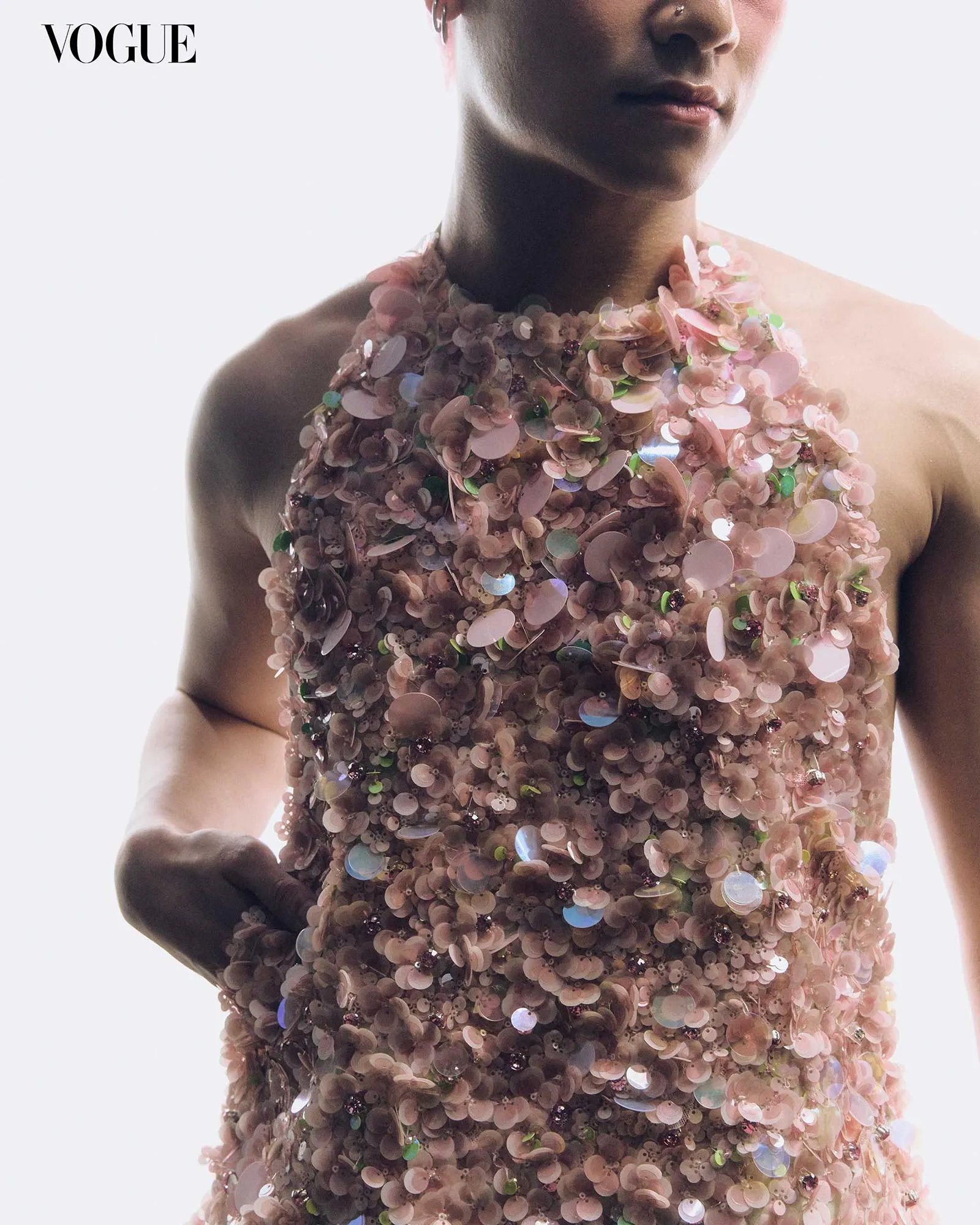
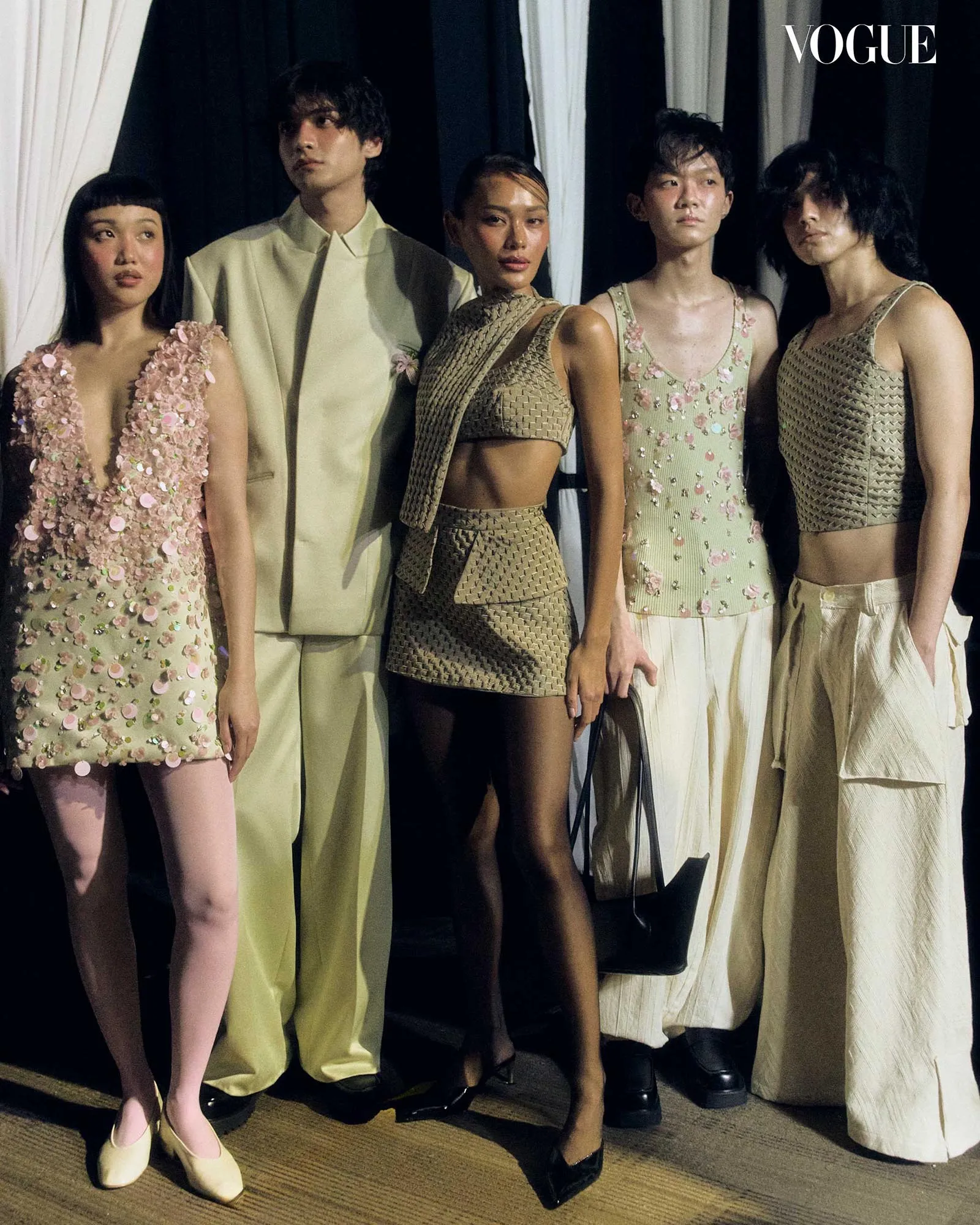
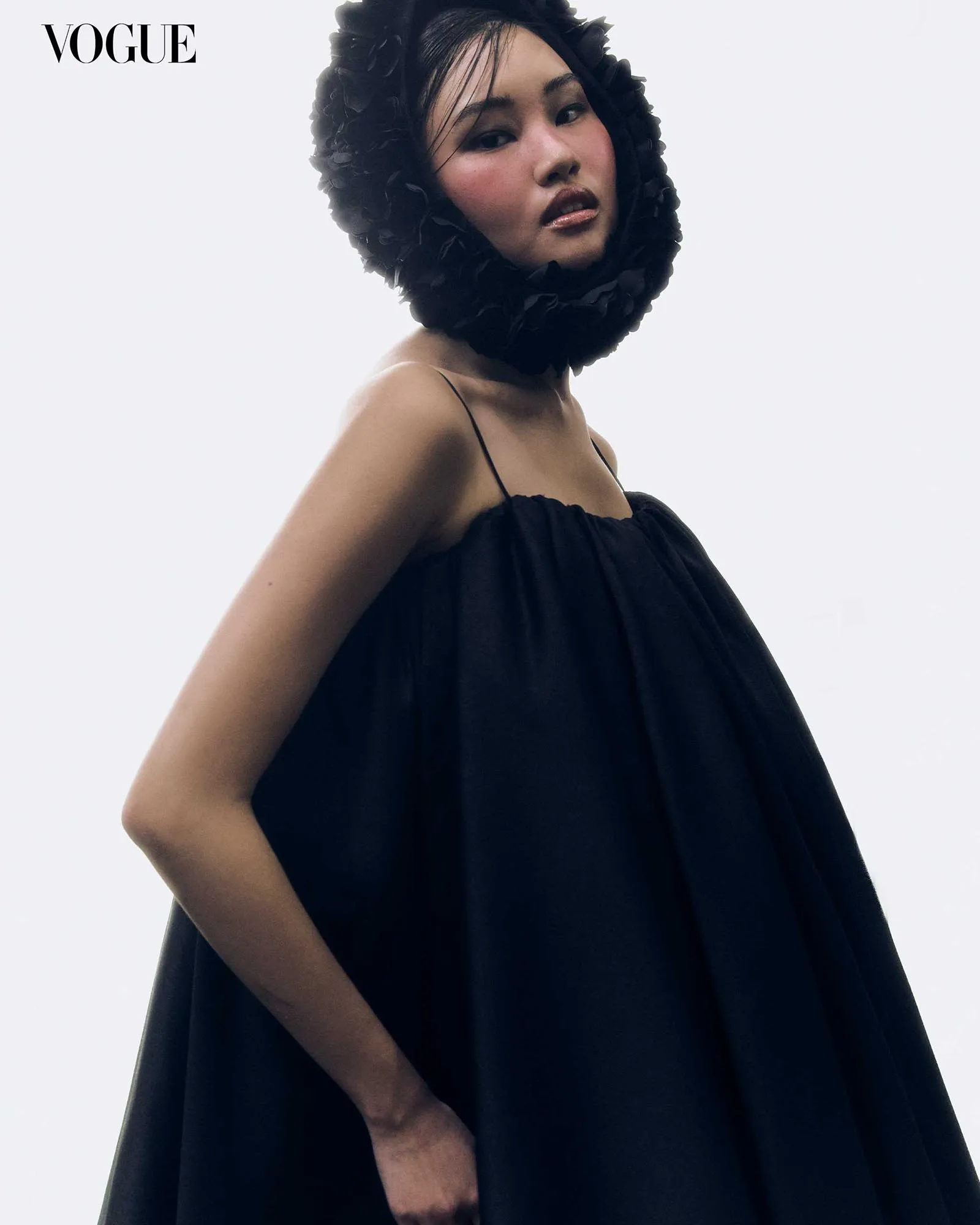
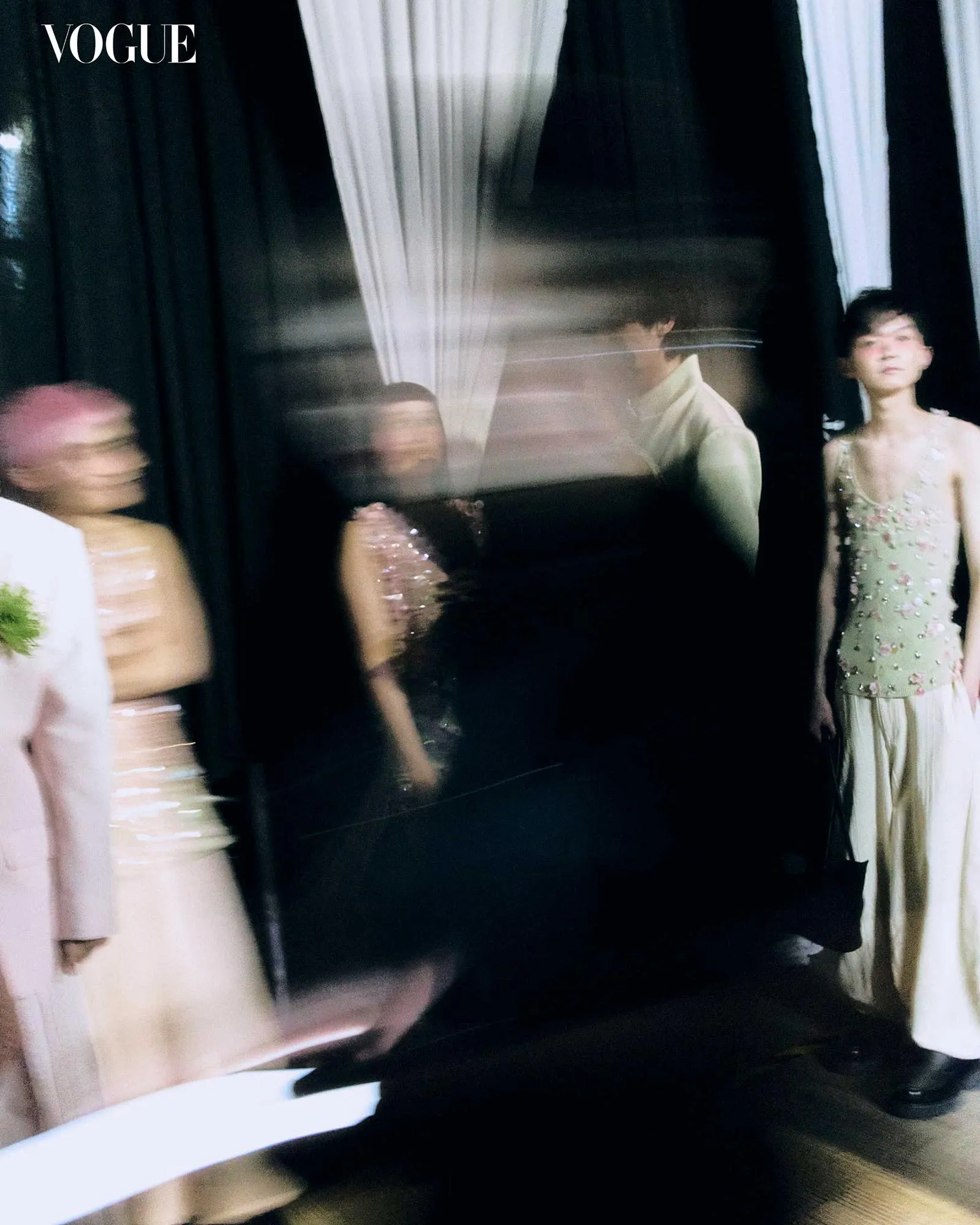
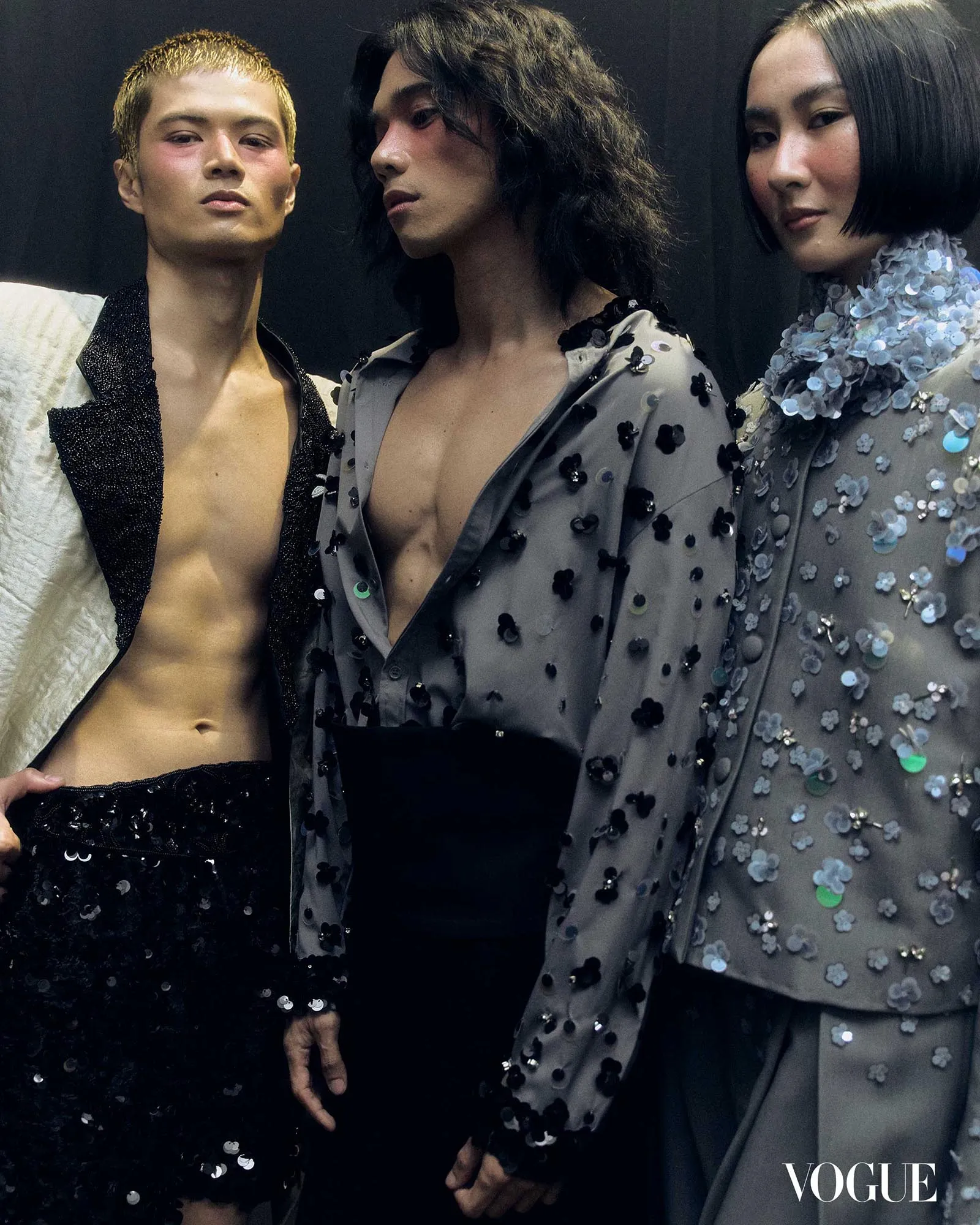
We took a redirection for SS27. The first thing you’ll notice is color. Since 2019 we haven’t done much color in our collections; we’ve focused on monotones and black. This time we played with a lot of color. I took this as an opportunity to bring in more creative freedom: texture, color, pattern, fluidity.
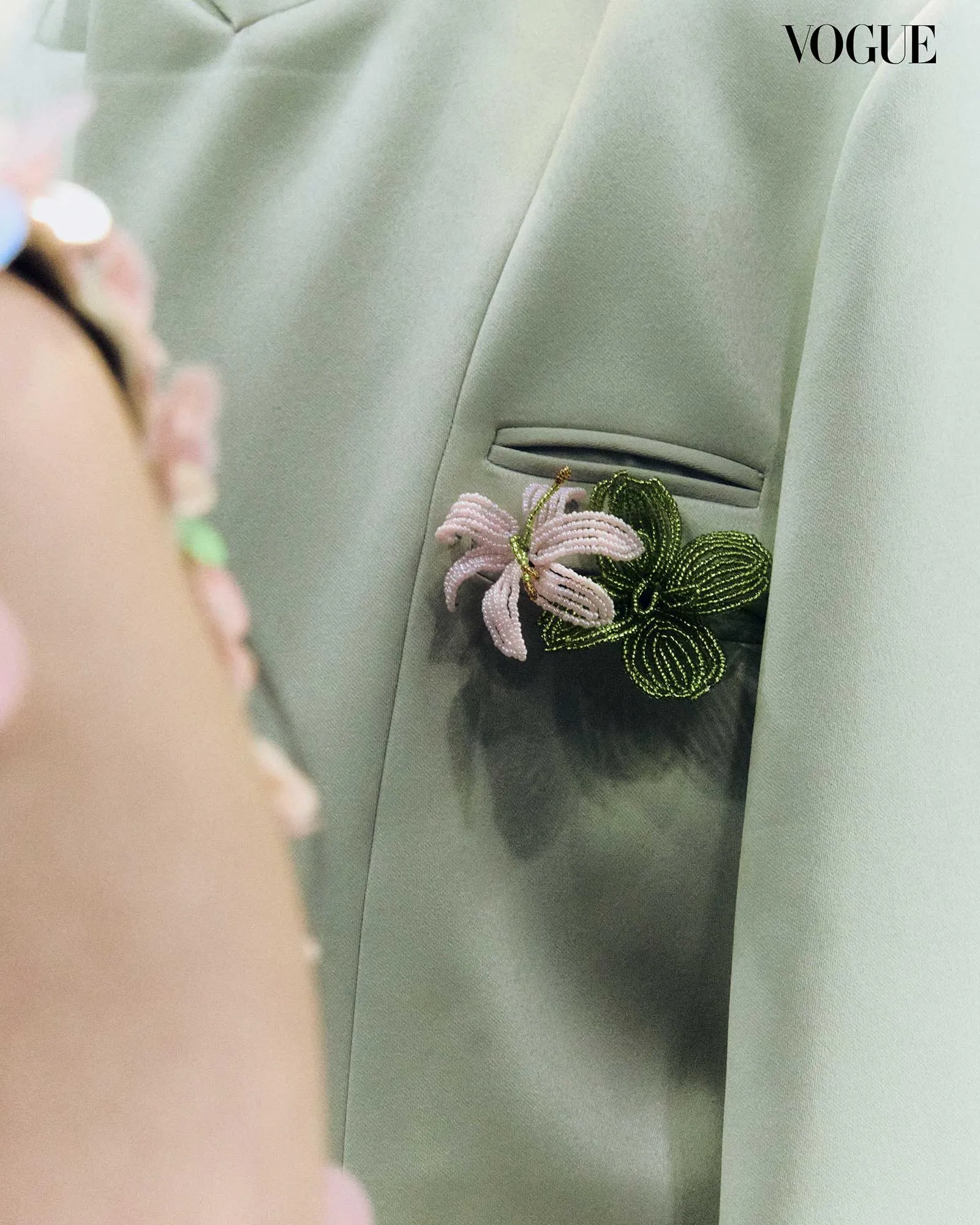
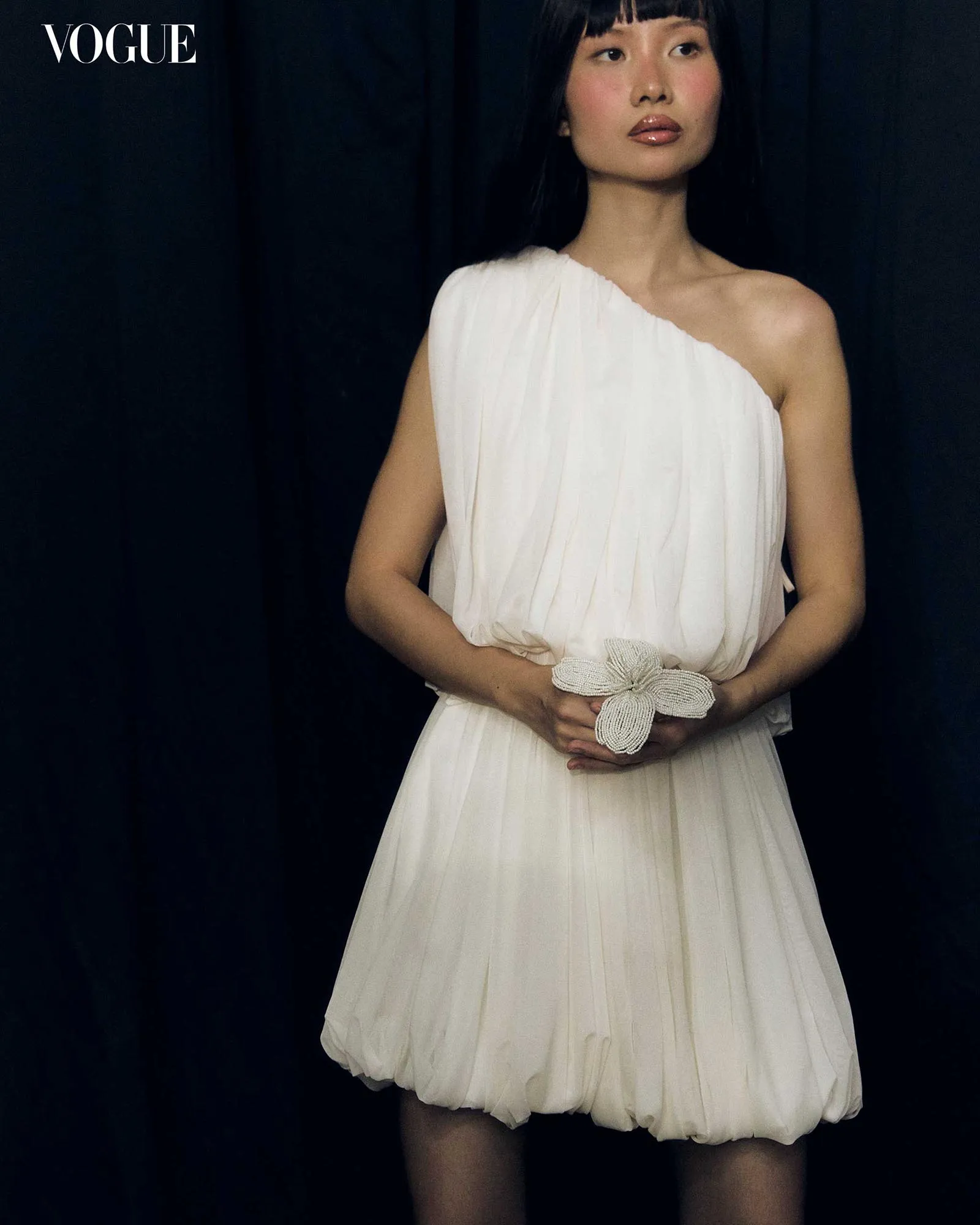
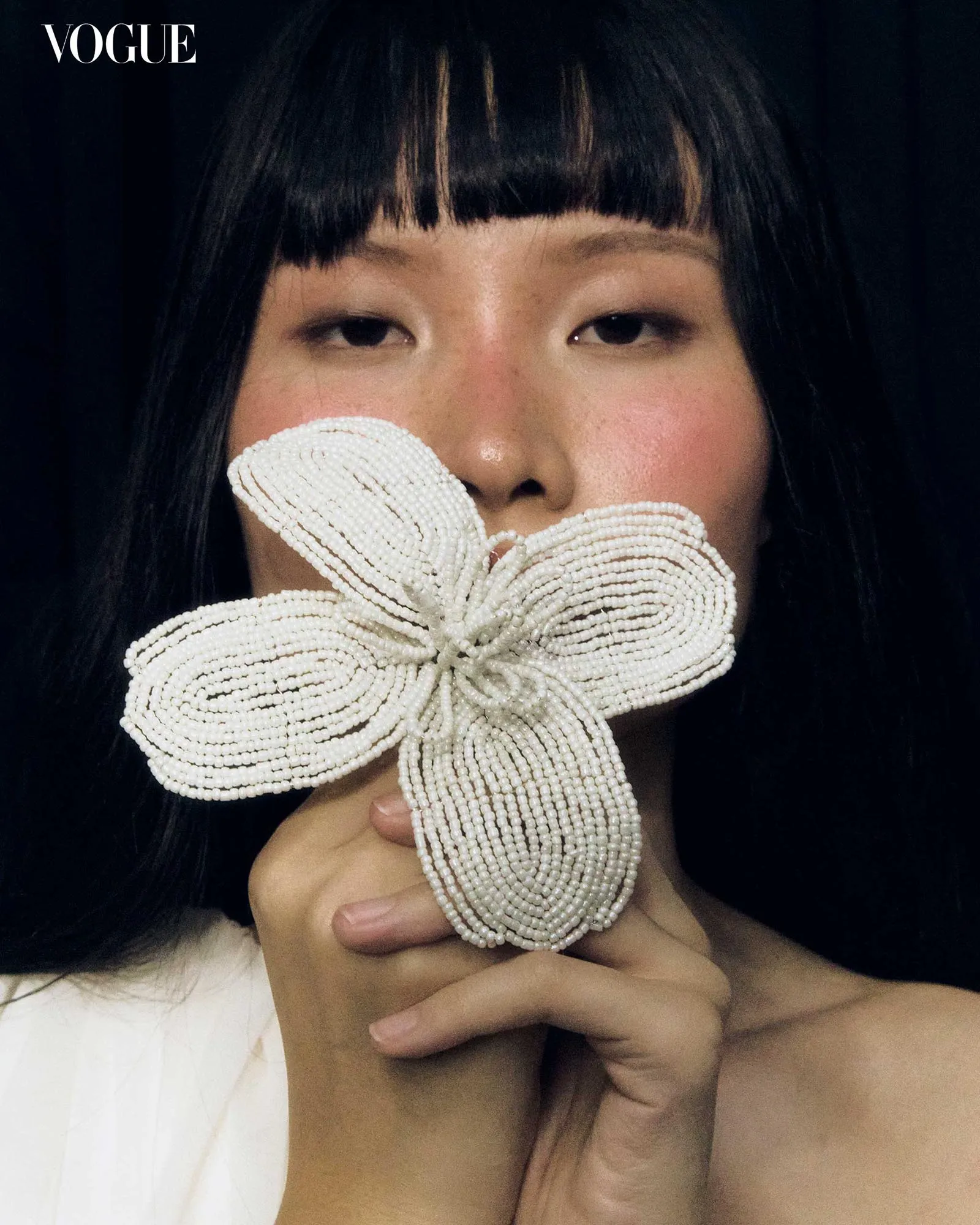
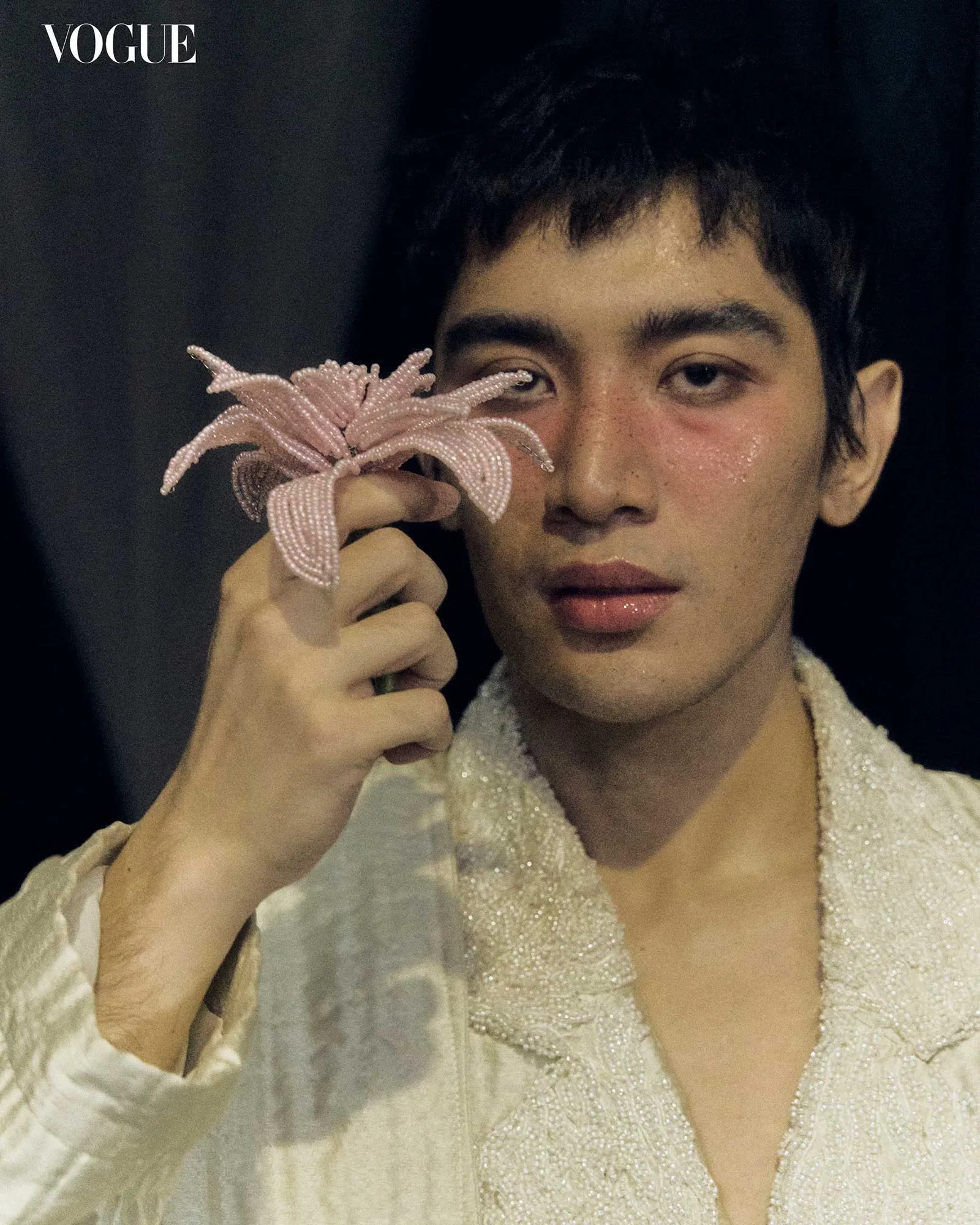
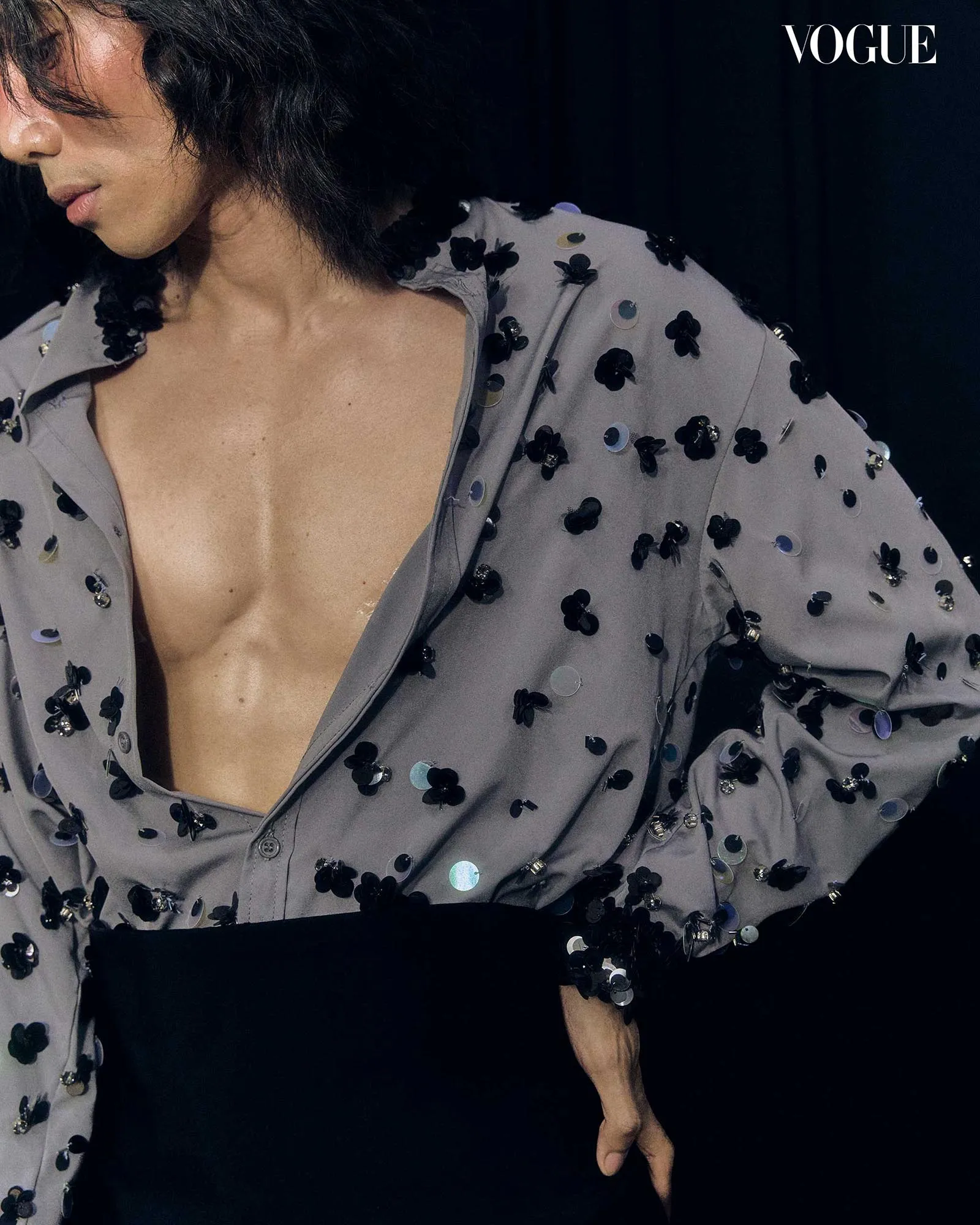
Beyond color, I integrated fabrics from DOST-PTRI. They gave us fabrics that aren’t usually in my realm like cotton piñaPiñaA luxurious, translucent fabric hand-woven from pineapple leaf fibers, most closely associated with Aklan in Panay. The painstaking process of extracting and knotting the fibers makes piña rare and costly,Go to Piña Glossary and locally woven fabrics. We were also fortunate to partner with brands we look up to and artisans like Nara Floral, who provided beaded floral accessories to complement the looks. It gave the collection a sense of synergy, everything built toward the whole essence of “Not Here.” My main point in showing this is to make clear that we took a shift.
How did you approach the design process, from the initial idea to the finished looks?
I draw inspiration from how I feel. I’ve grown as a designer and gained perspective on how design can both grow you and hold you back. There’s always constant pressure as a designer, regardless of your background. People expect something new every time, which can be tiring. Ideas grow constantly, and it evolves into something familiar or new. Designing is always a work in progress; ideas change from start to finish.
Were there any particular materials, techniques, silhouettes, or details that became important to the collection?
DOST-PTRI partnered with both MNL FW and Antonina. They gave us a wide range of cotton piña in defined colors, locally woven and processed at PTRI, and connected us directly with weaving communities. Fabrics like inubon a-sabong and sinan tawa-tawa. Inubon a-sabong came from a group of weavers in Ilocos Norte, and it’s especially meaningful because the weaving pattern, a string-of-flowers motif, was woven by National Living Treasure Magdalena Gamayo, who just turned 102. That’s one of the most special fabrics in the collection. Beyond just receiving the fabric and learning about the weaving community, they let us explore and use it in a contemporary context, no limitations on how we integrated it into the collection.
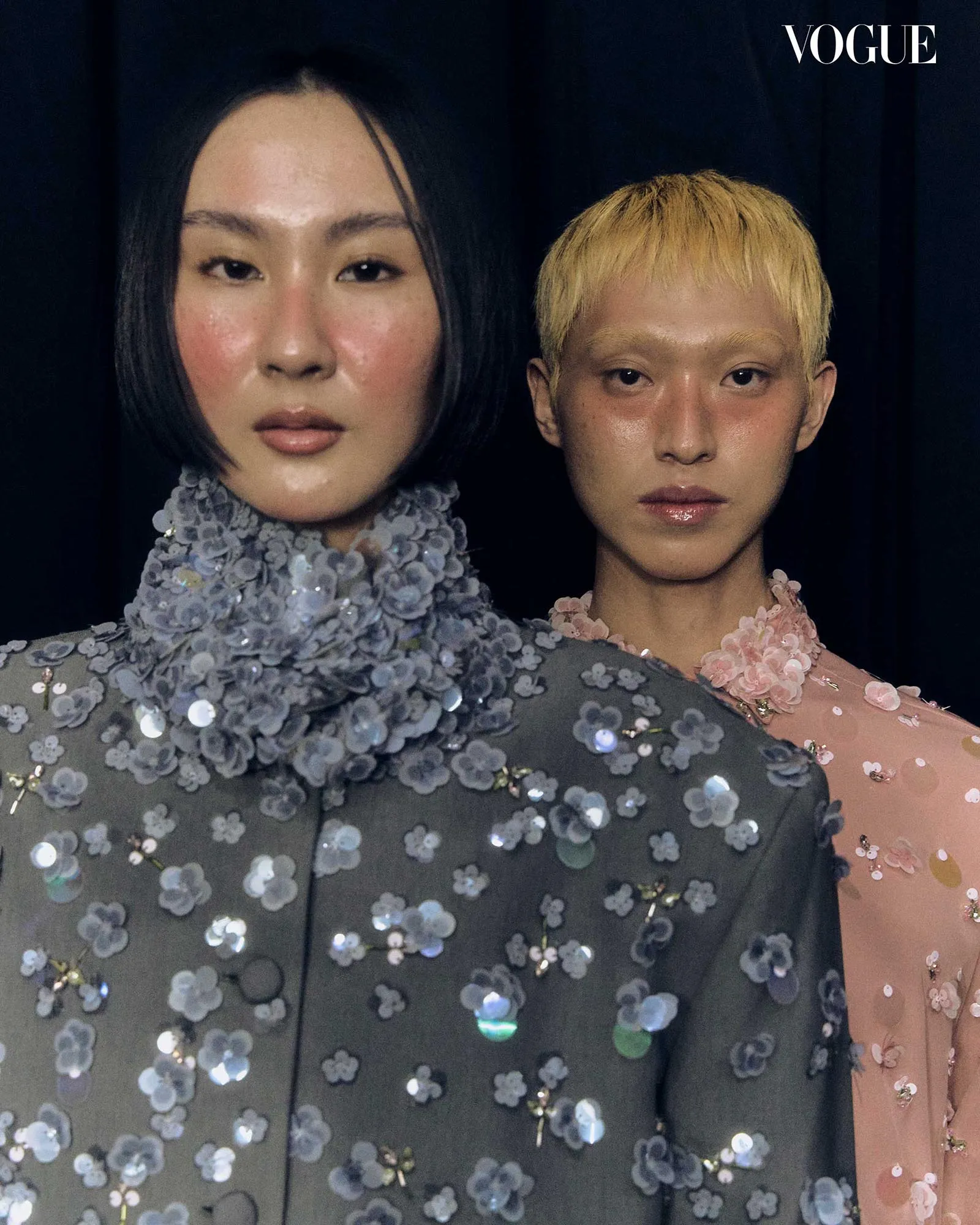
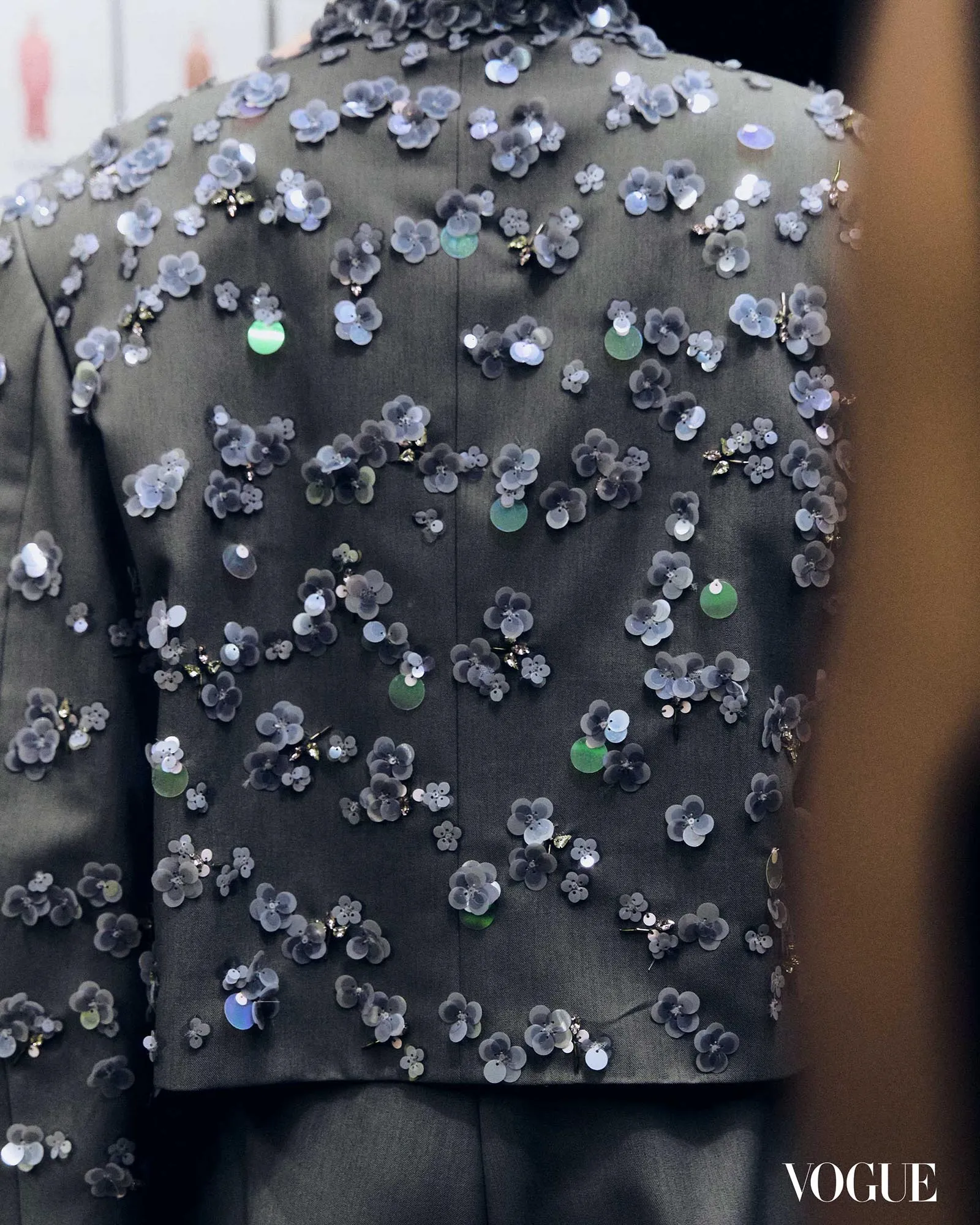
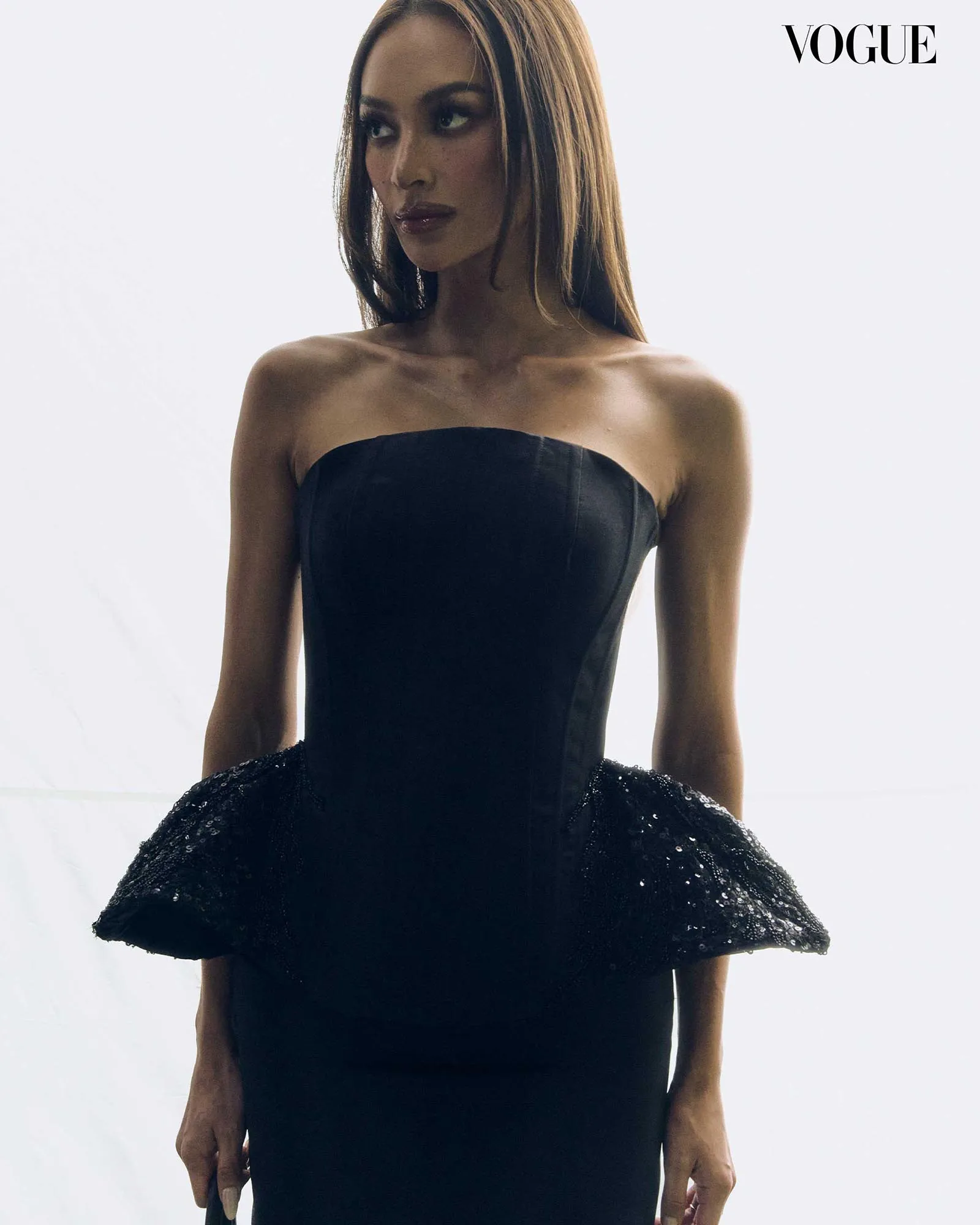
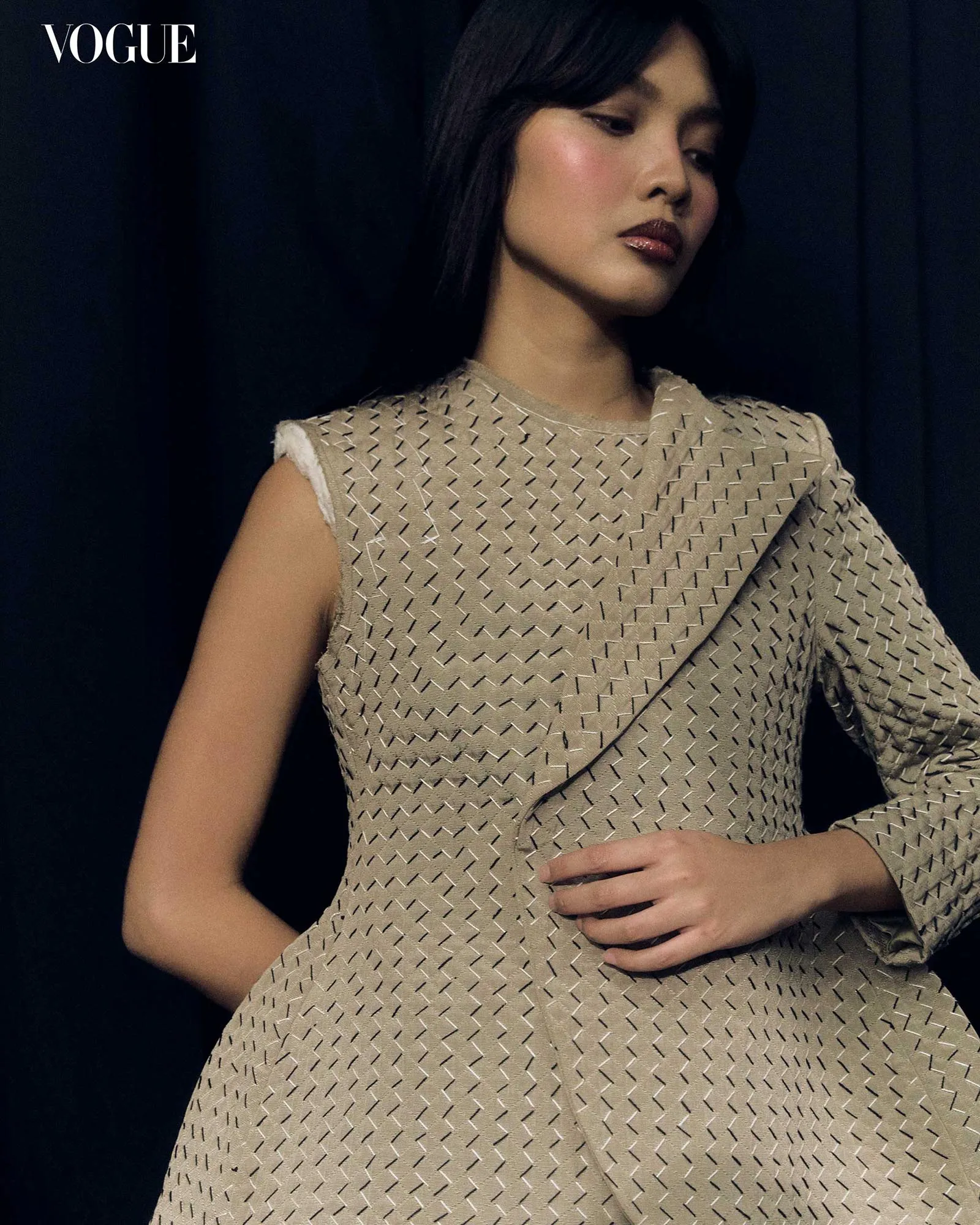
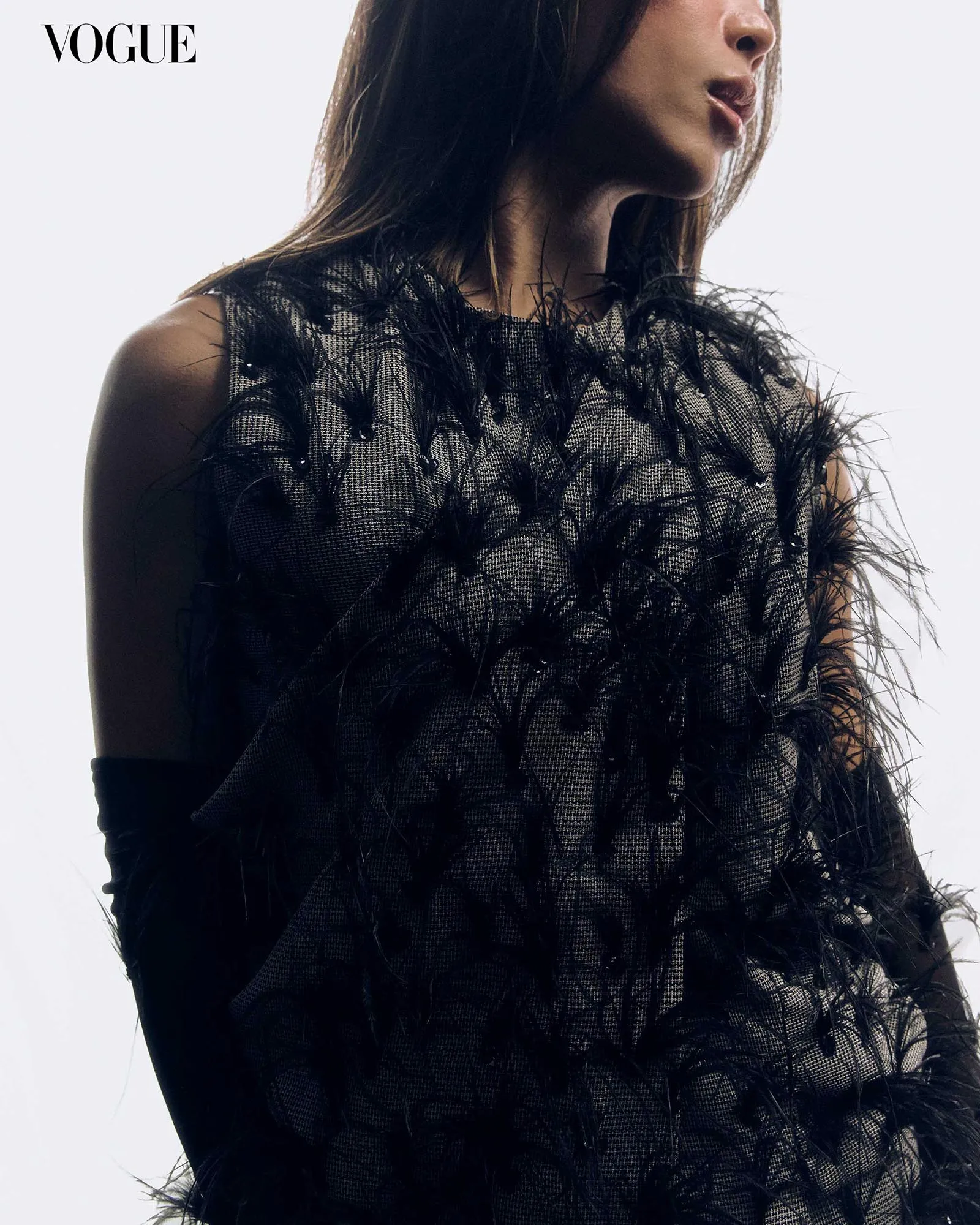
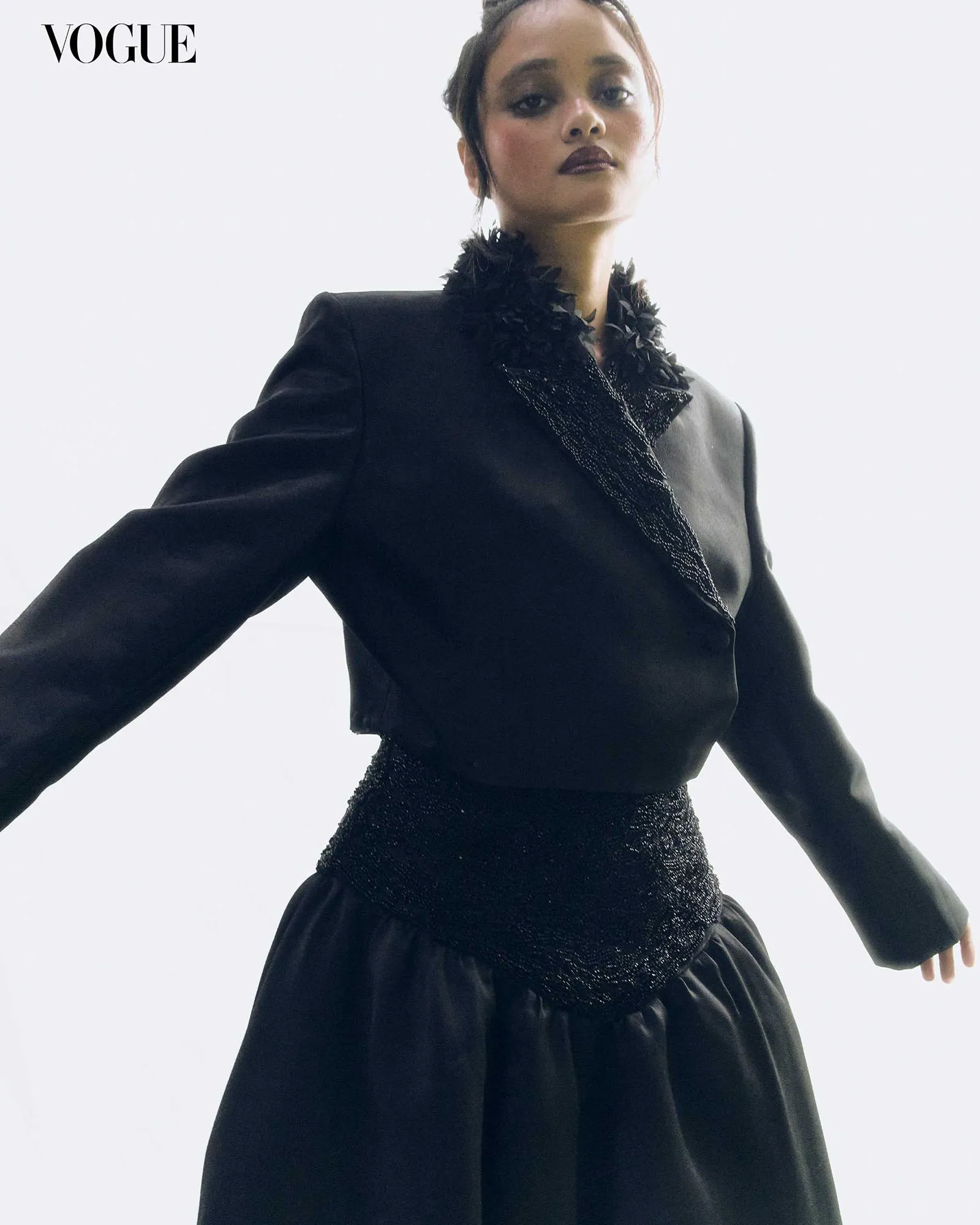
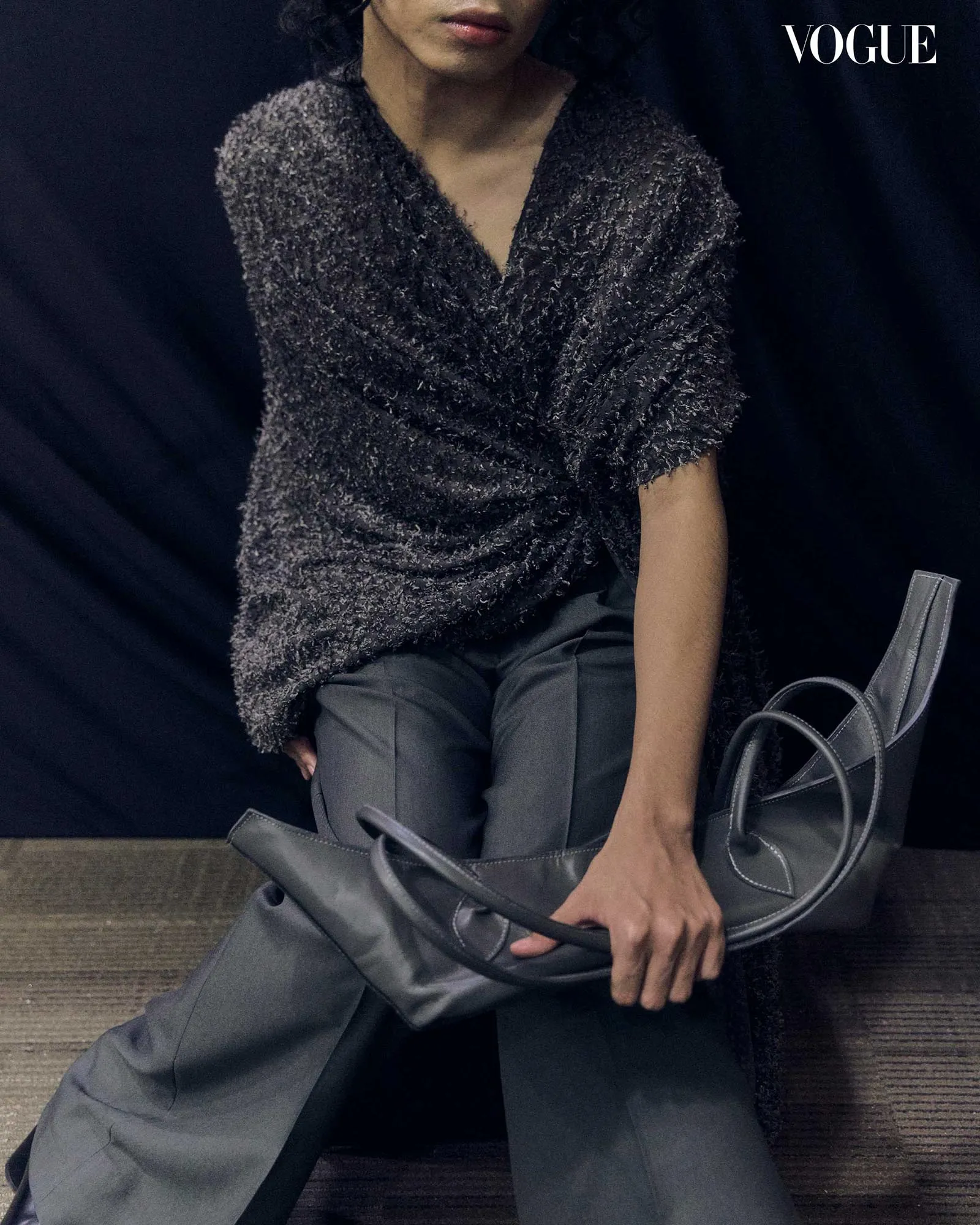
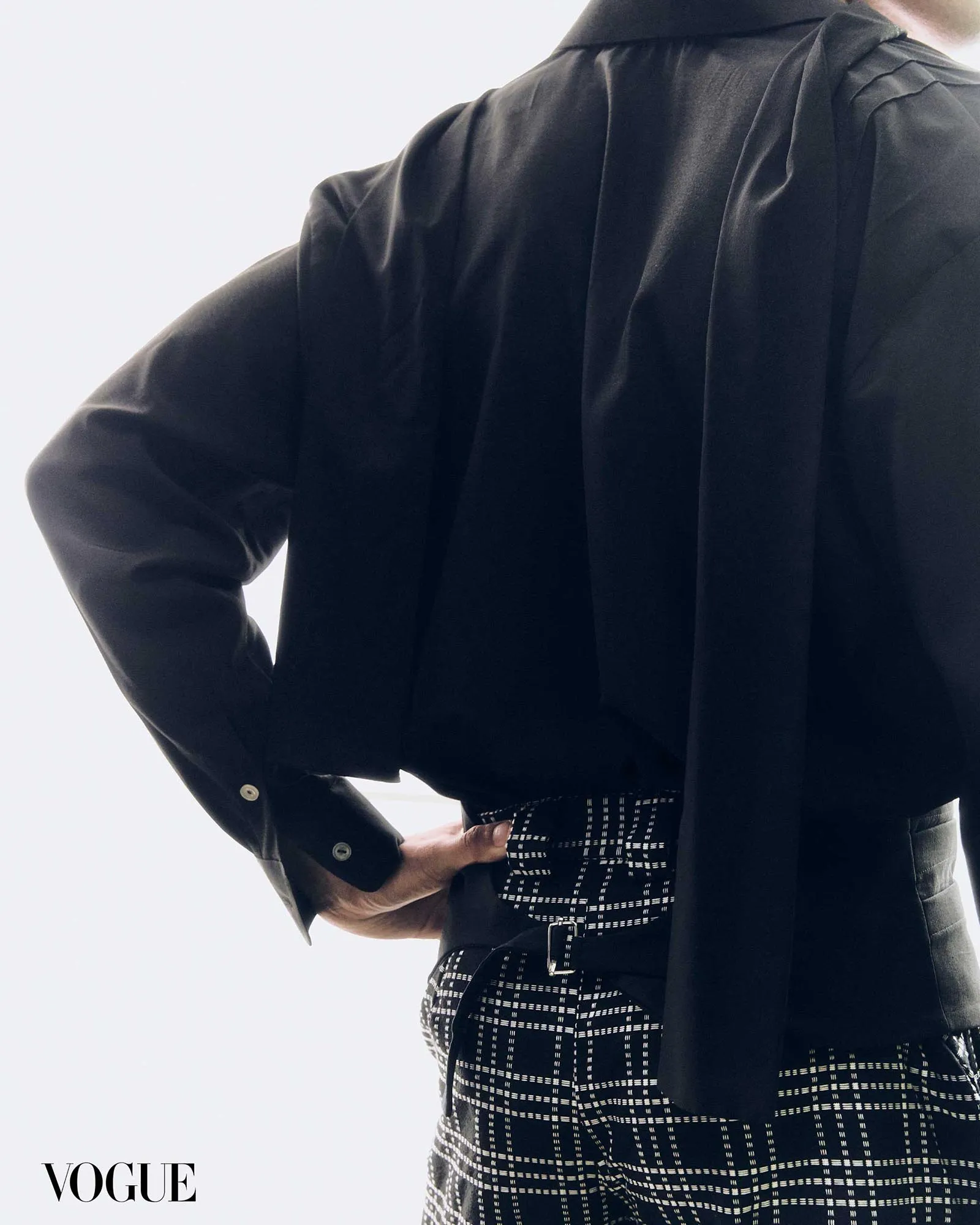
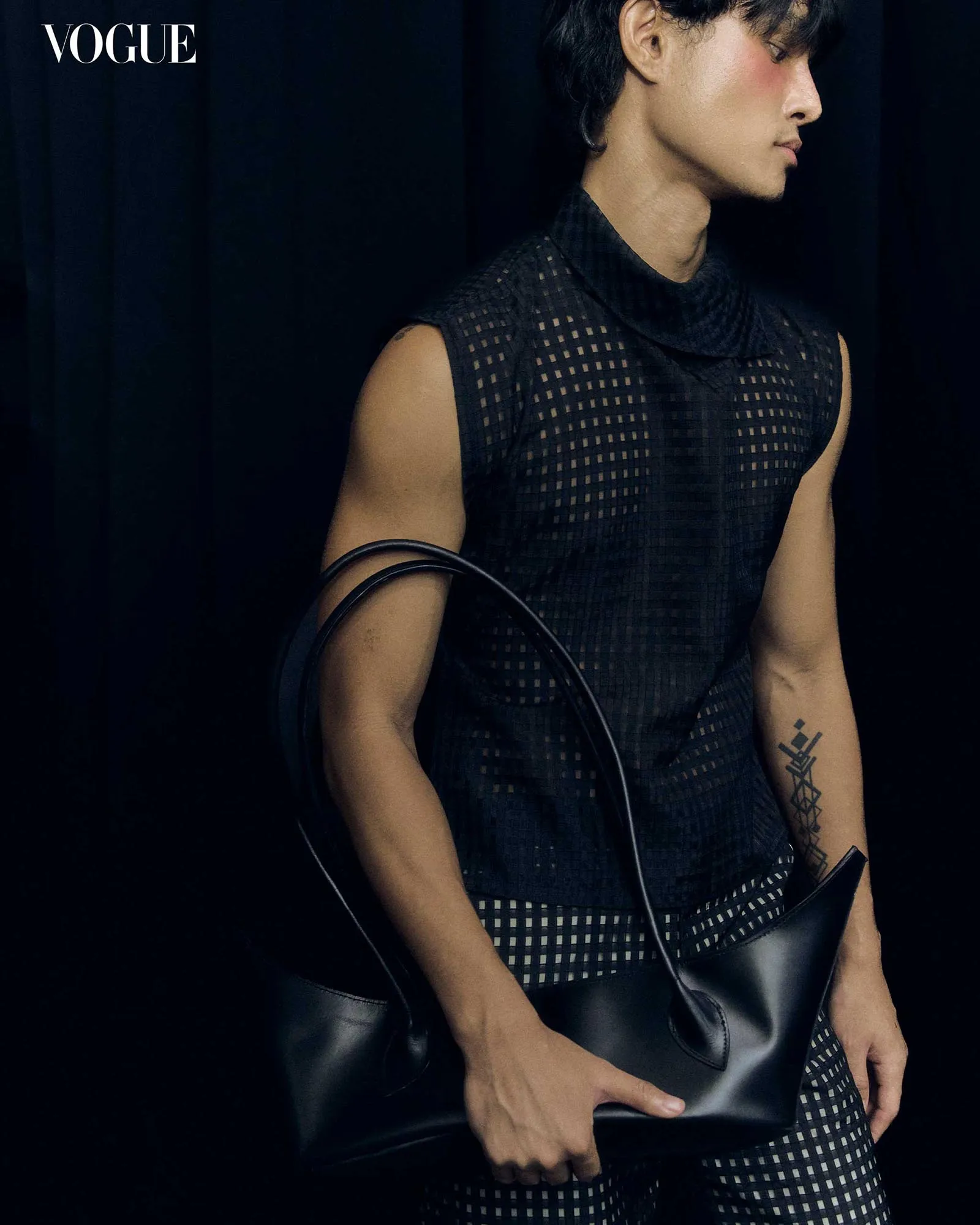
We were able to experiment on shapes and silhouettes, notably in womenswear and tailored pieces including shaped suits with oversizedOversizedA cut that is intentionally larger and roomier than the body, producing a relaxed, voluminous silhouette. Oversized blazers, shirts, coats, and knits balance comfort with style, and they work especiallyGo to Oversized Glossary hips and draping of asymmetrical looks with the use of soft tulles and meshes. We also applied the technique, which we are known for, which is the boro hand-stitching in some pink and sage green looks. Apart from that, we got to play with lots of beadwork and lace cutting, which was evident in most of the key pieces of the collection.
How do your background or life experiences shape the way you design?
My background and life experiences play a big role in the way I design because a lot of my ideas come from things I’ve personally experienced or observed. I tend to look at everyday moments, people, places, and situations and use them as inspiration for my work. My work has always been my own diary. I get to keep a record of what I feel or the state of my life during the time I created these pieces.
As a Filipino designer, how do you think your perspective comes through in your work, whether consciously or unconsciously?
I think my perspective as a Filipino designer comes through most in how I draw inspiration from my own experiences. Growing up in the Philippines, I’ve been surrounded by different people, places, stories, and everyday moments that have shaped the way I see and understand design. I often find myself turning those experiences into ideas, whether it’s something I’ve noticed in my surroundings, a memory, or even the way people interact with each other. I also think being Filipino has taught me to be resourceful and creative with what I have. Even when I’m not intentionally trying to make something feel Filipino, my background naturally influences the way I think, create, and tell stories through my work.
What do you hope people take away from this collection when they see it on the runwayRunwayThe platform or catwalk on which models present a designer's collection to an audience of editors, buyers, and guests. Runway shows establish the creative statement of a season, and Vogue'sGo to Runway Glossary?
Going back to the essence of the collection, I hope people remember the shift from what’s usually expected of the brand. Rest is a necessity, and it should always come first. Every collection has a story, and I hope that’s what people remember. Clothes, brands, and designers are all worth remembering, but it’s the stories and the impact on the people who saw the collection that really matters, something they can look up to or support.
-
 Photographed by Jom Ablay1/12
 -
 Photographed by Jom Ablay2/12
 -
 Photographed by Jom Ablay3/12
 -
 Photographed by Jom Ablay4/12
 -
 Photographed by Jom Ablay5/12
 -
 Photographed by Jom Ablay6/12
 -
 Photographed by Jom Ablay7/12
 -
 Photographed by Jom Ablay8/12
 -
 Photographed by Jom Ablay9/12
 -
 Photographed by Jom Ablay10/12
 -
 Photographed by Jom Ablay11/12
 -
 Photographed by Jom Ablay12/12
Frequently Asked Questions
Antonina Amoncio is a Filipino fashion designer and the founder of Antonina, which she established in 2018. She studied Clothing Technology at the University of the Philippines Diliman before gaining industry experience at Paul Cabral and Heleyna. In 2018, while still a college senior, she entered the Bench Design Awards, later going on to present her work at Rakuten Fashion Week.
“Not Here” is Antonina’s Spring/Summer 2027 collection, centered on the idea of rest, disconnection, and taking a pause from the constant pressure to keep moving.
The collection incorporates cotton piña and locally woven fabrics supplied through DOST-PTRI, including inubon a-sabong from Ilocos Norte and sinan tawa-tawa. It also features textiles by Magdalena Gamayo, a National Living Treasure and master inabel weaver who continues the centuries-old tradition of Ilocano handloom weaving.
The brand has largely worked with monotones and black since 2019. “Not Here” introduces a much broader use of color, texture, and pattern, alongside new shapes and silhouettes.
“Not Here” is the label’s first full collection since Amoncio’s debut in 2018, making it both a return to a full-scale collection and a deliberate redirection for the brand.