
How 4 Designers Define Their Creative Code at Fashion Forward Asia Forum


Photographed by Xavier Mallari
Photographed by Xavier Mallari
From drawing inspiration from one’s surroundings to embracing experimentation, four industry leaders reflect on what it means to develop a creative language of one’s own.
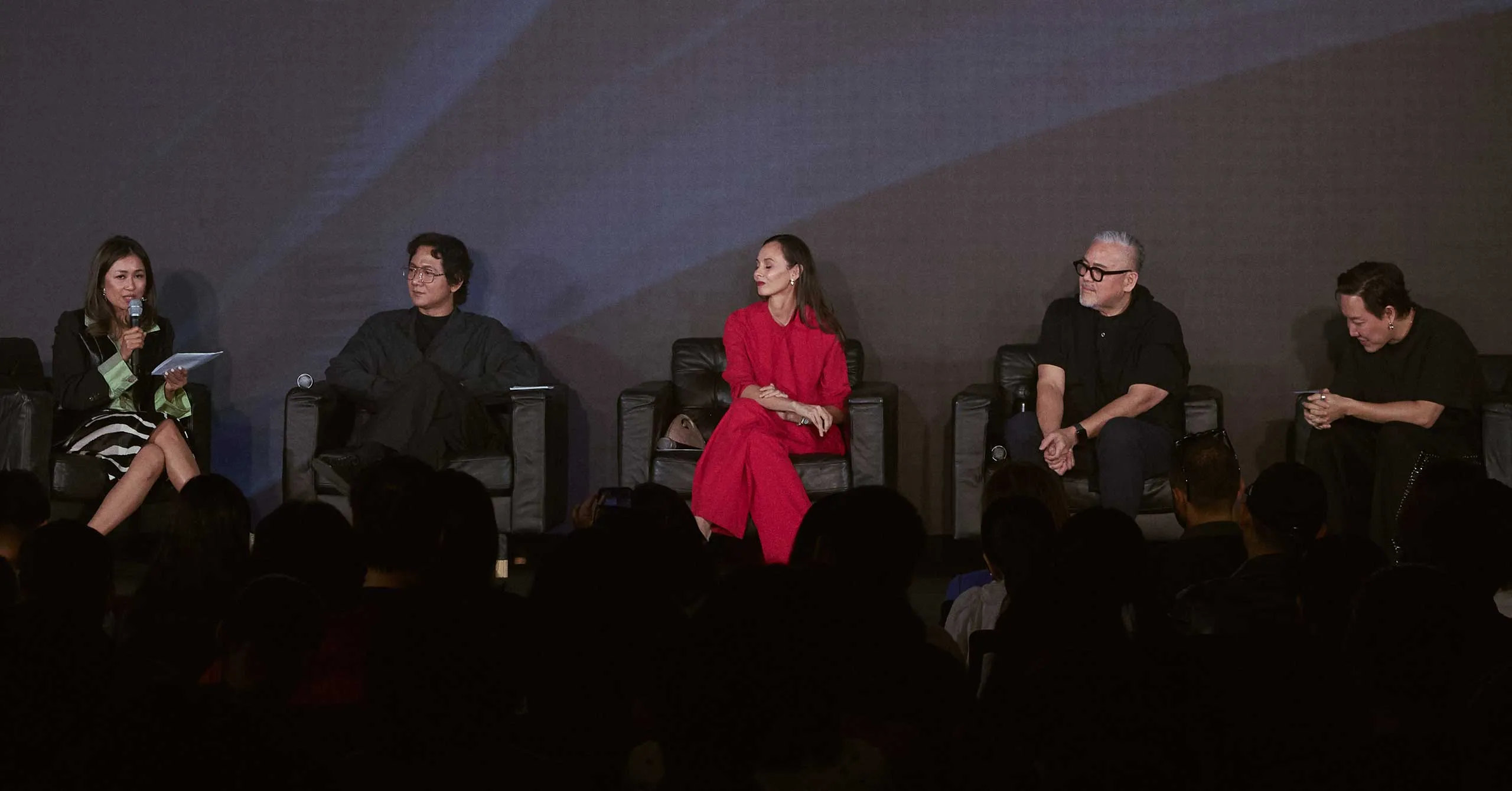
Post-Fashion Week Asia runwayRunwayThe platform or catwalk on which models present a designer's collection to an audience of editors, buyers, and guests. Runway shows establish the creative statement of a season, and Vogue'sGo to Runway Glossary shows, the fashion dialogue continued at the Fashion Forward Asia Forum. Held at the Marriott Grand Ballroom in Pasay City, the afternoon kicked off with the talk, “The Creative Code.” Moderated by Vogue Philippines deputy editor Pam Quiñones, the panel explored how Vogue Singapore editor-in-chief Desmond Lim and fashion designers Toton Januar, Amina Aranaz Alunan, and Rajo Laurel develop their voice and build a visual vocabulary.
On where ideas originate
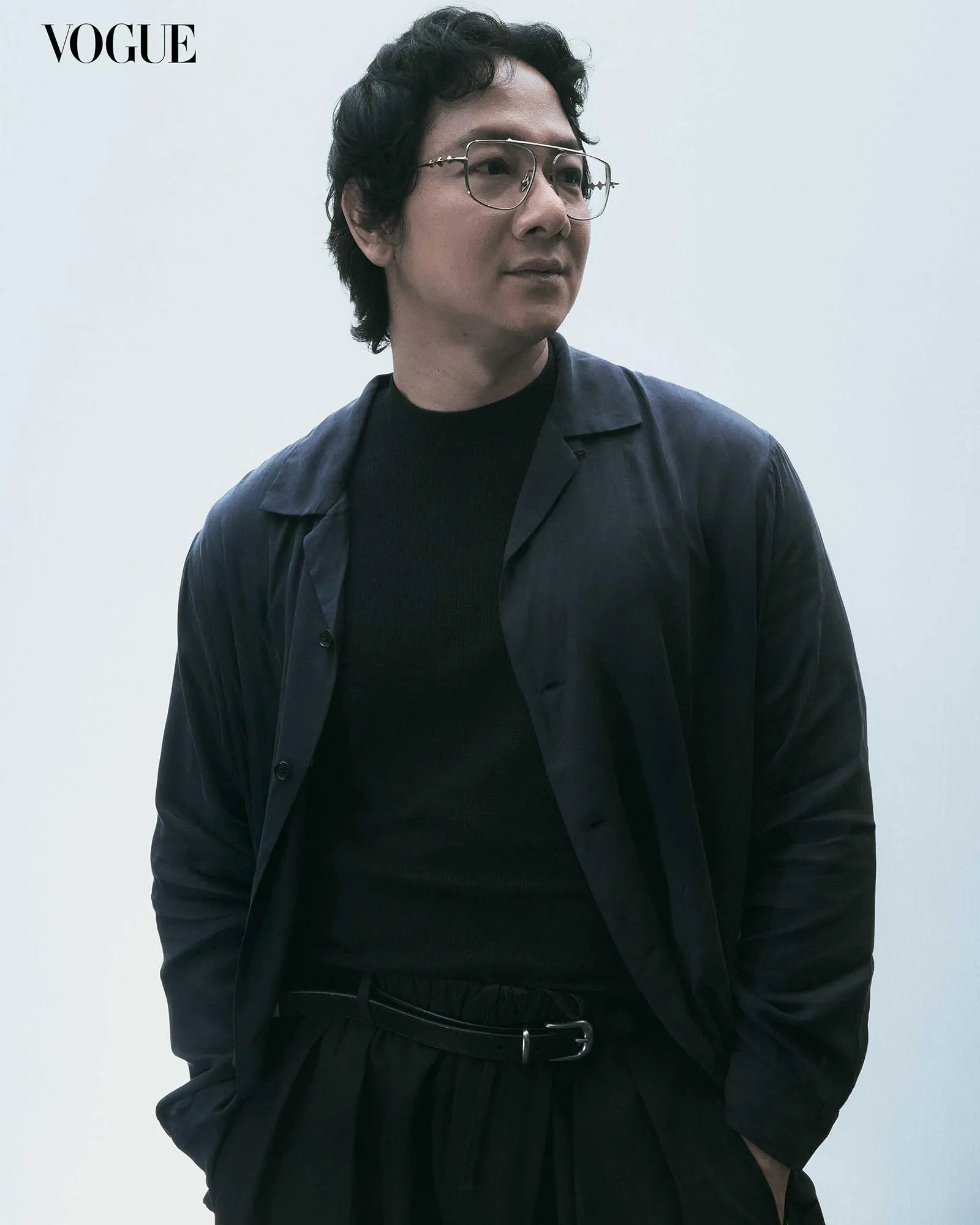
For Januar, emotion is what he draws on as a designer. “Most of the time, I look around me and my culture, what’s going on in my country, the political and economic turmoil,” he said. “Fashion is not only creating clothes, but it’s a way for me to express my emotions, my opinions through the artistic way of thinking about things.”
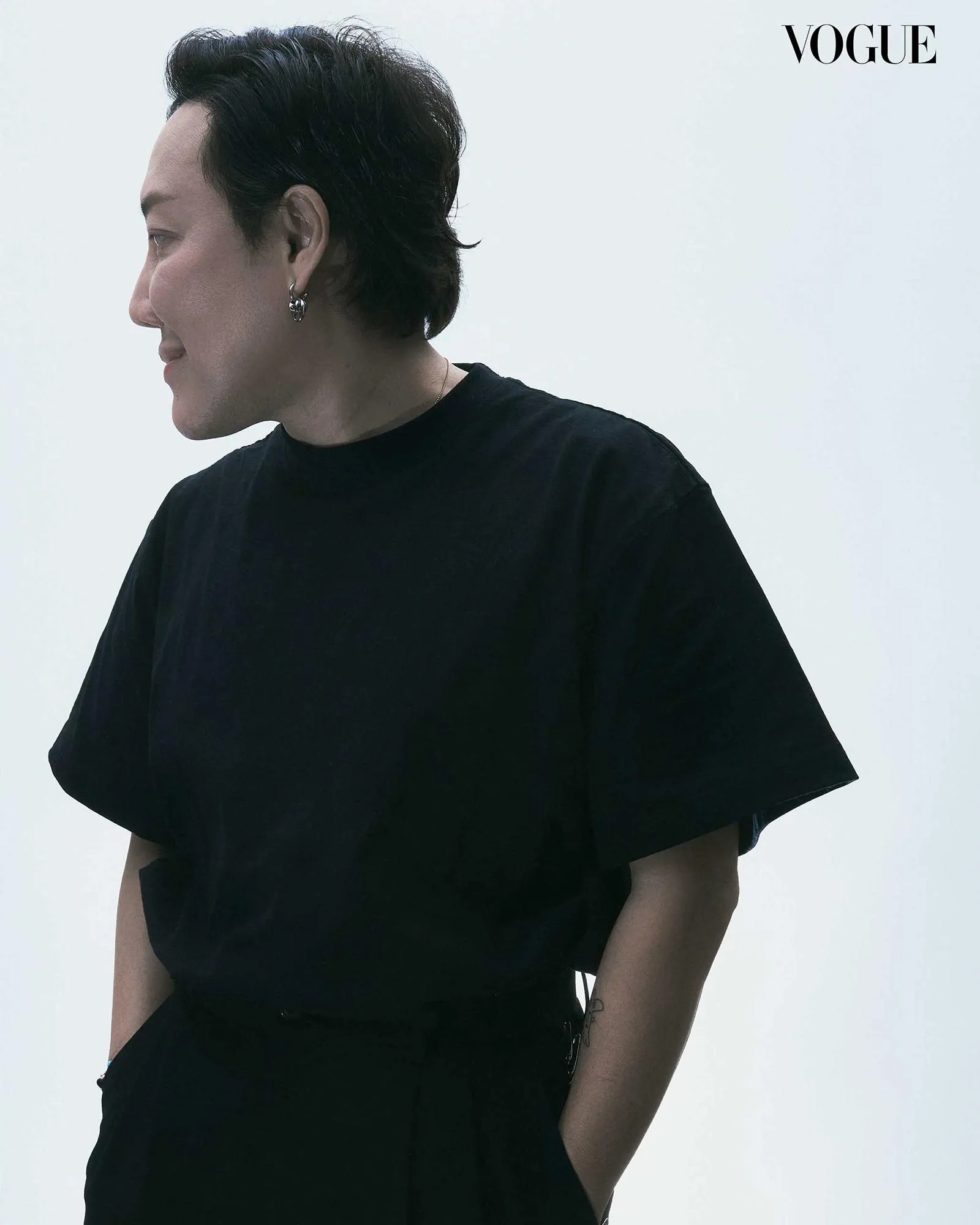
Similarly, Laurel also looks externally for inspiration. “For me, inspiration is really about brand new experiences. So, I seek these brand new experiences so that other people can experience it,” he said.
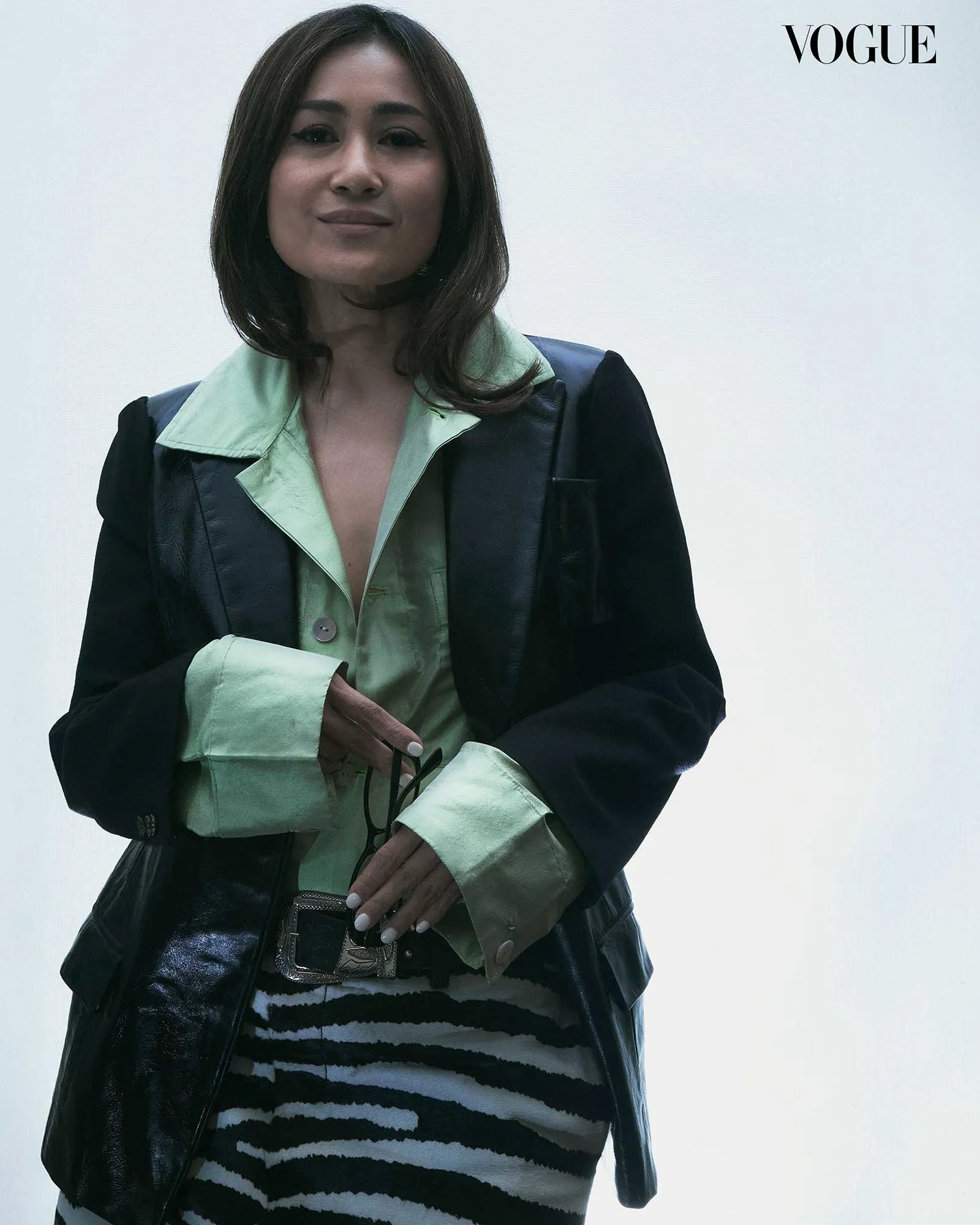
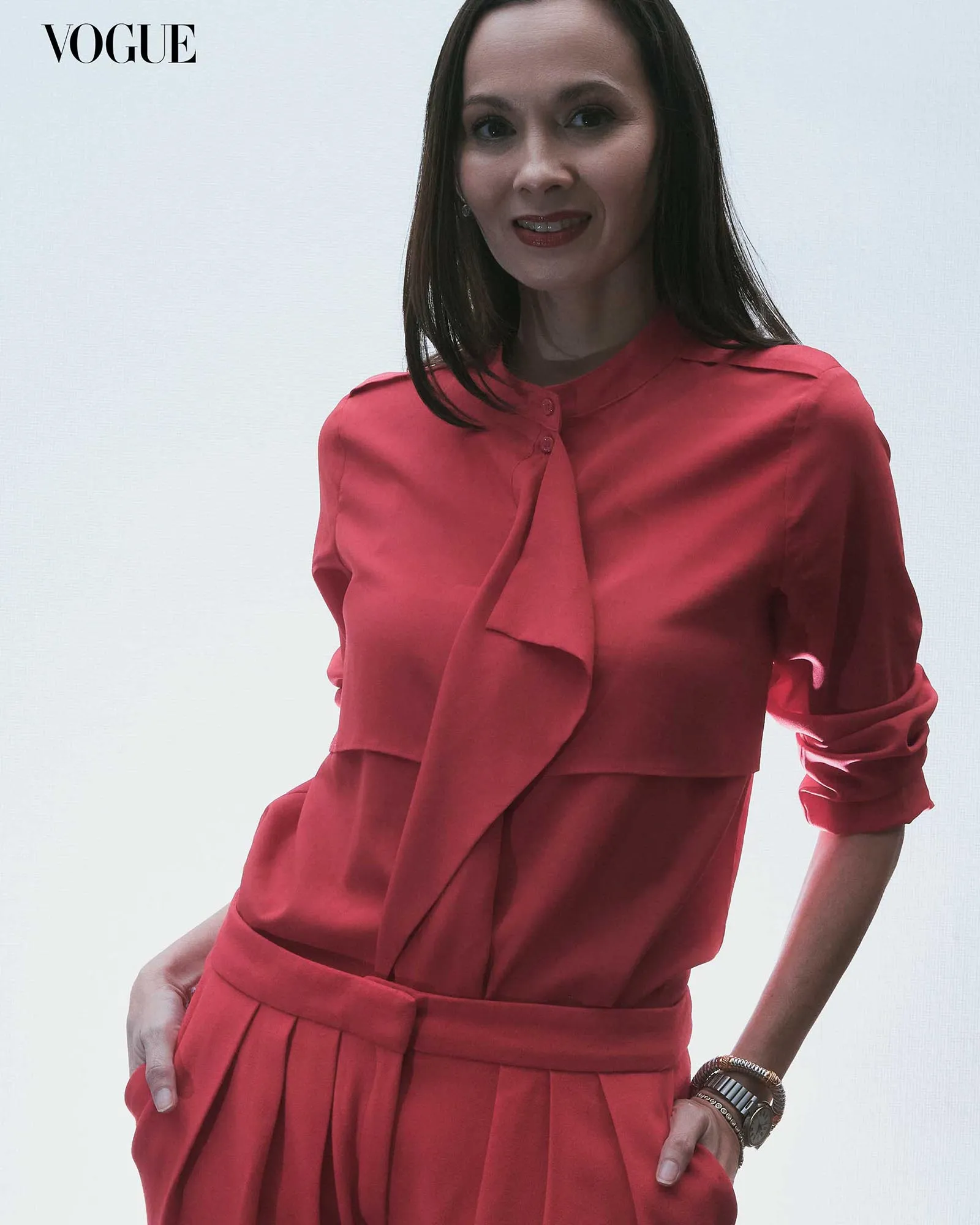
On the other hand, Alunan looks internally. “There’s always an introspection that comes with beginning the design process,” she said. “The starting point really is self-understanding, self-awareness, and then you try to go deeper and explore and nurture it until slowly, little by little, through experimentation, a lot of play… you will eventually find your design language.”
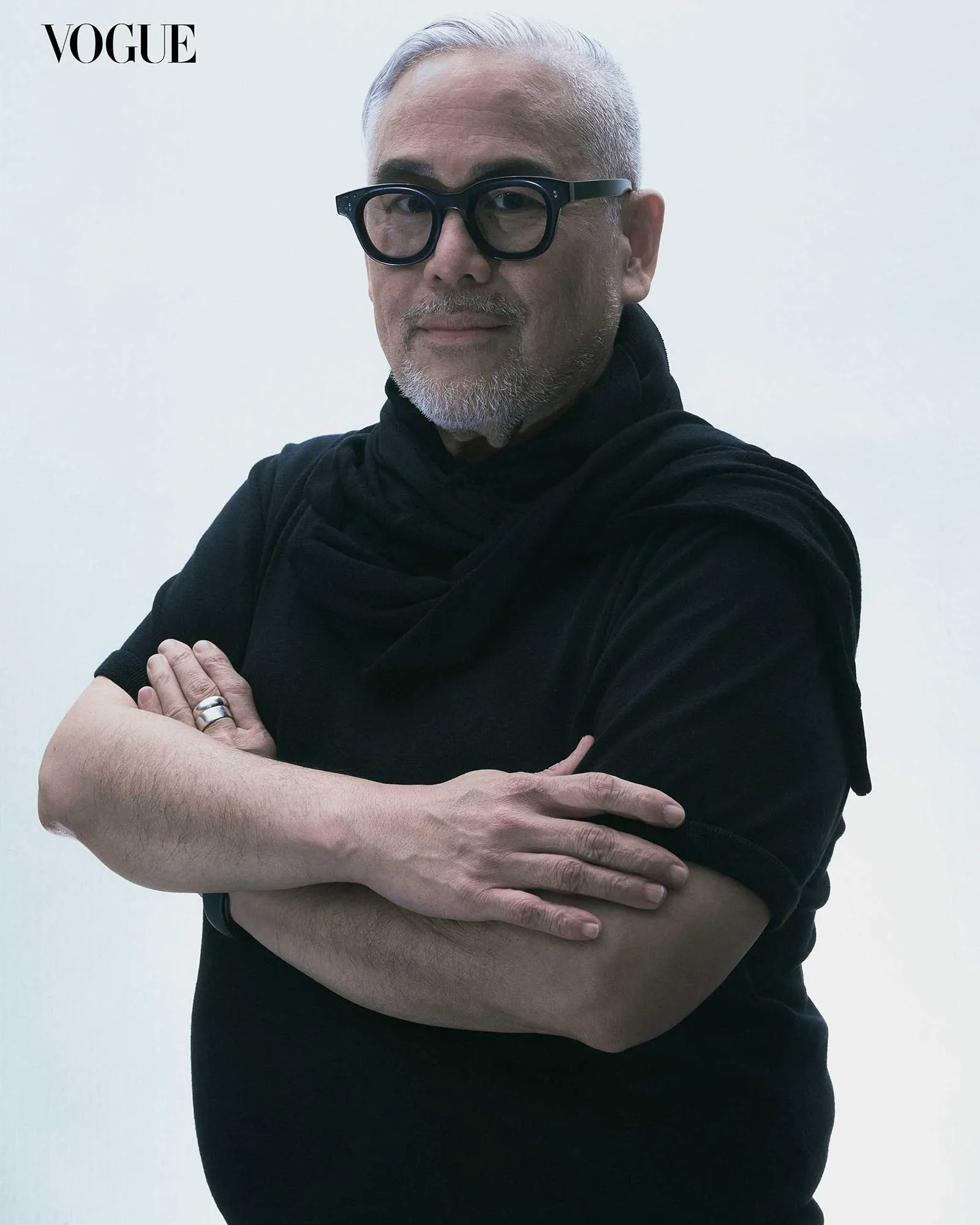
From a publishing standpoint, Lim shared that he encourages his team to lean into their own perspective with curiosity: “I always tell that to my team, I always suggest for them to think of culture from their own point of view, how they grow up understanding tradition, how they grow up understanding craft, how they grow up understanding storytelling.”
Transforming ideas into tangible form
For each designer, the creative process differs just as much as their design codes. Alunan thrives under pressure, while Laurel freezes up. While the way that they design is unique to their process, each one has a North Star that guides them: imagining a world and a story for a collection.
“At the beginning of every collection is the most exciting for me because it’s a chance for me to build a world,” Januar said. “Most of the time, it’s not answers that I’m trying to provide, but questions. Like, I see something conventional, and I question it.”
“When you start off with a collection, you start with defining your focus. You know, what do you want to say with this collection?” Alunan said. For her, once that is established, the rest begins to fall into place.
Designs take on a new meaning when worn
After ideating a world for their collections, each designer lets them find new life with their wearers. “For me, what makes fashion exciting is the way they interpret what you do,” Laurel said. “In fact, the minute it leaves the studio, you have to let go of this creation and let it live through the vocabulary of another person’s life.”
“What I want to add is, I think as designers, we also cannot be… I would say too proud of our work that we completely own the piece,” Alunan said. “ When you have a spirit of generosity, that’s also how new ideas come about.”
The values that build their creative identity
The panel ended with a few parting words for emerging designers. Lim leads the conversation: “I think for me, number one is follow your heart, not follow a trend. I think your gut instincts will guide you to interesting places.”
Throughout the journey, Alunan advises designers to stay humble, operate with kindness, and to have fun. “It’s really when you start playing and letting go, that’s when the magic happens. So, don’t ever let go of that curiosity, don’t ever let go of that playfulness,” she said.
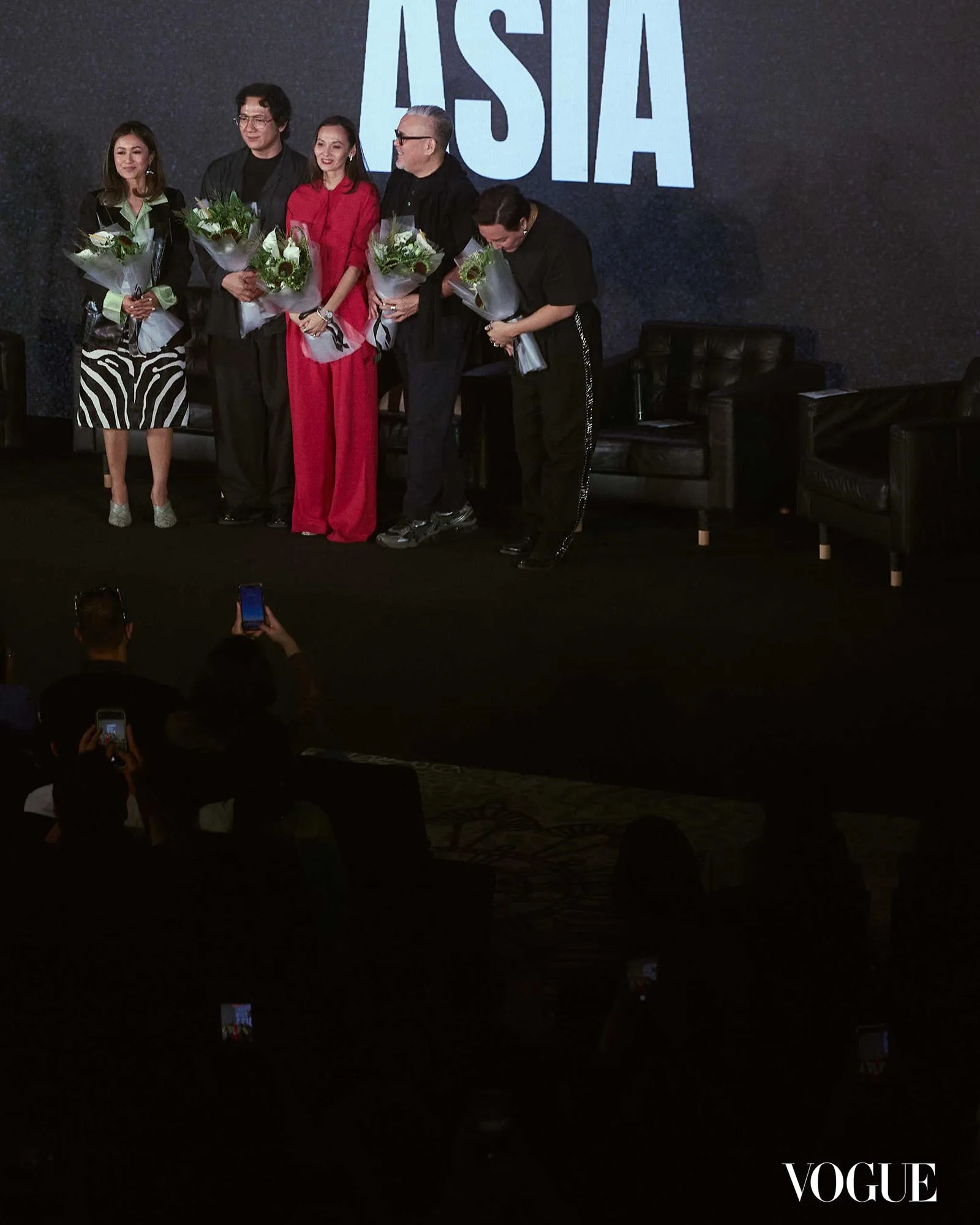
Januar is also led by curiosity: “You have to expand your world, you have to go beyond fashion and see whatever else makes yourself not only richer as a designer, but richer as a human being.”
Laurel ends the talking point with a gentle reminder: “Be patient, don’t be in a hurry, enjoy the process.”
Frequently Asked Questions
It is a premier industry gathering that brings together Asian designers, creative directors, fashion editors, and tech innovators to discuss the future of the fashion industry across the region.
It was hosted at the Diplomatic Hall of the Manila Marriott Hotel, Newport World Resorts.
This year, the forum had discussions titled “The Creative Code: Voice, Identity, and Point of View,” “Making it Work: From Creative Practice to Business,” The Material Revolution: Craft, Technology, and New Possibilities,” Access: Fashion Week: How to Get In, Get Seen, and Get Started,” and “Fashion As a Voice: Image, Narrative, and Cultural Power.”
Speakers included Vogue Philippines editor-in-chief Trickie Lopa and deputy editor Pam Quiñones, joined by designers Toton Januar, Amina Aranaz Alunan, Rajo Laurel, Thao Vu, and industry leaders such as Fashion Week Asia’s founder and co-chair Apples Aberin, and others.
Fashion Week Asia (FWA) is a regional fashion event and platform that brings together designers, creatives, and industry leaders from across Asia to showcase the continent’s fashion on a global stage.