
What Your Pet Wants You to Know: Inside the World of Animal Communication


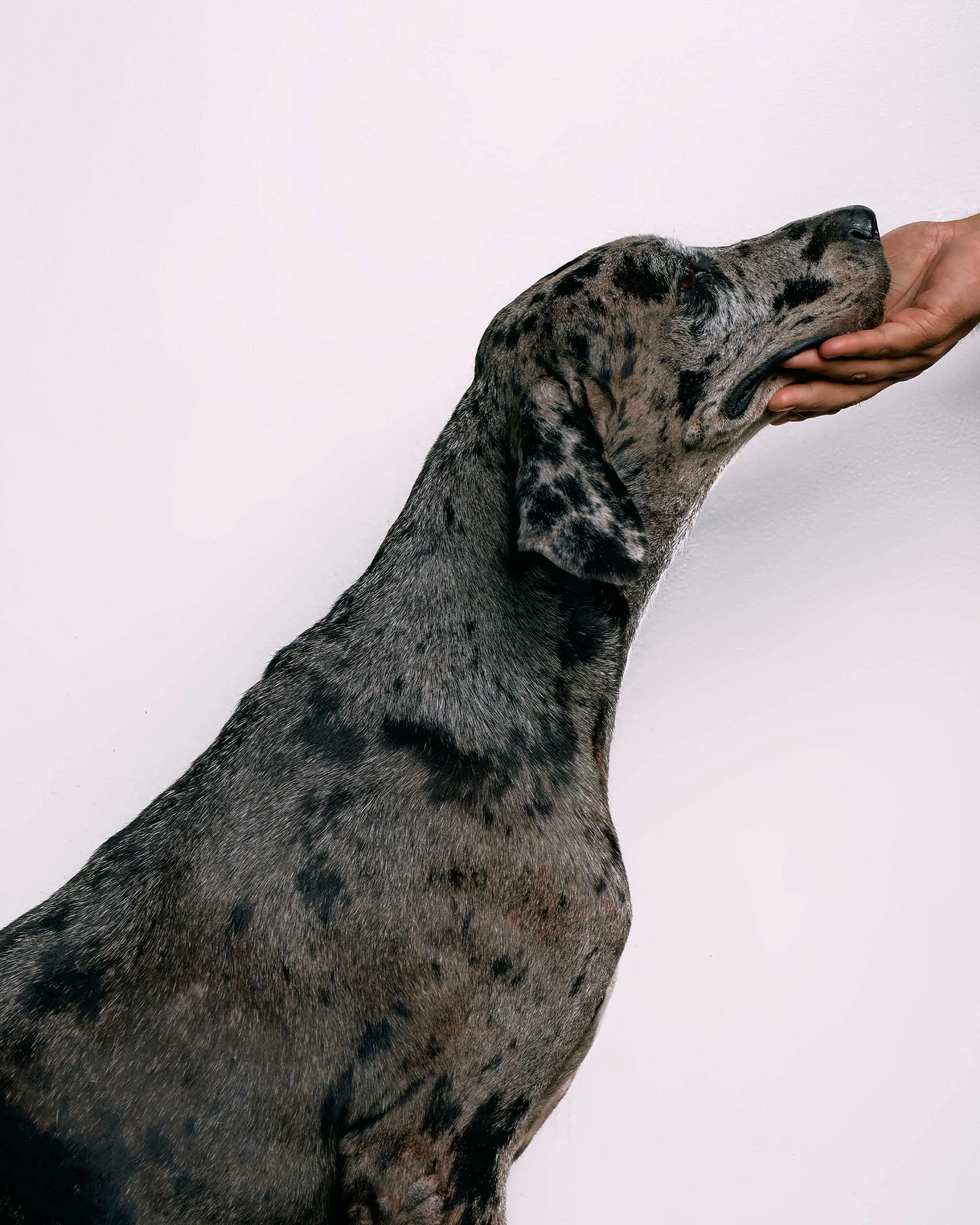
Photographed by Sela Gonzales
Ann Tero of Mina’s Dream Space explains how tuning in to animals’ feelings and needs can deepen our understanding of the pets we share our lives with.
“Birds in the city are having a rap battle all the time.”
This is how Ann Tero would describe the sound she usually wakes up to, thanks to her ability to understand animals. In addition to being a kundalini yoga teacher, tarot reader, and astrologer, she also calls herself an animal communicator.
In 2018, she founded Mina’s Dream Space, her animal communication and advocacy practice. In her sessions, Ann doesn’t need to be in the same room as the animal friend she’s communicating with. She only needs two things: their name and a photo. She says the connection happens immediately because she believes that we’re all connected, either physically, energetically, or spiritually.
“When they communicate with me, whatever they allow, that’s all that I will be getting. Meaning, if they allow me to see what they see, allow me to hear what they hear, or allow me to feel what they feel,” she says. “Allow is a big keyword in the sessions because I never force them. Because oftentimes, my sessions happen to be the stage for when many of our animal friends are like, ‘Oh, finally, there’s a human who can understand us.’ And then I let them speak first if they want to.”
Ann would like to clarify, though, that whatever animal friends want to communicate with her comes through telepathy; they do not speak in human languages. When animal friends have nothing to share with her actively, Ann can observe how energy moves through their bodies, or what she calls “parallels.” This lets her advise their human companions that a veterinarian might need to check certain areas of the animal’s body. Over the years, she has experienced communicating with animals at different stages of their lives; the most common topic she hears from household animals is their reklamos.
“When I talk to any living being, I am looking simultaneously at three bodies,” she explains. The first is the physical body, what we can see and touch; the second is the energy body (“Some people [compare energy to] water and electricity, but to me, it’s just a texture. It really depends. Sometimes it looks like light”); and the third, “my term for it is the soul.” She elaborates, “[The soul] is really the one that does the ‘allowing.’ It’s just my personal belief [but] the soul is really the body that is having the adventure, meaning, [even] if I’m no longer in this physical body, there is still another adventure.”
Through this ability, Ann has come to realize, and wants to emphasize, that sharing your life with an animal friend also means taking care of them. In other words, it means honoring their physical and energetic bodies, as well as the adventure they’ve chosen. For example, loving animals doesn’t mean treating them like human babies, though she knows not everyone will agree. She says that kind of care might not align with an animal’s needs, or honor who they really are.
“If they are a dog, then how best can you address and give them the best dog life? Meaning, how can a human allow their dog to use all four paws if the paws are still complete? How can humans allow their dog to use the physical, vocal force they have? Because there are many people who discourage their dogs from barking. It’s not always wrong, but it’s part of [recognizing the question] ‘How do I balance that?’ ”
At the end of the day, Ann sees it as a daily practice to remind ourselves that it’s not really about the animal. It’s more about what we can do for them, especially because the world has been changed so much by people, while animals cannot change it themselves.
“I think living on earth has to be intentional,” Ann says. “And if you can go slower to really see and observe even other animals, then I think that’s a really big and impactful way of living.”
Frequently Asked Questions
An animal communicator connects with animals telepathically to understand their thoughts, feelings, and sensations. They tune into the animal’s perspective without using spoken words or physical cues.
The communicator doesn’t need to be in the same room as your pet to connect. Practitioners like Ann Tero need the animal’s name and a clear photo to tap into their energetic and spiritual body.
The communicator lets the animal take the lead and share whatever they want to express. Pets often use the time to air their daily complaints (reklamos) or share how their bodies feel.
You can easily reach out by dropping a direct message on Instagram to get started. Be ready with your pet’s name and a photo of their face so Ann can set up the reading.
No. Communication is meant to support, not replace, medical care. Ann Tero, for one, senses energy blockages or physical discomfort during a reading; she’ll advise you to consult a licensed veterinarian.