
The Beauty of Ma: Why Less Is More


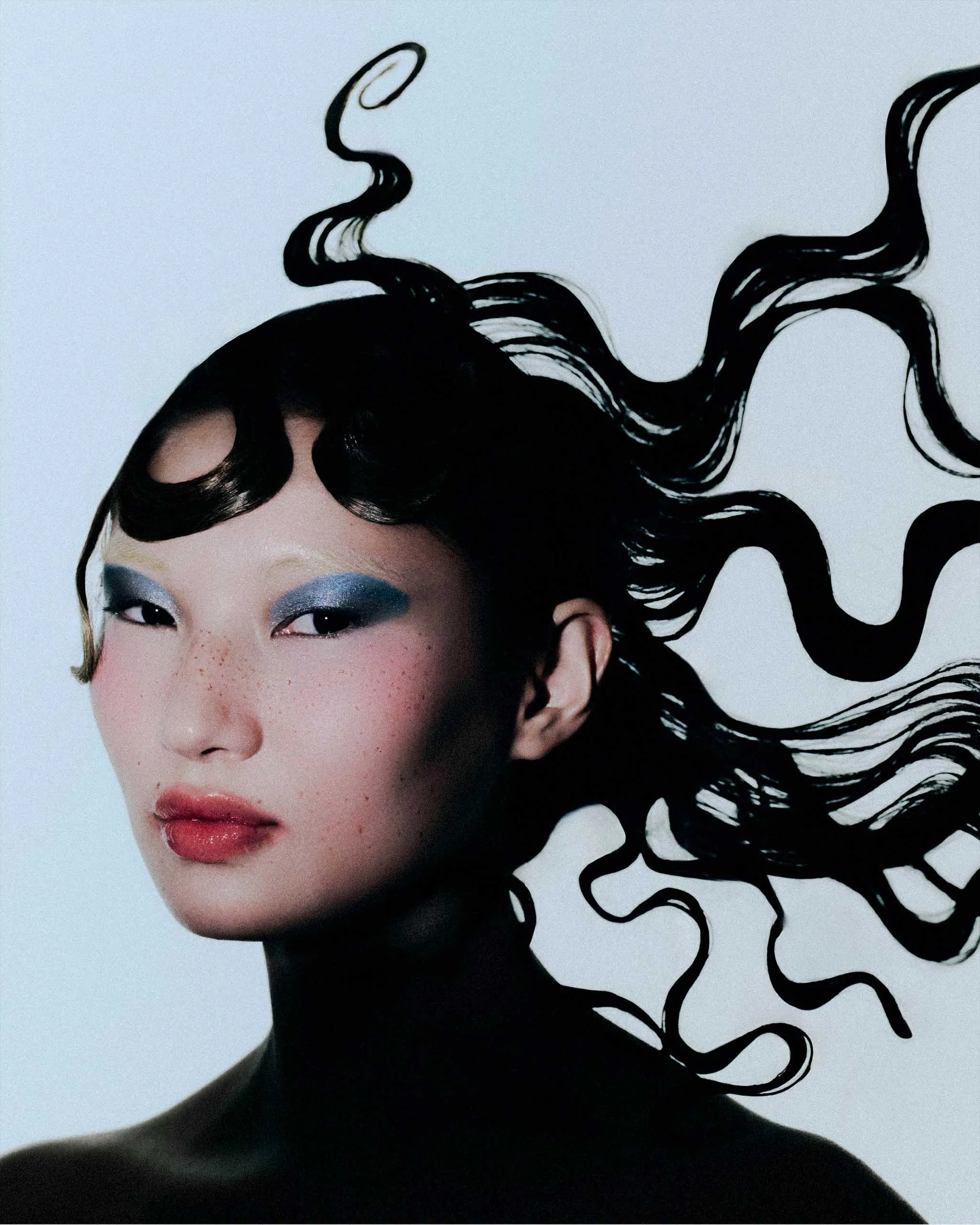
From cherry blossoms to aqua-blue eyeshadow, the Japanese concept offers a new way to understand the art of beauty.
In the culture of Japanese aesthetics, ma describes the intervals between things: the space, pause, or silence that allows what surrounds it to become the center of attention.
Architect Arata Isozaki defines ma as the “natural distance between two or more things existing in a continuity,” encompassing both spatial and temporal intervals. In Noh theater, ma can take the form of an extended pause in movement; in calligraphy, the untouched paper surrounding a stroke becomes part of the composition. The idea continues into contemporary fashion with Issey Miyake exploring the space between body and garment, allowing volume, movement and the air around the body to become part of the design.
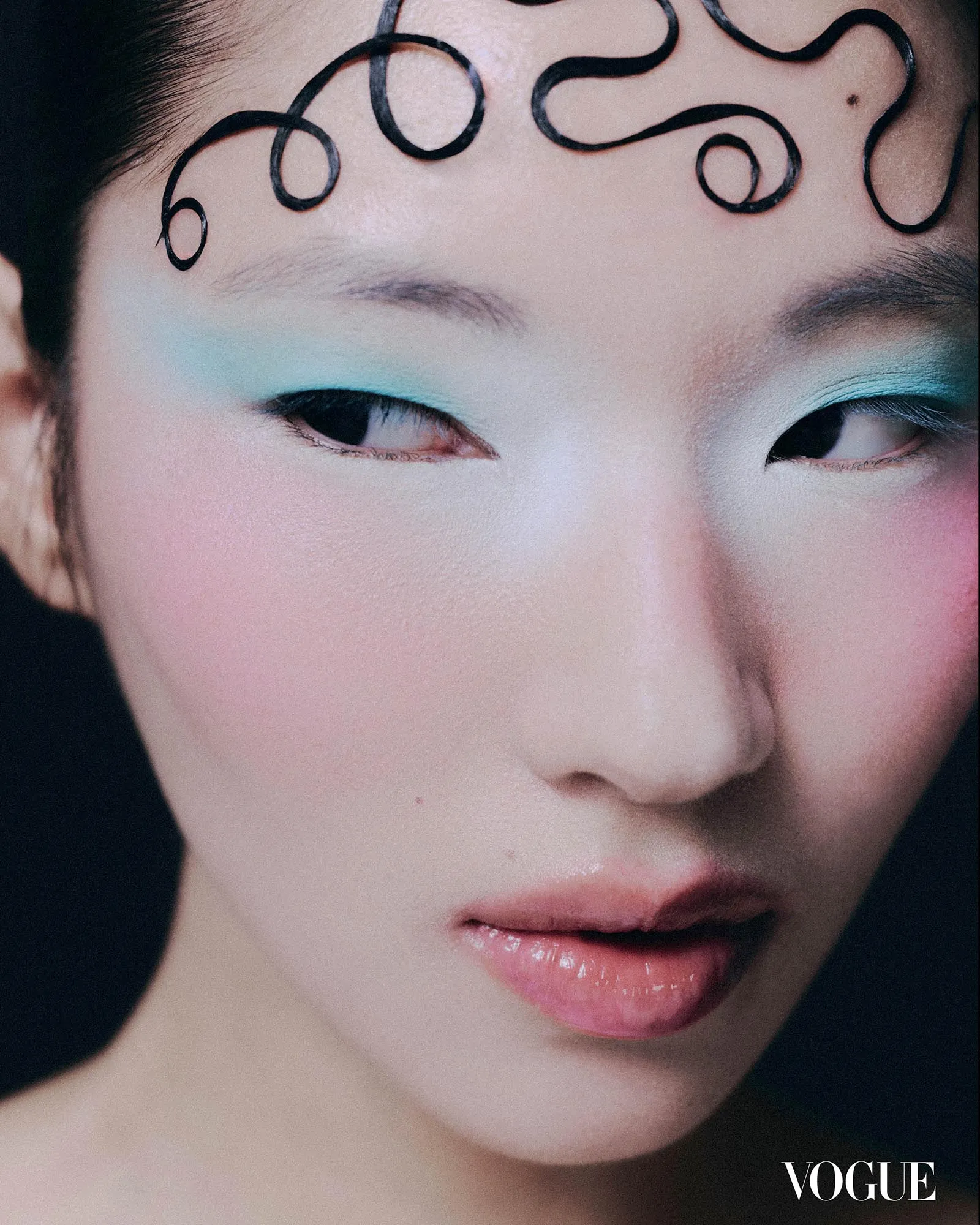
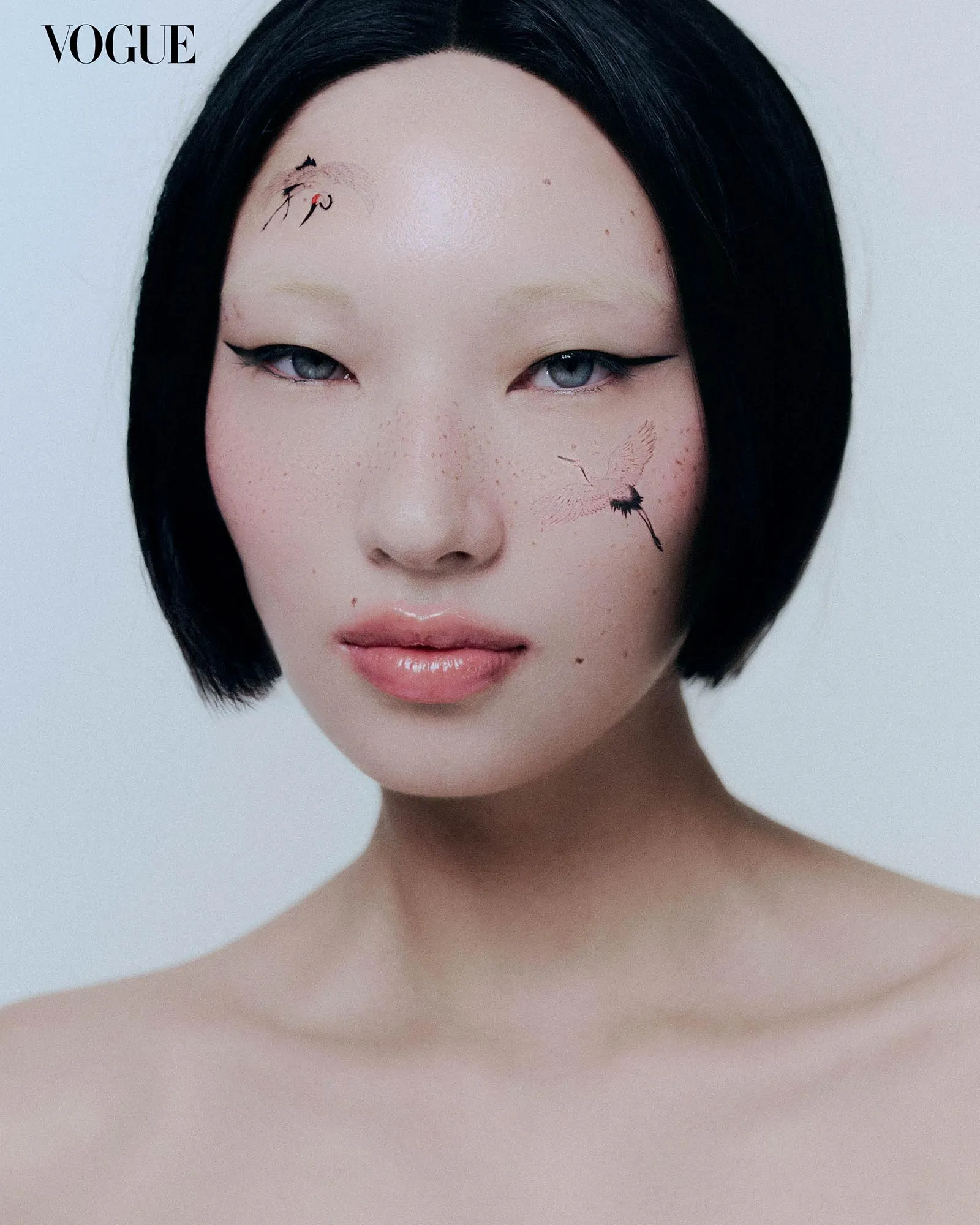
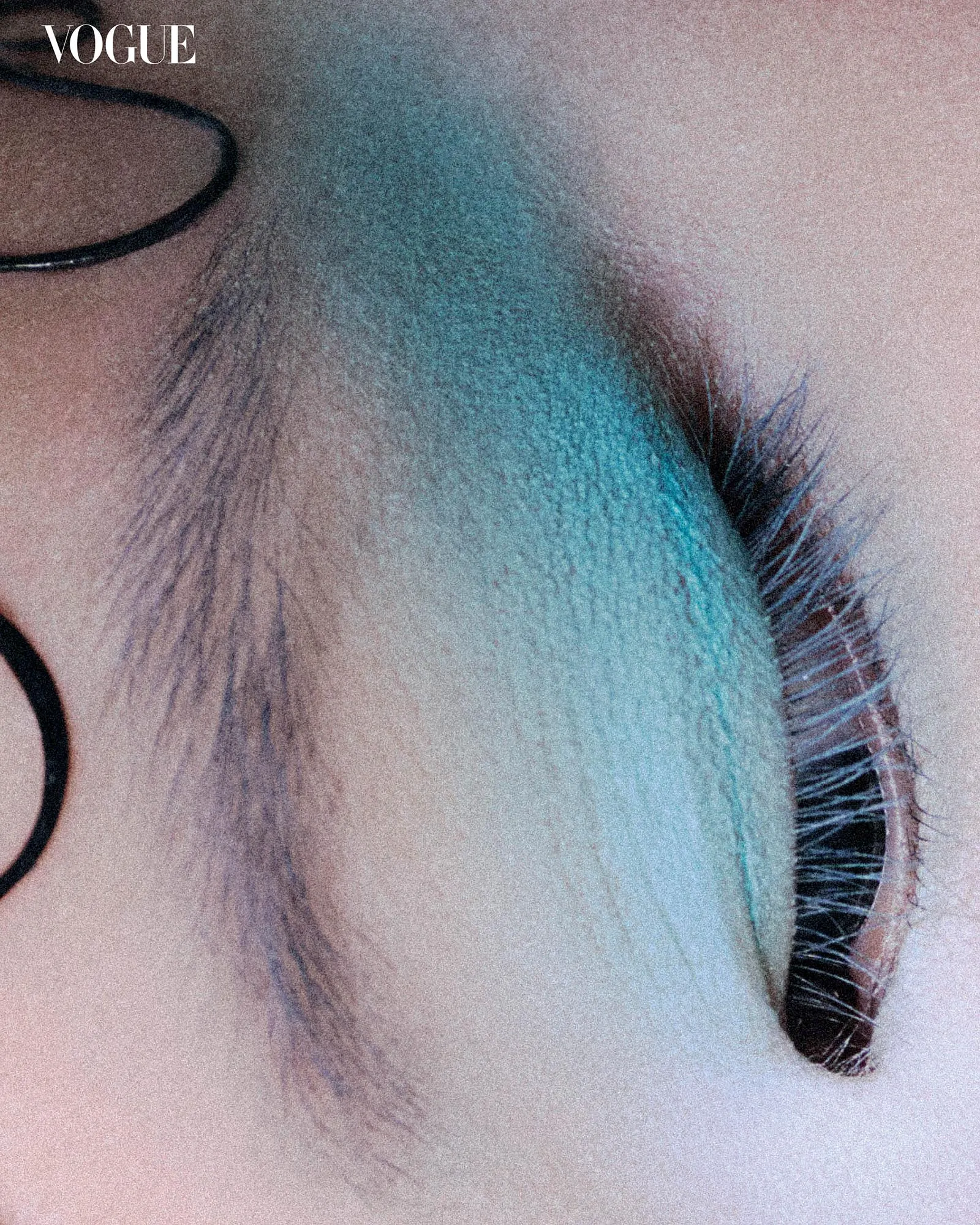
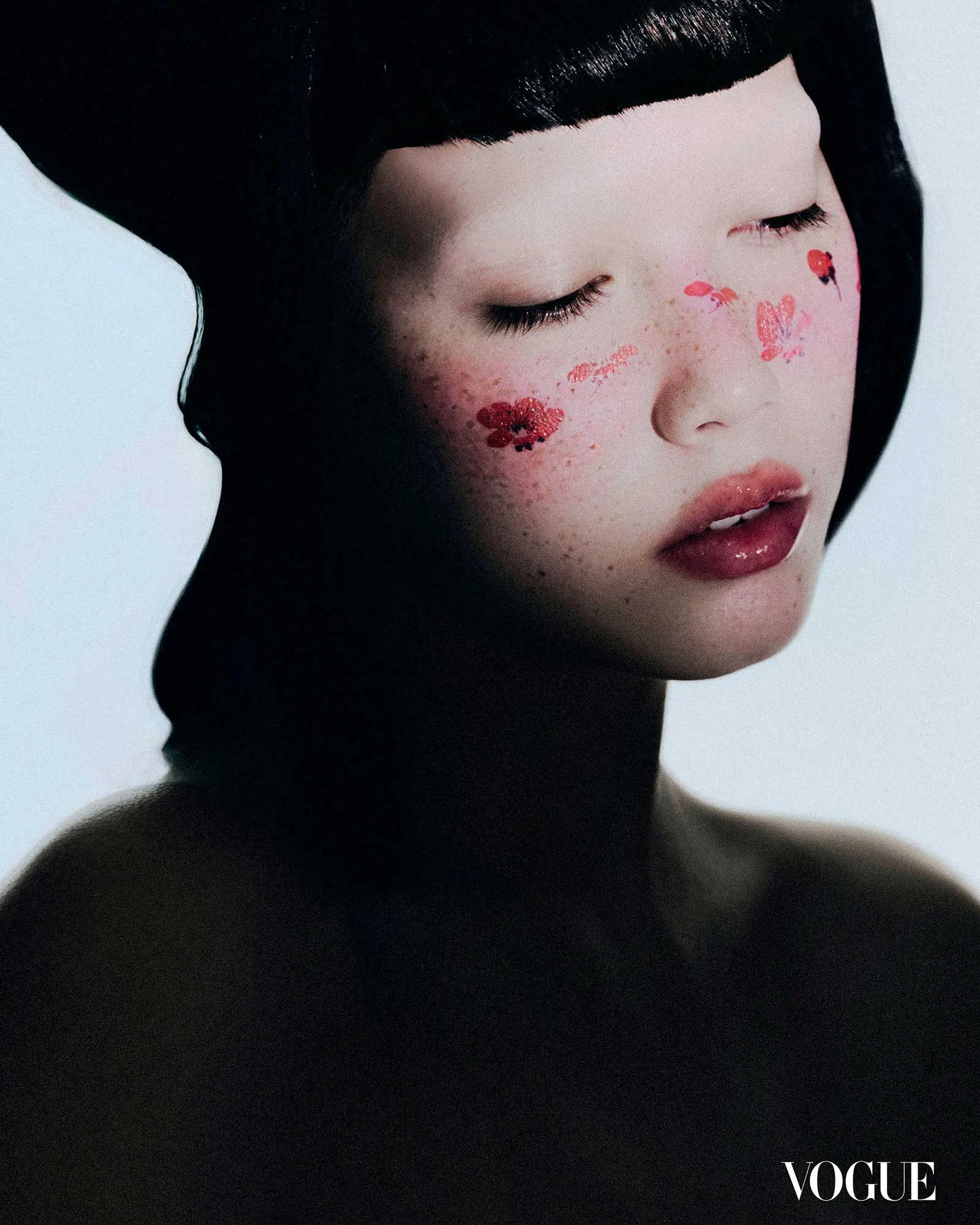
When applied to the world of beauty, ma offers a different way of consuming and applying makeup: not necessarily wearing less, but understanding the power of what is left untouched. A single gesture, whether an unexpected wash of aqua-blue shadow, an ink-like facial mark, or a feline flick of eyeliner, can command when it has space around it.
-
 1/4
1/4 -
 2/4
2/4 -
 3/4
3/4 -
 4/4
4/4
Photographs by Thais Vandanezi. Beauty Editor: Joyce Oreña. Hair and makeup by Mari Kato using Shiseido.
Frequently Asked Questions
Ma is a Japanese concept referring to the interval or space between things. It can describe physical space, pauses in time, silence, or the relationship between elements within a composition.
The concept appears across Japanese architecture, theater, gardens, calligraphy, visual art, and design. In each context, the space or pause between elements can be considered an active part of the overall composition.
Applied to beauty, ma can describe the relationship between areas of emphasis and areas left unadorned.
No. Although ma can result in minimalist-looking compositions, the concept is primarily concerned with the relationship between elements and the space between them, rather than simply reducing the number of elements.
The concept has been explored by architects Arata Isozaki, Tadao Ando, and Kengo Kuma; designer Issey Miyake; graphic designer Kenya Hara; artist Yayoi Kusama; photographer Hiroshi Sugimoto; and writer Jun’ichirō Tanizaki.