
In the Philippines, Care Has Always Been Found in Nature


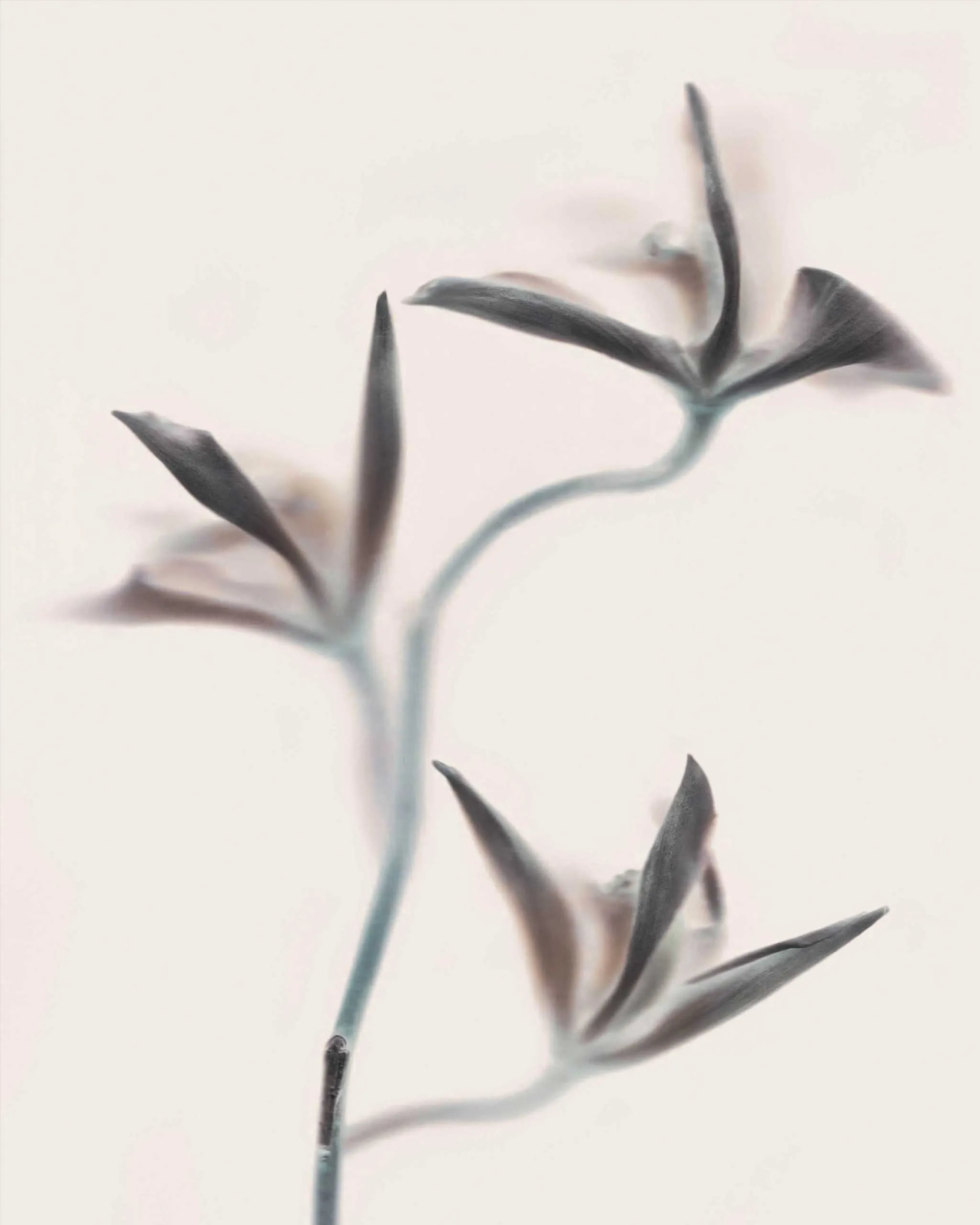
Photographed by Oksana Omelchuk
Our ancestral knowledge of native botanicals traces a healing heritage shaped by generations of local remedies.
The precolonial Philippine babaylan was a central figure of healing. Often described as a ritual specialist, spiritual leader, and knowledge keeper, the babaylan tended to illness through a worldview that did not separate the body from nature, spirit, or community. Healing could involve prayer and ritual, but it also drew from an intimate understanding of the natural world.
That relationship with nature remains one of the clearest threads in Philippine healing traditions. Across generations, treatments were often guided by what grows nearby: leaves steeped into tea, bark soaked into a cleansing wash, fruits pressed into oil, spices added to food not just for flavor but for their restorative properties. Nature and care were synonymous, a part of everyday life. This inheritance is especially rich in a country as biodiverse as the Philippines, an archipelago that is home to at least 13,500 plant species, with more than 1,500 medicinal plants documented.
According to public health physician and medicinal plant advocate Dr. Jaime Galvez Tan, this knowledge has sustained communities for generations. His interest began after medical school, when he chose to work in remote areas of Samar and Leyte where doctors and hospitals were often difficult to reach. Once the medicines in his backpack ran out, he turned to local herbolarios and began learning about the plants communities had long relied on. “When I asked them how they were able to live, they always say it’s because of the medicinal plants around them,” he recalls.
“We had been using medicinal plants for millennia. And for me, it is one of the most important features of Filipino traditional medicine.”
Dr. Jaime Galvez Tan
“If I go back to as far as a thousand years that we have been studying Philippine history, medicinal plants have kept our people healthy,” he continues. “Imagine before the Americans and Spanish came, we had been using medicinal plants for millennia. And for me, it is one of the most important features of Filipino traditional medicine.”
According to the World Health Organization, around 40 percent of pharmaceutical products today draw from nature and traditional knowledge. In the Philippines, the Department of Health recognizes 10 medicinal plants, including lagundi (Vitex negundo) and sambong (Blumea balsamifera), both of which have been developed into over-the-counter herbal products, for cough or asthma relief and kidney health, respectively.
Take coconut, for example. In the book Medicinal Fruits, Vegetables, & Spices, authored by Dr. Galvez Tan with his wife and community health nurse Rebecca Galvez Tan, nearly every part of the coconut is described as useful in traditional care: the roots as decoction for sore throat, cough, and fever; the ash of the burned shell for swelling; the water for rehydration; the oil and milk for dry skin, wrinkles, and hair health. Even the now-viral practice of oil pulling (traditionally done by swishing one tablespoon of VCO in the mouth for around 15 minutes before spitting it out) has an older echo in the use of coconut oil for gum health, bad breath, and sore throat relief.
Other medicinal plants carry their own histories of use. Tawa-tawa (Euphorbia hirta), also known as “the asthma plant,” has been used in Philippine folkloric medicine for respiratory relief and, more recently, as herbal medicine associated with dengue care. Yerba buena (Mentha cordifolia) is traditionally used for headaches, toothaches, arthritis, and body pain, while bayabas (guava) leaves have long been used as an antiseptic to clean wounds.
This healing heritage remains part of daily life for many Philippine communities. In the forested highlands of Mindanao, for example, the indigenous Manobo-Dulangan community in Sultan Kudarat gather plants from the mountains and forests to use for common ailments, especially in places where clinics and hospitals remain hours away. Knowledge of these remedies is often passed down through generations, reflecting a deep cultural connection to their environment. In Cuenca, Batangas, Dr. Galvez Tan has also observed the mantatandok, traditional healers known for treating animal bites, working alongside physicians at a local health center. While doctors administer treatments such as rabies vaccines, patients continue to seek the knowledge of the mantatandok, showing how traditional and modern forms of care can exist side by side.
A recent nationwide study documented 796 medicinal plant species used by 34 Philippine ethnolinguistic groups, showing how deeply traditional healing is tied to biodiversity. To preserve these practices is also to protect the forests, mountains, and communities that continue to keep them alive. “I hope we can see more gardens of native Filipino trees or orchards [or gardens] of Philippine medicinal plants and trees,” says Dr. Galvez Tan. “We have to see more of this so that our people will not forget.”
Then and now, many look to native and locally familiar ingredients as material for care. Gugo shampoo, bayabas balm, yerba buena salve, lagundi tea, or herbal soap are gestures toward a lineage of healing from a land that has always offered its own vocabulary of wellnessWellnessA holistic approach to wellbeing that includes physical health, mental balance, sleep, nutrition, movement, and self-care. In beauty and lifestyle, wellness has expanded from spa treatments to therapy, mindfulness, andGo to Wellness Glossary.

Frequently Asked Questions
A babaylan is a traditional spiritual leader and healer in precolonial Philippine communities. Babaylans were often women, though men could also take on the role, and were believed to connect with the spirit world through rituals, healing, and ceremonies.
Dr. Jaime Galvez Tan is a Filipino physician and public health advocate known for his work in traditional and herbal medicine. He has also been involved in promoting the use of Philippine medicinal plants as part of community health care.
Lagundi is a medicinal plant native to the Philippines that has long been used in traditional Filipino healing. Its leaves are commonly prepared as a tea or used in herbal remedies, particularly for cough and other respiratory symptoms.
Sambong is a medicinal plant commonly found in the Philippines and is traditionally used for several health concerns. It is particularly known as a herbal remedy for urinary and kidney-related conditions, and is also used as a diuretic.
Sultan Kudarat is a province in the Soccsksargen region of Mindanao, Philippines. Its capital is Isulan, while the province is known for its rich cultural heritage and communities of Indigenous peoples and Moro groups.