
Lost Books Recommends: 11 Cebuano and Visayan Titles For Your TBR List


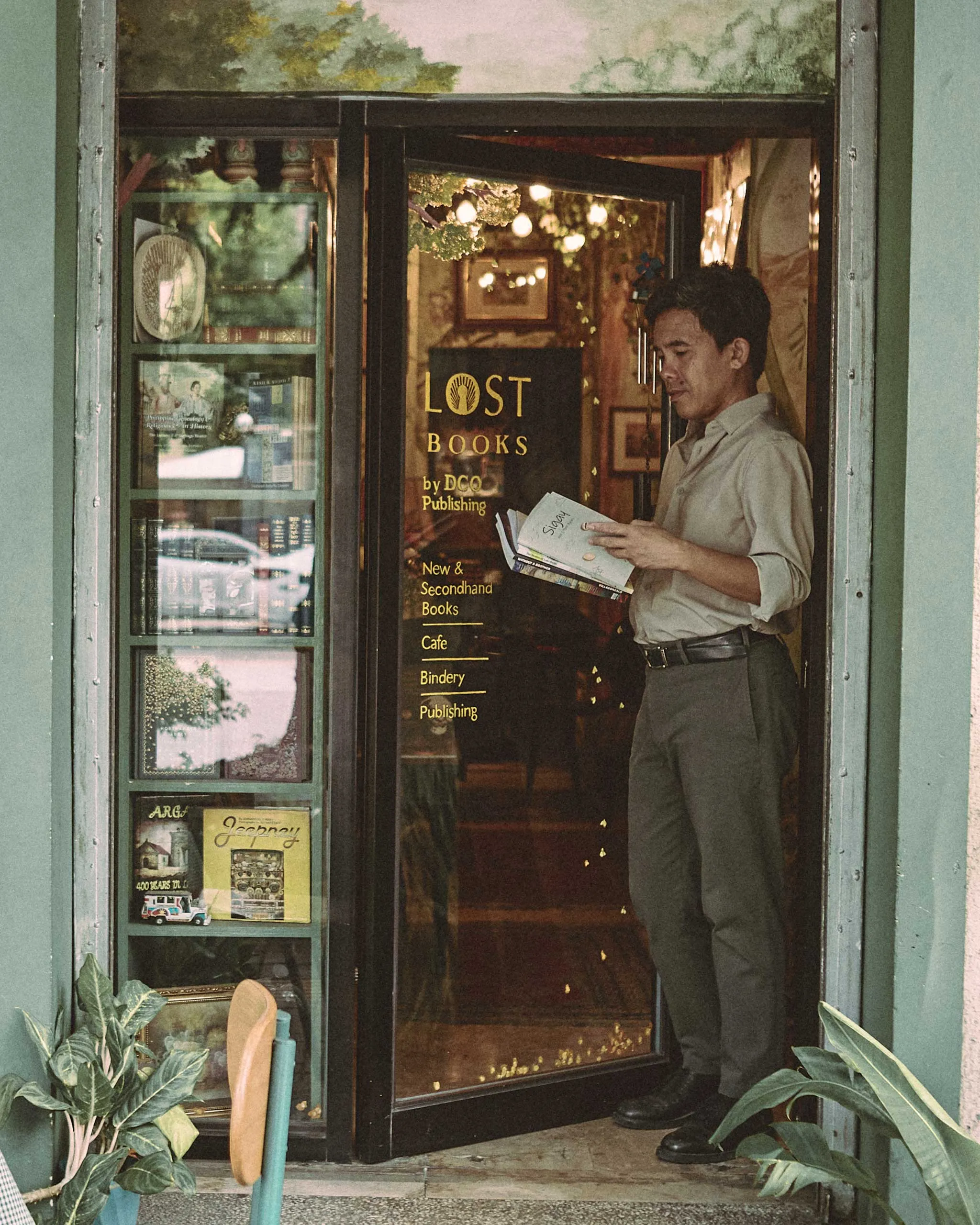
Donald “D” Villamero at the Lost Books Cebu storefront. Photographed by Karl King Aguña for the November 2026 Issue of Vogue Philippines
From speculative fiction to poetry, essays, and local unsung classics, here are some of the top picks from the Cebu indie bookshop.
Two years into running Lost Books Cebu, Donald “D” Villamero still looks forward to the visitors who ask for recommendations. “[It] always brings a smile to our faces,” he says. “What I see is, all my life experiences led me to this.”
A reader since childhood, when books from Santa Claus would appear after his parents received their Christmas bonus, Donald has since learned to balance his appreciation of international classics with his passion for Philippine literature. From the shop’s antiquarian section, he admits there are foreign books he’ll never sell: a 200-year-old 11-volume set of William Shakespeare, a first edition 32nd imprint of Catch-22, and an 1812 edition of Paradise Lost. But larger in number are the local stories that fill the room, many of which Donald can describe instantly because they are already stored in his mind.
As a result, he can spot gaps in his inventory, citing the books he wishes existed: a children’s book on the Sinulog Festival and a guide to Cebu healing plants, to name a couple. “Someone should write that,” is his constant response, a hope he acts on by encouraging visitors to pen their own stories and promoting authors who’ve done the same.
Below, see 11 of Donald’s picks for anyone looking to begin or deepen their journey into Cebuano literature. For out-of-print titles, reading copies can be found at Lost Books Cebu.
Wala’y Igsoon (Without a Brother) by Juan Villagonzalo (1912)
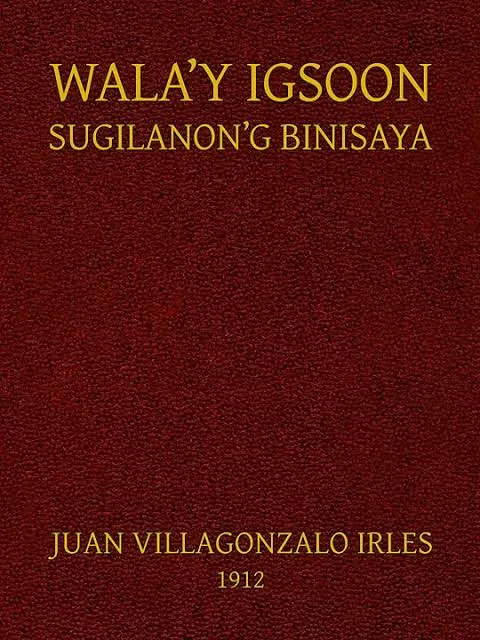
Considered the first Cebuano novel, Wala’y Igsoon follows two brothers whose comfortable lives are upended by the Spanish-American War and the Philippine-American War. As the violent shift in colonial occupation disrupts their education and leads to loss and displacement, the two find their bond tested through diverging means of resistance and survival.
Villagonzalo was known as a writer for Ang Suga (The Light), a prominent Cebuano newspaper in the early 20th century. In the past two years, his novel was translated into English by Dr. Hope Sabanpan-Yu, the current director of the Cebuano Studies Center (CSC), and selected for the inaugural session of The Lost Book Club, a group dedicated to reading Visayan authors.
Apdo sa Kagul-anan (Bile of Loneliness) by Angel L. Enemecio (1928)
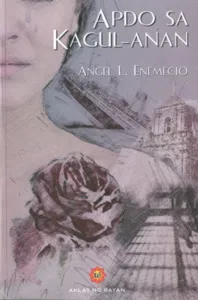
A story of first love and first heartbreak, Apdo sa Kagul-anan centers on a young couple whose romance grows strained due to social expectations and false allegations. Described by the bookshop as raw and devastating, it was initially published in the Cebuano literary periodical Bag-ong Kusog (New Force), of which Enemecio was an editor, and translated into Filipino by Jennifer N. Inez in 2017. It is The Lost Book Club’s second and most recent selection.
Leon Kilat: The Untold Story of the 1898 Cebu Revolution by Emil B. Justimbaste (2016)
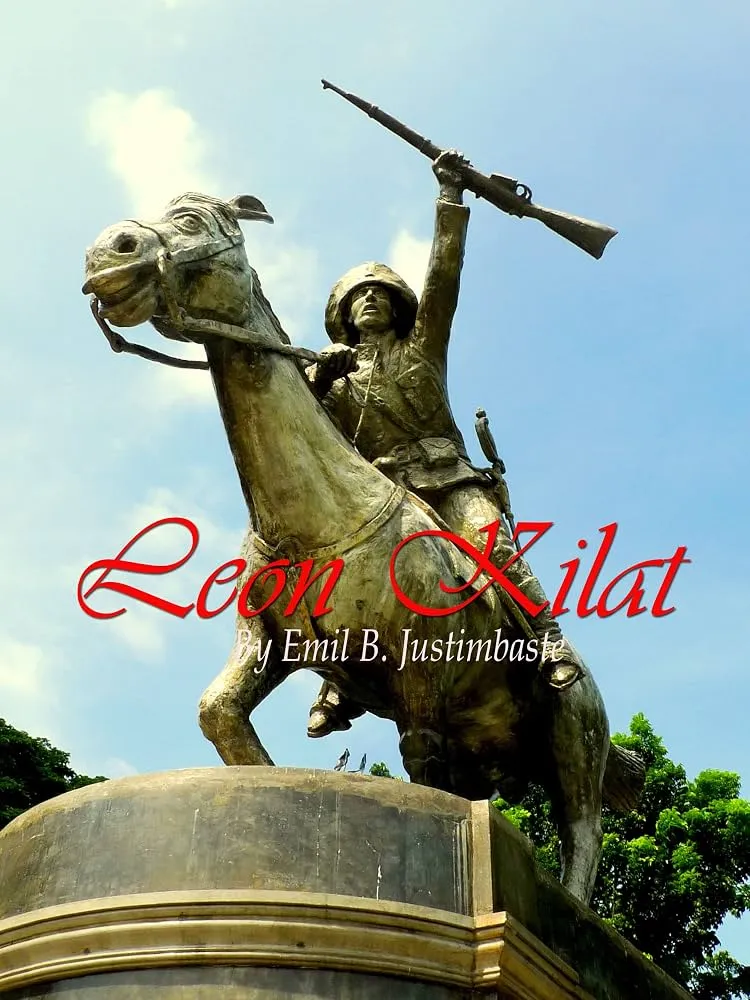
The historical retelling offers a closer look at the Cebuano revolutionary Pantaleón Villegas, better known by his nom de guerre Leon Kilat, who led the successful Tres de Abril uprising against the Spaniards. Through descriptive prose and research, Justimbaste narrates Kilat’s fight for independence and shows how the Katipunan revolts extended beyond Luzon.
At the back of Lost Books Cebu, Donald keeps a secondhand copy of the book that was gifted to him by Sir Valentino “Val” Sandiego, an eighth-generation owner of the Yap-Sandiego Ancestral House in the historic Parian district. Donald recalls visiting the heritage home and seeing the antique mirror that Leon Kilat reportedly used to fix his uniform before battle.
1521: The Defiance by Charleston Lim (2026)
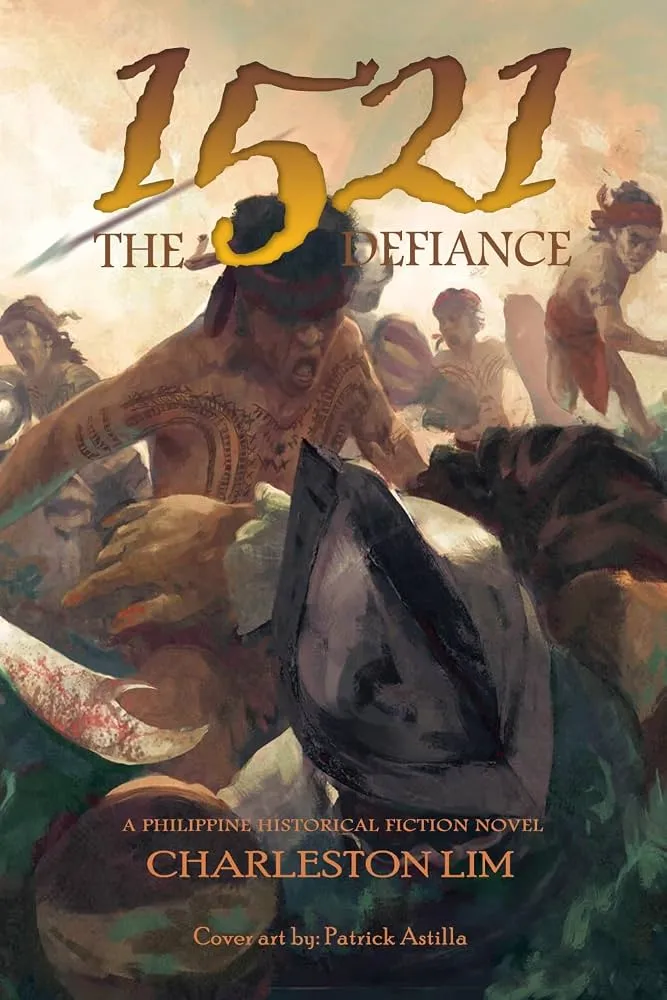
Going further back into Cebu’s history, 1521 is a speculative fiction novel that portrays the events leading up to the Battle of Mactan from the perspective of the islanders and the members of Magellan’s expedition crew, particularly his chronicler Antonio Pigafetta. The book is noted for its world-building, providing texture and intensity to the interactions between early Cebuanos and Europeans, and for the sense of agency it restores to lesser-known figures while remaining grounded in factual accounts.
To Travel Like a Goat and Other Essays by Denver Ejem Torres (2025)
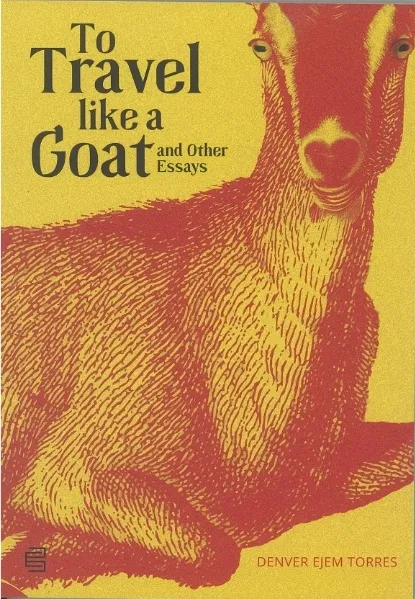
Compiling essays written from 2015 to 2019, this collection revisits the author’s trips across Asia and his thoughts on nature, folklore, community, Binisaya languages, and his own Visayan/Mindanaoan origins. Told through personal recollection, it is anchored in the belief that travel shapes who you are, and that in order to adapt, one must be like the mountain goat who walks on difficult terrain. It is published by Dual Story Brand Inc., and the book launch was held at Lost Books Cebu in December.
Sigay & Other Poems by Alden Arsèn (2026)
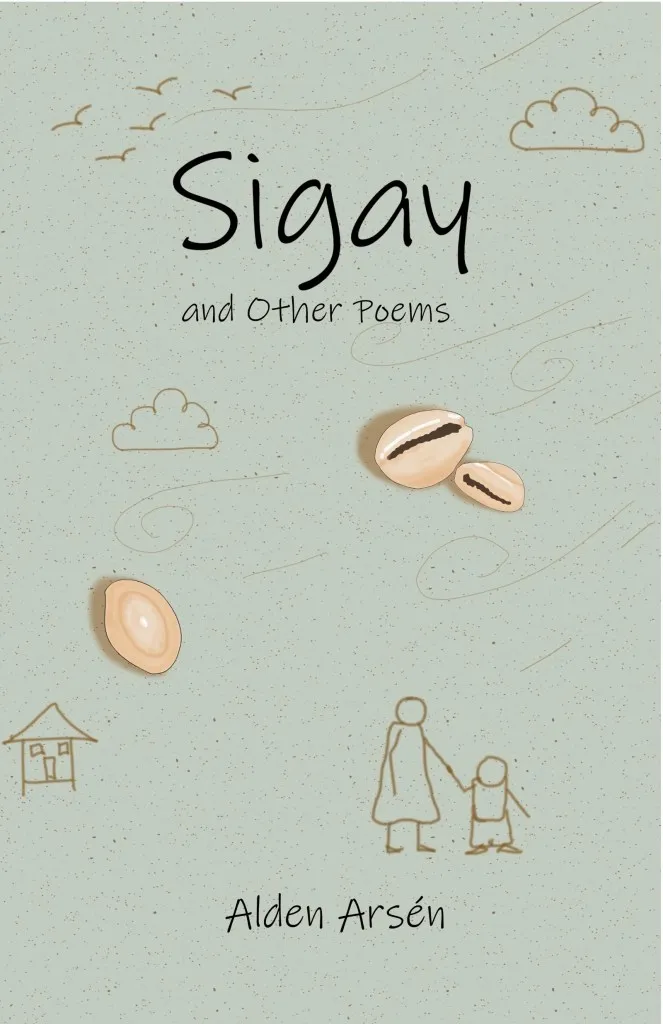
In this debut poetry collection from Pawn Press, Arsèn moves through childhood memories and everyday moments, tinged by the women who raised him. Finding their lives echoed across home and sea, he explores how love and grief can flatten the passage of time, yet also expand it when familiar gestures reflect in our own. From shellcraft to sewing, the book draws on nature and routine activities to express how bonds last, linger, and teach us to live again.
What Distance Tells Us: Travel Essays About the Philippines by Johanna Michelle Lim (2018)
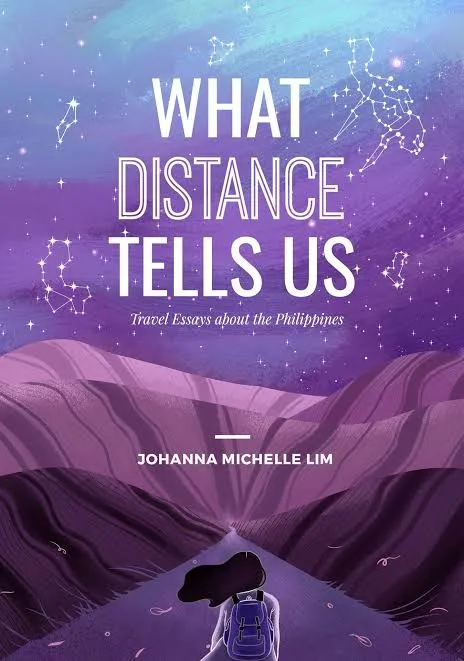
Having grown up in the center of the Philippines, the Cebu-based essayist travels outward to the highest, farthest, and deepest points of the archipelago, seeking to understand how the country’s extremities inform the people who live and move in between. Composed of 12 places from north to south, east to west, the collection from Bathalad intertwines personal accounts with family memories, the stories of local residents, and reflections on identity. Donald says, “[Lim] writes with so much warmth and compassion. You feel ‘full’ after reading her essays.”
Dinhi sa Yuta, Maingon sa Langit: Mga Sugilanon (On Earth as It Is in Heaven: Stories) by Omar Khalid (2024)
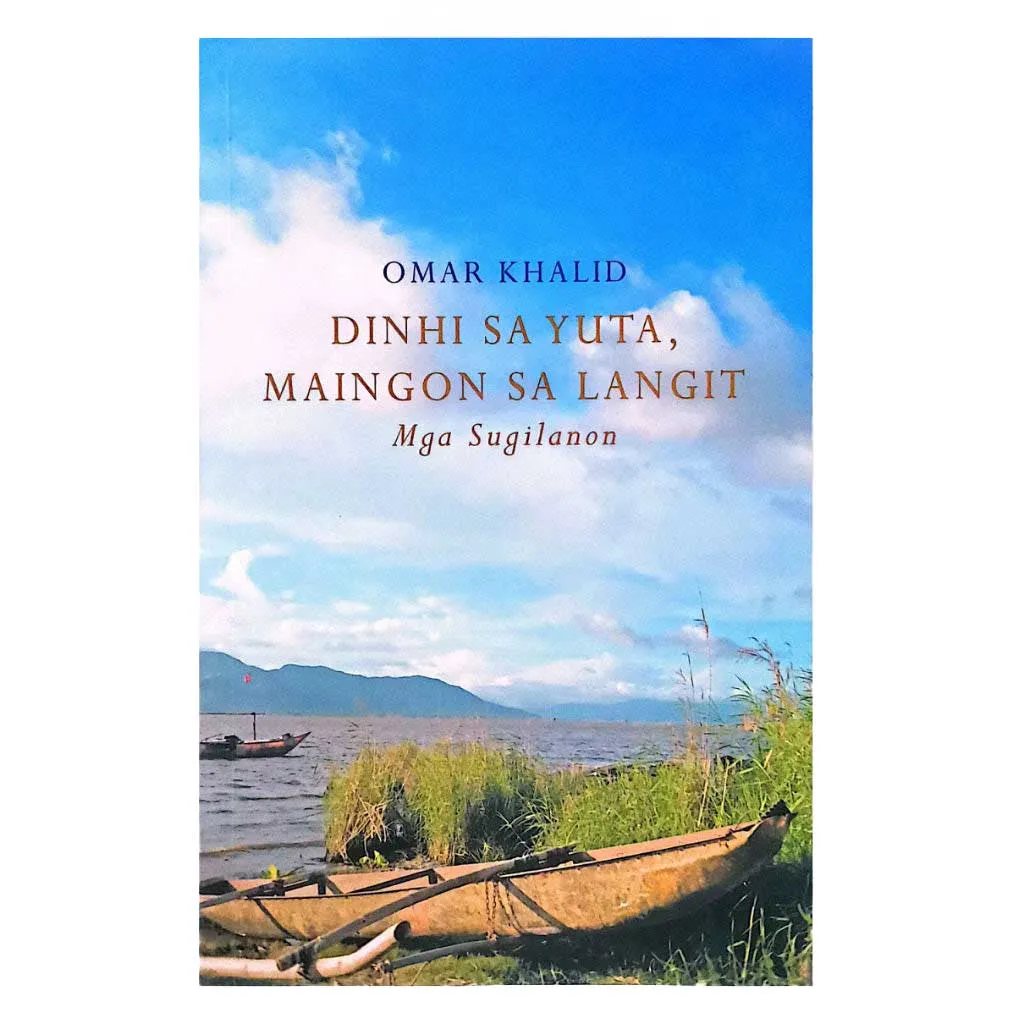
Blending prose with memoir, this short story collection from Sadiri Publishing roams through Visayan forests and communities to talk about provincial culture, legends, and our ordinary encounters with the divine. A multi-awarded writer, Khalid grounds his meditations by tapping into his childhood in the mountains and his vocation as a farmer. Donald recounts visiting Khalid’s farm in Tabango, Leyte, earlier this year, where he experienced foraging and witnessed how rural life informs the author’s art and identity.
Bisayangdako: Writing Cebuano Culture and Arts by Dr. Erlinda Kintanar-Alburo (2015)
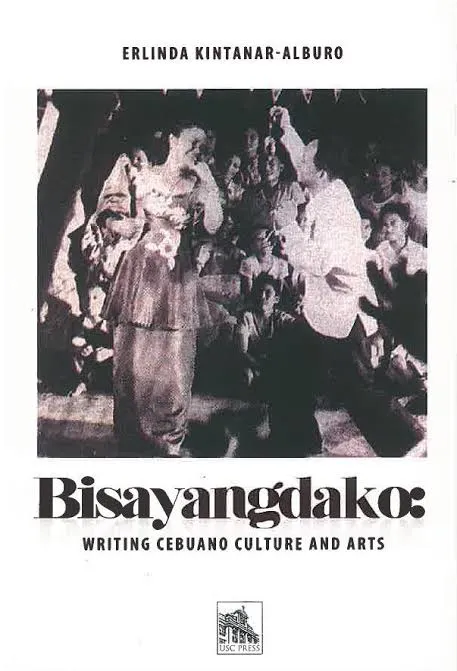
Through 64 short essays drawn mostly from the author’s columns in Freeman Magazine and Sugbo News, this book gives readers access to the rich yet overlooked cultural scene of Cebu. Published by USC Press, it tackles specific topics such as the Dalit Bisaya festival, prewar social clubs, and the Cebuano body. Dr. Kintanar-Alburo is recognized for her work in documenting local literary arts and promoting the Cebuano language; she is also a bilingual poet, the former director of CSC, and a co-founder of Women in Literary Arts Cebu (WILA).
Women’s Common Destiny by Dr. Hope Sabanpan-Yu (2009)
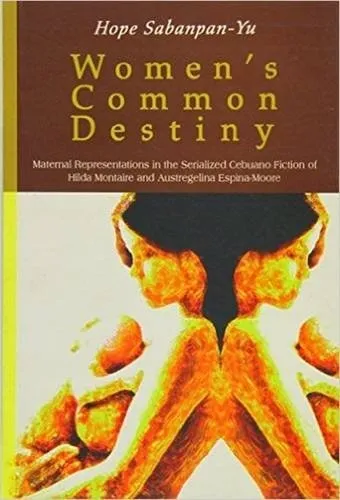
Published by UP Press, this work of literary history and criticism is the first book-length study of maternal representations in Cebuano fiction, particularly that of 20th-century Cebuana writers Hilda Montaire and Austregelina Espina-Moore. By looking at these portrayals of motherhood, the scholar and translator examines how foreign and indigenous beliefs contribute to certain archetypes, while also putting forth her theory of split-level maternity and connecting it with contemporary feminist discourse in the Philippines.
House of Memory by Resil B. Mojares (1997)
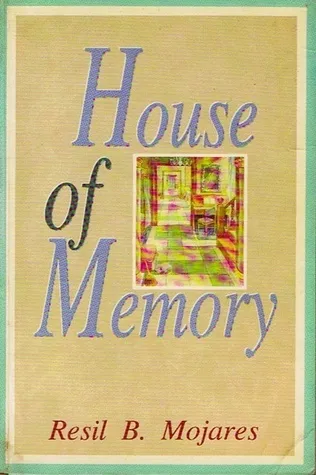
Initially written for Mojares’ columns in SunStar Daily, this essay collection presents personal and historical anecdotes as the rooms of a house, framing the places we inhabit and the practices we inherit as interconnected ways to understand Filipino life. With humor and honesty, the eminent historian, critic, and National Artist for Literature foregrounds regional perspectives and traces the ways we create meaning back to our cultural and linguistic roots.
Citing this title as “a book every Filipino should read,” Donald shares that Mojares visited Lost Books Cebu two days before his passing, where he reiterated his hope for more local bookstores to open and try new things. While many of the Visayan author’s works are out of print, Donald says that young visitors have been asking for Mojares at the shop, such that he has become a gateway for the next generation of Cebuanos to grow closer to their history.
Frequently Asked Questions
Lost Books Cebu is an independent bookshop, café, and bindery that primarily sells Cebuano, Visayan, and Filipino titles, with curated shelves for international and antiquarian books. They also hold book launches, signings, and community events. Lost Books is located on the ground floor of the CAO Mercado Building on Osmeña Boulevard in Cebu City.
Donald “D” Villamero is the owner and co-founder of Lost Books Cebu, as well as the owner and founder of DCO Publishing, an independent press that supports Cebuano books and authors. Coming from his background as an editor in global publishing, he aims to promote Filipino literature and foster an inclusive literary community in Cebu.
The classic local novels that Donald recommends include Wala’y Igsoon (Without a Brother) by Juan Villagonzalo and Apdo sa Kagul-anan (Bile of Loneliness) by Angel L. Enemecio. He also cites Resil B. Mojares’ House of Memory as a must-read book.
The classic local novels that Donald recommends include Wala’y Igsoon (Without a Brother) by Juan Villagonzalo and Apdo sa Kagul-anan (Bile of Loneliness) by Angel L. Enemecio. He also cites Resil B. Mojares’ House of Memory as a must-read book.
The local women authors that Donald mentions include established essayist Johanna Michelle Lim; Cebuano language scholar, author, and WILA co-founder Dr. Erlinda Kintanar-Alburo; and writer, translator, and CSC director Dr. Hope Sabanpan-Yu.
- Cebuano Literature Finds a Home at Lost Books Cebu
- From Wicker to You Can See Everything, Here Are the Films and Series Coming to Philippine Screens
- Museo del Prado to Bring Filipino Art into Focus with Two Exhibits in 2027 and 2029
- We Are Here: Filipino Artists at Asia Now Paris Explore Shared Histories and New Horizons