
Museo del Prado to Bring Filipino Art into Focus with Two Exhibits in 2027 and 2029


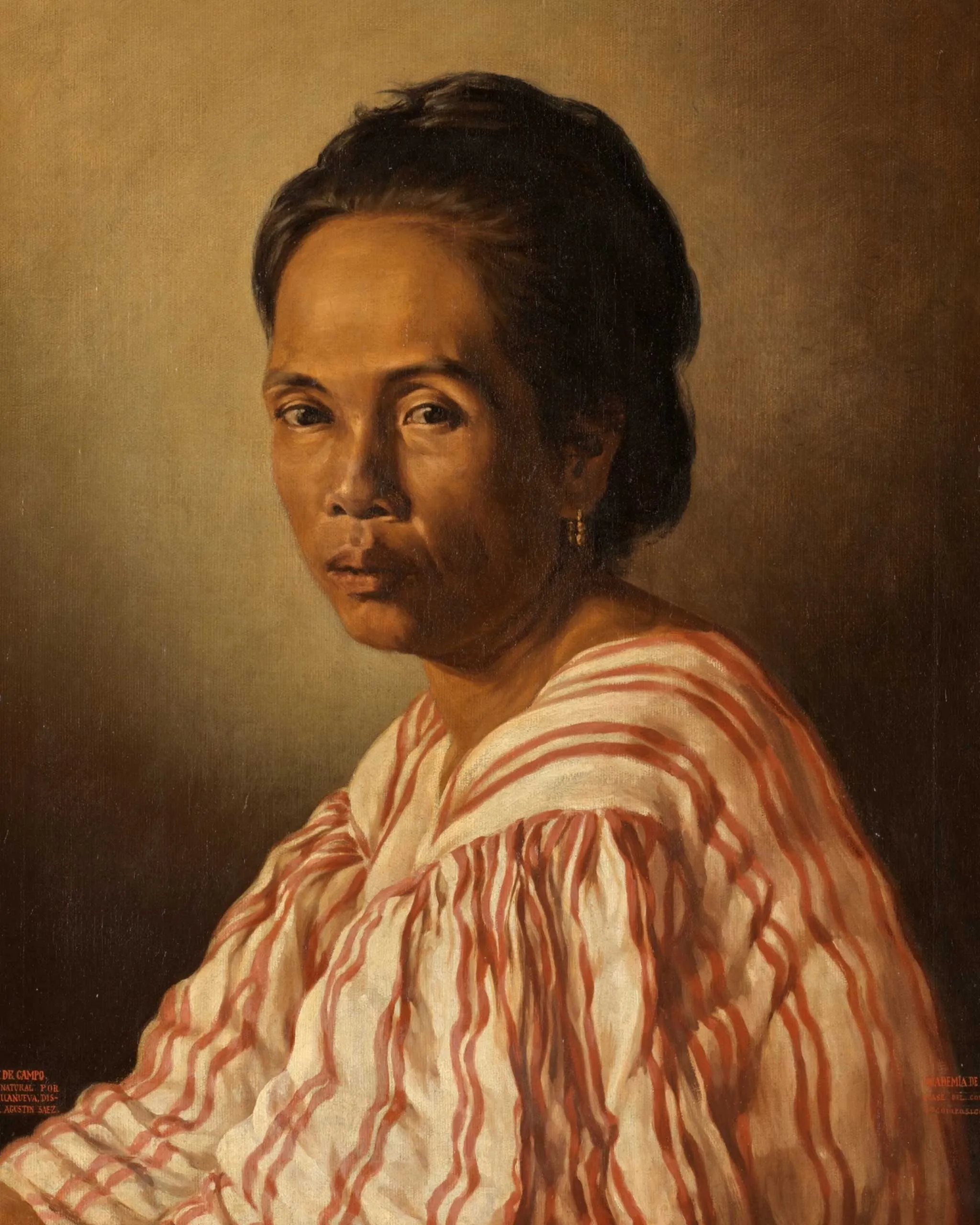
Indian Countrywoman. Esteban Villanueva y Vinarao. Copyright ©Museo Nacional del Prado
The Madrid museum is preparing a landmark presentation of 19th-century Philippine art, beginning with works made for the 1887 General Exhibition of the Philippine Islands.
For decades, a significant collection of Filipino paintings and sculptures belonging to the Museo Nacional del Prado remained scattered across Spain. Many works were held on permanent loan to regional museums of fine arts and displayed in public buildings, far from the Madrid institution’s galleries. Only in recent years did the museum begin to fully consider the scale and significance of its collection.
“Although I’ve been working with the Prado for almost 30 years and I’ve been the director for the last 10, I didn’t know about this collection,” Prado director Miguel Falomir said in a press conference held on Friday. After learning more about the works from Carlos Navarro, the museum’s chief curator of 19th-century painting, Falomir initiated a project to bring the collection back to the Prado, restore the pieces, and do further technical research into Filipino art.
The result will be a two-part exhibition dedicated to 19th-century Filipino artists. The first is scheduled to open at the Prado on November 16, 2027, and will focus on works from the museum’s collections. The second, planned for 2029, will look at the careers of Filipino artists who worked in Spain and elsewhere in Europe. Together, the exhibitions aim to bring greater attention to Philippine art.
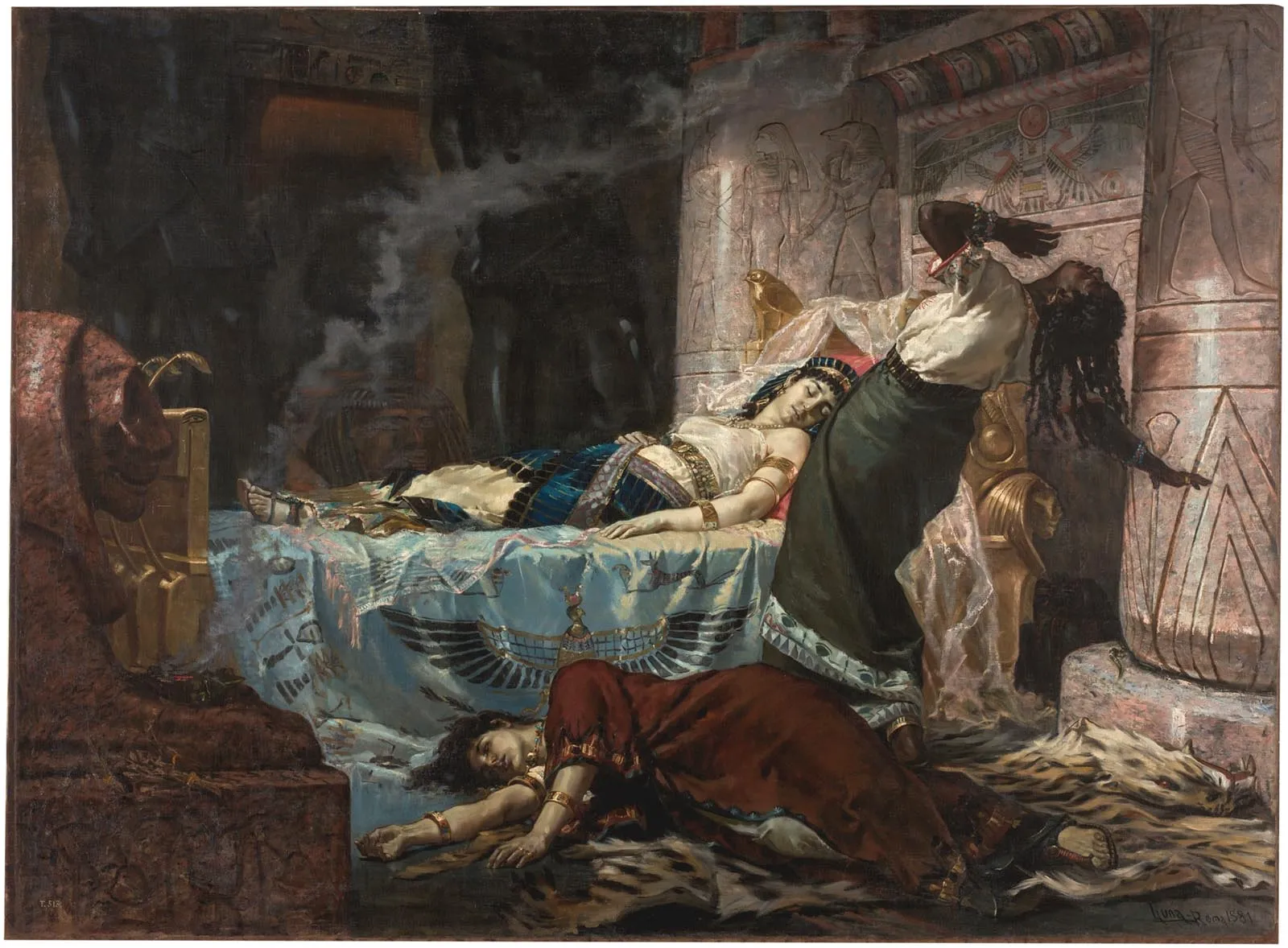
According to Falomir, the first exhibition will include 67 works from the Prado’s collection, many of which were made in the Philippines and sent to Madrid for the 1887 General Exhibition of the Philippine Islands. Organized by the Spanish Ministry of Overseas Affairs, the 1887 event was intended to represent the Philippines and its resources, culture, and industries to the Spanish public. Art was one of the several sections in a larger exhibition shaped by the colonial relationship between the two territories.
Many of the artworks being prepared for the Prado exhibition were commissioned for that occasion. Their historical significance, however, extends beyond their original purpose. The institution explained that the works offer a view of artistic production in the Philippines in the latter part of the 19th century, including how Filipino artists represented their society under Spanish rule.
The collection comprises more than 100 works, according to the curators, and includes both paintings and sculptures. While Juan Luna and Félix Resurrección Hidalgo are among its most recognizable names, the collection also includes works by artists such as Simon de la Rosa, Esteban Villanueva, Miguel Zaragoza, and Félix Martínez. Its sculptures include works attributed to Isabelo Tampinco, Melecio Figueroa, and Serapio Tolentino, among others.
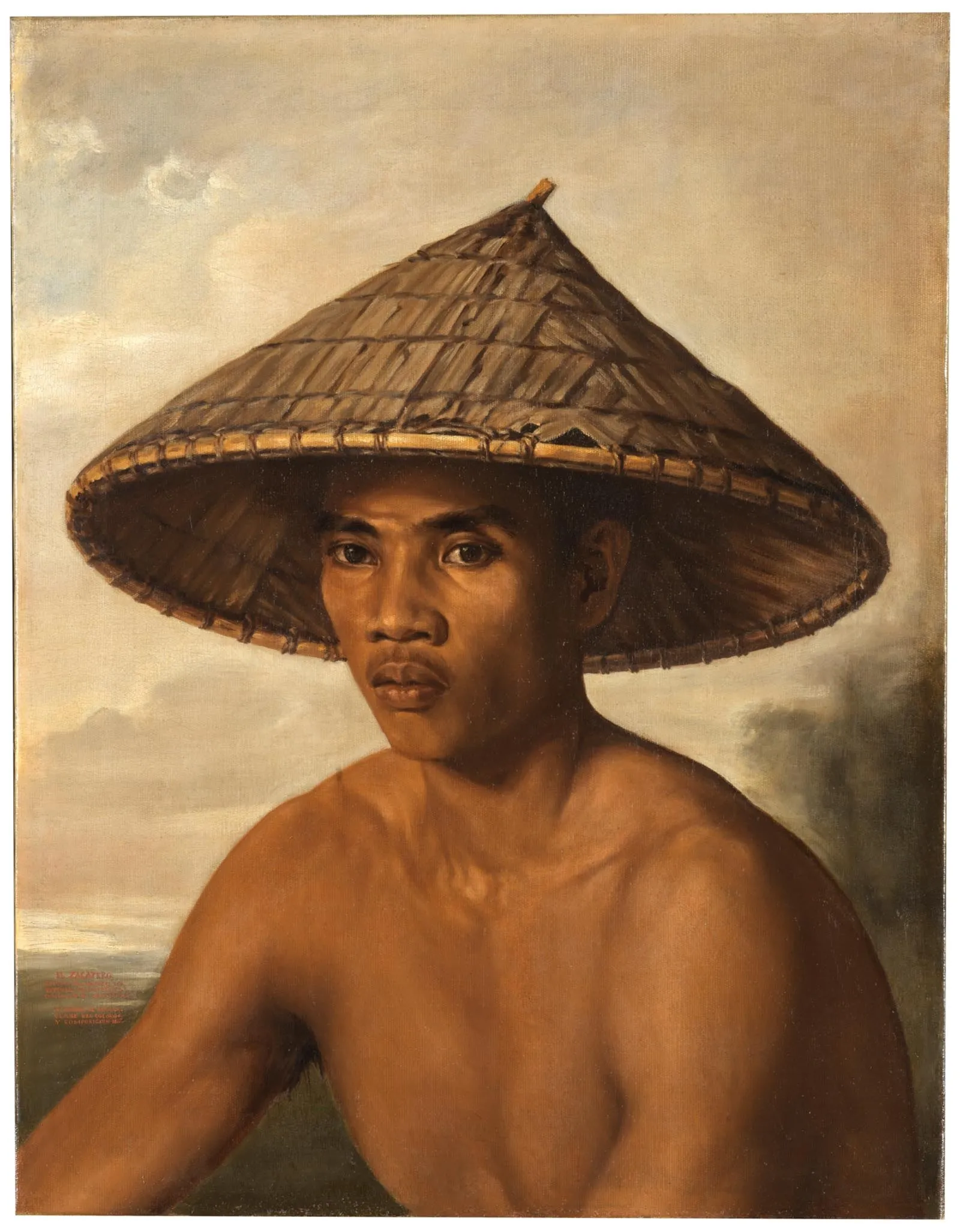
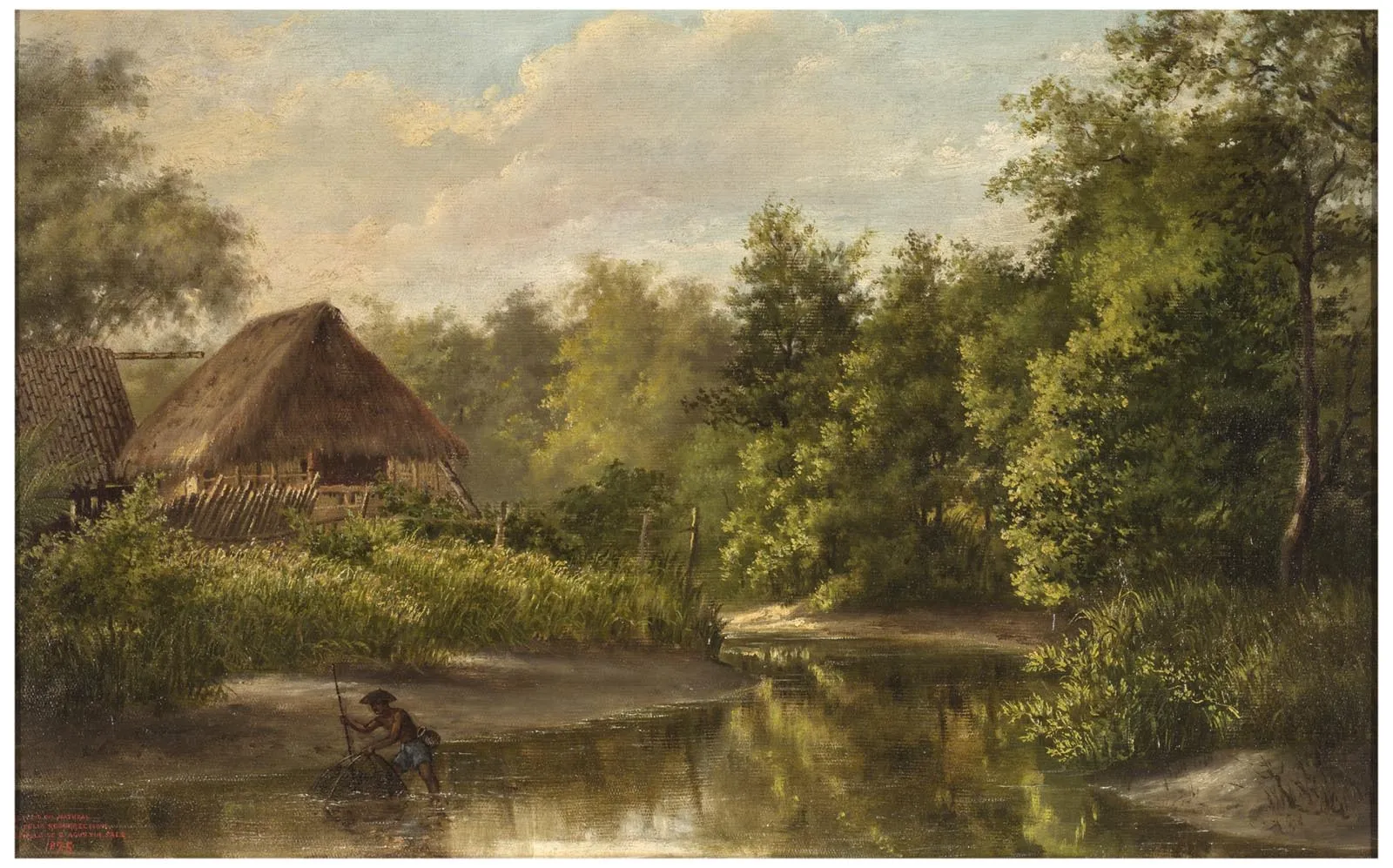
For the curators, the collection offers a different perspective on Philippine art. Spanish collections have often associated Filipino art with religious imagery and ivory sculpture; this group, by contrast, is largely secular, with paintings and wooden sculptures that reflect the range of subjects and artistic practices in the Philippines during the second half of the 19th century.
“A very good representation of the art at that time, at that moment. It’s like a picture of the arts in the Philippines at the moment,” said Carlos Navarro, Prado’s art historian and 19th-century specialist.
The exhibition will also examine the circumstances in which these works were produced. The curators described many of the pieces commissioned for the 1887 exhibition as presenting an idealized image of life in the Philippines under Spanish colonial rule. Some, however, tell more complex stories. Costumbrista scenes, including depictions of local vendors, document aspects of everyday life, while other works suggest criticism of colonial authority.
The curatorial project also involves a closer examination of the artworks themselves. Although the collection is generally in good condition, some pieces have sustained damage over time. The museum has begun restoration work and technical studies, including examinations intended to better understand the materials and processes used by Filipino painters and sculptors.
“It’s not just cleaning; it’s also studying the Filipino painting technically, something that has not been done before,” Falomir said.
The Prado has assembled a team that includes two scholars working on dissertations about Filipino art in its collection, as well as a researcher from the National Museum of the Philippines who is conducting research in Madrid. The museum has also sought a government grant to support the project.
After its Madrid presentation, the first exhibition is expected to travel to the National Museum of Art in Manila in 2028. Falomir said the Prado was considering a longer display period in the Philippines, potentially between nine and 12 months, given the effort involved in transporting the works.
For Falomir, the project is intended to extend beyond the two exhibitions. “The idea is not to end with this second exhibition, but what we are planning is to open a research field in the museum that lasts forever.”
Frequently Asked Questions
The first exhibit will open on November 16, 2027, at the Museo del Prado in Madrid. A second exhibit is planned for 2029 and will explore the careers of Filipino artists who worked in Spain and elsewhere in Europe.
The first will feature 67 works from the museum’s collection, including paintings and sculptures. Many were created in the Philippines and sent to Madrid for the 1887 General Exhibition of the Philippine Islands.
The collection includes works by Juan Luna, Félix Resurrección Hidalgo, Simon de la Rosa, Esteban Villanueva, Miguel Zaragoza, and Félix Martínez. Its sculptures include works attributed to Isabelo Tampinco, Melecio Figueroa, and Serapio Tolentino.
Yes. Following its presentation in Madrid, the first exhibit is expected to travel to the National Museum of Art in Manila in 2028. The Prado is considering a nine- to 12-month exhibition period in the Philippines.
The exhibits aim to bring greater attention to the museum’s collection of 19th-century Philippine paintings and sculptures. Through restoration, technical research, and historical study, the project also seeks to deepen understanding of Filipino artistic practices and the circumstances in which these works were created.