
The Met Gala 2027 Theme Is “extraORDINARY: Fashion and the Poetics of the Everyday”


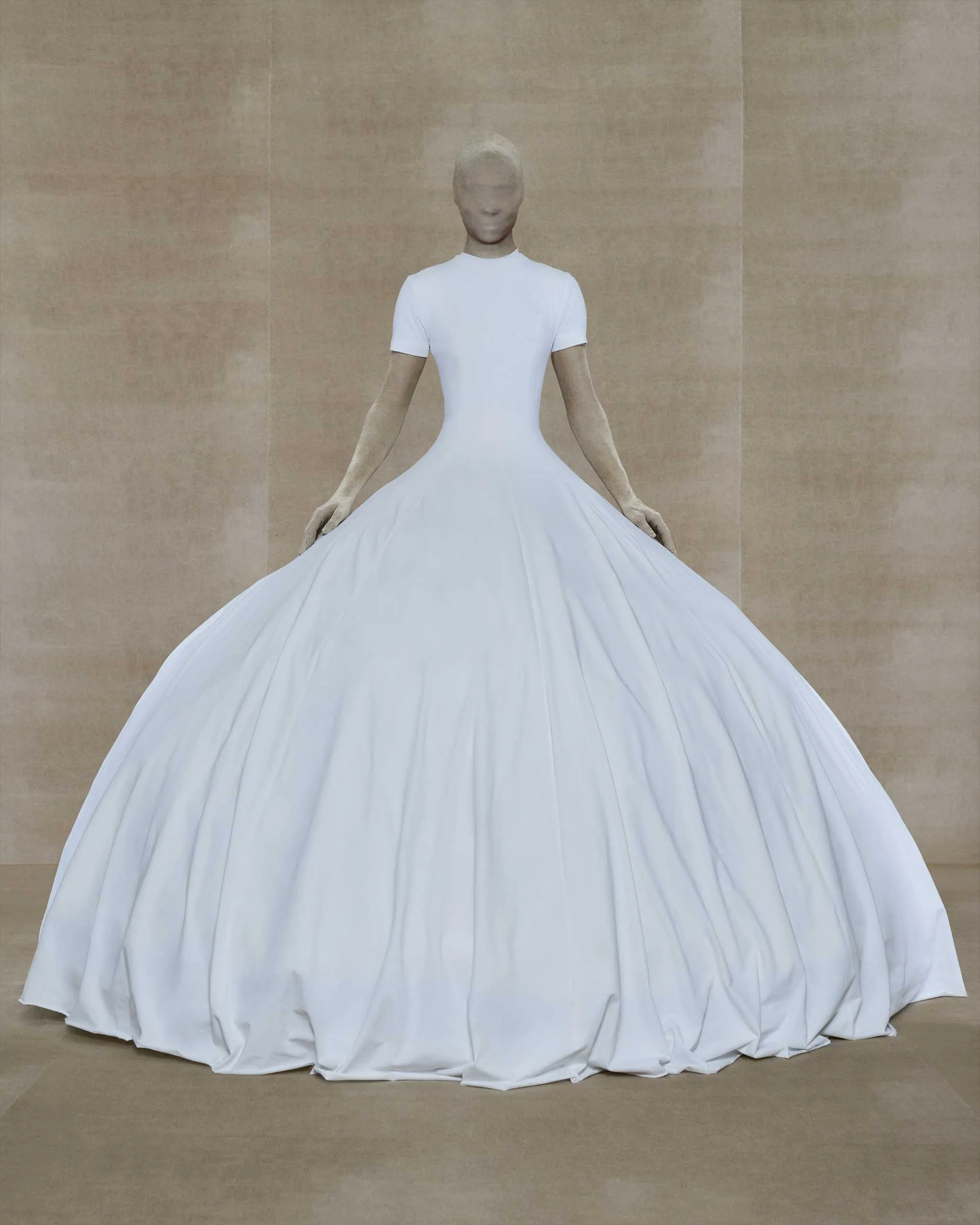
A t-shirt gown from the spring 2024 Vetements collection will be featured in the exhibition’s “Familiar Forms” room.Photo: Courtesy of Vetements
Love jeans and t-shirts? This one’s for you.
Today, the Metropolitan Museum of Art announced that its spring 2027 Costume Institute exhibition and Met GalaGalaA formal fundraising or celebratory event known for black-tie dress, high-fashion red-carpet looks, and elaborate dinners. Galas let designers dress public figures in statement gowns and tuxedos, and they oftenGo to Gala Glossary will be devoted to familiar garments and commonplace materials rendered remarkable via the interventions of designers. Organized by Curator in Charge Andrew Bolton, with assistance from Stephanie Kramer and Emily Mushaben, the Met Gala 2027 theme, “extraORDINARY: Fashion and the Poetics of the Everyday,” will ask its visitors “to see the everyday anew.” It will come at its subject from two directions, one focusing on the elevation of archetypal garments, i.e. the above-mentioned tees and jeans, and the the other examining how humble, even “disposable” materials, from paper to aluminum to plastic, are transformed into wearable art.
The exhibition replaces the John Galliano blockbuster originally planned for 2027 that was subsequently canceled after it became a cultural flashpoint.
“I didn’t have a plan B,” Bolton says candidly. “It was really important to come up with an exhibition that wasn’t just a masterwork show or something that we could do a little bit more easily. I wanted it to be as challenging and as provocative and as beautiful as a John show would have been.” He continues: “That was really important to me: to come up with an idea that wasn’t a substitute. And it had to have some sort of contemporary resonance.”
Bolton went back to “Costume Art,” the Costume Institute’s 2026 show as a starting point. That exhibition “placed the dressed body at the center of aesthetic experience,” he says, “and I suppose it led me to think more about how we experience clothing in everyday life through habit and touch and movement and sensation.”
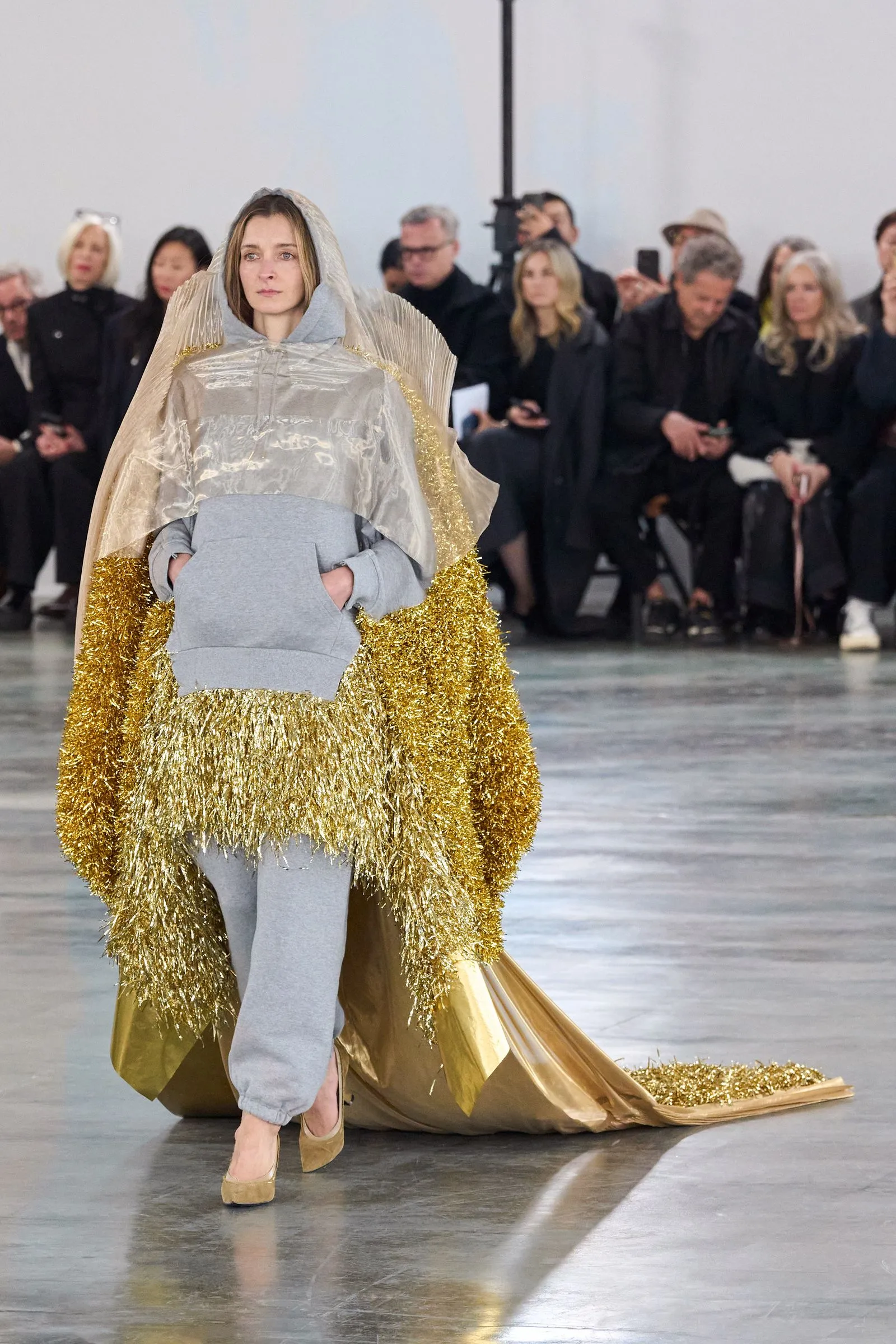
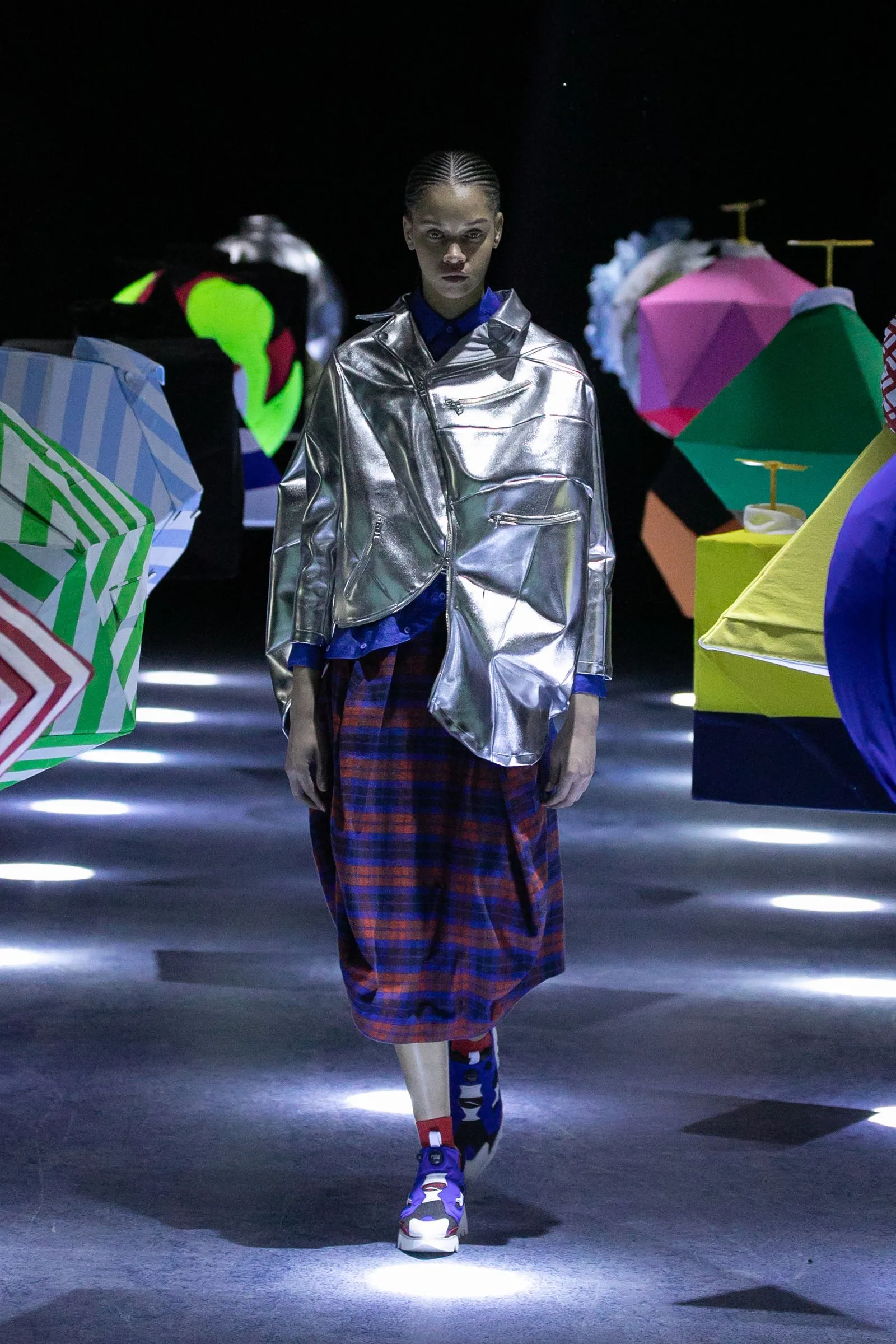
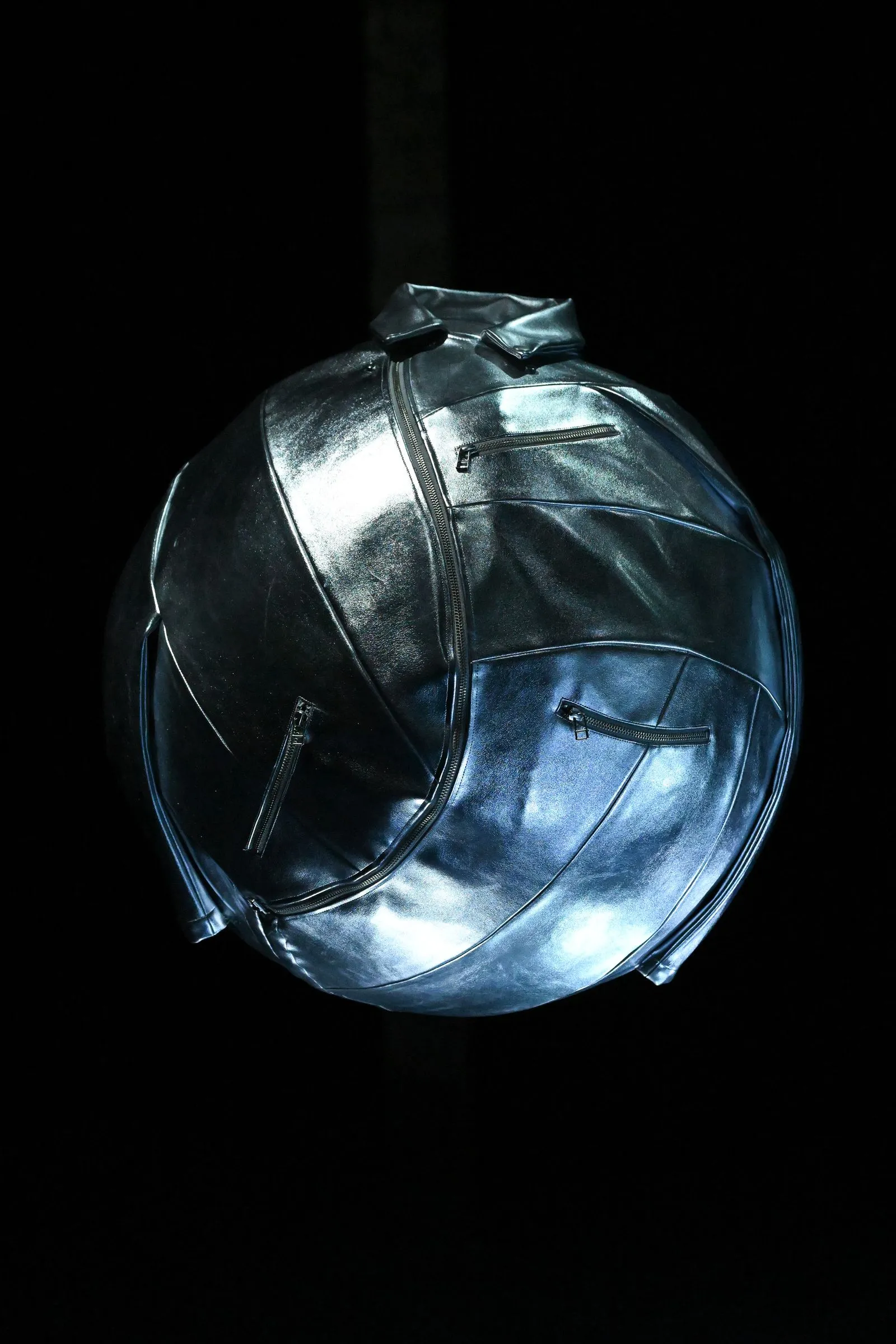
In that sense, “extraORDINARY” dovetails with a movement across the recent fashion shows in which designers embraced real, recognizable clothes and platformed individuality—soul, you could even call it—via their styling. “Quiet gestures hold so much more meaning than the louder gestures,” Bolton says. “Bravado—we should be looking at the opposite of that.”
He was drawn in particular to the Japanese designer Jun Takahashi’s fall 2024 Undercover collection, a sublimely moving show that was inspired by Wim Wenders’s contemplative film about the beauty of everyday life, Perfect Days, and included a spoken poem specially written for the occasion by the director about the daily rituals of a single mother, “Watching a Working Woman.” Garments from Takahashi’s collection—otherwise unremarkable pieces reworked via collage and layeringLayeringThe practice of combining multiple garments of different lengths, textures, and weights to add depth, warmth, and visual interest. In skincare, layering means applying products from thinnest to thickest consistency,Go to Layering Glossary techniques that rendered them anything but prosaic—will greet visitors at the entrance to “extraORDINARY.” They “give the exhibition a real human starting point,” Bolton says.
The show will close with the work of another Japanese designer, Anrealage’s Kunihiko Morinaga, whose “unfamiliar geometries” and “unexpected proportions” add a conceptual dimension to what is otherwise familiar. Rain parkas and trench coats as “objects of wonder.”
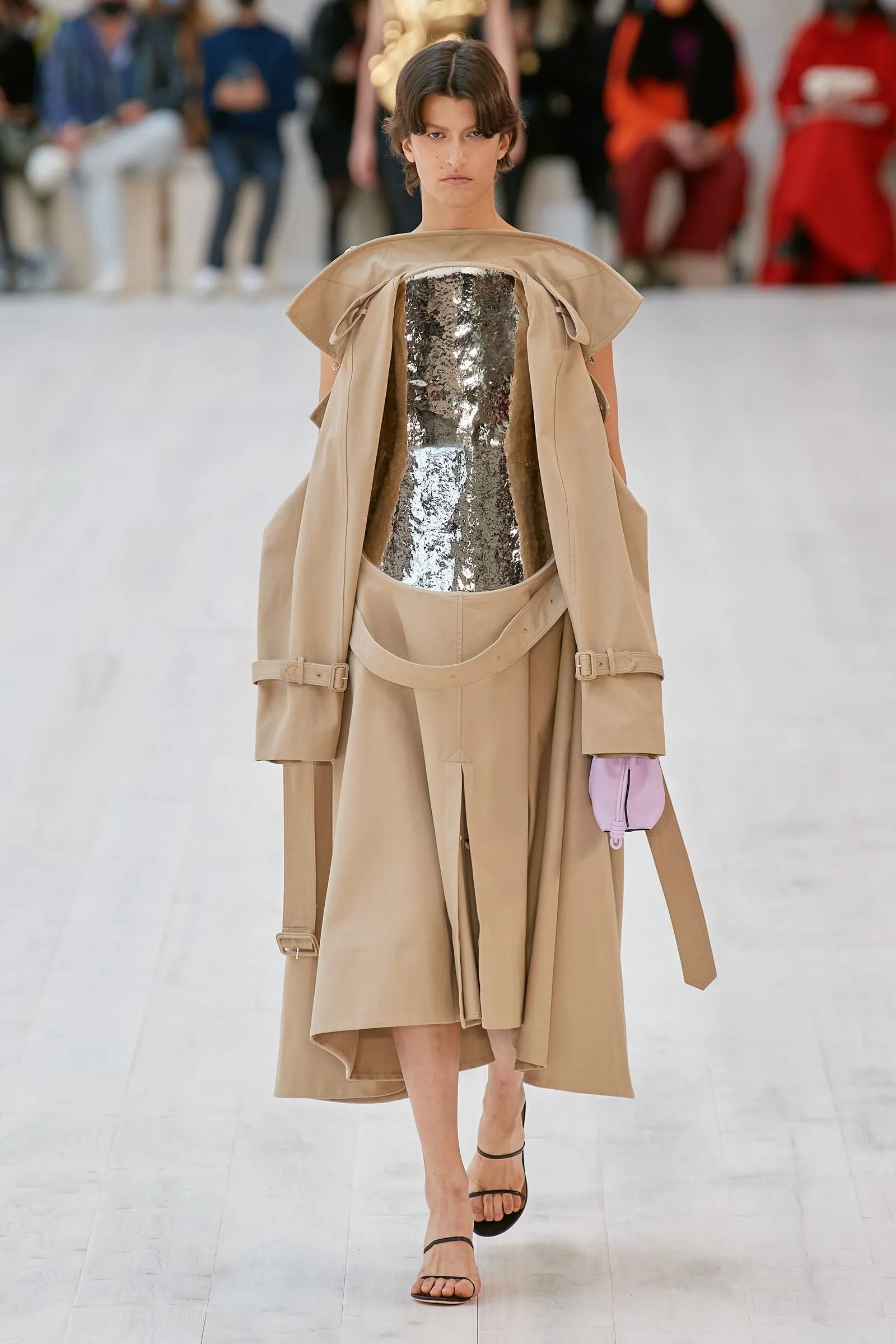
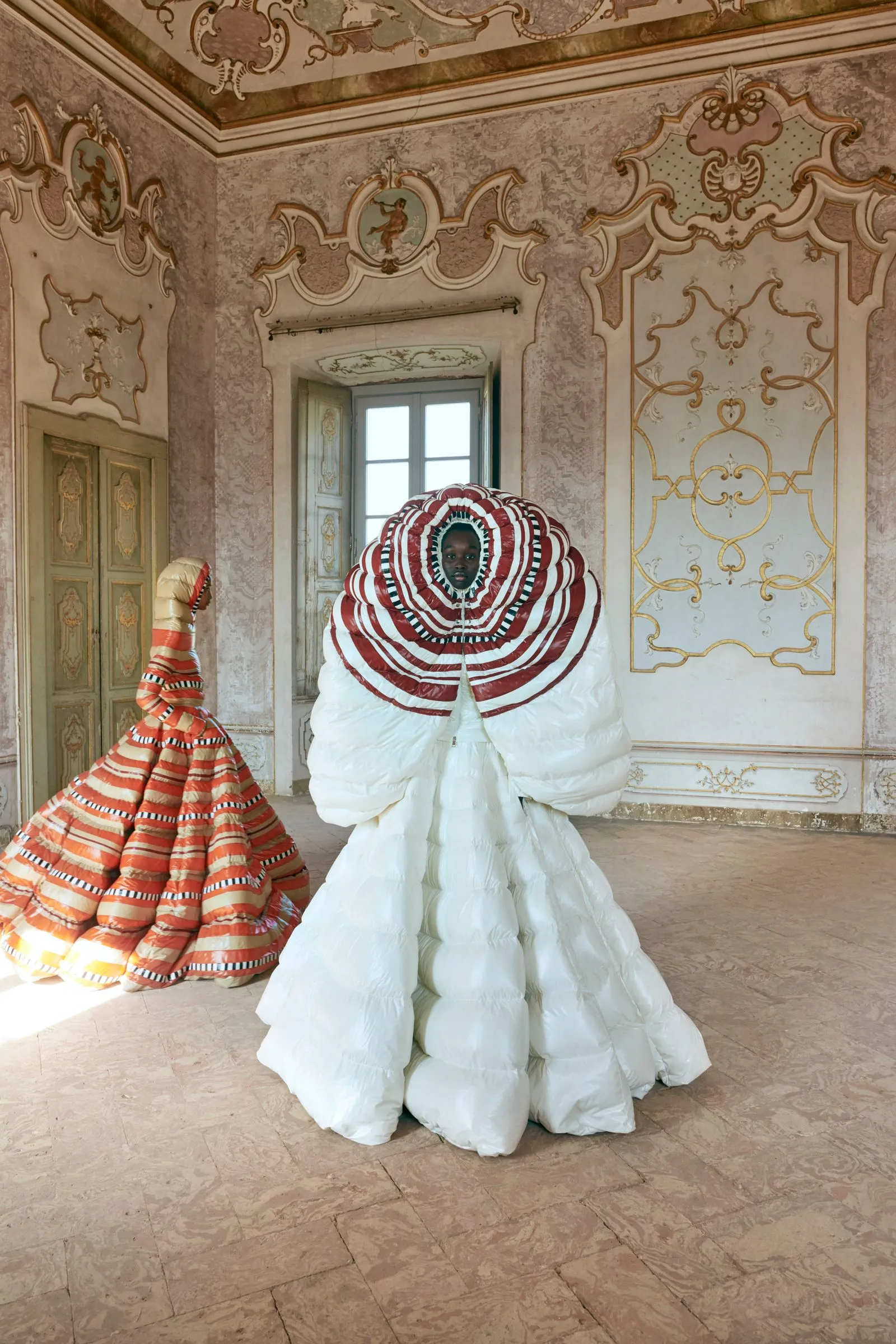
In between, “Familiar Forms” will look more closely at designers’ interventions of common items—Virgil Abloh’s Off-White t-shirts, Gianfranco Ferré’s demonstrative white shirts, trenches from Jonathan Anderson at Loewe and “the different designers at Burberry,” and puffer gowns from Pierpaolo Piccioli’s collections for Moncler all of which, one way of the other, “put the extra in the ordinary,” Bolton says.
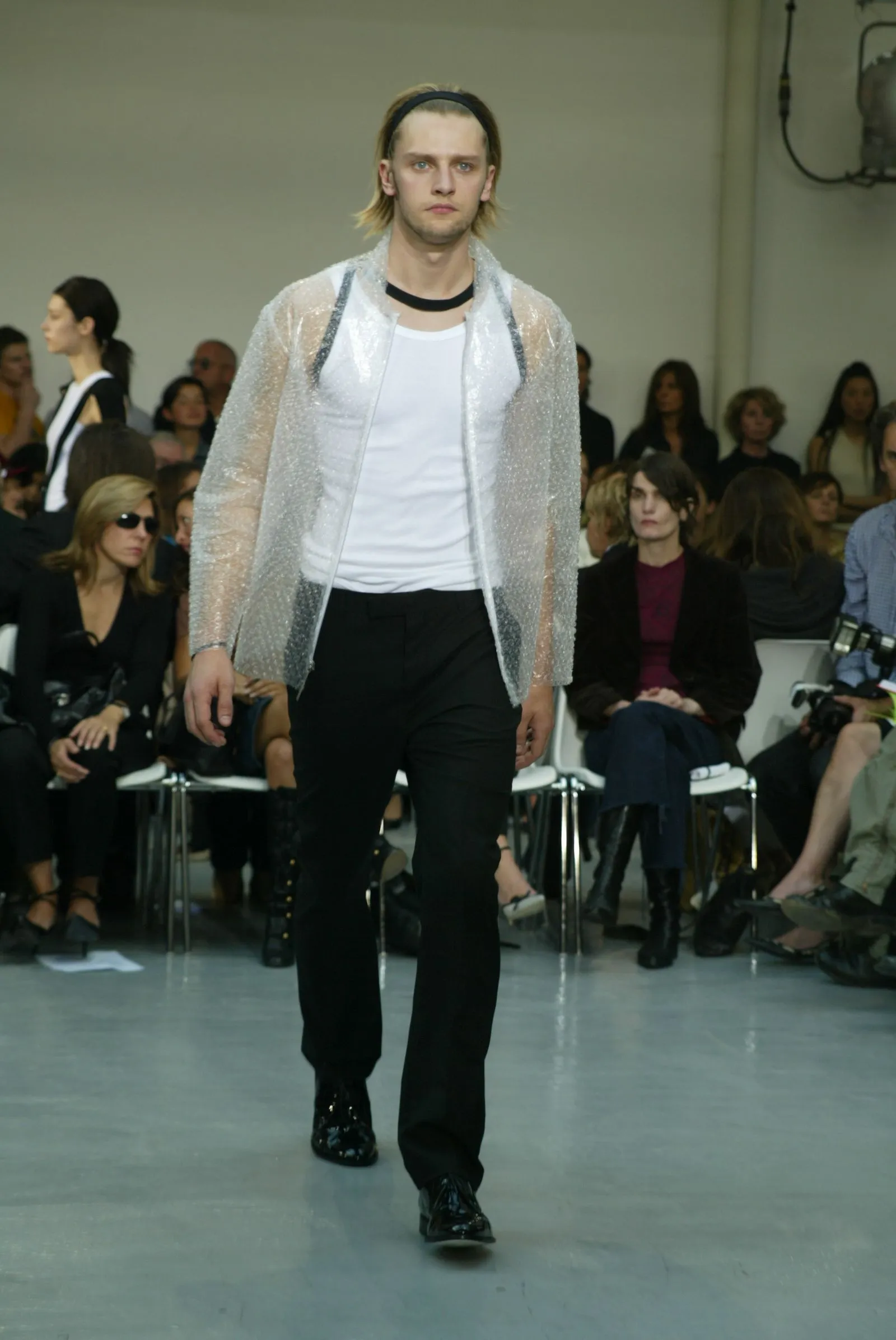
“Common Matter,” meanwhile, will delve into the potential of throwaway materials and found objects as actual garments. Margiela will be prominent in this gallery, alongside other designers who have made a habit of repurposing materials. “A paper dress,” Bolton says, can demand as much skill and as much labor as a silk gown. And the cost of a material tells us very little about the craftsmanship required to transform it. Reuse and reconstruction run through the exhibition because I’m interested in how things acquire life and how that changes what we value and care for.”
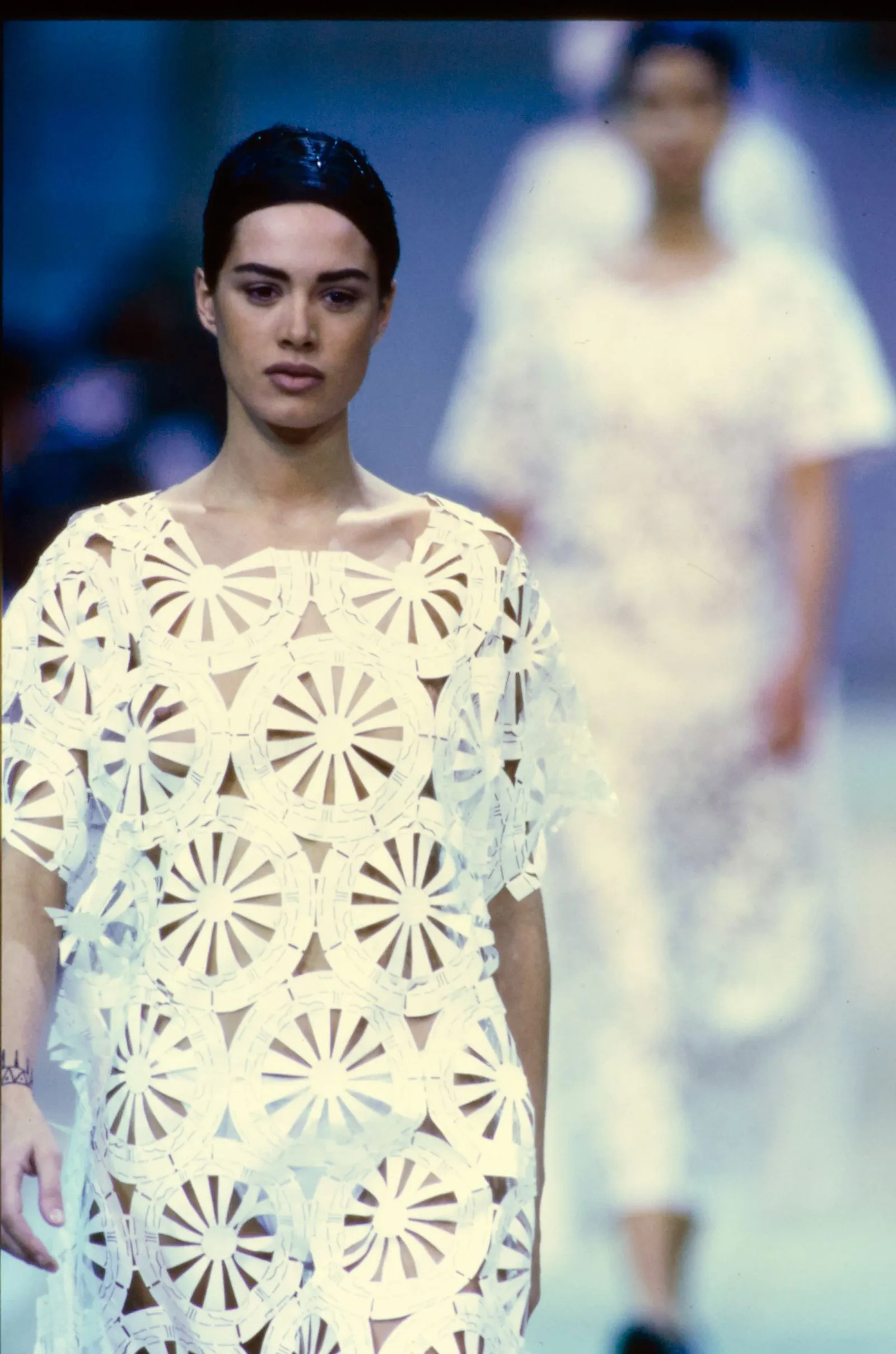
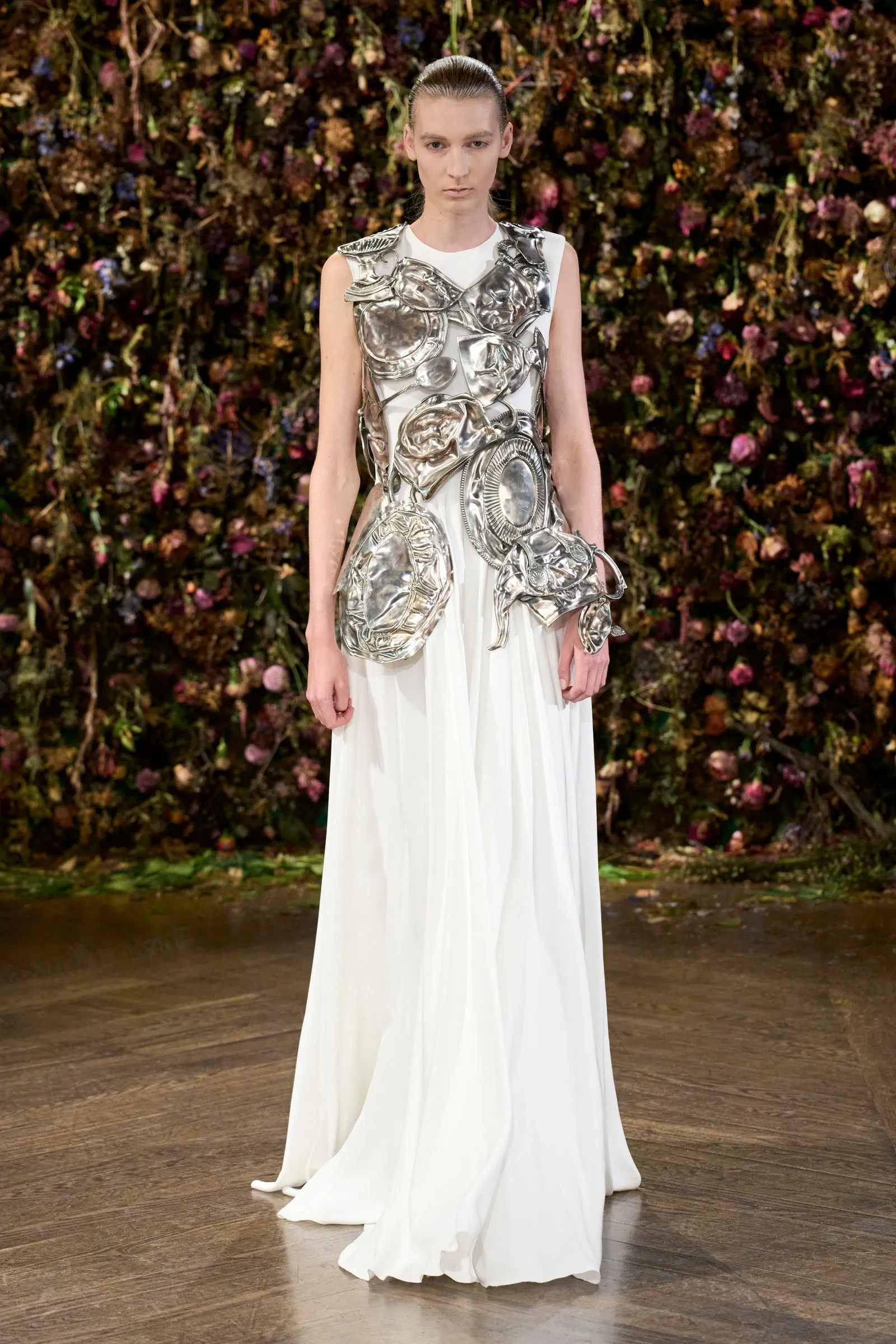
Questions of value, consumption, and resourcefulness give the exhibition a particular urgency, Bolton feels. “It will make us question: what do we overlook, what do we discard, what makes something worth keeping?” I think that fashion is so often associated with the pursuit of the new and the ephemeral that I’m really interested in how possibilities can emerge through returning to familiar things. I think there’s something hopeful about discovering how much imagination the everyday can hold.”
If that doesn’t have the promise of Galliano’s fantastic and radical reimaginings, it is not merely the humdrum we’ll be talking about. Among the pieces bound to amuse and delight are a splintered china ensemble from Martin Margiela and Ellen Hodakova Larsson’s next-generation jangly spoon dress.
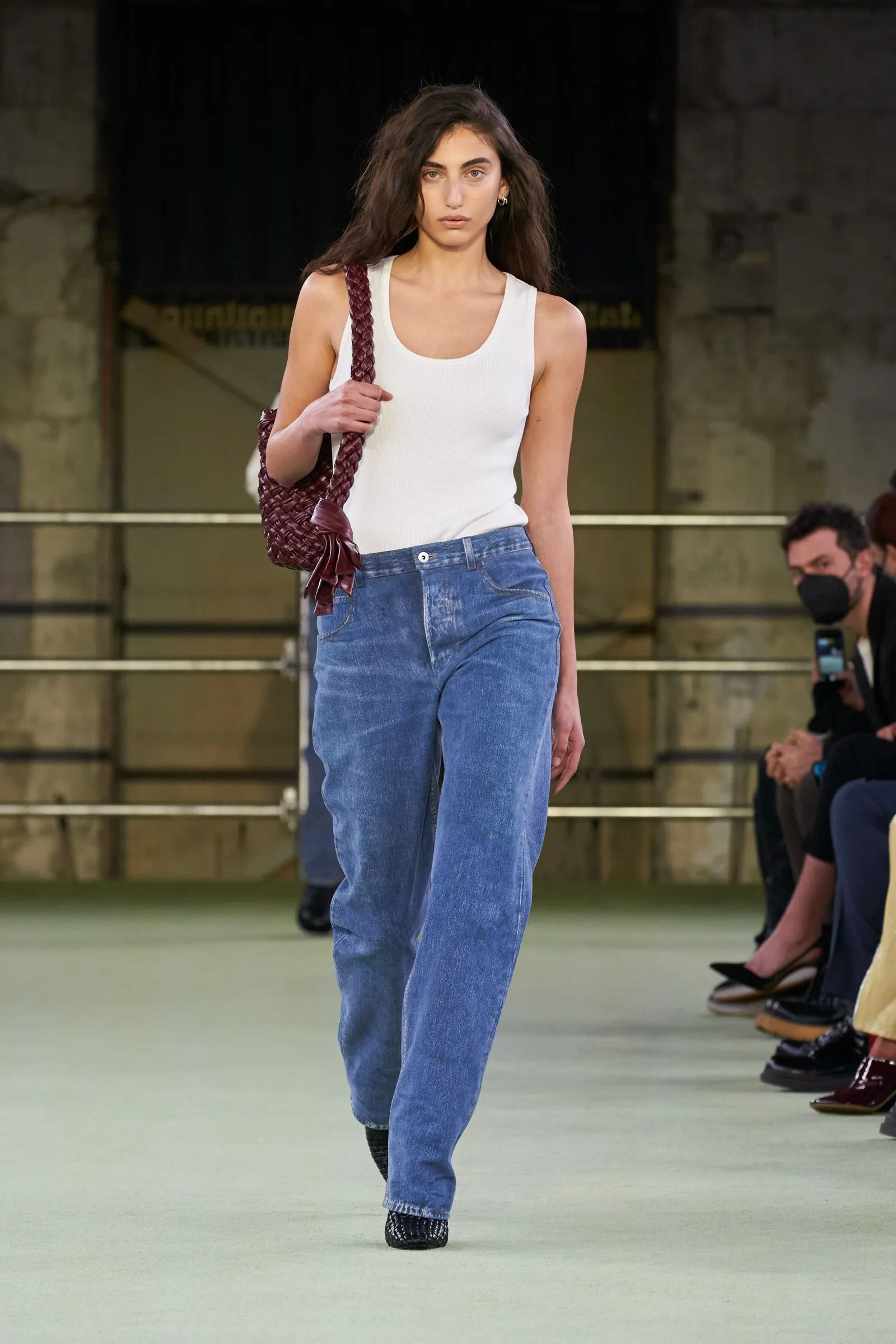
The exhibition, which opens to the public on May 9, 2027 after the Met Gala on May 3 and will be on view through January 9, 2028, is being conceptualized by the London-based scenographic design studio, 1009, with the intention of creating a dialogue between the installation and the people that will move among it. “I want the visitors to be part of the exhibition,” Bolton says. In fact, if he had his way, the show itself, not just the red carpet ball that precedes it, would have a dress code. He likes the idea of people wearing “their favorite t-shirt or their favorite pair of jeans or their favorite hoodie” as they navigate their way through the show. “There’ll be a humanity to it,” he says.
“extraORDINARY: fashion and the poetics of the everyday” will be sponsored by Instagram, with major funding from Moncler, and additional support from Condé Nast. Education programs presented in conjunction with the exhibition are made possible by Jordan Roth.
This article was originally published on Vogue.com.
- Mariah Carey Answers Vogue’s Holiday Questions—From Festive Styling Tips to Hosting No-Nos
- Jann Bungcaras on “The Anthology of the Left-behind” and the Power of Eco-Collaboration
- CFDA Awards 2026: See All the Fashion From the Red Carpet
- Septième Rebelle Unveils the Other Side of Sophistication With “Mischievous Desires”