
How Two Chefs Went the Extra Mile for Their Dogs


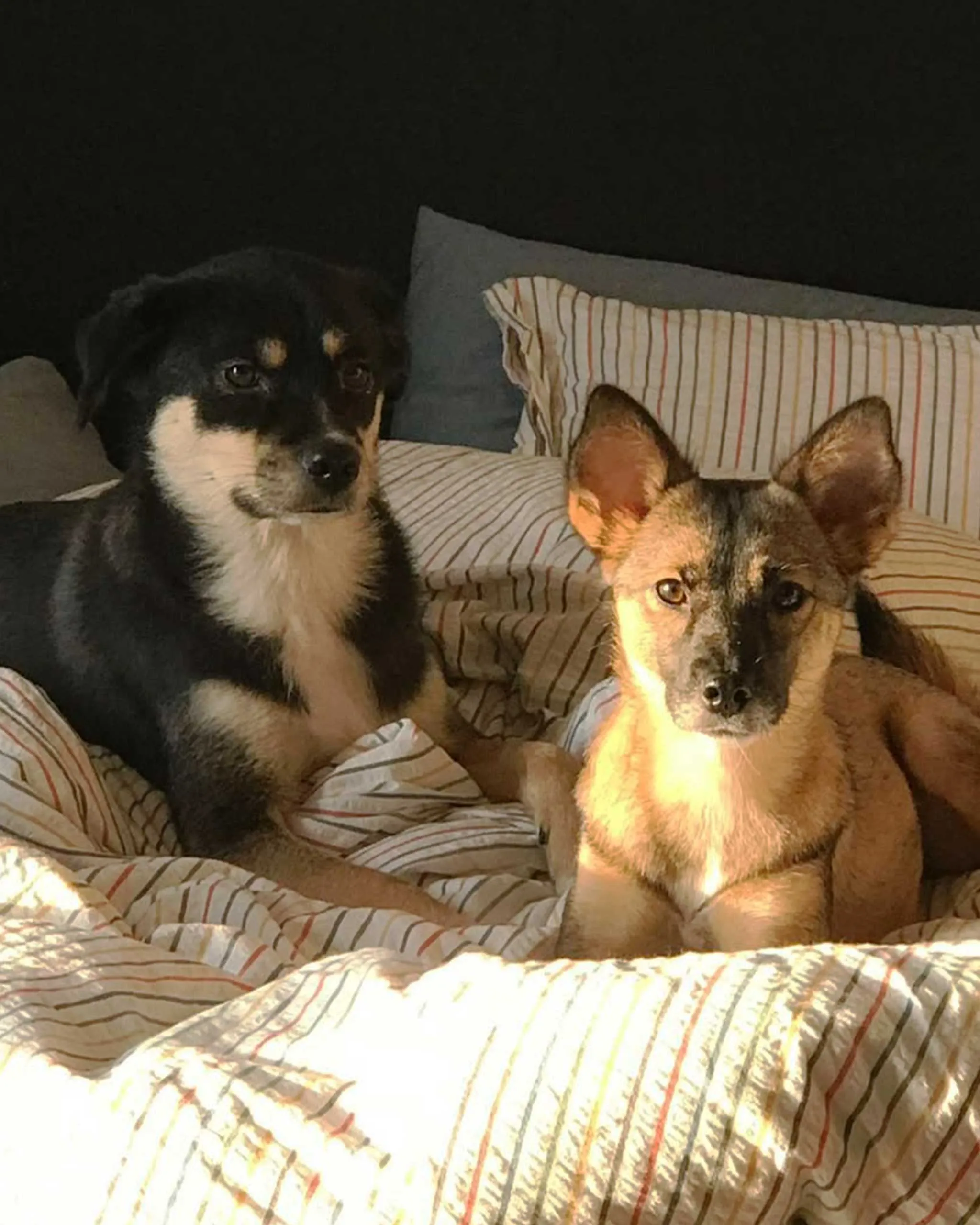
Courtesy of Sean Jorgensen
Anna Bautista and Sean Jorgensen faced a pandemic lockdown and thousands of miles apart, but found a way to keep their beloved pets safe.
A thousand miles away from the Philippines, COVID-19 spread across China, and a state-wide lockdown ensued. The rest is history. In these moments of breakdown, “What about the dogs?” was not the first question raised amid a rolling wave of panic across Shanghai. Yet, for Anna Bautista and Sean Jorgensen, chef-owners of the Makati restaurant Oak and Smoke, this tore at the fabric of their home.
At the time, they had been living with their two dogs, Roscoe and Trixie, in a condominium. Under the pandemic lockdown, it became incredibly difficult to care for their pets. When the lockdown was announced, Anna was in the Philippines recovering from surgery and was unable to book a flight back home. Despite being apart, with Sean in China with the dogs and Anna in Manila with her mom, the couple went the whole nine yards to keep their pets safe.
Roscoe had been found alone in a crate, in an alleyway in the city. A neighbor of the chefs posted an adoption notice to their condominium group chat. Sean, a dog lover all his life, was ready to take the young pup into their home; however, Anna had reservations. Unlike her husband, she was not used to taking care of a dog. And so, a few weeks into fostering Roscoe, she insisted they put him up for adoption. Just hours before a prospective adopter was ready to take him, Anna changed her mind. Sean recounts the moment: “I told her, ‘There’s a lady on the way to come see him,’ and she burst into tears.” Anna said, “I didn’t want to give him up.”
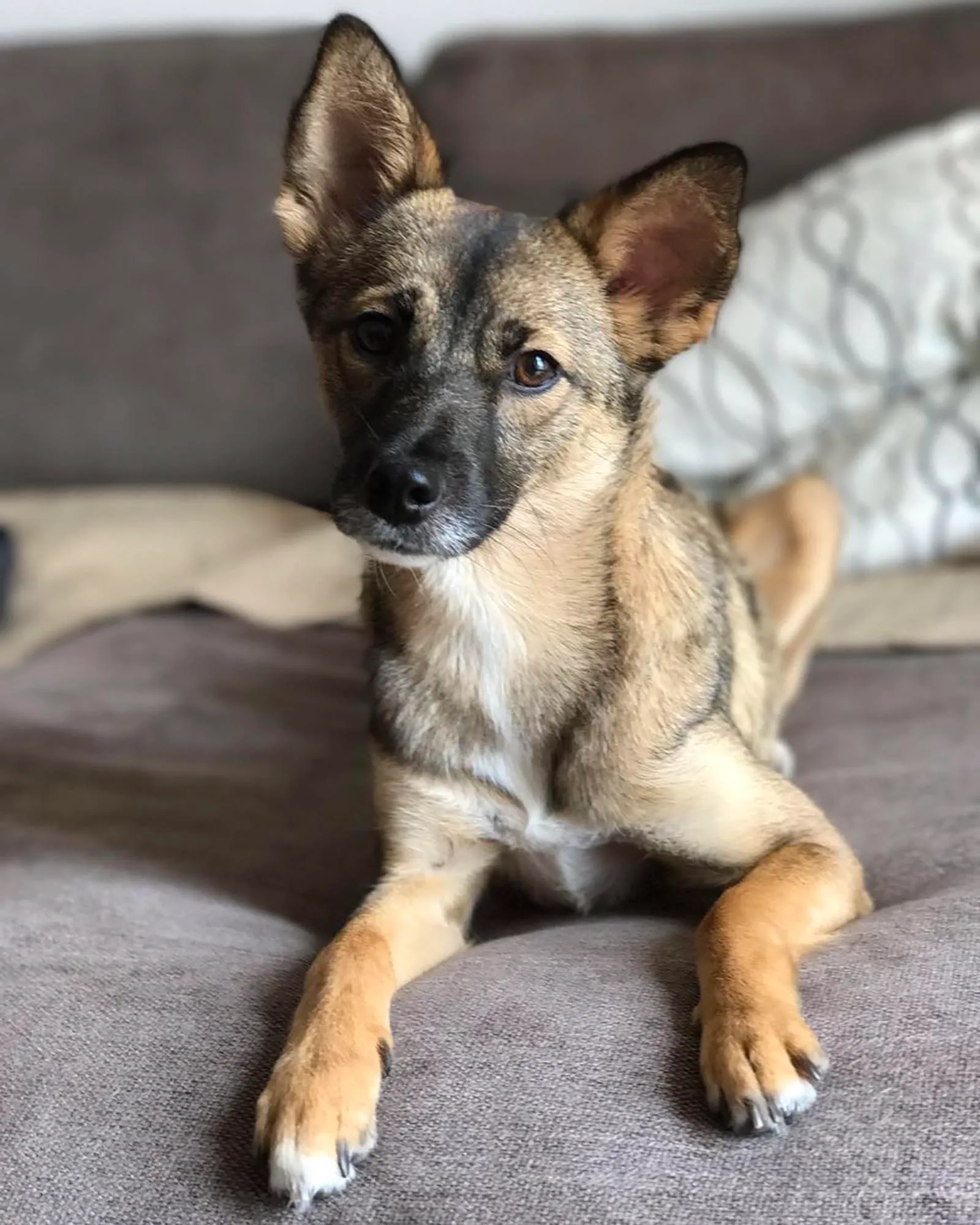
Trixie’s introduction to the couple was unexpected. When the pair attended an adoption fair, they found themselves drawn to a different prospect, a dog named Bear who had four or five other people interested. Dissuaded, they noticed a tiny pup following them around. “She just kept following me throughout the fair, and then Sean was like, check this dog, and I didn’t really notice her because she was so tiny,” recalls Anna. Apart from her size, Trixie has a remarkable extra toe at the back of her paw, which Anna believes is the reason the dog was abandoned on the streets. “She had a deformity, and because of feng shui, it’s considered unlucky.”
The process of keeping a pet in China is far more stringent than in the Philippines. Each household requires registration at the nearest police station, and each dog has to be microchipped. “They’re very strict in that sense, stricter now than ever before, I think,” Anna says. The bureaucratic system guaranteed proper documentation, but it also meant enforcing stricter regulations in case things went awry. And go awry they did.
Every day of the lockdown, Jorgensen had to follow a strict set of rules. “This is going to make absolutely no sense to you,” he says. A government officer would drop 25 to 30 tests at his doorstep, where he’d swab himself and send the results to the condominium group chat. Once everyone in the building was cleared, only then could they exit their homes, with another 50-600 people to be tested once more in another facility.
“The scariest outcome is if you tested positive for COVID-19, they came and took you to these big rehabilitation centers,” Jorgensen recounts. “There were all these videos floating around on social media of enforcers abusing the owner’s pets.” The future was uncertain for a dog in China’s lockdown. Stuck in one place, Jorgensen made the most of what little he had. Trixie and Roscoe had grown accustomed to peeing outside, so he fashioned a makeshift yard on their balcony and covered it with a pee pad.
After a while, he began to bend the rules. “I was really worried that they would get sick because they wouldn’t go to the bathroom, so I bribed our guard,” he says. In the early mornings, he would sneak his dogs out into the front of the building and let Roscoe and Trixie have their daily walk. When asked if he was worried about getting caught and potentially facing consequences, he says, “Yes, but it was worth it.”
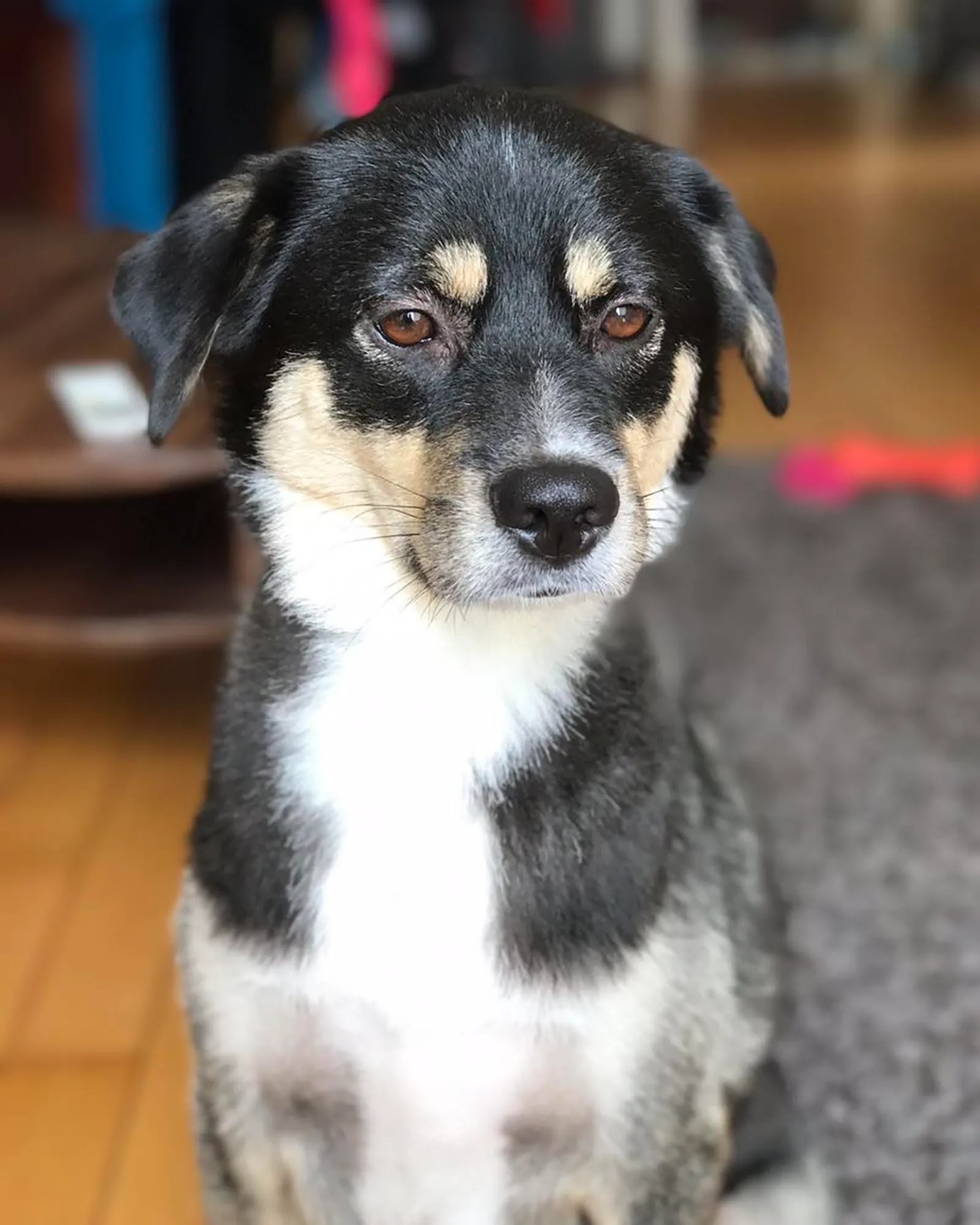
Soon after, he began taking his dogs with him to the quarantine checks, and his neighbors began doing the same. “I mean, after two to three weeks of this, we’re going to bend your rules,” he says. Still, working around gray areas didn’t ease the anxiety. Bautista could only hear from him through daily calls, while Jorgensen could only hope for the best. She says, “It’s super scary because the dogs were my life, but I think psychologically and mentally it was really harder for him.”
What was supposed to be a weeks-long stay stretched into two years, but eventually they found a way out. Jorgensen found a job in the Philippines, and the couple agreed to settle down here. “I think beyond the obvious humidity and the heat, the dogs have a much better life here,” Jorgensen says.
After making arrangements to fly the dogs out, the long-awaited journey home was finally within reach. “I think it was just an honest mistake in communication between the Chinese and local authorities,” says Jorgensen, sharing that the release of their pets was delayed. After making the corrections, they were finally reunited with their pets at 3:30 in the morning, although they still had to have the documents notarized. Anna, being the local, handled it. Tired and frustrated, she pleaded with the officers to speed up the process and have their dogs released. “I think I did enough drama at the customs office that they were like, ‘Let’s just let this lady have her dogs.’”
Besides the hot climate and Roscoe’s fear of thunderstorms, the family of four settled into their new home quite well. “Trixie, to this day, still has a little bit of skin irritation, and I think it’s just a different environment,” says Bautista. Falling into a familiar routine, Trixie has become an authority in the household. “We have dinner at the table every night, and then Anna and I will talk, or we’ll watch something on TV when Trixie is ready for everybody to move.”
Roscoe, the more social of the two, brings a relaxed energy into the house, so much so that he gets along with the pair’s cat named Smoke. “Roscoe’s a good old boy. He’s a man of the people,” says Jorgensen.
In China, owning pets has become a status symbol. Depending on the trend cycle, particular purebred dogs signal prestige. Away from the world of designer dogs, Jorgensen and Bautista imagine a future that is beginning to open up to the stray dogs on the streets. To those looking to own a pet, the couple discourages people from purchasing pets without careful planning. “I think foster or go out and spend some time with the dogs and their adoption agency out there,” advises Bautista. “For those who want to adopt, please [do it], it’ll save your life.”
After two years of being separated, the journey home was fought for and earned. Roscoe and Trixie now live off an endless supply of lamb, carrots, and zucchini.
Frequently Asked Questions
Anna Bautista and Sean Jorgensen are the chefs and owners of Michelin-Selected Oak and Smoke restaurant in Salcedo, Makati.
Oak and Smoke restaurant serves Asian and Southern American cuisine, taking inspiration from both of the chefs’ cultural backgrounds. It’s a Michelin-Selected establishment.
They have two dogs named Roscoe and Trixie and a cat they adopted in the Philippines named Smoke.
Their restaurant Oak and Smoke was listed in the 2026 Michelin Guide Manila and Environs & Cebu Michelin-Selected establishments. It retained that distinction in the recently announced 2027 list.
They’re open from Monday to Saturday from 5:30 PM to 10 PM and until 1 AM for the bar.