
The Making of “Archivo”: Rajo Laurel Takes Us Inside His Wonderful World of Fashion


Photographed by Gab Villareal
The veteran Filipino designer closed Fashion Week Asia with his gala show titled “Archivo,” the sum of a three-decade-long body of work.
There isn’t an object out of place in the world of Rajo Laurel. At his Poblacion atelierAtelierThe French word for workshop, describing the studio where a designer's garments are cut, fitted, and finished by hand. In couture, the atelier is the heart of the house, homeGo to Atelier Glossary, sewing pins are arranged by color; small items are kept in labeled boxes; and fabric swatches are filed in binders, stored in a tall wardrobe that moonlights as a mirror. These are only a few examples of the arsenal of tools that keep his three-decade-long fashion practice running as smoothly and efficiently as it does.
In those 33 years Rajo must have seen plenty; even so, I suppose a day like this one is quite unusual for the designer. “You wouldn’t believe it,” he talks excitedly over the phone, laughing as he looks over his studio from his desk. “There are like 30 people in front of me right now.”
The room is packed. Apart from the models, stylists, and the House of Laurel team that operates like a tour de force of nature, zipping in and out of the room with their hands clutched around rolls of fabric or clipboards, the Vogue team is here, documenting one of the last days of fittings leading up to his Fashion Week Asia Gala show.
High pressure as the situation might seem, Rajo and the creatives gathered around him make light work of today’s behemoth tasks: A model walks in dressed, Rajo and his stylists make adjustments to the pieces, and tailors come away with their newly received edits. Then the model would do a test walk to a beat Rajo would set, more edits, documentation photos, and we’re already on to the next look.
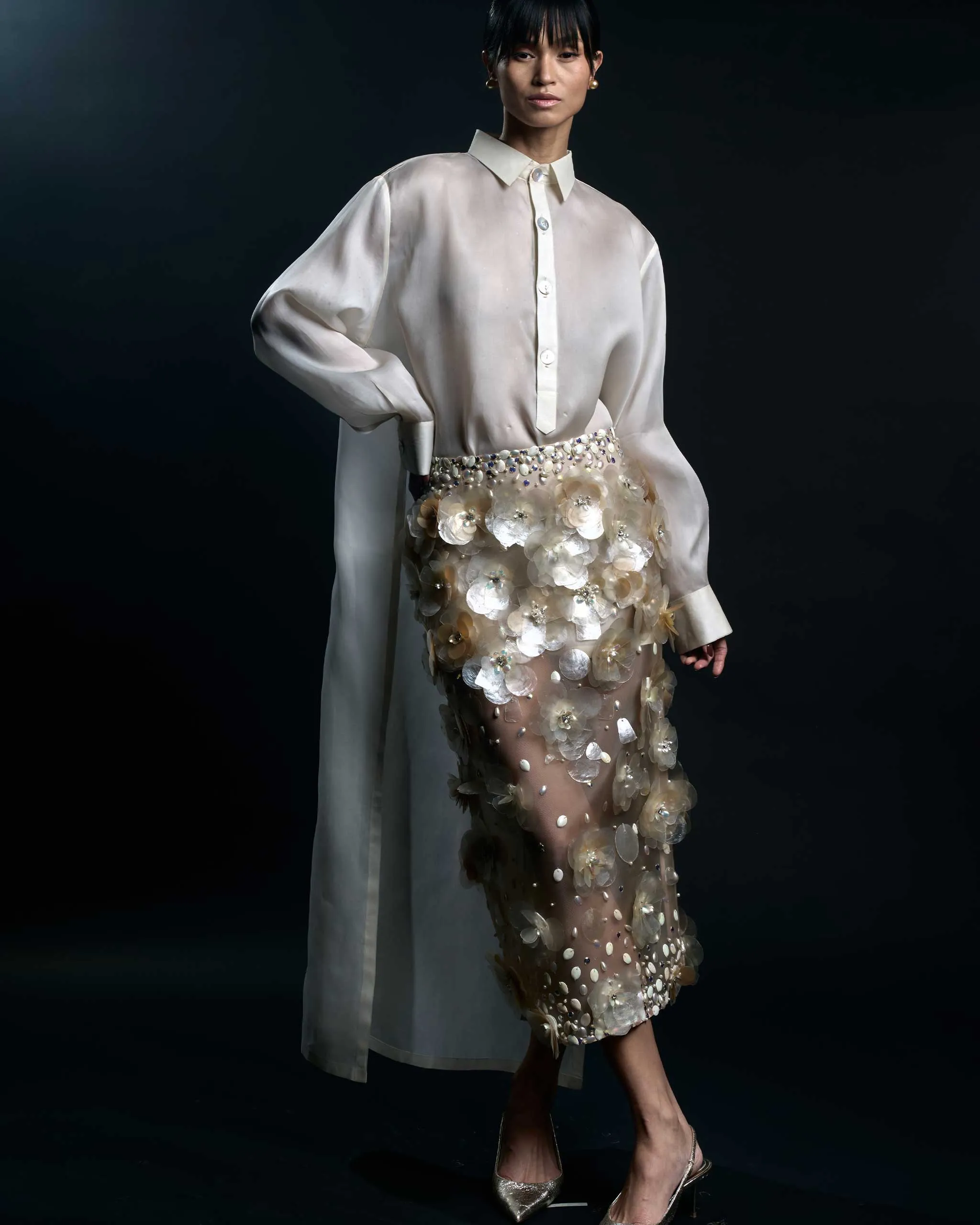
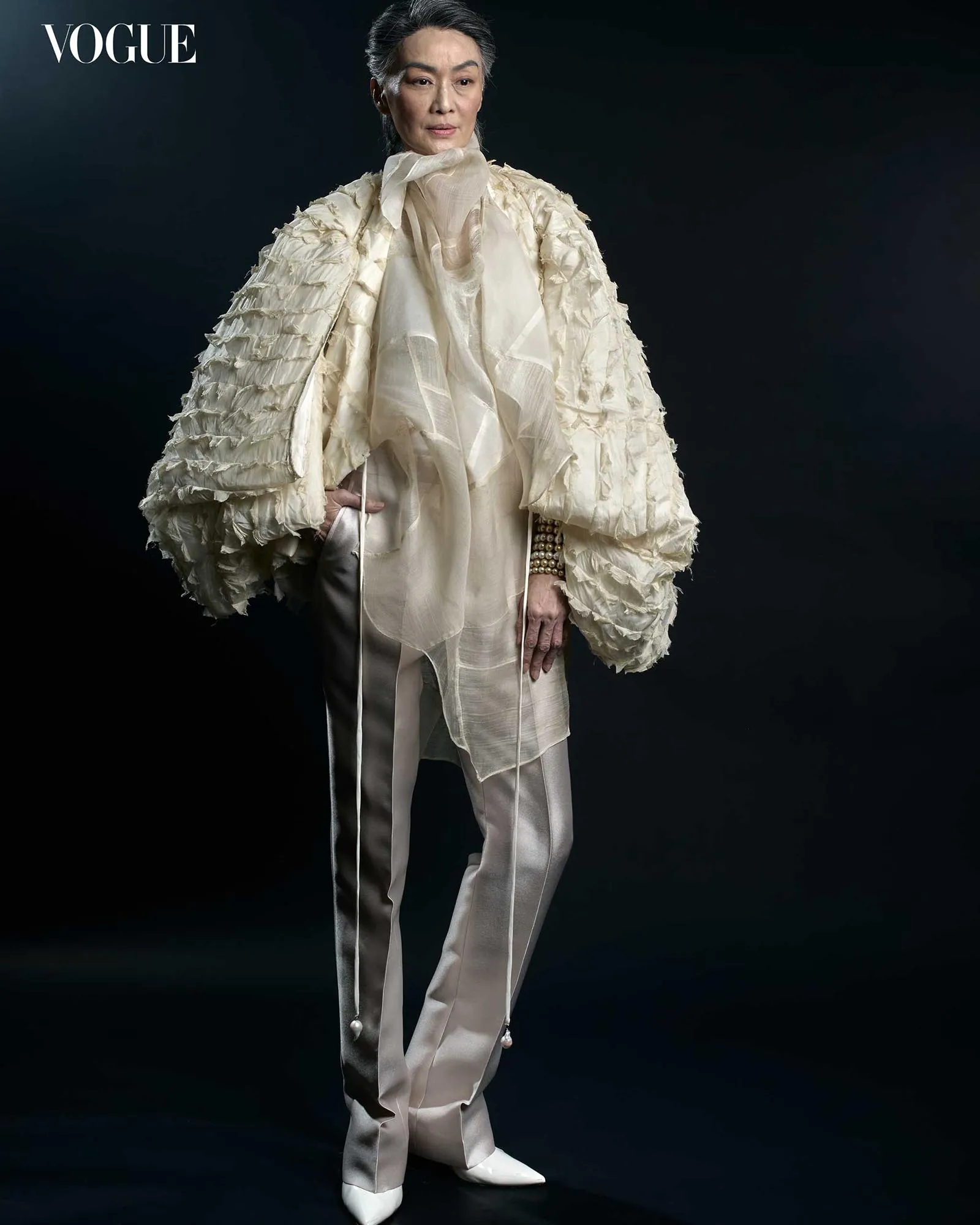
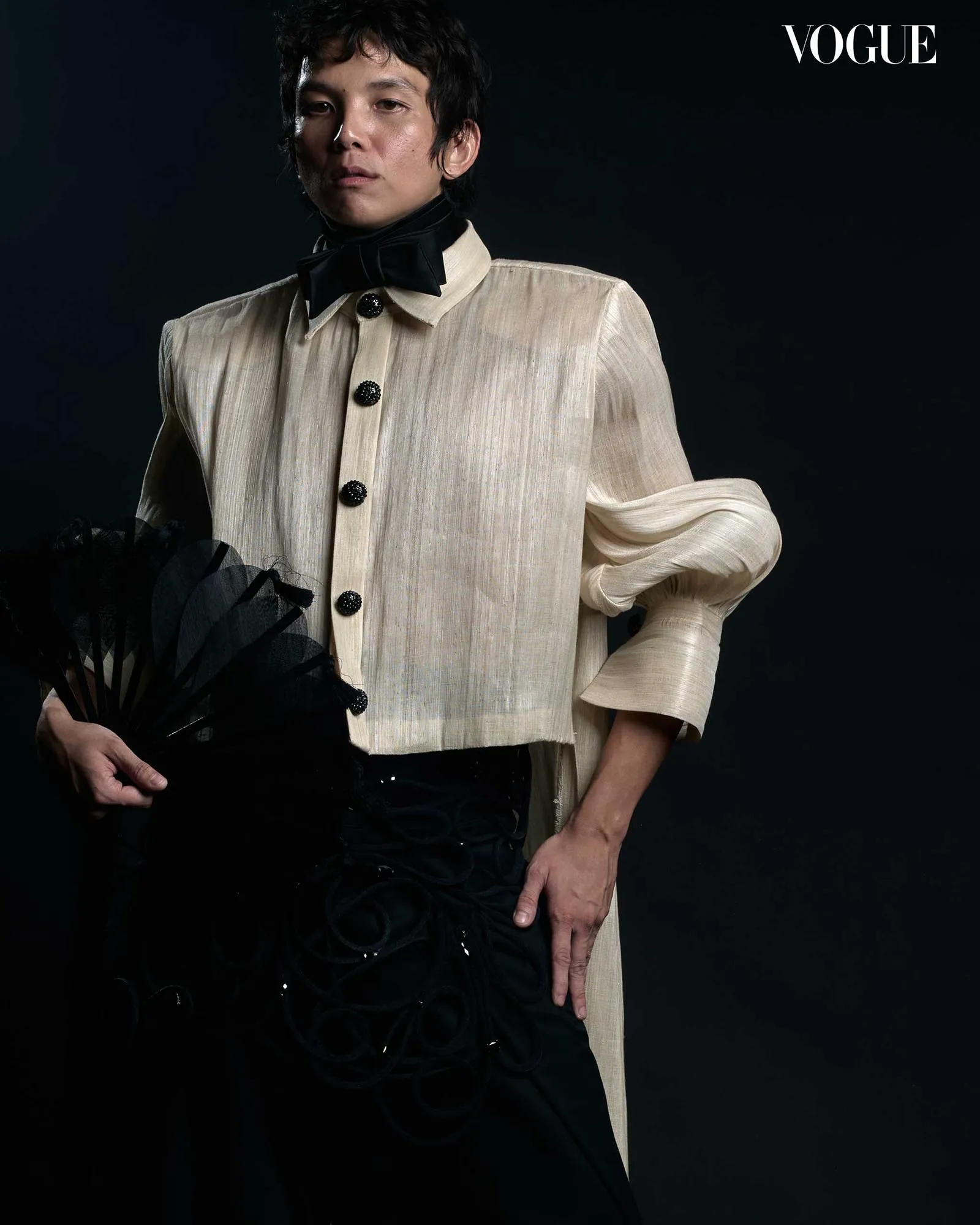
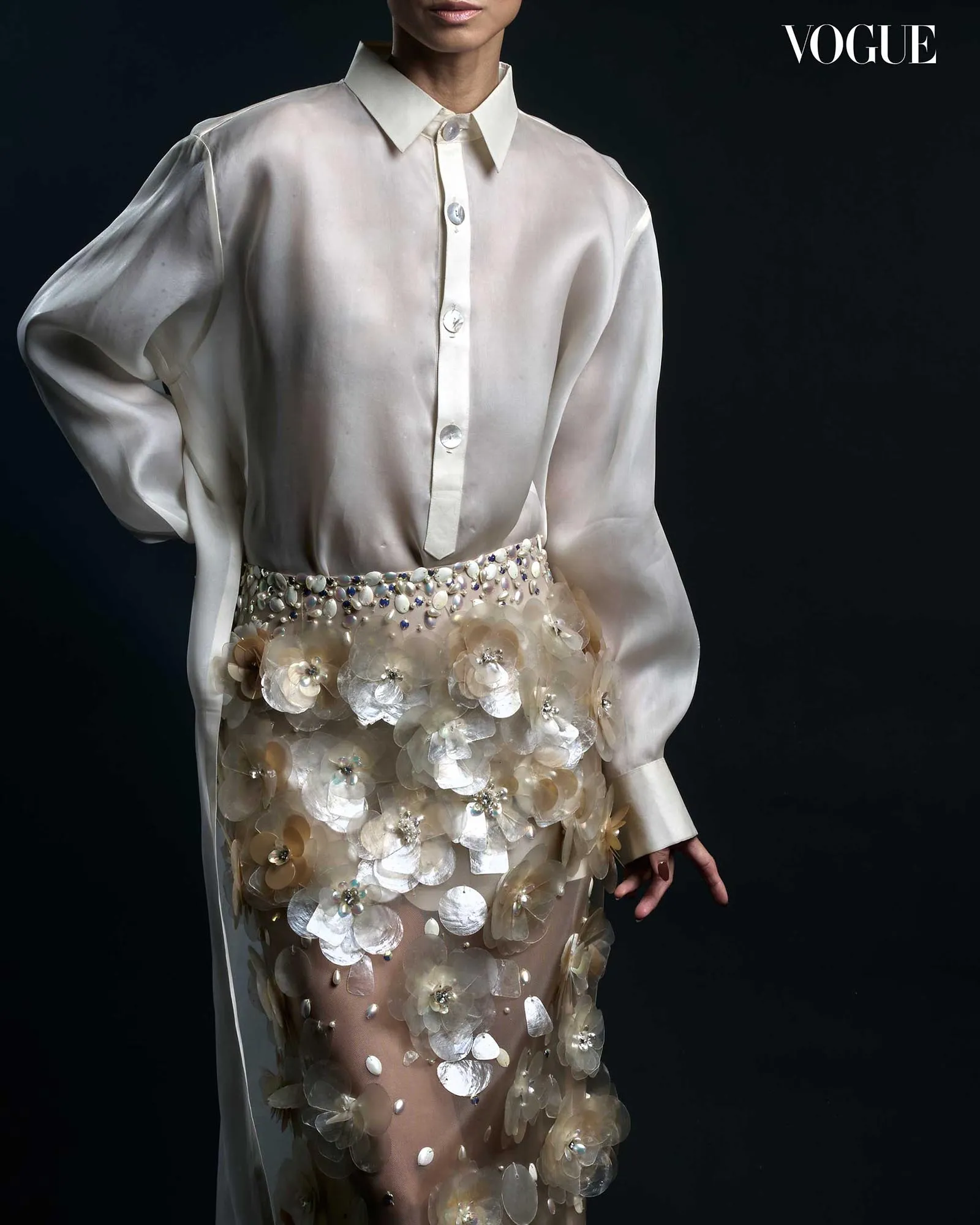
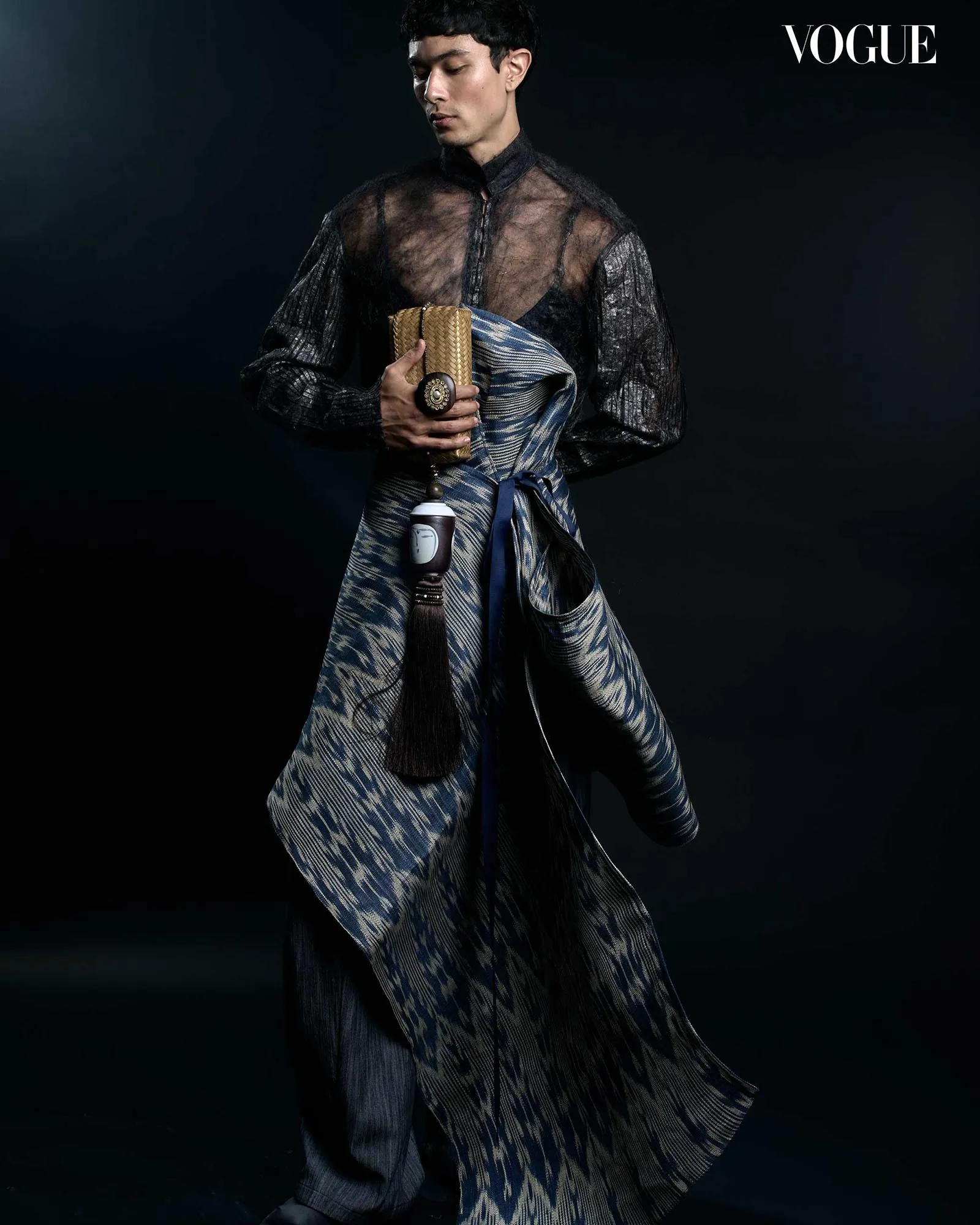
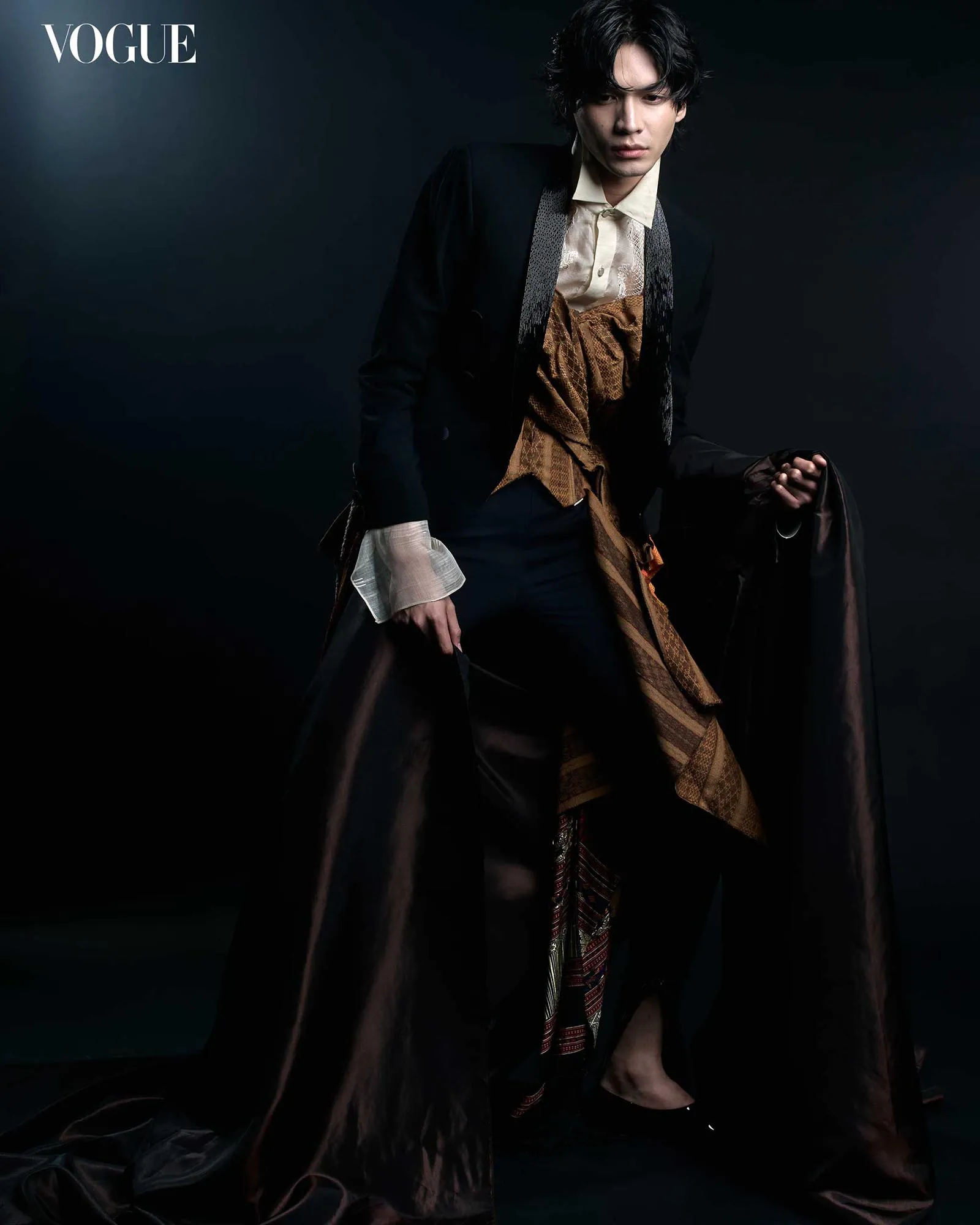
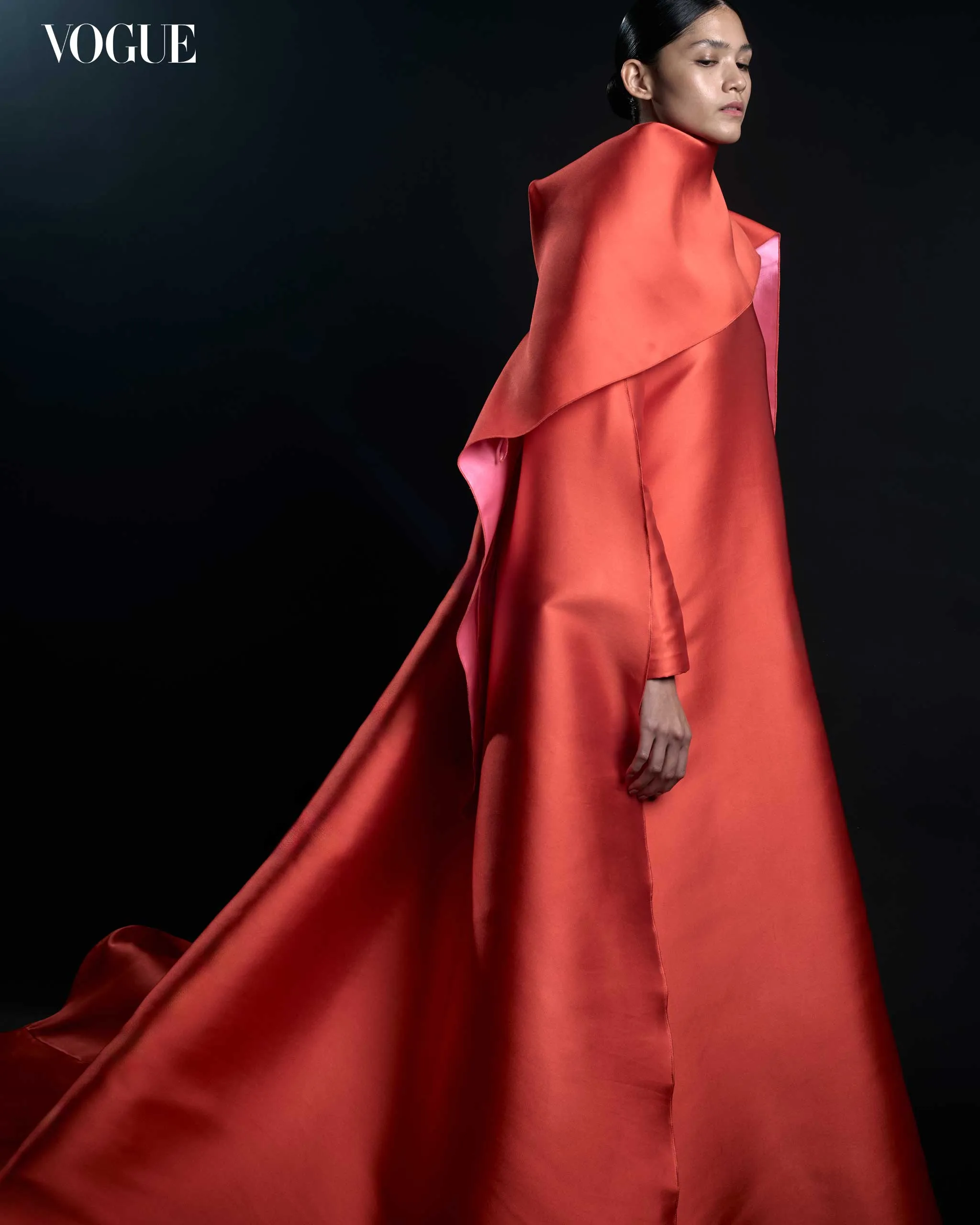
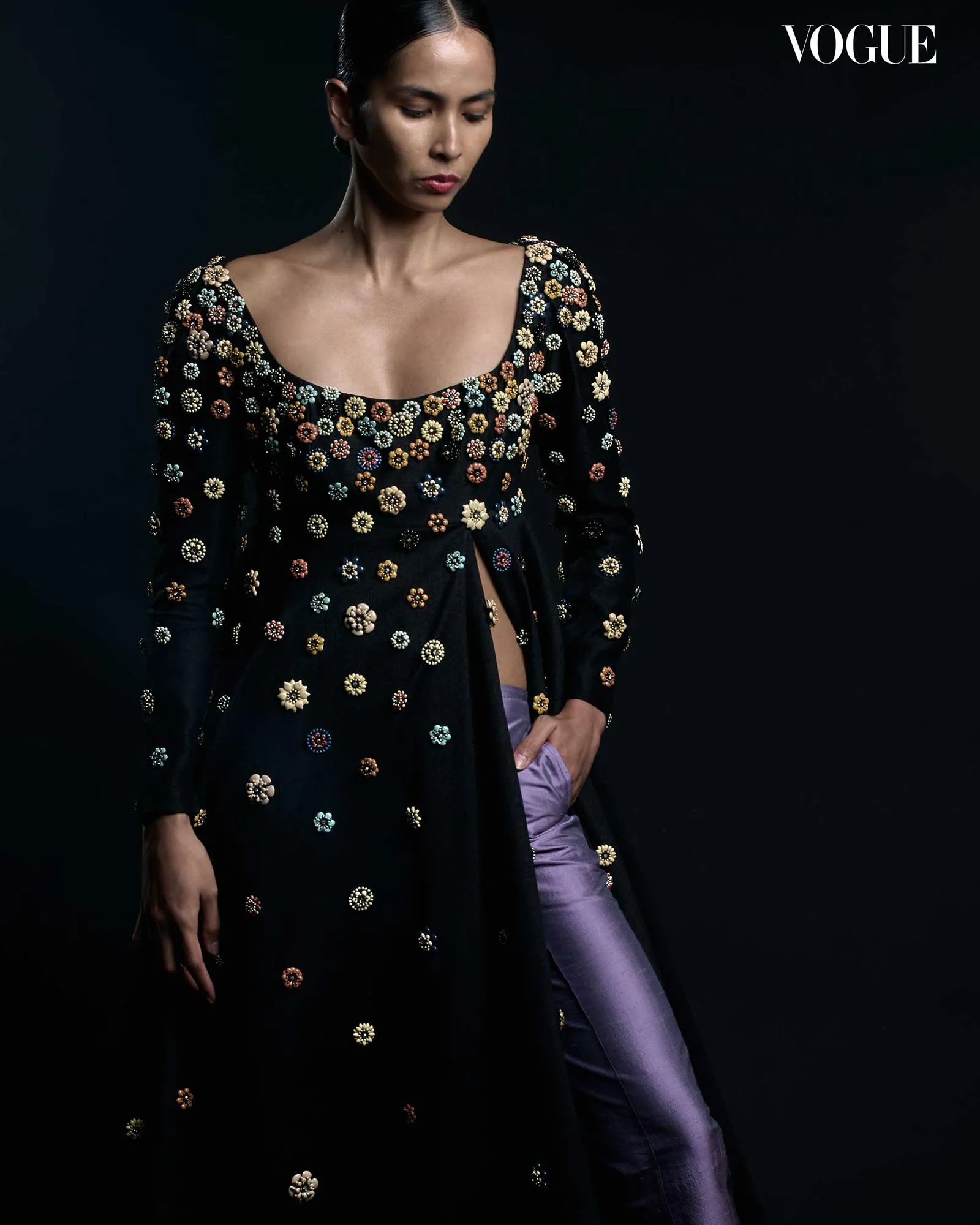
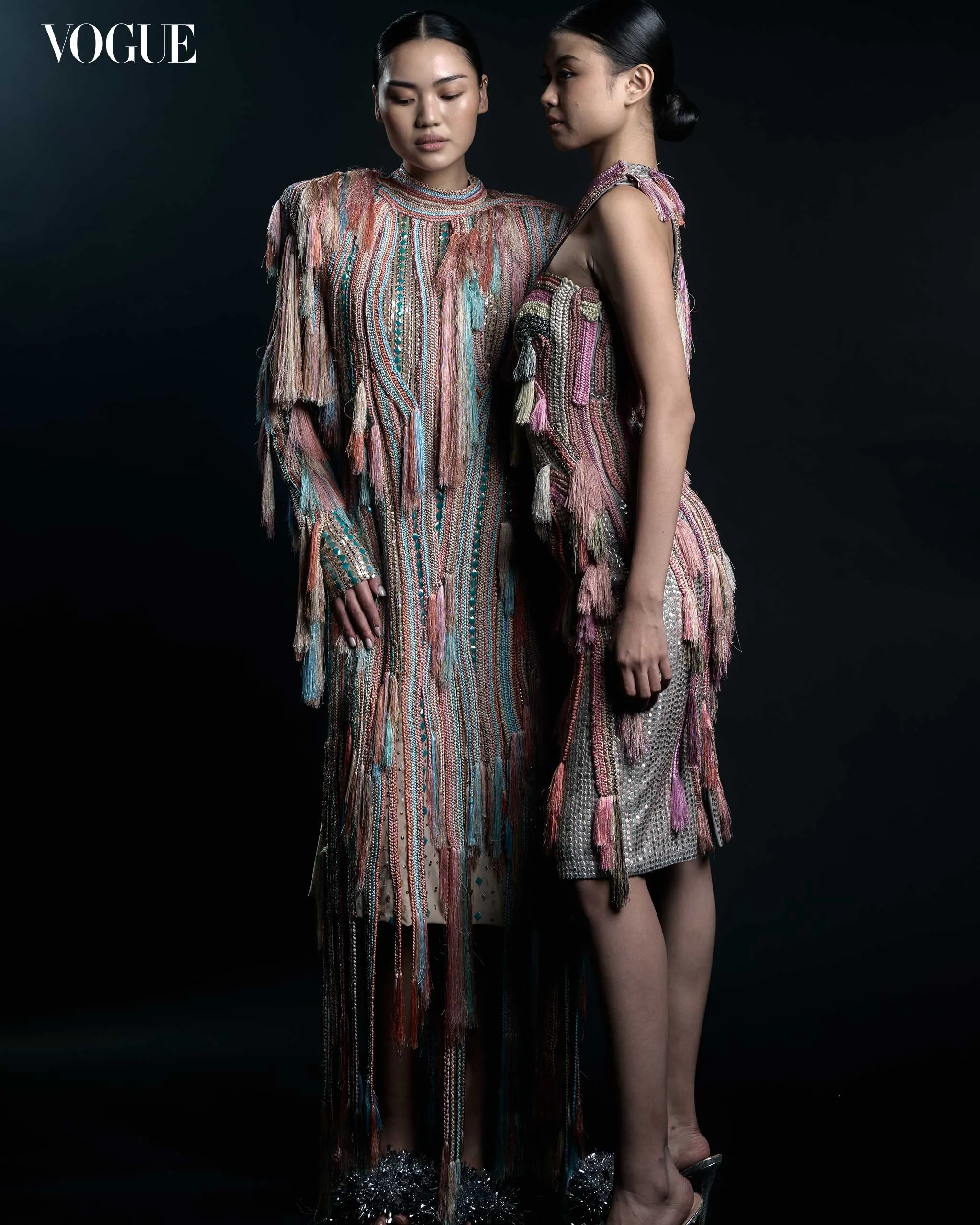
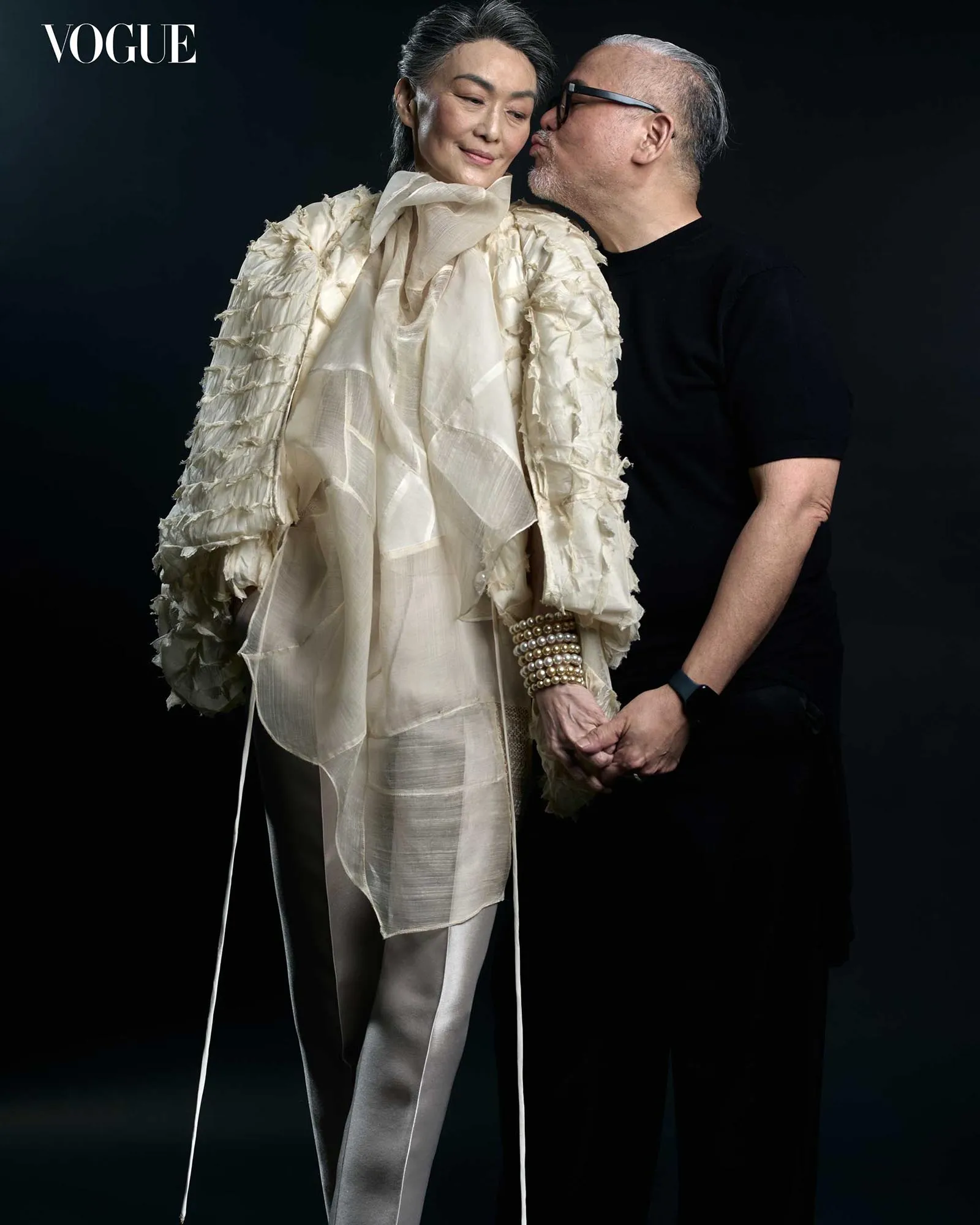
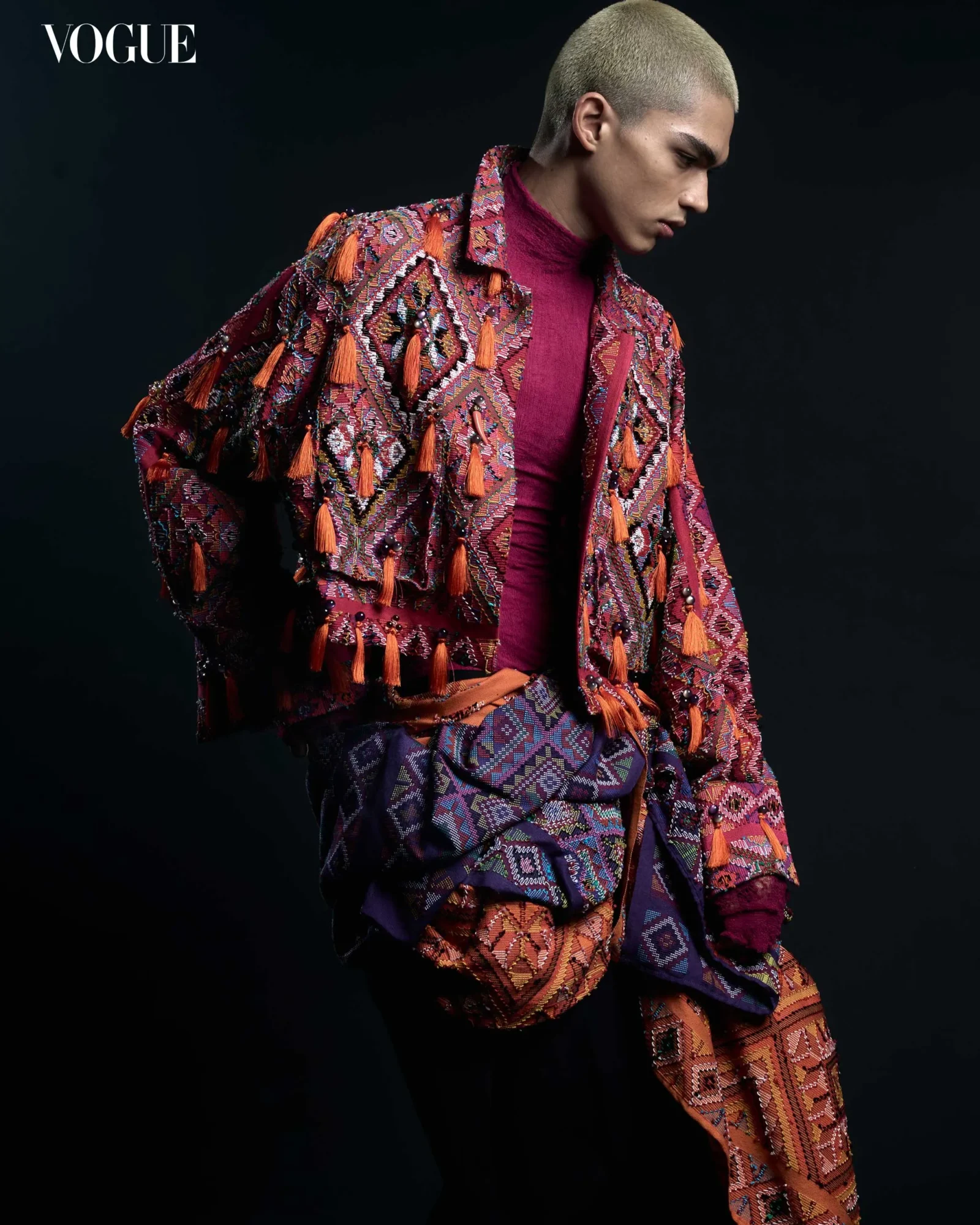
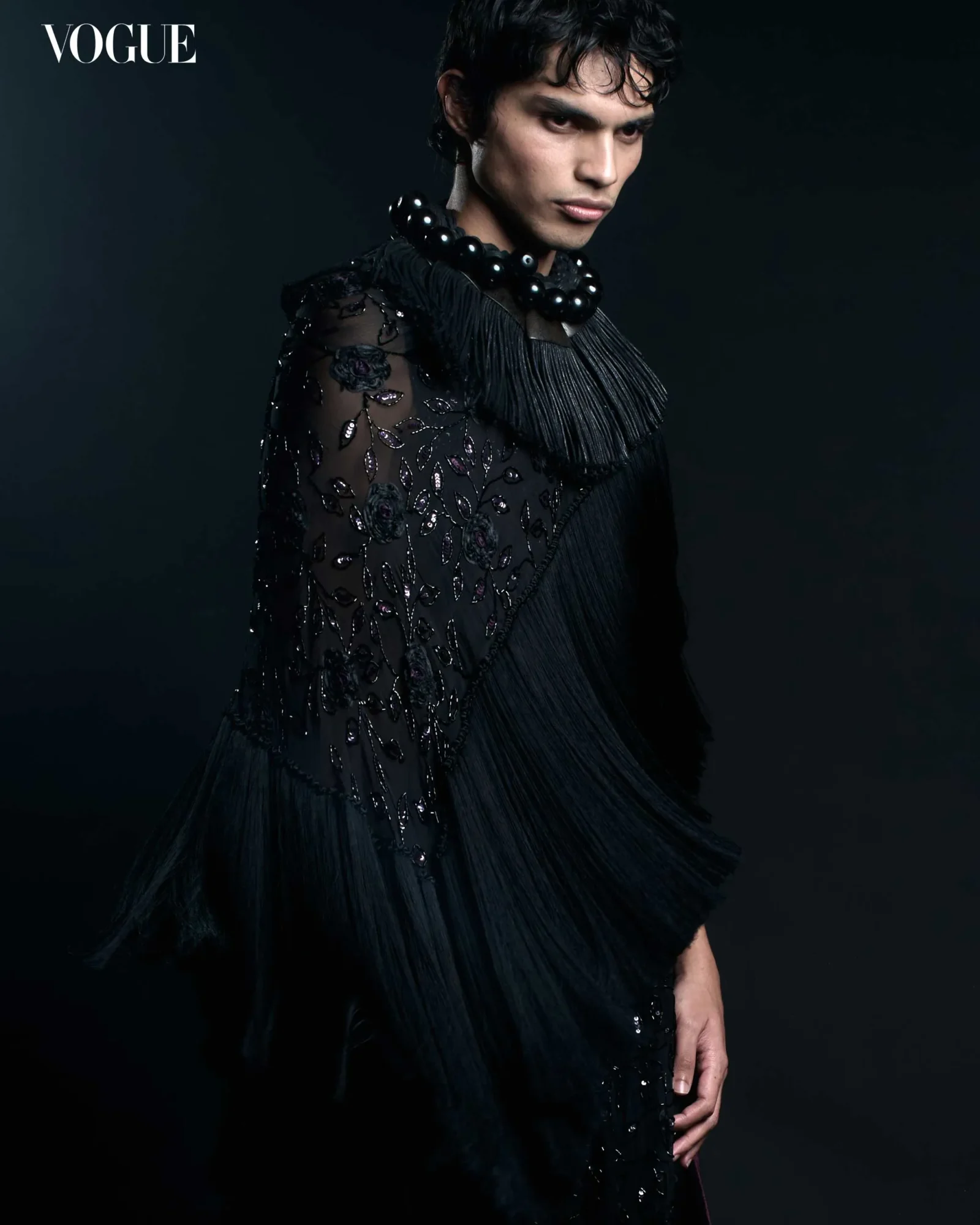
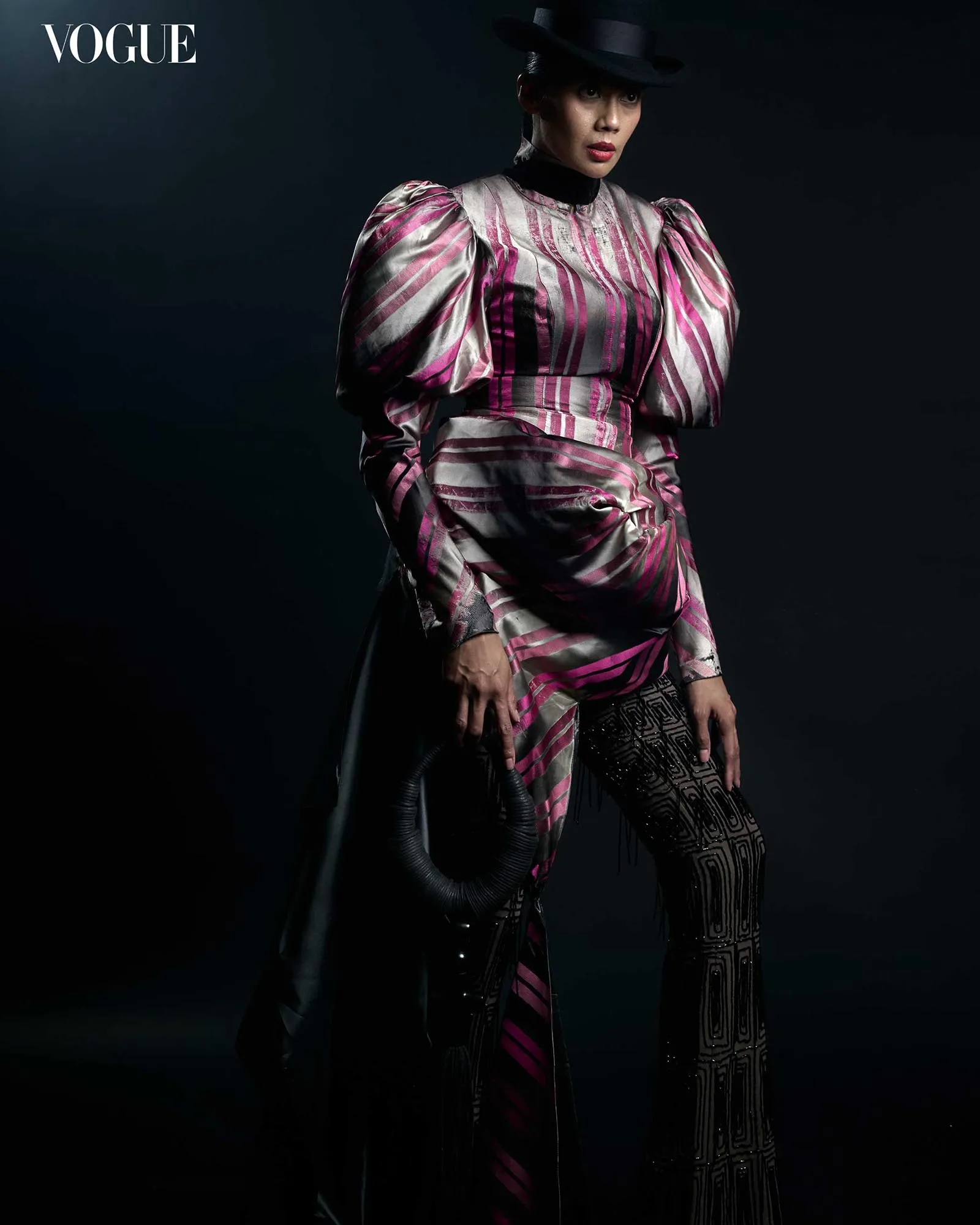
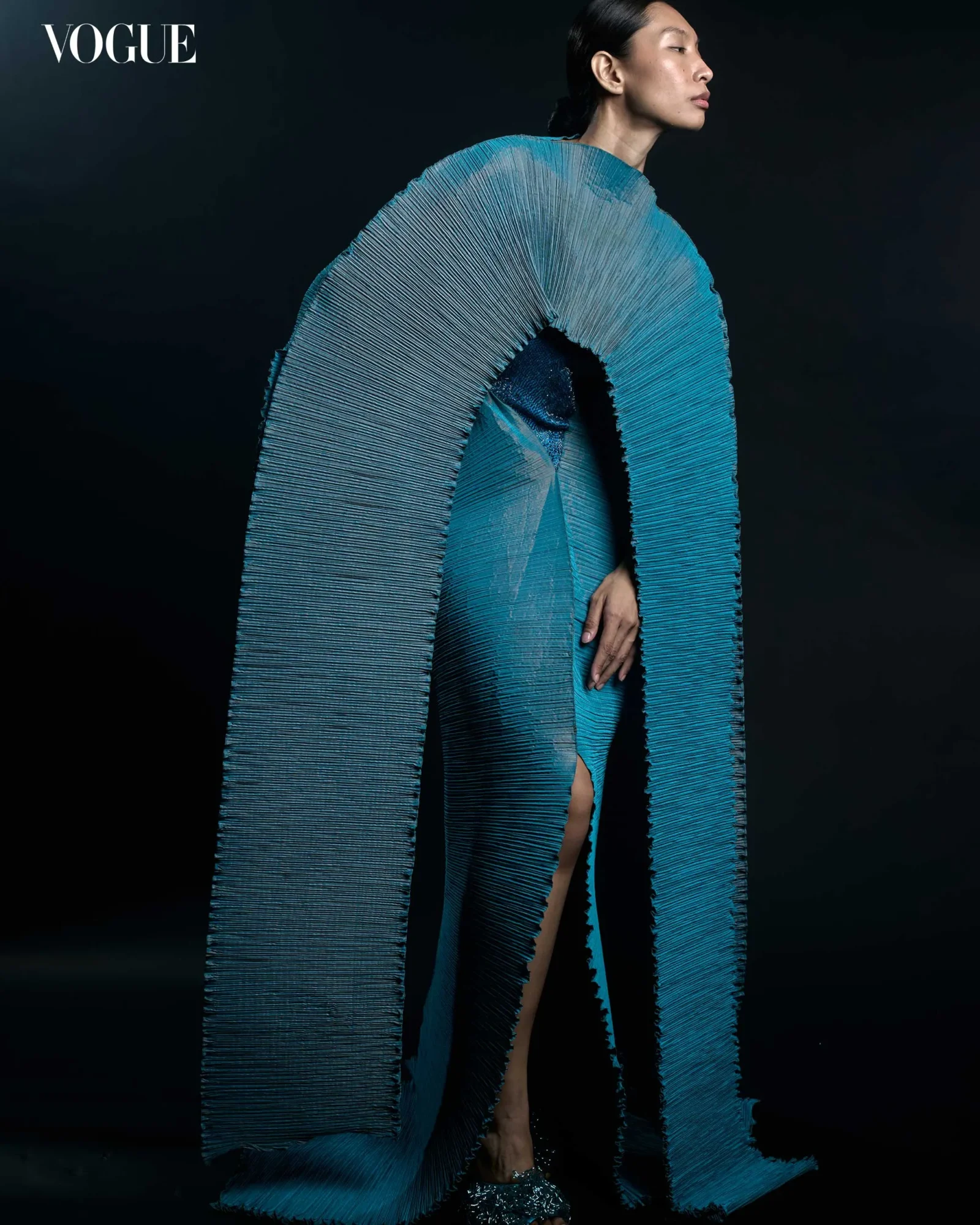
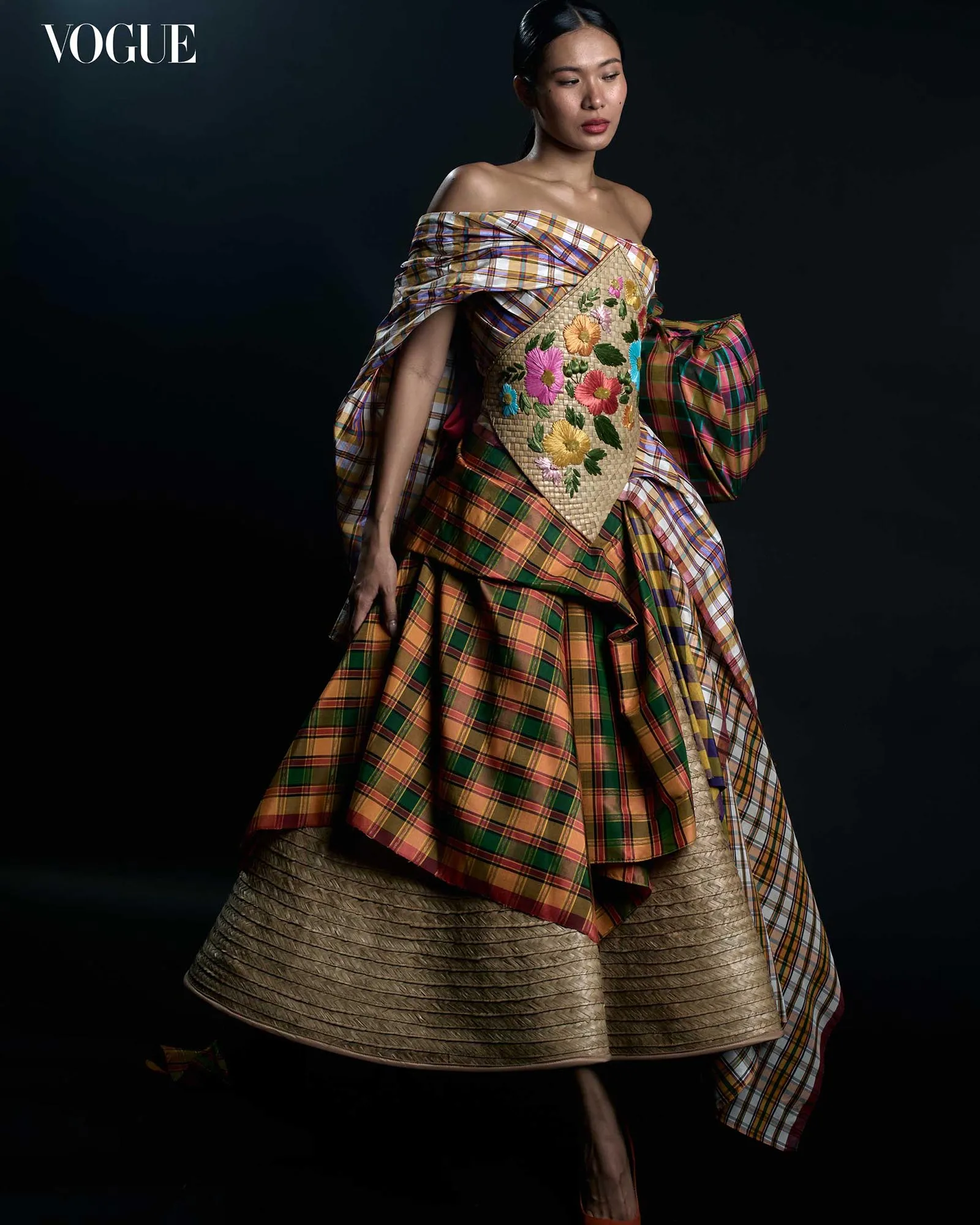
An unseen conductor seems to choreograph every move. Even the onlookers can’t help but shuffle about the room unasked, making room for billowing umbrella taffeta gowns and wearable art made from raffia, abaca, Thai silk, Yakan woven textiles.
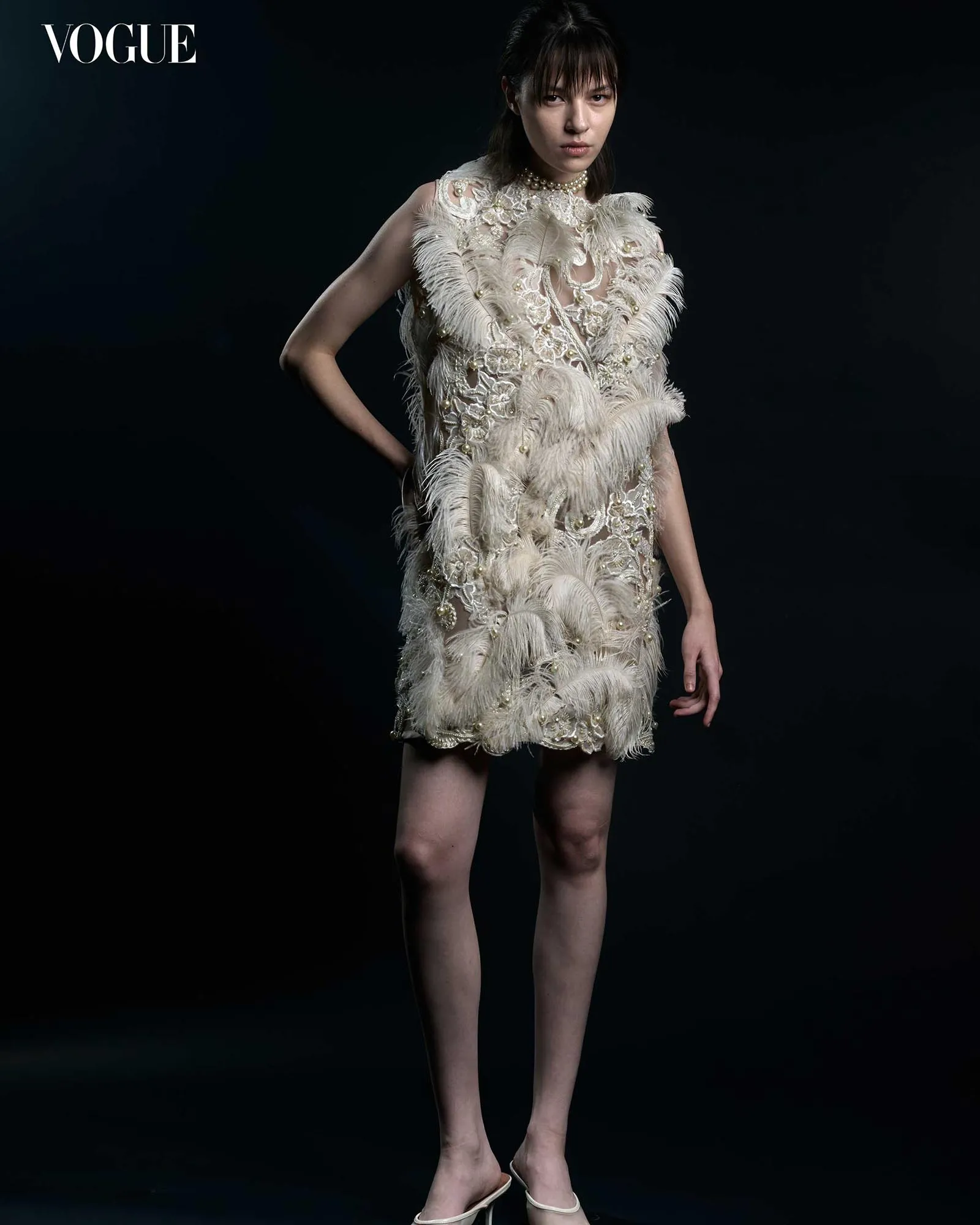
Rajo’s world is also vast, anyone might find. This 44-piece collection titled “Archivo” will take all his old and new signatures and deconstruct or reinterpret them for a new era. “Some looks have been recreated, some have been revisited and mixed together in this wonderful stew of our world of fashion. You’ll see a piece that I did when I was 21 years old. You’ll also see a piece that I just did last year. You’ll also see pieces that I just did…” he trails for effect, “a week ago.”
Rajo and his team had to comb through so many of his clothes that, at this moment, he hasn’t yet counted how many techniques the collection encompasses. He laughs when he realizes. “I’ll have to get back to you on that one.”
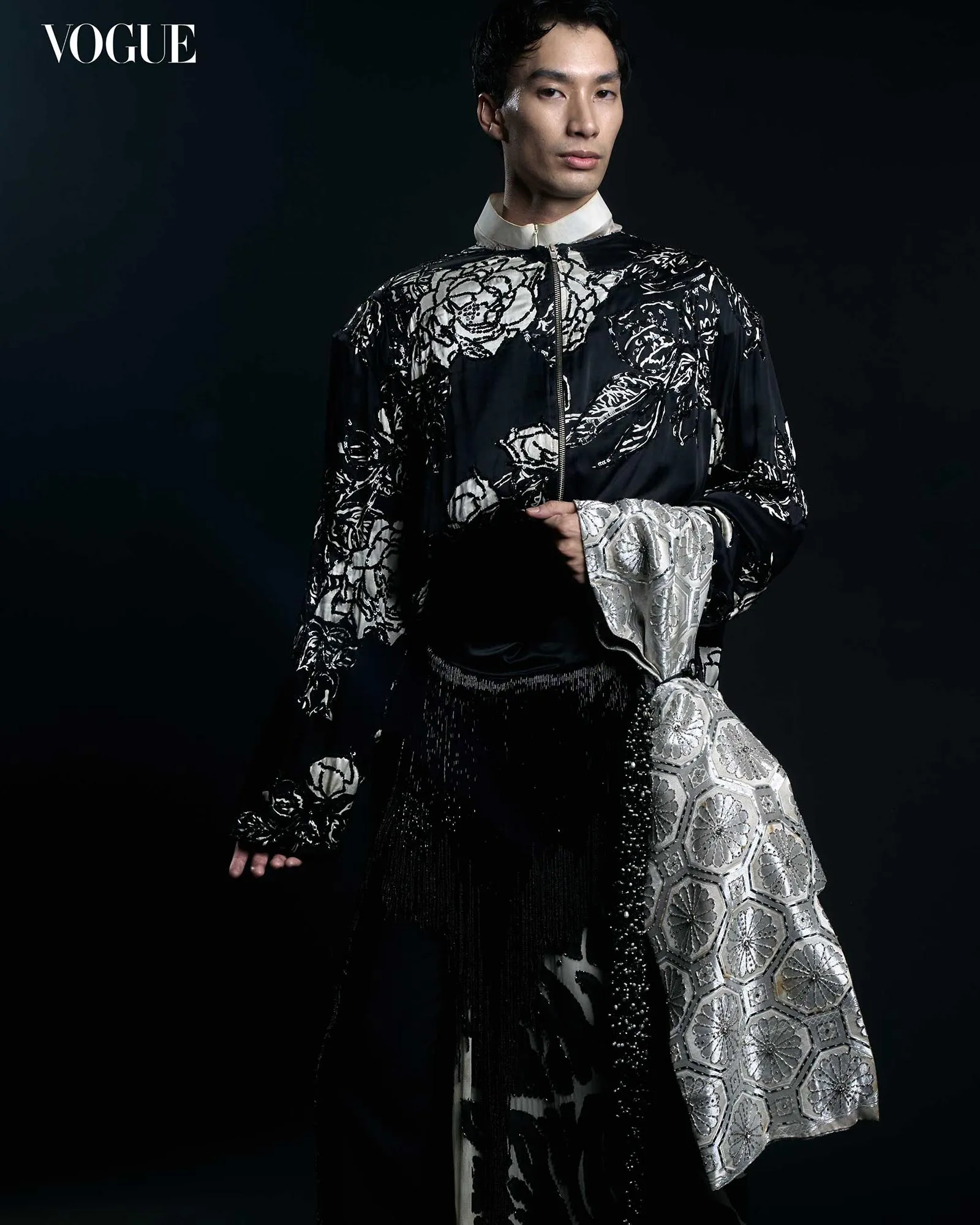
Still, he can point out the Filipino handwork: the beading, the embroideryEmbroideryThe decorative stitching of designs onto fabric by hand or machine, central to Philippine formalwear. Hand embroidery from places like Lumban in Laguna and Taal in Batangas adorns barongs, ternos,Go to Embroidery Glossary, and the weaving. And there are also the pieces that make use of hand-painting, fringing, patchwork, tailoring, and draping. He credits each one to a specific mindset he held at different stages of his life, spurring unique patterns and shapes to spill from his mind and cast onto cloth, as a thumbprint inked on paper.
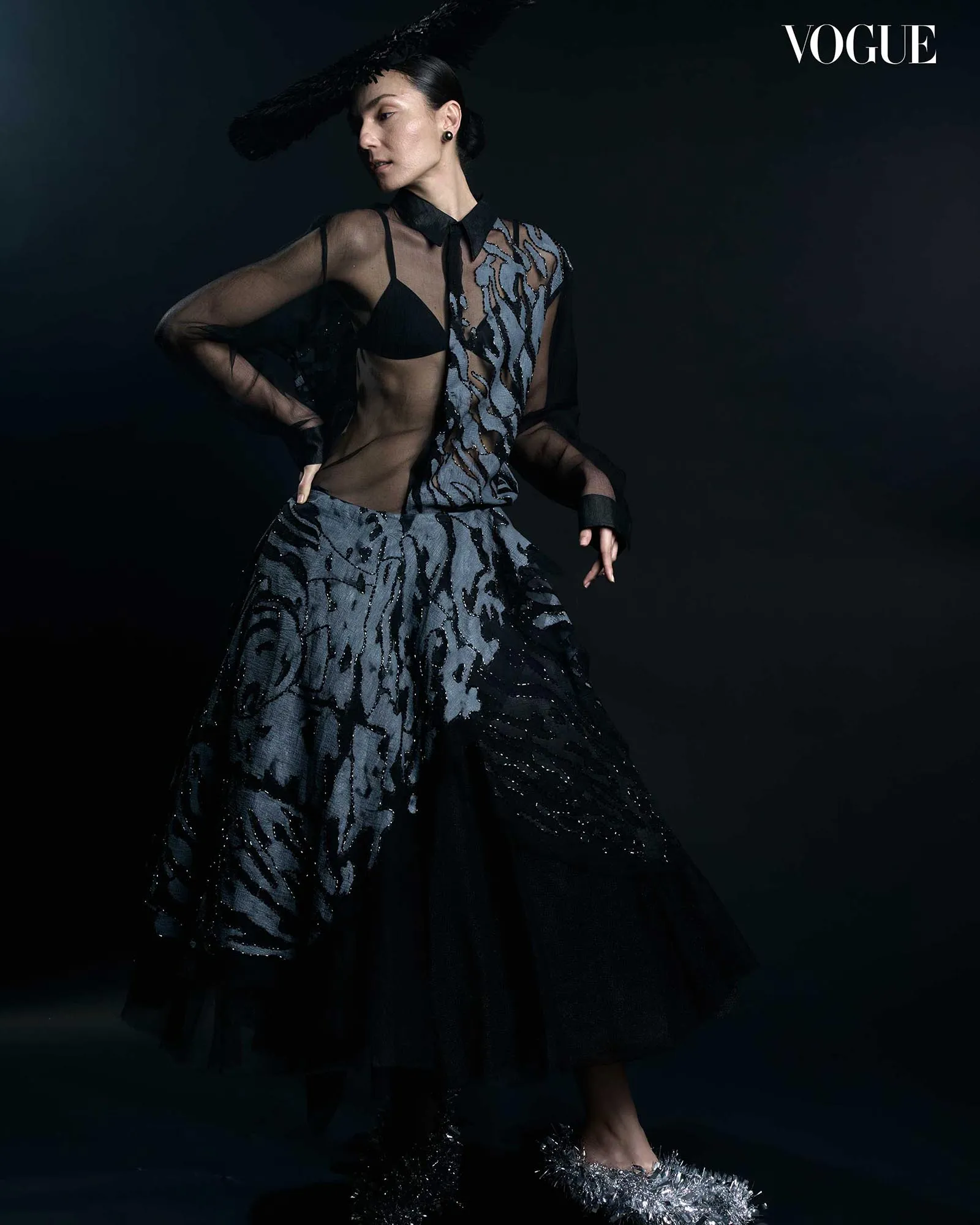
Rajo, perched over the rack of his “Archivo” pieces, pulls out one skirt that literally features his thumbprint: first inked and blown up on fabric using an acetate projection, hand-painted, and then beaded at the edges. Recalling the painstaking processes behind garments like this one, he realizes he had found the central theme of his body of work. “I was [trying to] figure out what actually is the common denominator,” he says, “and I think the common denominator is, there is a lot of craft.”
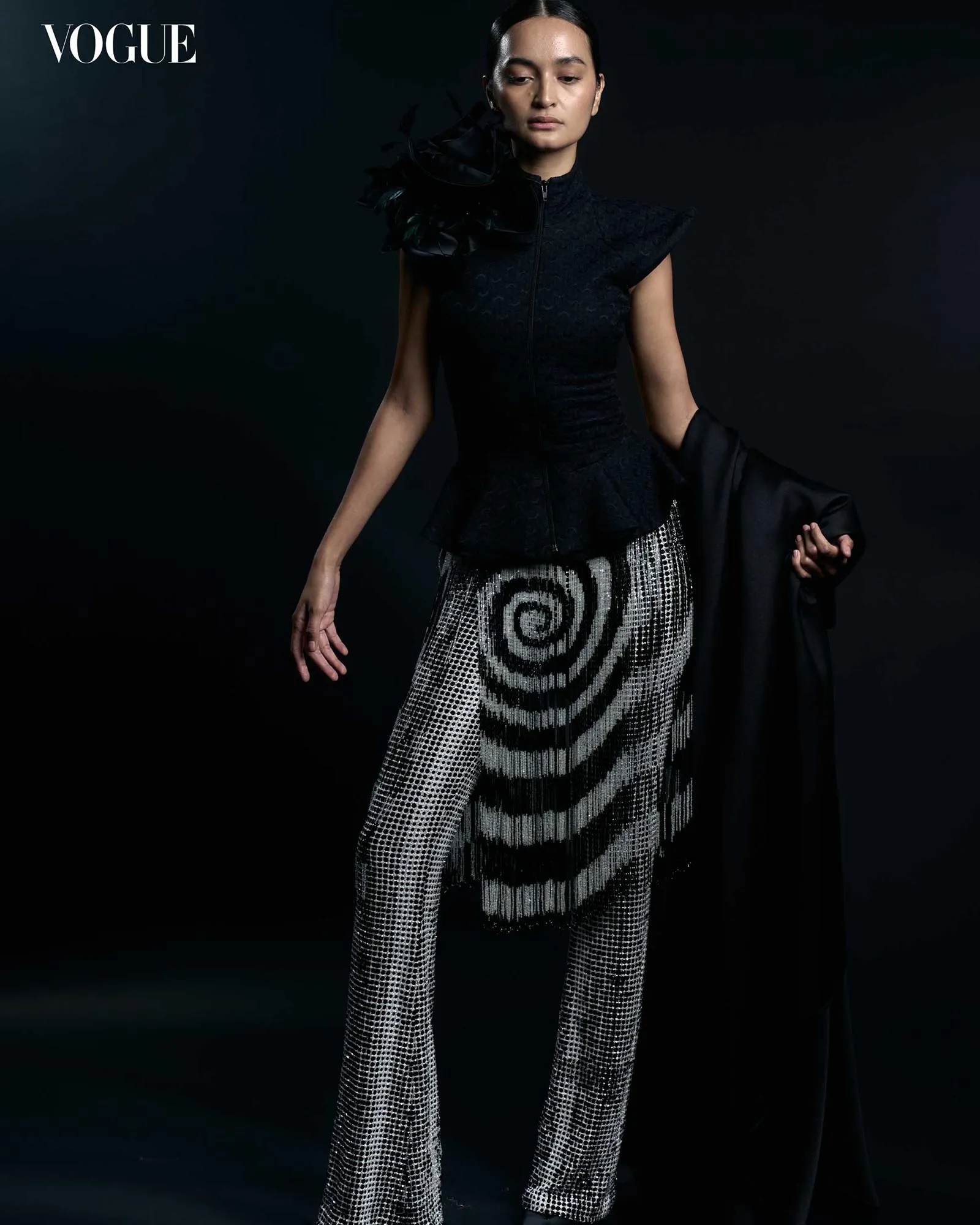
A pair of trousers made circa ’98 or ’99, for example, appears to be made from printed textile “but it’s actually not,” Rajo clarifies. “It’s made from beads.” As if the illusion itself wasn’t enough, in “Archivo,” the pants are styled with a beaded fringe overlay that cascades from the waist to below the knee and, when kept static, reveals a spiral.
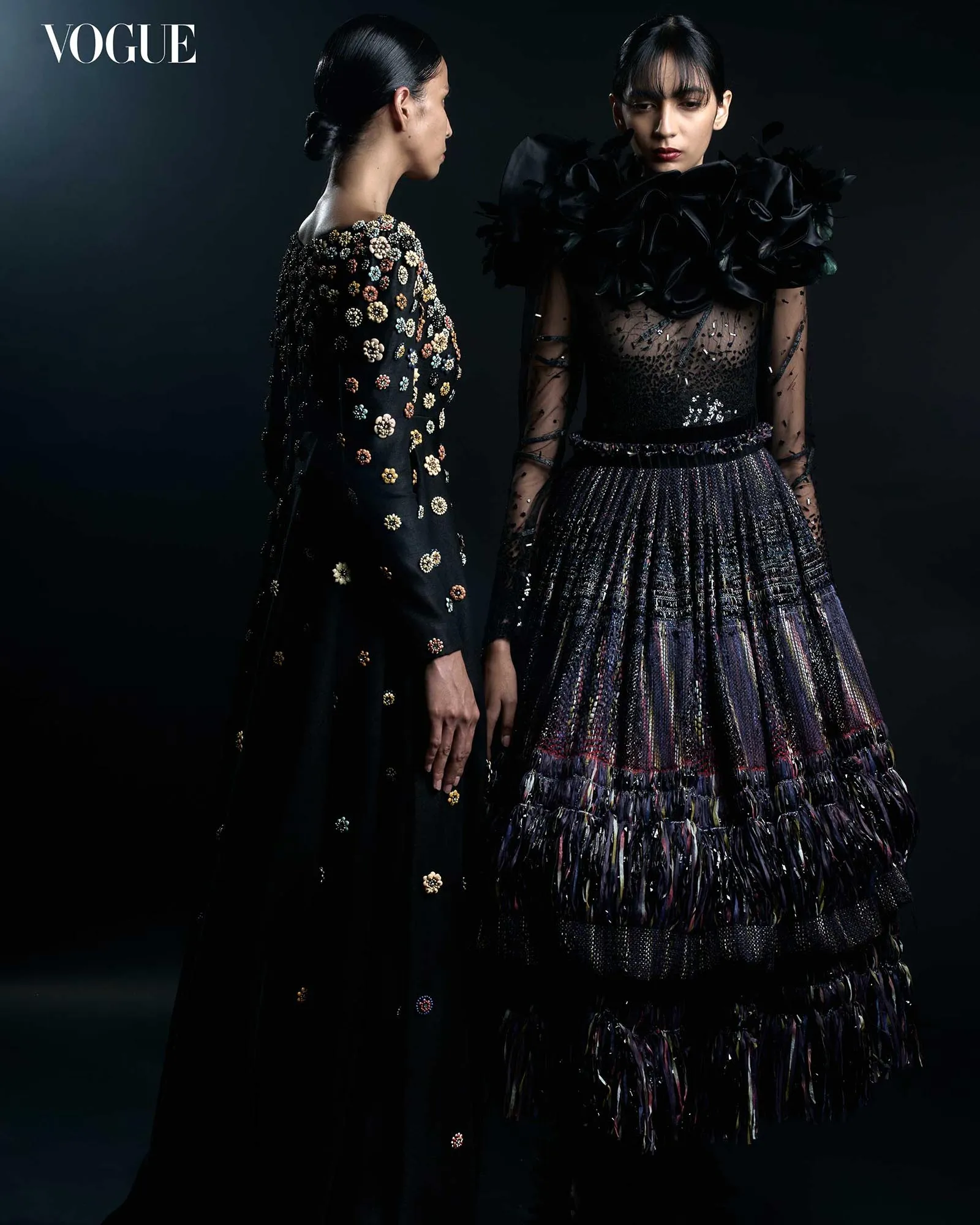
There are also the “unusual weavings” that he worked on with the late Narda Capuyan, acclaimed Igorot weaver, using polyester ribbons from leftover cassette tapes. “I had so many cassette tapes, I loved music,” he recalls. “But they’re obsolete now… So we just took them apart and actually had [the ribbons] woven into one piece.” That piece is look 37 in the collection: a tiered, accordion-pleated skirt that gleams with a metallic sheen only the magnetic coating on film can project. It’s also the kind of piece only Rajo could have thought up at the time, born of one of his personal passions.
“It was quite nostalgic,” the designer says of the process, which entailed picking through his collections “one by one by one.” “With each piece that would come out, a wave of memories would come to me. For instance, a memory of where I was when I was creating that, or the kind of person I was.”
As any creative might think while sifting through their own portfolio, Rajo didn’t believe all of his pieces were gems (“There are some dresses that must be better forgotten,” he says lightly). Still, he has aired out all his past selves and addressed them, one by one by one, unflinching even at those he might have once considered difficult to re-meet.
Venisse Laurel-Hermano, his sister, collaborator, and COO of his group of companies, is most proud of him for facing one collection in particular. Sitting with Vogue Philippines on a different afternoon, she recalls, “We were preparing for the ’01 show, and I told him, ‘You need to just create. Anything you want. No one’s limiting you.’ ” And so he did.
She continues, “I really loved the collection. I felt it was completely, completely different. Unfortunately, it wasn’t received well by the media or the critics. But these clothes he created, for the last 26 years, people are still requesting them.” In prior collections, Venisse says she would only glimpse a stamp of Rajo here or there. “That particular collection, I think, really, he asked himself, ‘Who are you as a designer?’ And I believe he was able to answer that.”
We find these pieces in “Archivo” as inspired patterned patchwork separates: low-waisted trousers paired with a fitted jacket affixed with an oversized corsage; and a bell-shaped skirt with a high-neck top. Each piece looks like it’s made from textile so seamless it could be a print, but they’re made from inch-wide squares or strips of fabric, individually stitched together.
When Rajo shows them to me at his studio, he now recalls the pieces as having “a beautiful story.” “You know, when I was starting, I didn’t have a lot of money, like any young designer,” he explains. “I had a lot of retasos, or remnants, and I wanted to create pieces from that. I didn’t have any fabric, so I just created these patchworks. It’s not a print; it’s actually little bits of fabric.”
The work was much more challenging than Rajo casually lets on, as Venisse would later tell me. “It was painstaking. It was tedious. It was long,” she says, “but it was wonderful.” Showing pieces from this 2001 collection at Fashion Week Asia, her feelings are unchanged; she still feels the same sense of pride in her brother’s work as when they first came down a runway. “I think [working on this specific collection] solidified his creativity as a designer, and I think it unlocked something,” she says definitively. “After that, there was no turning back.”
The archive is a starting point, Rajo’s show notes read. He says he’s gained two key learnings from this self-imposed exercise; the first, that mistakes can sometimes be the path to discovery.
“I’m very privileged and very lucky that I have made a lot of mistakes in the past. I think this is what makes us human, and also the humanness of this collection really comes forth because of all the learning,” he reflects. “After 33 years of designing, you learn to sort of accept your weaknesses and concentrate on your strengths.”
The second lesson is that nothing is more important than dialogue and letting people in. “I think how you will last in this beautiful industry of ours is to realize that fashion—our craft, our practice—is not an island. It’s a community,” he says. “And we can only become better if we actually sing together.”
It really is just like music, he alludes. “I always say that I’m the face [of my team],” Rajo starts, “but there’s an entire chorus and orchestra behind me, creating all of this. So the magic is really not one note, but a combination of this beautiful symphony of people creating this collection, literally, from head to toe.”
In the room where the Vogue team speaks to the designer, we are surrounded by vibrant memories: his neatly kept sketches, awards and certificates, pictures and collection memorabilia, and magazines and books on every fashion topic you could name, organized by the letter from floor to ceiling. This is the room above his workspace, where his team says he goes for a brief moment away from the noise.
He suddenly speaks to what we’re all thinking, as if we wore our amazement on our faces: “The reason I like it here is because I’m surrounded by my books. And my sketchpads. And all my junk.” He beams, adding, “Obviously, I can’t throw magazines away.” This might be another one of his happy abilities: collecting, remembering. In Rajo’s world, objects are treasured, revered, neatly kept, for all their sentiment and future wisdom. They inform the evolving archive, after all.
What does he want his audience to remember after “Archivo”? What memory of him does he want them to come away with? “That I’m still learning,” he replies. “That I still have a way to go. That I’m grateful to do what I love. I’m grateful to wake up every day still excited to do what I do, but it’s not over yet. And I have a lot more to say.”
-
 Photographed by Gab Villareal1/12
-
 Photographed by Gab Villareal2/12
-
 Photographed by Gab Villareal3/12
-
 Photographed by Gab Villareal4/12
-
 Photographed by Gab Villareal5/12
-
 Photographed by Gab Villareal6/12
-
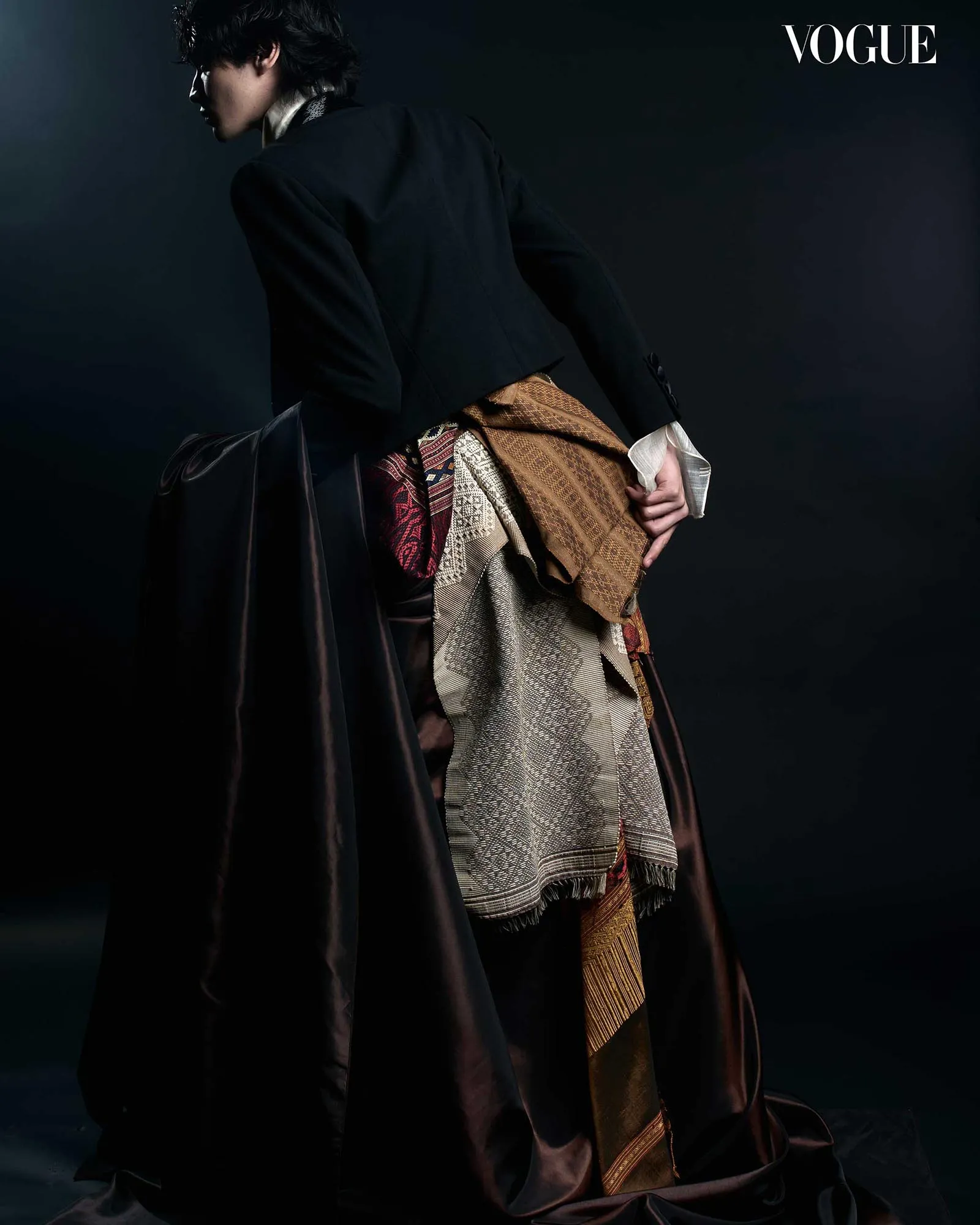 Photographed by Gab Villareal7/12
-
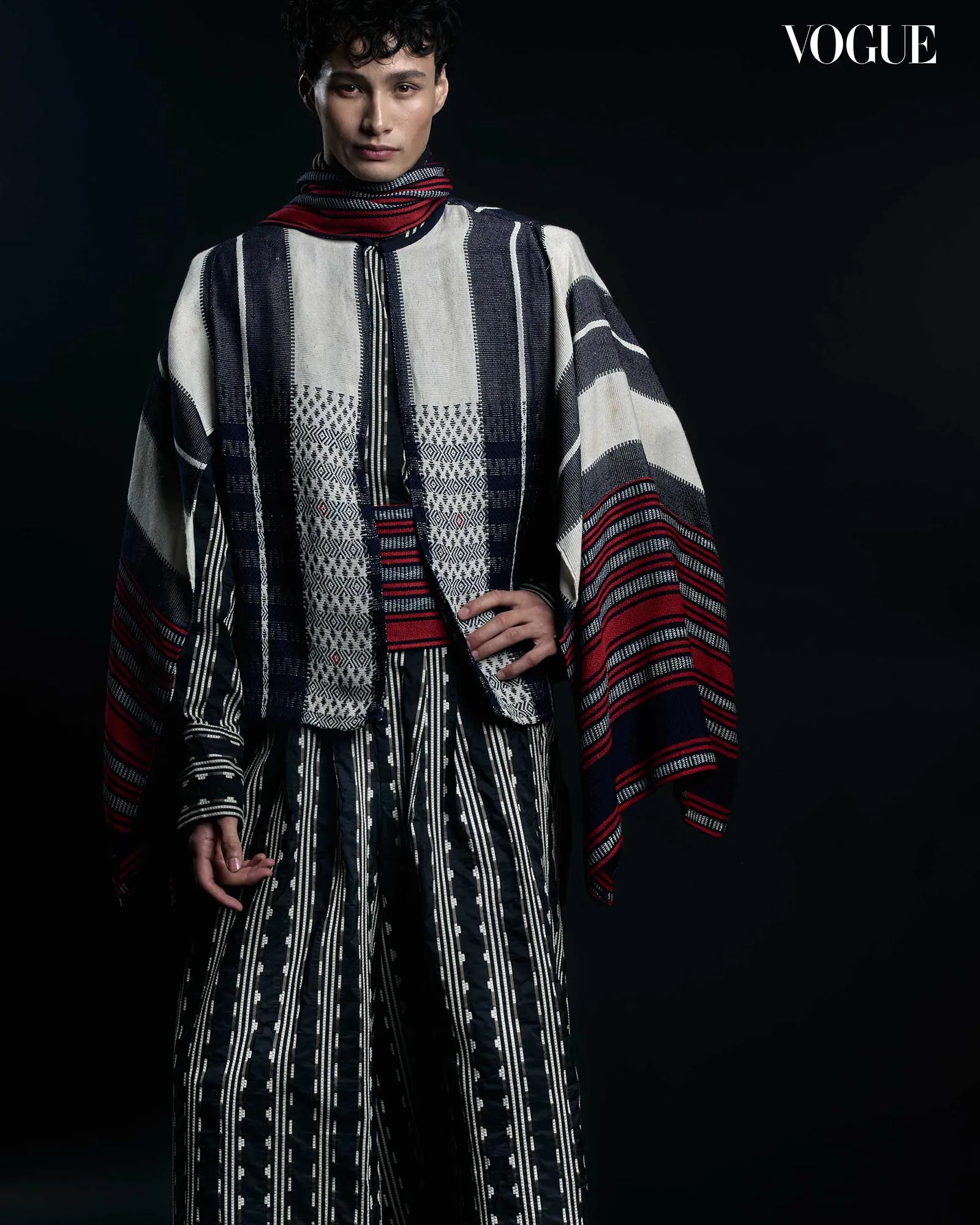 Photographed by Gab Villareal8/12
-
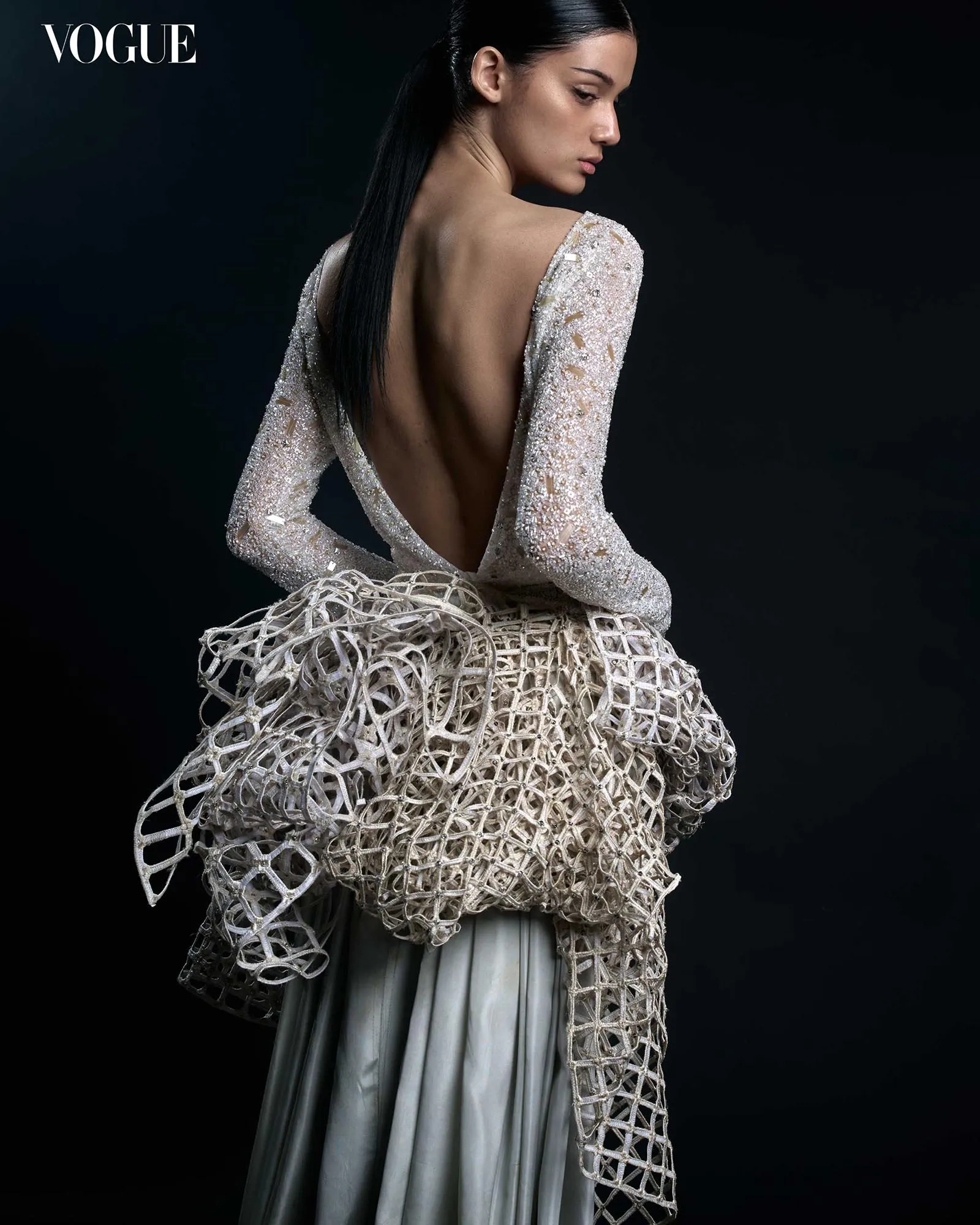 Photographed by Gab Villareal9/12
-
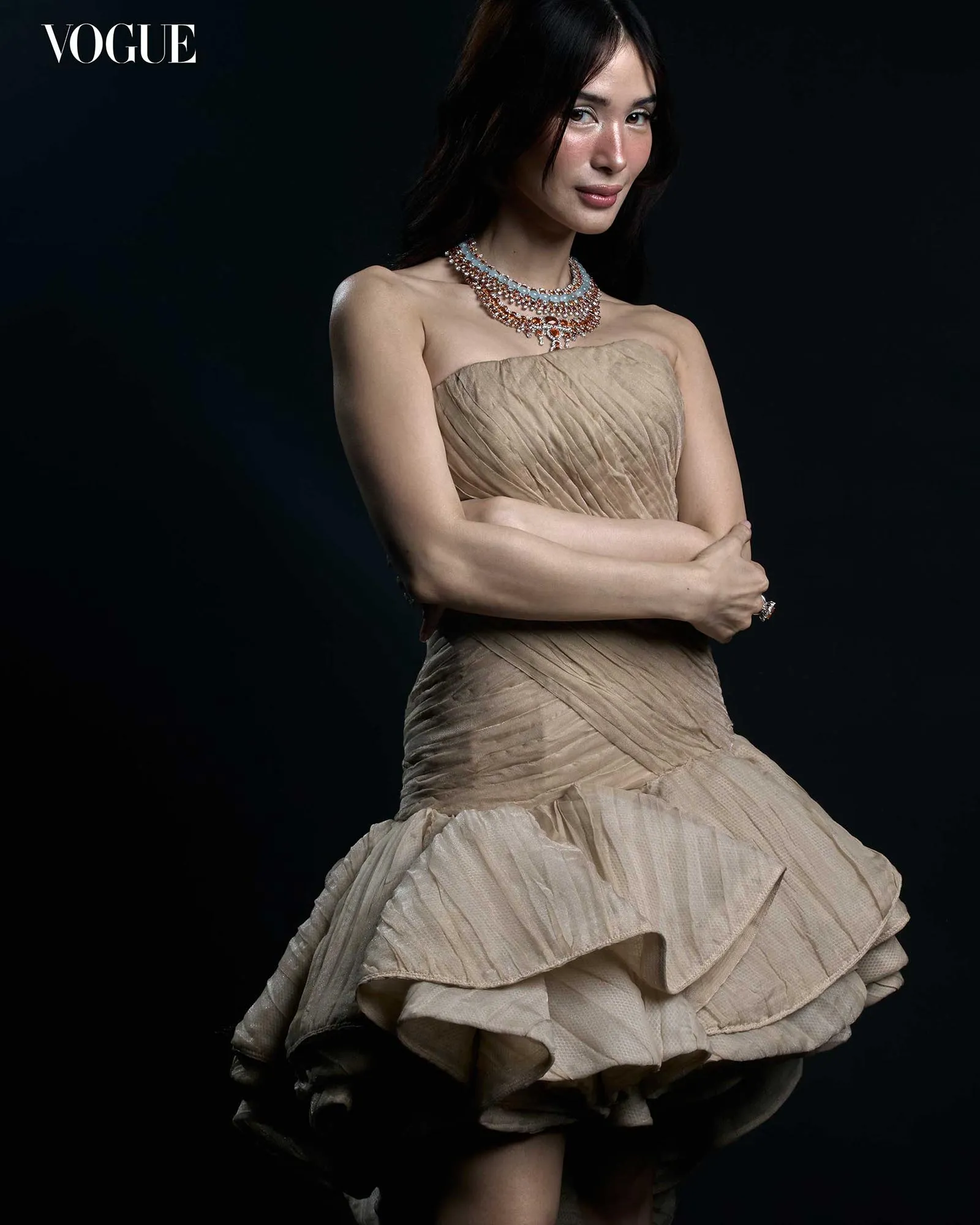 Muse to Rajo Laurel, Heart Evangelista. Photographed by Gab Villareal10/12
-
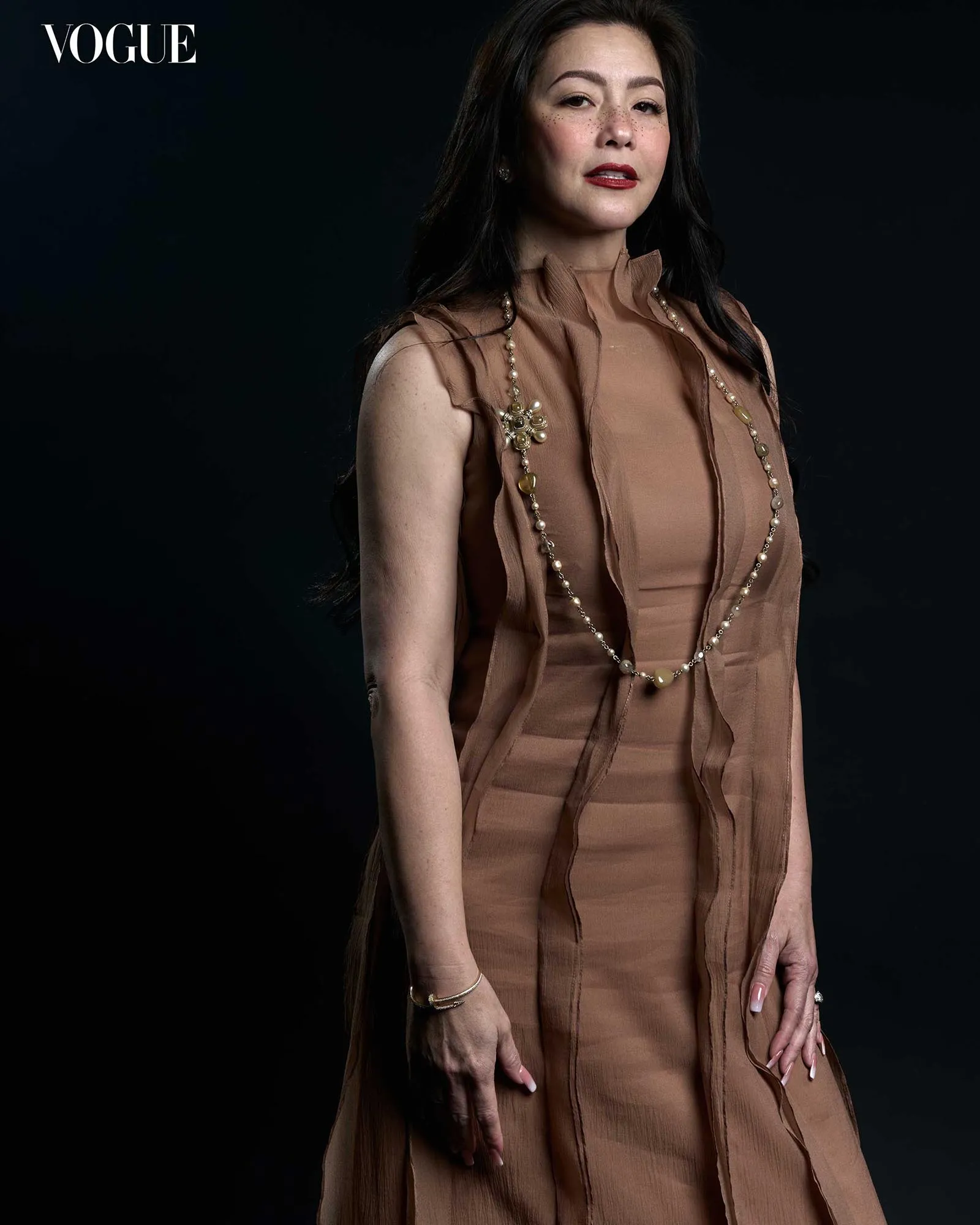 Muse to Rajo Laurel, Regine Velasquez. Photographed by Gab Villareal11/12
-
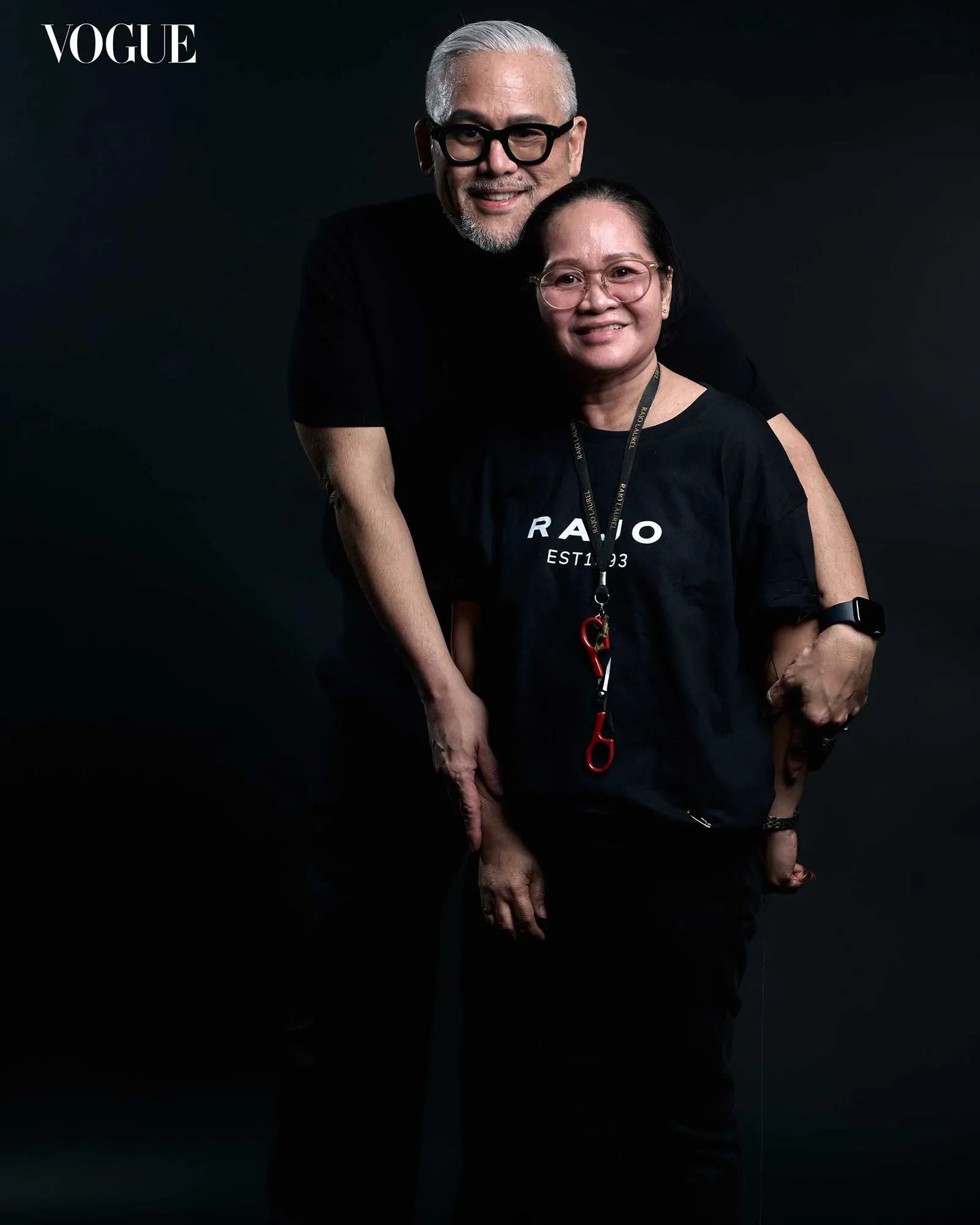 Photographed by Gab Villareal12/12
Photographs by Gab Villareal. Associate Digital Editor: Chelsea Sarabia. Producer: Bianca Zaragoza. Multimedia Artist: Bea Lu.
Frequently Asked Questions
Rajo Laurel is a Filipino fashion designer who has been working in the industry for 33 years.
Yes, the five-day event held in Metro Manila closed with a gala show held at the Marriott Grand Ballroom, featuring a 44-piece collection by Laurel titled “Archivo.”
Rajo Laurel’s “Archivo” collection drew inspiration from his decades-long body of work. The designer recreated or restyled select pieces from the beginning of his career to the present.
The New York City-based Filipino model Hannah Locsin closed Rajo Laurel’s show.
Solenn Heussaff, Regine Velasquez, Heart Evangelista, Nadine Lustre, Vice Ganda, and Anne Curtis were among Rajo Laurel’s muses present in the crowd at his Fashion Week Asia gala show.