
5 Lessons on Building a Sustainable Fashion Business From the Fashion Forward Asia Forum


Photographed by Xavier Mallari
Photographed by Xavier Mallari
Industry experts weigh in what it takes to turn creative vision into a viable business.
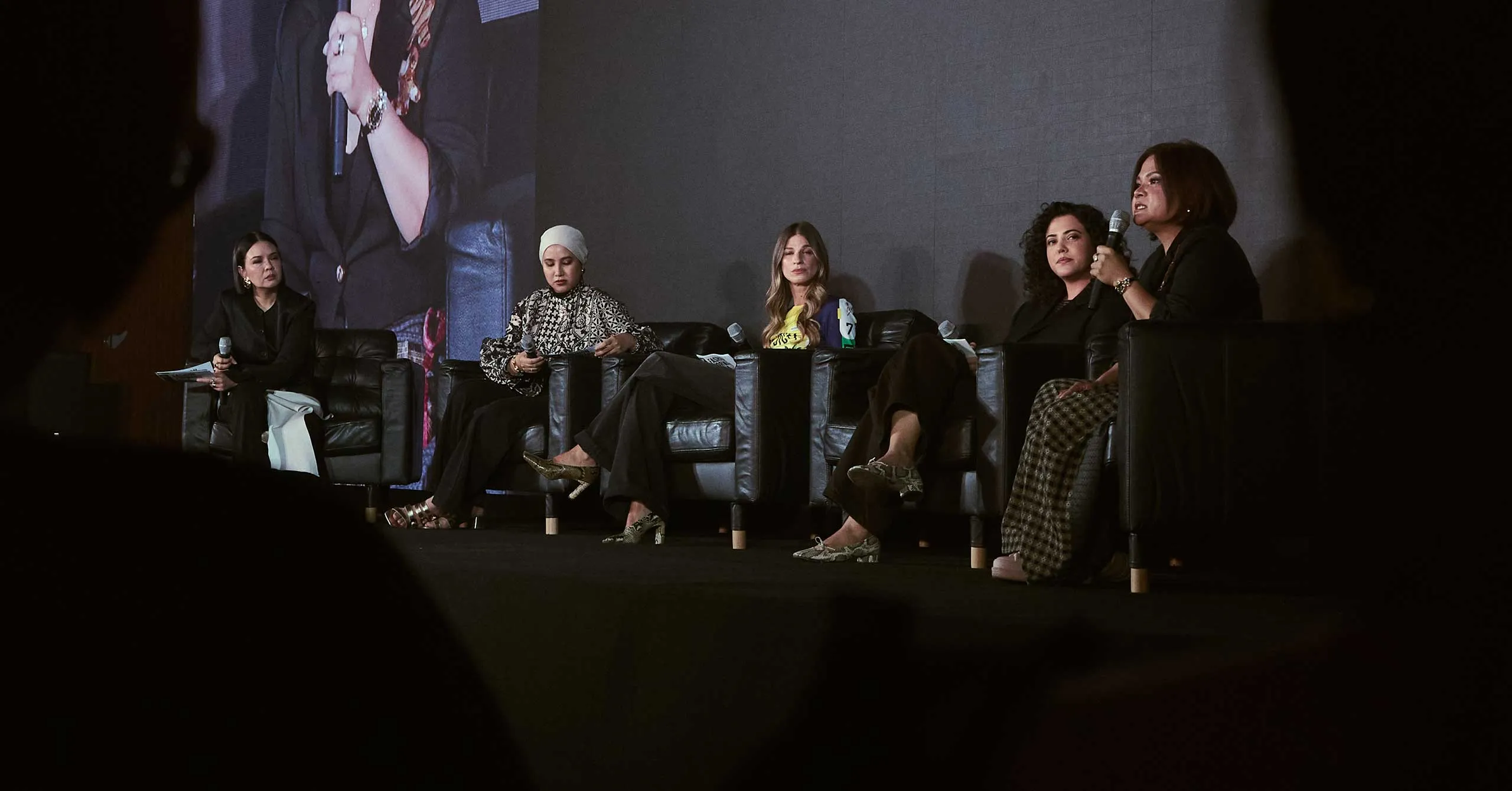
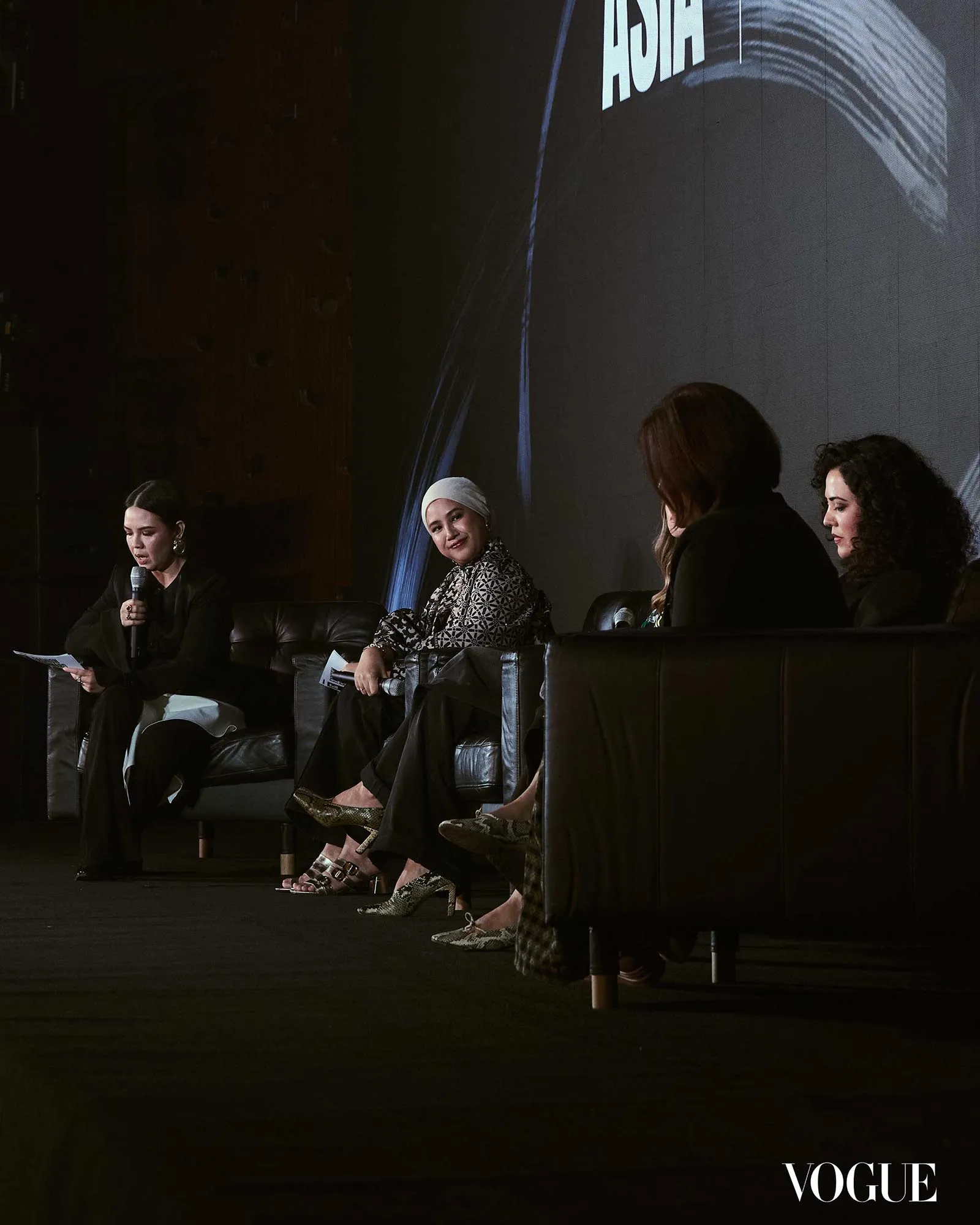
Creativity may be the starting point of a fashion brand, but building a business requires more than a compelling collection. At Fashion Forward Asia Forum’s “Making It Work: From Creative Practice to Business” session, Mega Asia editor-in-chief Peewee Reyes-Isidro moderated a discussion with Anisah Farid of Plazä, wholesale and brand consultant Marina Lyritzi of FWS2, Amal Sultan of L’Adresse Paris Agency South Asia and WSN Group, and Christine Cheryl Benet of Slim’s Fashion & Arts School.
From pricing and production to partnerships and international expansion, the panelists shared practical lessons on making a fashion business last.
Invest in yourself and understand your customer
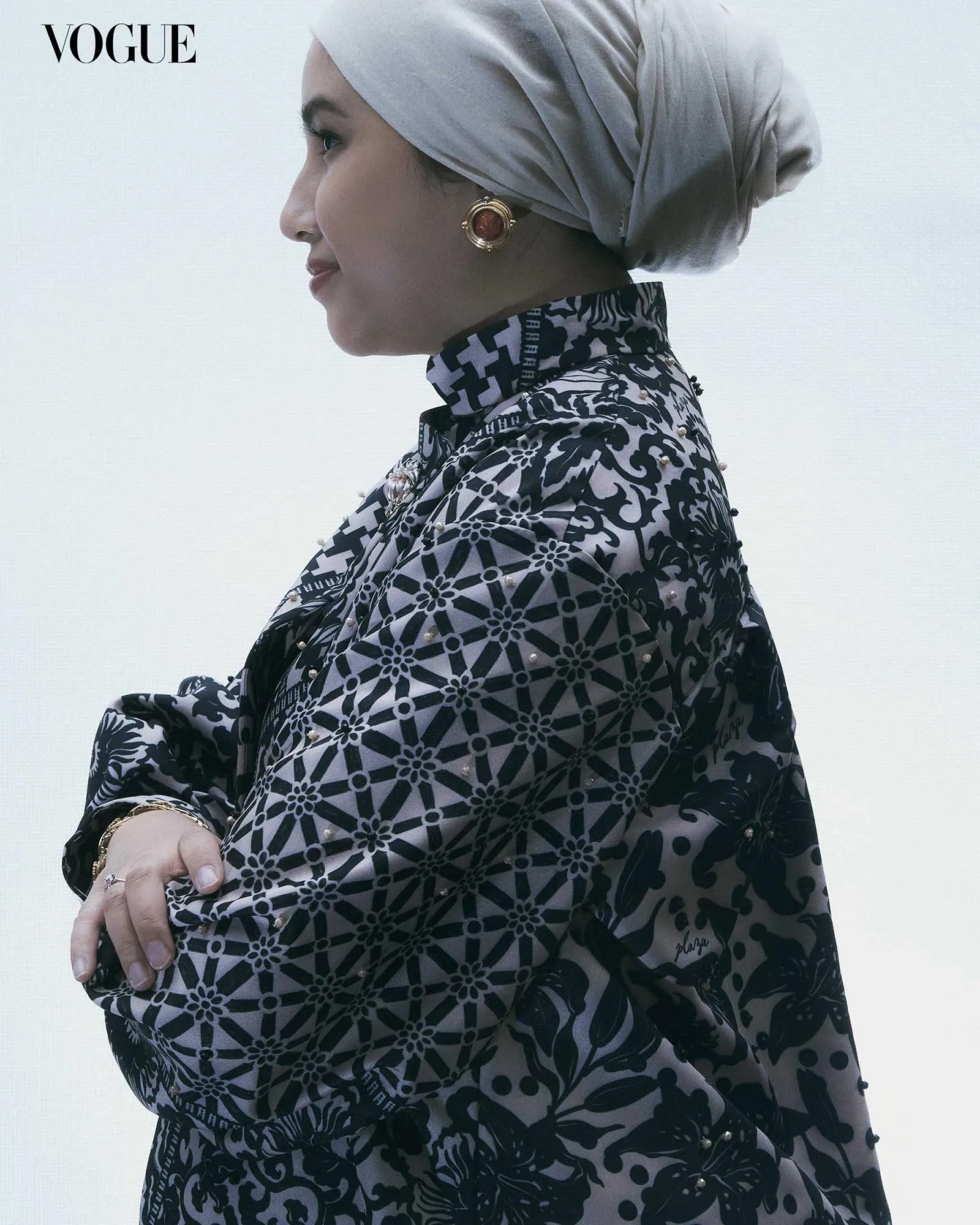
For Farid, founder and creative directorCreative DirectorThe person who sets the overall visual vision of a fashion house, publication, or campaign and guides designers, photographers, and stylists toward it. A creative director's influence shapes collections, imagery,Go to Creative Director Glossary of Malaysian fashion brand Plazä, building a brand began with learning from people with more experience. After graduating, she sought opportunities to understand the fashion industry firsthand, working alongside technicians, machine operators, and seamstresses.
“I put myself in rooms that I wasn’t the smartest or wasn’t the best in because I wanted to learn from people,” she said.
That practical experience continues to inform her decisions. Farid also studied the wardrobes of her intended customers, visiting stores to observe what women wore and identify what might be missing. One of Plazä’s early products, an embroidered velvet piece, was tested by Farid herself before she sought feedback from strangers. The brand produced around 200 pieces and sold out on the second day.
For Lyritzi, the process begins with identifying a brand’s DNA, target customer, and point of difference. Sultan added that an idea becomes a business when people outside a designer’s immediate circle are willing to pay for it.
“Friends and family are not your market. Strangers paying full price are,” Sultan said.
Put creativity first, but test it against demand
The panelists agreed that a distinctive creative identity is essential, but it must be supported by market research.
“Creativity first, always, but never alone,” Sultan said, explaining that a brand’s signature can come from its culture, craftsmanship, materials, or perspective. For Asian designers, heritage and traditional techniques can offer a point of difference when paired with contemporary design.
Lyritzi cautioned against building collections around every passing trend. “You have to follow your gut, and you have to follow your will to show your creativity,” she said.
Sultan recommended balancing statement pieces that communicate a brand’s vision with core pieces that are wearable, producible, and appropriately priced for repeat orders.
“Creativity opens the door; structure keeps it open,” she said.
Find partners who complement your strengths
A fashion business requires creative vision and commercial discipline, but these skills do not always belong to the same person.
Farid, who leads Plazä’s creative direction alongside her husband, said differences in perspective can strengthen a partnership. While a designer may push an idea further, a business-minded partner can help assess its risks.
“The creative mind is always looking conceptually, looking to the limit,” she said. “But you need someone else to kind of bring you back to earth.”
Sultan added that a partner need not be a cofounder. Mentors, agencies, and industry organizations can provide expertise in pricing, production, and buyer access without requiring a designer to give up ownership.
Benet, drawing on her experience in manufacturing and education, encouraged emerging creatives to recognize their strengths and explore opportunities across the fashion value chain, from production and marketing to textile design.
Know the real cost of your collection
A compelling design is only viable if a brand can produce and deliver it profitably. Lyritzi advised designers to account for the full cost of design, sampling, materials, manufacturing, packaging, transportation, and duties.
She also stressed the importance of understanding wholesale and retail pricing, production lead times, minimum order quantities, and payment terms. Brands that cannot fulfill orders consistently risk losing buyers, regardless of how well their collections perform in a showroom.
Sultan recalled seeing a brand attract interest in Paris but fail to deliver because it depended on suppliers it did not control.
“A buyer forgives a simple lookbook; they will not forgive an order that never arrives,” she said.
Benet emphasized that material choices and production costs must reflect the target customer. Understanding what customers expect, what they can afford, and how often they purchase is essential to determining what a brand should produce.
Choose opportunities carefully and grow at your own pace
International exposure does not automatically translate into sales. Sultan recalled an Indian brand that spent six to seven years presenting in Paris before discovering that the Middle East was a stronger market for its products.
“Not every brand is meant for the European and the French market,” she said. “You have your own niche and your own place in the industry.”
Lyritzi described Paris and Milan as places to meet international buyers and identify promising markets, rather than destinations every brand must pursue at all costs. She advised designers to assess their readiness before expanding and to prioritize relationships built on trust and consistency.
Benet shared a similar lesson from manufacturing, recalling how taking on too many clients led to costly mistakes. She eventually realized the importance of identifying a specialization and developing greater efficiency.
For Farid, the lesson came down to inventory. After ordering too much stock in colors that customers did not prefer, she learned to test demand before committing to larger quantities.
“Test it out, but don’t order a lot,” she advised.
Frequently Asked Questions
It is a premier industry gathering that brings together Asian designers, creative directors, fashion editors, and tech innovators to discuss the future of the fashion industry across the region.
It was hosted at the Diplomatic Hall of the Manila Marriott Hotel, Newport World Resorts.
This year, the forum had discussions titled “The Creative Code: Voice, Identity, and Point of View,” “Making it Work: From Creative Practice to Business,” The Material Revolution: Craft, Technology, and New Possibilities,” Access: Fashion Week: How to Get In, Get Seen, and Get Started,” and “Fashion As a Voice: Image, Narrative, and Cultural Power.”
Speakers included Vogue Philippines editor-in-chief Trickie Lopa and deputy editor Pam Quiñones, joined by designers Toton Januar, Amina Aranaz Alunan, Rajo Laurel, Thao Vu, and industry leaders such as Fashion Week Asia’s cofounder and cochair Apples Aberin, and others.
Fashion Week Asia (FWA) is a regional fashion event and platform that brings together designers, creatives, and industry leaders from across Asia to showcase the continent’s fashion on a global stage.