
In Between Heritage and Modernity at the Fashion Forward Asia Forum


Photographed by Xavier Mallari
Photographed by Xavier Mallari
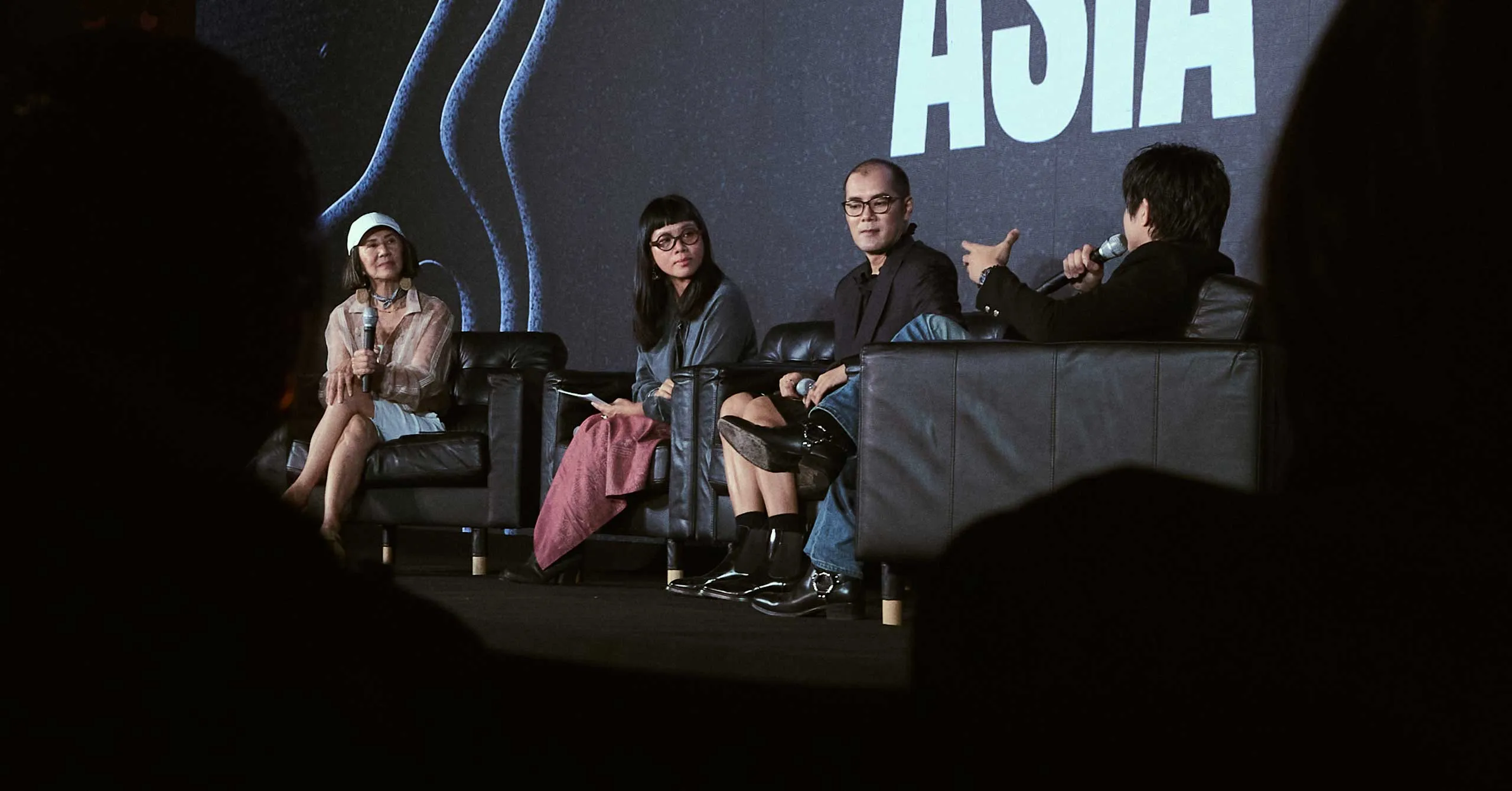
At “The Material Revolution” panel, Asian designers Lulu Tan-Gan, Wisharawish Akarasantisook and Thao Vu suggested ways for heritage to move forward amid the speed of fashion.
Striking the perfect balance between embodying cultural heritage and embracing technological advancement is a skill well-practiced by panelists Lulu Tan-Gan of Tan-Gan, Wisharawish Akarasantisook of Wisharawish and Thao Vu of Kilomet109, thus inciting insightful discussion about the happy medium at “The Material Revolution” panel of the Fashion Forward Asia Forum, moderated by GQ Philippines editor-in-chief Danyl Generican. The talk was part of the inaugural Fashion WeekFashion WeekA series of seasonal events where designers debut their latest collections, setting the tone for upcoming fashion trends and showcasing creativity, craftsmanship, and innovation across the global fashion industry.Go to Fashion Week Glossary Asia’s program.
Drawing from their individual experiences, the panel transformed into a cultural exchange of introspective encounters and hopeful ambitions of each country’s fashion industry: ones that understand the demand of a fast-paced world, but respect the importance of time-old tradition.
Asian excellence and cultural capital
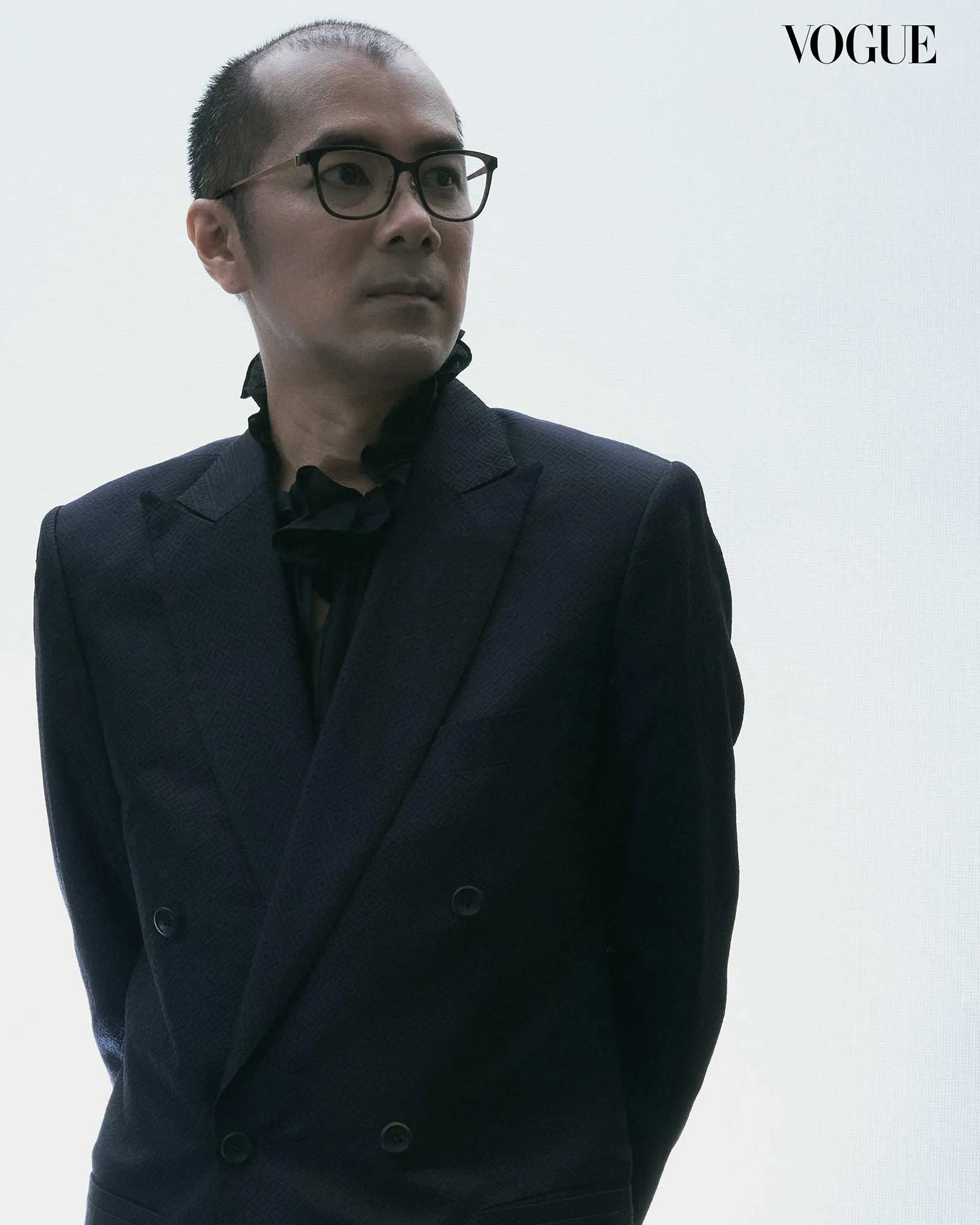
Akarasantisook noted that his brand is only one of many entrepreneurial efforts in Thailand to highlight cultural roots and materials to help strengthen the local economy. Vietnam, on the other hand, has long been established as a manufacturing hub for many international companies, but Vu finds pride in the seven different indigenous communities Kilomet109 works with across the country: “It’s very small-scale, [but] it helps Vietnam keep the diversity of traditional crafts,” she said.
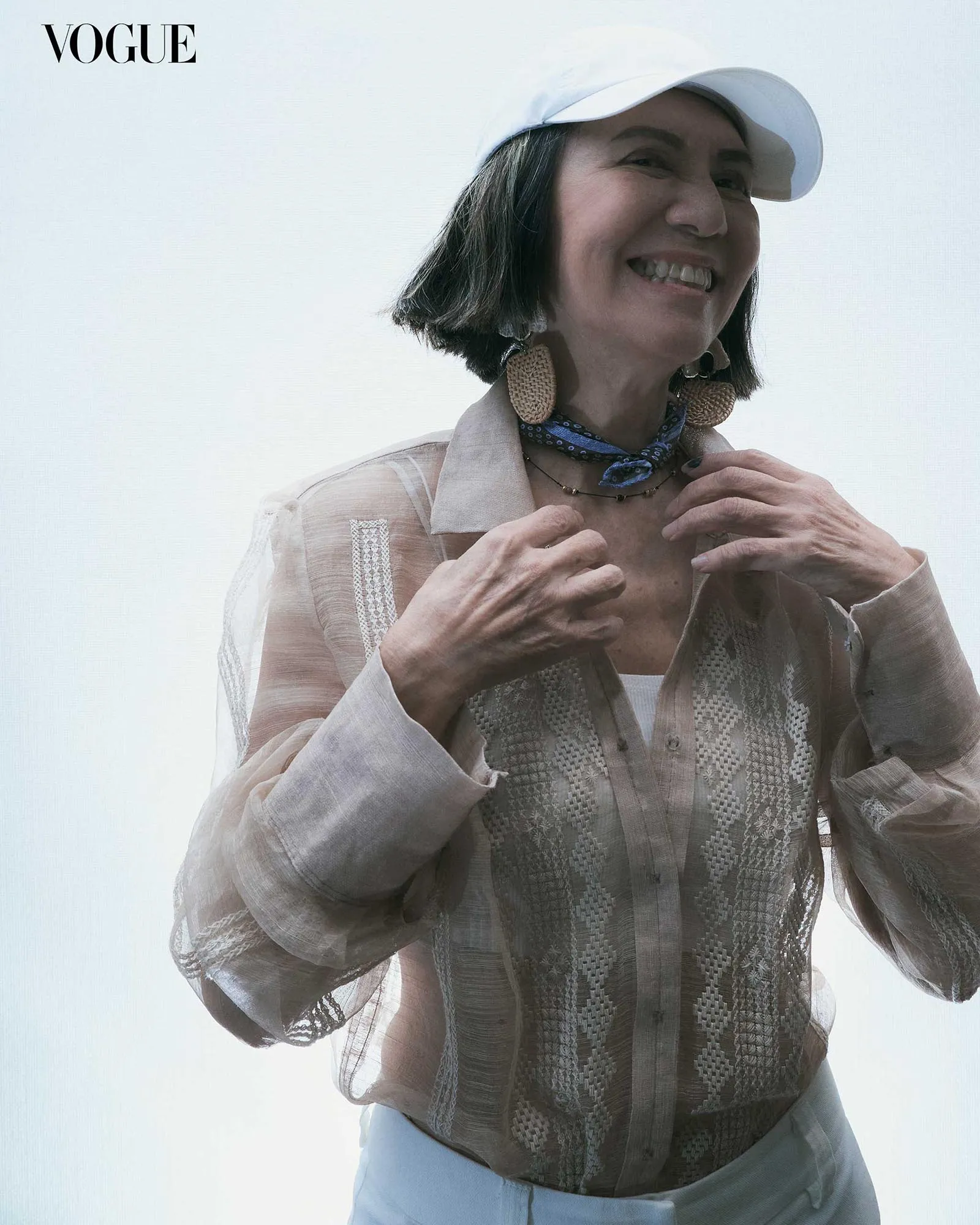
Tan-Gan conceded to the advancements of the textile industries of Thailand and Vietnam, but noted that the Philippine textile industry is abundant with opportunity, “We have a wealth of indigenous textile traditions, outstanding craftsmen and a very interesting heritage […] and we have to take advantage of this.”
Circularity of production and community collaboration
“Heritage alone does not sustain an industry. We need to move from isolated places of excellence toward a more connected, viable textile ecosystem,” Tan-Gan cited vis-à-vis the value of cooperation not only horizontally between manufacturers but also vertically along the supply chain.
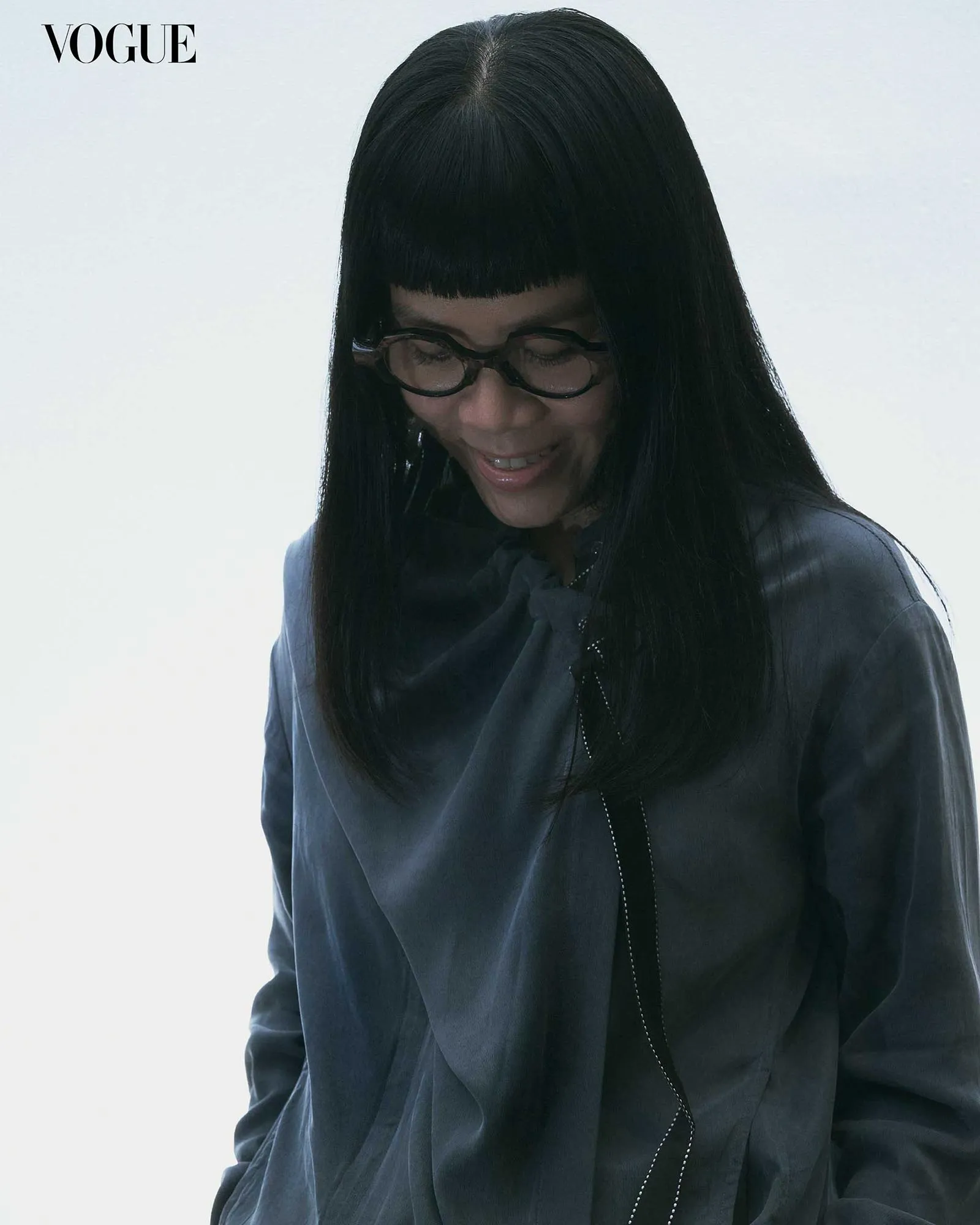
Such a sentiment rang true with Vu at Kilomet109, where production is mostly in-house, from planting their own fibers to weaving their own fabrics and even powders for dyeing: “You feel like you see every step making textiles and get involved with it.”
However, even with a closed-loop production, Vu still wished to highlight the relationship between the brand and the artisans of the indigenous communities. In spite of differences in language and lifestyle, the trust found in the partnership is what fuels the brand to continue and uphold their quality of work.
Threats of climate change on Asia
Akarasantisook described textile makers as artists: “If the situation is not stable, you cannot create.” The erratic temperament of weather has tangible effects on garment manufacturing, from being unable to weave silk in high humidity to being unable to hand-paint batik during wetter seasons. Watching his production plans become increasingly more challenging ever since he started in the industry 15 years ago, he emphasized the time and effort now required not only for designing clothes, but for designing entire production systems that accounted for climate-induced error.
To this, Tan-Gan suggested adaptation and resilience, especially in a typhoon-prone country such as the Philippines: “Protect fiber-producing communities […] and diversify sourcing to safer communities.” She also called on the local government to support these initiatives: “We cannot separate the future of fashion from the future of communities, natural resources and cultural heritage that sustains it.”
Marrying tradition and technology
In discussing technology, Vu noted that it should not be viewed as separate from tradition but rather complementary: “I think technologies should elevate the traditional craft and the traditional crafts add value to technology-based products.” She discussed how technology, by way of social media, plays a rather big part in the presentation of one’s life’s work.
Similarly, Akarasantisook noted that technology as a form of communication is crucial, especially when negotiating with many local suppliers: “Technology helps humans connect to humans. […] You can carefully build relationships or create something by using the right technology with craftsmanship.”
The ways forward
Tan-Gan and Akarasantisook banked on the exchange of knowledge as a way to forward fashion and cultural heritage. Akarasantisook grounds himself in his devotion to teaching the next generation as a part-time lecturer. Meanwhile, Tan-Gan aspired for possible innovation hubs to exchange education, craft, and technology.
Vu emphasized how there’s no need to reinvent the wheel; instead, a change in perspective is due: “[Viewing] materials as a starting point rather than a finished product.” In doing so, we may see traditional innovations integrate themselves into modern, everyday life.
Frequently Asked Questions
The Fashion Forward Asia Forum is an event at the inaugural Fashion Week Asia for individuals to learn from industry leaders and professionals through panel discussions about varied topics.
The Fashion Forward Asia Forum was held at Manila Marriott Hotel’s Diplomatic Hall in Newport World Resorts, Manila, Philippines.
Lulu Tan-Gan is the Filipino fashion designer behind Tan-Gan with decades of experience in the industry. She specializes in keeping Filipino tradition alive through her garments that highlight craft-based techniques from knitwear to piña artisanal fashion.
Thao Vu is a Vietnamese designer and creative director of Kilomet109, a brand that describes itself as “fashion from the ground up.” The brand has partnered with numerous indigenous communities to highlight Vietnam’s craftsmanship across the region through special, traditional techniques like dyeing and fabric treatment.
Wisharawish Akarasantisook is a Thai designer and creative director of Wisharawish, whose garments modernize the intricate techniques of Thai tradition. From modified handwoven silk to batik designs, Wisharawish combines cultural heritage with his signature graphic designs and metallic threads.