
The Terno, Explained: Why Filipinos Saw Home in Olivia Rodrigo’s Butterfly Sleeves


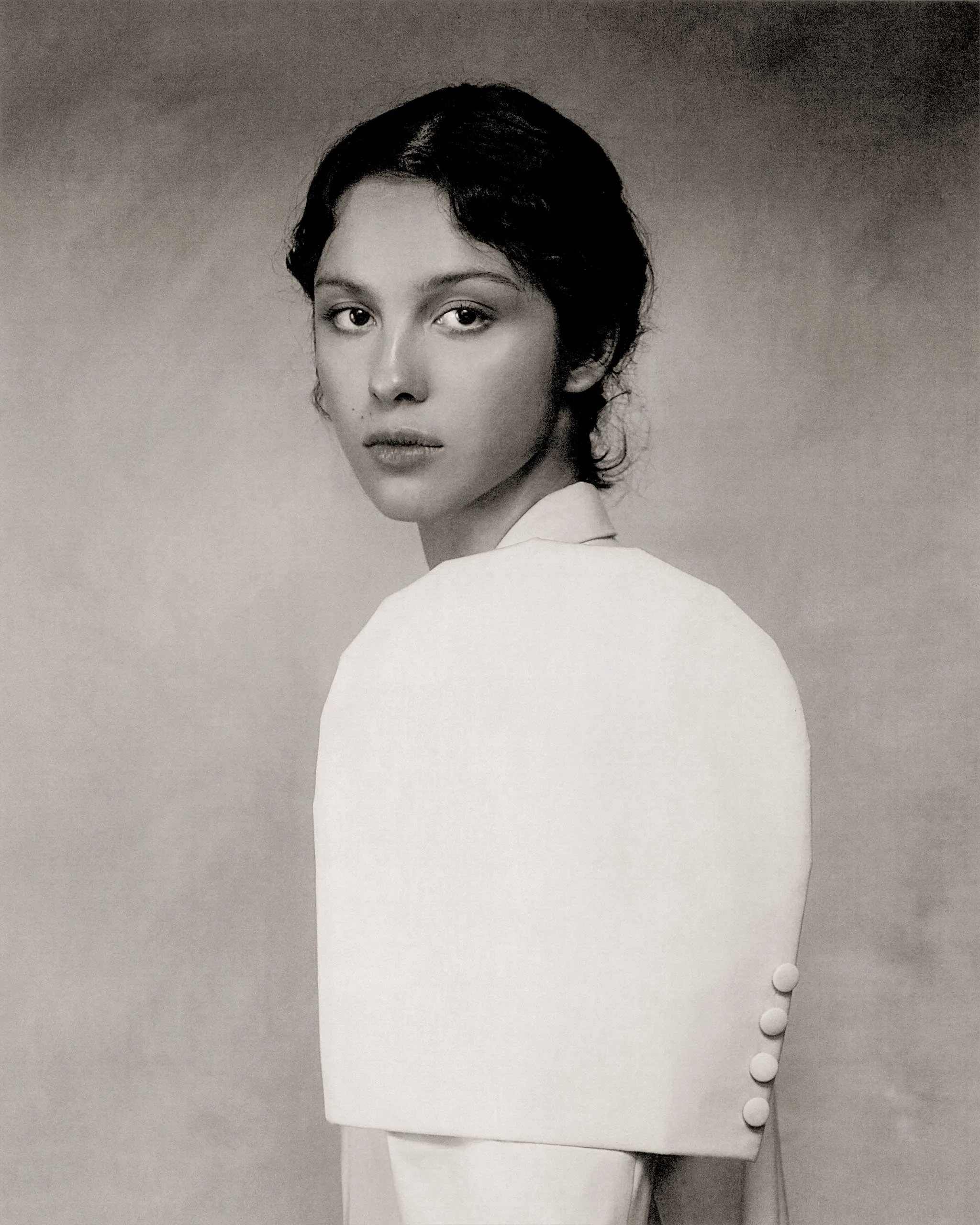
Olivia Rodrigo wears a Terno by Filipino designer JOEY SAMSON. Photographed by Szilveszter Makó for the September/October 2026 Issue of Vogue Philippines
Tracing the sculptural sleeve from its origins in Philippine dress to its place on the Vogue Philippines cover.
When Olivia Rodrigo appeared on the cover of Vogue Philippines’ Anniversary issue (September/October 2026), she was wearing something that might not immediately register to an unfamiliar eye.
Designed by Filipino designer Joey Samson, the look is crisp and almost austere: a high, close-fitting collar, a narrow glimpse of sheer fabric, and then that extraordinary sleeve, broad and rigid, extending from Rodrigo’s shoulders in a sweeping arc like a shield or a piece of armor. Against the soft blush backdrop, Rodrigo looks both delicate and formidable.
The portrait is by Szilveszter Makó, whose surreal, dreamlike approach gives the familiar silhouette an almost otherworldly presence.
It is a striking way for the terno to make its Vogue Philippines cover debut. Four years after the magazine launched, the Philippine dress finally takes its place on the cover, worn by a Filipino American pop star.
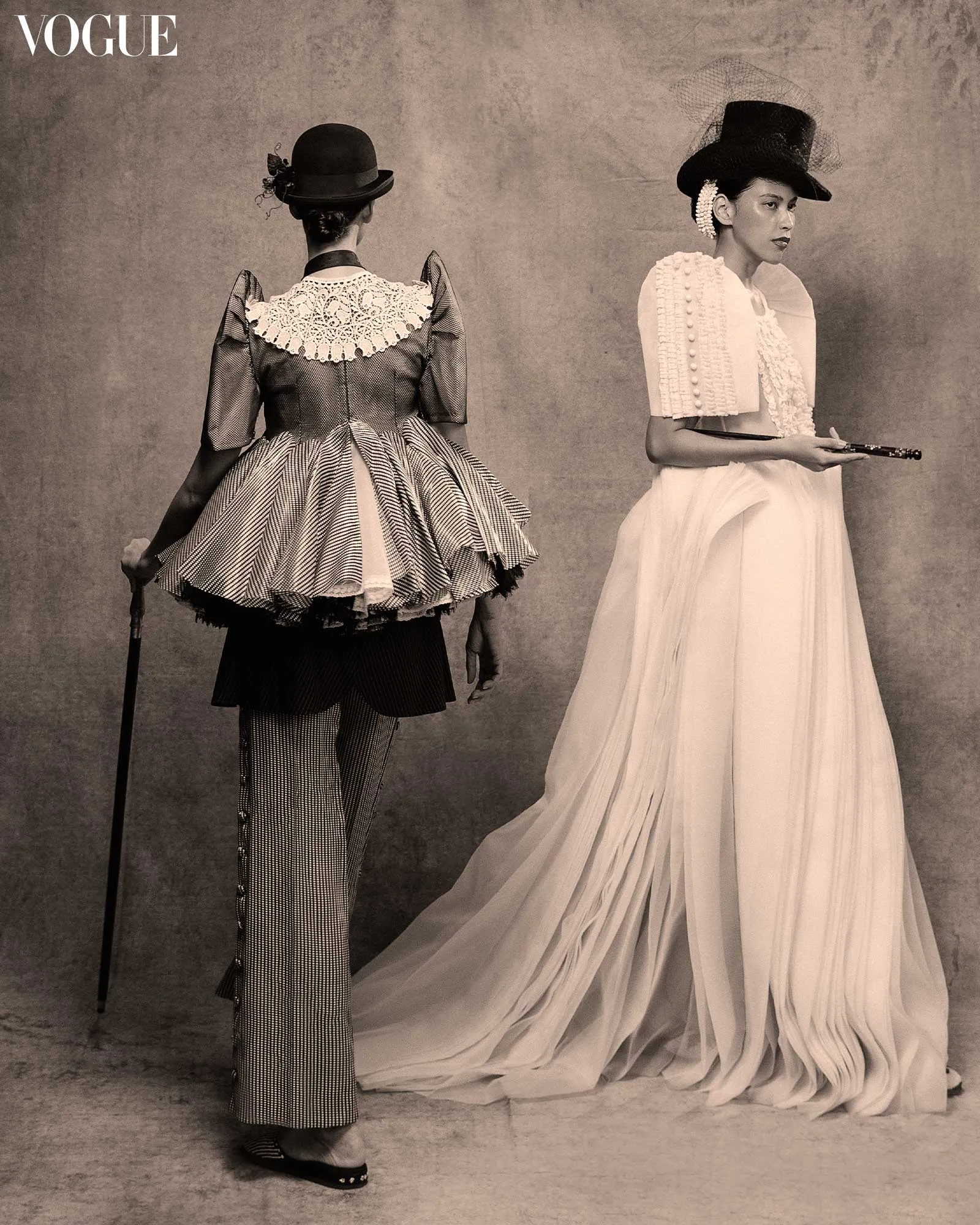
And yet, for Filipinos, there is no mistaking the image. Those sculptural wings are the terno’s signature butterfly sleeves. The recognition is almost instinctive. Before considering the construction, the designer or even the styling, you know what you are looking at.
That instant recognition is what makes the terno fascinating. It is often presented as though it has always existed in its current form, a fixed “national costume” handed down unchanged through generations. It hasn’t. The terno is less a relic than a record of how we Filipinos have continually reinvented the way we dress—and, in the process, how we see ourselves.
Its story begins with the baro’t saya, the blouse-and-skirt ensemble that evolved over centuries through Indigenous traditions, Spanish colonial influence and changing fashions. The camisa, or blouse, was worn with a full saya, often accompanied by a tapis and pañuelo. By the 19th century, the more elaborate traje de mestiza had emerged, with a wide skirt and expansive, pagoda-shaped sleeves. The silhouette would later become popularly associated with Maria Clara, José Rizal’s fictional heroine. The Cultural Center of the Philippines (CCP) traces the modern terno through these earlier forms of Filipiniana dress.
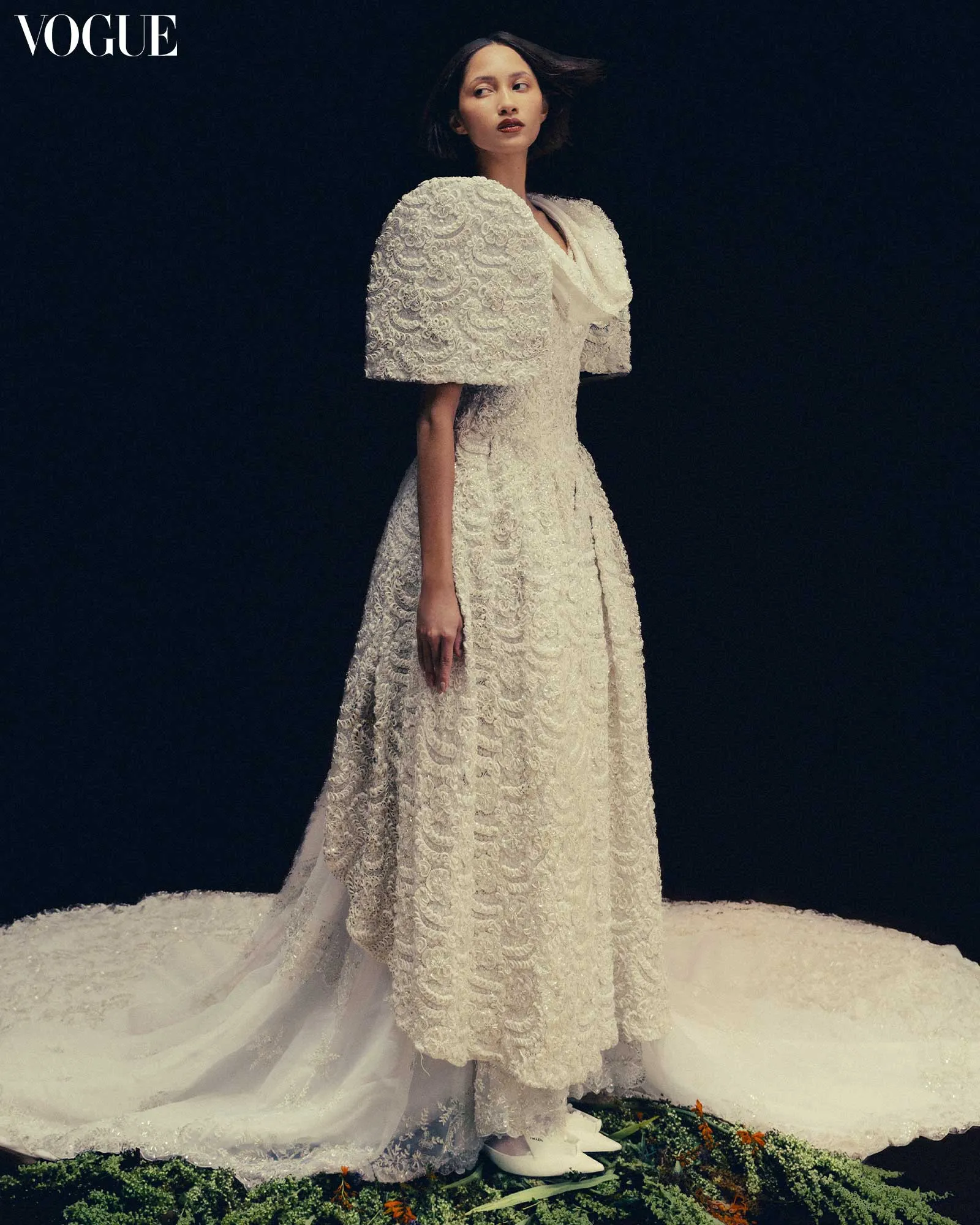
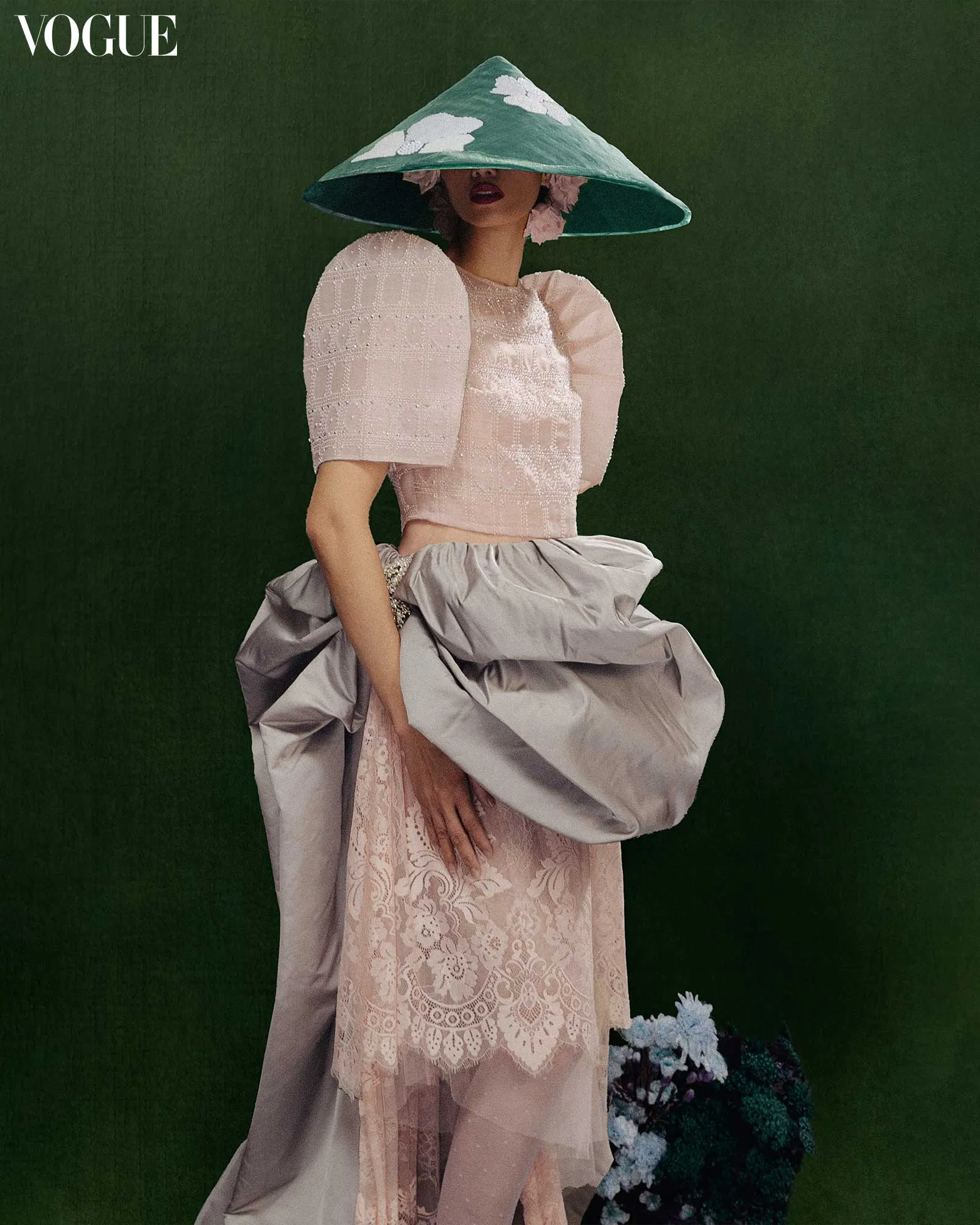
But the sleeves deserve their own history.
The National Museum of the Philippines’ catalog for Fashionable Filipinas: An Evolution of the Philippine National Dress in Photographs, 1860-1960 identifies the 1920s as the “rise of the butterfly,” marking a crucial moment in the transformation of the sleeve. The long, billowing sleeves of the earlier mestiza dress were becoming flatter and more pronounced, eventually producing the distinctive shape that would define the modern terno. The book, by Gino Gonzales and Mark Lewis Higgins, also devotes sections to the structure, starching and maintenance of the terno sleeve—an indication of just how much technique went into making those seemingly effortless wings hold their shape.
They are not simply big sleeves. According to the CCP, the classic butterfly sleeve typically has eight to 14 pleats and rises at least three inches from the shoulder. Early versions were made from sheer fabric; over time, the sleeve became an extension of the dress itself, often using the same fabric and detailing. The result is less a soft flutter than a piece of wearable architecture.
The construction was consequential. As the sleeves became more pronounced, the pañuelo draped over the shoulders became less essential and eventually disappeared from the streamlined modern terno. What began as one component of a blouse had effectively become the garment’s defining feature.
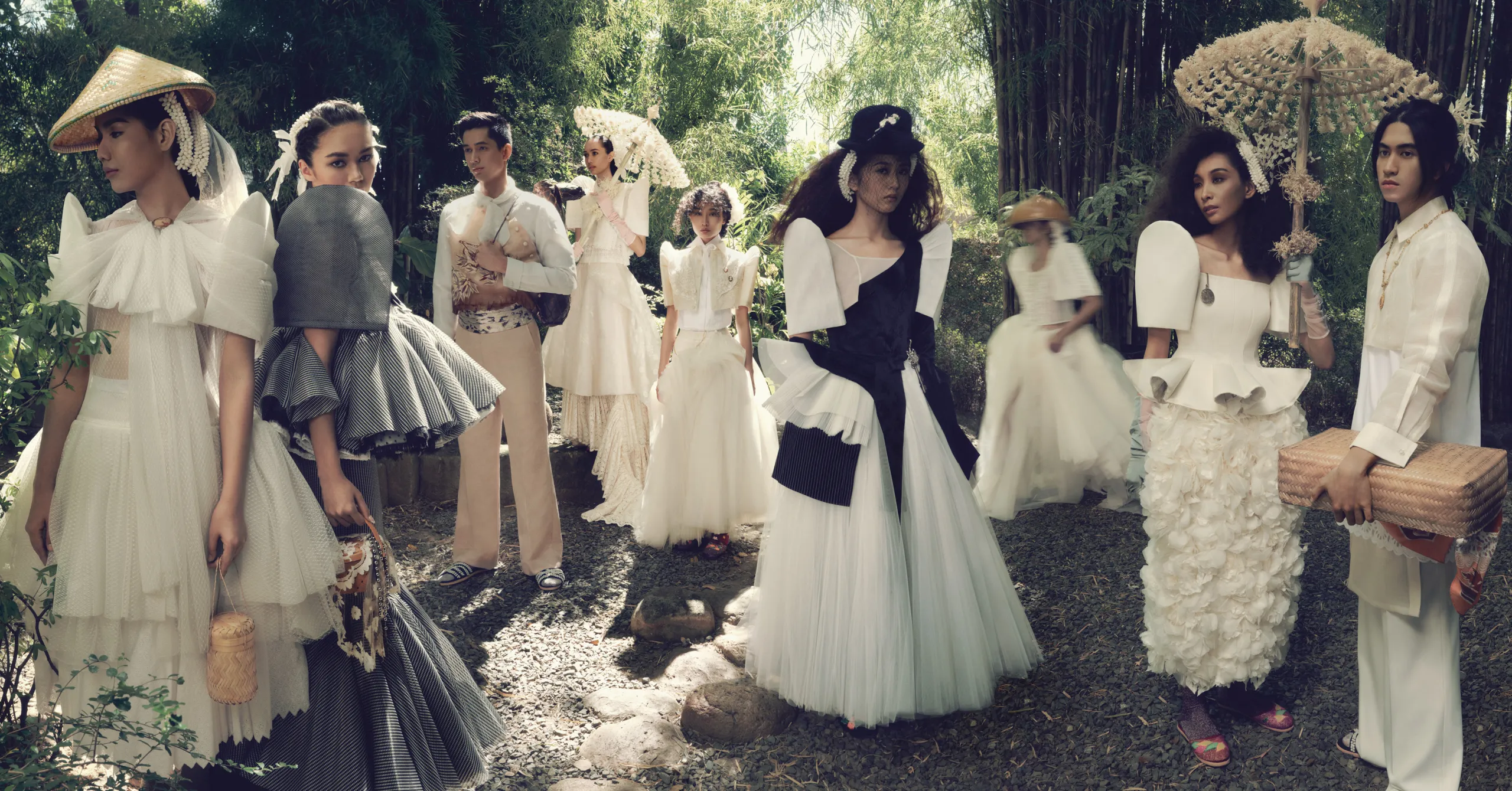
By the mid-20th century, the terno had become a one-piece dress. It had also become something distinctly its own: no longer simply a baro’t saya with elaborate sleeves, but a silhouette recognizable as distinctly Filipino. The CCP describes the transformation as part of the terno’s continuing evolution, rather than a clean break from its predecessors.
This is where the terminology can get confusing. “Filipiniana” is the larger category; the terno is one particular form within it. The baro’t saya is an important predecessor, while the traje de mestiza describes an earlier, more elaborate silhouette. The balintawak is another related form, traditionally associated with rural life, outings and fiestas, and distinguished by details including the alampay and tapis. The kimona, meanwhile, is another Filipino blouse form, often worn with a patadyong. They share a visual vocabulary, but they are not interchangeable.
The terno itself kept evolving. For a time, however, it seemed to belong increasingly to special occasions: formal portraits, pageants, state functions, and performances. Like many garments labeled “traditional,” it risked becoming something Filipinos admired precisely because they no longer wore it very often.
Then came the revival.
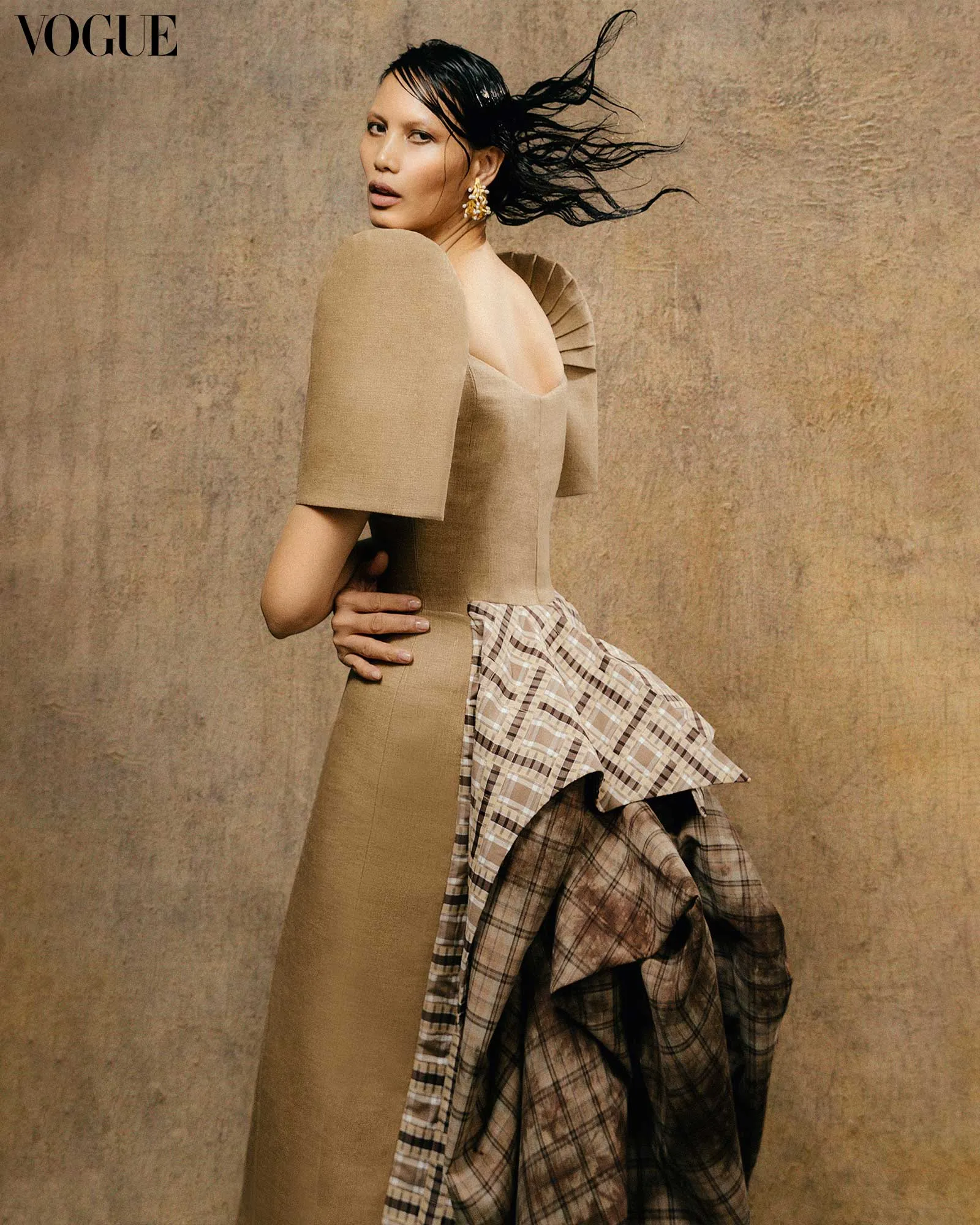
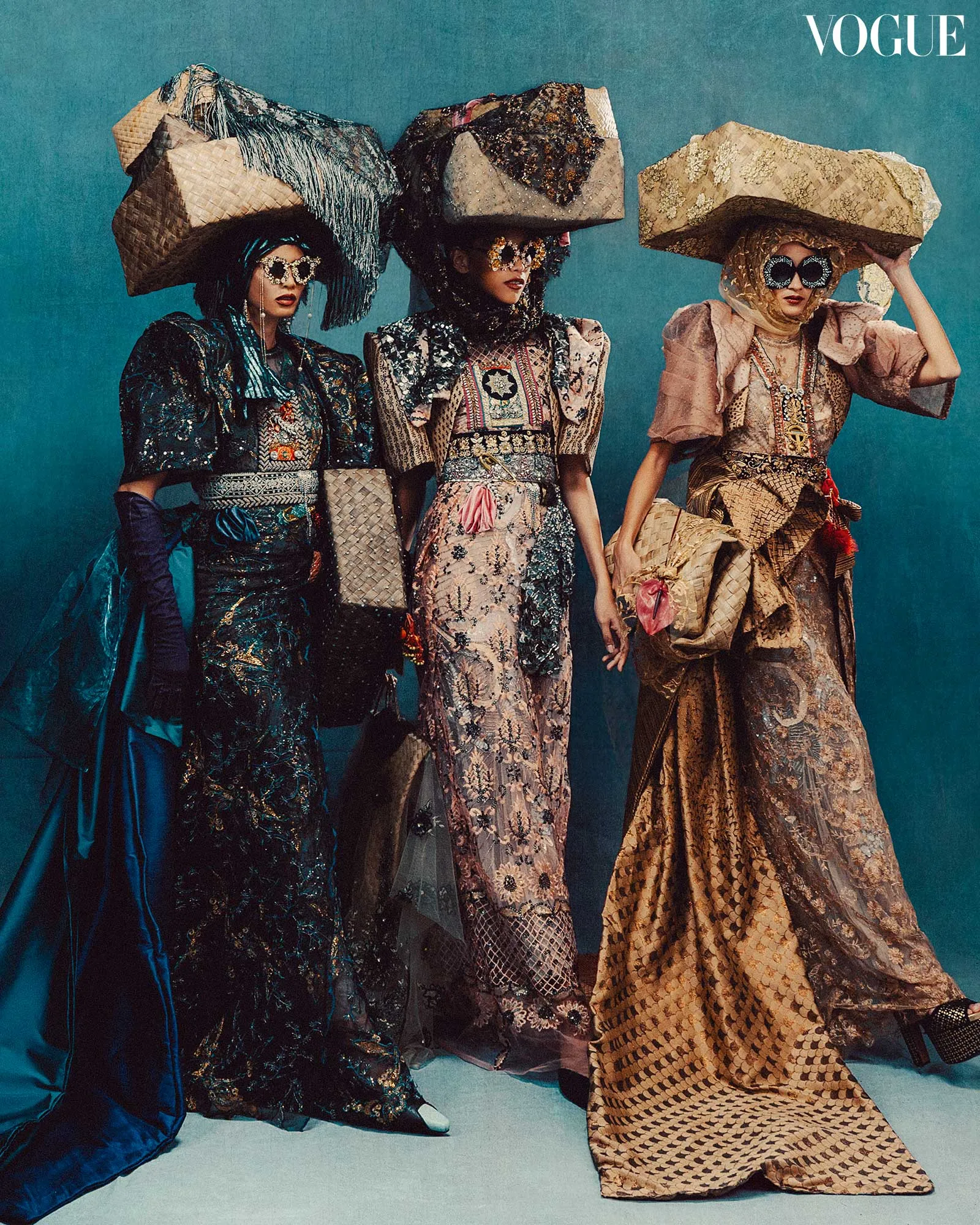
The renewed interest in the terno over the past several years has been driven in part by designers reconsidering what “Filipiniana” can mean today. TernoCon, launched through a collaboration between the CCP and Bench/Suyen, has given contemporary designers a platform to reinterpret the terno and related Filipino dress forms. Its brief is not simply to reproduce historical garments, but to innovate while retaining their traditions and history. The results have included unconventional textiles, altered proportions, gender-neutral silhouettes and radically reworked sleeves.
The National Museum has also helped move the conversation beyond nostalgia. Its Filipiniana x Obra exhibition in 2025 brought contemporary garments by TernoCon designers into dialogue with 20th-century Filipino art, placing Philippine dress within a broader continuum of visual culture.
Which brings us back to Rodrigo.
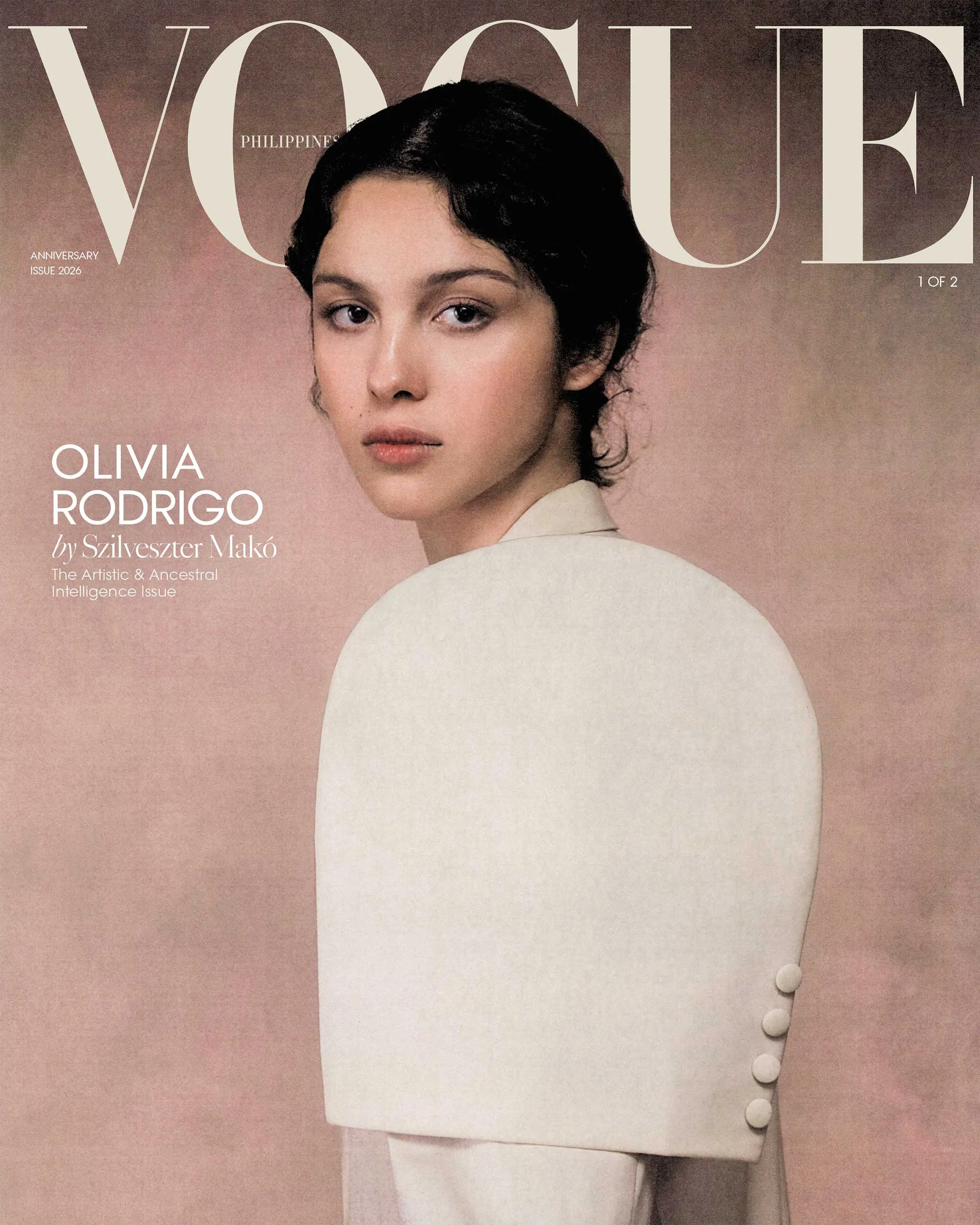
Her Vogue Philippines cover is not significant simply because a global pop star has suddenly “discovered” the terno. Filipinos have known exactly what those sleeves mean for generations. What makes the image resonate is that it presents something culturally familiar in a new context: a Filipino American pop star, a Filipino designer, and a Philippine fashion magazine, brought together in an image that connects heritage with contemporary culture.
For Filipinos, the recognition is almost visceral. For everyone else, the cover offers an invitation to look closer.
And perhaps that is the terno’s real power. Its history is not about preserving one perfect silhouette. It is about adaptation: from baro’t saya to traje de mestiza, from the elaborate dress of another era to the experimental designs of today.
Those butterfly sleeves may be the part everyone recognizes. But they are also the part that tells us the most: Filipino fashion has always been changing. The terno simply made that evolution visible.
Frequently Asked Questions
The terno is a Filipino one-piece dress best known for its distinctive butterfly sleeves. It evolved from earlier forms of Filipino dress, including the baro’t saya and traje de mestiza, and has been continually adapted by Filipino designers.
The name refers to their wing-like shape. Unlike the soft, flowing sleeves that might be described as “butterfly” in Western fashion, the terno’s sleeves are structured and designed to hold a distinctive raised, semicircular form.
The modern butterfly sleeve took shape in the early 20th century, particularly during the 1920s, as the long, billowing sleeves of the traje de mestiza were transformed into a flatter, more architectural silhouette.
Not exactly. “Maria Clara dress” generally refers to the 19th-century traje de mestiza associated with the idealized image of Maria Clara. The modern terno evolved from this tradition but became a distinct one-piece garment, most recognizable by its butterfly sleeves.
The baro’t saya is a two-piece ensemble consisting principally of a blouse and skirt, while the modern terno is a one-piece dress. The terno developed from this earlier tradition but streamlined and transformed it.
The balintawak and kimona are among the other forms within the broader tradition of Filipiniana dress. The balintawak is associated historically with rural and informal wear, while the kimona is a blouse traditionally paired with a patadyong. They share elements and influences with the terno but have distinct silhouettes and histories.
Contemporary Filipino designers have been reinterpreting the terno rather than simply reproducing its traditional form. Initiatives such as TernoCon have encouraged experimentation with fabrics, proportions, construction and even the definition of what a terno can be.