
How Tayo Lang Ang Nakakaalam Explores Grief in Queer Cinema


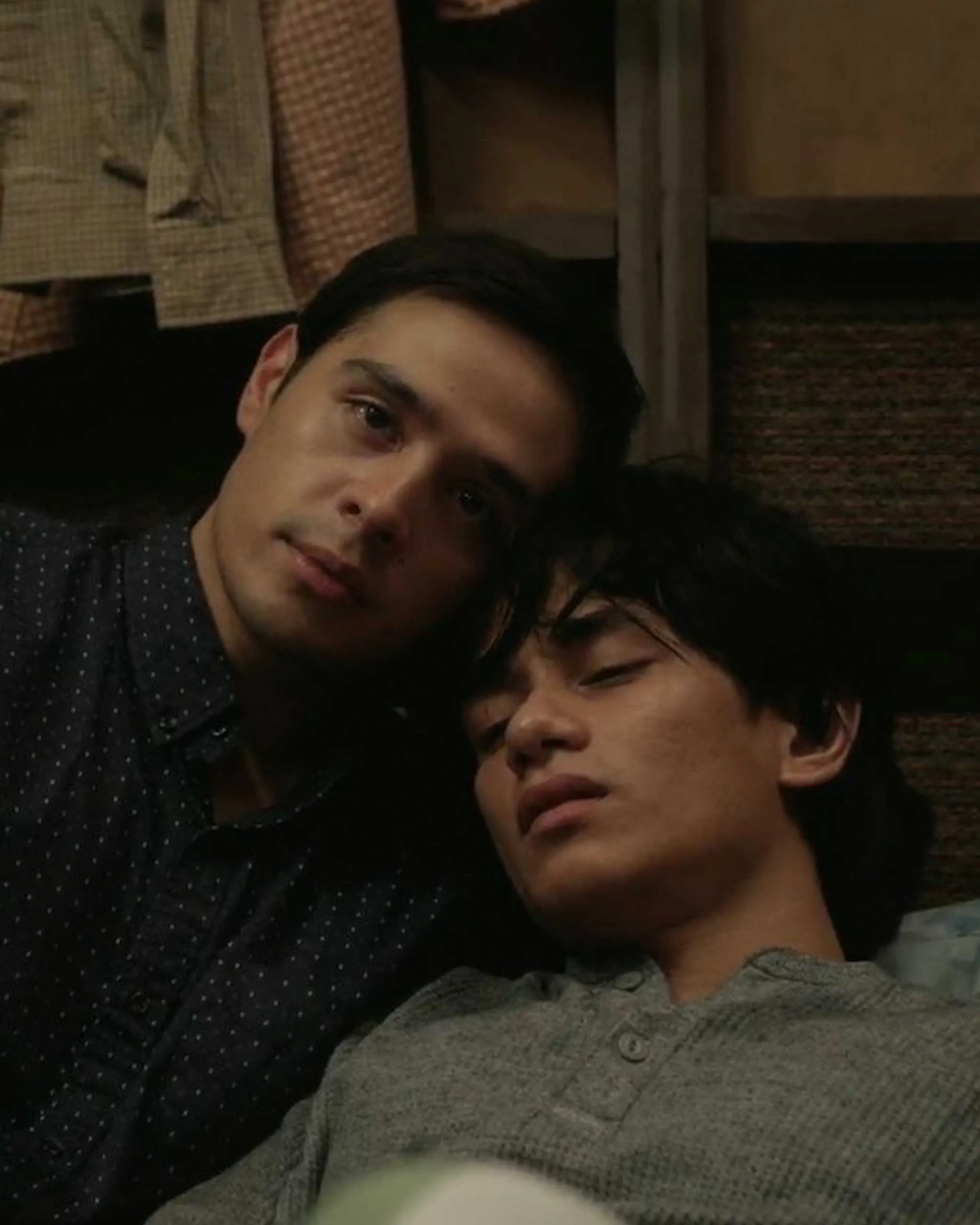
Courtesy of Tayo Lang Ang Nakakaalam
David R. Corpuz’s Cinemalaya 2026 drama examines love, loss, and family through a long-term couple forced to confront the past.
In Philippine queer cinema, stories have explored the many facets of love and identity. There’s pain and trauma in Markova: Comfort Gay; love, infatuation, and messy friendships in Open Endings. This year’s Cinemalaya entry, Tayo Lang Ang Nakakaalam , turns its gaze to grief.
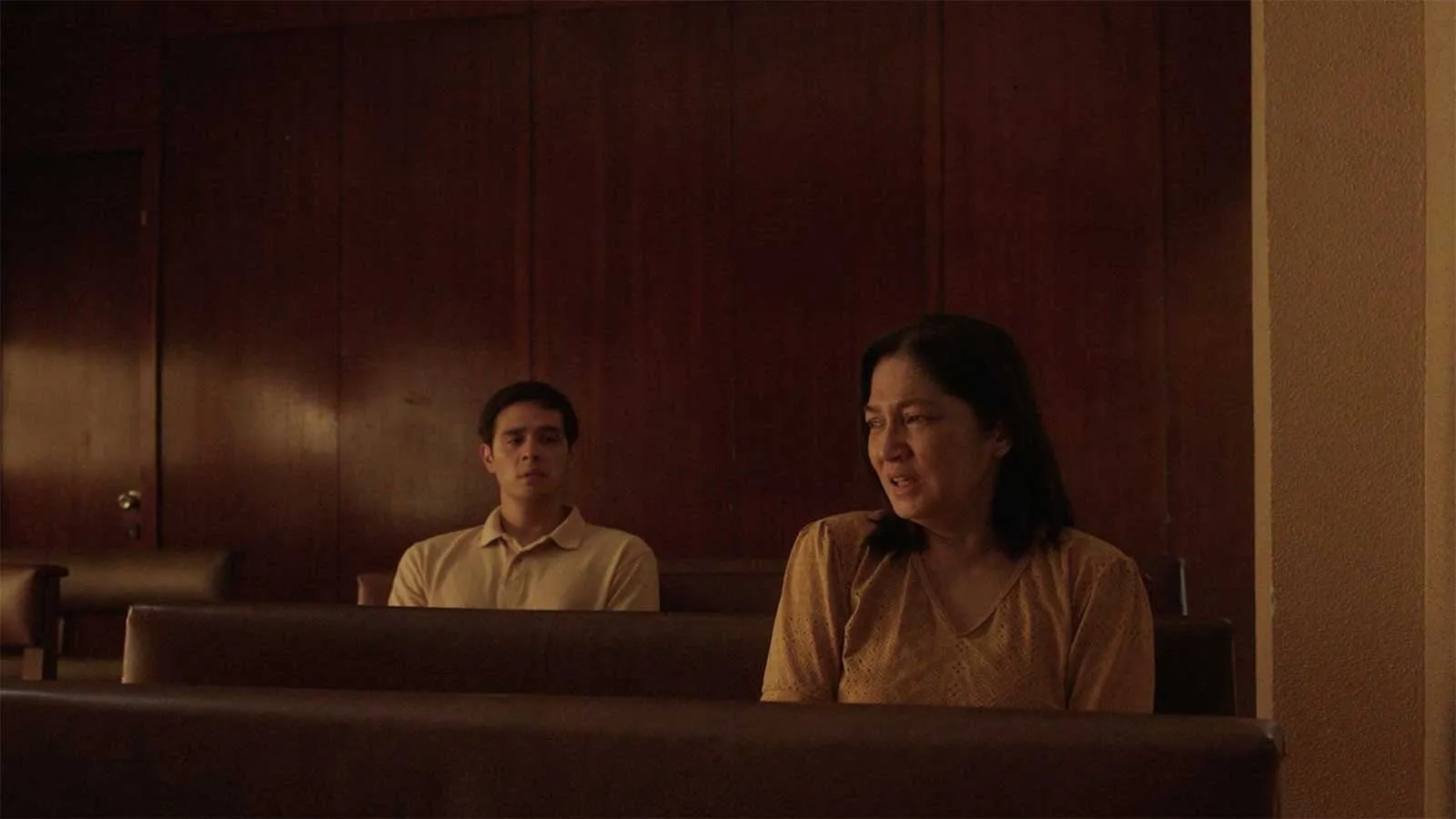
Directed by David R. Corpuz, Tayo Lang Ang Nakakaalam follows the story of Neil and Bong, who are long-term partners. When Bong falls ill, Neil, Bong’s mother Gloria, and estranged father Benjie have to confront old tensions and unite.
It took years for Corpuz to bring the film to life. The first draft was written around 2017, shaped by something deeply personal: the experience of loss. It was submitted to Cinemalaya in 2019, shortlisted but ultimately passed over. Then, the pandemic came, leaving the project in limbo as he balanced filmmaking with full-time teaching.
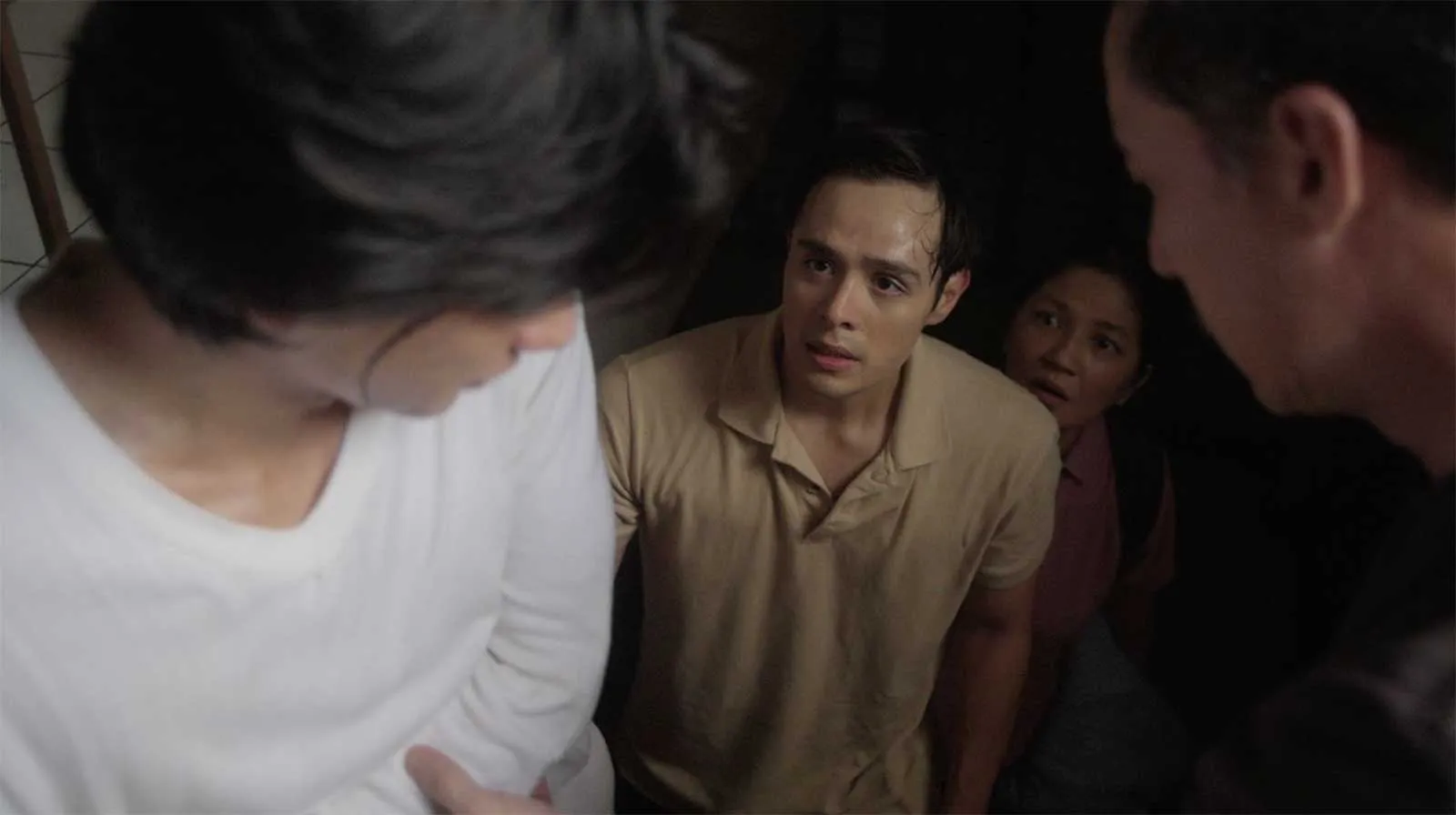
For Corpuz, the delay clarified what the film needed to become. “The inspiration of this has been a collective experience of personal loss,” he says. “We realized that there are very few queer films that deal with grief.”
That absence became the film’s emotional starting point. While queer cinema has increasingly found space in Philippine filmmaking, Corpuz observed that many stories continue to orbit familiar narratives of coming out, discrimination, or comic relief. Tayo Lang ang Nakakaalam asks a different question: What happens after love has already found its place? How does grief unfold inside a queer family, and who is allowed to mourn?
The film expands queer representation beyond identity alone, showing the rhythm of a domestic life: living together, caring for family, navigating illness, and confronting loss. “We tried to come up with a more realistic representation of queer relationships,” he says.
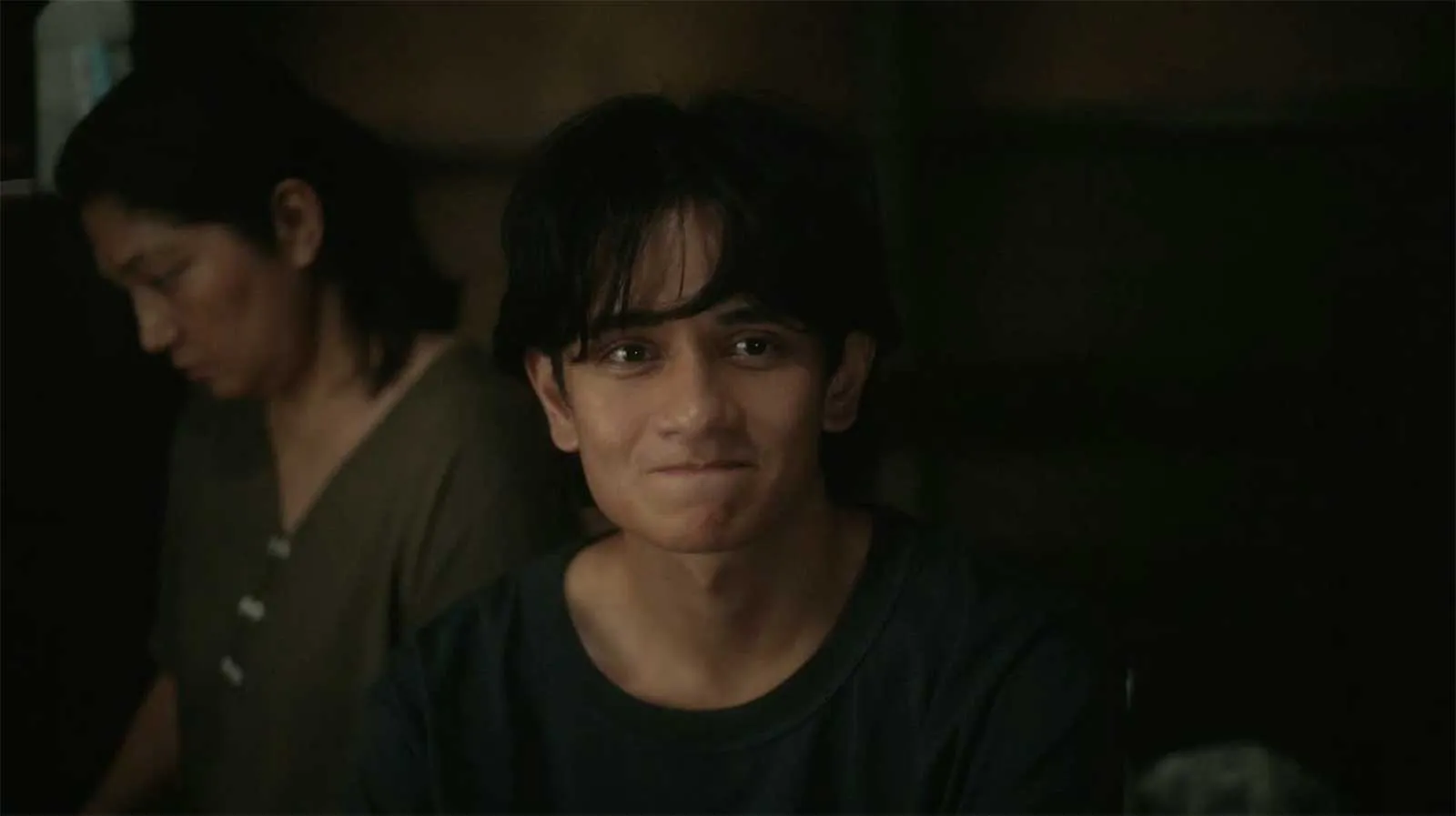
That realism extends to the filmmaking itself. A student of filmmaker Armando Lao’s Found Story approach, Corpuz deliberately avoided dramatic embellishment, favoring a restrained, linear narrative. His cinematic influences, particularly the works of Japanese director Hirokazu Kore-eda and Iranian filmmaker Asghar Farhadi, are present in the film’s attention to ordinary lives and emotional nuance.
Finding the right cast became essential to preserving that emotional honesty. Martin del Rosario was among Corpuz’s earlier choices for Neil, while Miguel Odron earned the role of Bong through auditions. “Miguel was God-sent from heaven,” Corpuz recalls. Veteran actress Yayo Aguila and actor Epy Quizon rounded out what he describes as the film’s “perfect cast.”
For Del Rosario, the screenplay immediately presented a challenge worth taking. Neil is a restrained character whose emotional life is largely internal; rather than relying on dramatic expression, he approached the role through observation of the script’s emotional restraint.
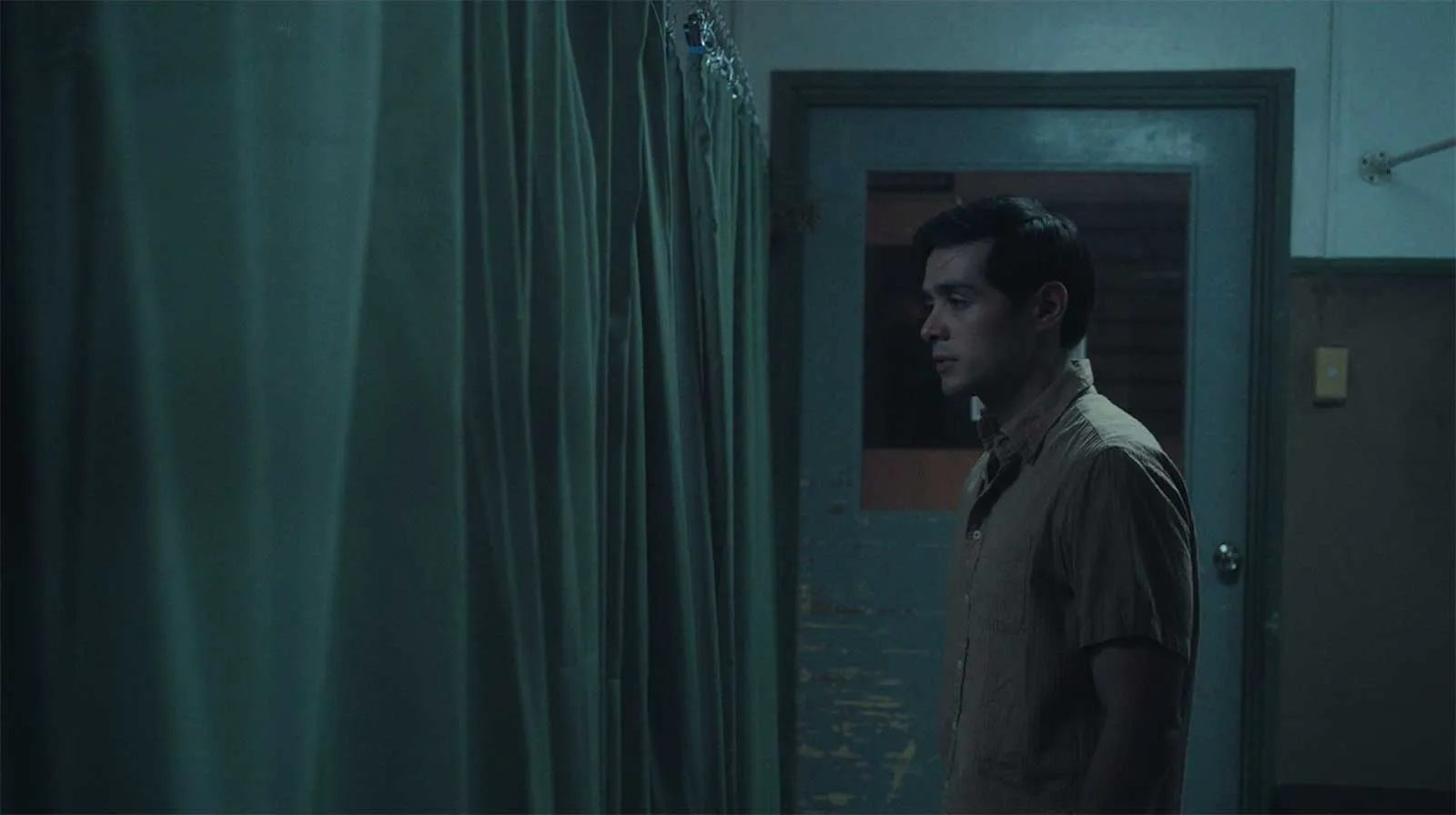
Odron, meanwhile, focused on separating Bong’s illness from his identity. “The more interesting part was, who is he when he’s healthy?” he says. While preparing for the role, conversations naturally began with the physical demands of portraying an ailing character. But those discussions eventually shifted toward understanding Bong as a complete person, his relationships, personality, and place within the family long before illness defined his circumstances.
For Aguila, who plays Gloria, the project resonated even before she opened a script. Having known Corpuz for years, she trusted both the filmmaker and the story he wanted to tell. “When he discussed the story while we were having lunch, I felt it was a really beautiful project,” she says. Reading the completed screenplay only reinforced that conviction.
Gloria, she explains, is a loving, understanding mother. But beyond portraying a parent, she saw the character as an opportunity to embody compassion without judgement, offering perspective that reflects the acceptance that many queer families continue to hope for.
As Tayo Lang Ang Nakakaalam joins this year’s Cinemalaya lineup, its cast and filmmakers hope that it drives conversations.
For Odron, only in his second feature film, Cinemalaya represents a space where stories that might otherwise remain unseen are given room to exist. He hopes audiences will glimpse an experience that “not a lot of people talk about.”
Aguila hopes parents leave the cinema with greater openness toward their children. “Let’s not be judgmental. Let’s support our children,” she says, emphasizing the film’s message of acceptance.
Ultimately, the film is less interested in making statements than in making space. It offers a portrait of love after certainty, family beyond convention, and mourning that is no less profound because it belongs to queer lives. In doing so, Tayo Lang Ang Nakakaalam broadens what Philippine queer cinema can look like, through the humanity of being allowed to grieve.
Frequently Asked Questions
Tayo Lang Ang Nakakaalam tells the story of Neil and Bong, who are long-term partners. Their lives turn uncertain when Bong falls ill, forcing Neil, Bong’s mother Gloria, and estranged father Benjie to confront old tensions and unite.
The cast includes Martin del Rosario, Miguel Odron, Yayo Aguila, and Epy Quizon.
Cinemalaya is a pioneering annual Philippine independent film festival and competition established in 2005 by the Cinemalaya Foundation and the Cultural Center of the Philippines.
The 22nd Cinemalaya Independent Film Festival runs from August 6 to 18, 2026.
Cinemalaya 2026 tickets can be bought online or at physical cinema ticketing booths across partner locations, including Shangri-La Plaza Red Carpet Cinemas, Gateway Cineplex 18 via Ticketnet, and Ayala Malls Cinemas.
- How Cinemalaya’s 2 Valid IDs Exposes the Human Cost of Bureaucratic Red Tape
- The Women of Forgotten Island: H.E.R., Liza Soberano, Lea Salonga, and Dolly de Leon on the Stories that Lead Us Home
- An Island Remembered: The Artists and Creatives Behind DreamWorks’ Forgotten Island
- An Exclusive Look at the Making of Forgotten Island