
How Nature’s Ancient Rhythms Are Finding Their Way Back Into Beauty



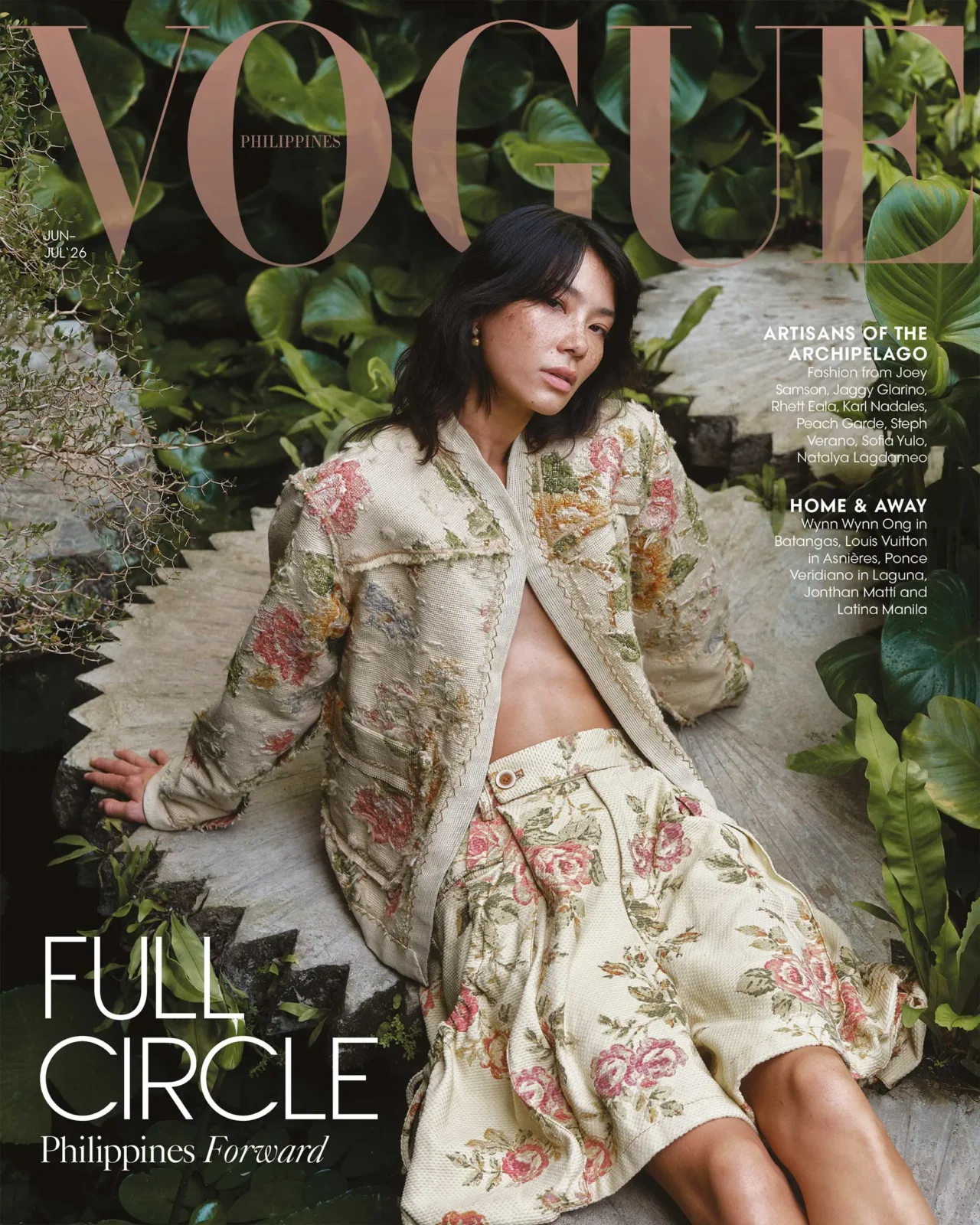
Photographed by Victoria Vinas for the June/July 2026 Issue of Vogue Philippines
From natural scents to native botanicals, brands are looking to nature’s older cadences to shape a slower, more grounded approach to beauty.
Beauty has always known how to follow the weather.
Long before it was organized into routines, regimens, and release calendars, care was shaped by what the earth could offer and what the body seemed to ask for in return. A salve for dryness, a scent for ceremony, an oil pressed from harvest, a herb gathered for healing: beauty moved according to season, climate, ritual, and need. Now, as VML Intelligence observes in The Future 100, that older cadence is returning through what it calls “rhythmic beauty,” a movement where brands look to nature’s ancient rhythms as both inspiration and instruction.
Across fragrance and skincare, this is taking form through products and experiences that follow the solstice, the equinox, the soil, the forest, and the body’s own cycles. The Future 100 notes British fragrance brand Ffern, for example, which releases four scents a year to mark the changing seasons, pairing perfume with folklore, ritual, and “found sounds” from the natural world. In the age of AI and high-speed technology, consumers seem to yearn more for an attunement to the cycles and the pace of the earth and the body.
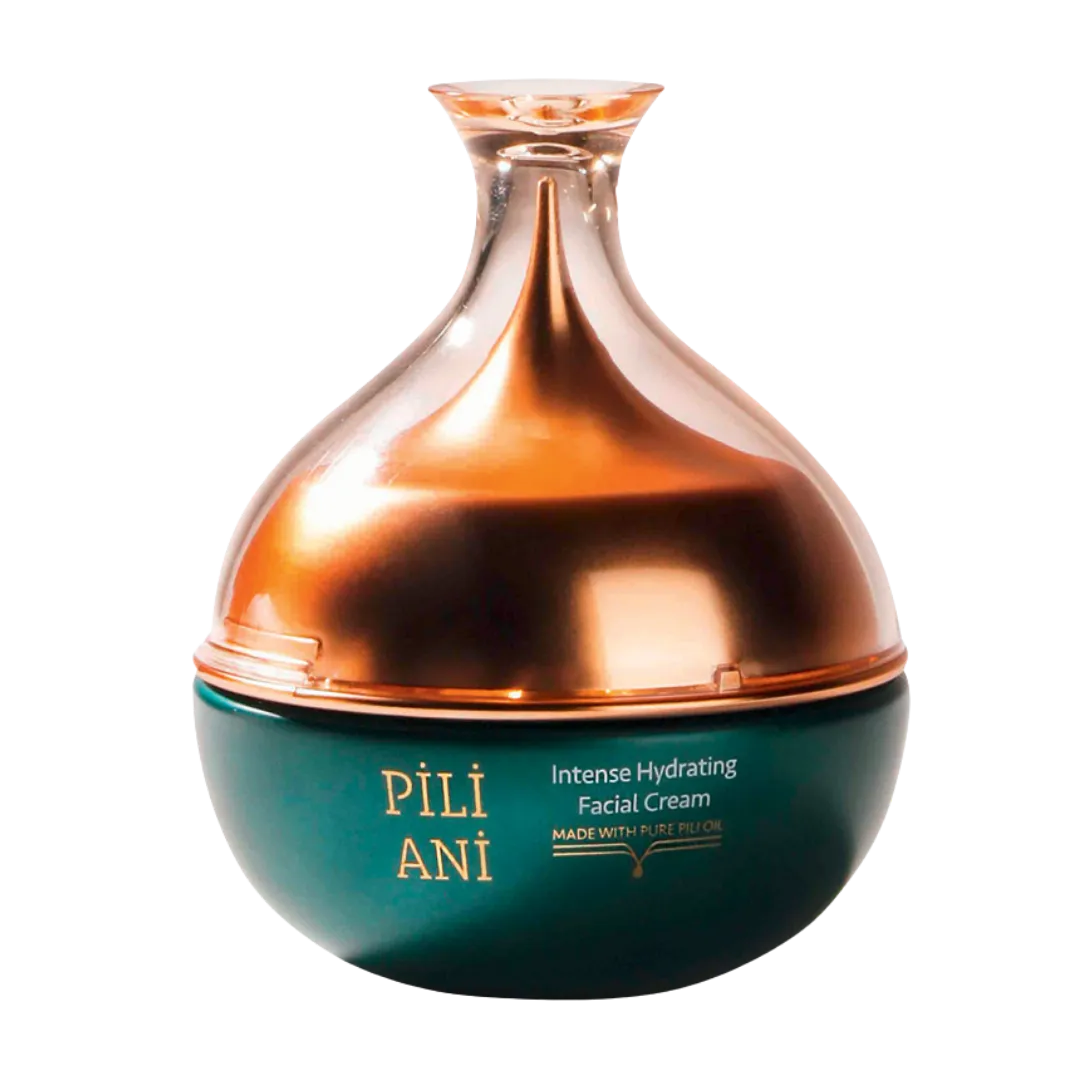
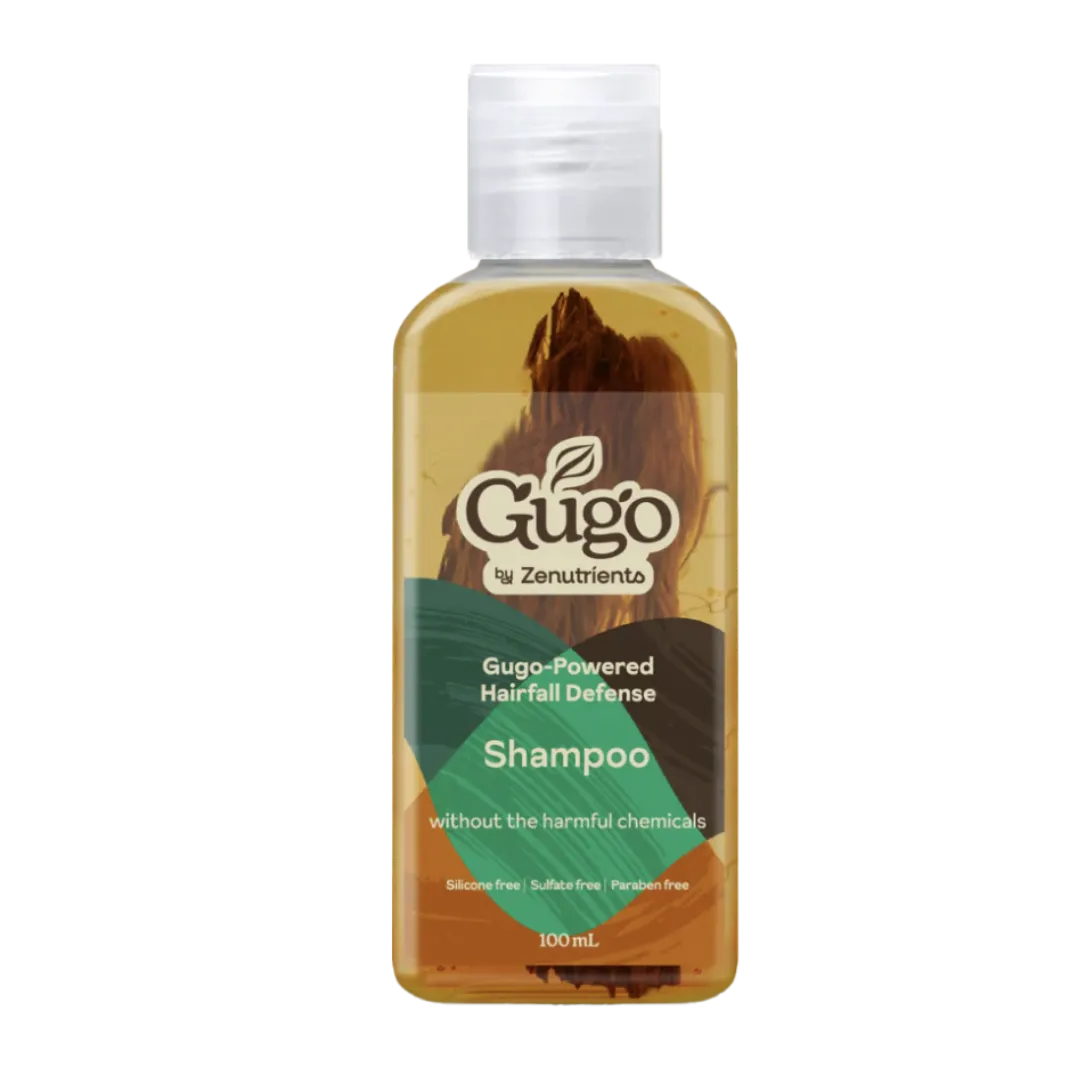
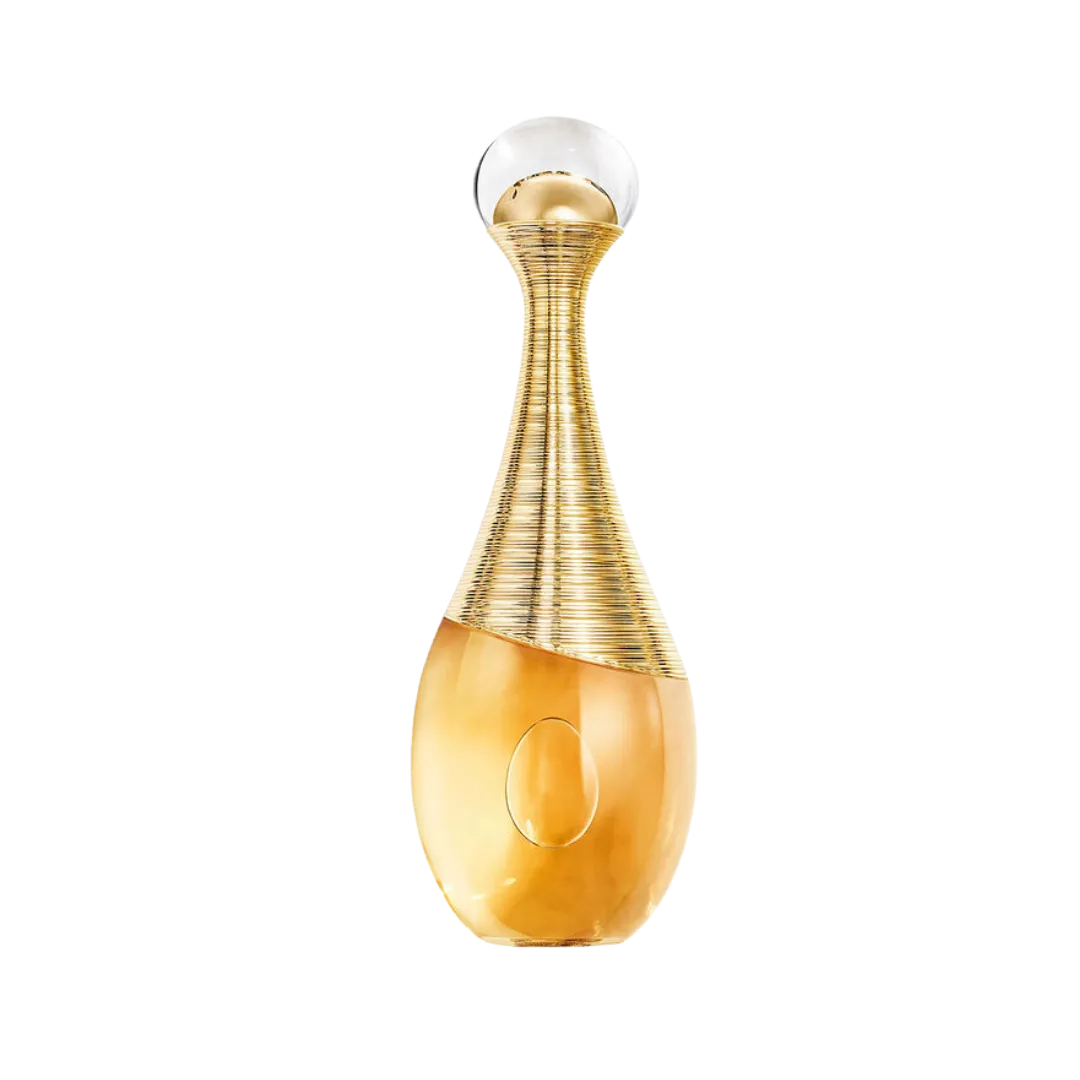
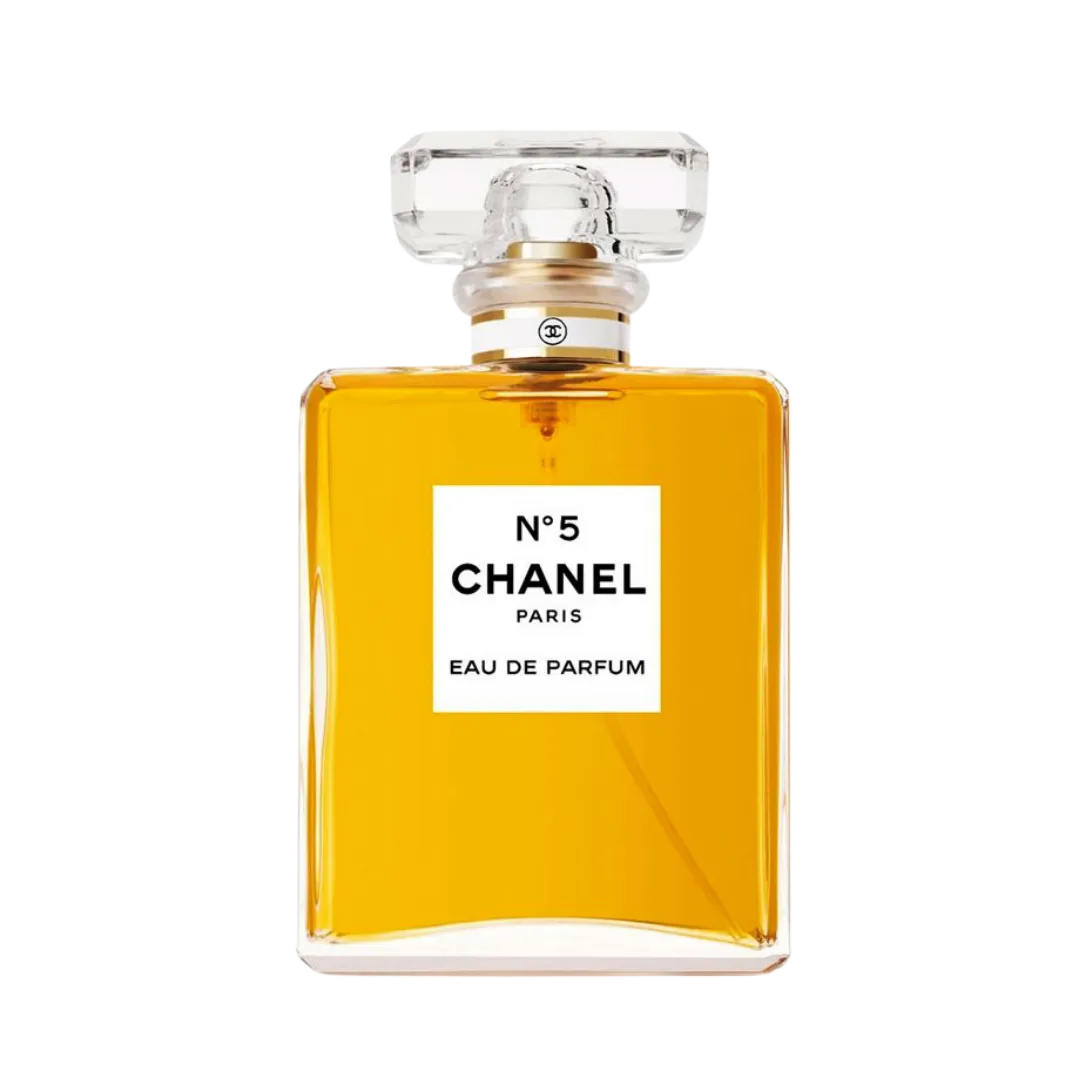
In the Philippines, beauty brands are also positioning native ingredients as hero products, grounding modern formulations in botanicals that have long belonged to the local landscape. Pili Ani, for instance, builds its skincare around the pili tree, native to the Philippines and valued for both pili oil and elemi oil. The former, pressed from the fruit’s pulp, is known for nourishing the skin and supporting the moisture barrier, while elemi, drawn from the tree’s resin, has long been used in fragrance and wellness for its aromatic and clarifying properties. Even the brand’s volcanic mask gestures to place, drawing from the mineral richness of the country’s terrain. Elsewhere, gugo, a climbing vine traditionally used in Filipino hair care, continues to appear in shampoos that speak to older bathing rituals and plant-based cleansing. Beyond skincare, ylang-ylang is a golden, fragrant bloom that has traveled from local soil into some of the world’s most recognizable perfumes, such as Chanel No 5, Dior’s J’Adore Intense, and Rouge Hermès Eau de Toilette. Filipino beauty, too, has long drawn from land, climate, harvest, and tradition.
“Rhythmic beauty grounds consumers in nature-led experiences rooted in ancient wisdom,” notes VML Intelligence. “By harking back to traditions and practices that connect us deeply to nature, they offer a reassuring sense of timelessness.”
By BIANCA CUSTODIO. Photograph by VICTORIA VINAS
Frequently Asked Questions
Pili Ani is a Filipino skincare brand known for using ingredients derived from the pili tree, including pili oil and elemi oil, in its beauty and wellness products.
Ffern is a British fragrance brand that releases seasonal perfumes inspired by nature, folklore, and changing environmental cycles.
VML Intelligence is the trend forecasting and consumer insights division of VML, a global creative company. It publishes research and reports on emerging cultural and industry trends.
VML Intelligence’s The Future 100 is an annual trend report that explores emerging cultural, consumer, and industry shifts across sectors like beauty, fashion, and technology.
Ylang-ylang is a tropical flower known for its rich floral scent, commonly used in perfumes and essential oils around the world.
-
At Ponce Veridiano’s Home, Structure Is Shaped by the Earth
- The Bench Fashion Week Spring 2026 Show Celebrated a Cross-Cultural Tapestry Between Japan and the Philippines
- Wynn Wynn Ong Welcomes Us to Her Home and Her Way of Life
- Jonathan Matti Maps Out Filipino Art, History, and Culture in Latina Manila