
What Is Borlas de Pastillas, and How Are Bulakeños Keeping It Alive?


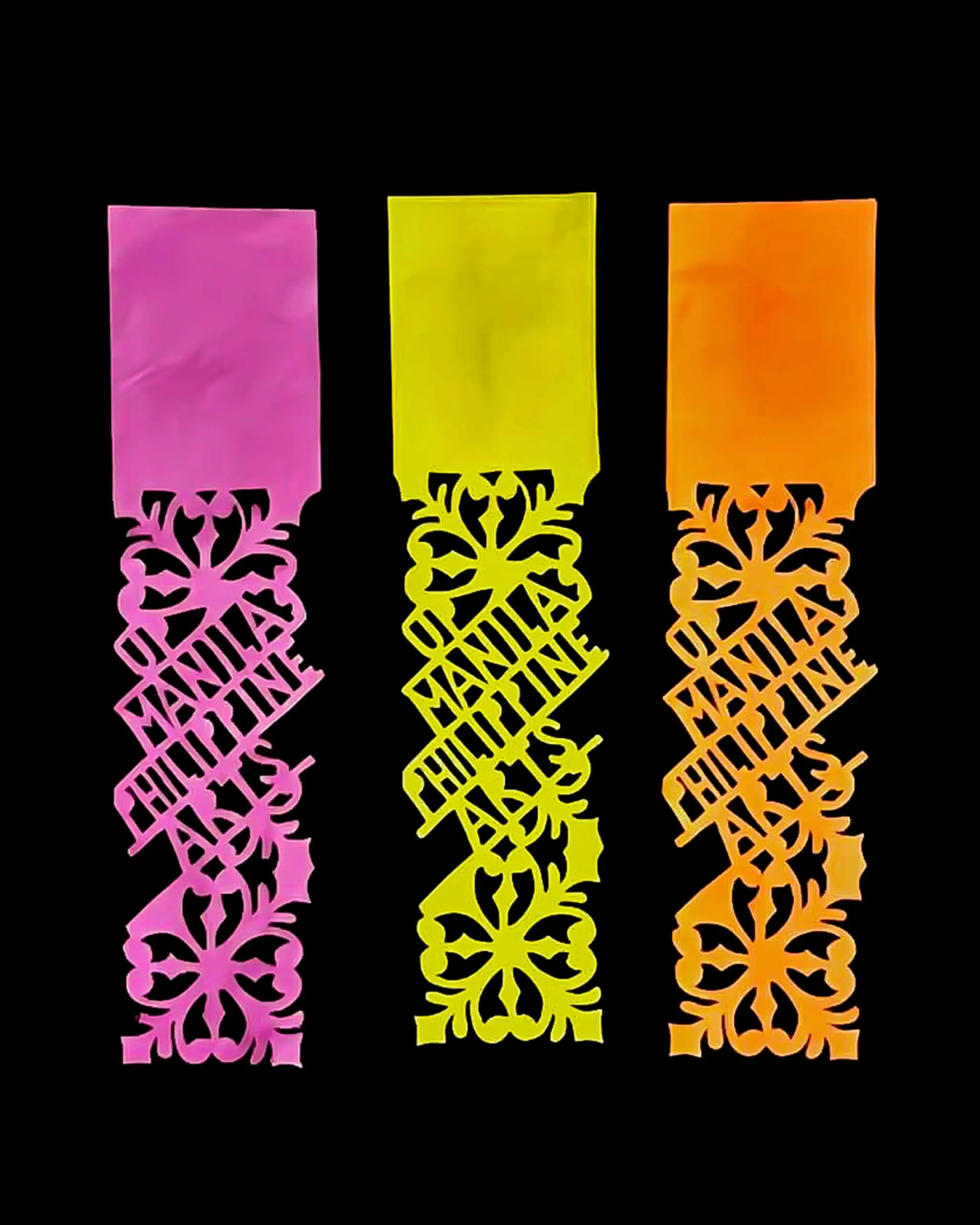
Photographed by Joy Marie Joaquin
For National Heritage Month, Vogue Philippines sits down with a local maker of Borlas de Pastillas in Bulacan to learn more about the craft.
In San Miguel, Bulacan, there seems to be an unspoken agreement that the community clings to: Keep the tradition of doing Borlas de Pastillas alive. But with modernization came the documentaries and research studies that ask the question, “Is Borlas de Pastillas a dying art?”
Dating back to the arrival of the Spaniards in the Philippines, Borlas de Pastillas, also known as pabalat, is a traditional paper-cutting heritage art that was brought about by the settlement of Chinese people in the town of San Miguel. Originally, it used Chinese paper to create designs like flowers, landscapes, and FilipinianaFilipinianaThe umbrella term for traditional Philippine attire, most often referring to formal dress for women, such as the terno and Maria Clara gown, and the barong Tagalog for men. FilipinianaGo to Filipiniana Glossary scenes. But during the Japanese occupation, it then evolved into the usage of Japanese paper or papel de hapon.
In an interview with Vogue Philippines, Joy Marie Joaquin, owner of Borlas de Mayumo, one of the local shops that make pabalat, shares that years ago, every household in San Miguel knew how to make Borlas de Pastillas, so much so that it was passed down to the next generation. “Base po sa nabanggit ng kilalang historian na si Dez Bautista, ang primary purpose daw po kasi ng Borlas de Pastillas [ay] para hindi mamantikaan ‘yong kamay ng kakain ng dessert. ‘Yong pangalawa naman po ay para festive siyang tingnan sa hapagkainan [Based on the story of the known historian Dez Bautista, the primary purpose of Borlas de Pastillas is so that the hands won’t get oily while eating the dessert. Its second purpose is to make it look festive],” she says.
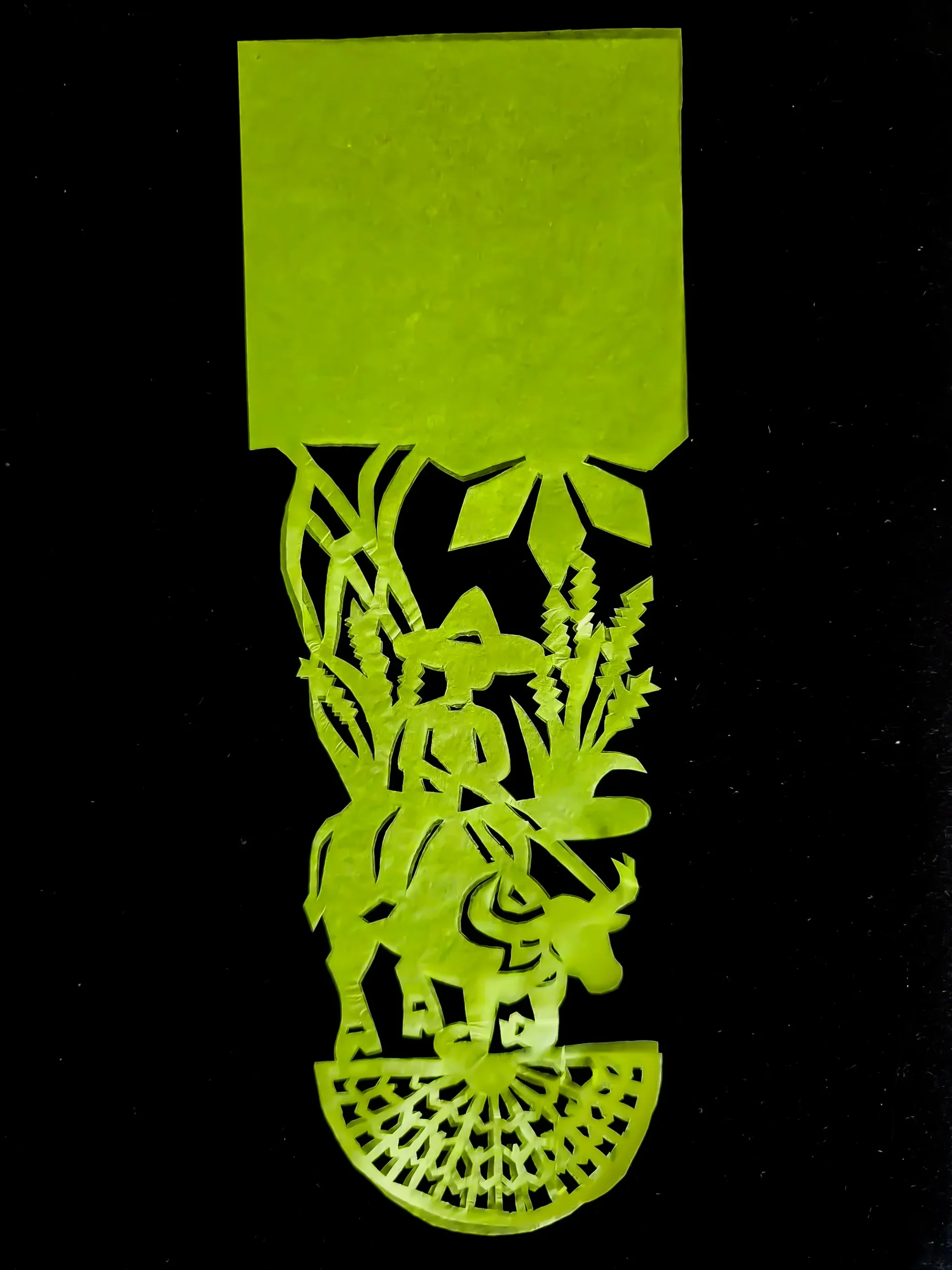
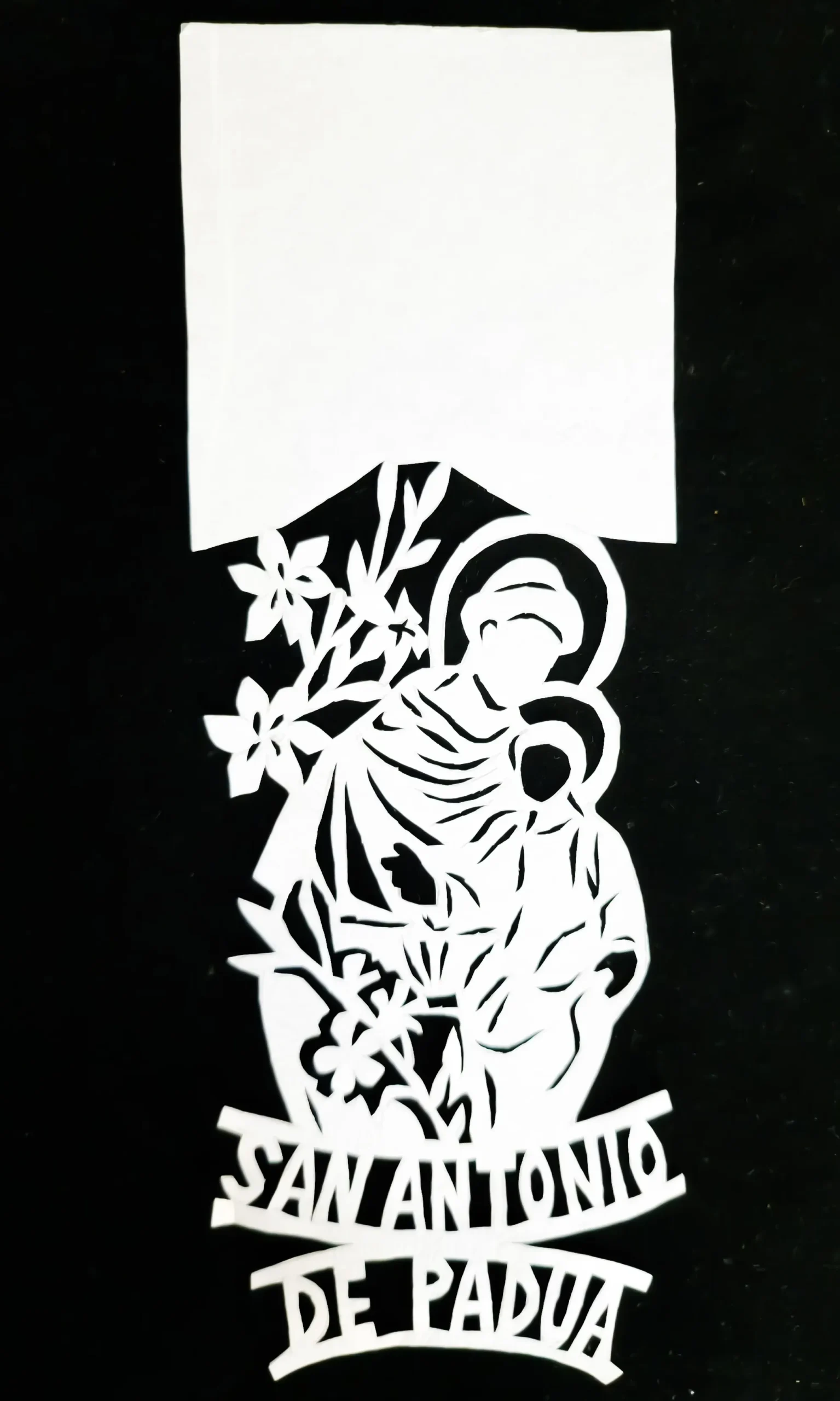
Joaquin also shares that while the craft is practiced across Bulacan, each municipality has its own way of doing it. In San Miguel, artisans follow a pattern, while in Malolos, they tend to work freestyle. To make the craft, they trace the design on papel de hapon, then secure the edges with a stapler so it won’t shift while cutting. The use of a stapler is a technique taught to them by one of the oldest Borlas de Pastillas makers in Bulacan, Lita Libunao.
Beyond these local practices, the craft has also become the subject of multiple studies as fewer people continue the tradition. In her published research, Sa Likod ng Makukulay na Papel: Pag-aaral sa Sining ng Borlas de Pastillas ng San Miguel at Malolos, Bulacan sa Gitna ng Modernisasyon, Hannah Adorna shares that her interest in the craft started during a Cultural Heritage Preservation course she took back in 2022, where she learned the local traditions and art forms that are considered endangered, which in this case is Borlas de Pastillas. “The decline of the craft can be attributed to several interrelated factors, including its absence in formal curricula, which limits structured learning and exposure among younger generations. There is also a lack of sufficient documentation, which makes it harder to preserve and transmit the techniques and cultural meanings associated with the craft,” she explains.
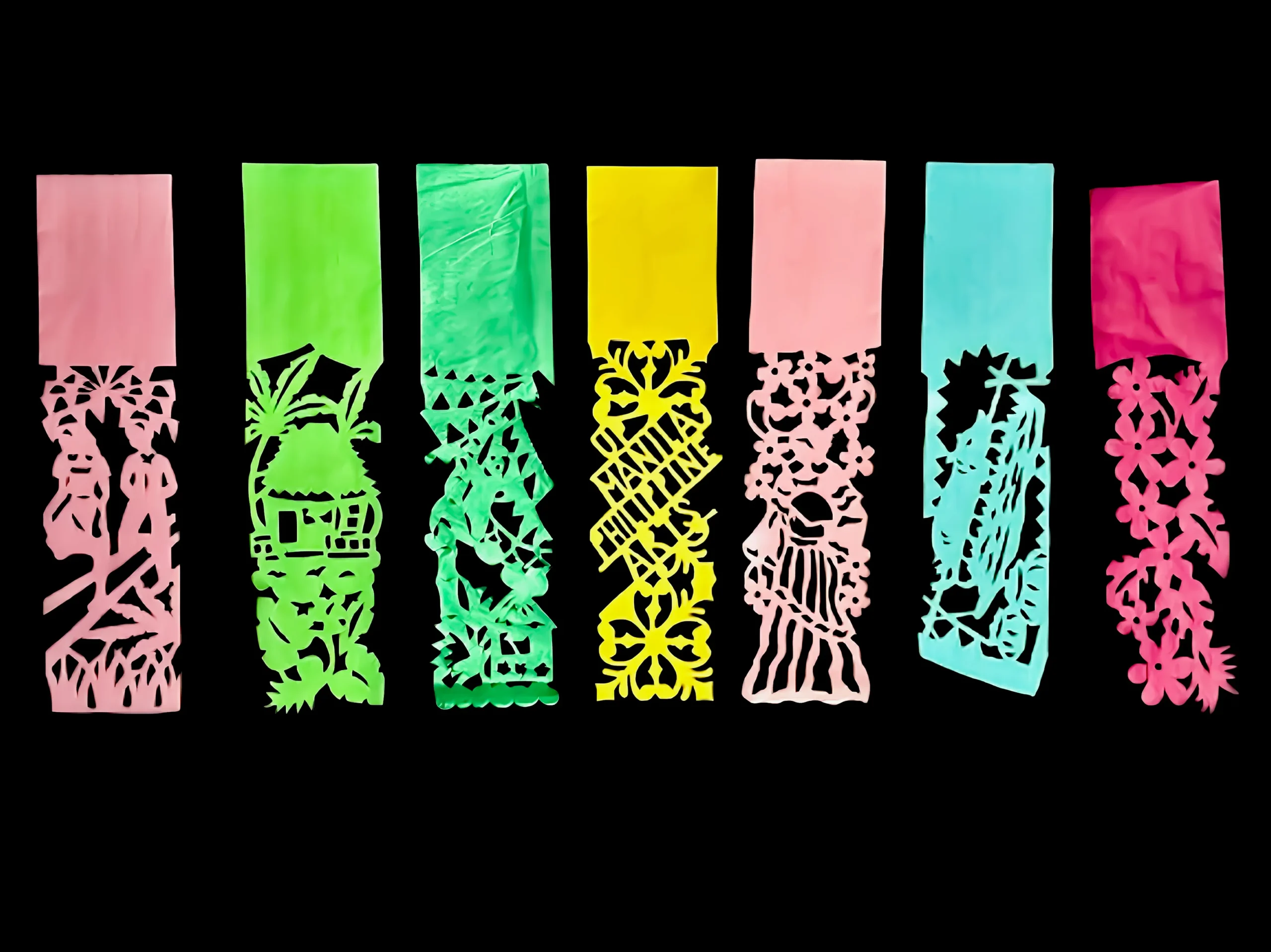
Among the many things she learned in her study, Adorna notes that the most surprising finding was that, despite being labeled a dying art, Borlas de Pastillas is still being revived through workshops, tourism programs, and even social media. “Its significance goes beyond its finished appearance; it is deeply rooted in the meticulous hand-cut process, the patience and craftsmanship of artisans, and the cultural narratives embedded in each intricate design.”
It is the same sentiment that Joaquin agrees with, also considering that there are many creative young people, whom she said may also be more creative than their generation. She just hopes that this craft will be passed down, with love reaching far beyond its technicalities. “Kung hindi mo mamahalin [ang Borlas de Pastillas], hindi ka masaya sa ginagawa mo, hindi ka rin talaga magsu-succeed [Because if you don’t love it [and] value what you’re doing, you won’t succeed]. It takes hard work and effort, and be happy with Borlas de Pastillas.”
Frequently Asked Questions
Borlas de Pastillas, also known as pabalat, is a traditional paper-cutting heritage art from San Miguel, Bulacan. It is used as decorative wrapping for pastillas and features intricate hand-cut designs that often depict flowers, landscapes, and Filipiniana scenes.
Borlas de Pastillas dates back to the arrival of the Spaniards in the Philippines and developed in San Miguel, Bulacan. It was influenced by the settlement of Chinese people in the area. The craft originally used Chinese paper for designs such as flowers, landscapes, and Filipiniana scenes, and later evolved to use Japanese paper or papel de Hapon during the Japanese occupation.
To make Borlas de Pastillas, artisans first trace a chosen pattern onto papel de Hapon. The paper is then carefully cut to form intricate designs. To keep the material steady while cutting, the edges are secured with a stapler so it will not move. This technique was passed down by one of the oldest Borlas de Pastillas makers in Bulacan, Lita Libunao.
Artisans create these intricate designs by tracing patterns onto traditional Japanese paper, locally known as papel de hapon, before meticulously cutting them by hand.
Artisans in San Miguel, Bulacan strictly follow historical traced design patterns, whereas craftsmen in Malolos generally prefer a more freestyle approach to cutting paper.
- Ronald Ventura Bridges Venice and the Philippines in Luna at the 2026 Venice Biennale
- At the 2026 Venice Biennale, Pio Abad Draws the Distance Between Home and Diaspora
- Marigold Santos Reconstructs Identity Through Filipino Myths and Memories
- For Tamara “Solem” Al-Issa, To Craft Is to Dialogue With Clay, Geography and Memory