
What It Takes to Produce Jewelmer’s Golden South Sea Pearls


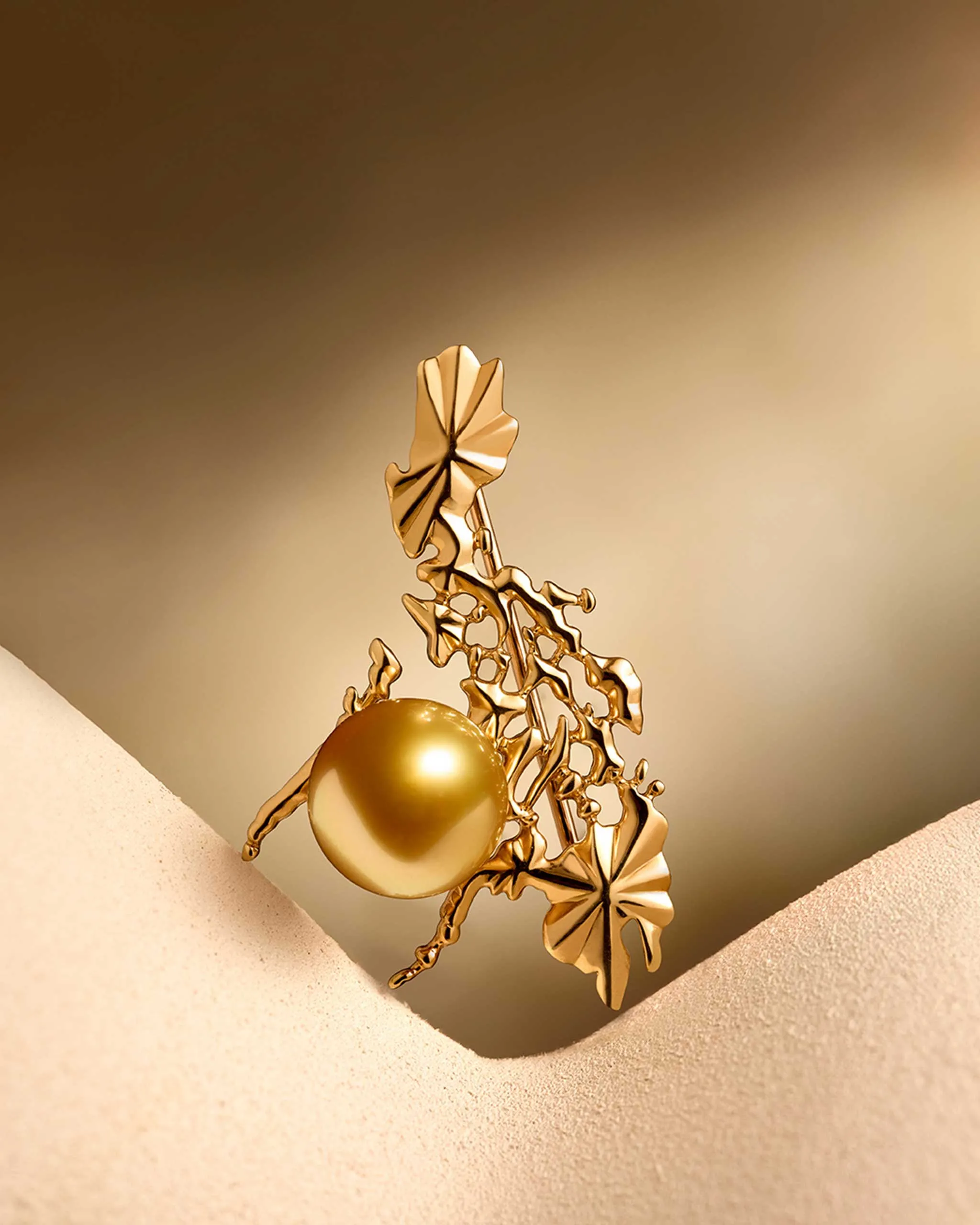
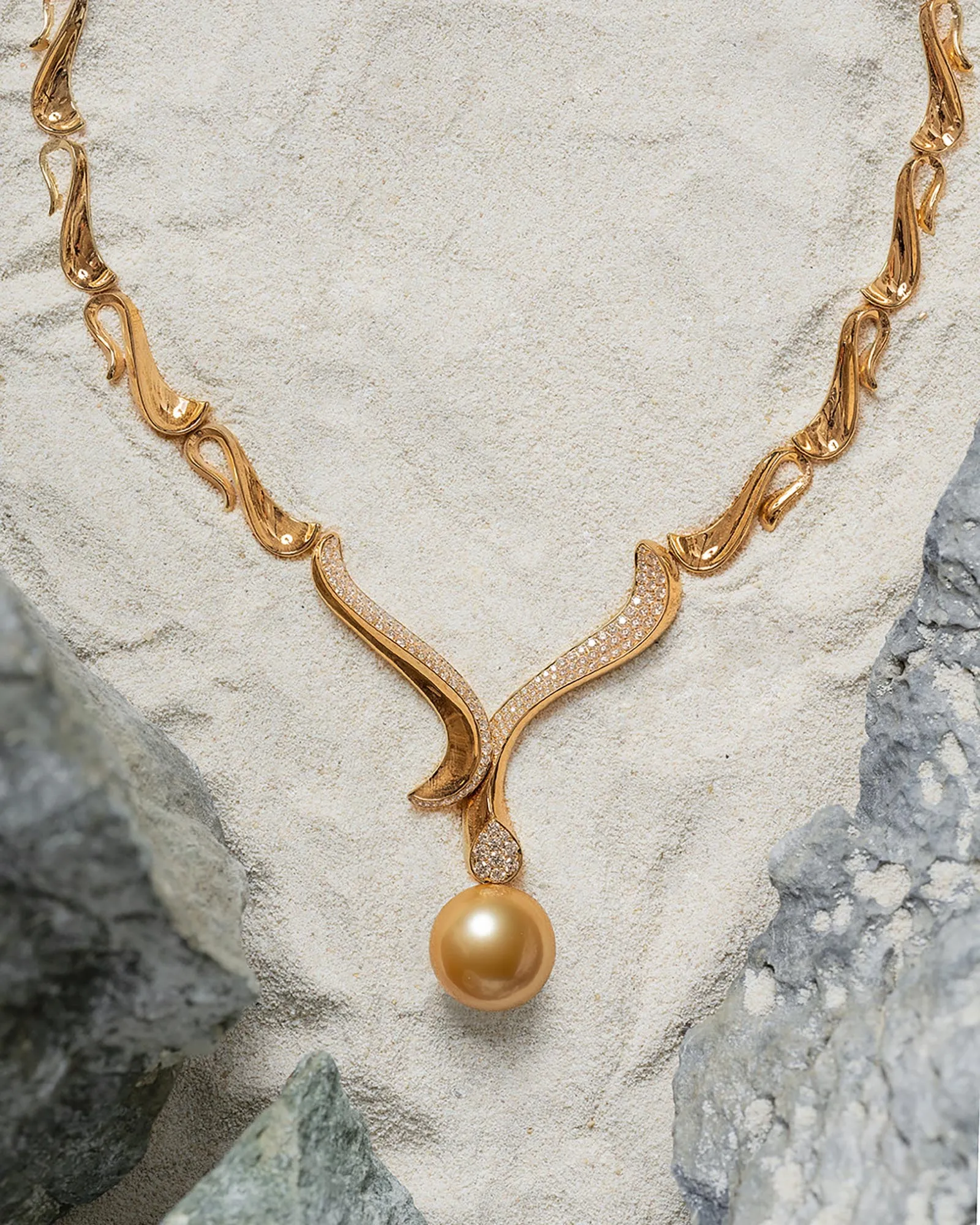
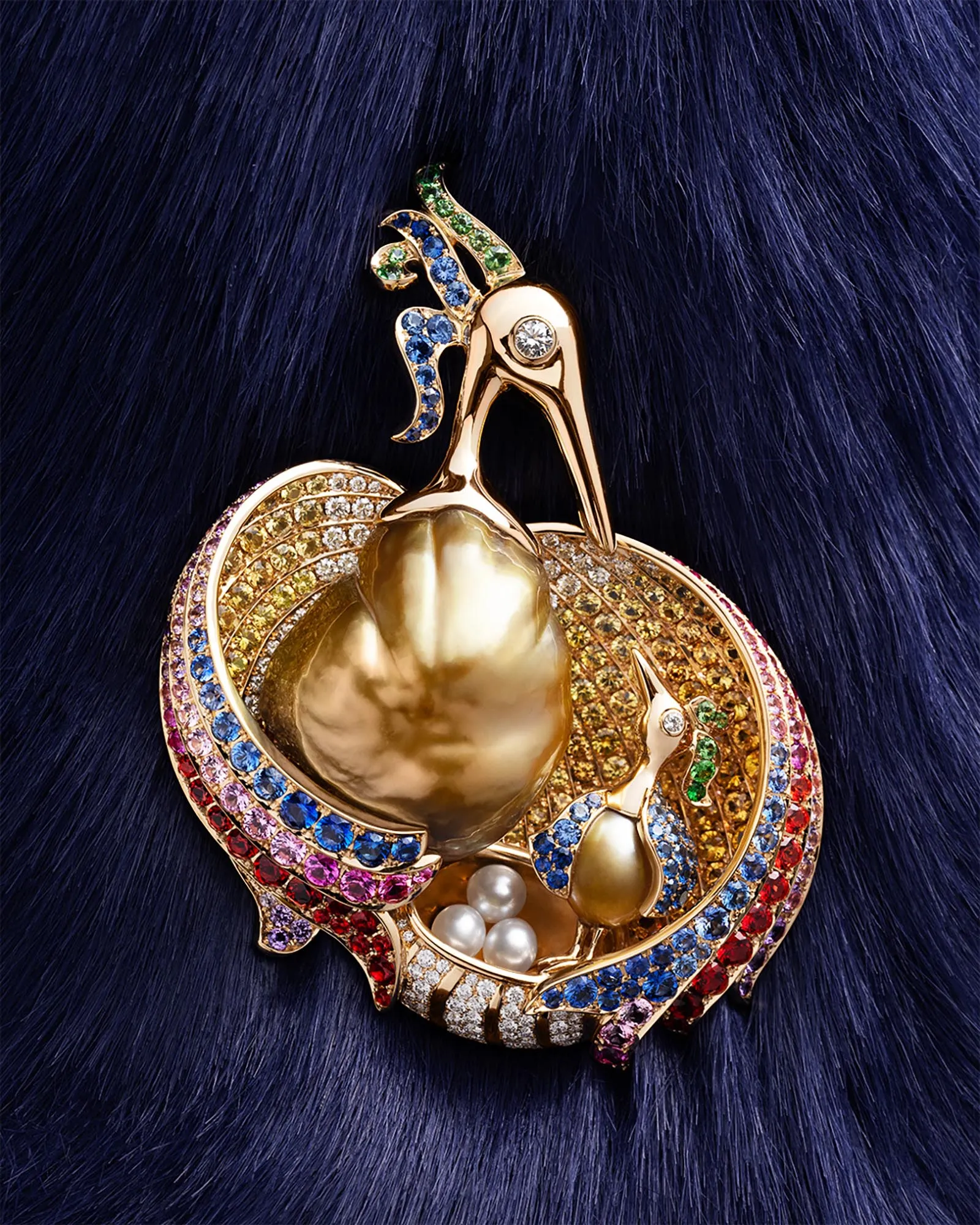
Jewelmer pays tribute to the South Sea pearl, the National Gem of the Philippines, with the Pamana Brooch. Courtesy of Jewelmer
It takes five years to produce a single golden South Sea pearl. Here, French-Filipino brand Jewelmer gives a glimpse into its 377-step pearl production process.
When French pearl farmer Jacques Branellec sailed to the Philippines, he was in search of a location for a pearl farm. It would then come as a joint venture with Filipino entrepreneur Manuel Cojuangco, and together they established Jewelmer in 1979. Since then, the Maison has prided itself on its lustrous golden South Sea pearl, the star of all its jewelry designs, crafted with traditional French techniques.
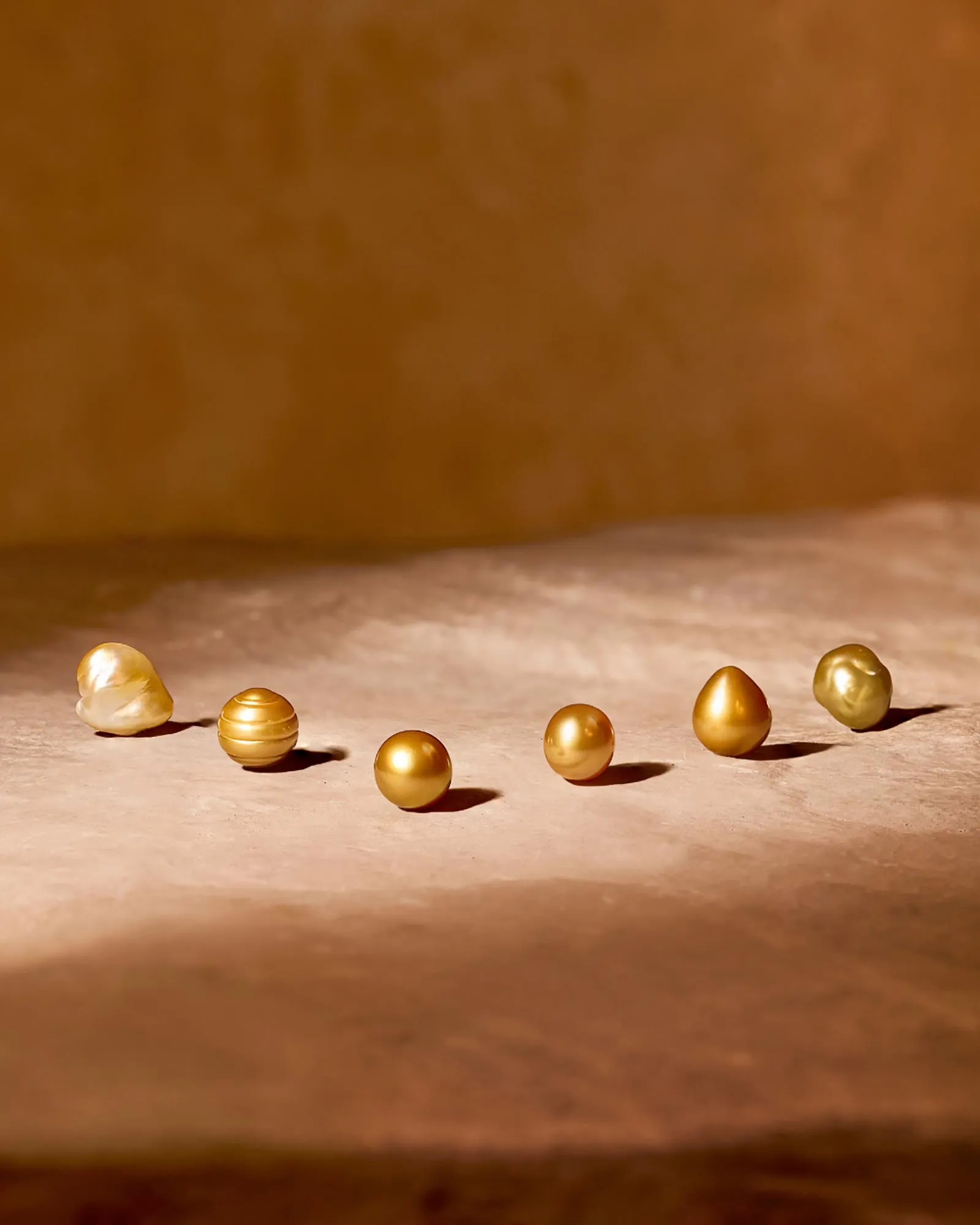
Coming from the oyster species, Pinctada maxima, Jewelmer’s golden South Sea pearls are defined by their radiant glow, their warm hue, their large size, and their unique skin purity and shapes. To achieve such quality, each pearl goes through 377 steps, from the hatchery to harvesting.
Hatchery
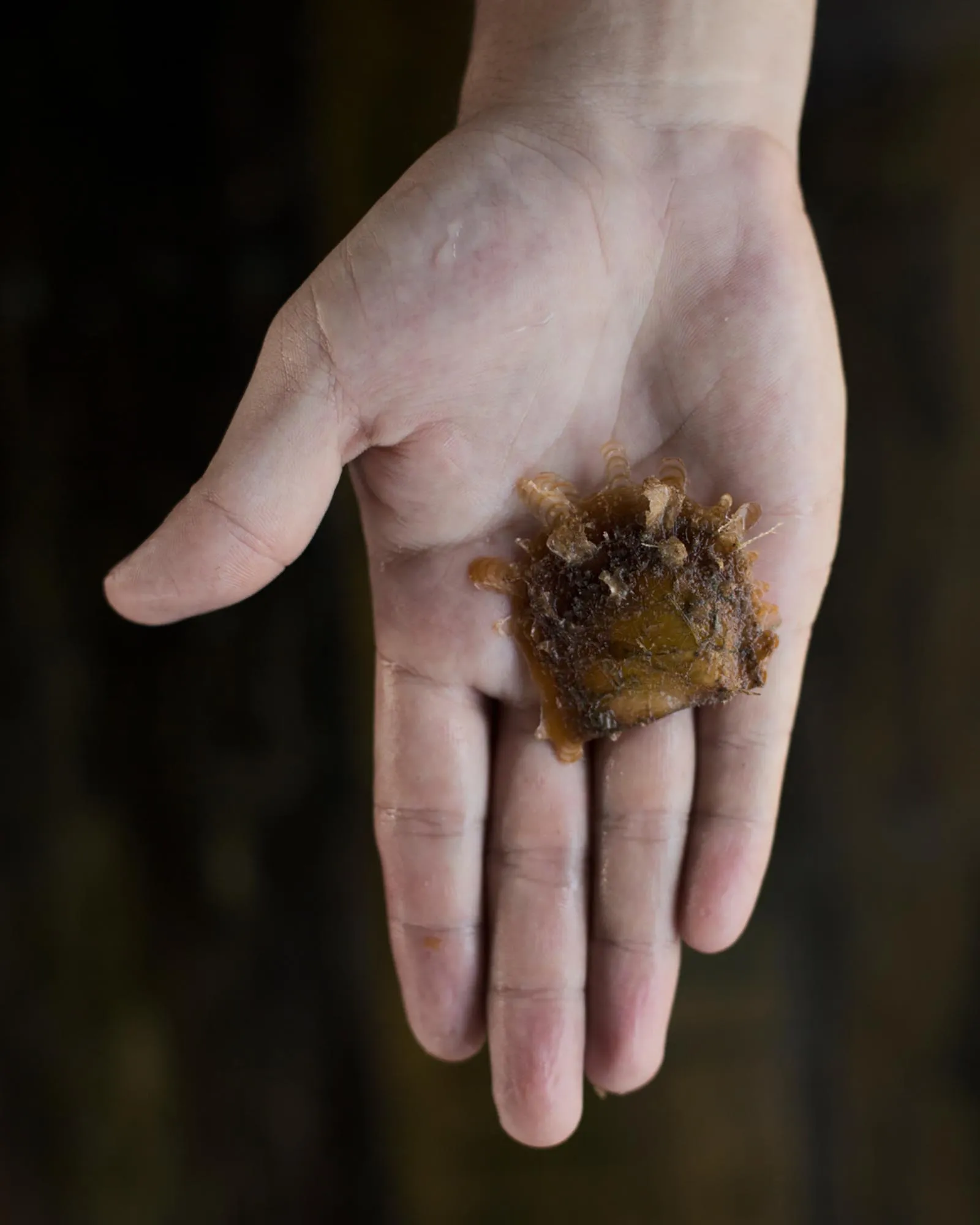
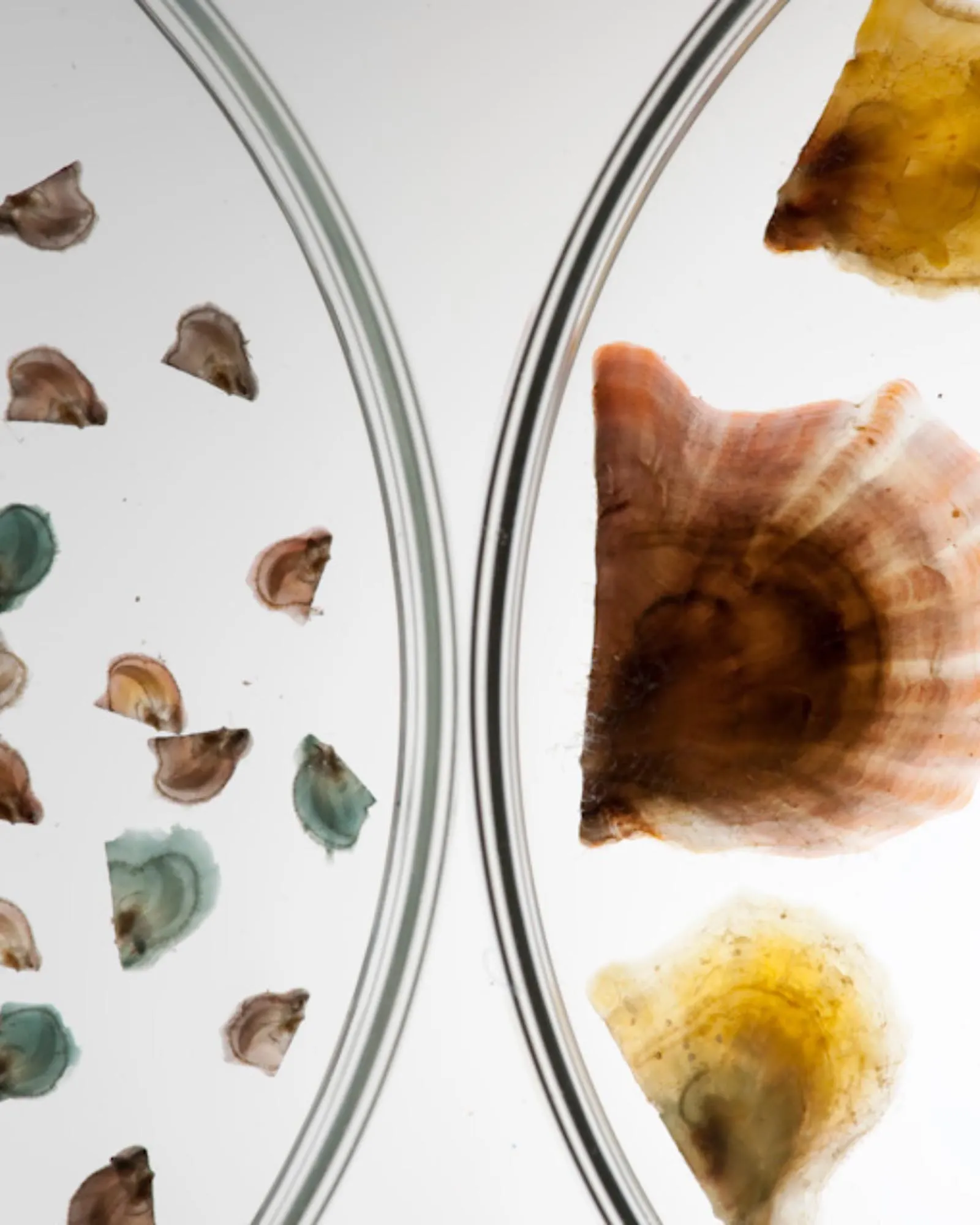
The process begins in the hatchery, where parent oysters are selected and chosen to breed the “perfect” golden pearl-producing oyster. Each parent oyster is carefully selected for its genetic makeup to produce lustrous gold nacre, which can be passed on to future generations. These specific genetic traits are influenced by the donor oyster, which determines the pearl’s golden color. With marine conditions constantly changing, the oysters must also be adaptable and have a high survival rate to withstand the tropical climate.
Grafting
The grafting stage is considered the most delicate, as it determines the pearl’s future potential. At this stage, a trained master grafter implants a bead nucleus with a piece of mantle from a chosen donor oyster into the gonad of the parent oyster. Jewelmer notes that the technician’s skills are crucial for this process, with its technicians taking years honing their craft.
Their mindset is equally important, as they believe that the technician’s care and energy reflect the oysters’ well-being. Over time, the mantle becomes a pearl sac that surrounds the nucleus and deposits layers of crystals that will become the pearl.
Post-Operation
After the delicate grafting process, the oysters are put in baskets to convalesce for three months. During this time, aside from the interventions of cleaning and positioning, the oysters are allowed to recover by allowing the natural marine environment to support them.
Cultivation Period
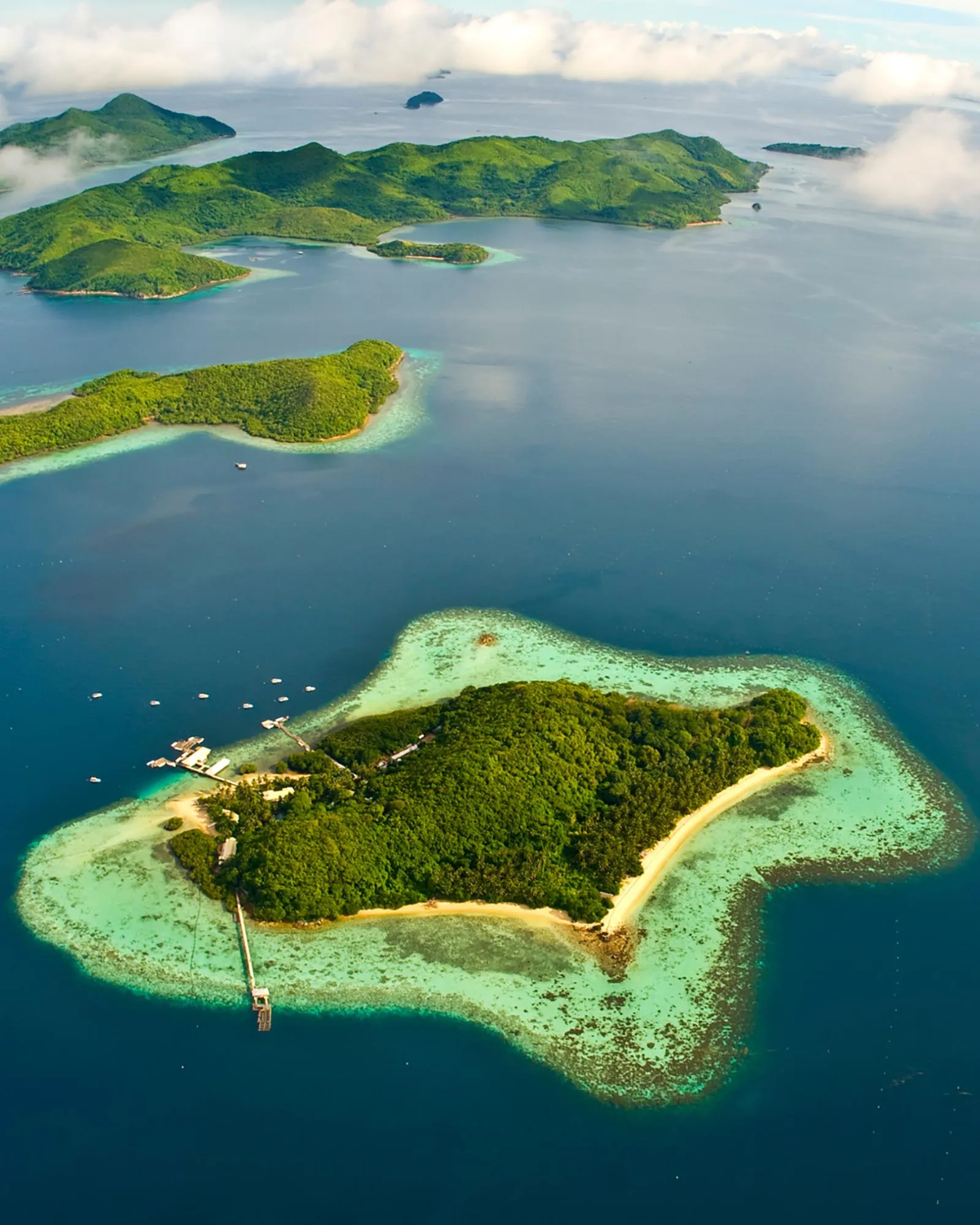
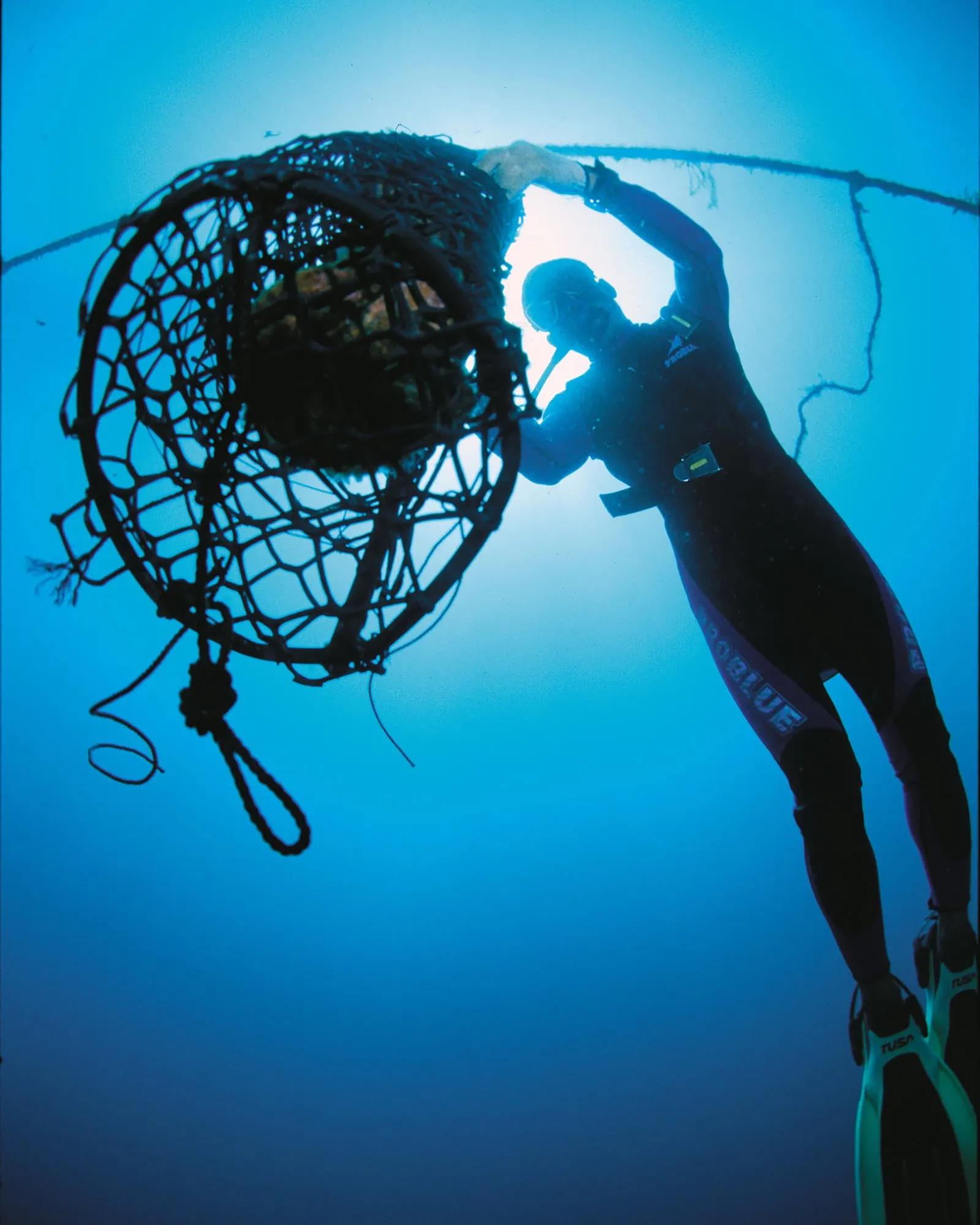
About two to three years pass for the pearl oysters to deposit layers of nacre around the inserted nuclei. The oysters are still regularly turned, cleaned, and closely monitored. During this stage, there are regular observation dives in which qualified officers and experienced divers assess their condition. This period also receives a high level of attention, as the oysters are at their most sensitive.
Harvest
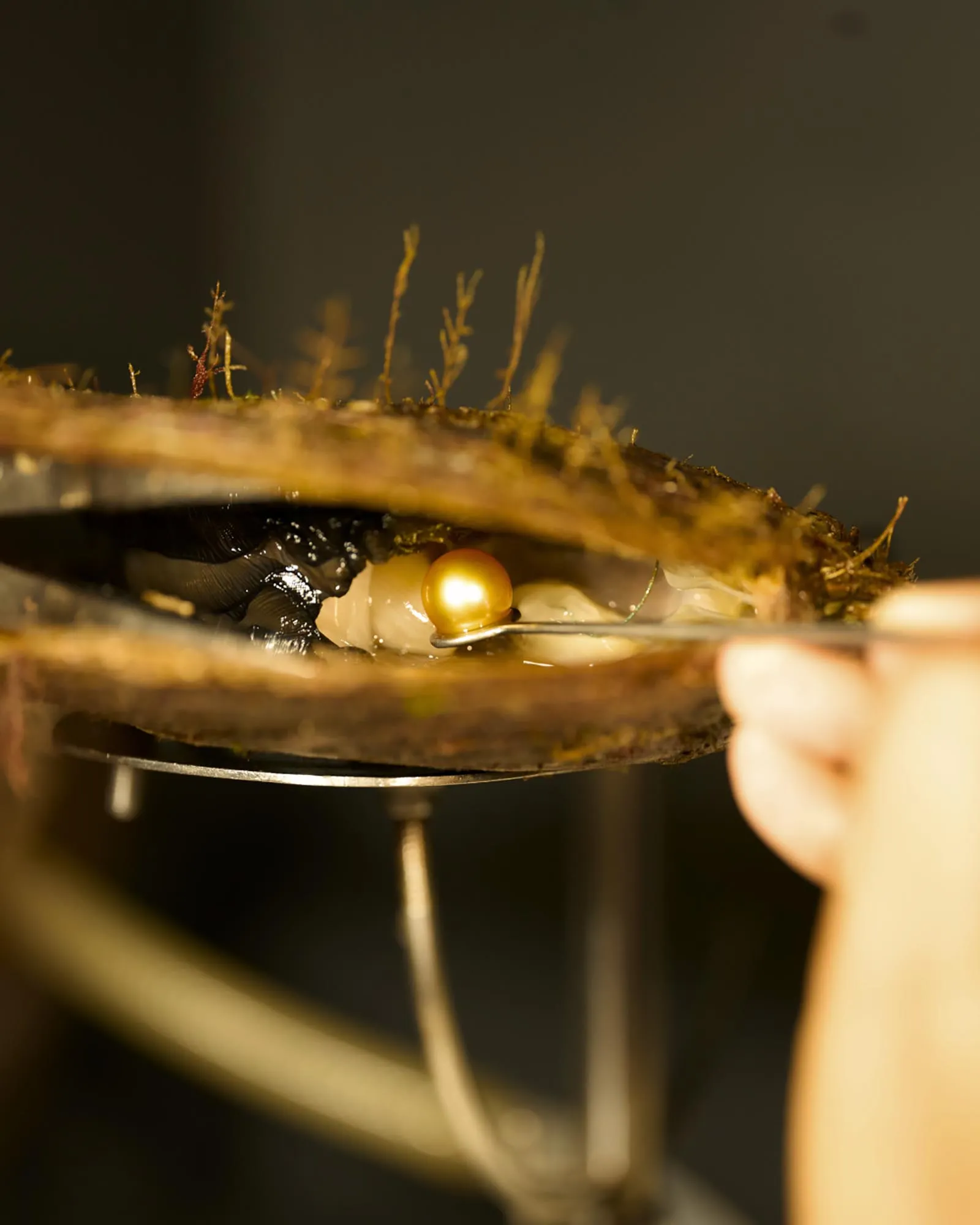
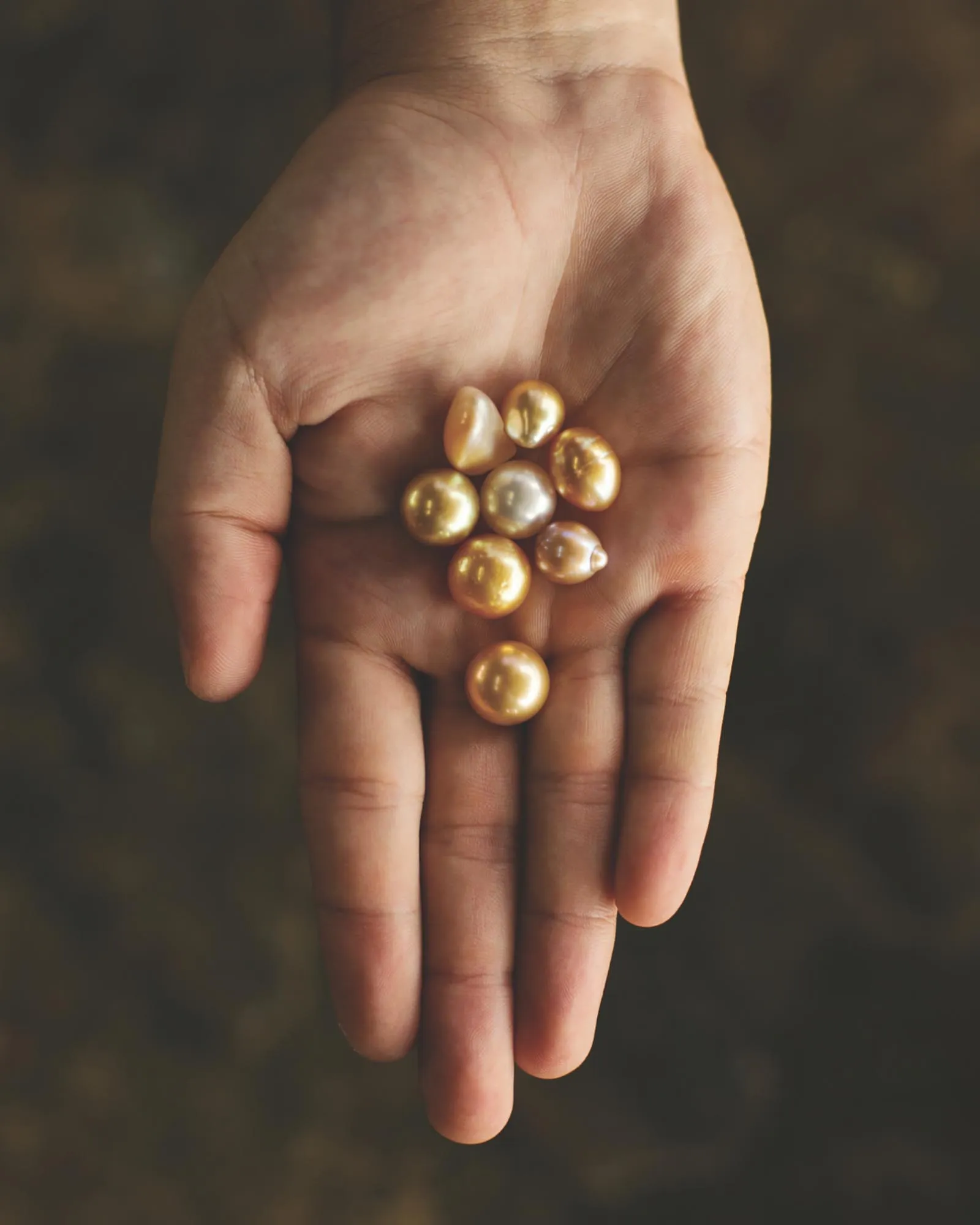
The final stage of the four to five-year process ends with the harvesting. According to Jewelmer, only two percent of the harvested pearls meet the criteria and are used in its creations. The master grafter who did the initial operation harvests the pearl, and it is then decided whether the oyster can still undergo a second operation before the next grafting begins. Only the oysters that produce high-quality South Sea pearls are chosen to continue another cycle of pearl cultivation.
Frequently Asked Questions
Jewelmer is an international high jewelry Maison established in 1979 by French pearl farmer Jacques Branellec and Filipino entrepreneur Manuel Cojuangco.
Jewelmer was co-founded by Jacques Branellec and Manuel Cojuangco, but today the company is led by Jacques Christophe Branellec, the chief executive officer.
Jewelmer is best known for cultivating and designing fine jewelry using rare golden South Sea pearls. Aside from the pearl, it is also known for using French fine jewelry techniques and for its sustainable approach to pearl production.
Producing a single Jewelmer golden South Sea pearl takes four to five years and involves 377 distinct steps, spanning the hatchery, grafting, post-operation recovery, cultivation, and harvest stages.
Only about two percent of harvested pearls meet Jewelmer’s quality criteria and are selected for use in its jewelry designs, reflecting the rarity and rigorous standards behind each golden South Sea pearl.