
3 Brands Creating Things that are Made to Last



Photo by Dream Sunsetsz. Photo courtesy of Pexel
Photo by Dream Sunsetsz. Photo courtesy of Pexel
From electric vehicles, gardens, and time pieces, these brands believe that sustainability is no longer just an afterthought but a natural part of everyday life
Conversations around sustainability aren’t new. What was once considered niche is now woven into how we shop, travel, and experience the world. Studies show that consumers are increasingly choosing brands that reflect both their values and their standards.
This includes the likes of Emma Watson, who has championed ethical fashionEthical FashionAn approach to design and production that considers fair wages, safe working conditions, responsible materials, and environmental impact. Ethical fashion encourages brands to be transparent about their supply chains, andGo to Ethical Fashion Glossary since her early 20s, often wearing archival pieces or garments made out of recycled materials. There’s also Leonardo DiCaprio whose climate advocacy helped bring environmental documentaries to the mainstream. Ann and Billie Dumaliang of Masungi Georeserve and English zoologist and anthropologist Jane Goodall champion the environment through sustainable conservation practices.
Brands are also sharing their contributions to a sustainable and greener environment. Here are three brands who are moving forward in how a greener lifestyle touches how we move and where we stay.
Mercedes Benz
For the automotive brand, the future is electric and already in motion. “Back in 2019, Mercedes-Benz had already declared Ambition 2039. It’s quite bold,” shares Maricar Parco, general manager of Mercedes-Benz Philippines. Since then, the German automotive brand has introduced changes across its design, production, and distribution processes, with a long-term goal of achieving carbon-neutral production by 2039.
This direction is reflected in the EQ Series, Mercedes-Benz’s growing lineup of electric vehicles. With models like the EQA, EQB, EQE, and EQS, the brand offers zero-emission driving tailored to different lifestyles, from compact SUVs to full-size sedans. While the wider environmental impact of EVs continues to be a topic of discussion, particularly in relation to battery production and energy sourcing, Parco says that the brand pairs its electric shift with efforts in sustainable manufacturing and supplier responsibility.


“Sustainability is really at the core of it,” says Parco. “We also look into the whole ecosystem in the production, which means we also require suppliers or vendors to do the same.” For Parco, who now drives an EQB, these choices are more than technical. “I consume 3% of my battery in my daily commute. I see that little tweaks like lowering my air conditioning help [reduce] energy consumption. That itself is actually very rewarding to me.”
According to Parco, the brand is also looking beyond electrification, but longevity, with vehicles designed with long-term use in mind, with lifecycles extending beyond eight to ten years.
JW Marriott
In Bohol, JW Marriott Panglao is designed with sustainability as part of its development plan. The seven-hectare beachfront incorporates features that reduce environmental impact, including on-site herb and vegetable gardens, rainwater harvesting systems, and composting facilities. These small-scale efforts aim to lower resource consumption while supporting the hotel’s daily operations.
The JW Garden, a feature present in several of the brand’s properties across the world, is designed to encourage a closer connection to nature. According to Marriott International, the garden is inspired by founders J. Willard and Alice Marriott, who believed that time spent outdoors was essential to well-being, describing it as “a necessary part of nourishing one’s soul.”


Guests may join scheduled garden tours or participate in chef-led harvesting sessions, which offer a look into how the garden contributes to food served on the property. While modest in scale, these activities are intended to engage visitors in a slower, more grounded approach to hospitality.
Even in its construction and landscaping, JW Marriott Panglao is also guided by a focus on local materials and pollinator-friendly plants, which they cite as part of its broader effort to support surrounding ecosystems. The resort is expected to open in 2029, with the JW Marriott Residences scheduled for completion in 2028. Both developments aim to offer a slower and grounded take on hospitality: quiet garden paths and spaces that evolve with the land, and programs that encourage guests to be connected to nature.
Seiko
Since launching the Save the Ocean campaign in 2018, Seiko has focused on marine conservation efforts aligned with its legacy in dive watch design. According to Edric Dy, Seiko Philippines’ vice president for marketing, the initiative is part of an ongoing effort to connect craftsmanship with environmental awareness.
“As picturesque as marine life is, so is Seiko’s aim behind these thematic watches. Aside from functionality, marine forensics and ocean conservationism come with a share of the revenue generated by these watches,” says Dy.
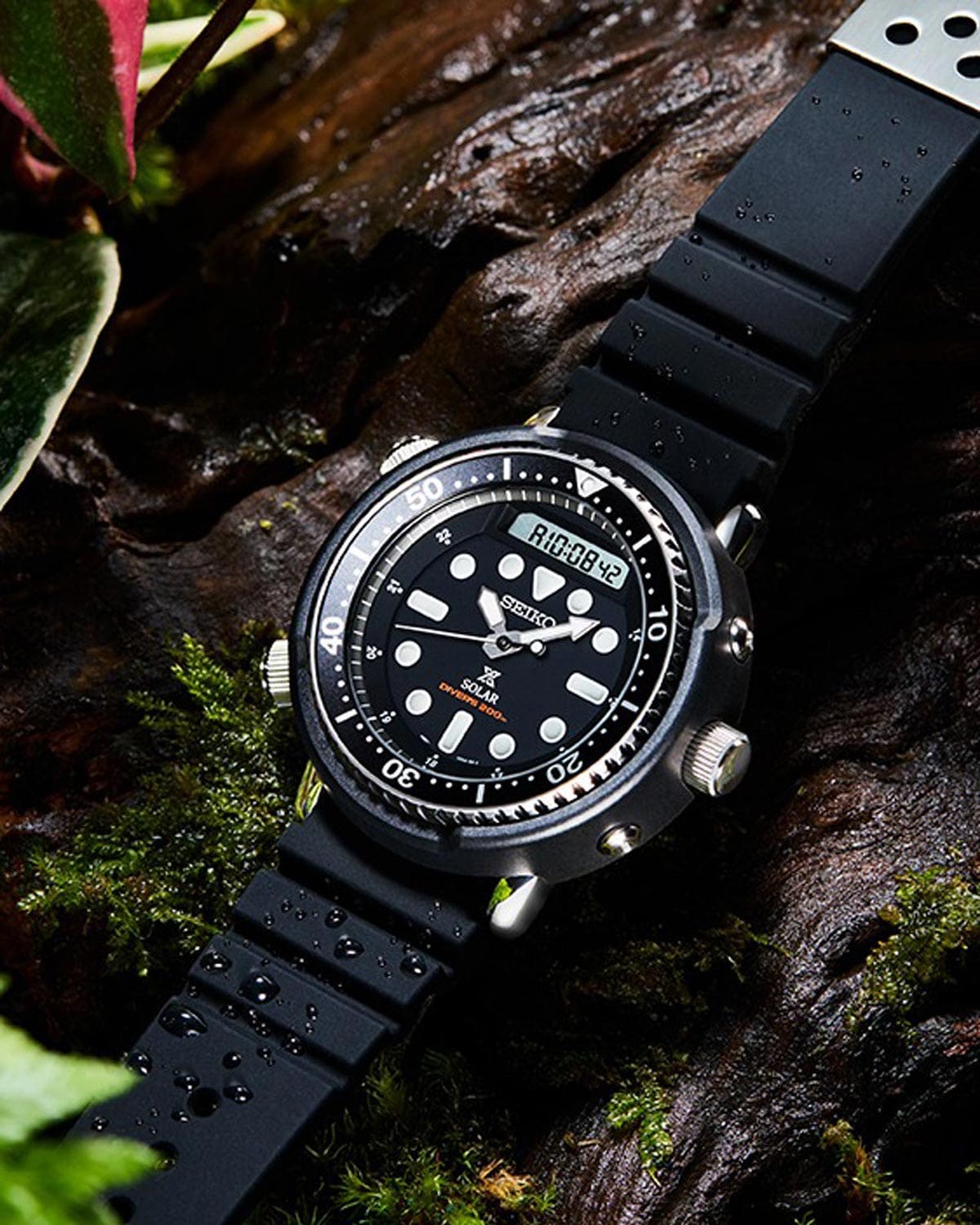
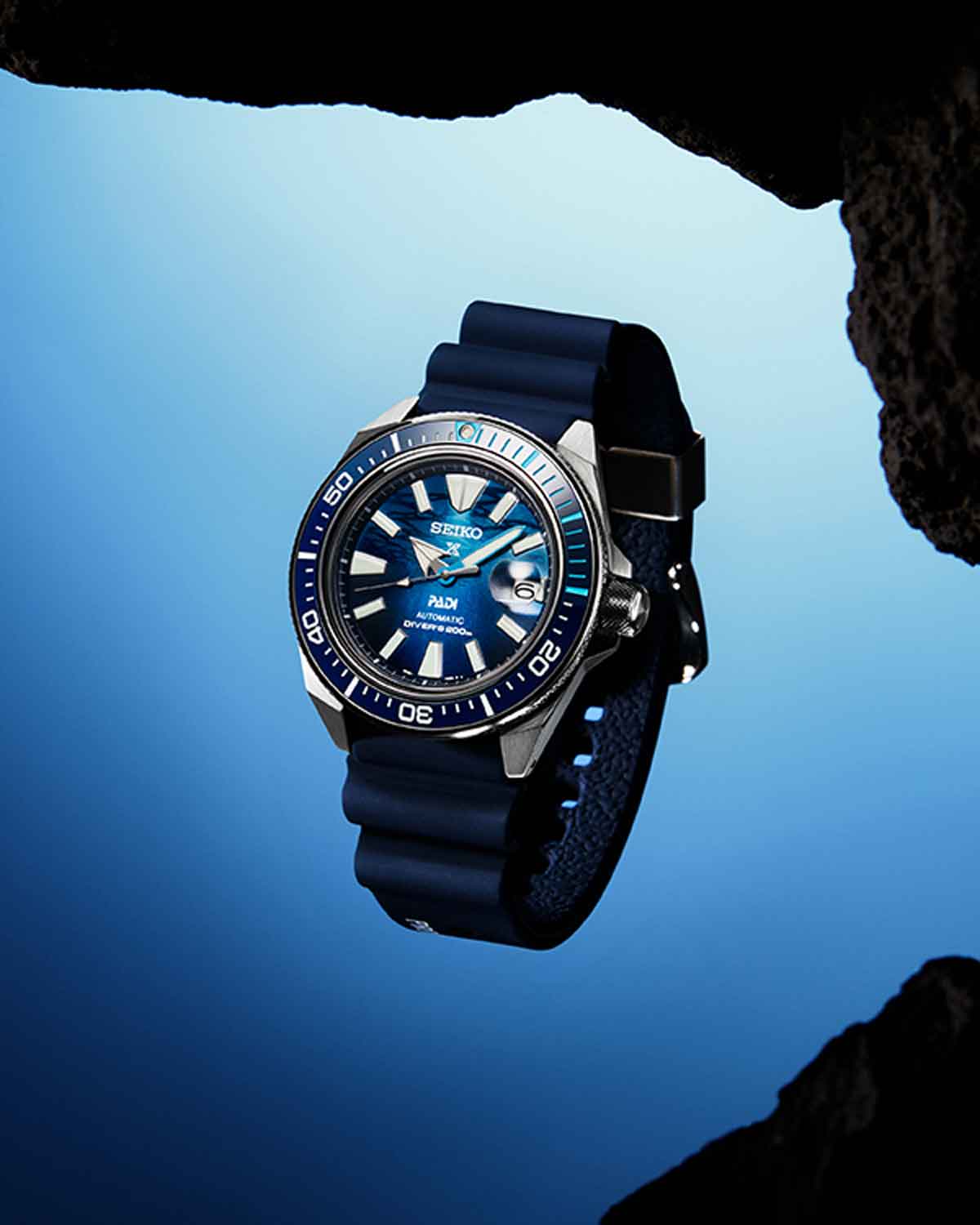
The Save the Ocean timepieces feature textured dials inspired by marine animals like manta rays and humpback whales, visual references that aim to bring attention to ocean preservation. The collection uses stainless steel casings and sapphire crystal, materials known for their durability and resistance to damage. “Mesmerizing underwater sceneries are the muse for Seiko’s inspiring timepieces, bringing these elegant emotions to life. The stunning features of the ocean we cherish are cosmic beauties emulated onto the textured dials by Seiko,” shares Dy.
Seiko also partners with organizations such as PADI and the Marine Debris Program, supporting global cleanup efforts and contributing to databases that track underwater waste. “Each purchase grants Seiko the opportunity to use fragments of the stores for marine research,” he adds.
The Japanese watchmaker say they also implement sustainability practices in their operations, including recycled packaging materials and ethically sourced straps.