
Exclusive First Look: Inside the New Mandarin Oriental Makati


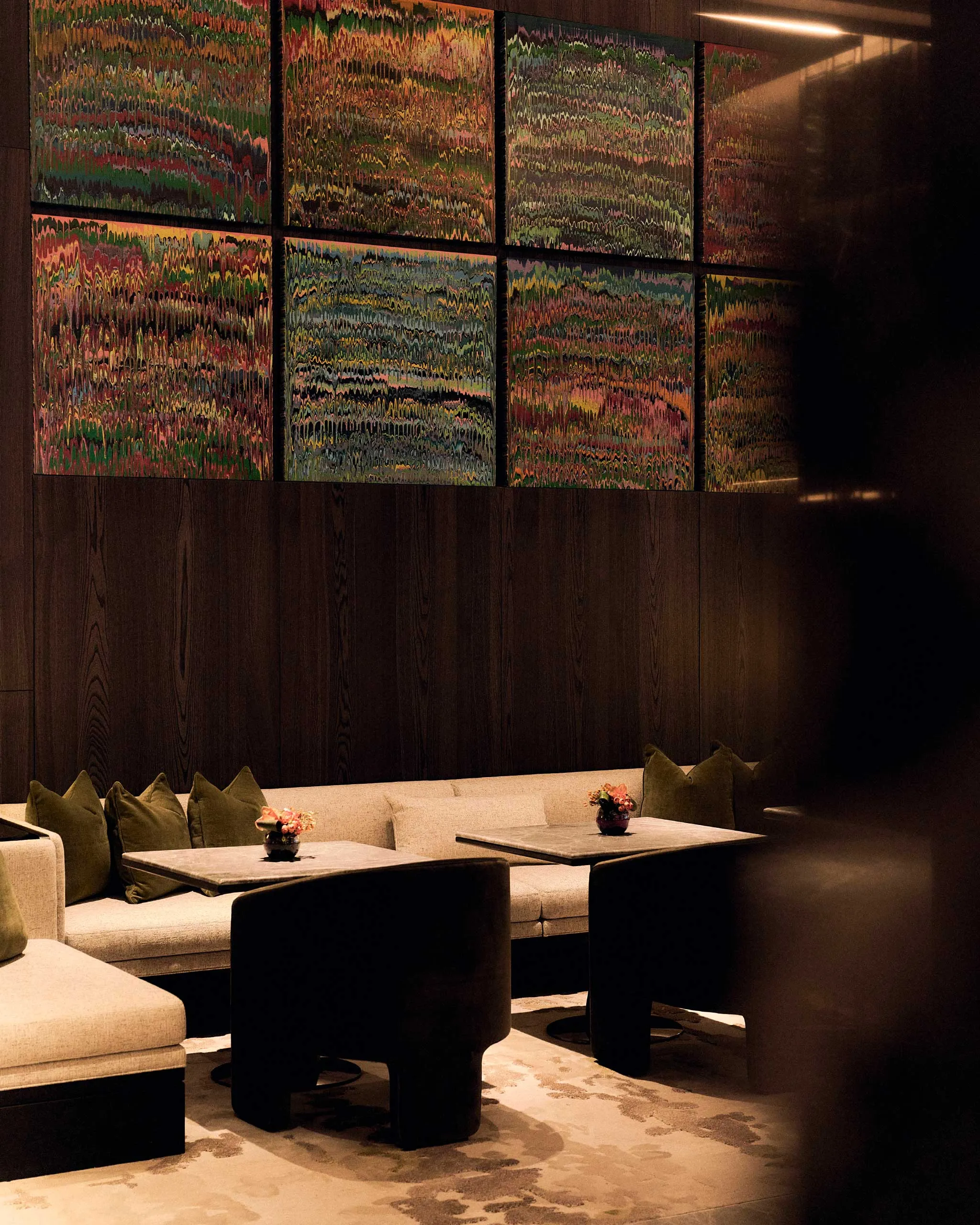
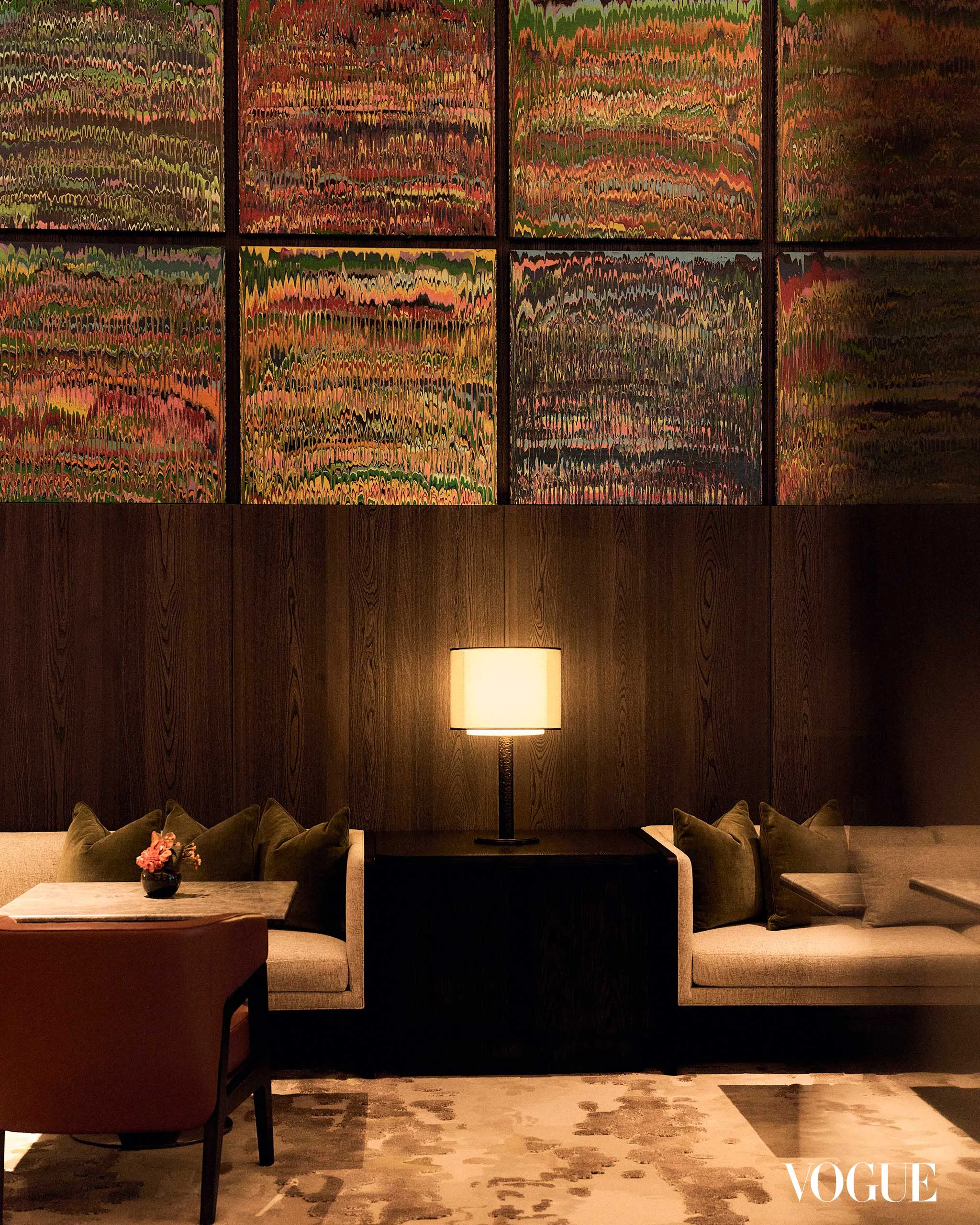
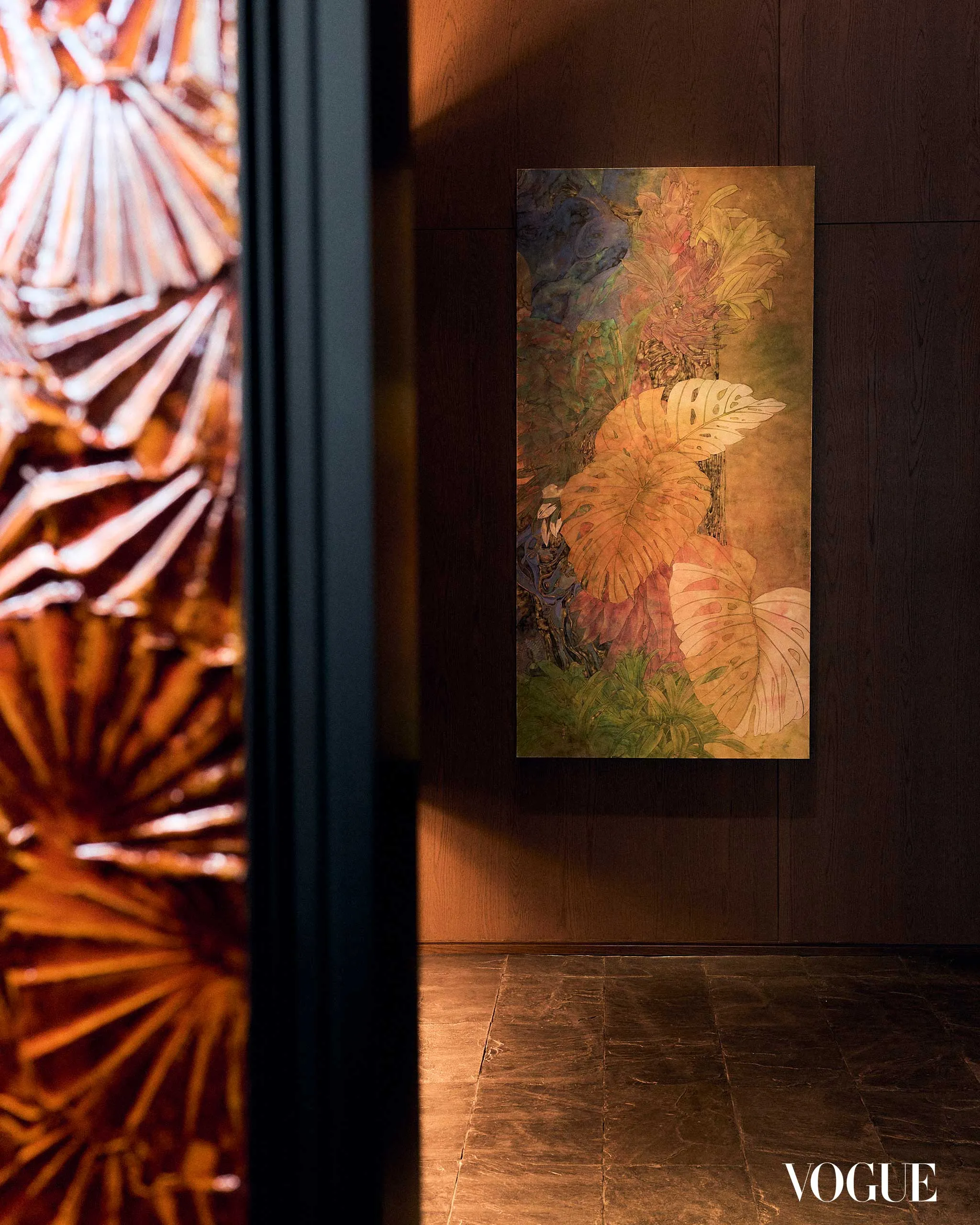
The new Mandarin Oriental Makati’s The Lobby features art by MM Yu. Photographed by Jom Ablay
Vogue Philippines previews the 275-room hotel ahead of its November 27 opening, featuring Filipino artistry, Rajo Laurel-designed uniforms, distinctive dining concepts, and pet-friendly stays.
There are assignments that feel like more than just another story to write. This is one of them.
On September 9, 2014, I was the last journalist on the ground at the original Mandarin Oriental Manila on Makati Avenue, across the street from where its successor now stands. I was there to document the final hours of a hotel that, for 38 years, had been part of the city’s social life and collective memory. There were tears, souvenir photographs, and heartfelt goodbyes as guests and employees came to terms with the end of an era.
Twelve years later, I find myself back at the Mandarin Oriental, this time among the first to get a glimpse of its new incarnation ahead of its official opening on November 27. The timing of my return feels particularly poignant. The hotel that was supposed to welcome guests back in 2020 is finally preparing to open its doors, after the pandemic disrupted the original timetable.
And while the new Mandarin Oriental Makati rises on a different site, just across the street from its predecessor, there are threads connecting the two properties that go beyond their name.
For general manager Franck Droin, the homecoming is about much more than reopening a luxury hotel.
“It’s not just a hotel; it’s a place where people meet, people live, people have memories,” he tells Vogue Philippines. “Some made business deals, others held events. It anchors society here in Makati.”
Now owned by Ayala Land Hospitality and managed by Mandarin Oriental Hotel Group, the 275-room property—the 48th Mandarin Oriental—embraces a contemporary interpretation of Filipino luxury. Approximately 75 percent of the art curated for the hotel comes from Filipino artists, while local influences can be found in its fabrics, furniture, finishes, and other details.
“We are not a cookie-cutter hotel,” Droin explains. “In every hotel we have, there is a sense of place, a destination, and a story to tell.”
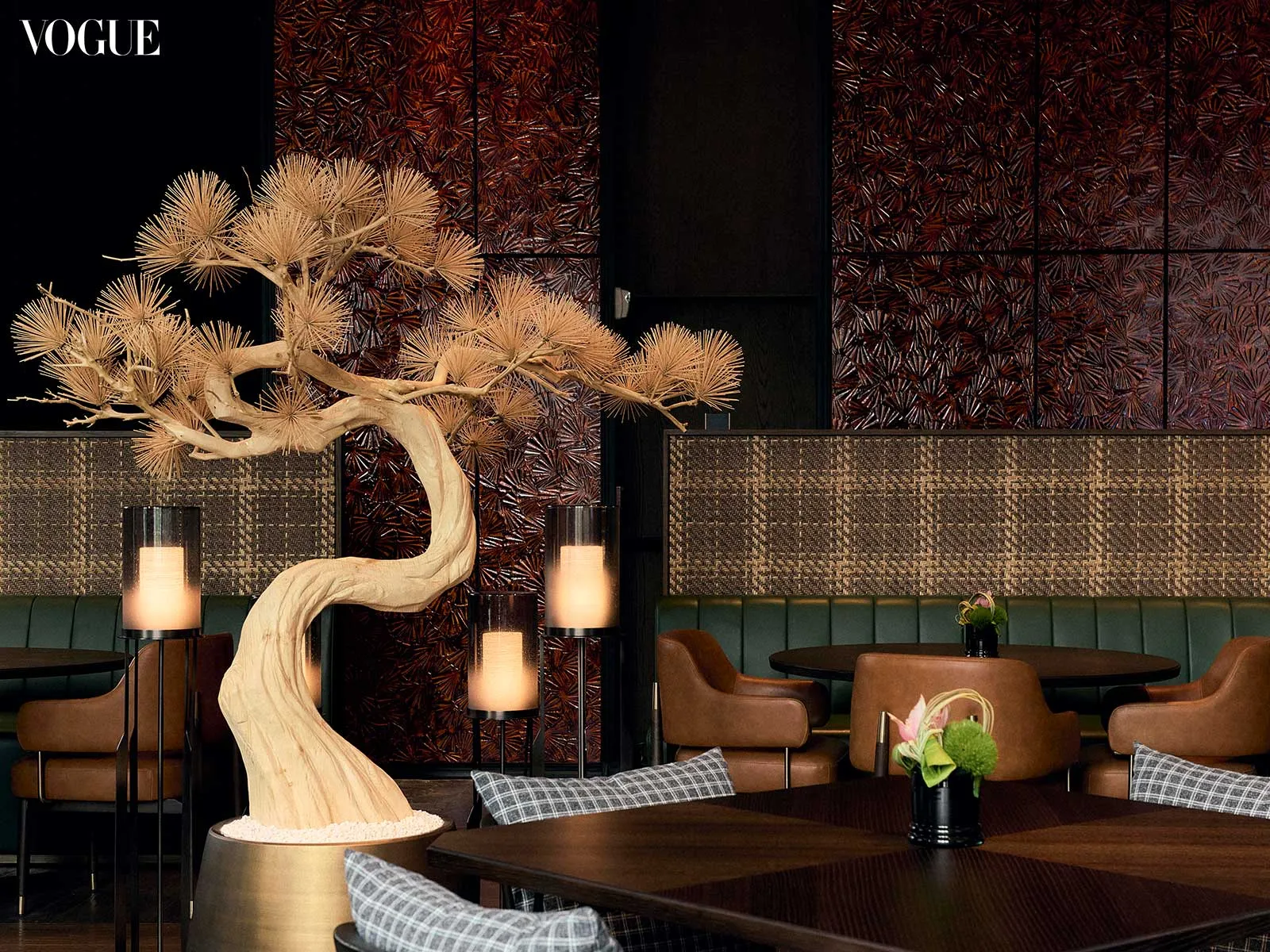
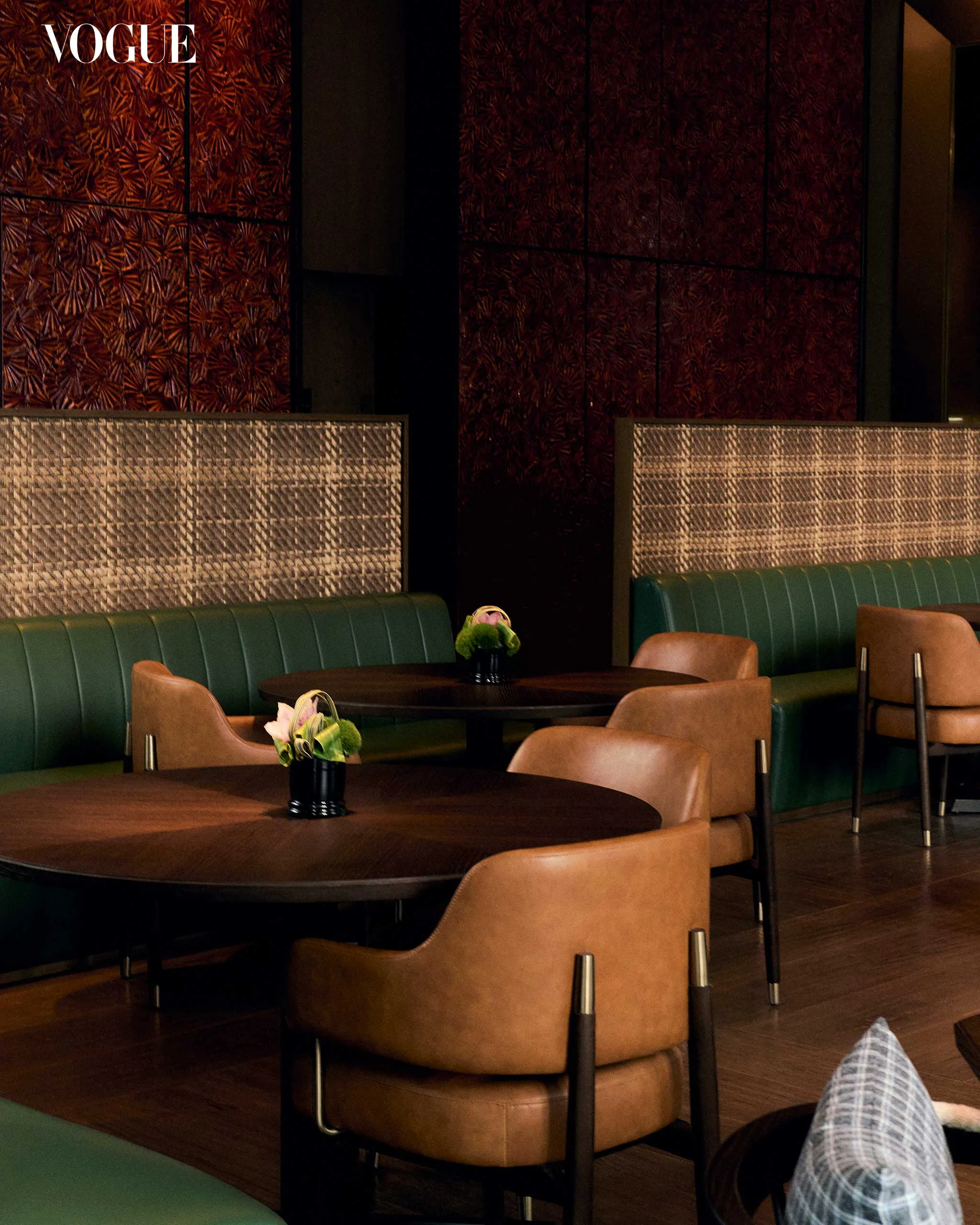
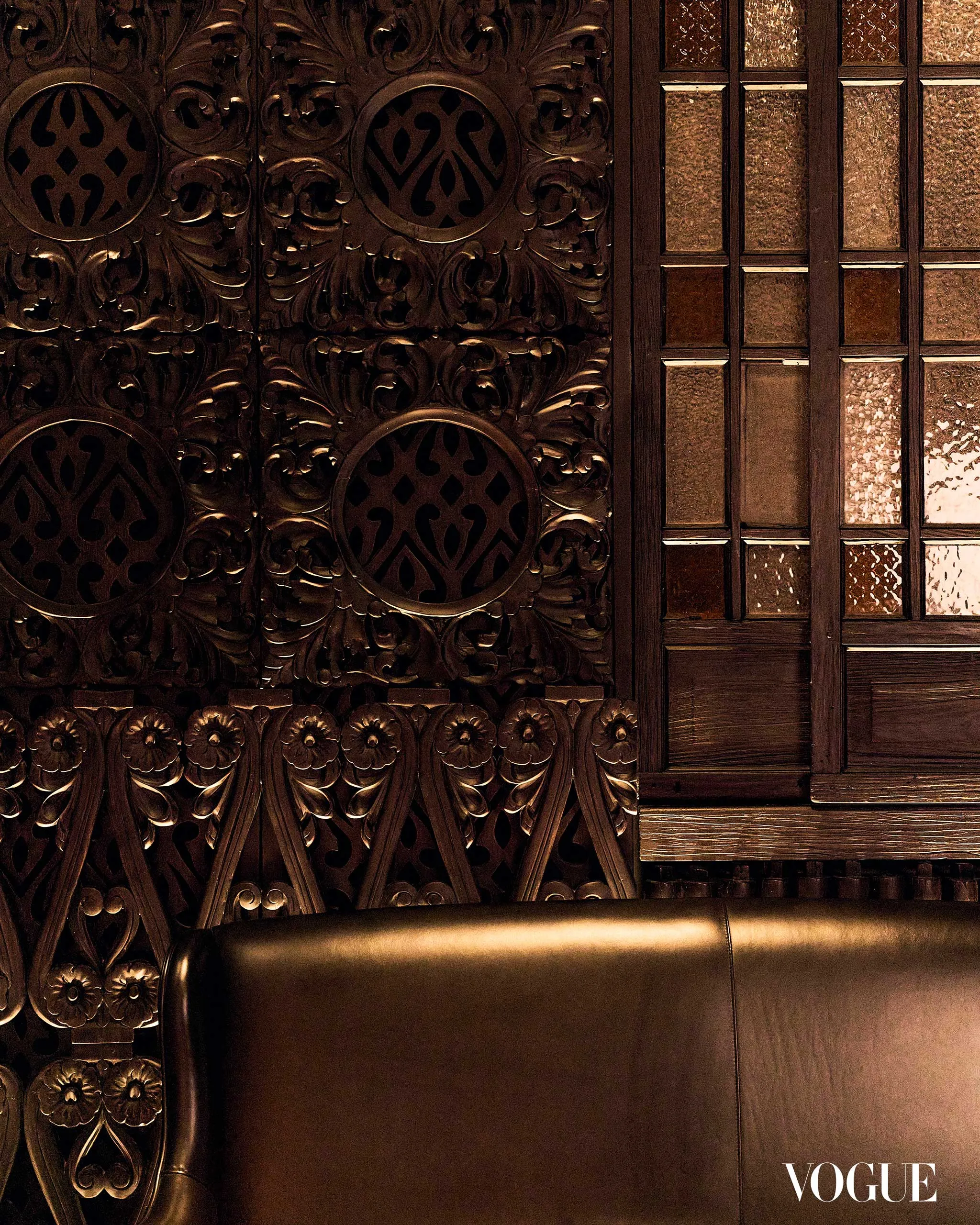
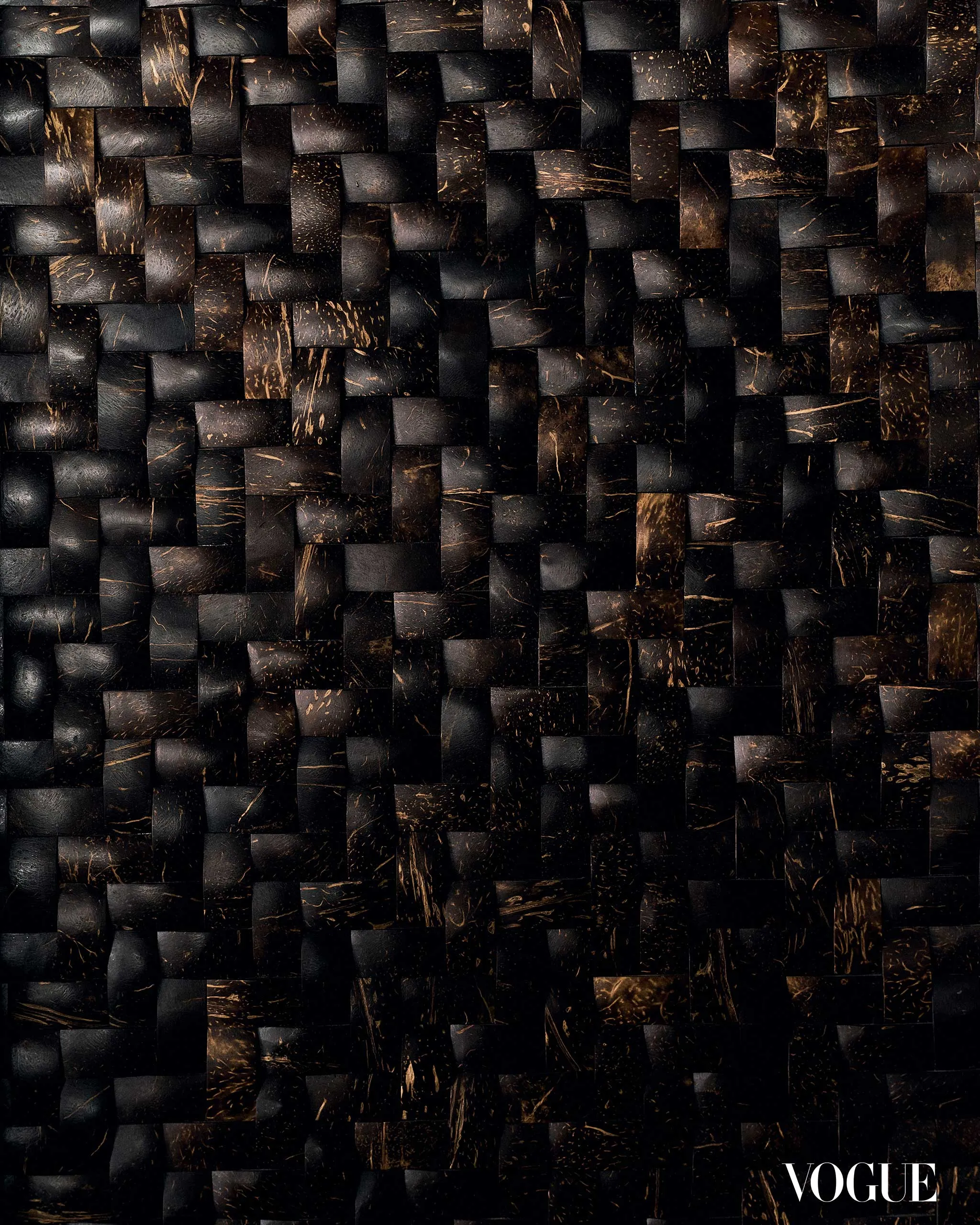
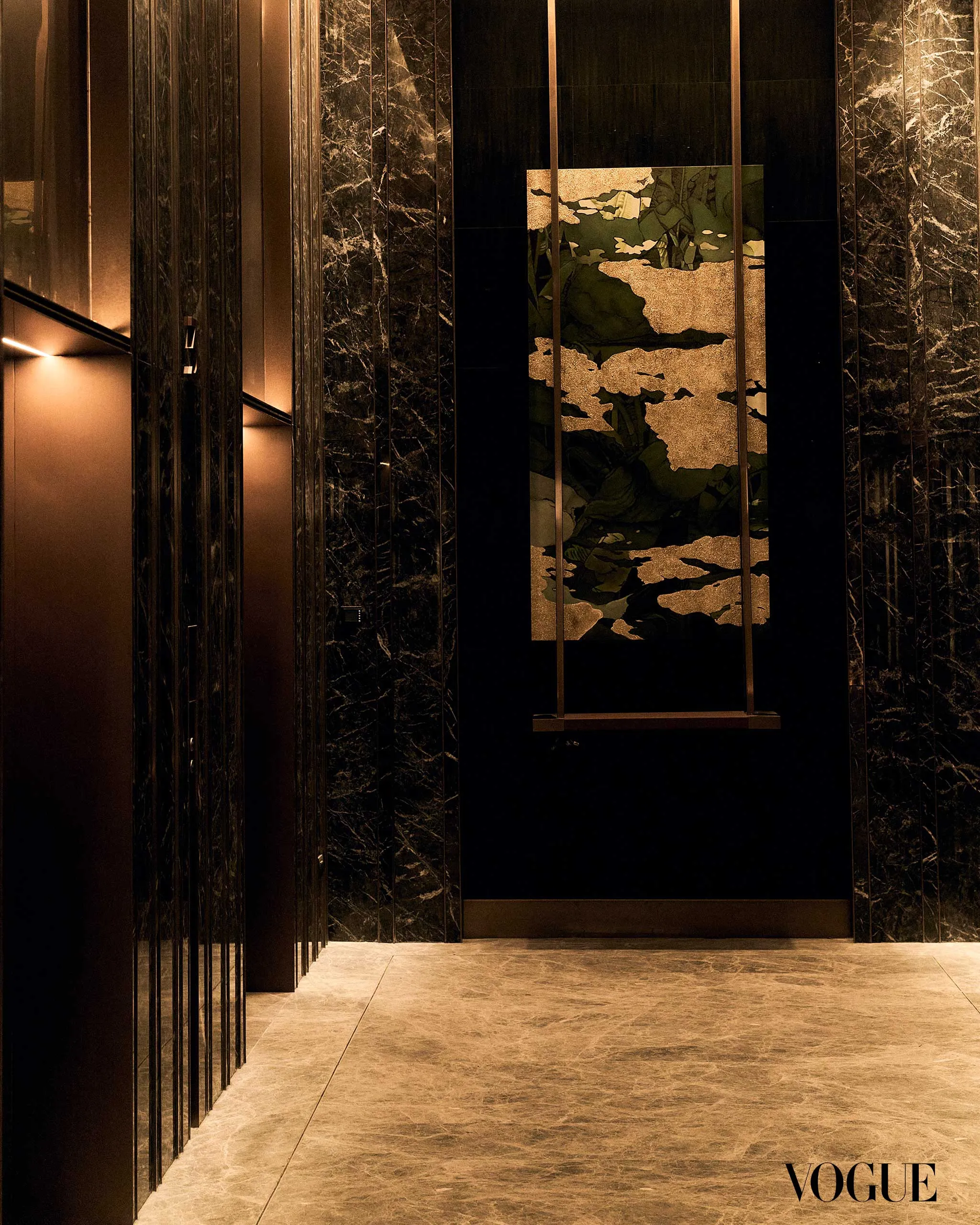
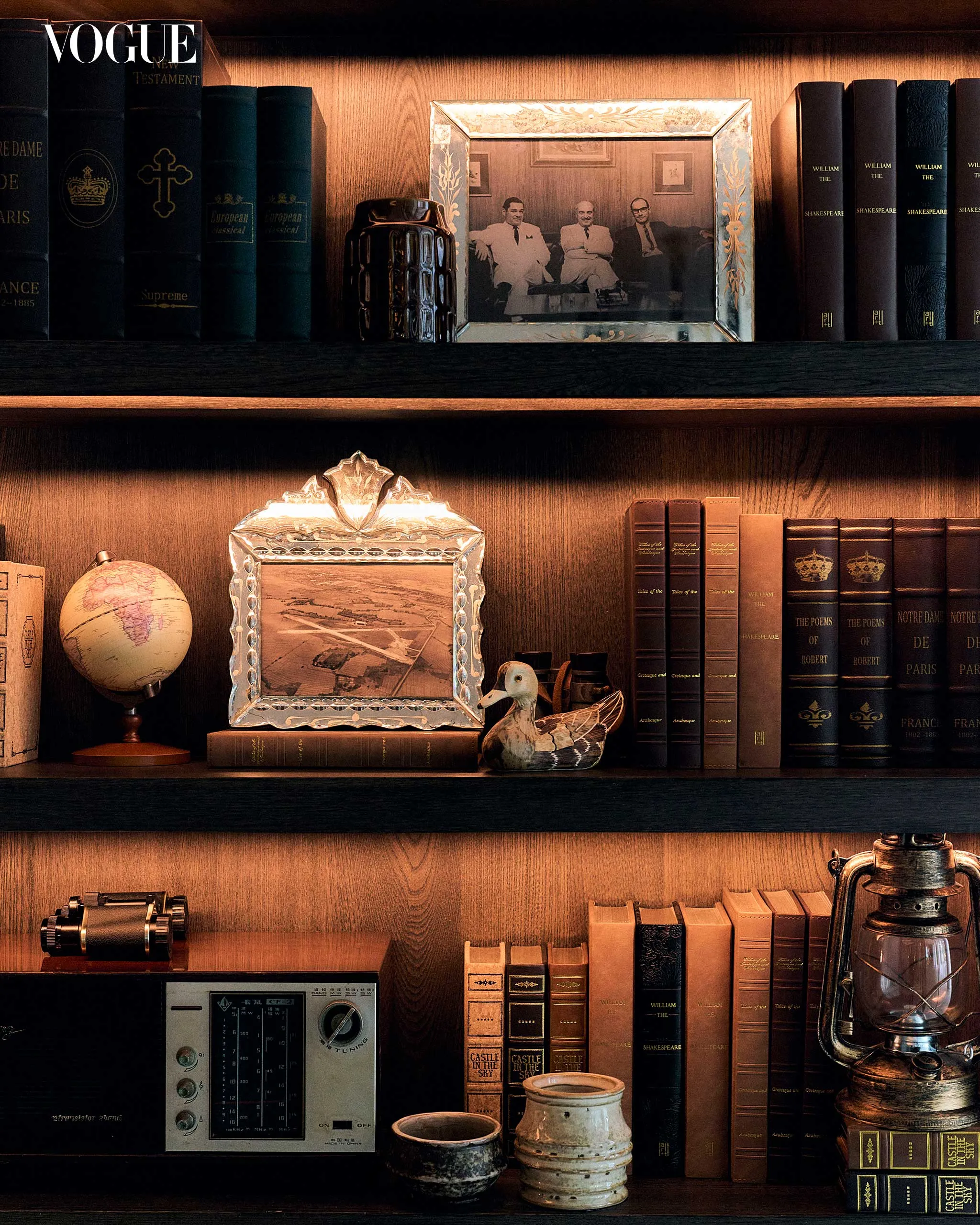
That sense of place is expressed through details that draw from Filipino materials and craftsmanship. Wall treatments incorporate woven strips of coconut shell, while the lobby features artwork made from imprints of anahaw leaves. In the premier suites, even the robes reflect local craftsmanship, made with handwoven fabrics. These thoughtful touches bring Filipino artistry into the everyday experience of the hotel, rather than confining it to decorative accents.
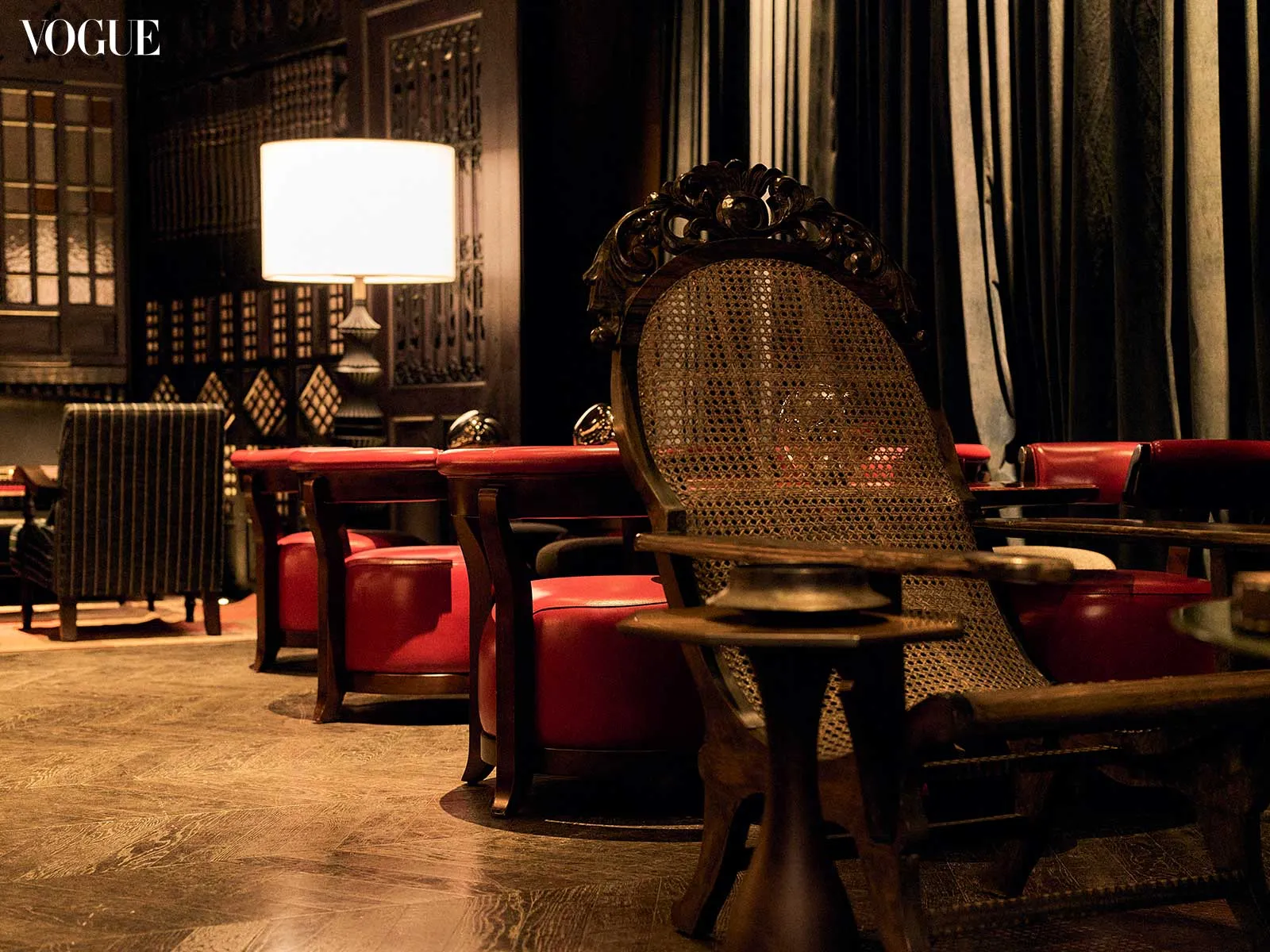
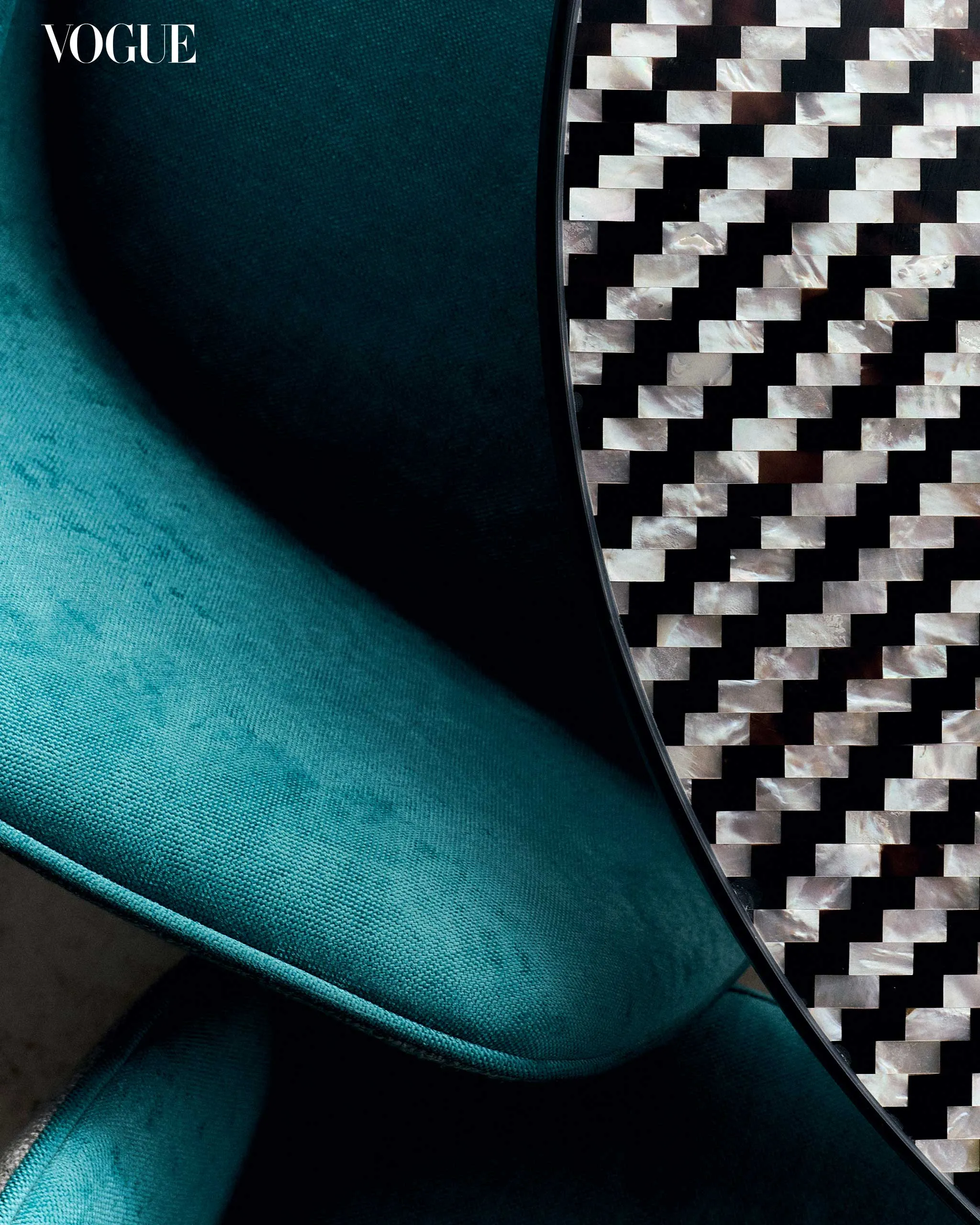
The fan, Mandarin Oriental’s emblem, also takes on a distinctly Filipino expression in a signature piece created for the Makati property. Drawing on the craftsmanship of Luzon, Visayas, and Mindanao, it brings together regional weavingWeavingWeaving refers to the technique of interlacing two sets of yarn, the warp and weft, on a loom to create cloth, central to Philippine textile heritage. Regional weaving traditions, fromGo to Weaving Glossary traditions, mother-of-pearl inlay, and multicolored tassels inspired by Mindanao’s tangkulo.
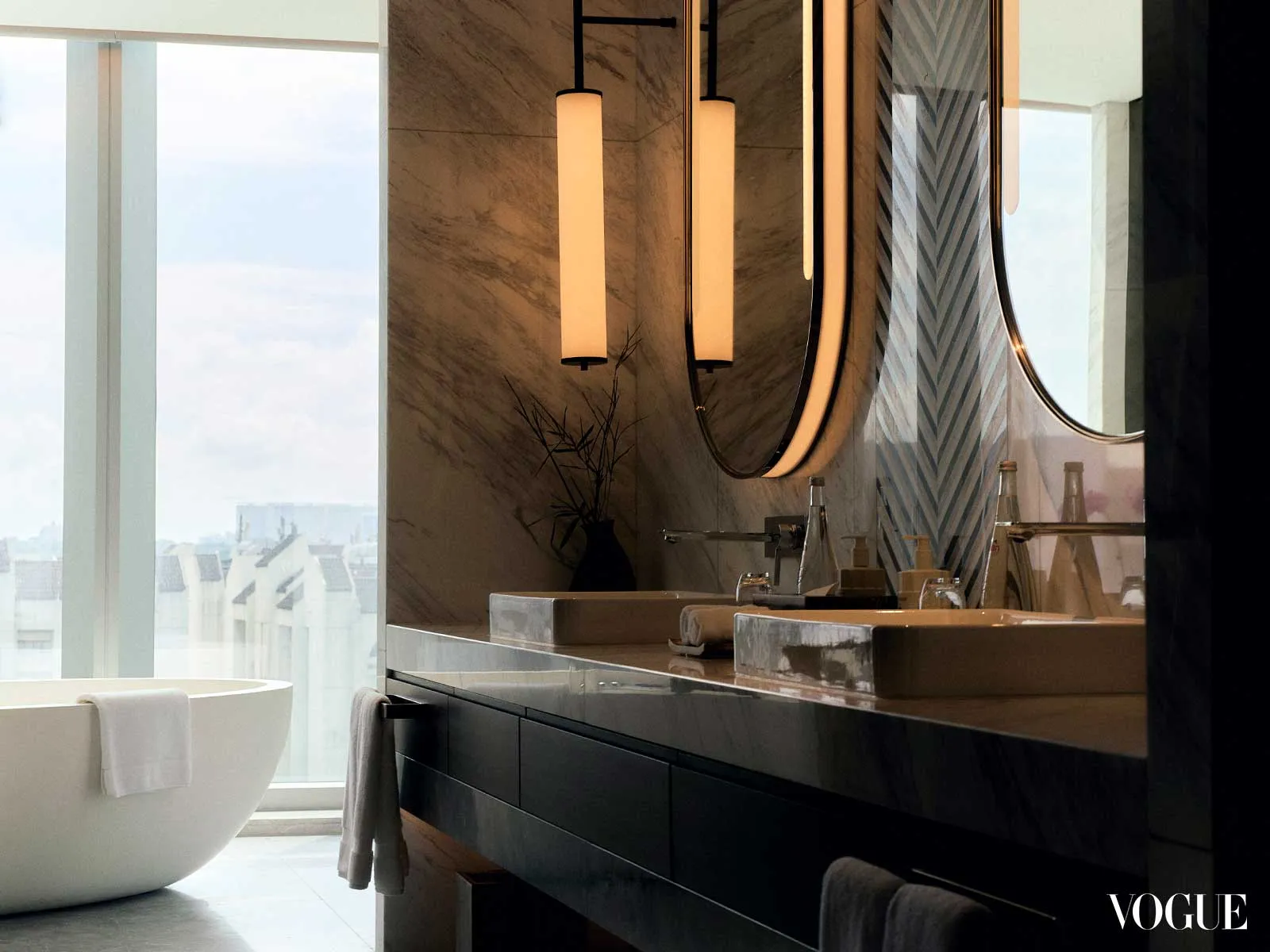
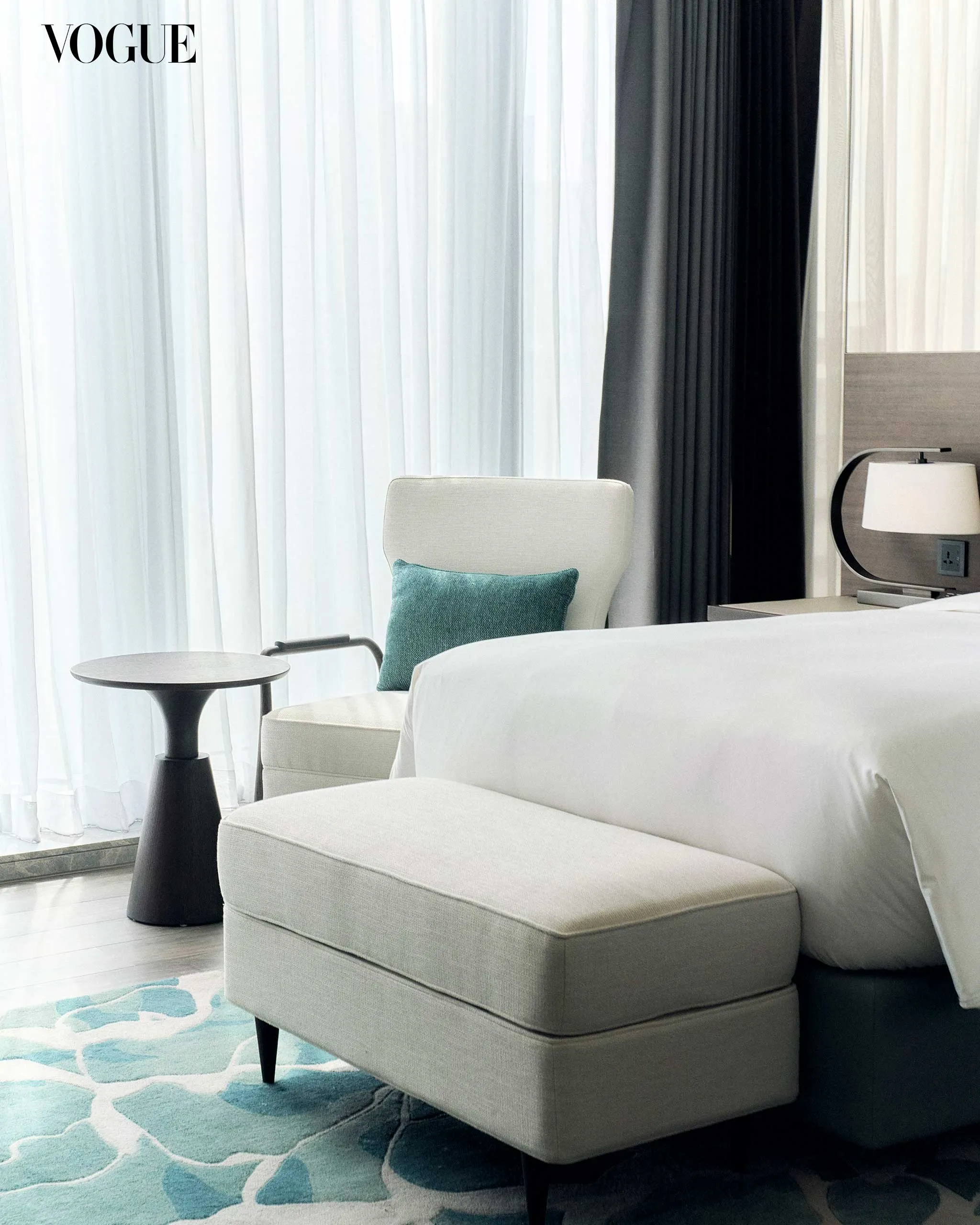
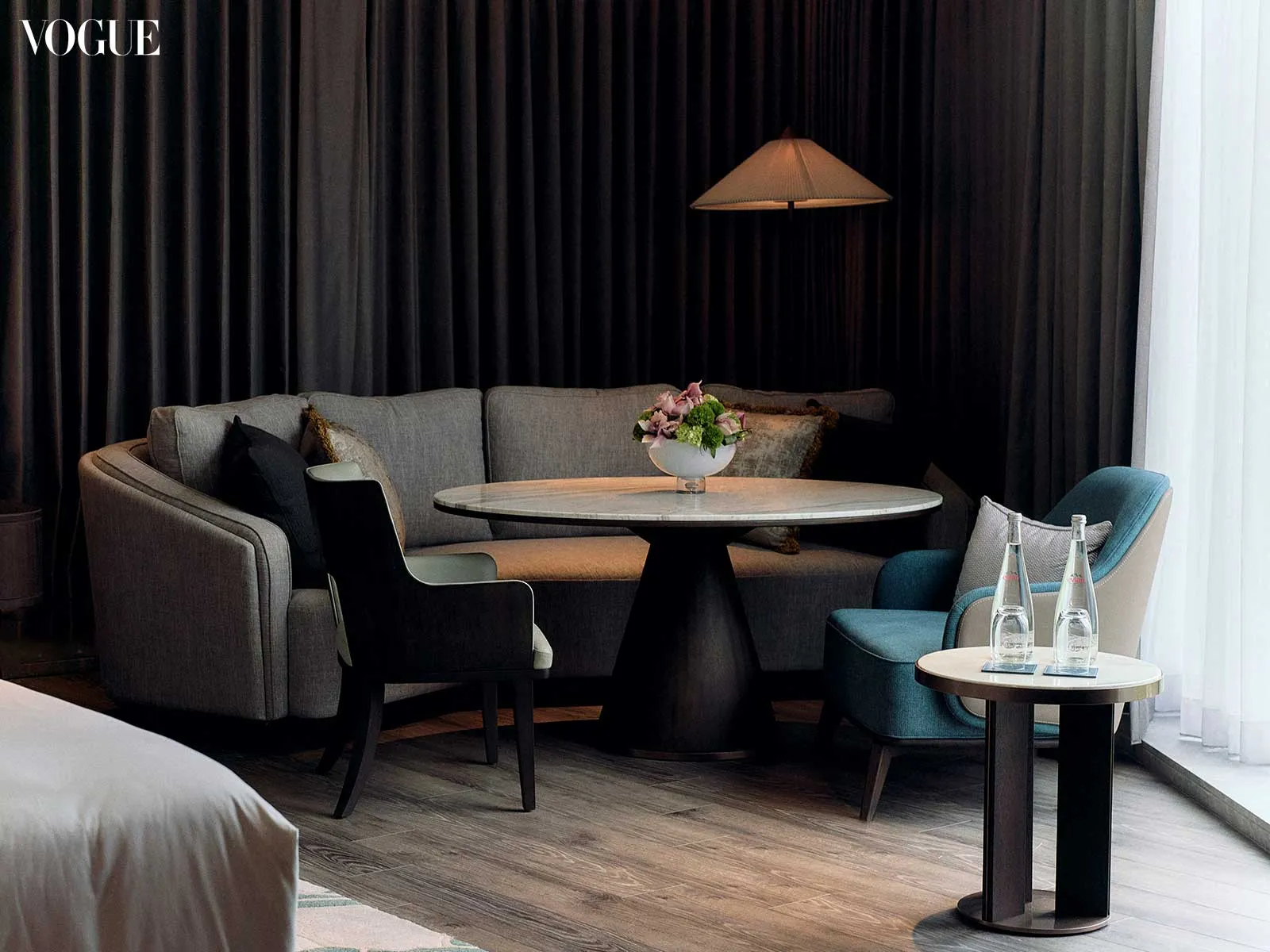
The sense of place continues in the guest rooms, where floor-to-ceiling windows frame views of the leafy expanse of the Ayala Triangle Gardens on one side and Makati’s business district on the other, offering a striking contrast between the city’s green refuge and its urban skyline.
That Filipino sensibility extends to the hotel’s uniforms, designed by Rajo Laurel. Paloma Urquijo Zobel de Ayala, creative director of Ayala Land, says the collaboration with the fashion designer was about ensuring that the employees felt the same thoughtfulness invested in the hotel’s design.
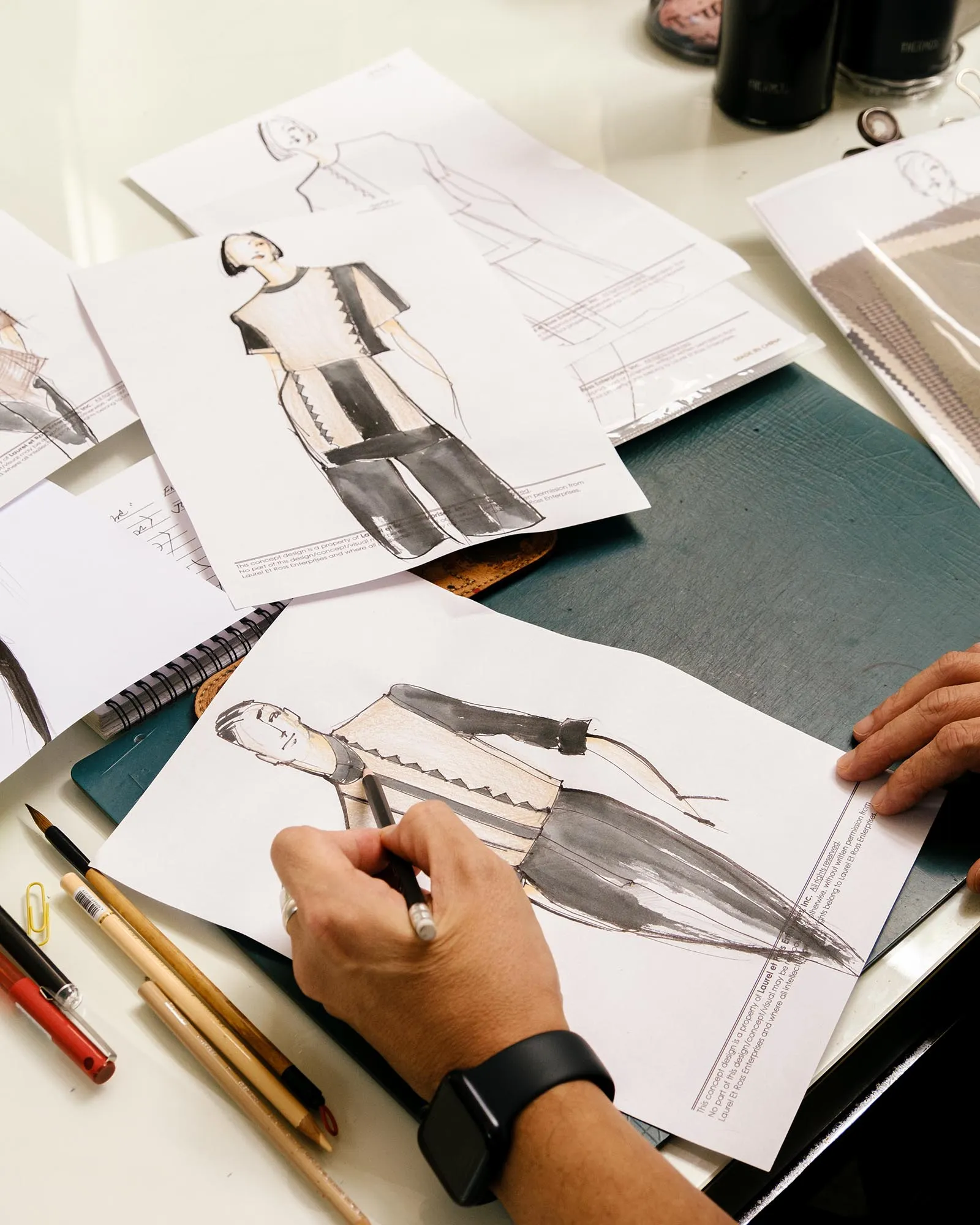
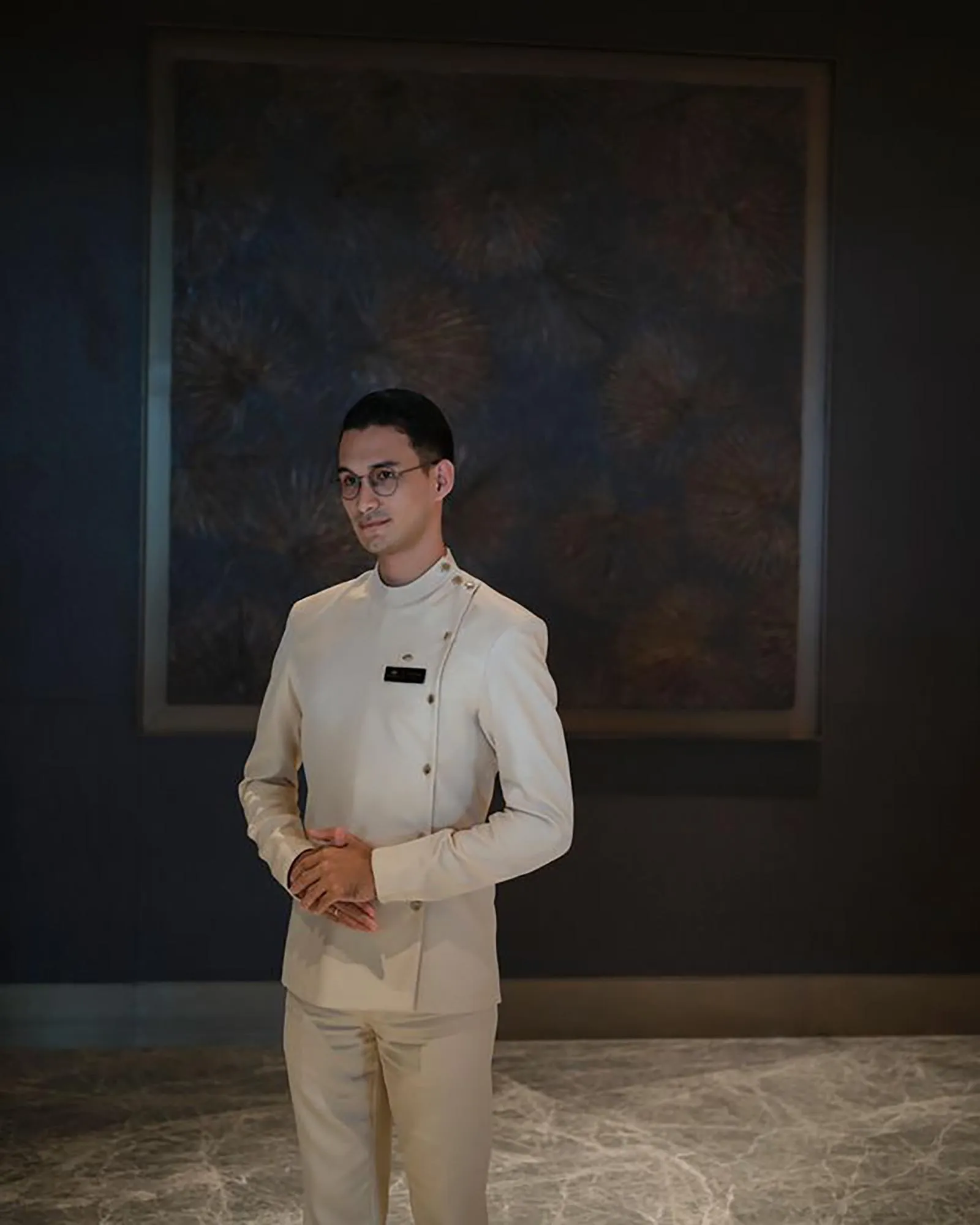
Droin and his team “shared our ambition to set a new standard for hotel uniforms,” Urquijo says. “We put so much love and thought into every detail of this hotel, and we wanted the team to feel that same care when they dressed for work. We also worked with Marquina Shoemaker on all of the shoes the team will wear with Rajo’s uniforms.”
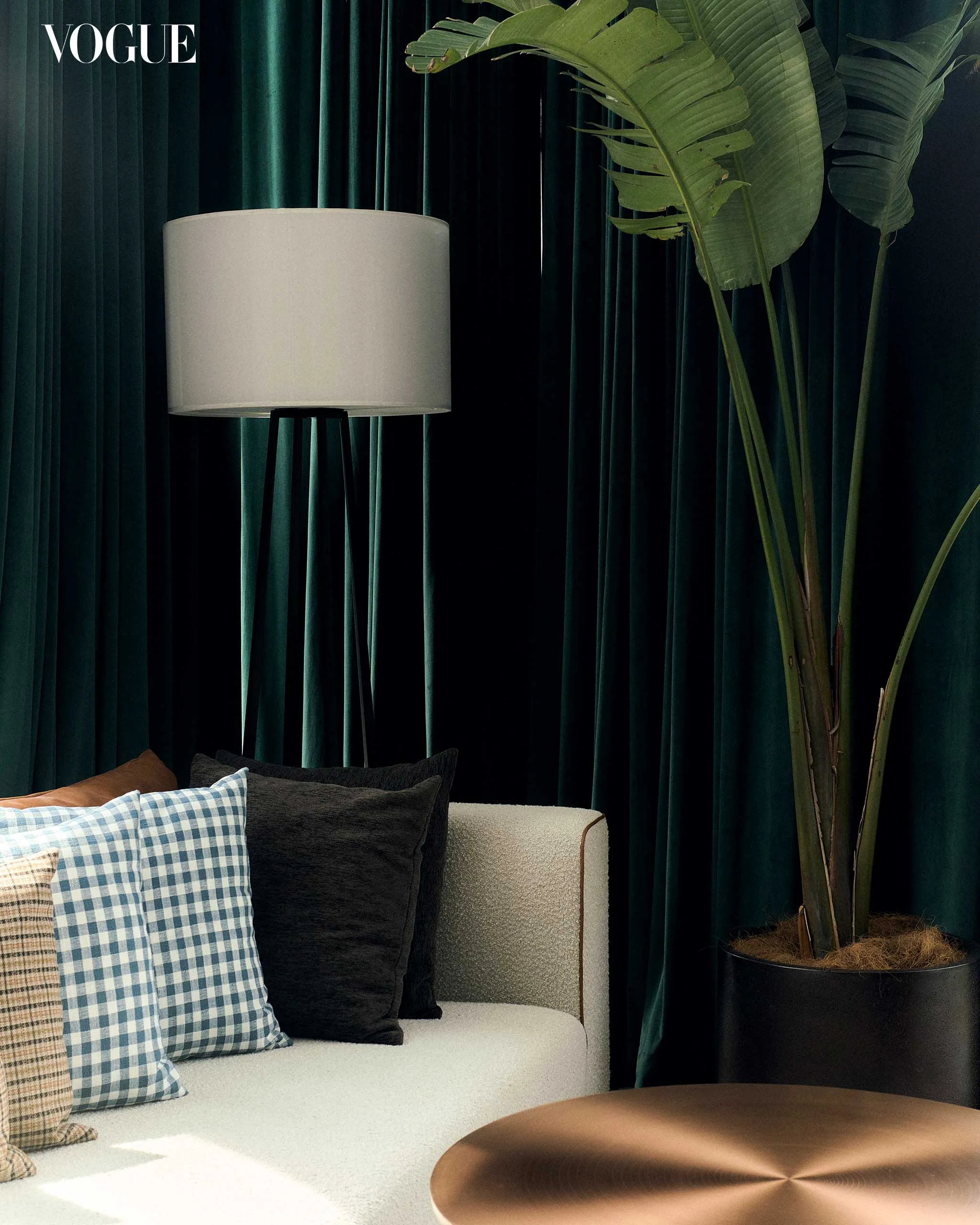
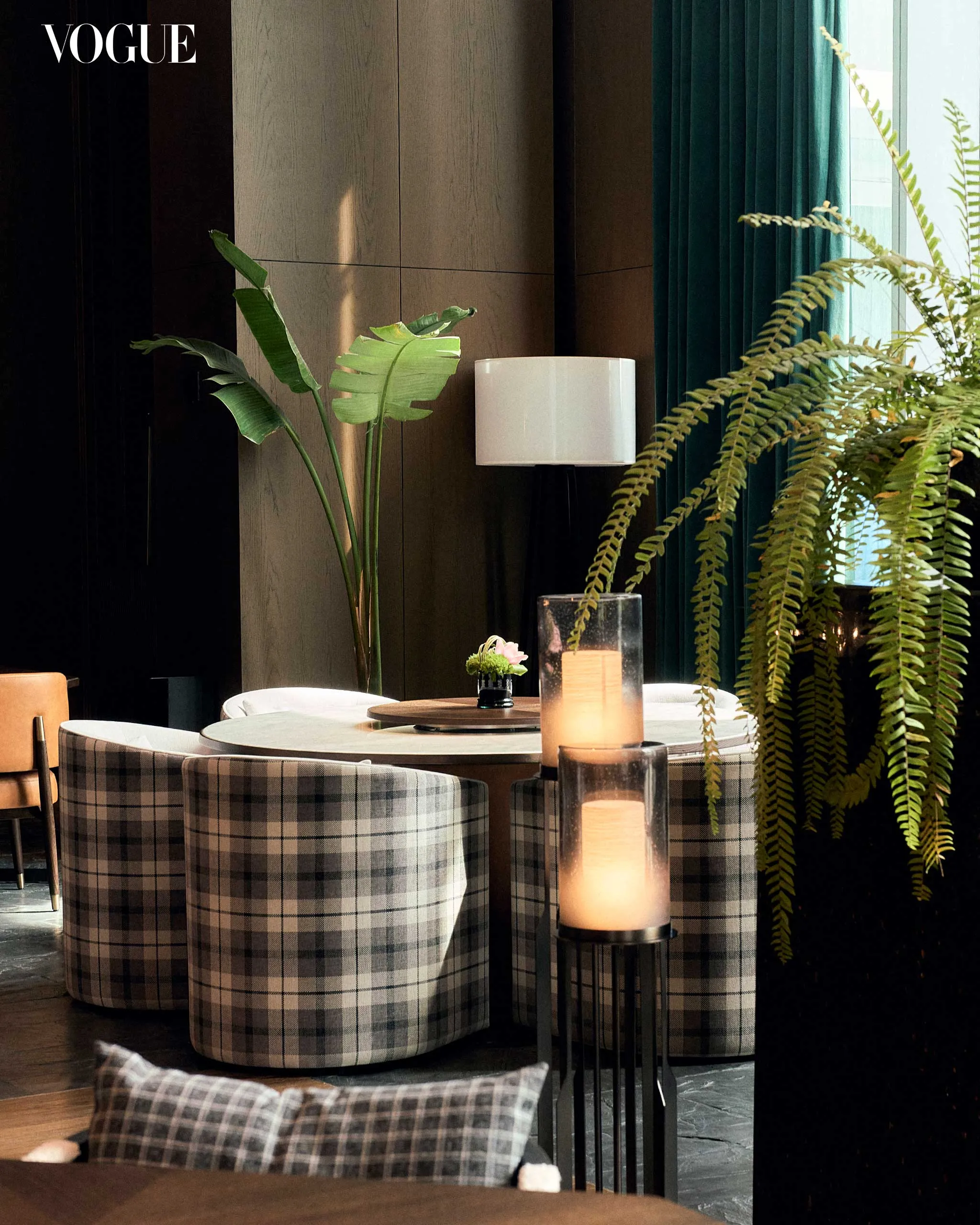
The lobby, where we sit for tea after our exclusive tour of the property, feels more like an intimate residential space than the imposing grand lobbies traditionally associated with luxury hotels. It is an approach Droin believes better reflects the evolving expectations of today’s traveler.
For returning guests, there are also familiar reminders of the past. Among them is the signature chocolate cake, made using the same recipe served at the original Mandarin Oriental. It is a small but meaningful connection to a property that holds decades of personal memories for many Filipinos.
The intention, however, is not to recreate what once was, but to preserve the spirit of the original while introducing something entirely new.
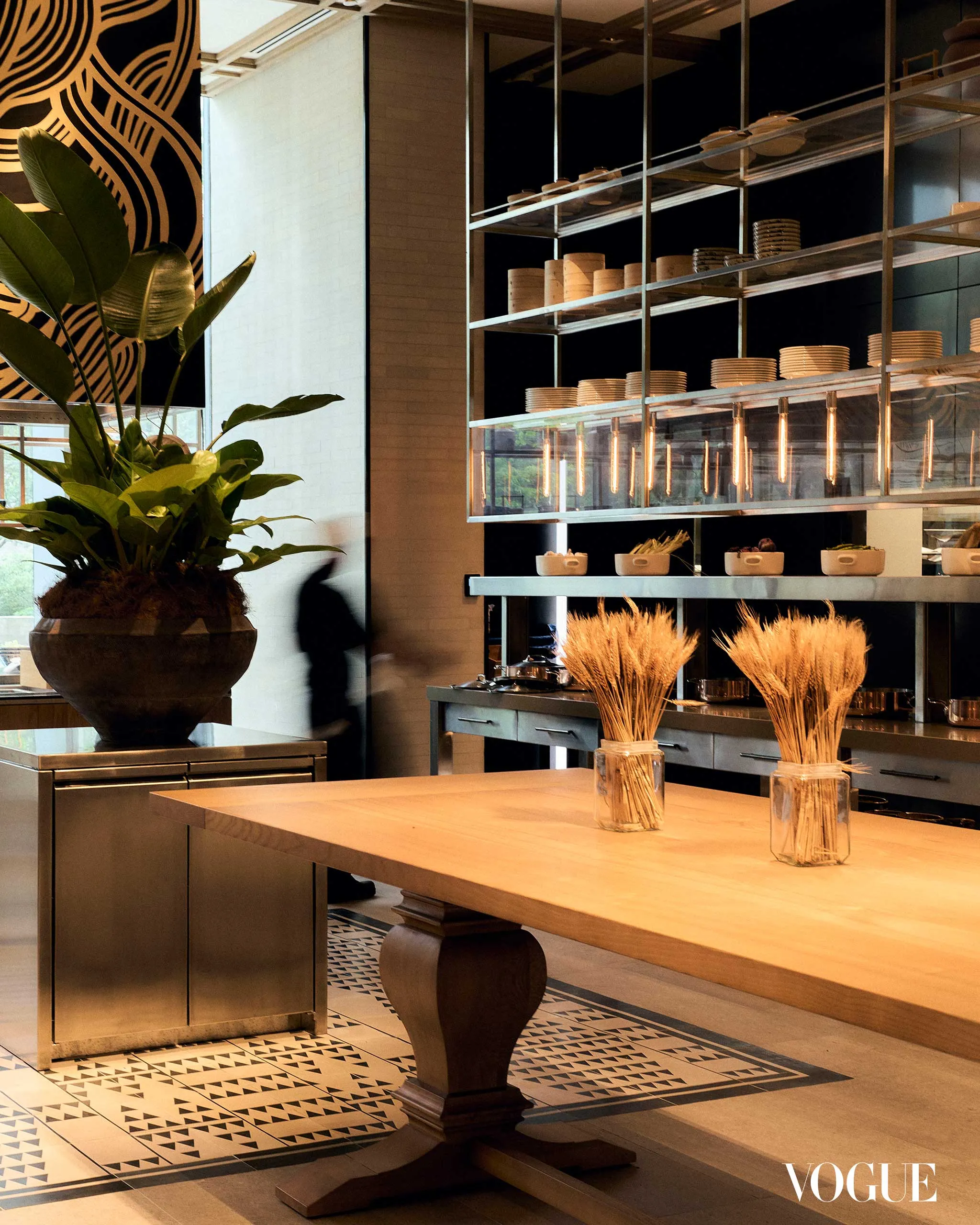
Filipinos have always had a particular fondness for gatheringGatheringGathering refers to a sewing technique bunching fabric along a stitched line to create fullness and volume, commonly used at waistlines, sleeves, or necklines. The technique allows designers to controlGo to Gathering Glossary around a table, and the new Mandarin Oriental has plenty of spaces designed for just that. Its Cantonese restaurant, Bì Luò, has five private dining rooms for celebrations and intimate dinners, with specialties including Peking duck. Ilóy, the all-day dining restaurant, brings together Filipino and international fare, while The Lounge serves afternoon tea, coffee, petit gâteau, and light refreshments.
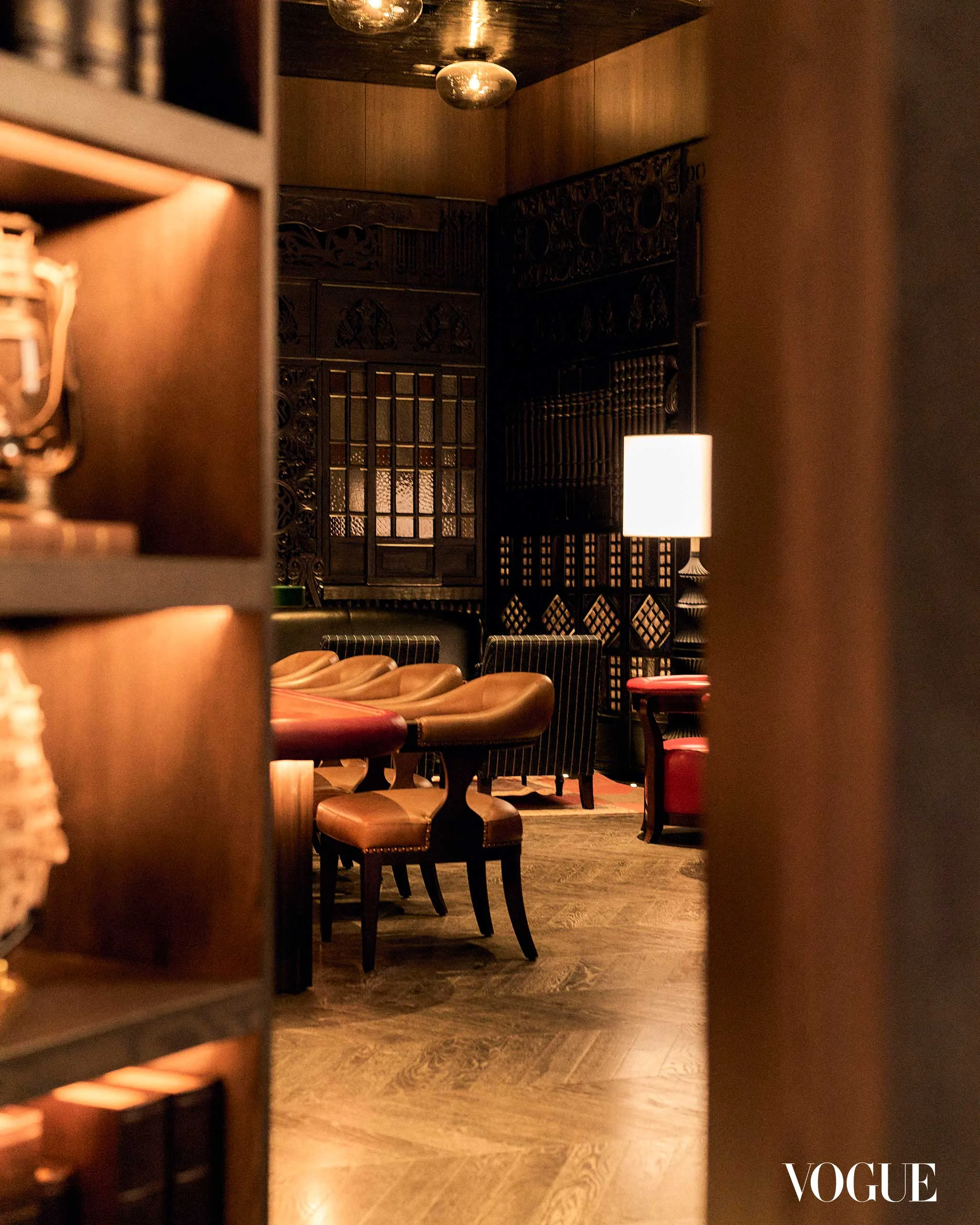
For cocktails, there is Layara, a bar inspired by the Philippine islands, as well as Alambik, a hidden speakeasy. Let’s just say, it rewards those who know where to look.
Perhaps the most touching aspect of the reopening is the opportunity it has created for people who once called the original Mandarin Oriental their workplace.
Droin reveals that the hotel received approximately 30,000 applications for a workforce of just over 300 employees. The new team brings together existing Mandarin Oriental colleagues from around the world, Filipinos returning home after working overseas, and new hires. Former employees of the original Manila property were also invited to return, earning the affectionate designation of “forever fans.”
Some familiar faces from the old hotel will once again be part of its team. Another particularly poignant homecoming is also in the works: The last guest I witnessed check out of the original Mandarin Oriental in 2014 will be among the first to stay at the new property.
For Droin, service remains the brand’s defining characteristic. Employees undergo extensive training, with selected team members also sent to other Mandarin Oriental properties to experience the group’s standards firsthand.
“We have great beds, great coffee, but the experience comes first with the relationship that we are going to be able to create with you,” he says. His personal definition of hospitality is simple: taking a stranger and turning that person into a friend.
It is a philosophy he believes Filipinos understand instinctively. Since moving to Manila from Macau with his family, Droin has been struck by the warmth and openness with which they have been welcomed.
The new Mandarin Oriental also recognizes that the expectations of luxury travelers have changed. One particularly welcome addition is its pet-friendly policy, which allows guests to bring dogs of all sizes.
“Pets are part of many people’s families,” Droin says. “We want to make sure that people are having their memories, which are memories of great service, but not only for them, also for their pets.”
The hotel’s wellness facilities are also part of its plans for the future, with its spa scheduled to open in 2027.
Beyond the property, Droin hopes the hotel will encourage more international travelers to discover the Philippines. He believes the country’s beaches, mountains, islands, and communities deserve greater attention, although he cautions that it is not a destination to rush through.
“You need to take your time, and you need to take the time of the journey,” he says.
As the Mandarin Oriental prepares to welcome its first guests, I find myself thinking about that final day in 2014. I remember the employees trying to hold back their tears, taking photographs, and the unmistakable feeling that something important was coming to an end.
What I did not know then was that I would be back, 12 years later, to witness its return.
The building may be new, the address slightly different, and the expectations of luxury considerably changed. But some things are harder to replace than marble floors, familiar furnishings, or a favorite restaurant. They are the people, relationships, and memories that make a hotel feel like it belongs to a city.
For Mandarin Oriental Makati, the challenge now is to create a new generation of those memories. And for those of us who remember the old hotel, perhaps the loveliest part of this homecoming is knowing that some of its stories never really ended.
Frequently Asked Questions
Mandarin Oriental Makati, Manila is scheduled to officially open on November 27, 2026, marking the return of the luxury hotel brand to the Philippine capital after its original property closed in September 2014.
The hotel is located at Ayala Triangle, at the corner of Makati Avenue and Paseo de Roxas, in the heart of Makati’s business and lifestyle district.
The property is owned by Ayala Land Hospitality and managed by Mandarin Oriental Hotel Group.
The hotel has five dining and drinking venues: Bì Luò, which specializes in Cantonese cuisine; Ilóy, its all-day dining restaurant; Layara, an island-inspired cocktail bar; Alambik, a hidden whisky and cigar bar; and The Lounge, which serves coffee, afternoon tea, pastries, and light refreshments.
The hotel incorporates Filipino art, materials, and craftsmanship into its interiors and guest experience. Details include artwork by Filipino artists, like woven coconut shell wall treatments, anahaw leaf artwork in the lobby, and handwoven robes in the Premier Suites. Its signature fan draws inspiration from the weaving traditions and cultural heritage of Luzon, Visayas, and Mindanao.
Fashion designer Rajo Laurel designed the uniforms for the hotel’s team.
Yes. The hotel welcomes dogs of all sizes, recognizing pets as part of the family. Guests should coordinate with the hotel regarding pet-friendly accommodation arrangements.