
Vogue Profiles: Yuki Katayama on Finding Her Way Back to the Big Screen With Fujiko


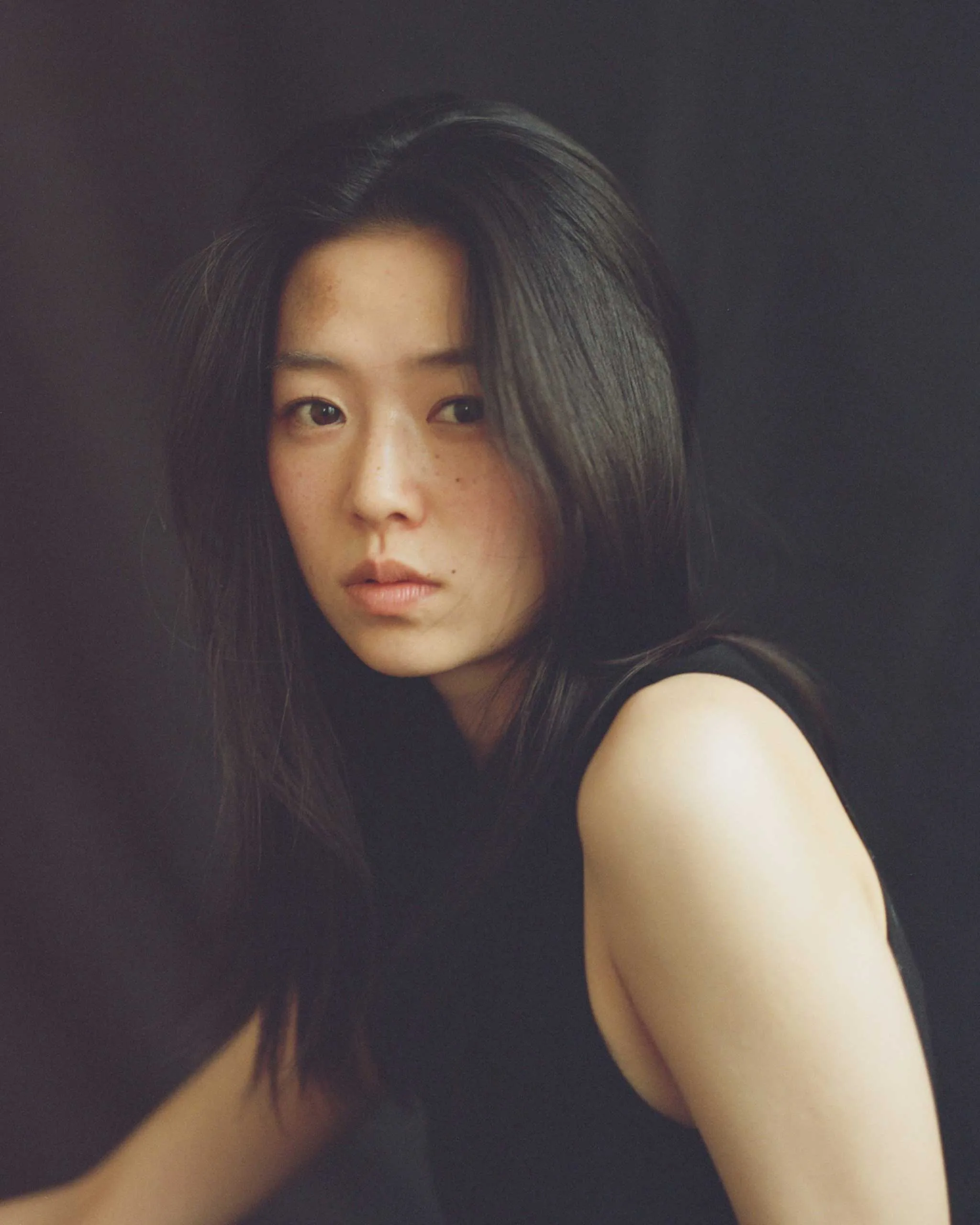
Yuki Katayama. Courtesy of SC Films International Ltd.
After years away from feature films, the Japanese actress returns with a story about motherhood, resilience, and the strength of an ordinary woman.
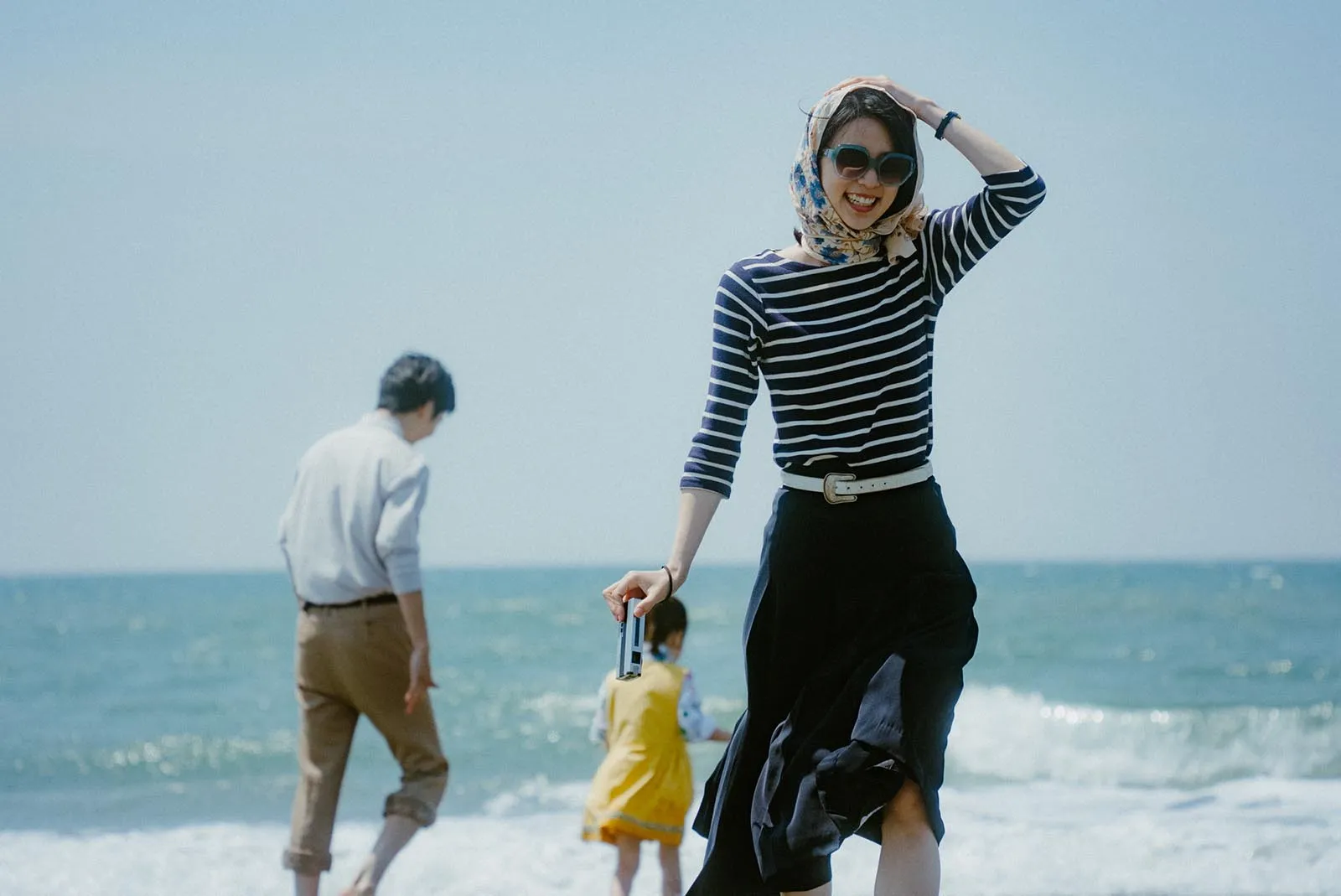
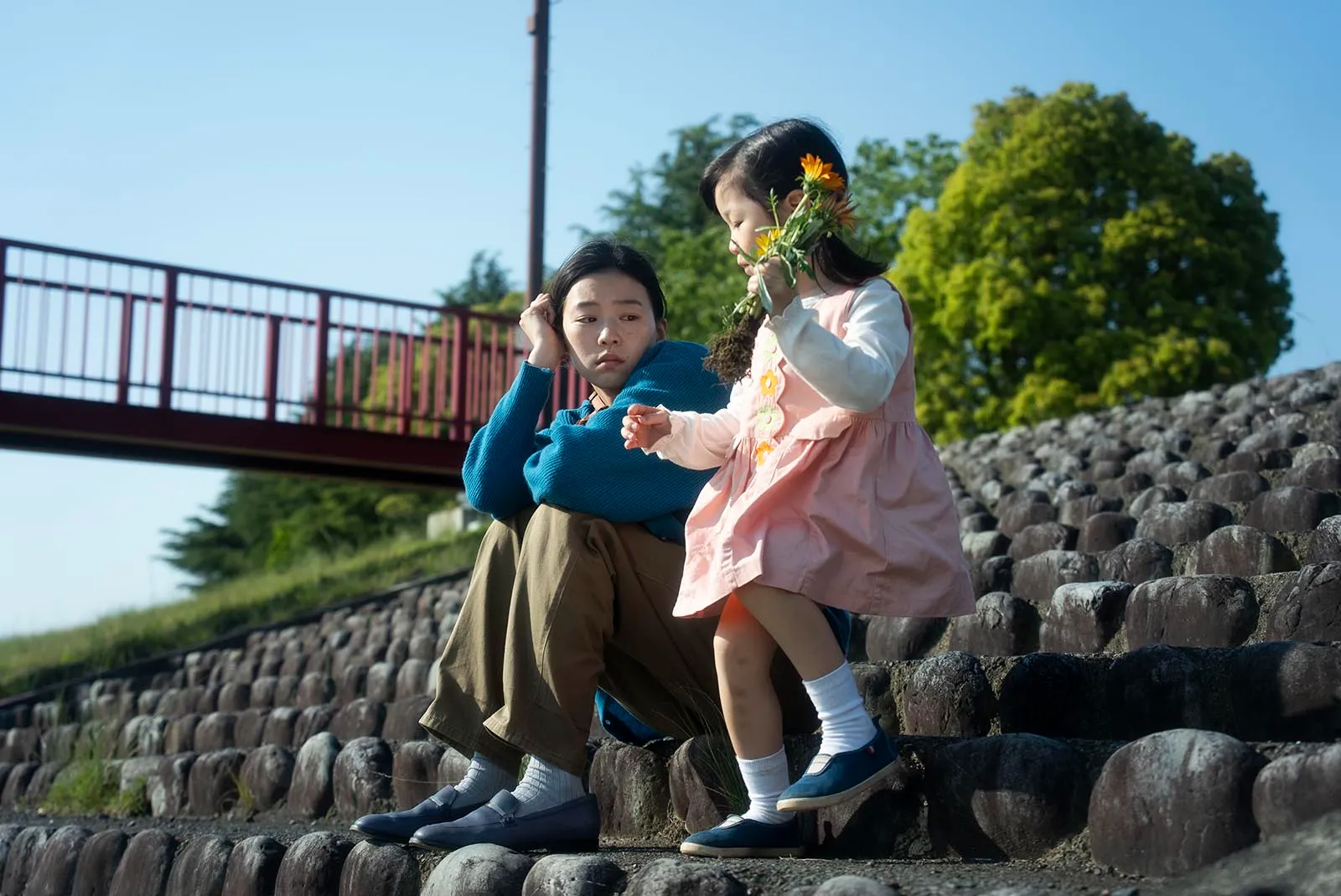
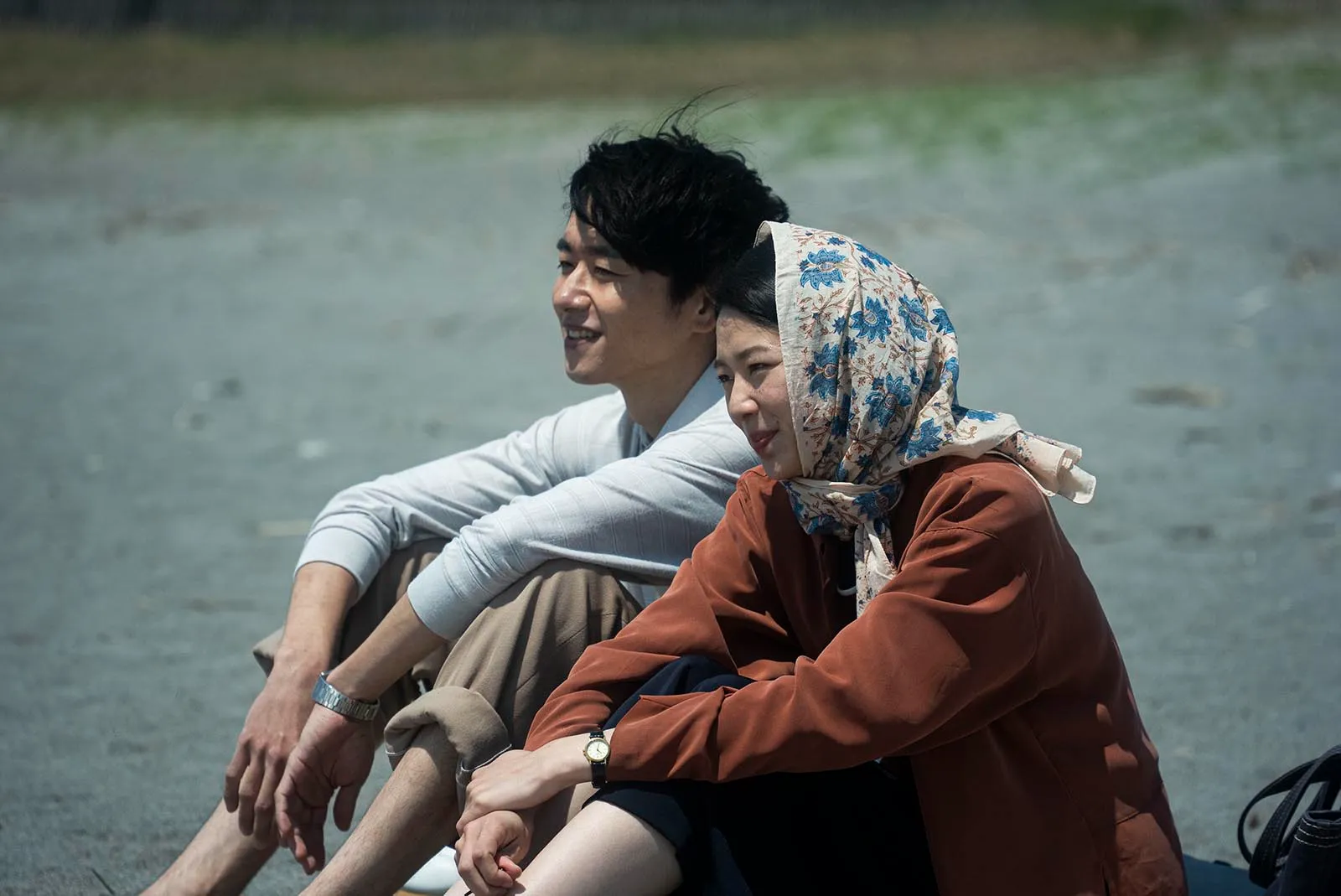
At the 2026 QCinema International Film Festival, Taichi Kimura’s Fujiko competes in the Asian Next Wave competition. Starring Yuki Katayama, the film follows Fujiko, a mother who endures severe mistreatment from her husband after giving birth to her daughter during a storm-induced hospital blackout. When her in-laws abduct her daughter, Fujiko reclaims her child and chooses to raise her alone.
“Fujiko is my first feature film as a leading actress,” Katayama tells Vogue Philippines. It’s also her return to feature films in general, as the actress’s last project was in 2022, the comedy-fantasy film Konbiniensu sutori. During that gap, she was busy with TV series projects such as Itsuka, Mujuuryoku no Chuu de and Usotoki Rhetoric.
As she prepares to travel to the Philippines for the film festival, the Japanese actress talks about the film, her character, and acting.
In the interview series Vogue Profiles, we speak with creatives and cultural voices about their taste, worldview, and inner life, and learn about what informs their creative choices. Below, Katayama talks about what feeds her inner world, her creative influences, and her rituals.
Vogue Philippines: What’s capturing your attention these days?
Yuki Katayama: I recently went to Tokyo Disneyland for the first time in 25 years! I used to think theme parks weren’t really my thing, but I found myself completely drawn into the world of Disney.
I was amazed by how much attention had gone into every little detail, from the buildings to the attractions. It made me appreciate the incredible power of world-building and how it can completely captivate people.
What has shaped your creative eye the most?
I believe that people are incredibly multifaceted. For example, the version of myself when I’m with my mother is different from the version of myself when I’m with my friends, even though they’re both me.
I think observing these different sides of myself and trying to understand them forms the foundation of my acting. Another big influence is my work as a model. I love stepping in front of the camera, immediately immersing myself in a brand’s world and creating something together with the creative team.
How would you describe your aesthetic—not just in your work, but in the way you live?
For me, it’s about appreciating the simple things in everyday life. Waking up in the morning and opening the curtains, having a coffee or something to eat, cleaning the house, going to the supermarket, or getting in touch with family and friends.
I feel that everyday life and acting are closely connected. I want to take good care of my own life and the little things that make it meaningful, because that’s what allows me to keep doing the work I love.
What do you think people misunderstand about creativity?
In Japan, there is often an expectation that things should be easy to understand and clearly expressed. But I think there are times when people carry sadness or loneliness deep inside without showing it to anyone, simply enduring those feelings on their own.
I believe it’s important to imagine and express what’s happening beneath the surface. Through acting, I’d like to portray emotions that cannot easily be put into words, as well as the complexity of the human heart.
When do you feel most like yourself?
I’m generally a cheerful person, but when I’m alone at home, I sometimes find myself thinking deeply about all kinds of things and even feeling sad. Some people say they can just sleep and forget about things, but I’m not very good at that! I think that sensitive side of me, too, is an important part of who I am.
Is there a ritual or habit you return to whenever you need clarity or inspiration?
Sometimes I write down my feelings in a notebook to help sort them out. I don’t do it every day. I just write when I feel like putting down something that has made me happy or sad. It’s actually quite interesting to look back at what I’ve written later on.
What are you saying through your work that words alone can’t express?
Fujiko is named after Mount Fuji, the highest mountain in Japan. But she’s not a superhero or a magician. She’s simply a woman, and her story is about being human. She starts out as a vulnerable person, but gradually becomes stronger as the film progresses.
I hope her journey can remind audiences that everyone has their own path in life, and that they should find the courage to follow it.
Has success changed the way you create—or the way you define success itself?
I went three years without working on a feature film. Throughout that time, I never stopped wanting to be in another film again.
Being able to return to the film world with Fujiko feels like a success in itself to me. But when I think about it, I don’t think I was necessarily chasing success. I simply have a strong desire to do the things I genuinely want to do.
What are you learning to let go of?
Until now, I’ve appeared in many television dramas in Japan because I wanted people to recognize my face and remember my name. Productions can sometimes move at a very fast pace. Although I enjoyed many aspects of the work, there were also moments when I felt a sense of emptiness.
Going forward, I don’t want to choose projects simply for the sake of becoming more recognizable. I want to focus on the work that I genuinely feel passionate about and truly want to be part of.
What kind of legacy do you hope your work leaves behind?
Director Taichi Kimura often says, “A film has to be entertaining.” His words have had a big influence on me.
I’d love to continue being part of films like Fujiko—films that have the power to give people energy, lift their spirits, and put a smile on their faces.
The 14th QCinema International Film Festival runs from November 13 to 22, 2026, with screenings at Gateway Cineplex 18, Robinsons Movieworld Galleria, Ayala Malls TriNoma, Fisher Box Office, and SM Cinema at SM City Fairview. Tickets are available at a discounted price of PHP 200.
Frequently Asked Questions
Yuki Katayama is a Japanese actress and model known for her work in television dramas and films. Her projects include Konbiniensu sutori, Itsuka, Mujuuryoku no Chuu de, and Usotoki Rhetoric.
Directed by Taichi Kimura, Fujiko follows a mother who experiences severe mistreatment from her husband after giving birth. When her in-laws abduct her daughter, she fights to reclaim her child and chooses to raise her independently.
Japanese actress Yuki Katayama stars as Fujiko. The film marks her first feature-length project as a leading actress.
Yes. Fujiko, directed by Taichi Kimura, is part of the Asian Next Wave competition at the 2026 QCinema International Film Festival.
Katayama hopes Fujiko’s journey reminds audiences that everyone has their own path in life and should find the courage to follow it. She also hopes to continue participating in films that give people energy, lift their spirits, and make them smile.